Top Posts
Best Day trips from Sendai
The Sendai Travel Guide: Real Japan
A Self-Guided Art Walk in Kigali: Exploring Kacyiru’s Art Centres
Windhoek Travel Guide: Is Namibia’s Capital Worth Visiting?
Kibiji Cycling Route Rentals: A Day Trip from Okayama
Okayama Travel Guide: A Practical Base for Kurashiki and the Kibi Plain
Is Tottori Worth Visiting on a Japan Trip?
North Sumatra Itinerary: Bukit Lawang, Berastagi & Lake Toba
Lake Toba & Samosir Island: Is It Worth Visiting?
Mount Sibayak Sunrise Hike: Our Experience in Berastagi, Sumatra
LBSB World
  • Home
  • Destinations
    • Africa
      • Namibia
      • Rwanda
    • Asia
      • China
      • Indonesia
      • Japan
    • Europe
      • Albania
      • Bosnia-Herzegovina
      • Croatia
      • Montenegro
      • Netherlands
      • North Macedonia
      • Serbia
    • North America
      • Dominican Republic
  • Travel itineraries
  • Plan your trip
  • About Us
    • About Sam & Livia
    • The Story Behind Our Full-Time Travel Life
    • abearcalledpaddington
Author

Sam

  • Author Profile
  • Posts by the Author
  • Best Day trips from Sendai
  • The Sendai Travel Guide: Real Japan
  • Kibiji Cycling Route Rentals: A Day Trip from Okayama
  • Okayama Travel Guide: A Practical Base for Kurashiki and the Kibi Plain
  • Is Tottori Worth Visiting on a Japan Trip?
  • How to Find the Abandoned Kurayoshi Railway Line
Sam

I design and execute structured, scalable digital ecosystems that integrate SEO, AEO, UX and analytics into commercially focused marketing strategies. I also travel full-time!

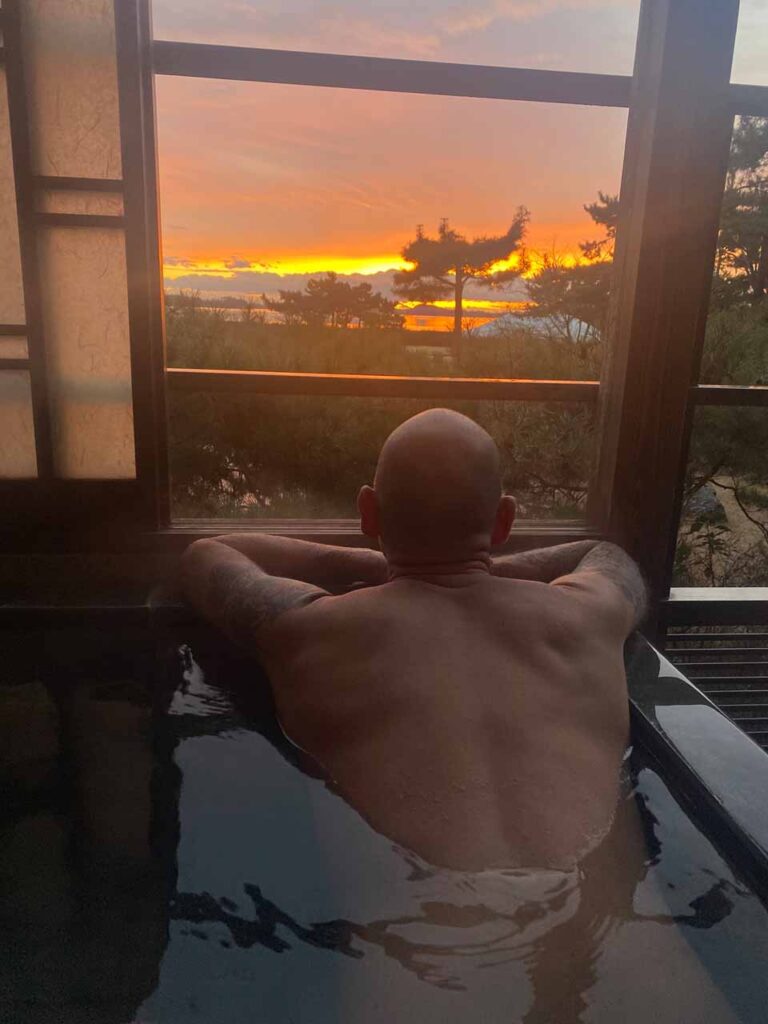
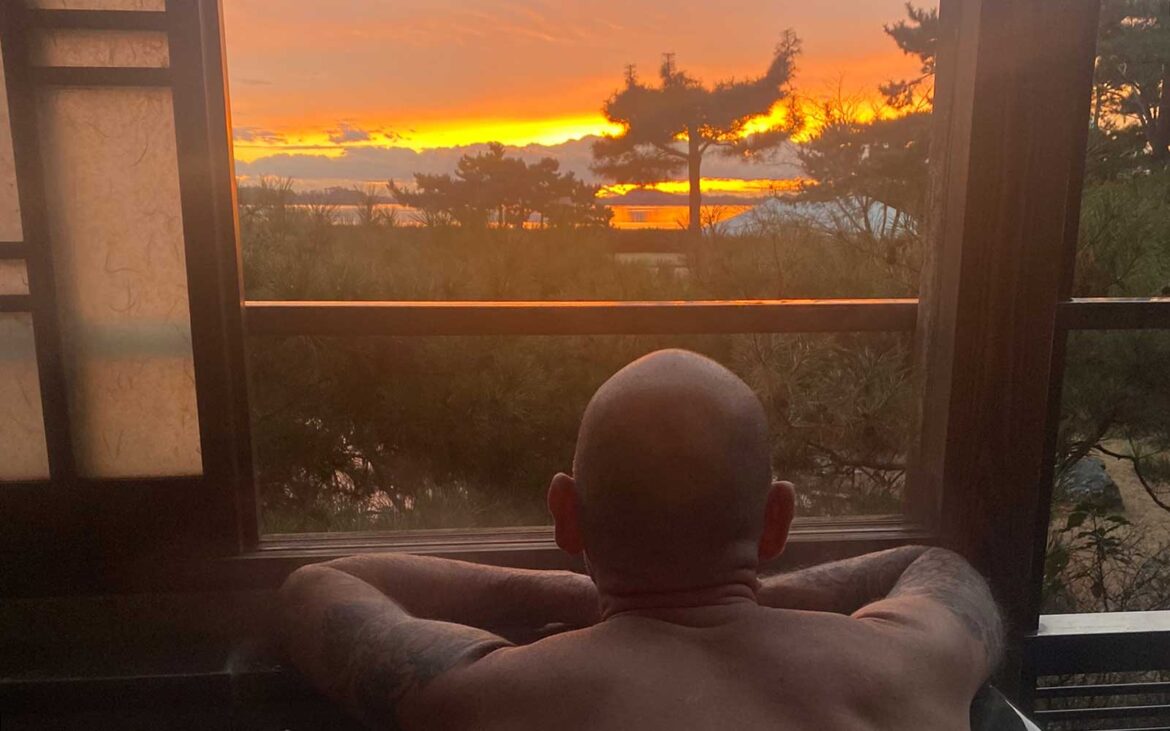
Sam relaxing at Matsushima Ichinobo
Japan

Best Day trips from Sendai

by Sam September 7, 2026
written by Sam

Sendai is a brilliant base for day trips, especially if you want to see more of Tohoku without changing hotels every night. From the city, you can easily reach Matsushima for coastal views and island boat trips, Nikka Whisky Miyagikyo Distillery for a slower mountain-side whisky stop, and Yamadera for one of the most atmospheric temple climbs in northern Japan.

If you haven’t read our Sendai travel guide, now’s a good chance!
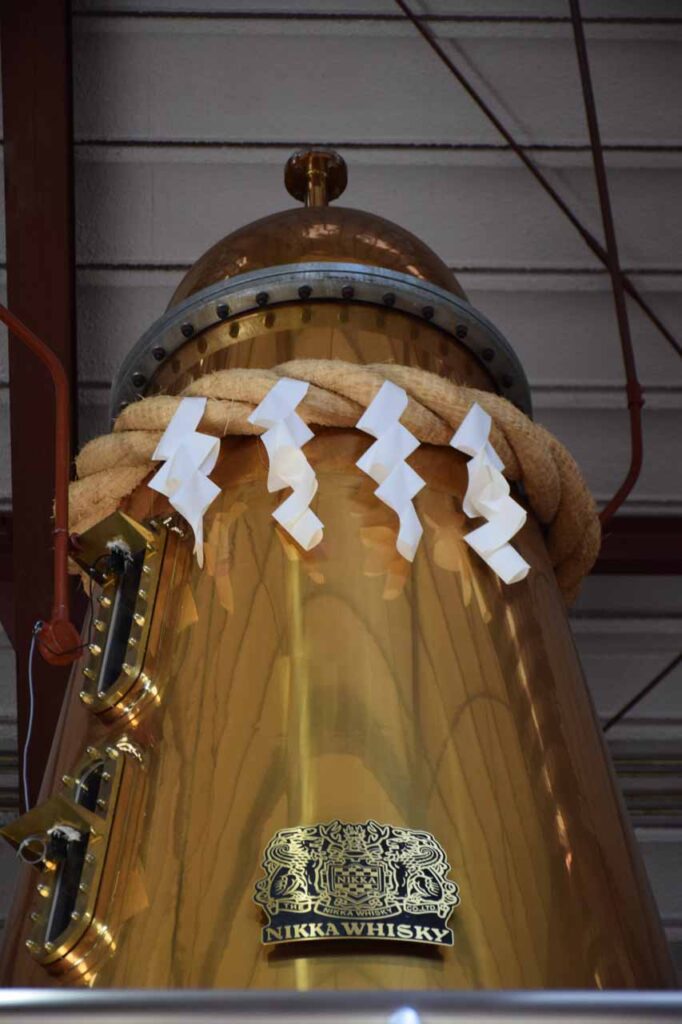
Exclusive Nikka Whisky
Risshaku-ji Temple, Yamadera
Sakumani Onsen
Sakumani Onsen

Matsushima

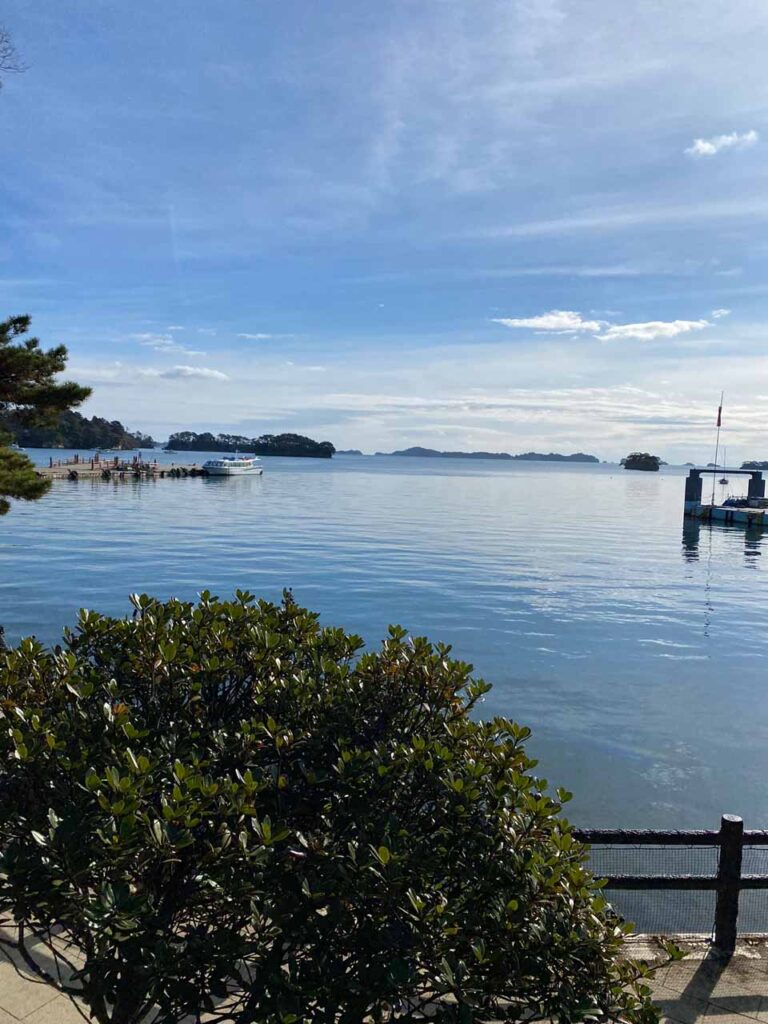
Matsushima is one of the easiest and most famous day trips from Sendai. It is known for its island-dotted bay, coastal scenery and relaxed sightseeing.

You can visit the Matsushima Island Tour Boat Pier and take a 50 minute boat trip around the bay. Ticket price is $1,000 Yen or more per person, and ticket purchase is CASH only. there is a prerecorded bilingual tour guide broadcast too, or keep things slower and wander around the waterfront.

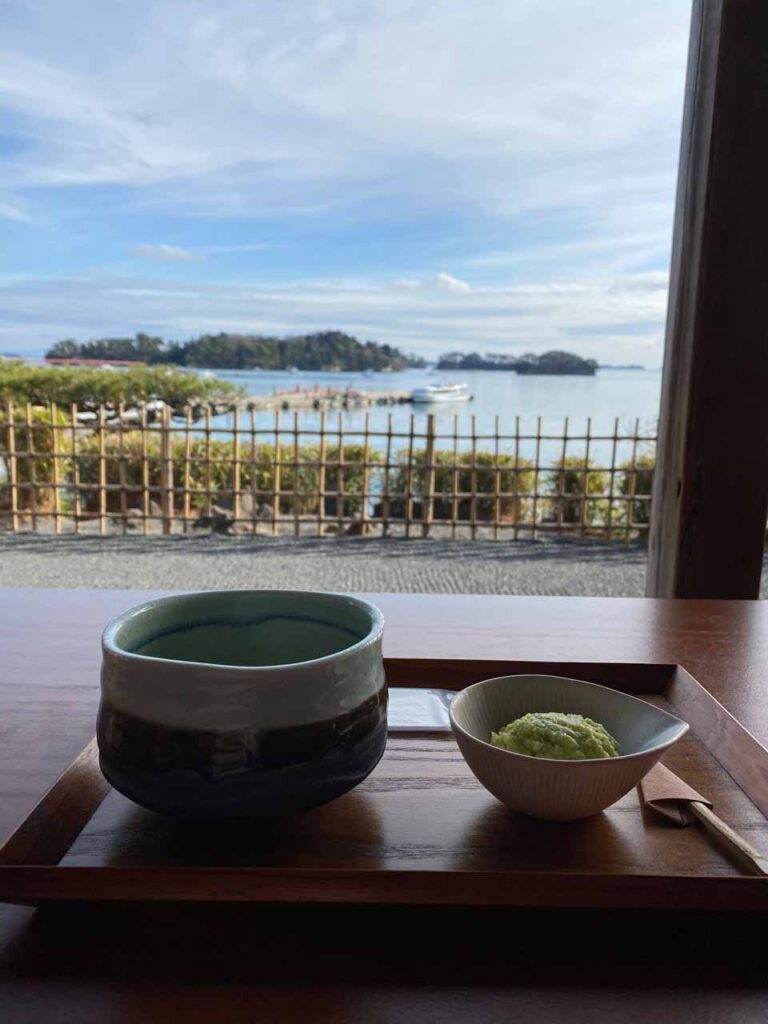
Kanrantei Tea House (Matsumshima)

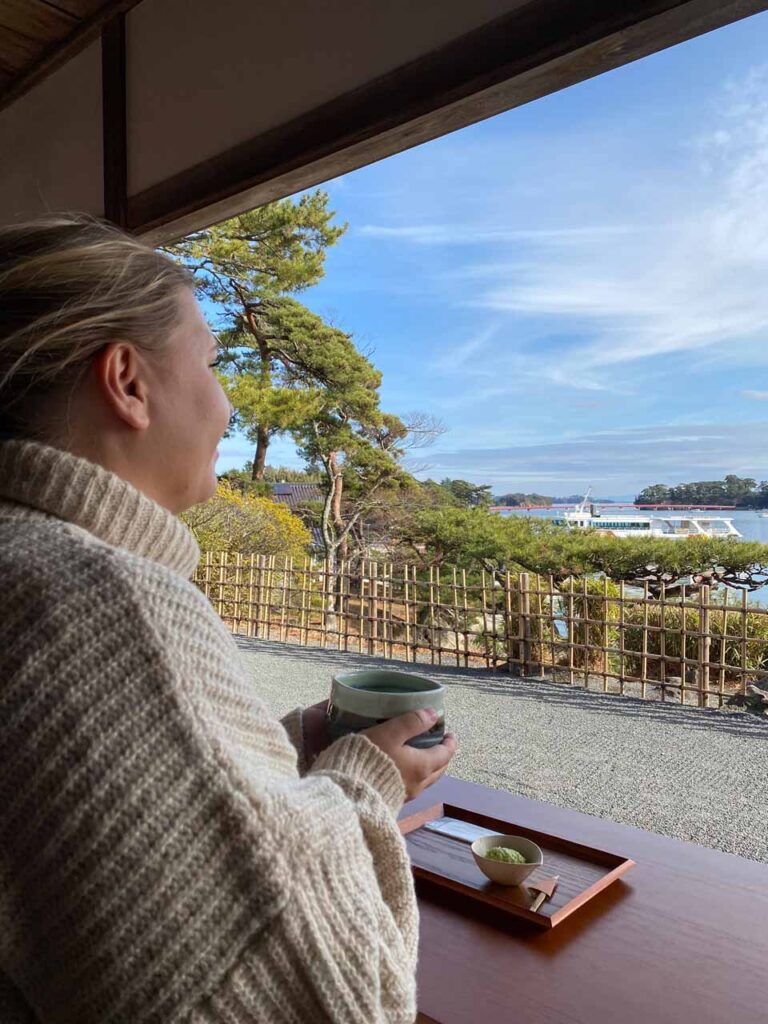
Kanrantei Tea House is a lovely stop in Matsushima. It has views over the bay and works well as a slower break between walking, sightseeing and boat trips.
Matsushima
Matsushima
Kanrantei Tea House (Matsumshima)

Where to stay in Matsushima

Matsushima Ichinobo

Matsushima Ichinobo is a beautiful onsen hotel in Matsushima and works well if you want to turn Matsushima into an overnight stay rather than a simple day trip from Sendai.

Staying overnight gives you more time to enjoy the bay after the day-trippers leave, and it makes Matsushima feel much calmer.
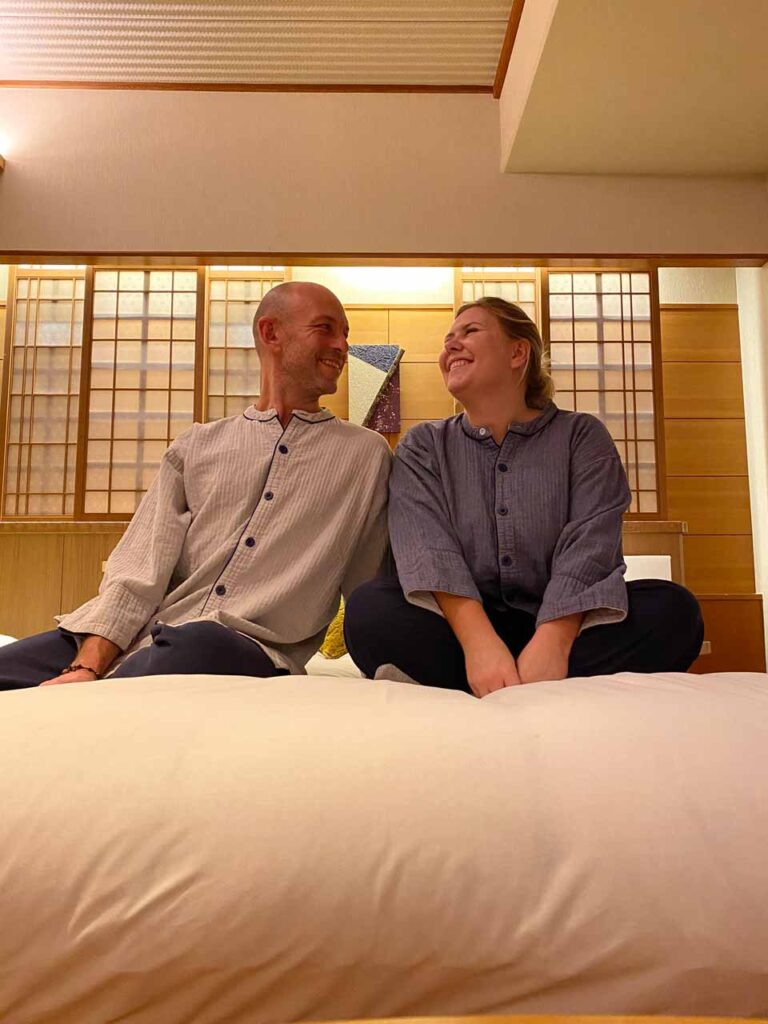
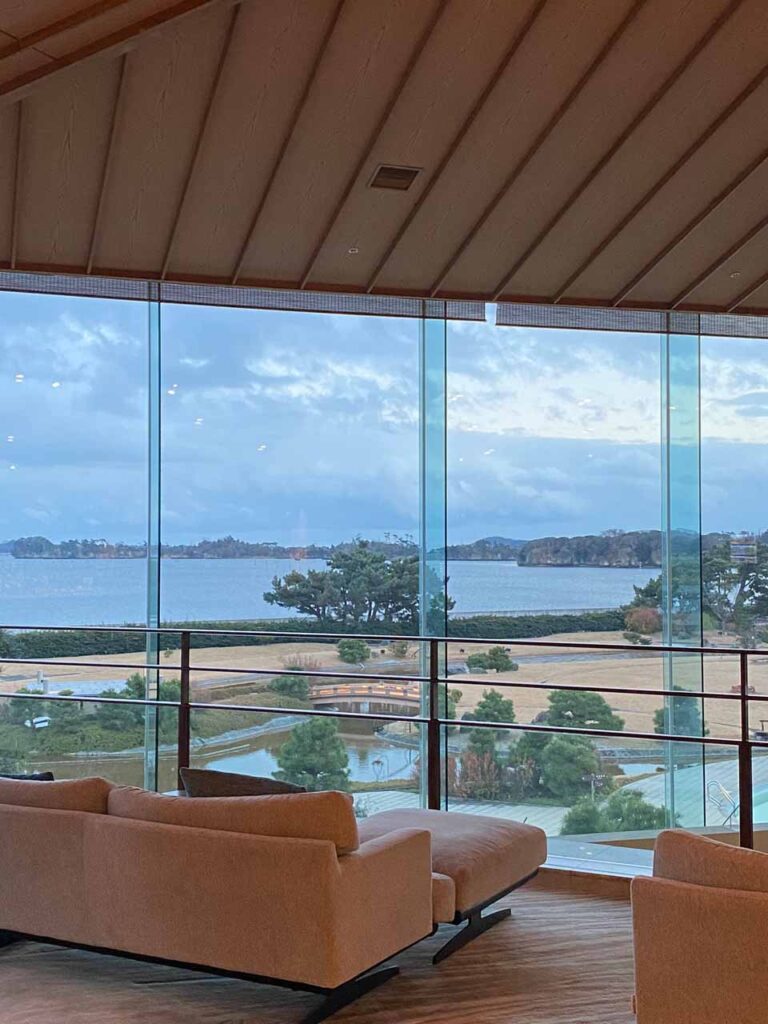
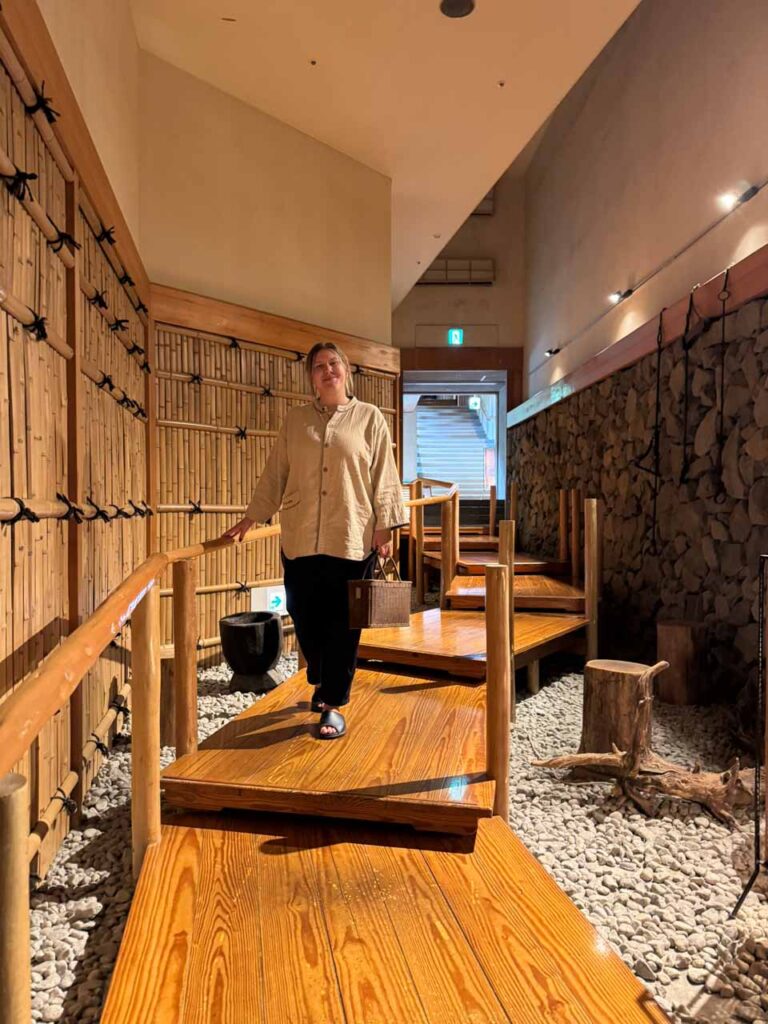
Onsen uniform at Matsushima Ichinobo
Matsushima Ichinobo
Matsushima Ichinobo
Matsushima Ichinobo
Matsushima Ichinobo
Matsushima Ichinobo
Matsushima Ichinobo

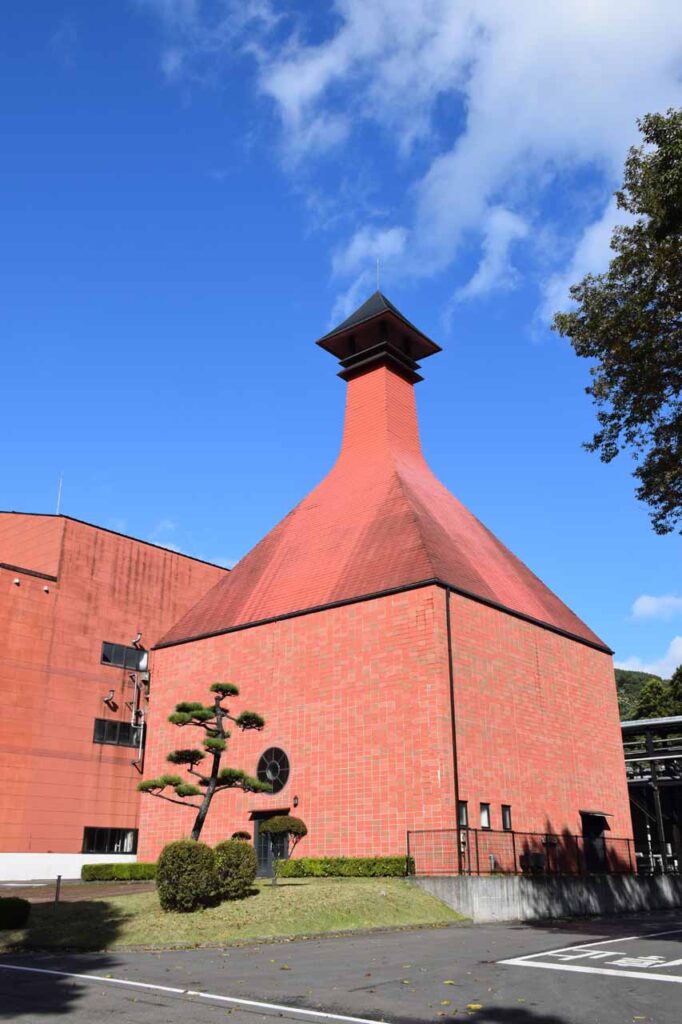
Nikka Whisky Miyagikyo Distillery (Sakunami)

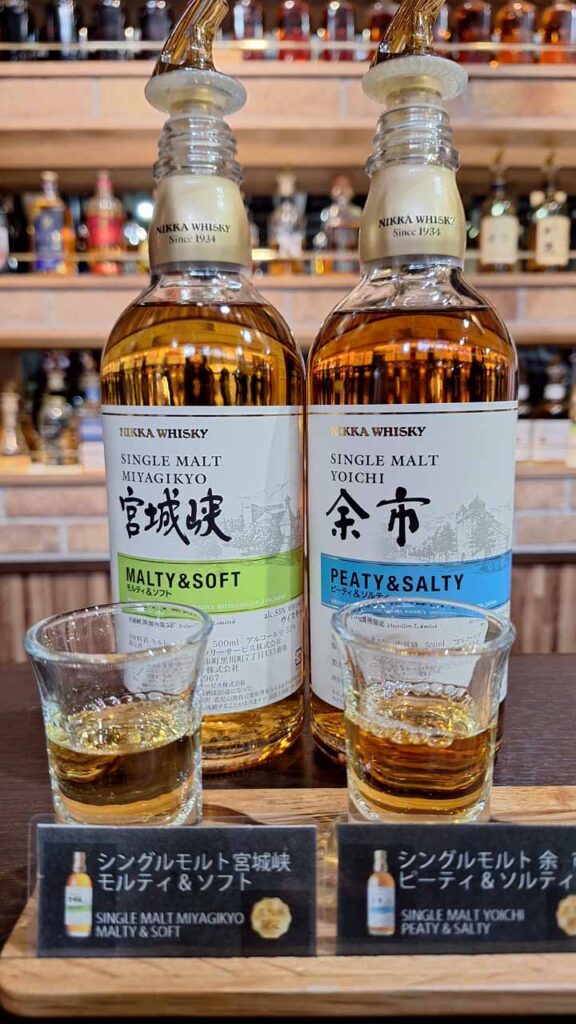
Nikka Whisky Miyagikyo Distillery is one of the best day trips from Sendai if you like whisky. There is no Engligh language tour, but you do get a pamphlet in English and there’s a great whisky tasting afterwards. It’s free, so you just need to book in advance on their website. They also have store exclusives too which are just amazing.

Take the JR Senzan Line from Sendai towards Yamagata and get off at Sakunami Station. From Sendai, the train takes around 40 minutes. From Sakunami, you can use the shuttle bus when it is running, take a taxi, or use the local bus depending on timing.

Your route notes:

  • Train: JR Senzan Line local towards Yamagata
  • Time: around 42 minutes
  • Stops: around 11
  • Platform: 7 at Sendai Station
  • Then bus: 840 / S840 towards Sendai Station for around 2 minutes, depending on the stop and timing

Book ahead if you want to do a tour, and do not assume taxis will be waiting at Sakunami Station.


Nikka Whisky Miyagikyo Distillery (Sakunami)

Where to stay in Sakunami

Sakunami Onsen

Sakunami Onsen is in the same general direction as Nikka Whisky Miyagikyo Distillery, so it can work well as part of a mountain day out from Sendai.

This is also one of the places where staying overnight can make more sense than rushing back to the city. If you like onsen towns and slower mountain stays, Sakunami is worth considering.

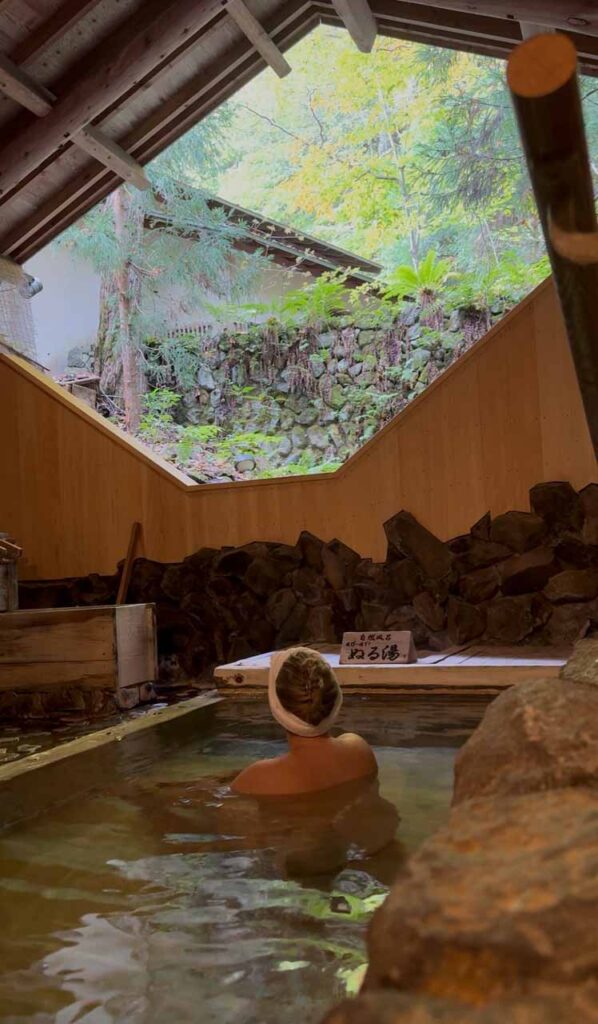
Sakunami Onsen uniform
Sakumani Onsen
Sakumani Onsen
Sakumani Onsen
Sakumani Onsen
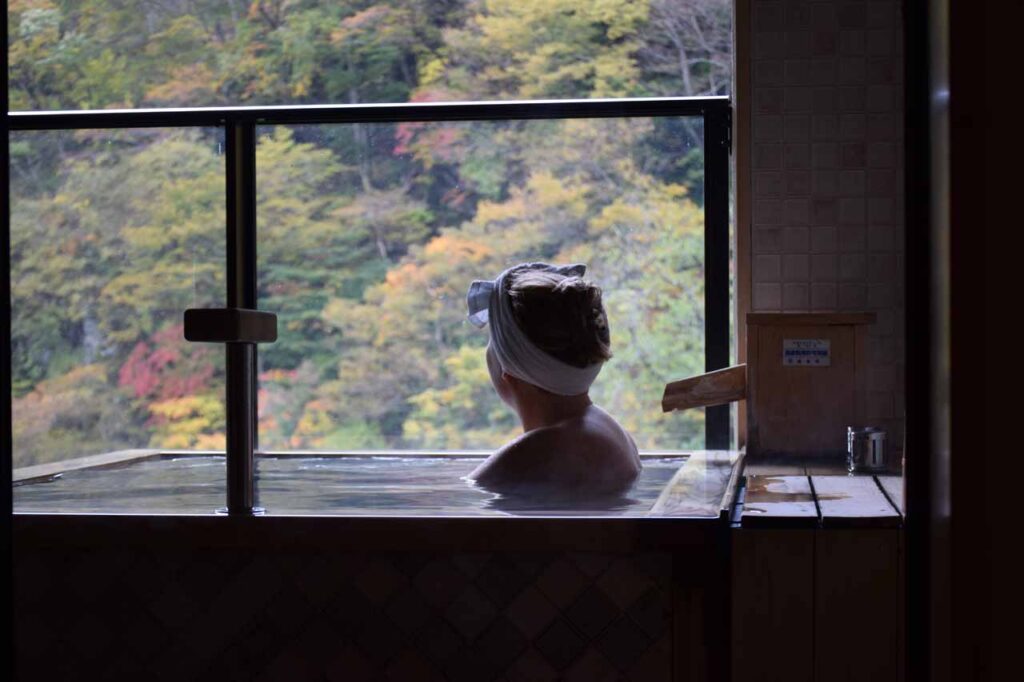
Sakunami Onsen in the fall

Onsen and tattoos

If you have tattoos, ask the hotel directly before booking or when you arrive. Rules can vary, even for foreign visitors.

One option is to book a room with a private onsen, which avoids any uncertainty around the public baths. When we stayed, we also checked with staff about using the public onsen facilities and were given permission, but it is always best to ask rather than assume.

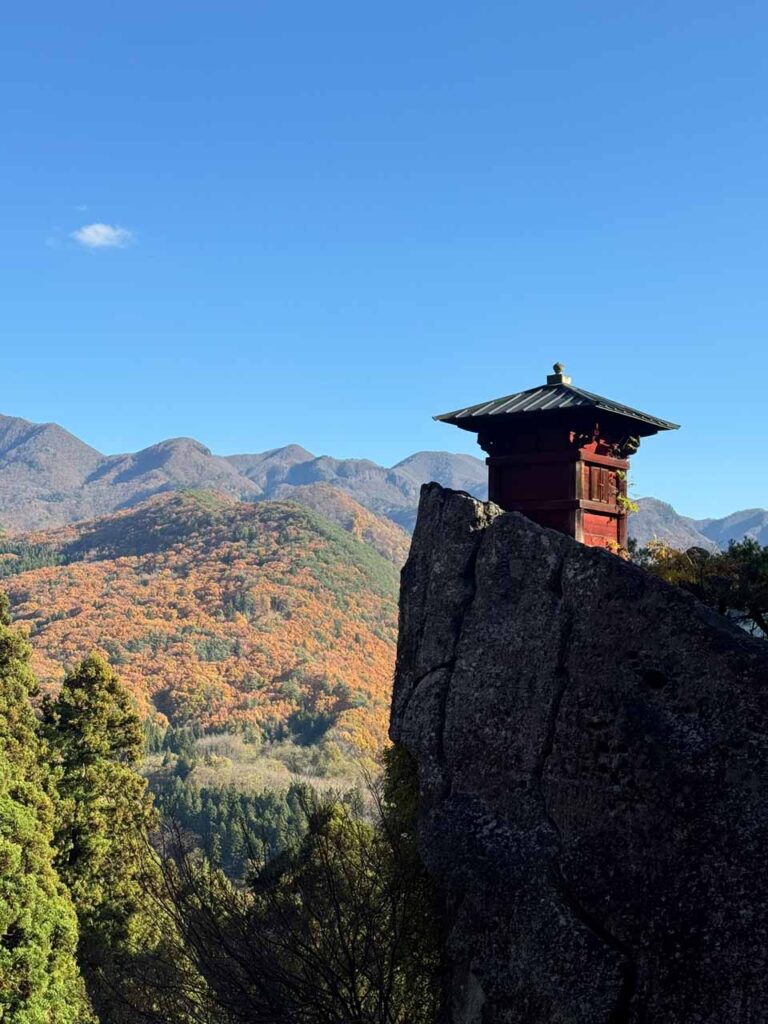
Risshaku-ji Temple, Yamadera

Risshaku-ji Temple, usually just called Yamadera, is another brilliant day trip from Sendai.

Take the train to Yamadera Station, then walk from there. The temple is built into the mountainside, so expect stairs and give yourself time. It is one of those places where the journey up is part of the experience.

In Yamadera, we also stopped at:

TsukiCoffee

Maidoya Shokudo

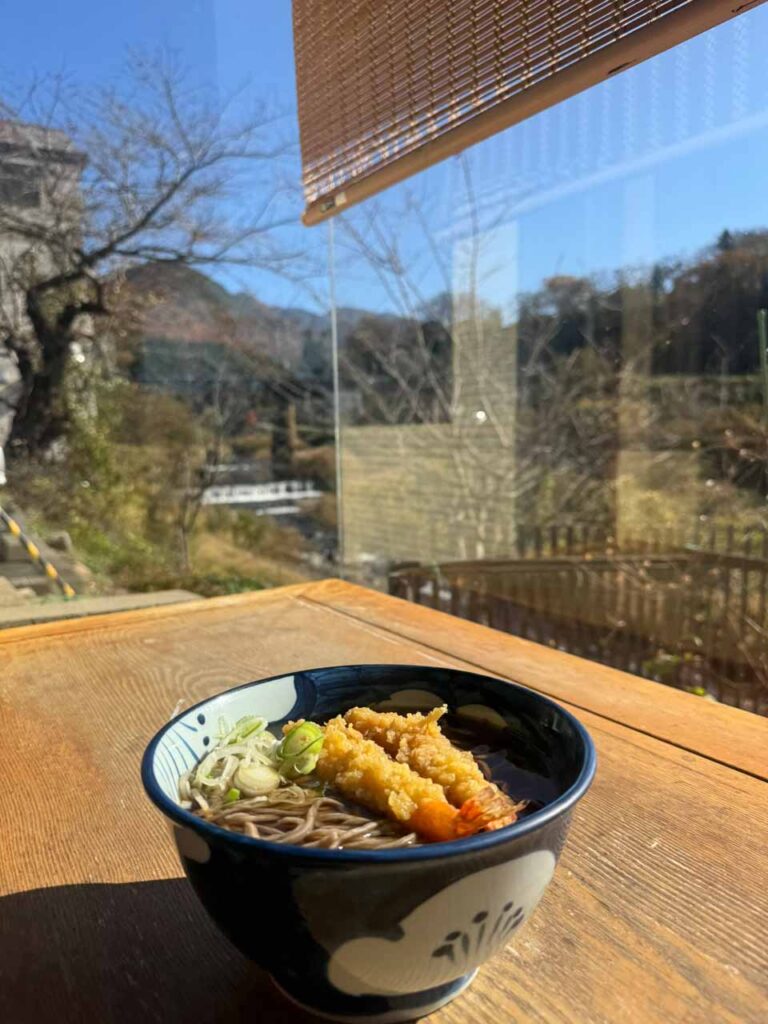
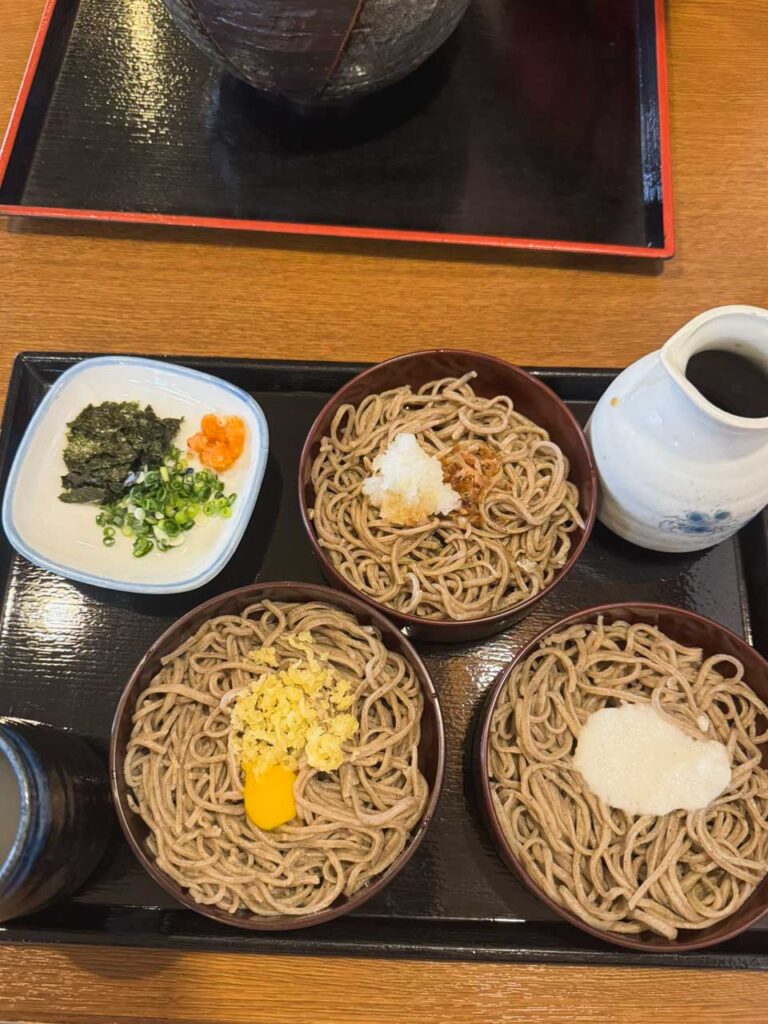
Maidoya Shokudo was a great stop for soba noodles with ebi tempura after exploring the temple area.
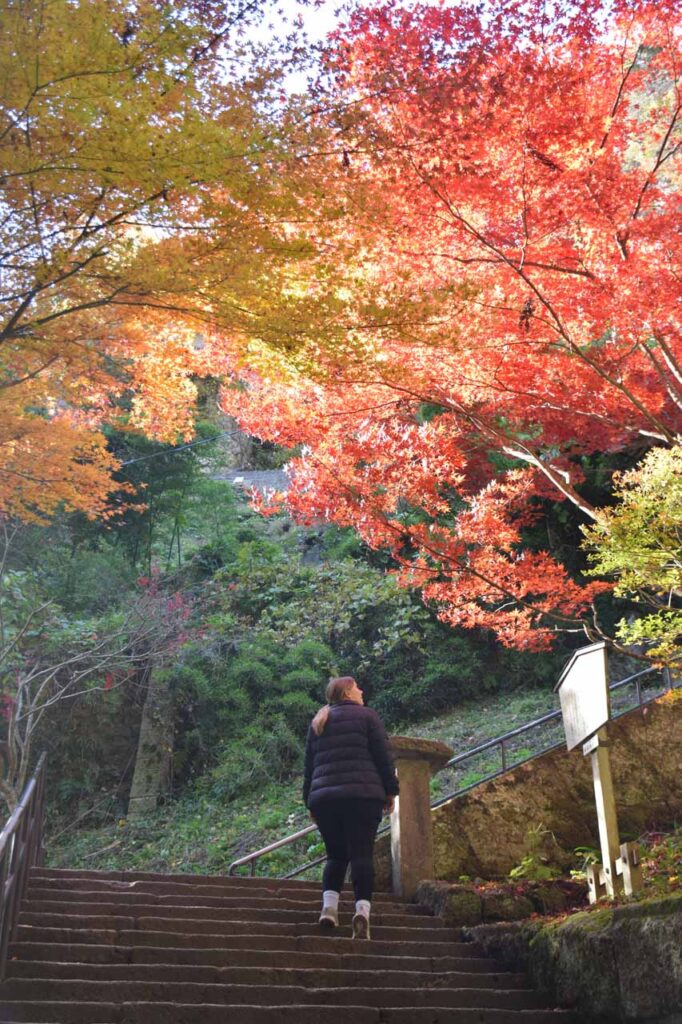
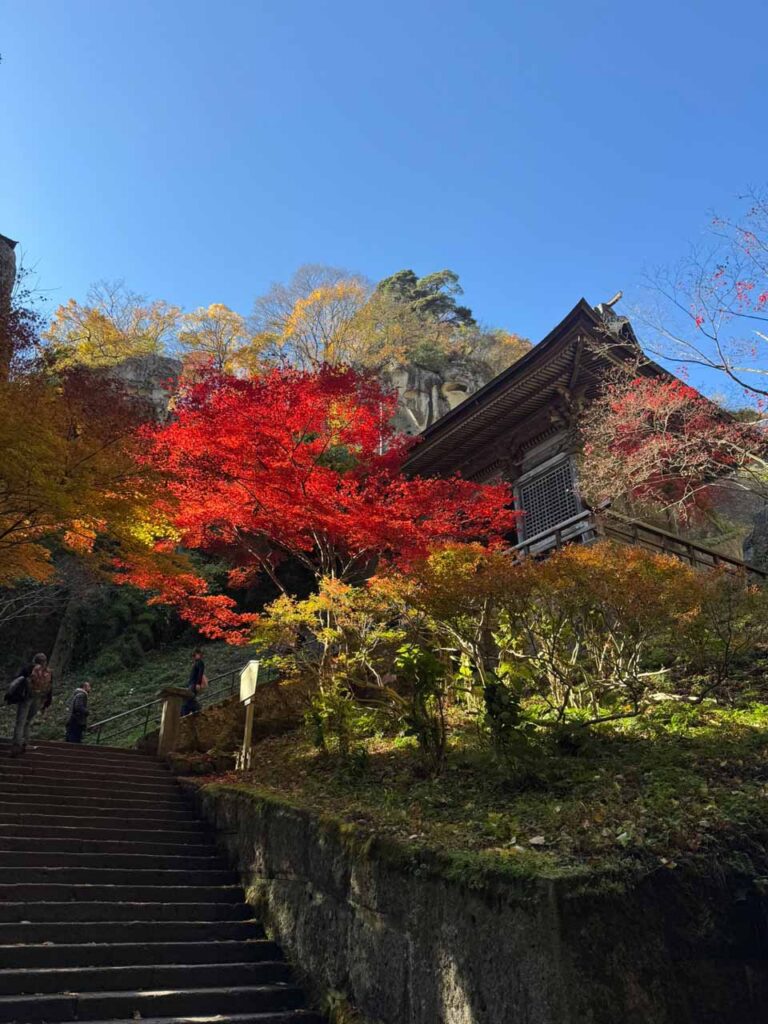
Risshaku-ji Temple, Yamadera
Maidoya Shokudo Soba, Yamadera

Final Thoughts on Day Trips from Sendai

Sendai makes day trips feel easy. That is one of the big reasons we like the city so much. You can stay in one place, use the trains well, and still reach the coast, mountains, onsen towns, whisky distilleries and historic temples without constantly packing and moving hotels.

Matsushima is the easiest choice if you want sea views, island scenery and a relaxed boat trip. Yamadera is the one to choose if you want something more atmospheric, with mountain views, temple stairs and that proper “this is why we came to Japan” feeling. Nikka Whisky Miyagikyo Distillery is a brilliant half-day trip if you enjoy whisky, especially with Sakunami Onsen nearby if you want to turn it into something slower.

For us, these trips are part of what makes Sendai such a good base. The city itself is practical, local and easy to enjoy, but the real magic is how much you can reach from it.

If you are planning a few days in the city first, start with our Sendai travel guide for where to stay, what to do, where to eat and why Sendai has become one of our favourite places in Japan.
September 7, 2026 0 comments
FacebookTwitterPinterestLinkedinRedditStumbleuponWhatsappTelegramThreadsOpenAIChatGPTEmail
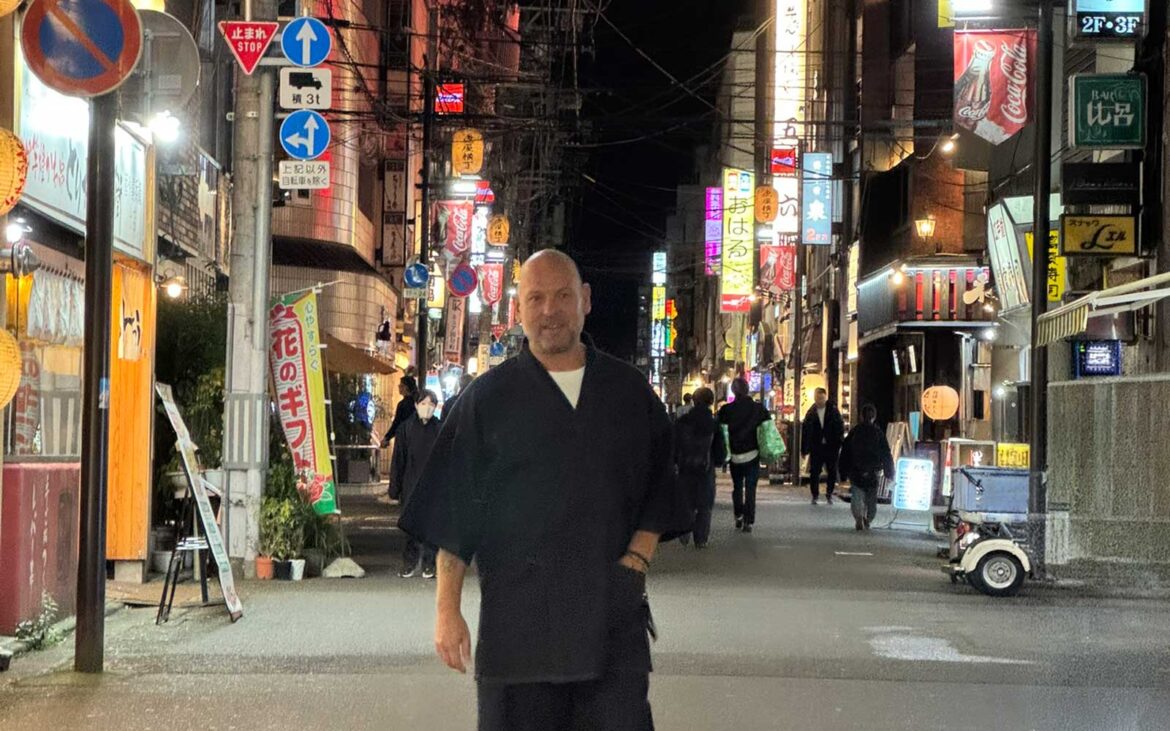
Sam Downtown Sendai
Japan

The Sendai Travel Guide: Real Japan

by Sam September 7, 2026
written by Sam

Sendai is one of those places that slowly became important to us. We first went because of friends we met through our Paddington Instagram account, and since 2022 we’ve been back three times. That probably says more than any “top things to do” list could.

It is not classic first-trip Japan in the Tokyo, Kyoto or Osaka sense. Sendai is a real working city, with fewer tourists, excellent food, easy transport, and brilliant day trips into the mountains, coast and countryside. You can be looking out over the city from a free viewing platform in the morning, standing inside a giant white Kannon statue in the afternoon, and eating tempura, sushi or yakiniku with locals by evening.

Sendai is also surprisingly easy to reach. From Tokyo, the Shinkansen takes around 1.5 to 2 hours depending on the train, which makes it very doable as part of a wider Japan trip.

Why Visit Sendai?

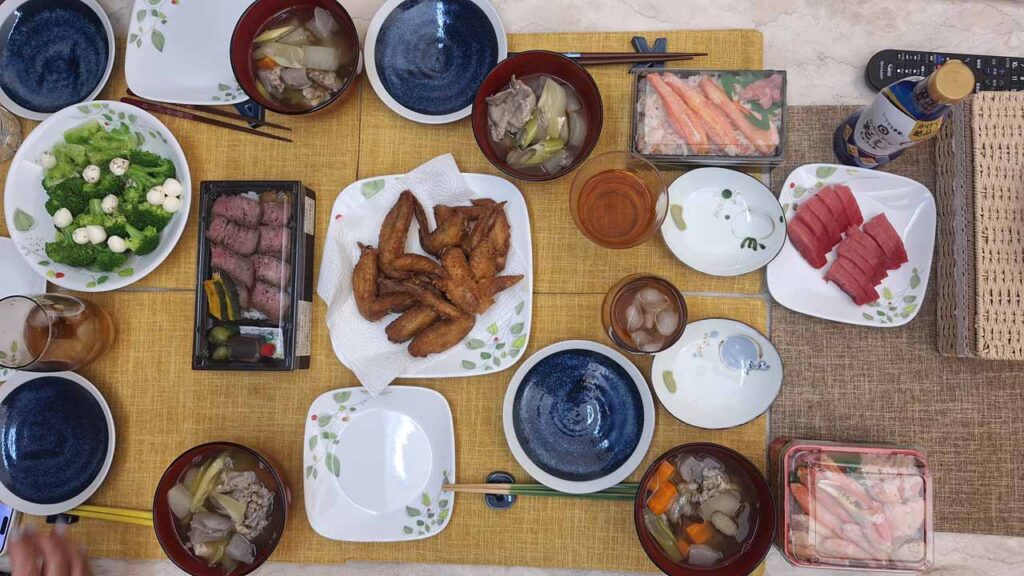
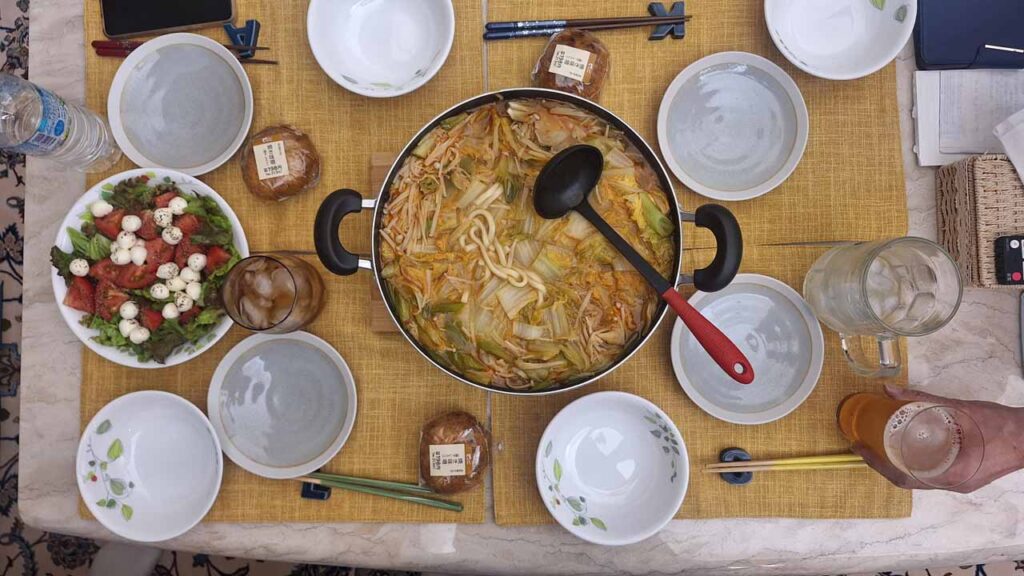
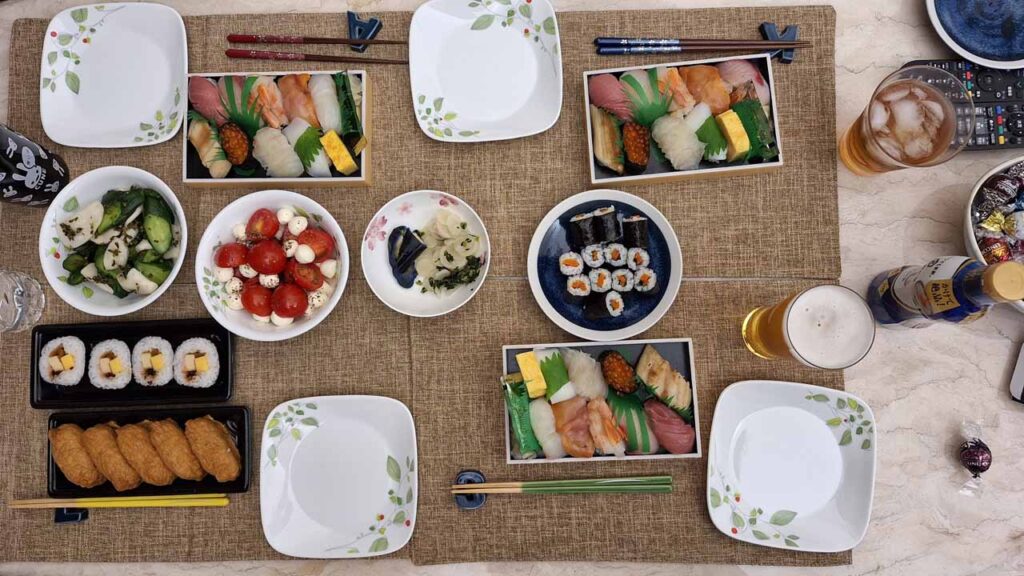
For us, Sendai is personal. We visit because of our dear friends, ‘Bob and Kevin’, who have been incredibly kind to us and somehow made Sendai feel like home. They treat us like family, although Livia may argue she is treated slightly more like a princess, and they have shown us a side of the city we never would have found alone. With them, we have eaten amazing food at home and in restaurants, learned what is in season, where to go, and when to enjoy it. Very Japanese really: thoughtful, generous, and somehow still everything in moderation.

Even without that connection, though, we think Sendai is one of the best cities in Japan for travellers who want somewhere less touristy and more local.

It is still a city, of course. You are not stepping into a hidden village. But Sendai gives you access to a different kind of Japan. You have proper shopping, great restaurants, easy trains, forest parks, mountain temples, onsen towns, whisky distilleries and the coast all within reach.

It also makes a strong base for day trips. From Sendai, you can visit Matsushima, Yamadera, Sakunami Onsen and Nikka Whisky Miyagikyo Distillery without needing to change hotels every night. See our Day trips from Sendai post

Dinner at home in Sendai
Home dinner in Sendai
Home dinner hotpot
Home dinner hotpot

Where We Stayed in and Around Sendai

Hotel Metropolitan Sendai East

Hotel Metropolitan Sendai East is the most convenient place we’ve stayed in Sendai. It is connected to Sendai Station, which makes it ideal if you are arriving by Shinkansen, taking day trips, or just want everything to be easy.

For a first visit, this is probably the simplest option. You are right by trains, shops, restaurants and transport links.

Sendai Royal Park Hotel

Sendai Royal Park Hotel is a very different kind of stay. It is further out of the centre, quieter, and feels more like a relaxed hotel escape than a city base.

This works better if you have already seen central Sendai, have friends locally, or want something calmer. For first-time visitors relying on trains and buses every day, staying near Sendai Station is more practical.

Things to Do in Sendai

Visit Sendai Dai Kannon

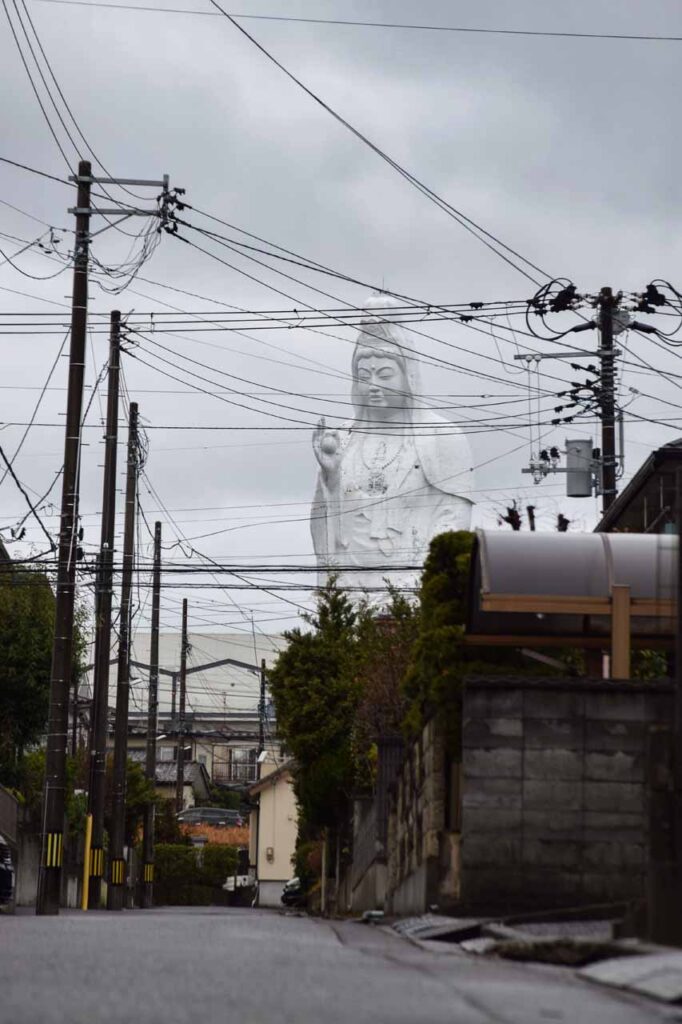
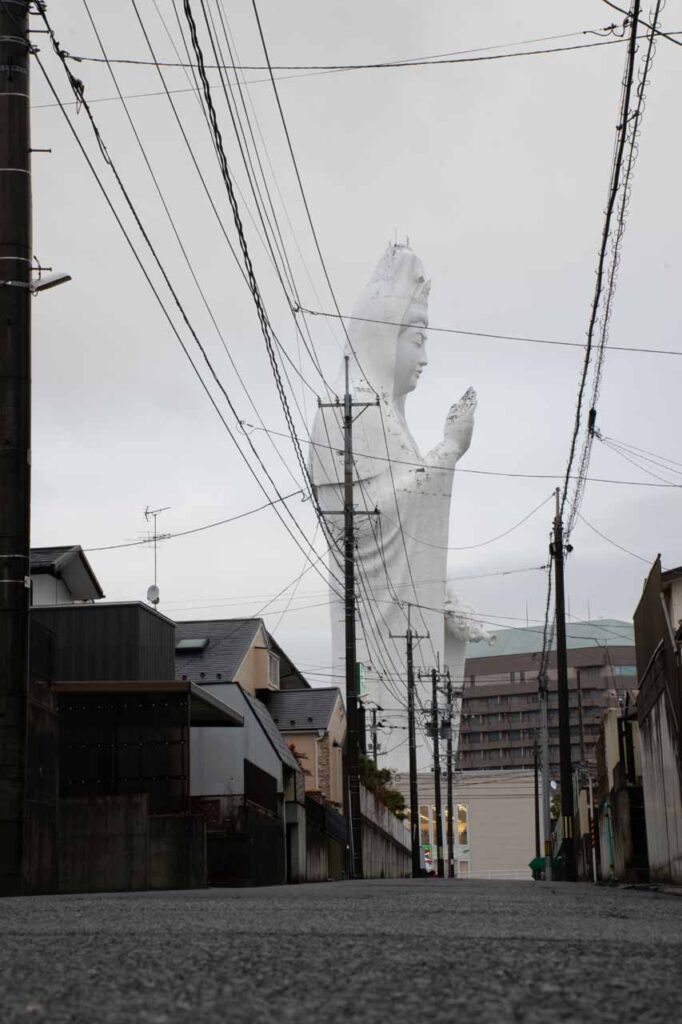
Sendai Dai Kannon is one of the most memorable things to see in Sendai. Also known as the White-Robed Colossus, this enormous white Kannon statue stands above the city and can be seen from all over the area.

It is not just something you look at from outside. You can actually go inside.

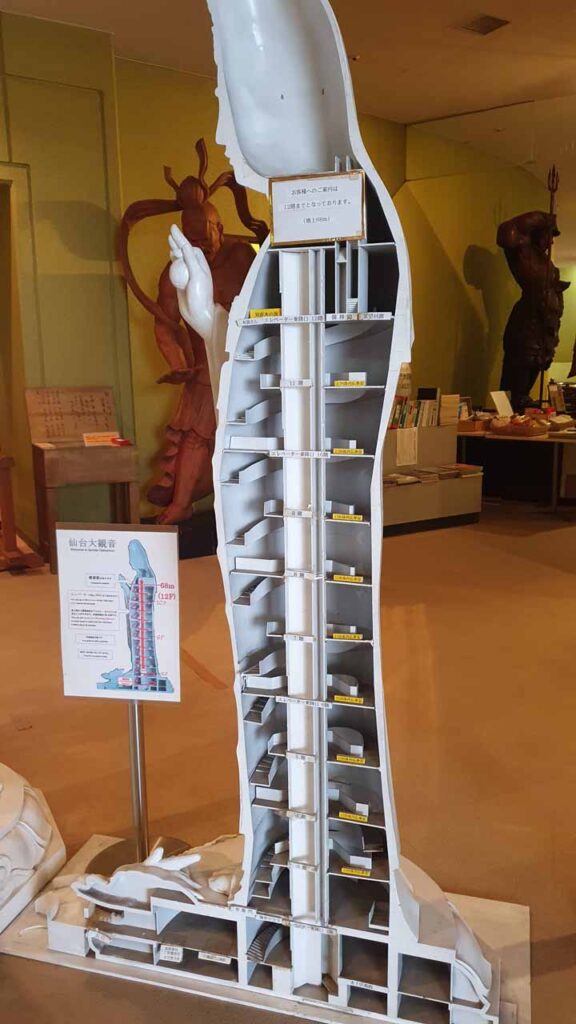
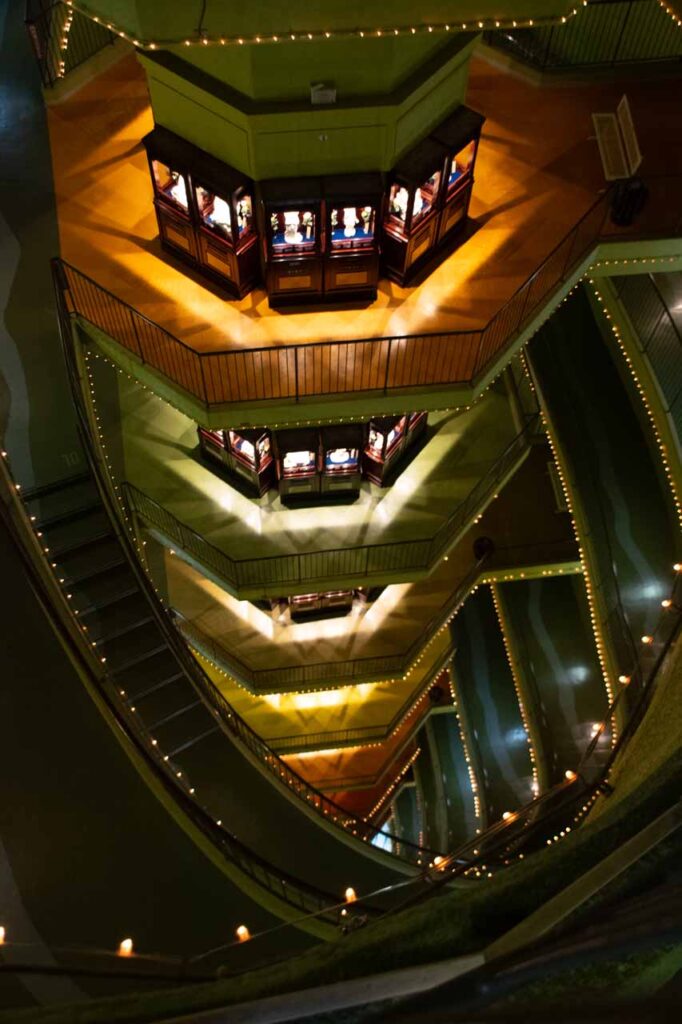
Admission to the interior was ¥500 when we visited. Inside, the statue is divided into 12 levels, with an elevator taking you up before you walk down through the different floors. There are 108 Buddha statues inside, and the whole experience is stranger, calmer and more impressive than we expected.

To get there from Sendai Station, we took a bus from the west side of the station. Look for services towards the Sendai Dai Kannon area, including routes such as 815, 825 or X910 depending on timing. The stop you want is Sendai Daikannon-mae.

Your route notes:

  • Bus: 910 / S910 towards Izumi Village 4-chome
  • Time: around 39 minutes
  • Stops: around 23
  • Platform: 19 at Sendai Station west side

Check the bus times on the day, because this is not a turn-up-and-go-every-five-minutes route.

Sendai Dai Kannon
Sendai Dai Kannon
Model of the Sendai Dai Kannon
Inside Sendai Dai Kannon

Visit Sendai Castle Ruins

Sendai Castle Ruins, also known as Aoba Castle Ruins, are one of the classic Sendai sights.

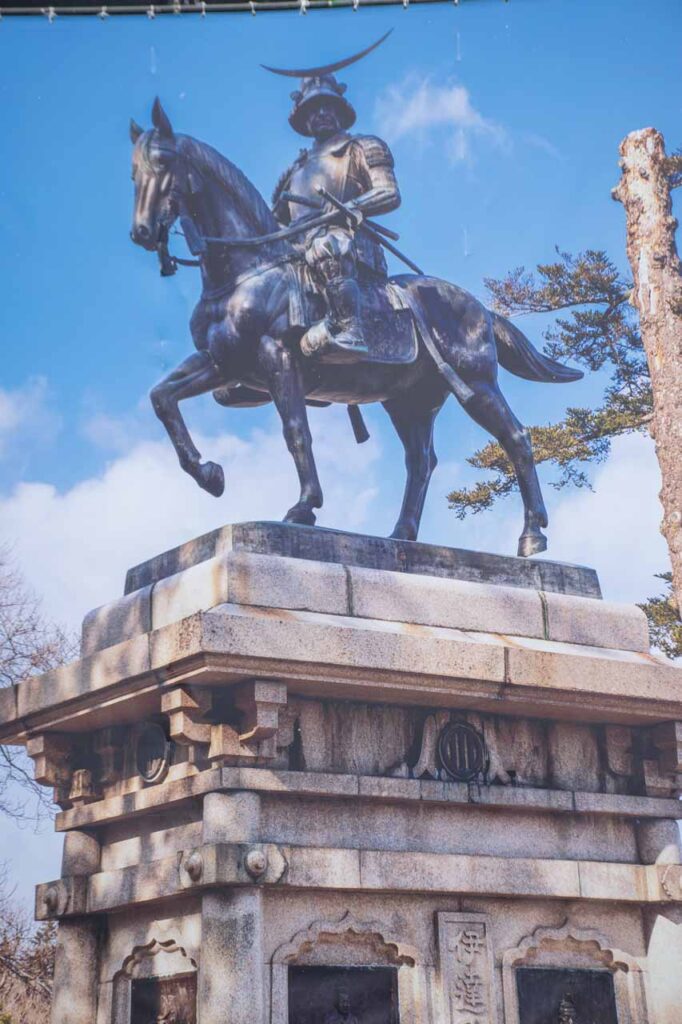
There is not a full castle here anymore, so do not go expecting a Himeji-style moment. The reason to visit is the view, the history and the statue of Date Masamune overlooking the city.

The easiest way to get close is to take the subway to International Center Station, then walk up from there. It is a good short outing and pairs well with other central Sendai stops.

Equestrian Statue of Date Masamune
Sendai Castle Ruins
Sendai Castle Ruins

Go Up to the Free AER Viewing Platform

AER is one of the easiest little wins in Sendai. It is close to Sendai Station, free to visit, and has a viewing area on the 31st floor.

Head towards the office entrance of the AER building and look for the elevators to the top floor. From there, you get views in several directions across the city.

The windows cover the whole viewing area, so reflections can be annoying if you are taking photos. If you want cleaner shots, bring something dark to block reflections around your lens. Even if you only stay for 15 or 20 minutes, it is worth popping up there.

Shop Around PARCO Sendai

PARCO Sendai is an easy place for shopping near the station. If you like cute Japan things, character shops and pop culture bits, it is dangerous in the best way.

We found Mofusand, Pokémon, Gundam and all kinds of things we absolutely did not need but very much wanted.

Visit Sendai Mitsukoshi

Sendai Mitsukoshi is good for department store browsing, especially the basement food floor.

It is a nice place to look for food gifts, sweets and beautifully packaged things to take home. They also had a good range of cookware and porcelain when we visited, including hashi and hashi oki, which are chopsticks and chopstick rests.

The top floor often has specialist food events or temporary exhibitions, so it is worth checking if you are already nearby.

Street view of Sendai Dai Kannon
Robot dance at PARCO Sendai
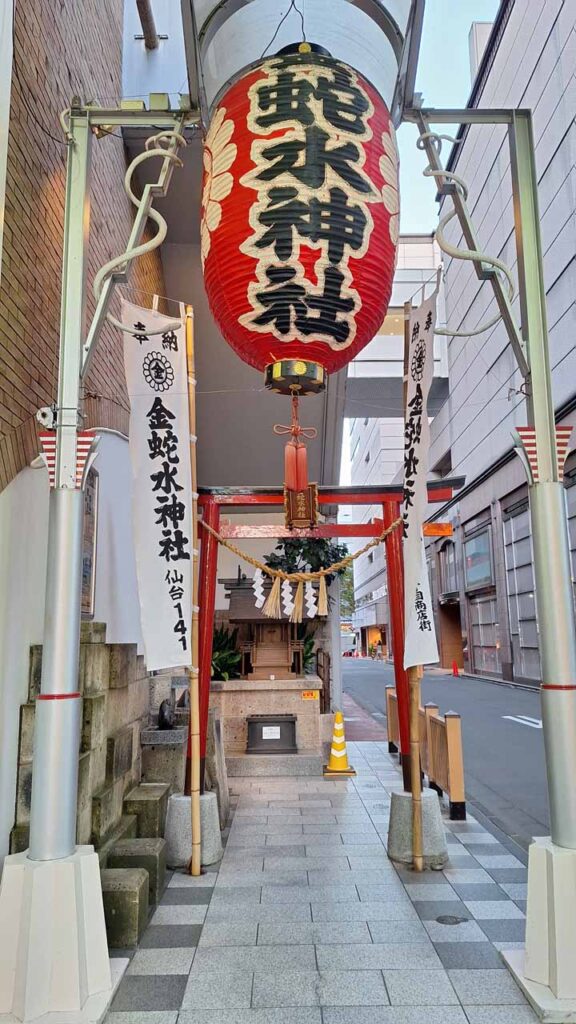
Kanahebisui Shrine in Sendai's Ichibancho district
Kanahebisui Shrine
in Sendai’s Ichibancho district
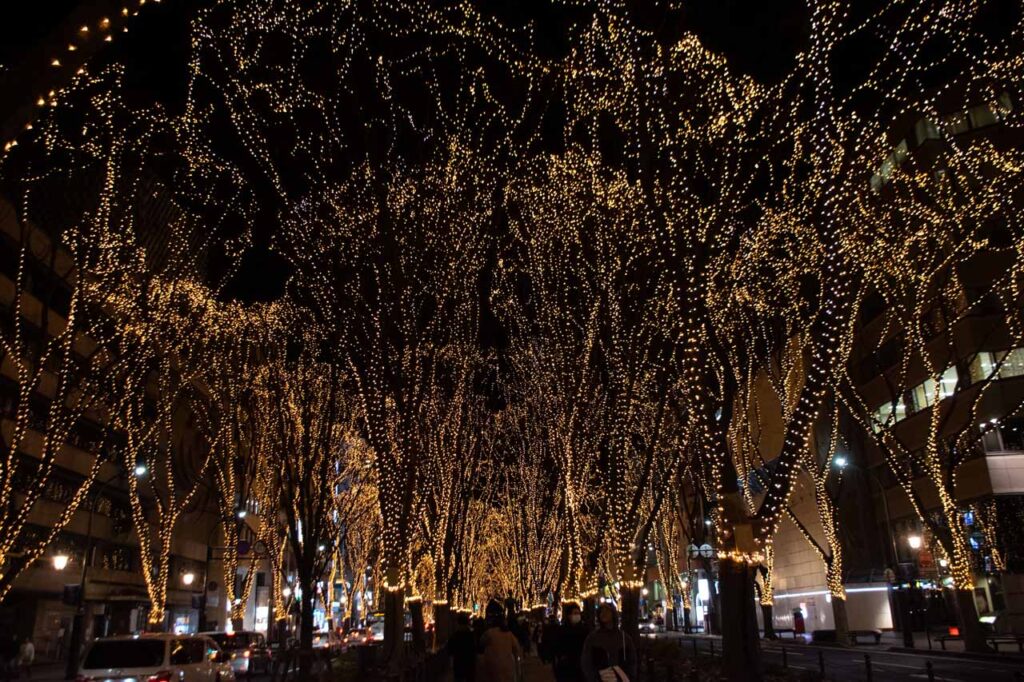
Sendai light festival

BAPE STORE Sendai

If you are into streetwear, BAPE STORE Sendai is another one for the list. Not essential Sendai sightseeing, obviously, but very much one of those stops Sam was not going to miss. Like all BAPE stores in Japan they will have store exclusives.

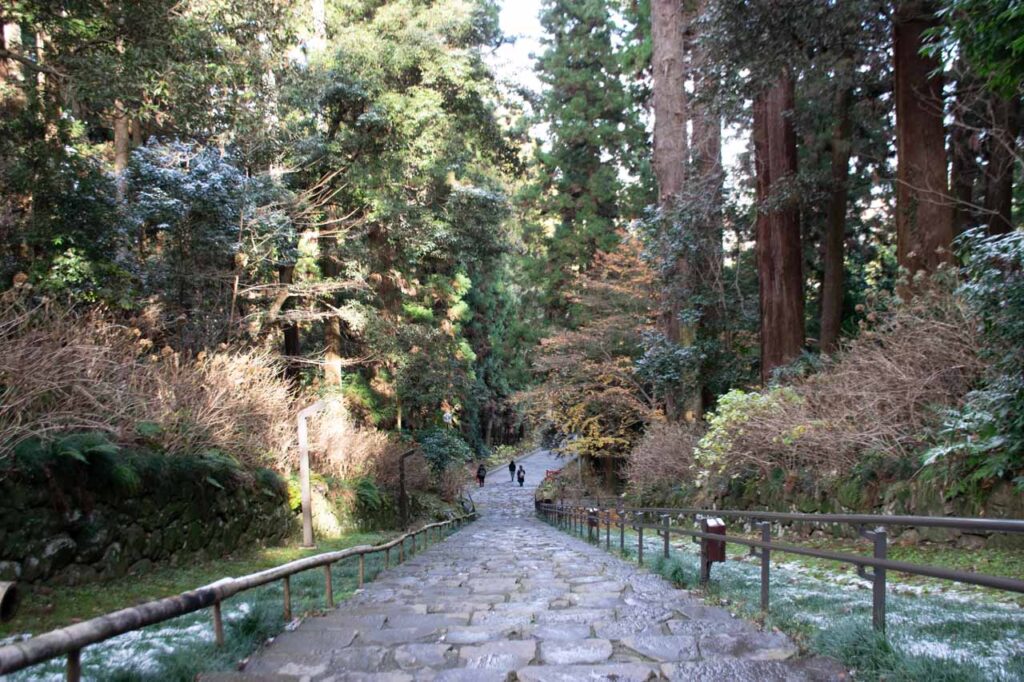
Dainohara Forest Park

Dainohara Forest Park is a nice green escape north of the city centre. You can reach it from Asahigaoka Station, making it easy to visit by subway.

It is a good option if you want a slower walk, a break from shops and streets, or just a bit of everyday local Sendai.

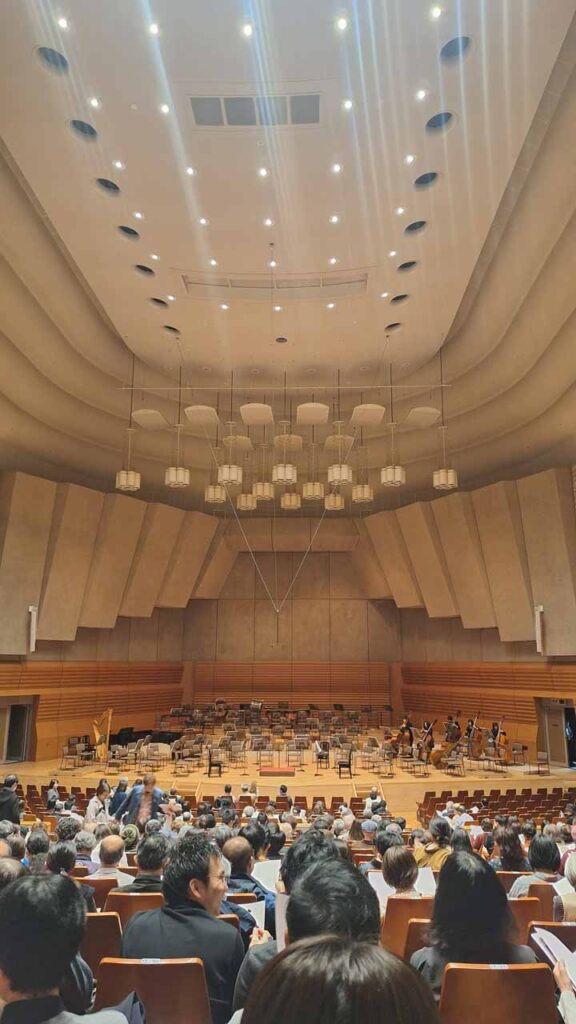
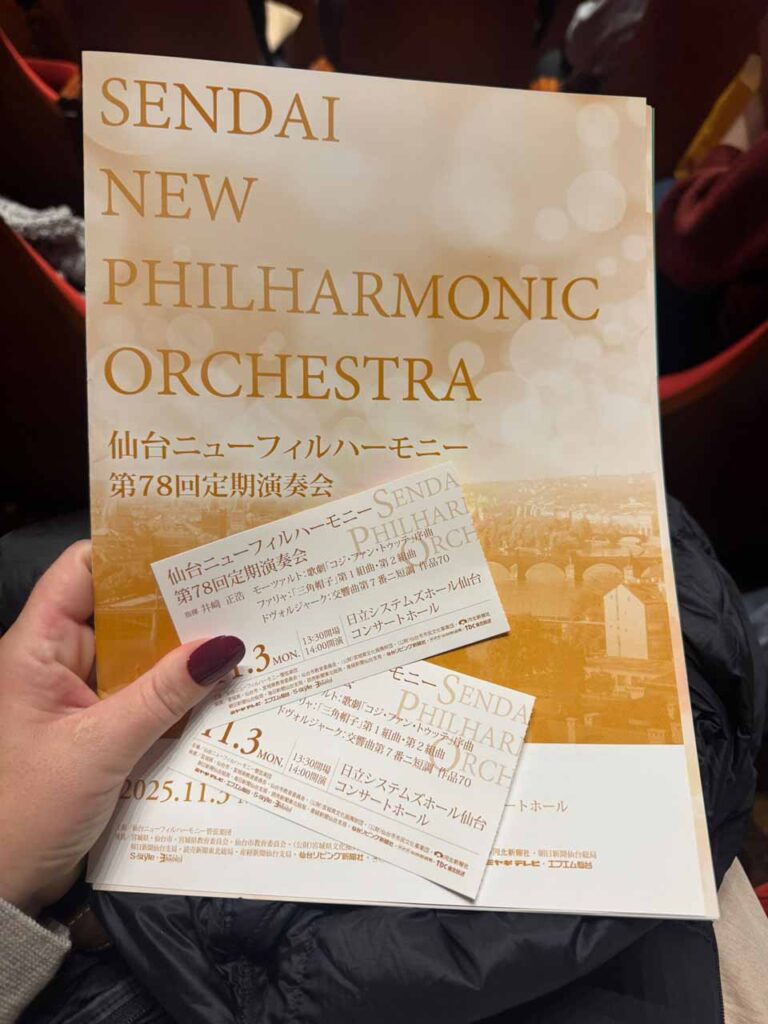
Hitachi Systems Hall Sendai

Hitachi Systems Hall Sendai is also near Asahigaoka Station, close to Dainohara Forest Park.

They have regular performances, including concerts by the philharmonic orchestra, and tickets can be surprisingly affordable. If you enjoy live music, it is worth checking what is on while you are in Sendai.

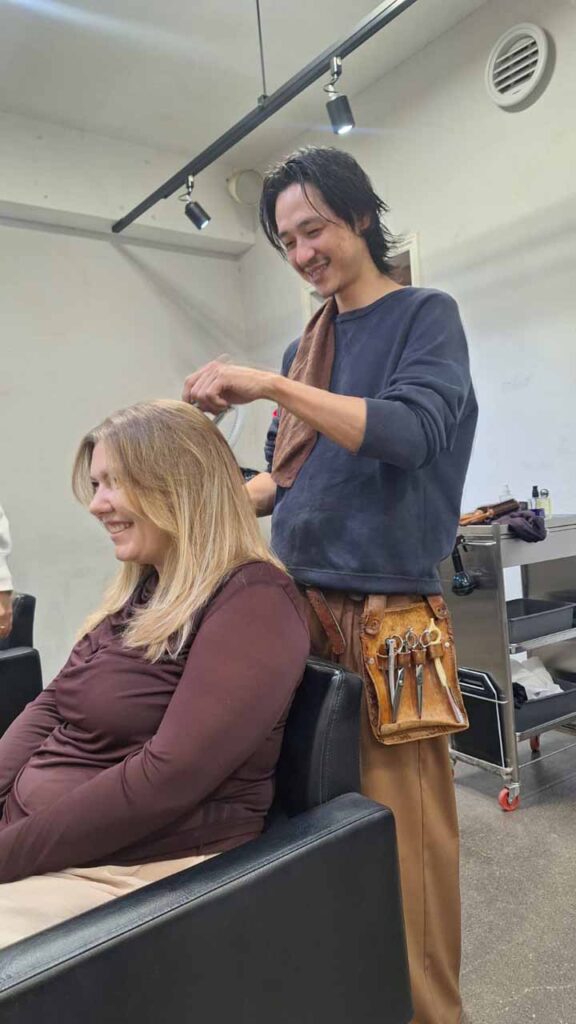
Devellope Hair Salon and Head Massage

Livia also went to Devellope for a haircut and Sam had a head massage, which is apparently still worthwhile even if you are bald.

Google Maps: Devellope Hair Salon

Devellope Hair Salon Sendai
Hitachi Systems Hall Sendai
Dainohara Forest Park

Where to Eat in Sendai

We have been thoroughly spoiled in Sendai because our friends live there. That means we have eaten in places we probably would not have found as easily on our own.

Kappou Tempura Santaro

Kappou Tempura Santaro is an upscale Japanese restaurant and one of the more special meals we had in Sendai.

Japanese name: 割烹 天ぷら 三太郎

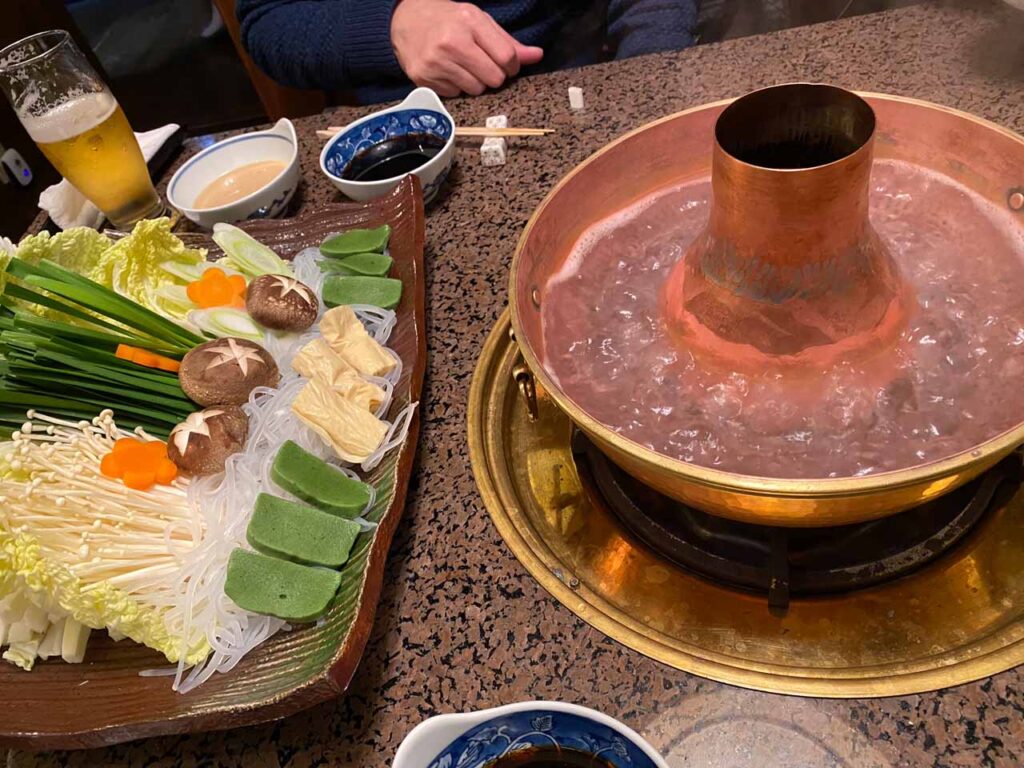
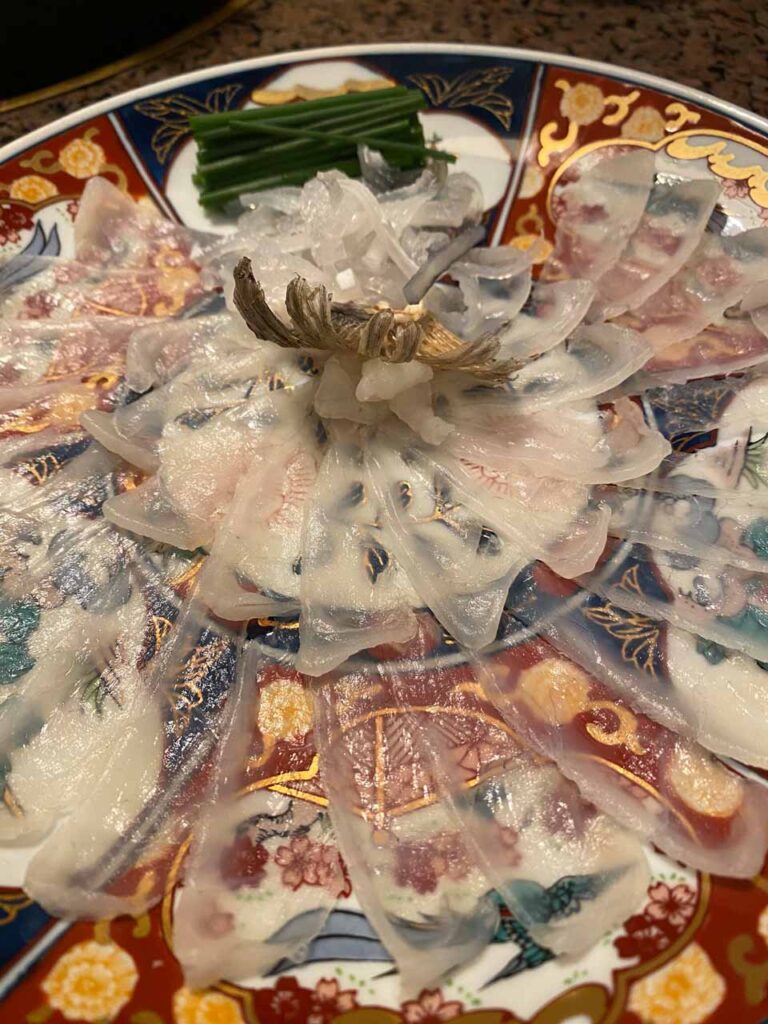
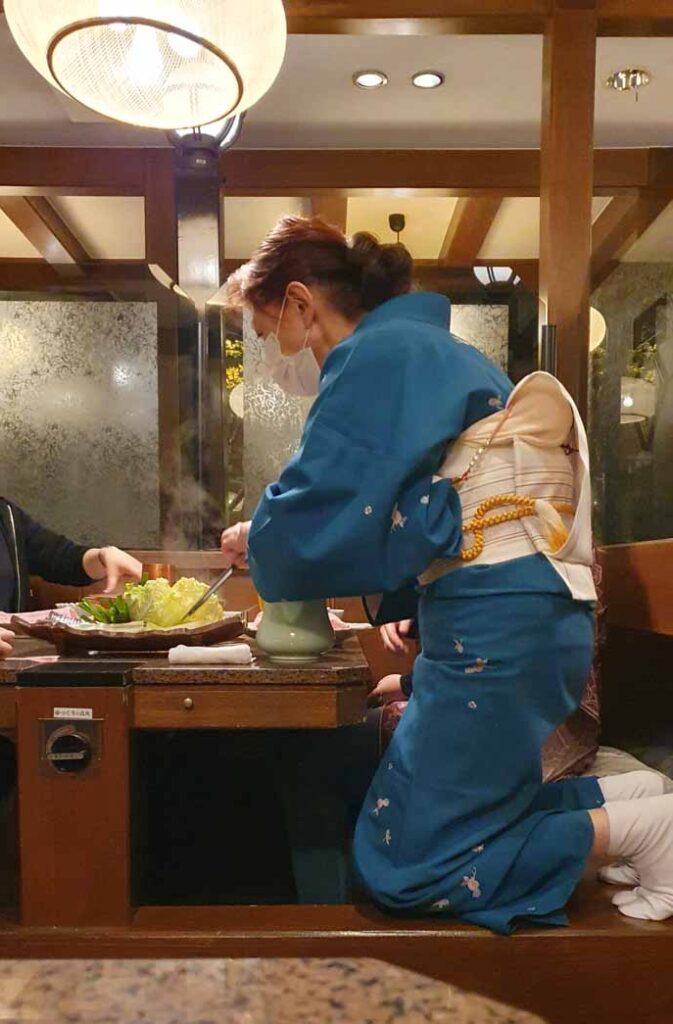
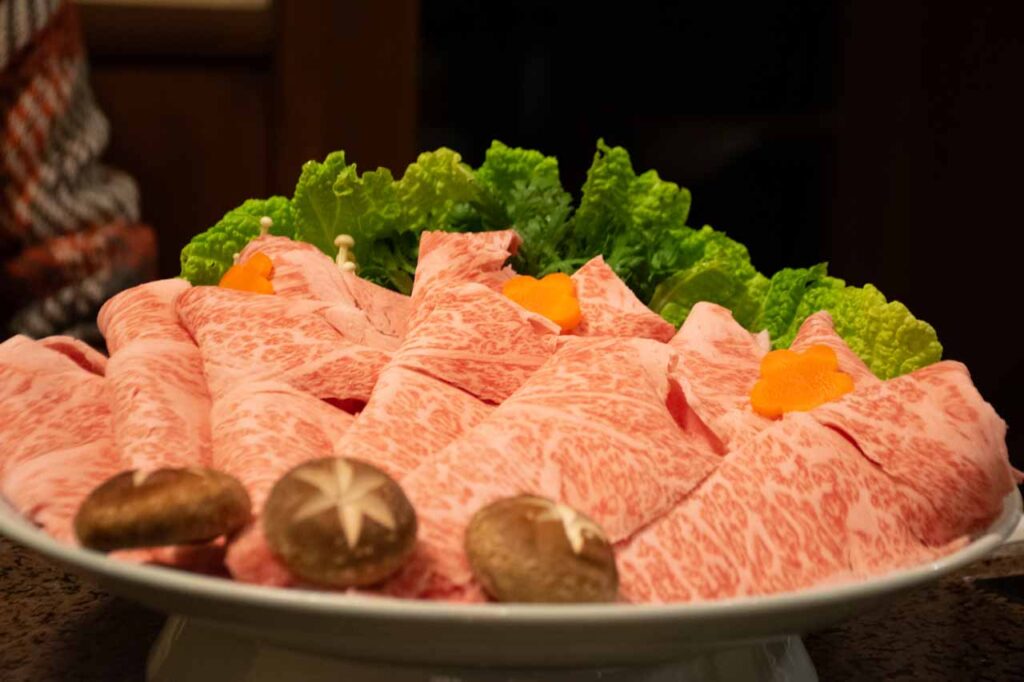
Expect proper tempura, beautifully prepared Sendai beef and a more refined meal than your everyday izakaya dinner. The offer sukiyaki or hotpot dining and the staff in kimonos will actually prepare the food for you at the low table kneeling down. It’s here we first tried fugu/Japanese pufferfish (Chefs in Japan must train for three or more years before they get a license to prepare fugu.) expect to pay upwards of ¥10,000 per person.

Kappou Tempura Santaro
Fugu at Kappou Tempura Santaro
Dinner service at Kappou Tempura Santaro
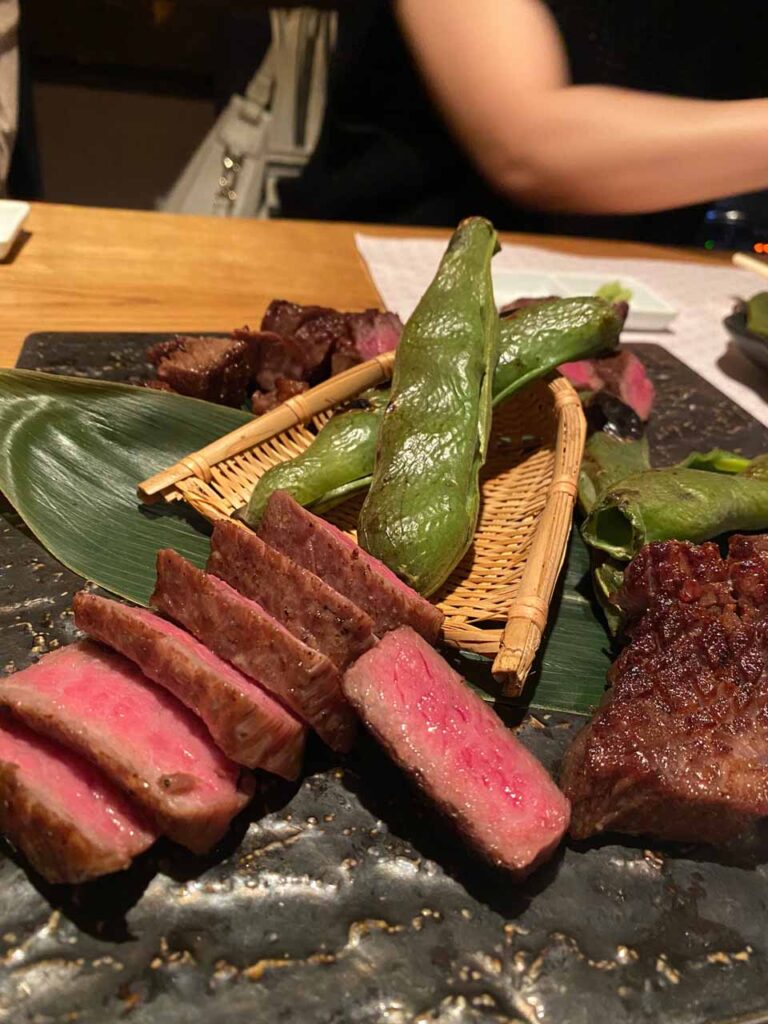
Sendai Waygu
Sendai Waygu

A quick note on Sendai beef and wagyu grading

Japan’s official wagyu quality grades only go up to A5, Sendai beef is known for being top-tier wagyu, with very high marbling standards, which explains why it can feel even more luxurious than regular A5 beef.

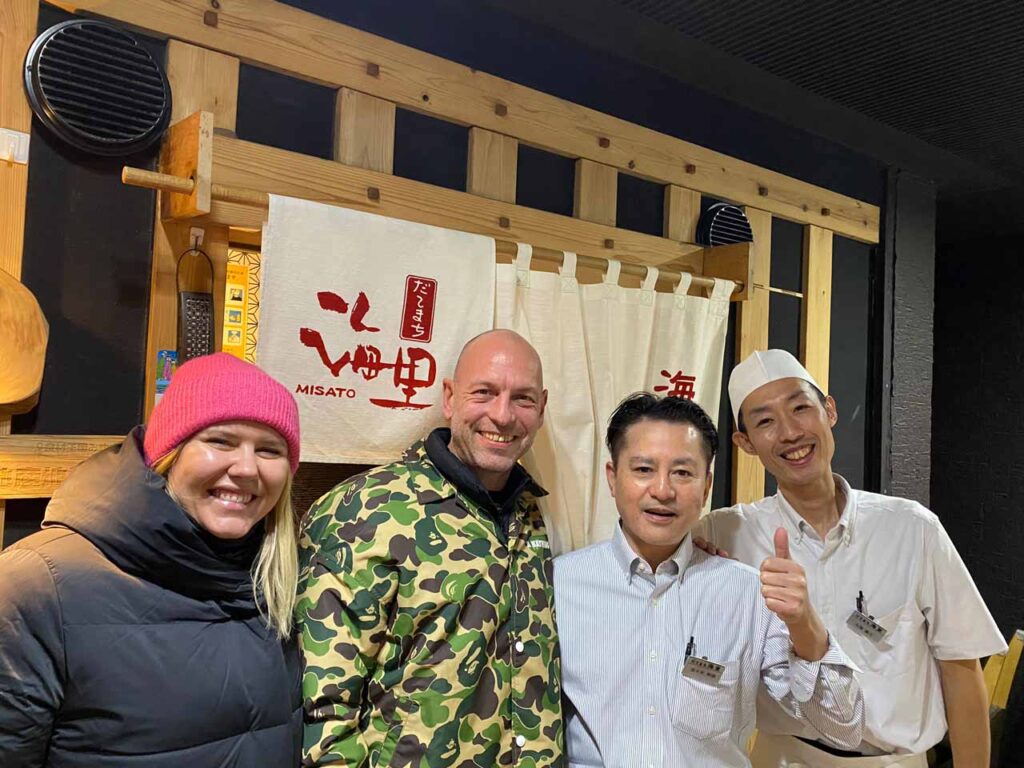
Datemachi Misato

Datemachi Misato is a great izakaya.

Japanese name: だてまち海里

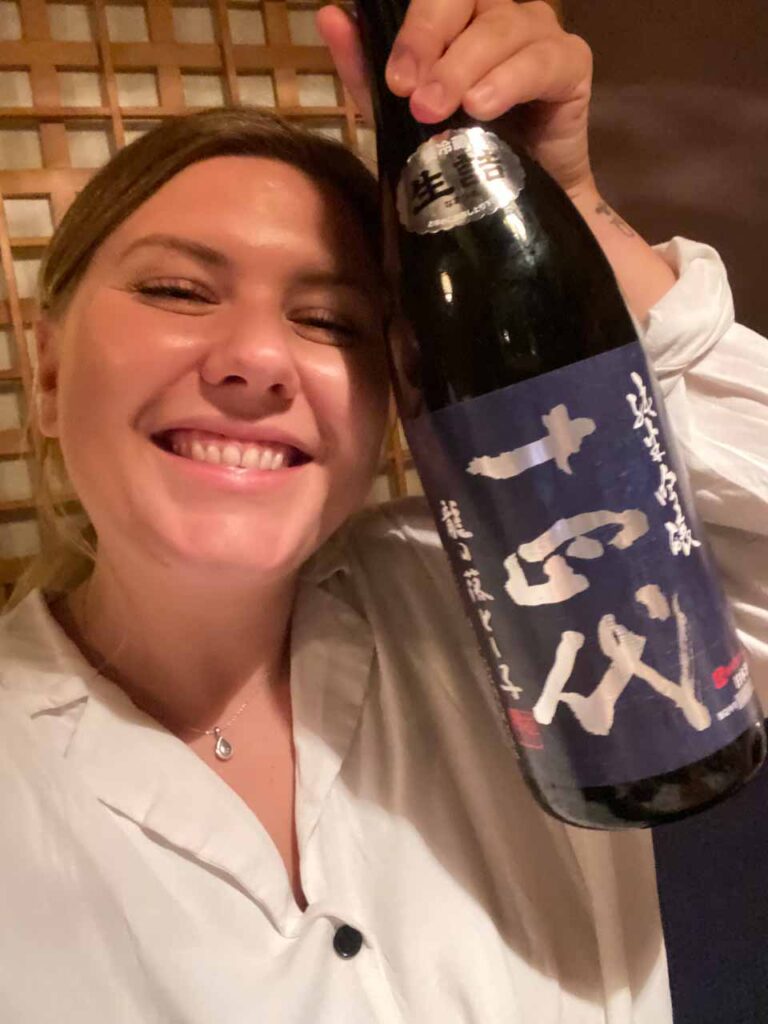
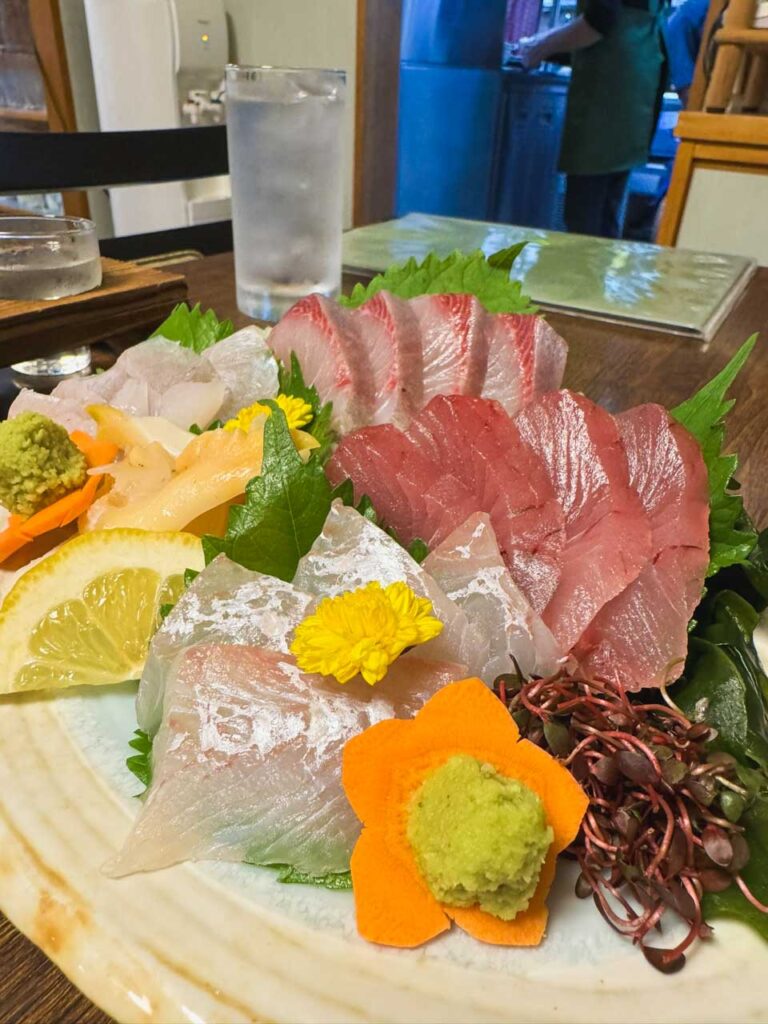
This is exactly the kind of place that makes visiting friends in Japan so good. You get taken somewhere local, relaxed and full of things you probably would not have ordered confidently by yourself the first time. Expect beutifully prepared, high quality seasonal dishes with very friendly service. They also have a great range of sake.

Datemachi Misato
Datemachi Misato
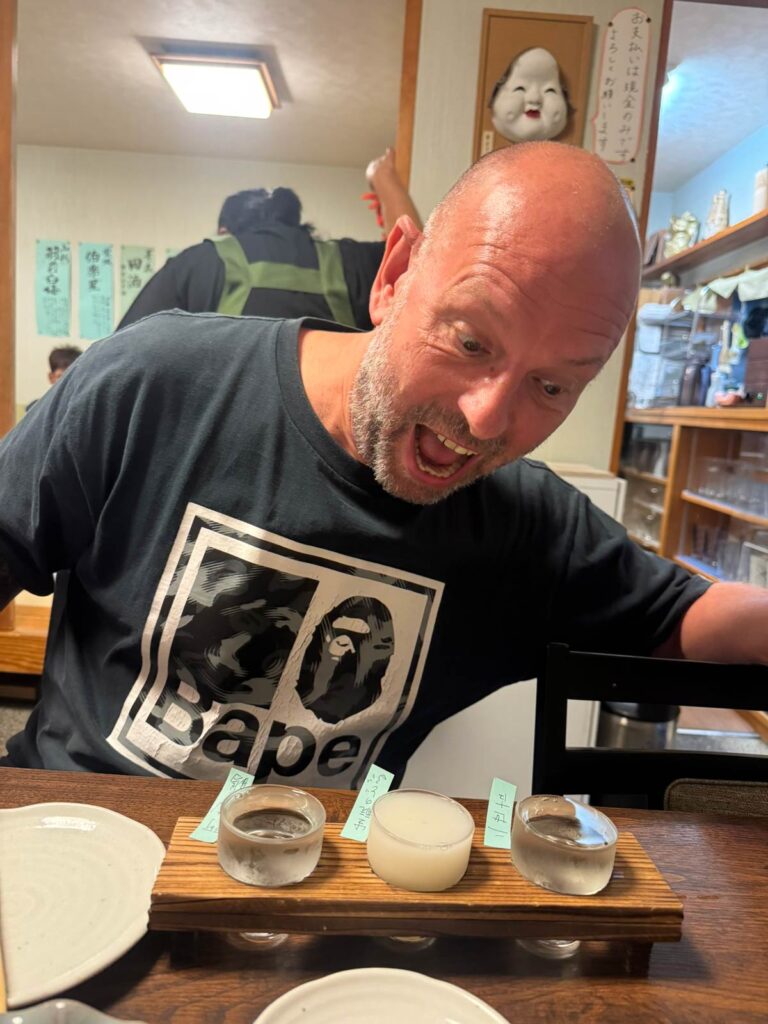
Sake at Datemachi Misato
Datemachi Misato
Datemachi Misato
Datemachi Misato
Datemachi Misato
Datemachi Misato
Datemachi Misato
Datemachi Misato
Datemachi Misato
Datemachi Misato
Datemachi Misato

Umai Sushikan Yutorogi Izumi

Umai Sushikan Yutorogi Izumi is a bit out of town, but we really liked it.

Japanese name: うまい鮨勘 ゆとろぎ泉店

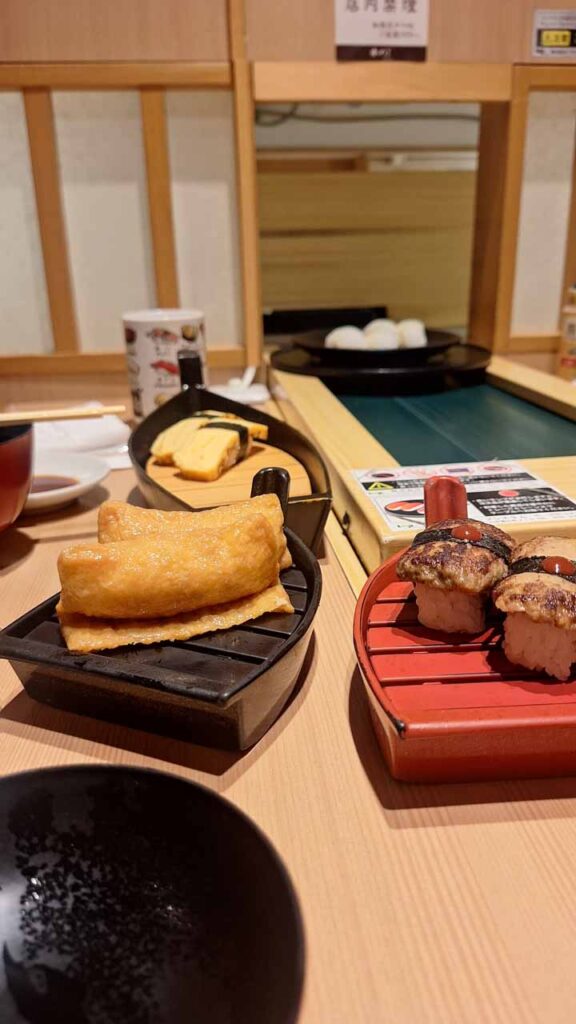
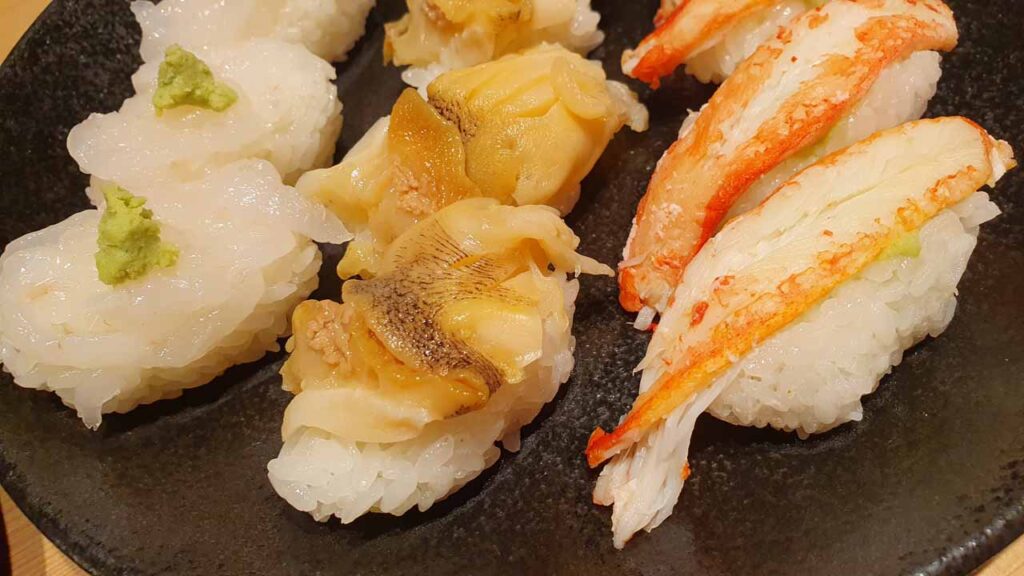
It is old-school conveyor belt sushi, but higher quality than the quick budget chains. If you have transport or local friends helping you get there, it is worth adding to the list.Yakiniku Jajamaru Matsumori

Ushiiii! Sam loves Sushi
Umai Sushikan Yutorogi Izumi

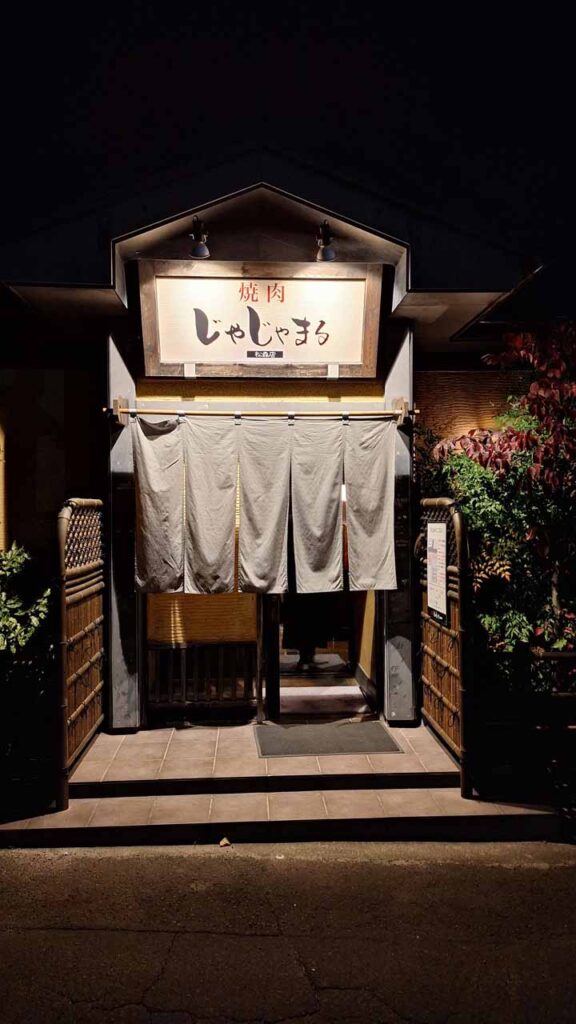
Yakiniku Jajamaru Matsumori

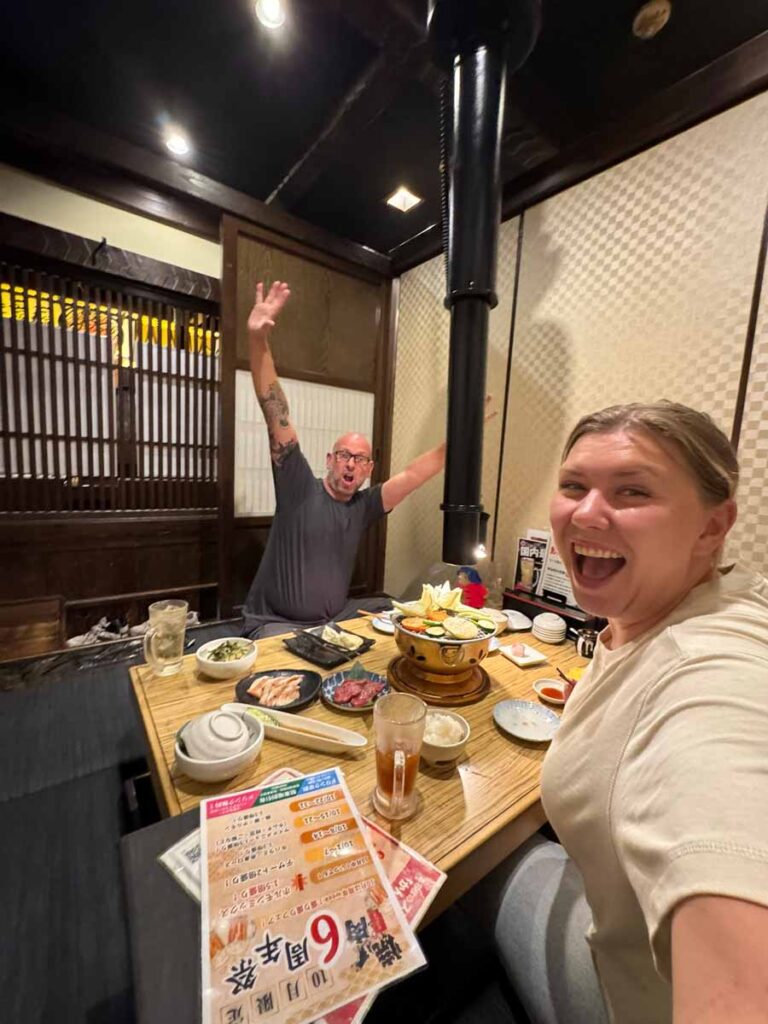
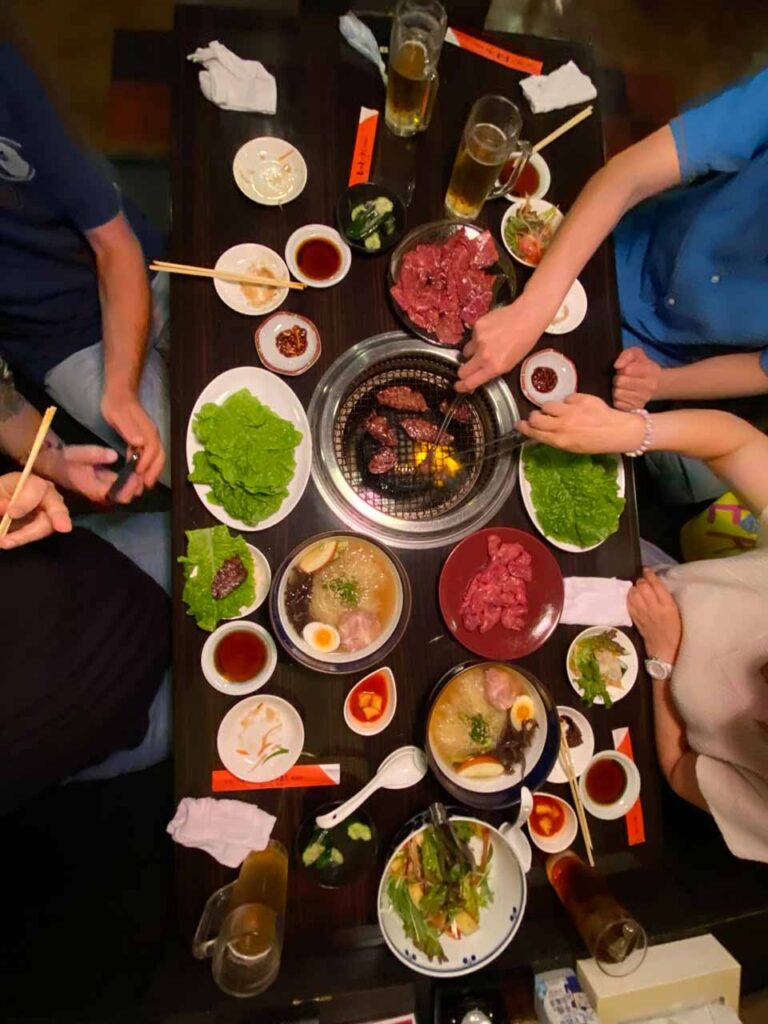
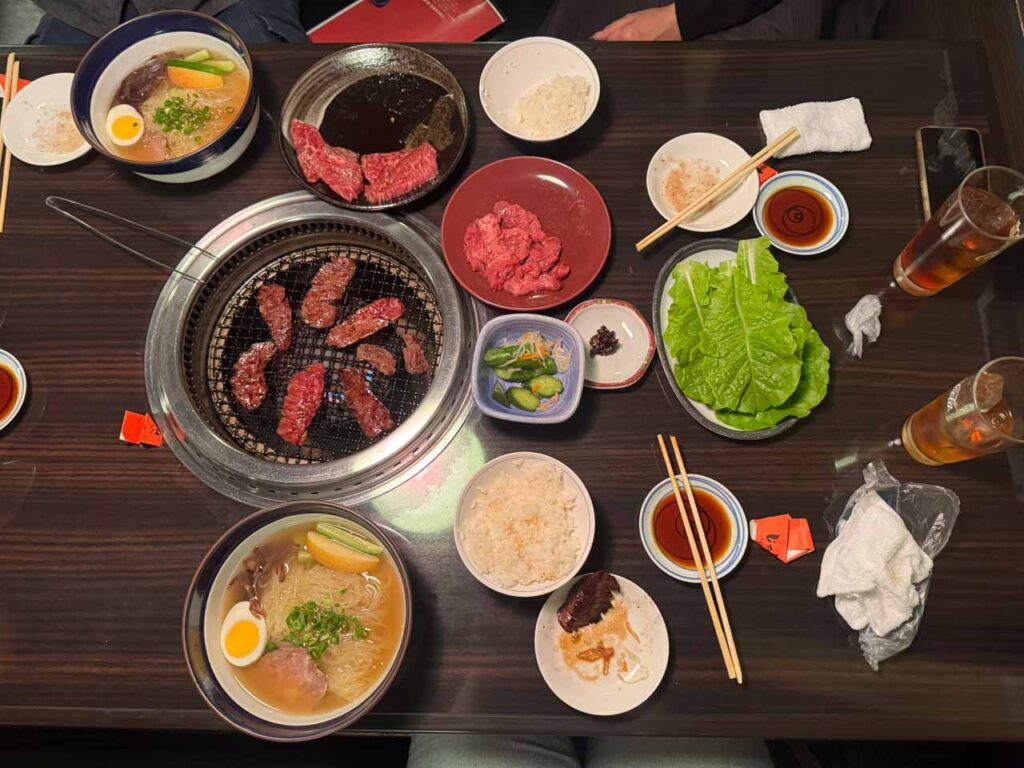
Yakiniku Jajamaru Matsumori is our favourite Friday night yakiniku restaurant in Sendai.

Japanese name: 焼肉じゃじゃまる 松森店

It is also a bit far out, but the quality is excellent. The tongue and Sendai beef are especially good, and this is one of those meals that now feels tied to Sendai for us.

Yakiniku Jajamaru Matsumori
Friday night at Yakiniku Jajamaru Matsumori

How Many Days Do You Need in Sendai?

2 Days

Two days gives you enough time to see central Sendai, visit Sendai Castle Ruins, go up to the AER viewing platform, eat well and maybe fit in Sendai Dai Kannon.

3 Days

Three days is better if you want to add one day trip, such as Matsushima, Yamadera or Nikka Whisky Miyagikyo Distillery.

4+ Days

If you have four days or more, Sendai becomes a really useful base. You can slow down, see the city properly, visit friends if you have them, and take multiple day trips without changing hotels every night.

For us, Sendai is a repeat city. We have been three times since 2022, and we would still go back.

Practical Tips for Visiting Sendai

Stay near Sendai Station if it is your first visit. It makes day trips and transport much easier.

Use the Shinkansen from Tokyo if you are short on time. Sendai is much closer than it looks on a map.

Check bus times carefully for Sendai Dai Kannon. The journey is easy enough, but not every route runs constantly.

Book Nikka Whisky Miyagikyo Distillery ahead if you want a proper tour.

Ask onsen hotels about tattoos before booking. Do not assume, even as a foreign visitor.

Bring a black cloth or dark jacket if you want better photos from the AER viewing platform. It helps reduce window reflections.

Do not treat Sendai like a checklist city. Its real strength is how normal, local and easy it feels.

Final Thoughts on Sendai

Sendai is not the obvious Japan city everyone talks about, and that is exactly why we like it. It feels lived-in rather than staged, practical rather than polished, and local in a way that many first-time Japan routes never quite reach.

We first came because of friends, but we keep going back because Sendai has become one of our favourite bases in Japan. It has food, shopping, quiet parks, strange sights like the giant Kannon, and easy access to places like Matsushima, Yamadera, Sakunami and Nikka Whisky.
If you want a less touristy side of Japan that still has great transport, excellent food and plenty to do nearby, Sendai is absolutely worth adding to your trip.

If you are using Sendai as a base, we’ve also written a separate guide to the best day trips from Sendai, including Matsushima, Yamadera, Nikka Whisky Miyagikyo Distillery and Sakunami Onsen.

September 7, 2026 0 comments
FacebookTwitterPinterestLinkedinRedditStumbleuponWhatsappTelegramThreadsOpenAIChatGPTEmail
Kibiji Cycling Route
Japan

Kibiji Cycling Route Rentals: A Day Trip from Okayama

by Sam August 26, 2026
written by Sam

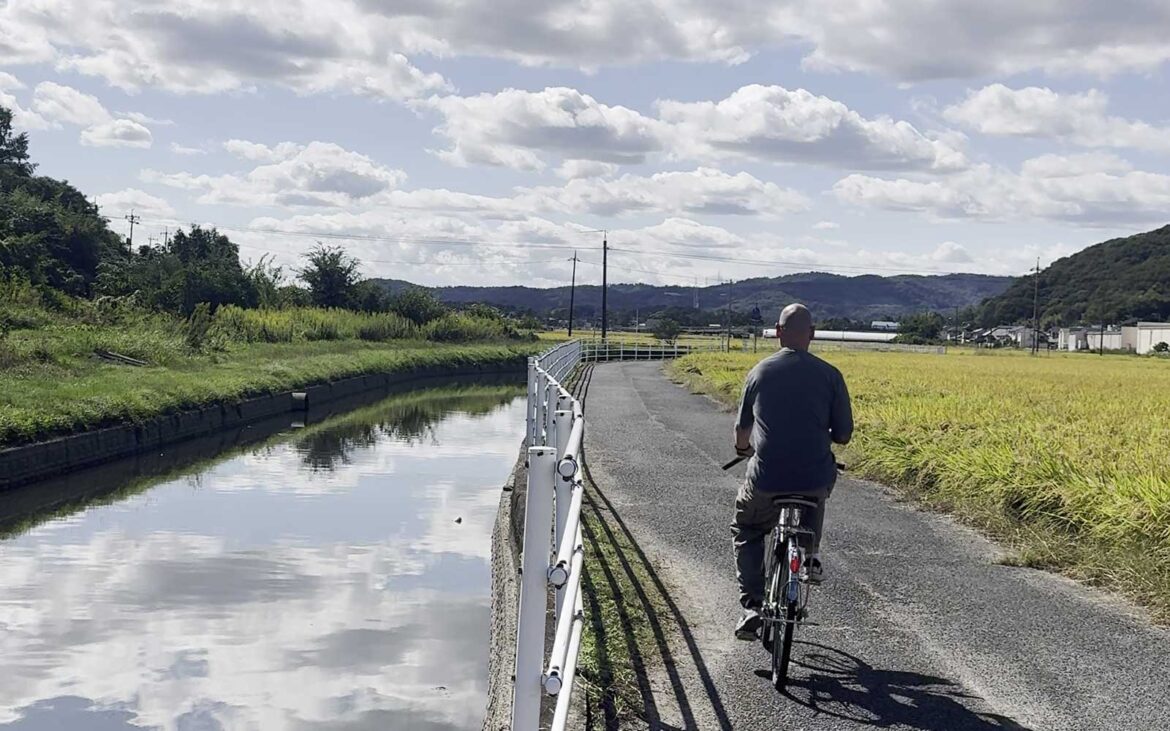
The Kibiji Cycling Route was one of the easiest and most enjoyable day trips we did from Okayama. This scenic cycling road runs for around 25km through the Kibi Plain and has even been selected as one of Japan’s “100 Best Roads”, which makes sense once you are riding past rice fields, quiet lanes, working farms, old shrines and a five-storied pagoda rising above the countryside.

We did this as part of our 23 day slow travel route through western Japan, and it was exactly the kind of day we love. No big crowds, no complicated planning, just a local train, a rented bicycle, blue arrows painted on the road, and a slow ride through rural Okayama.

The full Kibiji Cycling Road is around 25km, but the section most travellers ride is the easy point-to-point route between Bizen-Ichinomiya Station and Soja Station. Our ride was about 17km, mostly flat, and simple to follow.

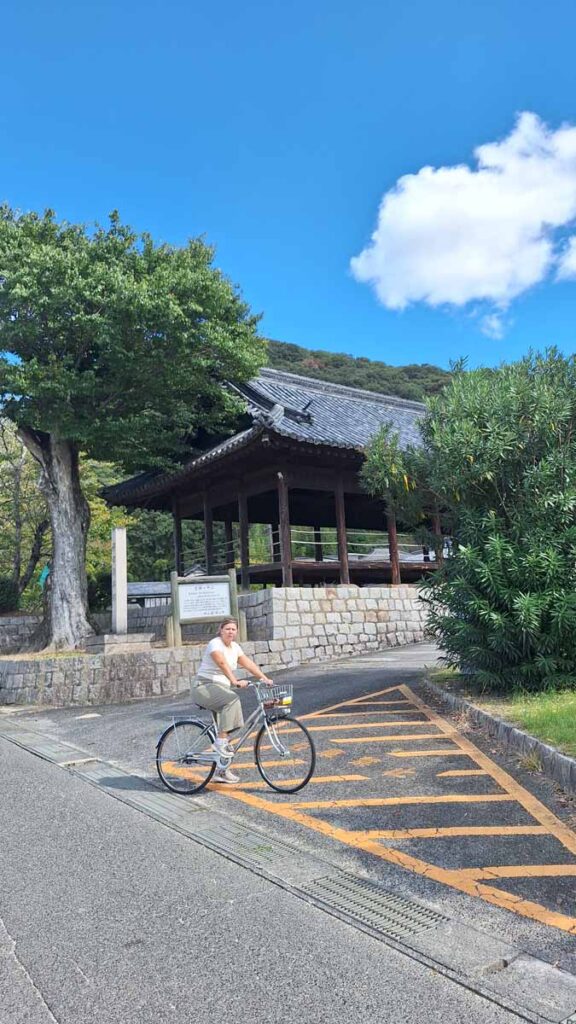
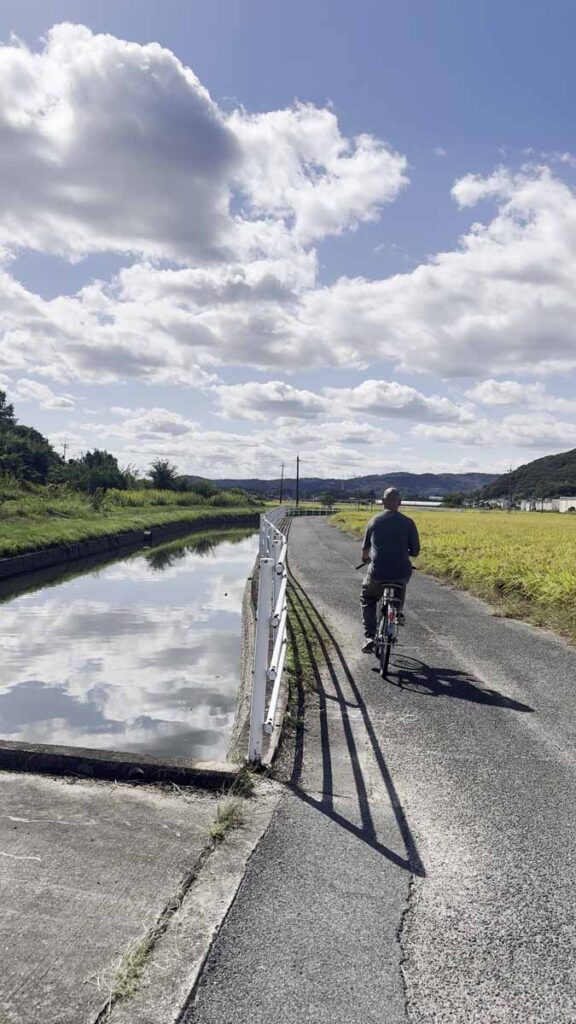
Kibiji District Cycle Path

Kibiji Cycling Route Quick Facts

  • Start: Bizen-Ichinomiya Station
  • Finish: Soja Station
  • Distance: around 17km for the main point-to-point route
  • Difficulty: easy
  • Terrain: mostly flat
  • Bike rental: available near Bizen-Ichinomiya Station
  • Drop-off: possible at Soja Station for an extra fee
  • Best for: slow travellers, countryside views, easy cycling, shrines and rural Japan
  • Time needed: half a day if you keep moving, longer if you stop often

Official route info: Okayama Kibiji Bicycle Path

How to Get to the Kibiji Cycling Route from Okayama

The easiest way to start is by taking the JR Kibi Line from Okayama Station to Bizen-Ichinomiya Station.

Google Maps: Bizen-Ichinomiya Station

Once you arrive, the bike rental shop is close to the station, so you do not need to cycle through Okayama city traffic. This is one of the reasons the route works so well as an easy day trip.

We would definitely recommend starting at Bizen-Ichinomiya and cycling towards Soja. It felt simple to follow in this direction, and the blue Kibiji District arrows on the road made navigation easy.

Renting Bikes at Uedo Rent-a-Cycle

We rented bikes from Uedo Rent-a-Cycle, close to Bizen-Ichinomiya Station.

Google Maps: Uedo Rent-a-Cycle

When we visited, bike rental was ¥1,500 each. We chose the one-way drop-off option, which meant we could return the bikes at Araki Rent-a-Cycle near Soja Station for an extra ¥500 each., so it is worth carrying yen rather than relying on card payment.

It was cash only when we visited, but there was a 7-Eleven nearby if you need an ATM. We were also given a paper map, which was useful even though the route was easy to follow.

Dropping the Bikes Off at Soja Station

At the end of the ride, we dropped the bikes off at Araki Rent-a-Cycle near Soja Station.

Google Maps: Araki Rent-a-Cycle, Soja

Araki Rent-a-Cycle is listed as being around a 1-minute walk from JR Soja Station, which makes the end of the route very easy. Once you return the bikes, you can simply take the train onwards or head back towards Okayama.

Araki Rent-a-Cycle official site: Araki Rent-a-Cycle

Following the Blue Kibiji District Arrows

One of the best things about this route is how easy it is to navigate.

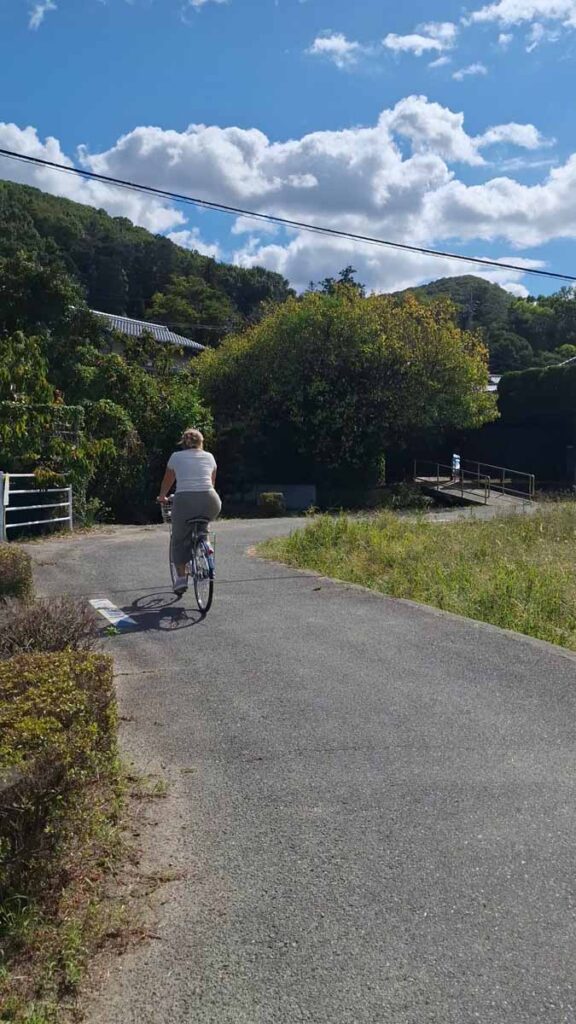
The road has blue Kibiji District cycling arrows painted onto the surface, pointing you in the right direction. These were really useful and made the ride feel relaxed rather than stressful.

You still want Google Maps as a backup, but most of the time we just followed the arrows, checked the map occasionally, and enjoyed the ride.

Blue Kibiji District cycling route arrow painted on the road in Okayama
Blue Kibiji District arrows mark the cycling route between Bizen-Ichinomiya and Soja.

What the Kibiji Cycling Route Is Like

This is not a dramatic mountain ride or a serious cycling challenge. It is the opposite, really, and that is the beauty of it.

The route is mostly flat, gentle and easy. You pass rice fields, small roads, irrigation channels, houses, farms and quiet rural scenery. When we visited in mid October, farmers were harvesting in the fields, the weather was still warm but not too hot, and the whole ride had that lovely slow autumn feeling.

It was one of those Japan days that felt simple in the best possible way. No rushing, no huge sights every five minutes, just a peaceful ride through the countryside with a few genuinely worthwhile stops along the way.

What to Visit on the Kibiji Cycling Route

Kibitsu Jinja

Kibitsu Jinja is one of the main sights in the area and is absolutely worth visiting either before or during your cycling day.

Google Maps: Kibitsu Jinja

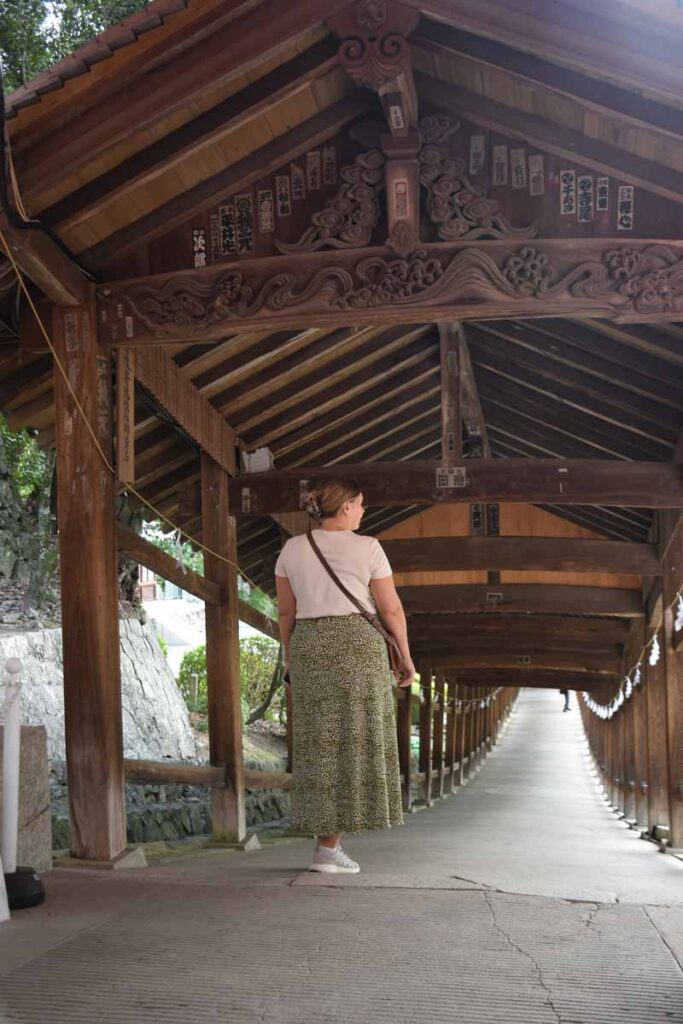
The shrine is best known for its long wooden corridor, which stretches through the grounds and gives the whole place a peaceful, slightly hidden feeling. There are also smaller shrines and quiet corners around the site, so give yourself time to wander.

We actually visited Kibitsu Jinja on foot the day before our bike ride, taking the train from Okayama Station to Kibitsu Station and walking around 10 minutes to the shrine. That worked well for us because it meant we could take our time without folding it into the cycling day.

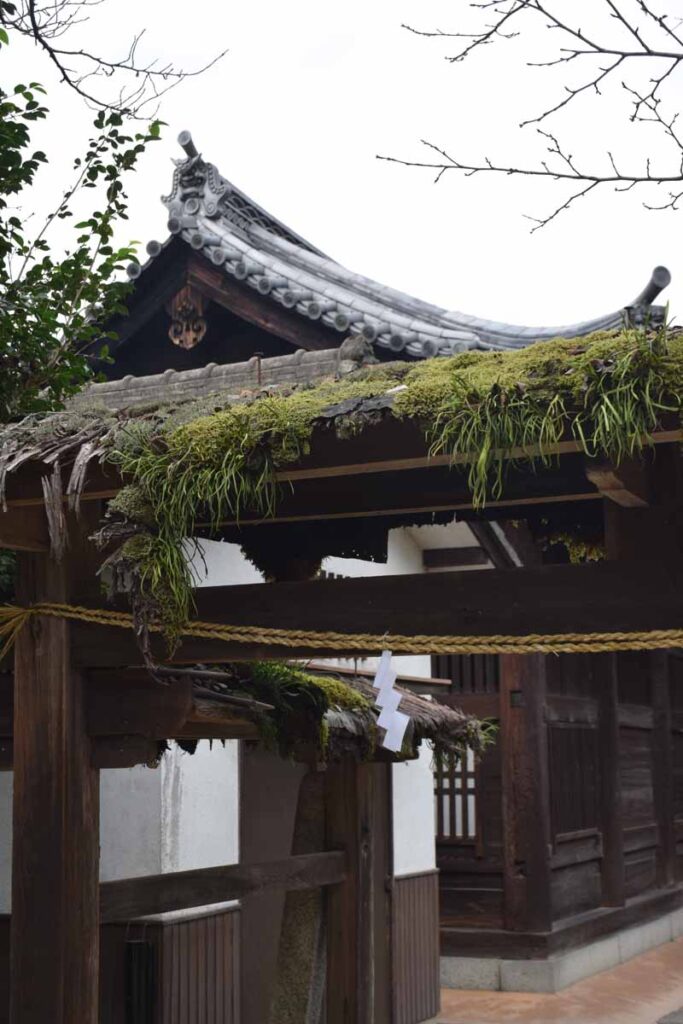
Kibitsu Jinja (Sanbi Ichinomiya) Entrance
Kibitsujinjakairo Corridor
Okamaden at Kibitsu Jinja

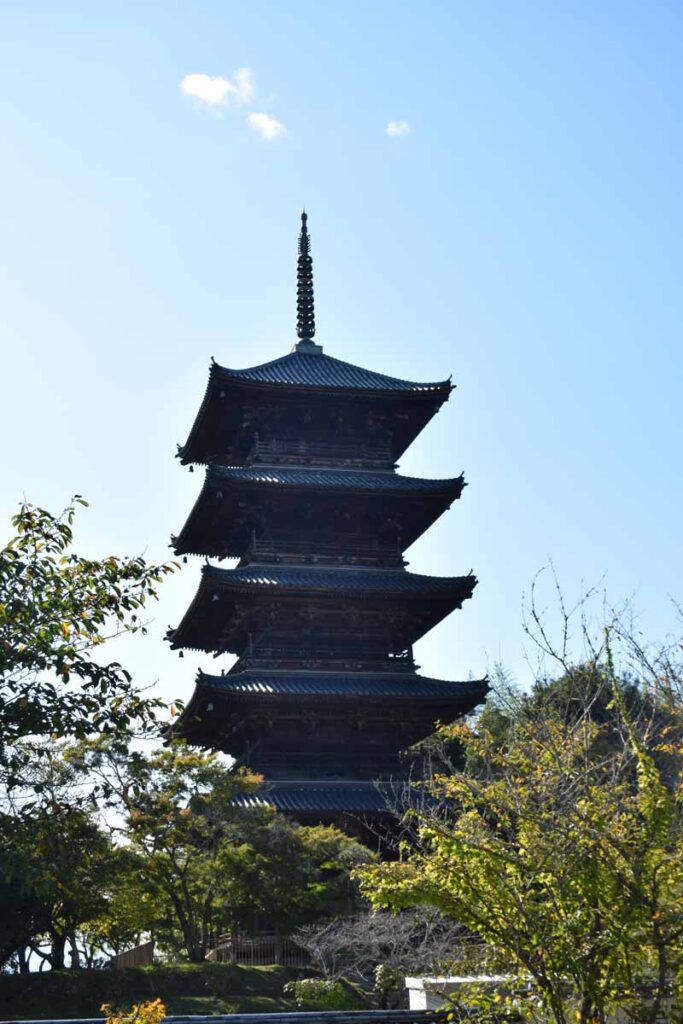
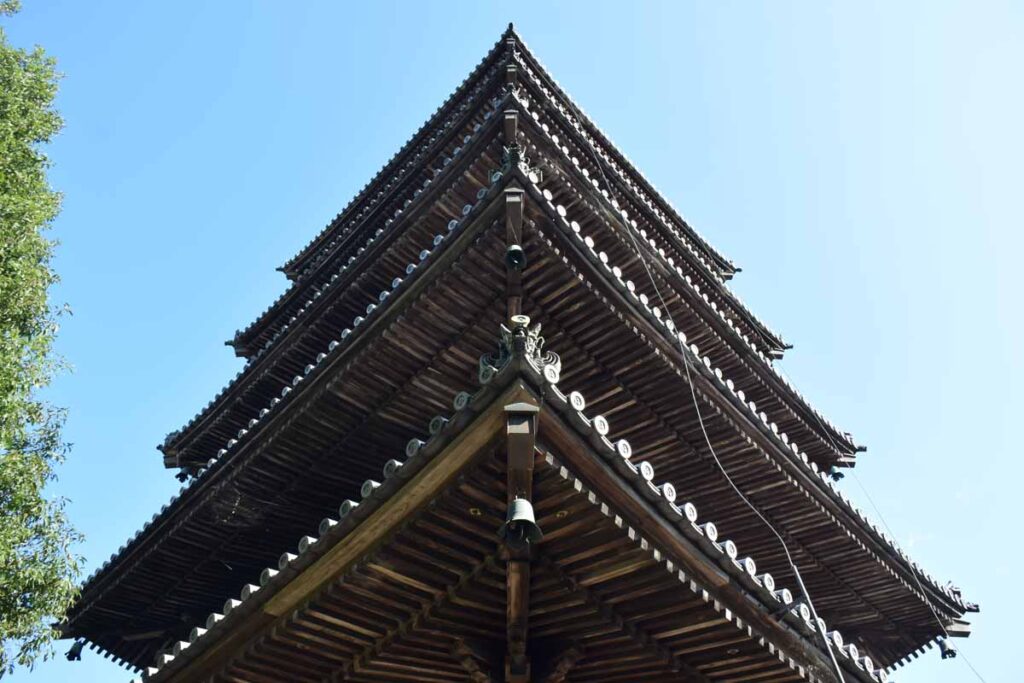
Five-Storied Pagoda of Bitchu Kokubun-ji Temple

The Five-Storied Pagoda of Bitchu Kokubun-ji Temple is probably the most scenic stop on the route.

Google Maps: Five-Storied Pagoda of Bitchu Kokubun-ji Temple

You can see the pagoda from a distance as you cycle through the countryside, which makes arriving there feel even better. It stands beautifully above the surrounding fields and is one of the moments where the route really feels special.

This was our favourite kind of Japan sightseeing: quiet, open, easy to enjoy, and not overwhelmed by tour groups.

Five-storied Pagoda of Bitchu Kokubun-ji Temple

Suggested Morning Itinerary

If you want to keep this as an easy half-day trip from Okayama, this is how I would structure it:

  1. Take the JR Kibi Line from Okayama Station to Bizen-Ichinomiya Station.
  2. Pick up bikes from Uedo Rent-a-Cycle.
  3. Follow the blue Kibiji District arrows towards Soja.
  4. Stop at Kibitsu Jinja and walk through its famous long wooden corridor.
  5. Continue through the rice fields, quiet lanes and countryside viewpoints.
  6. Visit the Five-Storied Pagoda of Bitchu Kokubun-ji Temple.
  7. Continue towards Soja.
  8. Drop the bikes at Araki Rent-a-Cycle near Soja Station.
  9. Take the train back, or continue to Kurashiki for the afternoon.

If you are staying in Okayama, this works really well in the morning. Start early, enjoy the cooler part of the day, and leave your afternoon free.

Add Kurashiki Afterwards

If you still have energy after the ride, Kurashiki makes a very easy afternoon add-on.

After dropping the bikes at Soja Station, you can take the train towards Kurashiki and spend the afternoon around the canal area. We’d suggest keeping it relaxed: have ramen, wander the old streets, look at the denim shops, and sit by the river with a coffee.

It makes a lovely full day from Okayama: rural cycling in the morning, Kurashiki’s historic canal area in the afternoon.

For ramen, we liked Shodoshima Ramen Hishio in Kurashiki.

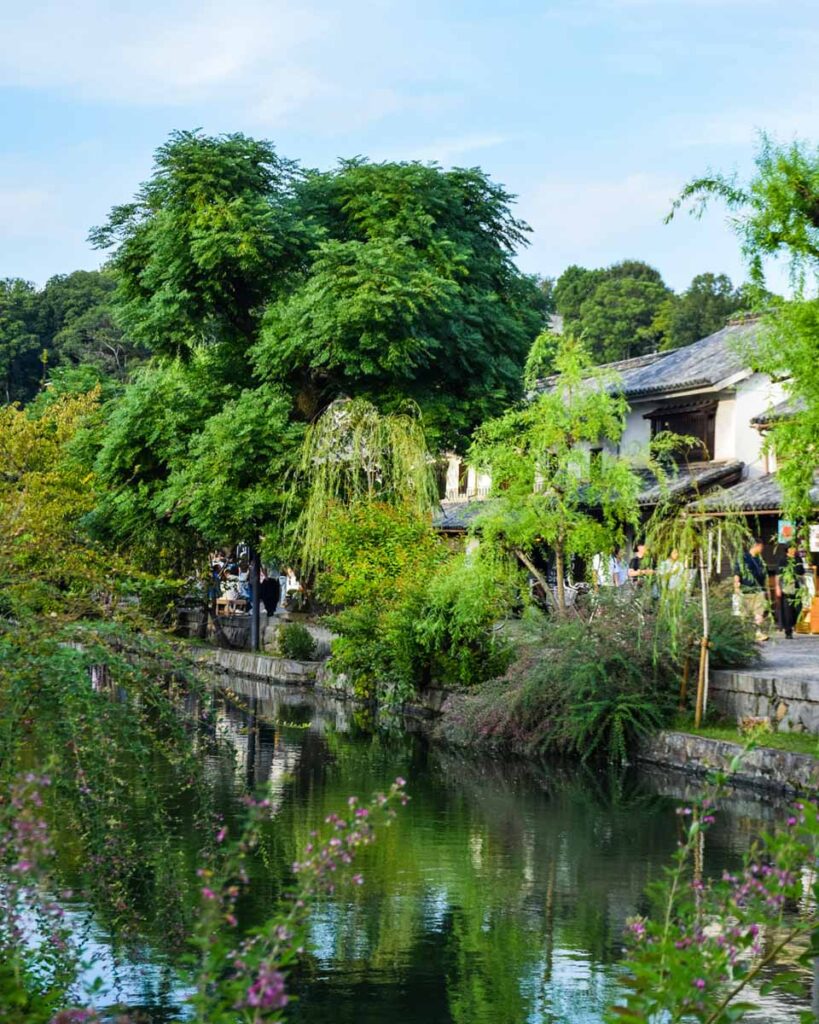
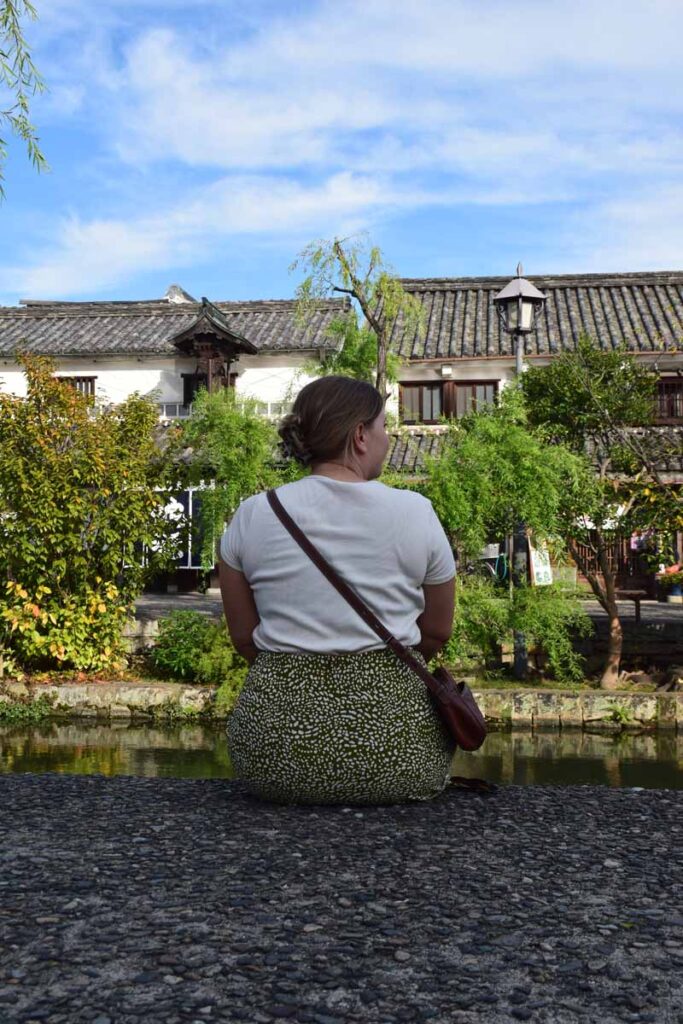
Kurashiki River
Chilling at Kurashiki River
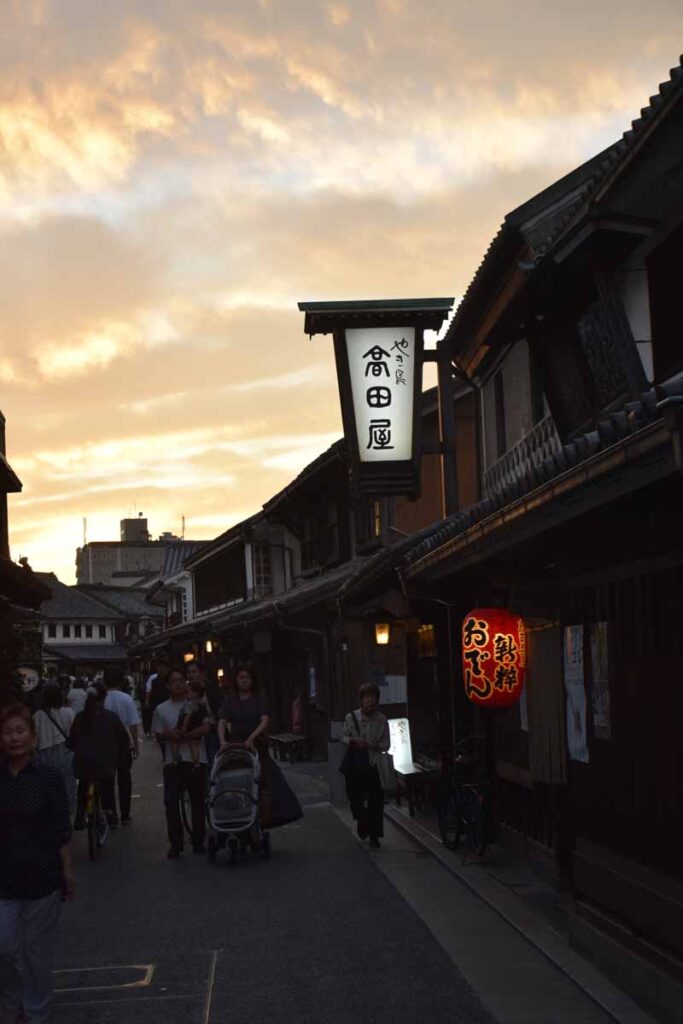
Kurashiki at sunset
Kurashiki at sunset

What to Bring

You do not need much, but bring the basics:

  • Cash for bike rental and drop-off fee
  • IC card or train ticket
  • Water
  • Sunscreen or a hat
  • Comfortable clothes
  • Phone with Google Maps
  • Portable charger
  • Small bag or backpack
  • Camera

If you visit in summer, start early. The route is flat, but there is not always shade, and cycling through open fields in the heat would be much less fun.

Is the Kibiji Cycling Route Difficult?

No, not really.

The route is mostly flat and very beginner-friendly. You do not need to be a serious cyclist, and you do not need a fancy bike. The distance is long enough to feel like a proper day out, but short enough that it never becomes intimidating.

The only thing to watch is time. If you stop often for photos, shrines, snacks and countryside views, it will naturally take longer than the distance suggests. But that is also the point.

How Long Do You Need?

If you keep moving and only make short stops, you could cycle the main route in a morning.

For a more relaxed version, allow half a day. That gives you time to pick up the bikes, follow the route slowly, stop at Kibitsu Jinja, visit the pagoda, take photos, and return the bikes without feeling rushed.

If you want to continue to Kurashiki afterwards for lunch, ramen, coffee or shopping, start early so the cycling route does not eat into too much of your afternoon.

Where We Stayed in Okayama

We stayed at Hotel LiVEMAX Okayama West, which worked well for this day trip because it was close to Okayama Station. That made the morning simple: we could walk to the station, take the JR Kibi Line to Bizen-Ichinomiya, pick up the bikes and start the route without any extra transport faff.

It’s a regular business hotel, but for this part of the trip the location was the main thing. If you are planning to cycle the Kibiji Route or use Okayama as a base for day trips, staying near the station makes everything much easier.

Final Thoughts on Cycling the Kibiji Route

Cycling the Kibiji route was one of our favourite slow travel days in Okayama. It was easy to organise, easy to navigate, and gave us a beautiful glimpse of rural Japan without needing a car.

The blue arrows made the route simple to follow, the countryside was peaceful, and visiting in mid October meant rice fields, harvest scenes and comfortable cycling weather. It was not flashy or famous in the way some Japan sights are, but that is exactly why we enjoyed it.

If you are staying in Okayama and want a relaxed day trip that feels completely different from the city, the Kibiji Cycling Route is well worth adding to your itinerary.

This ride was part of our wider 23 day slow travel route through western Japan. You can read the full journey here: 23 Day Japan Slow Travel Itinerary by Train

August 26, 2026 0 comments
FacebookTwitterPinterestLinkedinRedditStumbleuponWhatsappTelegramThreadsOpenAIChatGPTEmail
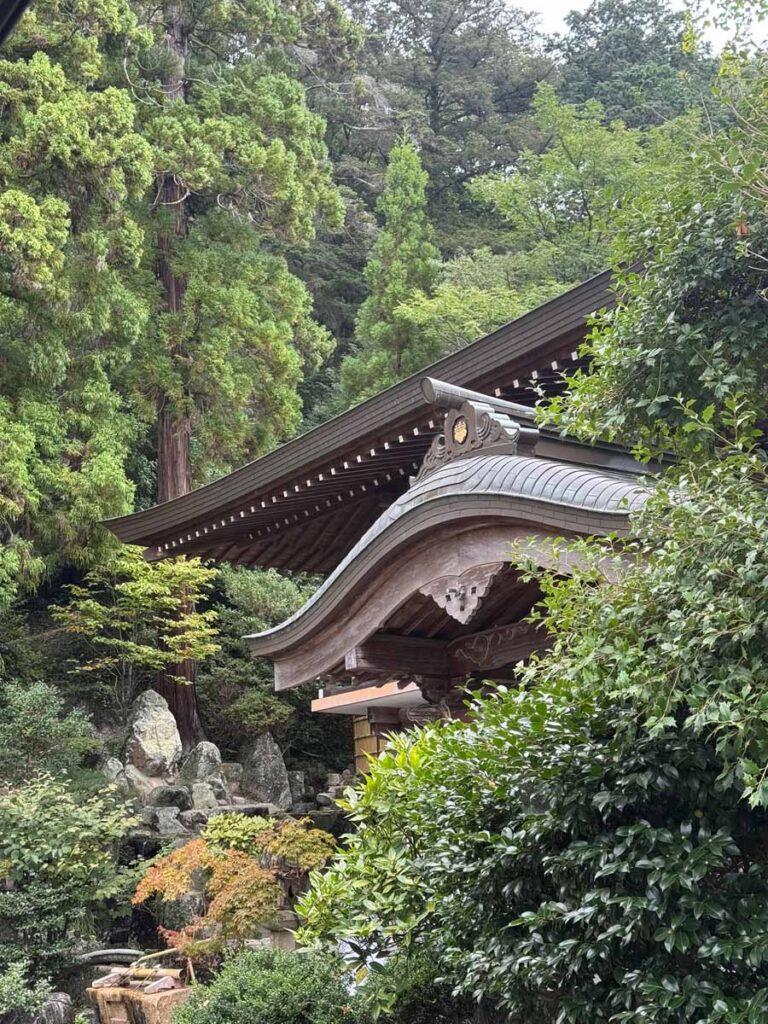
Kibitsu Jinja (Sanbi Ichinomiya) Entrance
Japan

Okayama Travel Guide: A Practical Base for Kurashiki and the Kibi Plain

by Sam August 25, 2026
written by Sam

Okayama was the final longer stop on our 23 day slow travel route through western Japan. We stayed for 4 nights, although unless you want a slower base with a couple of day trips, you could probably stay for less.

For us, Okayama worked best as a practical stop rather than a city we fell madly in love with. It has good train connections, easy access to Kurashiki, and one of the nicest low-effort cycling routes we did in Japan: the Kibi Plain route between Bizen-Ichinomiya and Soja.

It was a useful place to pause, eat ramen, rent bikes, visit shrines, and take a relaxed day trip to Kurashiki before finishing our 23 Day Japan Slow Travel Itinerary by Train.

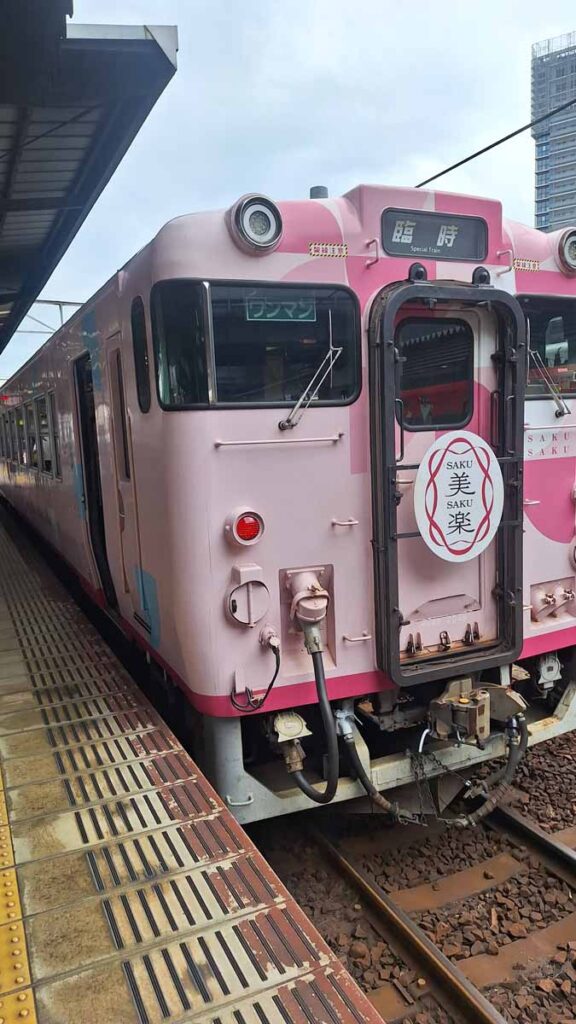
The Hello Kitty local train at Okayama Station
Kibitsu Jinja
Kibitsu Jinja
Kibiji District Cycle Path

Where We Stayed in Okayama

We stayed at Hotel LiVEMAX Okayama West.

The location was convenient for Okayama Station, which mattered more than anything else for us. By this point in the trip, we were using Okayama as a base for day trips, so being close to trains made life easy.

We stayed 4 nights, but if you are only planning to visit Kurashiki and do the Kibi Plain cycling route, 2 or 3 nights would probably be enough.

Why Visit Okayama?

Okayama is not the most exciting city we visited in Japan, but it is a very useful base. It sits in a great location for exploring nearby places by train, especially if you are travelling slowly through western Japan.

The highlights for us were:

  • Cycling the Kibi Plain
  • Visiting Kibitsu Jinja Shrine
  • Taking a day trip to Kurashiki
  • Eating very large bowls of ramen
  • Having a few slower days after moving regularly along the Sanin Line

If you are following a wider Japan itinerary, Okayama works well as a practical stop between the Sanin coast and onward travel towards bigger cities.

Things to Do in Okayama

Cycle the Kibi Plain

The best thing we did from Okayama was rent bikes and cycle part of the Kibi Plain route.

We took the train from Okayama Station to Bizen-Ichinomiya Station, then rented bikes from Uedo Rent-a-Cycle.

The rental cost was ¥1,500 each, with the option to drop the bikes off at Soja Station for an extra ¥500 each. It was cash only when we visited, but there was a 7-Eleven nearby if you need an ATM.

The route is flat, easy, and very relaxed. You cycle through rice fields, quiet countryside and small villages, with shrine and temple stops along the way. It is not a difficult ride at all, and it made a lovely contrast to the towns and cities we had been visiting.

This is the short version here, because the Kibi Plain cycling route deserves its own proper post.

Official tourism information lists the Kibi cycling route as running between Bizen-Ichinomiya and Soja, with bike rental available at both ends and one-way drop-off possible for an additional fee. You can check current details on the Okayama tourism Kibi Cycling Route page.

Kibiji District Cycle Path

Visit Kibitsu Jinja

Kibitsu Jinja was one of the best places we visited around Okayama. We went there on foot the day before our bike ride, taking the train from Okayama Station to Kibitsu Station, then walking around 10 minutes to the shrine.

The shrine is best known for its long wooden corridor, which stretches beautifully through the grounds and makes the whole place feel much larger than a quick map glance suggests. There are also lots of smaller shrines and quiet corners around the site, so it is worth taking your time rather than treating it as a quick photo stop.

The area around Kibitsu Jinja is peaceful and easy to explore slowly, but the shrine grounds are bigger than they first appear, so give yourself enough time to wander without rushing.

Kibitsujinjakairo Corridor
Okamaden at Kibitsu Jinja

See the Five-Storied Pagoda at Bitchu Kokubun-ji Temple

One of the most beautiful sights on the Kibi Plain route is the Five-Storied Pagoda of Bitchu Kokubun-ji Temple.

Cycling towards it through the countryside is part of the appeal. The route is mostly flat, with open views, rice fields and a slower rural feel that makes this one of the easiest and most enjoyable half-day trips from Okayama.

Five-storied Pagoda of Bitchu Kokubun-ji Temple

Day Trip to Kurashiki

Kurashiki is an easy day trip from Okayama by train, and it was well worth doing.

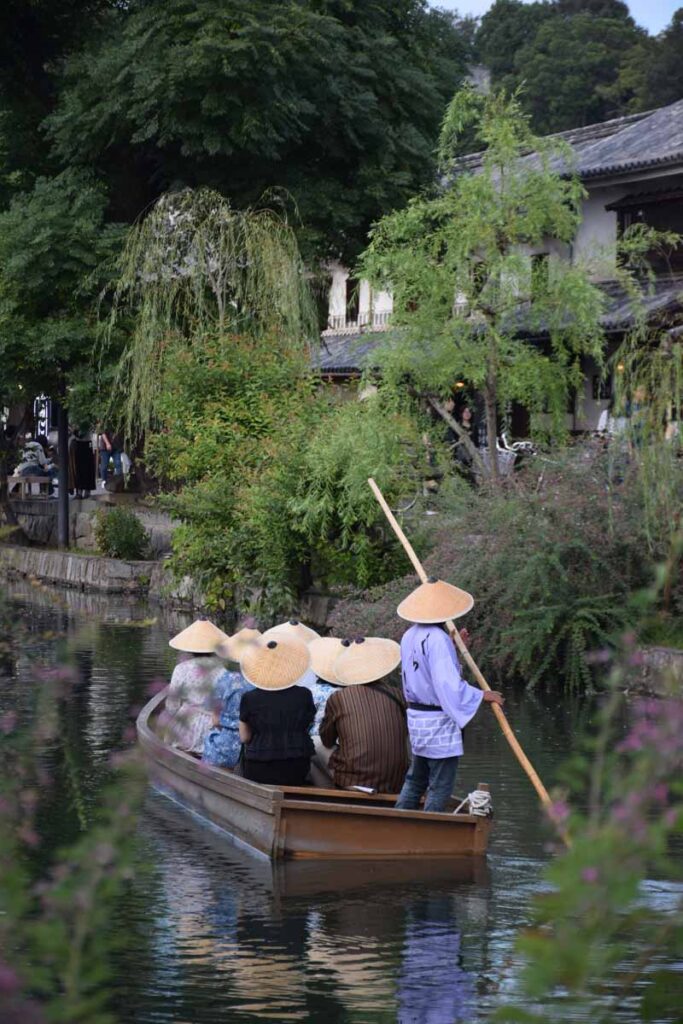
The main tourist area is the Kurashiki Bikan Historical Quarter, centred around the old canal. You can take a short boat ride along the water, but it is also lovely just to buy a coffee, sit by the river, and enjoy the old buildings.

Kurashiki is more polished and more touristy than some of the smaller places we visited earlier in the trip, but it is still very pretty.

Denim Shopping in Kurashiki

Kurashiki is also known for denim, and there are plenty of shops if you are interested in Japanese jeans or denim clothing.

We found cheaper denim clothes at Kurara Kurashiki Denim. If you want something more stylish and trendier, Kurashiki Denim Street is the more obvious stop, although prices are higher.

SNOOPY Chocolat

If you are into Snoopy like Livia, there is also a SNOOPY Chocolat shop selling Kurashiki-only style souvenirs and chocolates.

Is it essential? No. Is it very Japan? Absolutely.

Boat trips at Kurashiki River
Snoopy Chocolat shop in Kurashiki
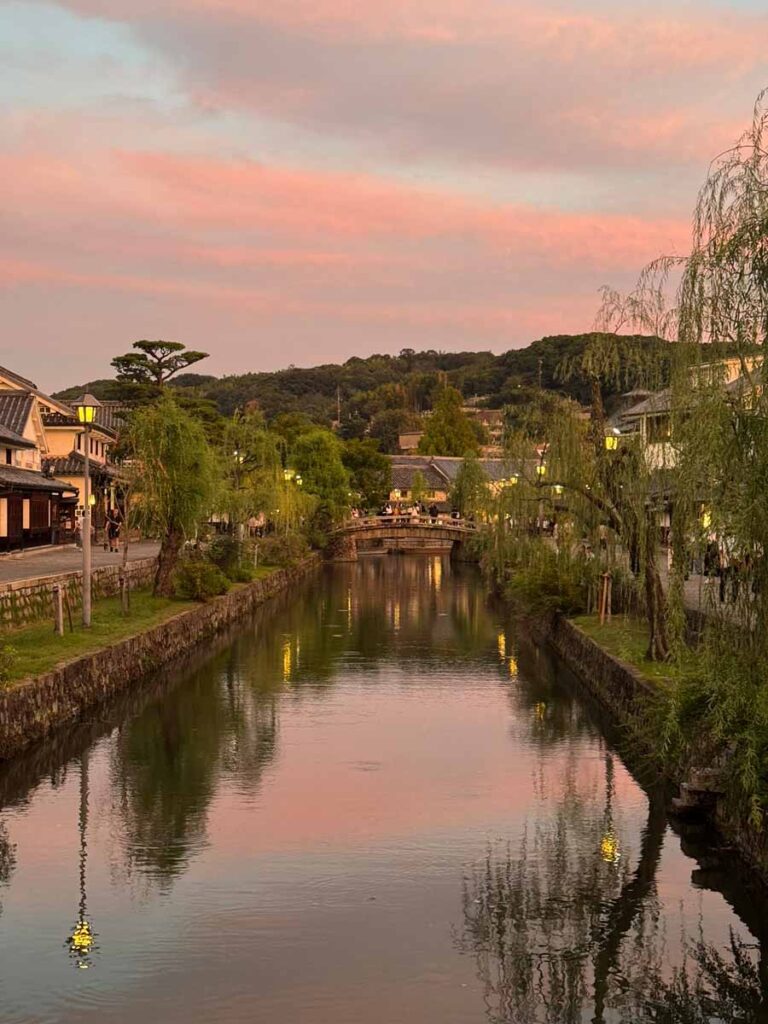
Kurashiki at sunset
Kurashiki at sunset
Kurashiki River at sunset

Where to Eat in Okayama

Chuka Soba Fujiya

We ate a massive bowl of ramen at Chuka Soba Fujiya Granvia Branch, close to Okayama Station.

It was exactly what we needed: easy, filling, close to transport, and very satisfying after a travel day.

Chuka Soba Asazuki Honten

We also ate another huge bowl of ramen at Chuka Soba Asazuki Honten, a long-running ramen shop in Okayama.

This was exactly the kind of place we love finding in Japan: simple, filling, local, and very satisfying after a day of walking or cycling. If you are staying near Okayama Station and want another easy ramen option, this is a good one to add to your list.

Izakaya Yotteba

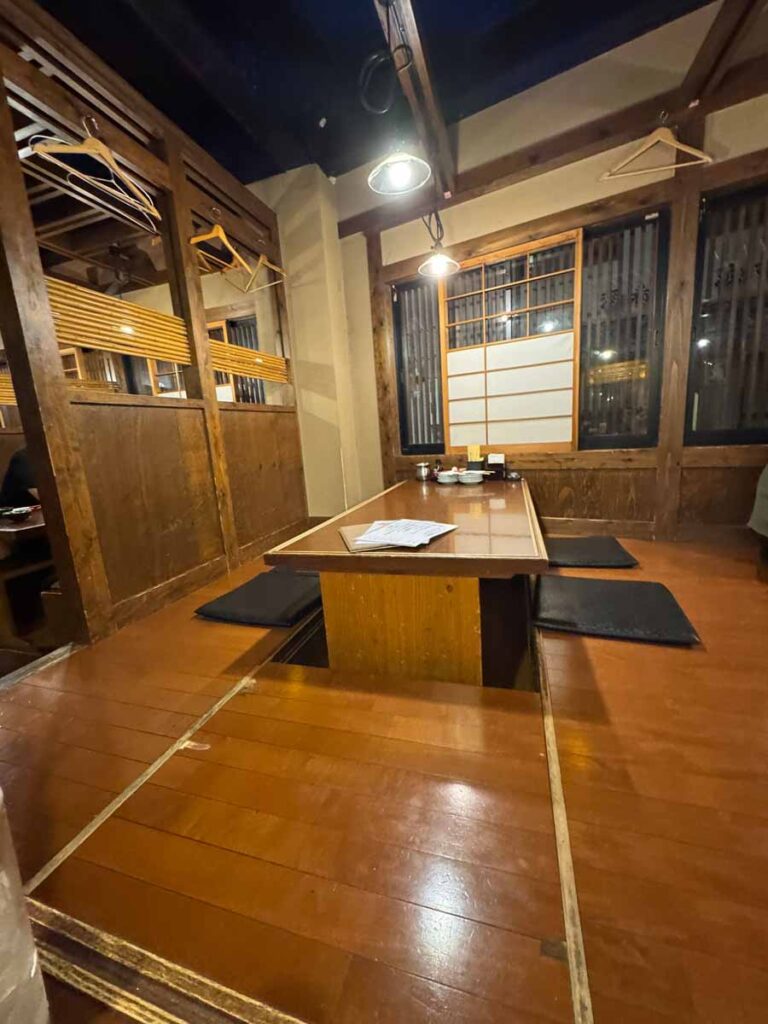
We also went to Izakaya Yotteba, which was another easy local food option while staying near the station area. The seating area is raised and the chairs are sunken. Great vibes and friendly staff.

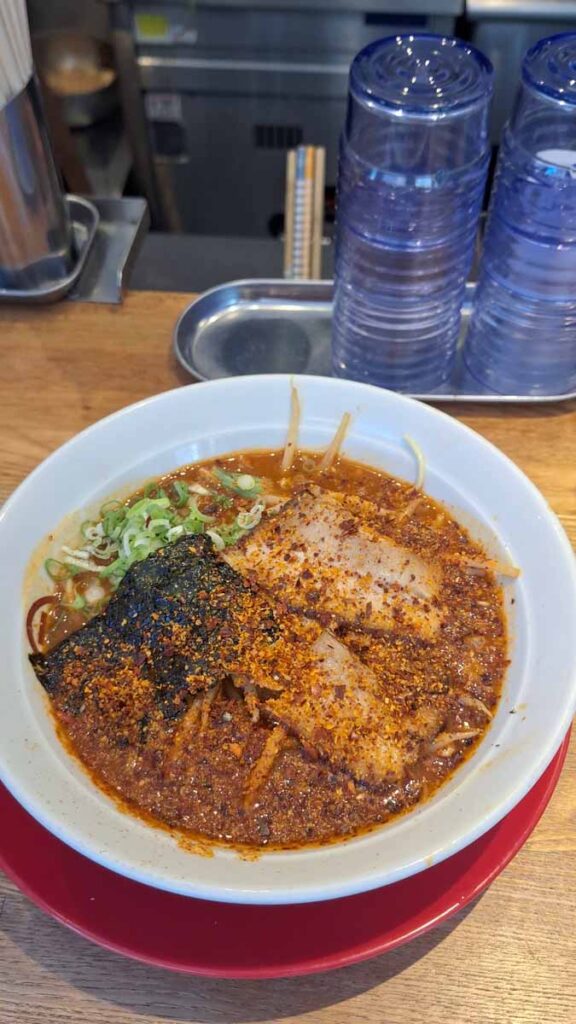
Shodoshima Ramen Hishio in Kurashiki

During our Kurashiki day trip, we ate at Shodoshima Ramen Hishio. It’s on the corner and you’ll spot the denim stools at the bar.

If you are already spending the day around the canal area, it is a great place to keep in mind.

Shodoshima Ramen Hishio in Kurashiki
Izakaya Yotteba in Okayama

How Many Days Do You Need in Okayama?

1 Day

One day is enough if you only want to pass through Okayama and maybe visit Kurashiki or one nearby sight.

2 Days

Two days gives you enough time for one day trip to Kurashiki and one day around Okayama or the Kibi Plain.

3 Days

Three days is probably the sweet spot if you want to cycle the Kibi Plain, visit Kurashiki, and not feel rushed.

4 Days

We stayed 4 nights, which worked for our slow travel pace, but it is more than most people will need unless you want downtime or are using Okayama as a very relaxed base.

Final Thoughts on Okayama

Okayama was not the most memorable city on our Japan route, but it was one of the most useful. It gave us easy transport, good day trips, and a chance to slow down before finishing our journey.

The Kibi Plain cycling route was the real highlight for us, followed by Kurashiki as an easy and pretty day trip. If you are travelling through western Japan by train, Okayama makes sense as a base, just do not expect the city itself to do all the heavy lifting.

This stop was part of our wider slow travel route through western Japan. You can read the full journey here: 23 Day Japan Slow Travel Itinerary by Train

August 25, 2026 0 comments
FacebookTwitterPinterestLinkedinRedditStumbleuponWhatsappTelegramThreadsOpenAIChatGPTEmail
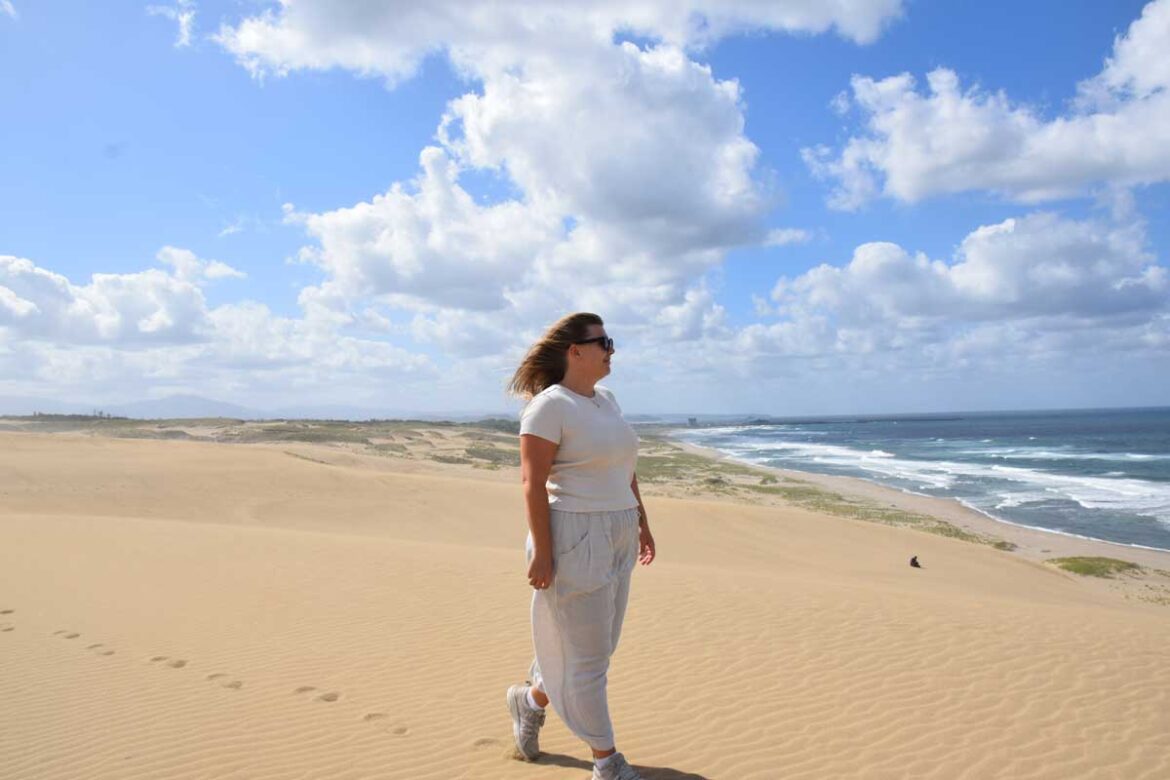
Livia on the Tottori Sand Dunes
Japan

Is Tottori Worth Visiting on a Japan Trip?

by Sam August 25, 2026
written by Sam

Tottori was one of the more unusual stops on our 23 day slow travel route through western Japan. After a few quieter places along the Sanin Line, it was also the first time in weeks that we noticed more tourists around again.

We stayed for 2 nights, which gave us enough time to see the famous Tottori Sand Dunes, visit the Sand Museum, eat well near the station, and enjoy a slower stop before continuing our journey.

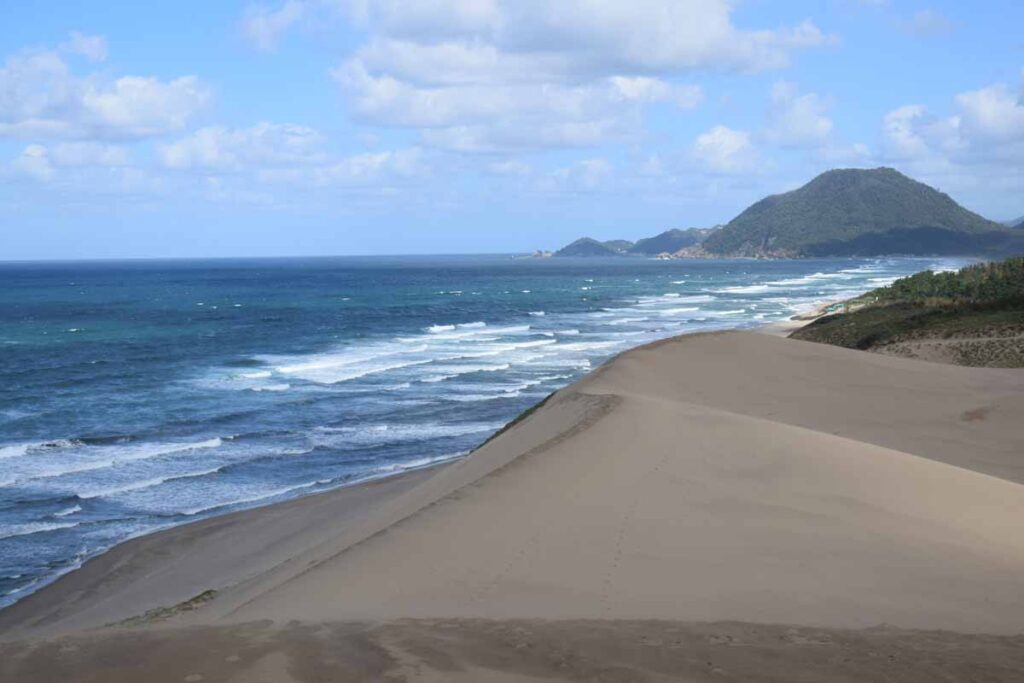
Tottori is not a city packed with endless sights, but it does have one very clear reason to visit: the dunes. Huge sand dunes rolling down towards the sea are not something you expect to find in Japan, and that alone makes Tottori feel different from anywhere else we visited.

Tottori Dunes
Tottori Dunes

Where We Stayed in Tottori

We stayed at Tottori Washington Hotel Plaza.

The location was the main reason we chose it. It is close to Tottori Station, which made arriving by train, catching buses, and leaving again very easy. For a short 2-night stop, being near the station worked perfectly.

Tottori - just another Japanese City
Tottori – just another Japanese City
Japanese Business Hotel Pajamas

Why Visit Tottori?

The main reason to visit Tottori is the sand dunes. They are the largest sand dunes in Japan, and they sit right beside the Sea of Japan, which makes the landscape feel surprisingly dramatic.

But the dunes are not the only reason to go. The Sand Museum is genuinely impressive, especially if you visit before walking out to the dunes themselves. We also found Tottori easy to use as a short, practical stop on our slow train route through western Japan.

It felt busier than some of the smaller towns we had visited before it, but still calm compared with Japan’s major tourist cities.

Things to Do in Tottori

Visit the Tottori Sand Museum

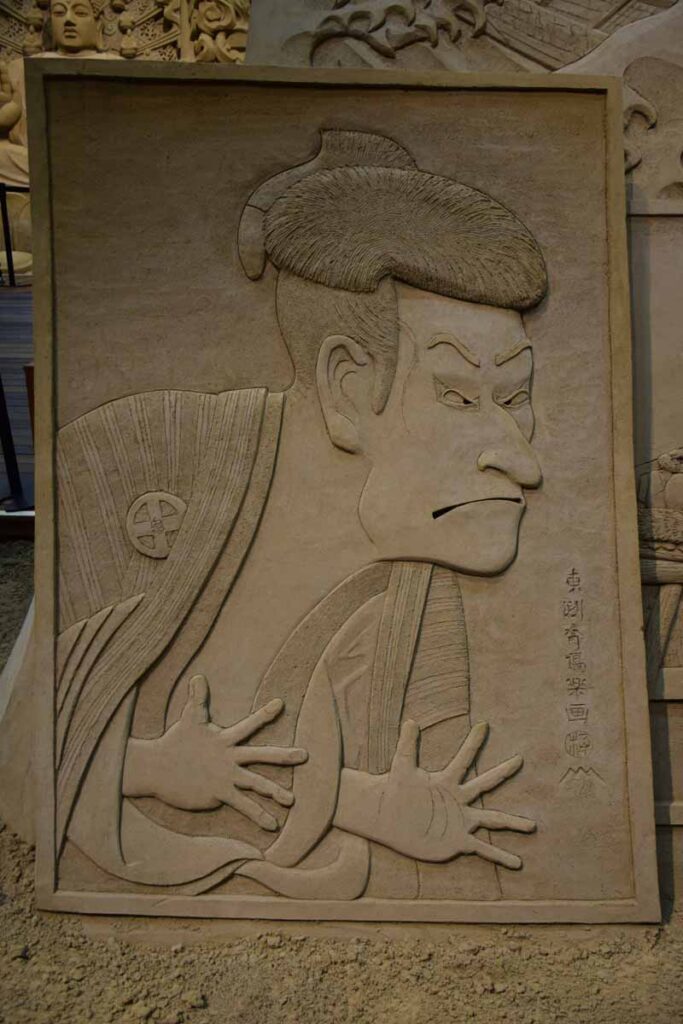
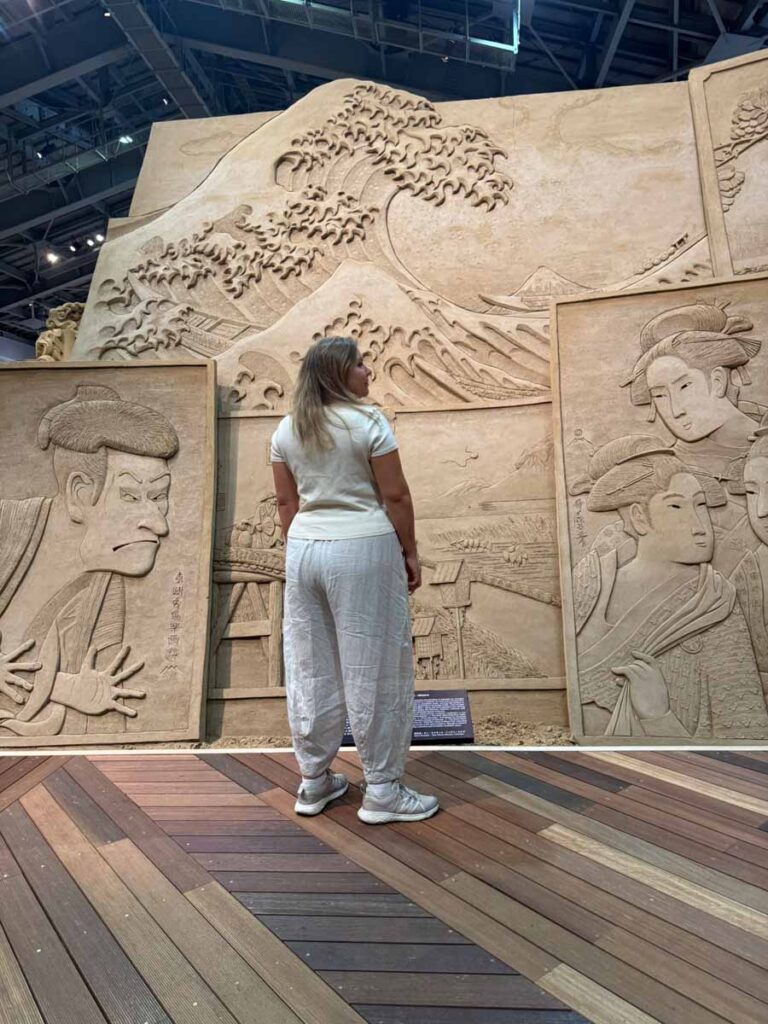
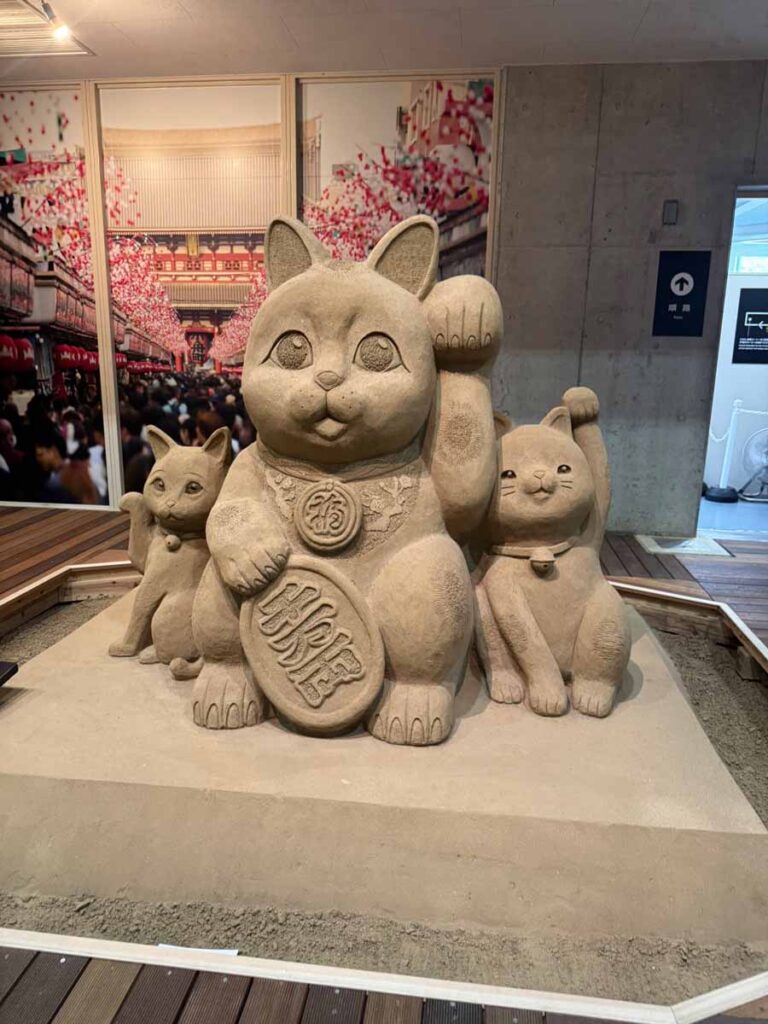
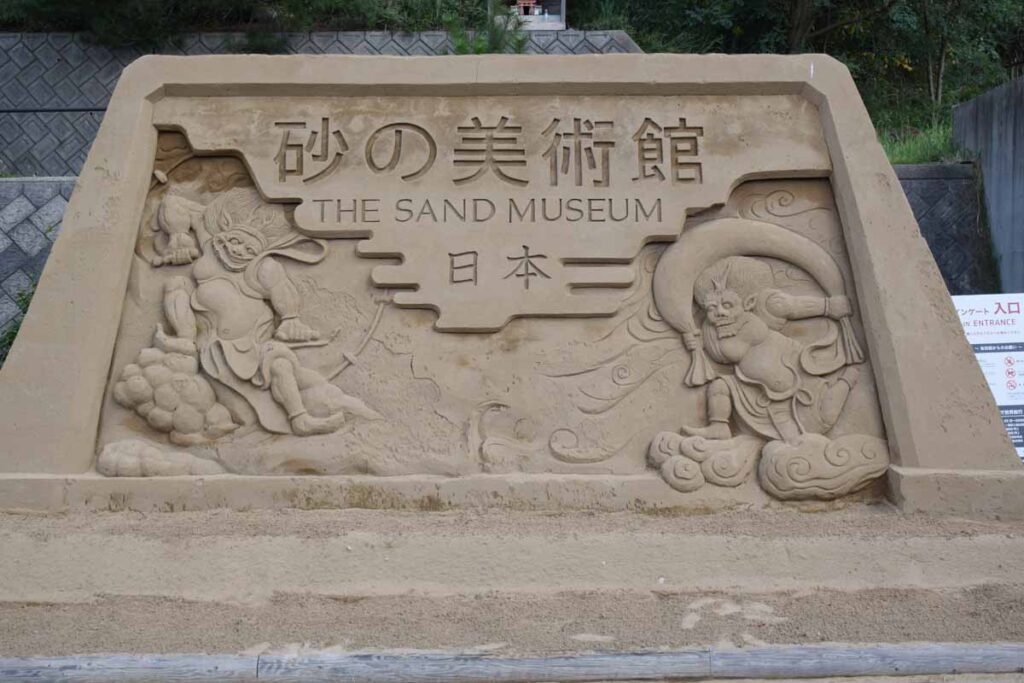
The Tottori Sand Museum was much better than we expected. It is an indoor museum filled with huge sand sculptures, and the detail is seriously impressive.

When we visited, the exhibition theme was Japan, which felt like a perfect fit for the trip. The theme changes regularly, so it is worth checking what is on before you go. The official Sand Museum website says the museum usually runs one main exhibition theme each year, with the display open from spring until early January before closing for the next exhibition changeover.

Adult entry is currently listed as ¥800, with student tickets at ¥400, according to the official Sand Museum information page.

Tottori Sand Museum
Tottori Sand Museum
Tottori Sand Museum
Tottori Sand Museum
Tottori Sand Museum
Tottori Sand Museum
Tottori Sand Museum
Tottori Sand Museum

Walk Across the Tottori Sand Dunes

After the museum, cross the road and walk over to the Tottori Sand Dunes.

The dunes are, well, sand dunes — but sand dunes that roll all the way down towards the sea, which is what makes them special. It is a strange and slightly surreal landscape, especially in Japan, where so much of our route had been towns, mountains, rivers and old streets.

You can walk up and across the dunes, then down towards the beach if you want to. Just remember that sand is much harder work than it looks, especially if the weather is hot.

We would recommend going early. By late morning, the dunes were already getting busier, so the early bus is worth it.

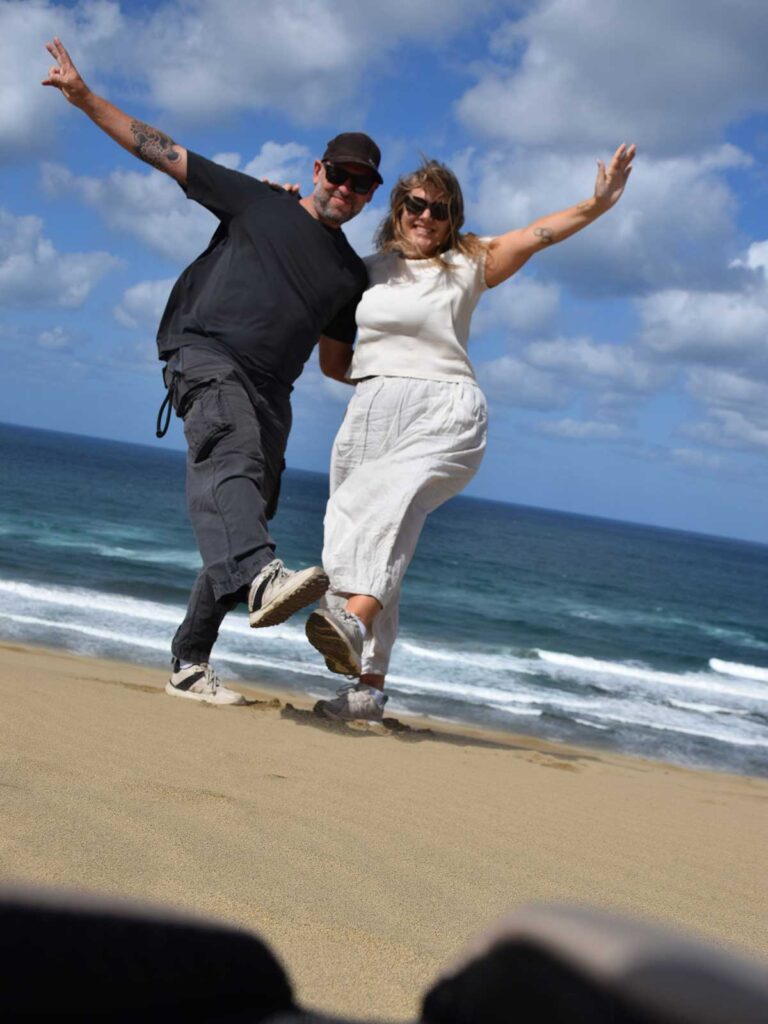
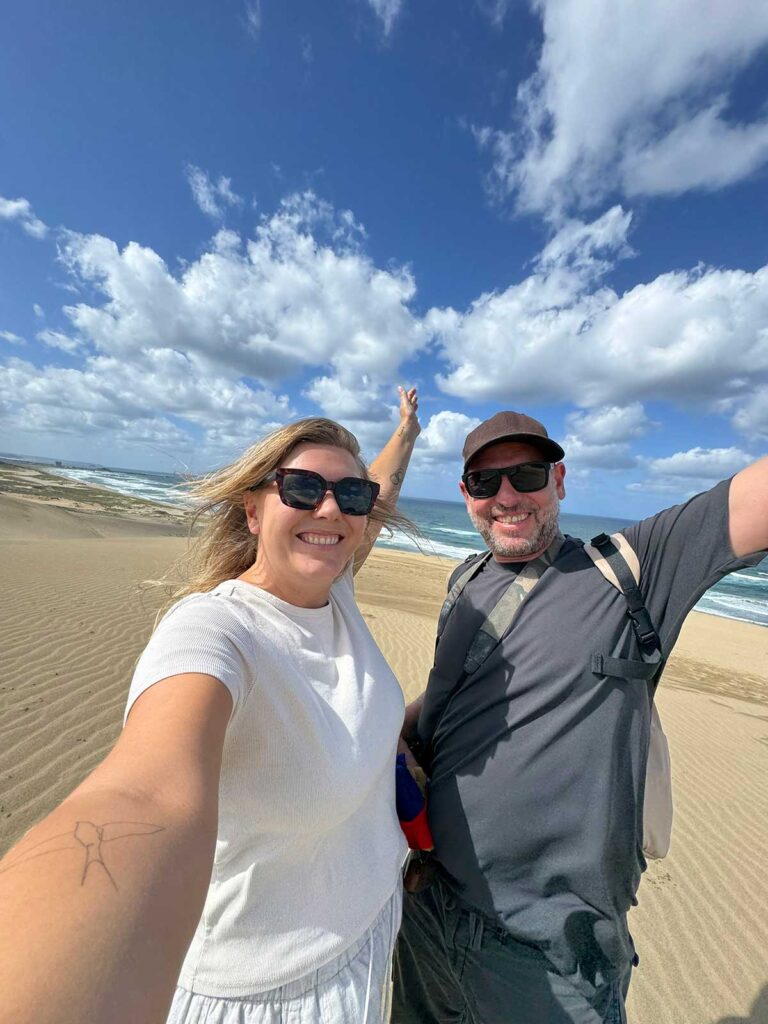
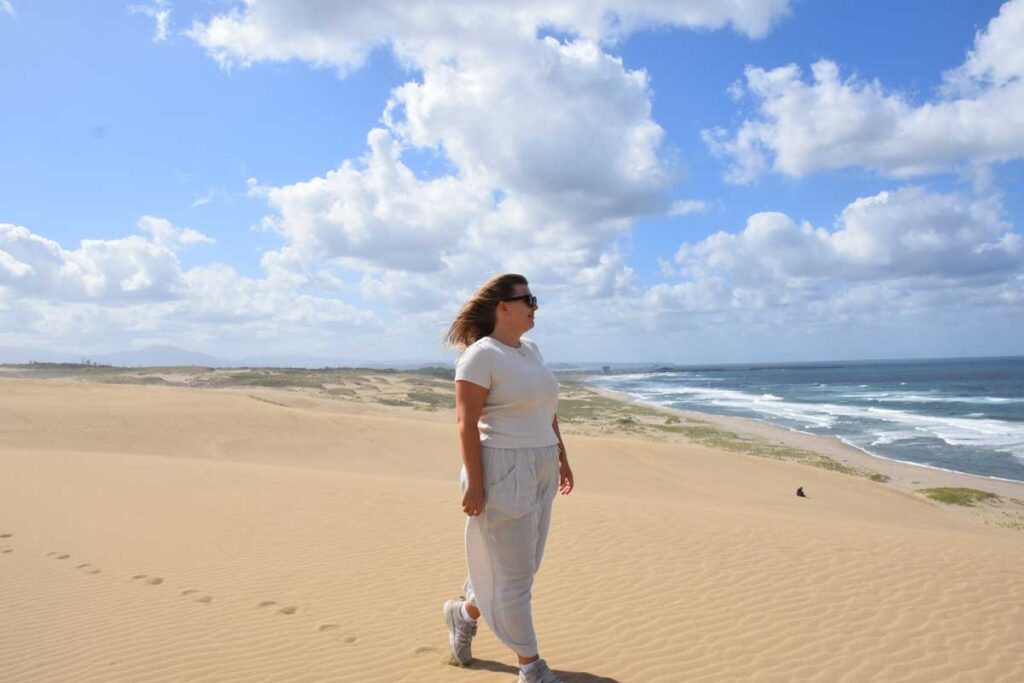
Livia & Sam on the Tottori Sand Dunes
Livia on the Tottori Sand Dunes

Stop at the Sakyu Center

We got off the bus at Sakyu Center, which is near the chairlift/cable car area above the dunes.

From there, you can walk down towards the Sand Museum first, then continue to the dunes afterwards. This worked well because it meant we visited the museum before the dunes got too busy.

Just make sure you check return bus times before wandering too far. Buses are not constant, and you do not want to finish at the dunes only to realise you have a long wait.

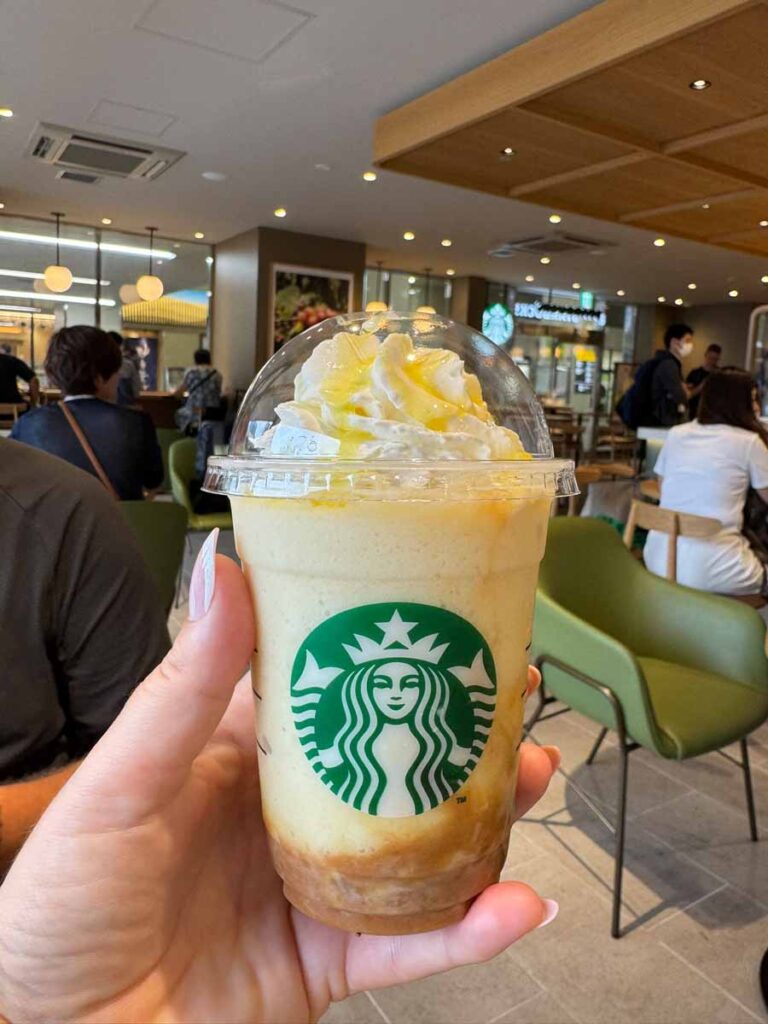
Try the Pear Shake at Tottori Station Starbucks

Tottori is famous for pears, and we somehow ended up at Starbucks at the station drinking a pear shake. Was it the most local, hidden, off-the-beaten-path experience in Japan? Absolutely not. Was it delicious? Yes.

If the pear shake is available when you visit, it is worth trying.

Google Maps: Starbucks Tottori Station

Where to Eat in Tottori

GyuTonBaKei Yakiniku

Our favourite food stop in Tottori was GyuTonBaKei Yakiniku.

It was a great local food joint: friendly, relaxed, and exactly the kind of place we love finding while travelling. The staff were super welcoming, and the food was excellent.

After a day out at the dunes, it made for a very good evening meal.

Pear shake at Tottori Starbucks
We all love Yakiniku

How to Get to Tottori Sand Dunes by Bus

The easiest way to reach the dunes without a car is by bus from Tottori Station.

When we visited, we took bus 39 from Tottori Station towards the dunes. The fare was ¥380, and the journey took around 30 minutes. We got off at Sakyu Center, which is useful if you want to start near the chairlift area and walk down towards the Sand Museum.

Official tourism information also lists buses from Tottori Station to the Sand Museum / dune area, with journey times around 20–30 minutes depending on the service. There is also a Loop Kirinjishi Bus on weekends and holidays, according to the official Tottori tourism site.

The important thing is this: there are not loads of buses.

Check your outbound and return times carefully before you go. We would suggest taking an early bus, visiting the Sand Museum first, then walking across to the dunes. Before you head too far into the sand, check what time you need to be back for the return bus.

Suggested Half-Day Route to the Dunes

This is the route we would suggest:

  1. Take an early bus from Tottori Station.
  2. Get off at Sakyu Center.
  3. Walk down to the Sand Museum.
  4. Visit the Sand Museum before it gets too busy.
  5. Exit near the lower/main entrance.
  6. Cross the road to the Tottori Sand Dunes.
  7. Walk across the dunes towards the sea.
  8. Return in time for your chosen bus back to Tottori Station.

This works well as a morning trip and leaves the afternoon free for food, coffee, or a slower wander around the station area.

How Many Days Do You Need in Tottori?

1 Day

One full day is enough if you only want to visit the Sand Museum and Tottori Sand Dunes. Arrive the night before or early in the morning, visit the dunes, then continue onwards.

2 Days

Two nights worked well for us. It gave us enough time to arrive without rushing, visit the dunes properly, eat locally, and continue our slow train route without making Tottori feel like a dash.

3+ Days

If you have more time, you could use Tottori as a base for exploring more of the coast, nearby temples, or other parts of eastern Tottori Prefecture. For our itinerary, though, 2 nights was enough.

Practical Tips for Visiting Tottori Sand Dunes

Go early if you can. The dunes can get busy by late morning.

Check bus times carefully. Services are not constant, and return timing matters.

Visit the Sand Museum before the dunes. It is indoors, structured, and easier to enjoy before you get sandy and tired.

Wear comfortable shoes. Sand is harder to walk on than it looks.

Bring water. There are facilities around the dune area, but once you are out walking, it is exposed.

Check the Sand Museum exhibition before visiting. The theme changes, and the museum closes between exhibition periods.

Be ready for wind. It is an open coastal sand area, so weather can make a big difference.

Final Thoughts on Tottori

Tottori was a worthwhile 2-night stop on our slow train route through western Japan. The city itself did not grab us in the same way as Matsue or Kurayoshi, but the dunes and Sand Museum made it memorable.

It is the kind of place that works best as part of a wider Sanin Line journey rather than a standalone city break. If you are travelling slowly through western Japan, Tottori gives you something completely different: sand, sea, sculpture, and a landscape you probably do not expect to find in Japan.
This stop was part of our wider route across western Japan. You can read the full journey here: 23 Day Japan Slow Travel Itinerary by Train

August 25, 2026 0 comments
FacebookTwitterPinterestLinkedinRedditStumbleuponWhatsappTelegramThreadsOpenAIChatGPTEmail
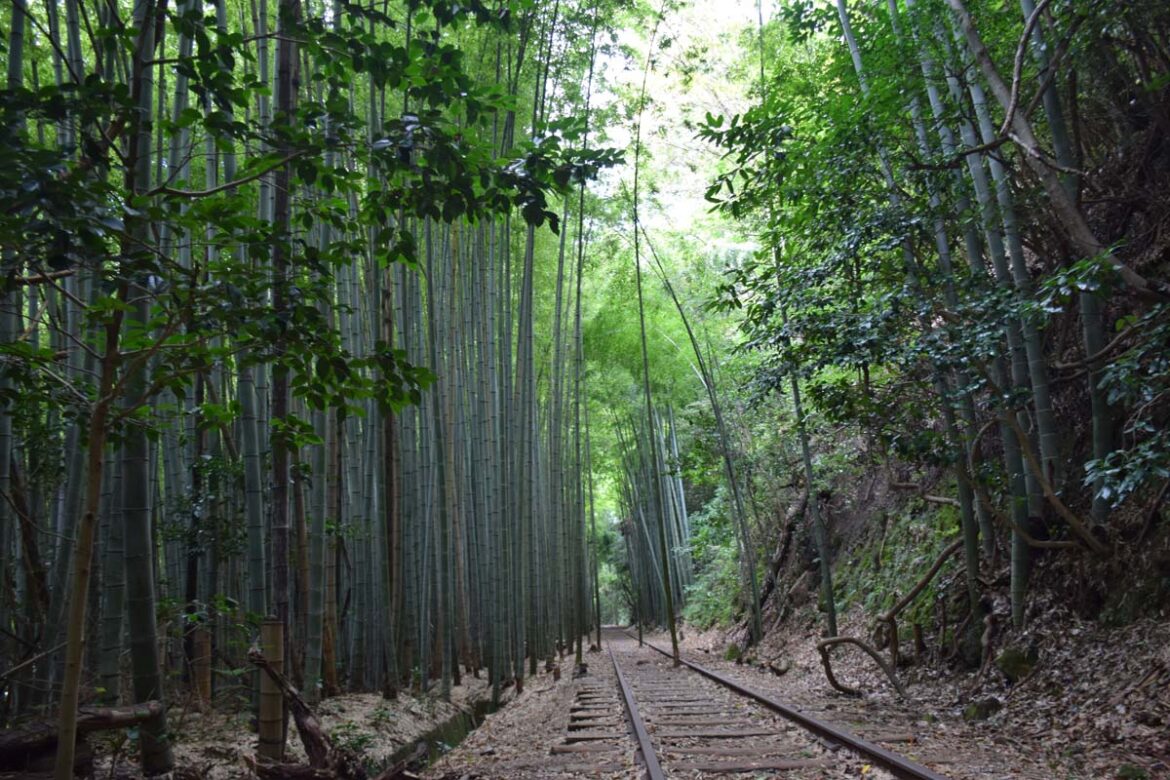
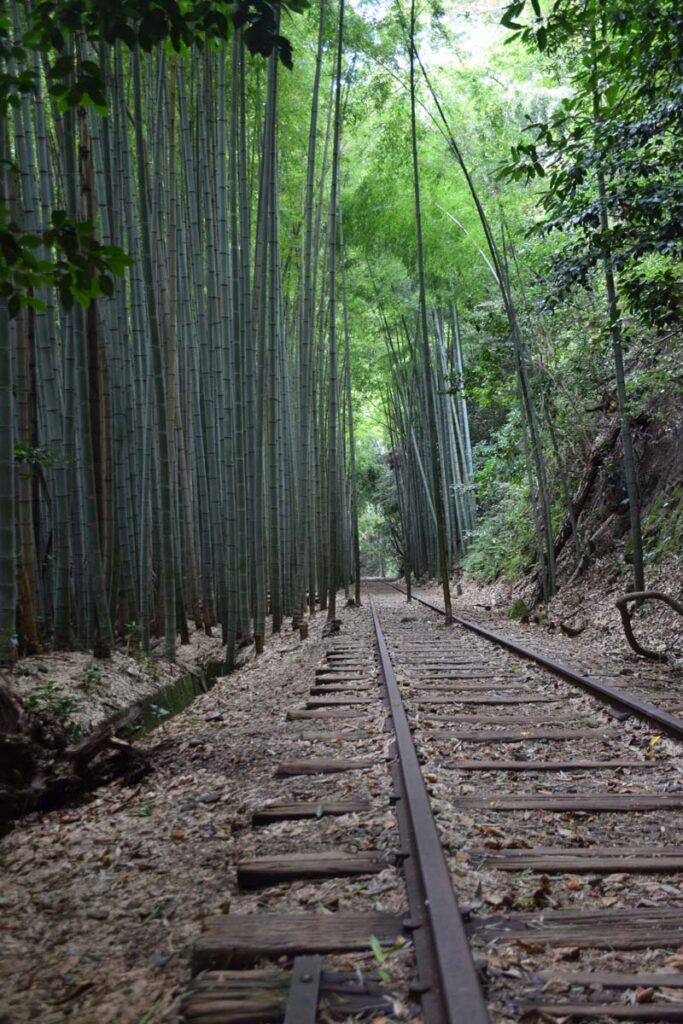
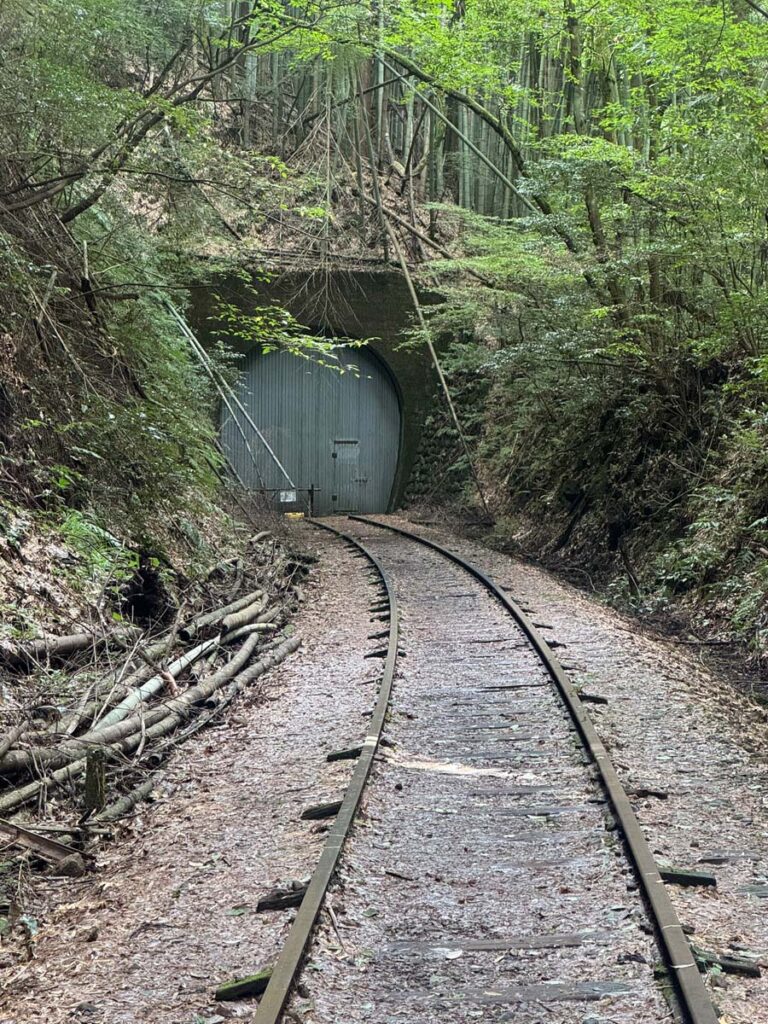
Bamboo grove at the Abandoned Kurayoshi Railway Line
Japan

How to Find the Abandoned Kurayoshi Railway Line

by Sam August 1, 2026
written by Sam

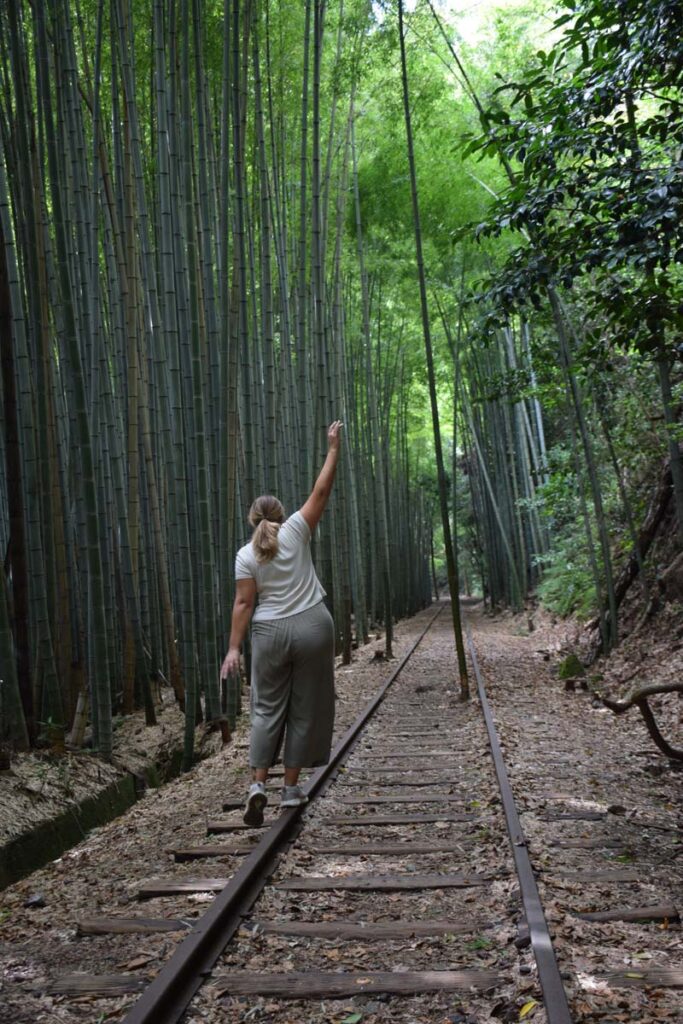
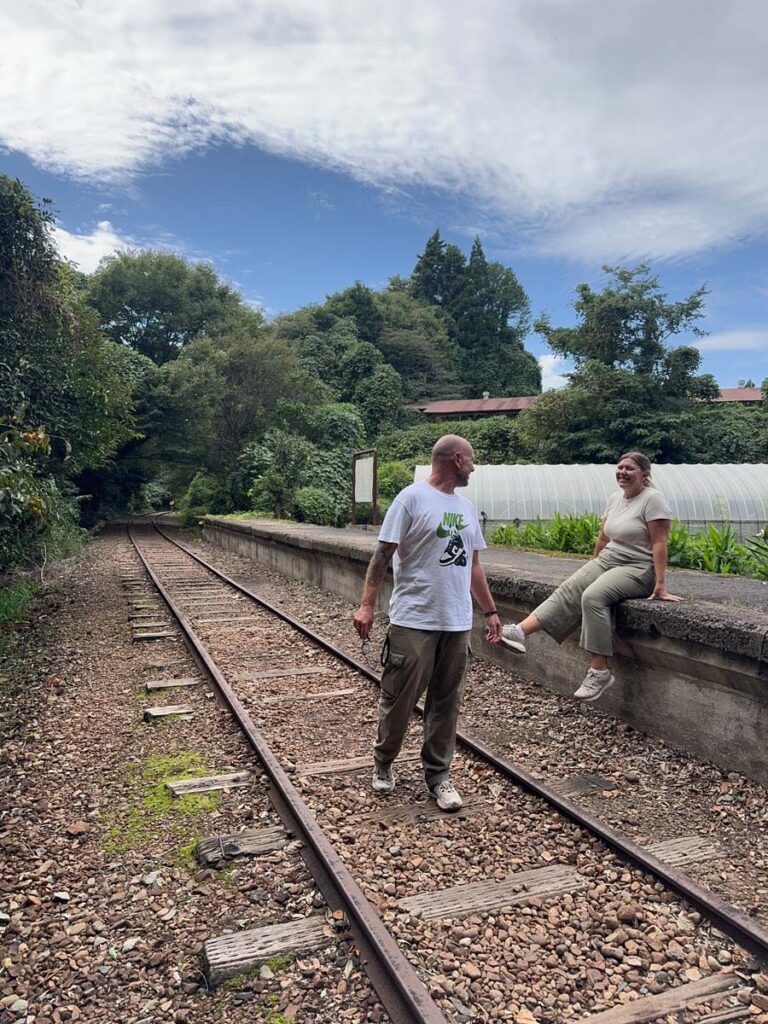
The abandoned Kurayoshi Railway Line was one of our favourite little detours in Tottori Prefecture. It is not a big polished tourist attraction, and that is exactly why we loved it. Old rails disappear into the countryside, the former Taikyuji Station still feels half-forgotten, and the bamboo grove looks like something from a Studio Ghibli scene.

We visited in the morning and did it as a half-day trip from Kurayoshi. It takes a little planning by public transport, but it is absolutely worth the effort if you like quiet places, old railway lines, and finding something that still feels genuinely hidden.

If you’re staying in town, pair this with our full Kurayoshi travel guide for the old town, pear museum, cafés and where we stayed.

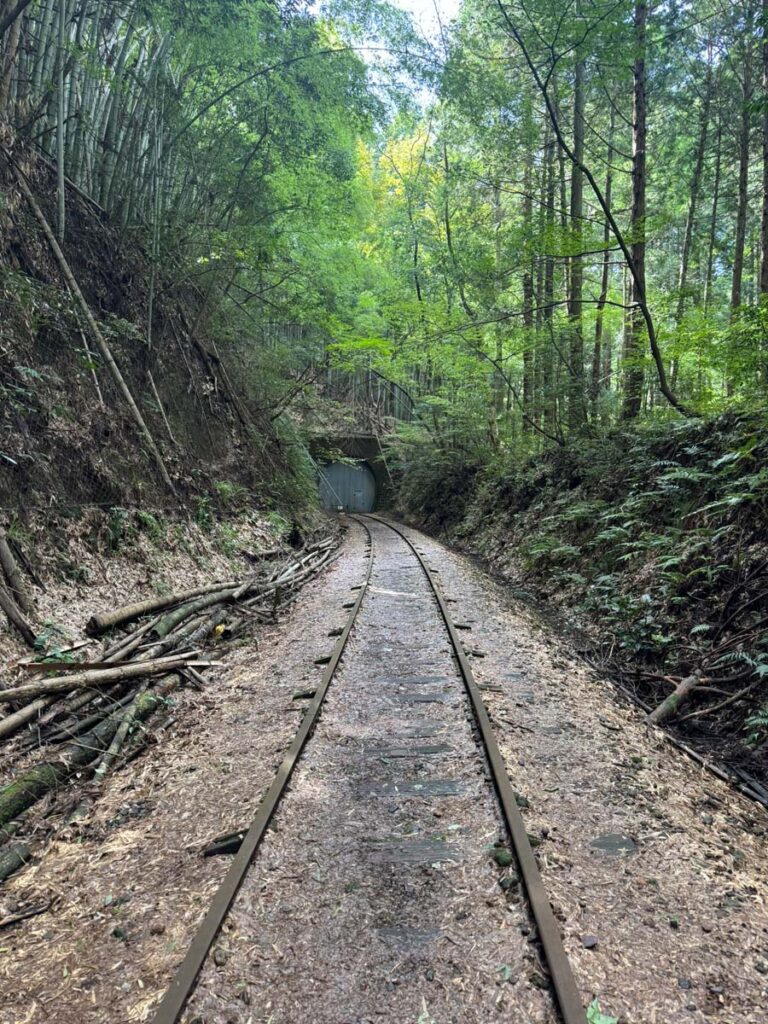
Bamboo grove at the Abandoned Kurayoshi Railway Line
Abandoned Kurayoshi Railway Line

What Is the Abandoned Kurayoshi Railway Line?

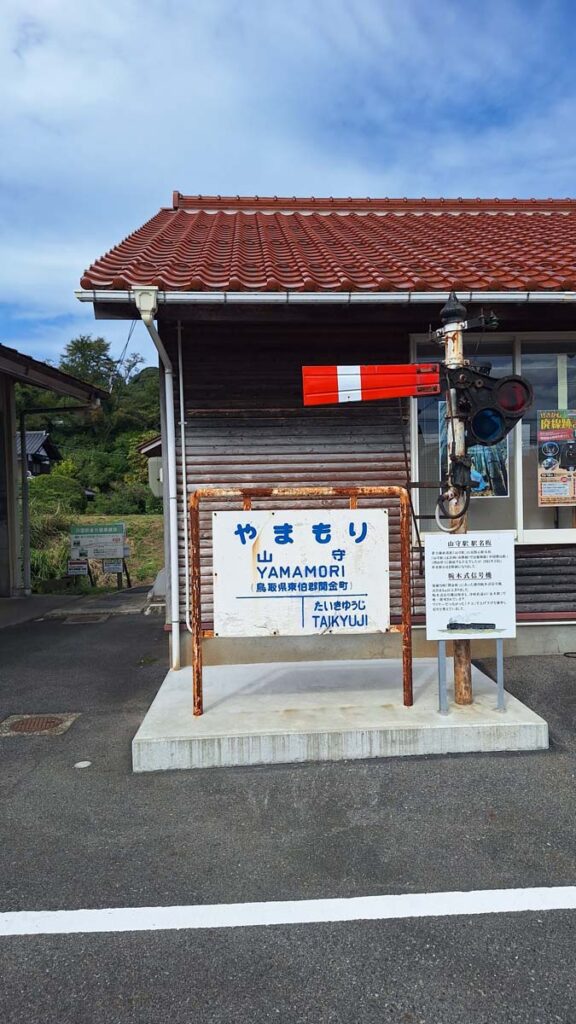
The old Kurayoshi Line once connected Kurayoshi Station with Yamamori Station, running for around 20 kilometres through the Sekigane area. The line closed in 1985, but parts of the track, platforms and railway remains are still visible today.

The most atmospheric section is around the former Taikyuji Station ruins, where the old track continues towards the bamboo grove and Yamamori Tunnel. The rails are still there, but nature has slowly taken over, which is what makes the place so special.

You can walk freely around the Taikyuji Station ruins and bamboo grove area, but Yamamori Tunnel itself is not normally open to walk through unless you join an official event or guided tour.

Where Is the Abandoned Kurayoshi Railway Line?

The section most people visit is near the former Taikyuji Station ruins in Sekigane, outside central Kurayoshi.

Google Maps link: Former Kurayoshi Line / Taikyuji Station area

Useful search terms for Google Maps:

  • 旧国鉄倉吉線 泰久寺駅跡
  • 357-5 Sekiganecho Taikyuji, Kurayoshi, Tottori 682-0404, Japan

How to Get There by Bus from Kurayoshi Station

Start at Kurayoshi Station bus terminal. Buses for the Sekigane area usually leave from platform 2.

The most useful route is the Nihon Kotsu Sekigane Line. The easiest direct option is to take the bus towards Akedaka / Sekigane and get off at Taikyuji, but this is not always convenient because direct buses to Taikyuji are very limited during the day, so check the local timetable.

The easiest and most flexible option (which we took) is to take the bus from Kurayoshi Station to Sekigane Chosha-mae, which is the stop for the Kurayoshi City Hall Sekigane Branch area.

Google Maps link: Kurayoshi City Hall Sekigane Branch

From Kurayoshi Station to Sekigane Chosha-mae / City Hall the bus takes around 45 minutes.

From there, allow roughly 30 minutes on foot to reach the former Yamamori Station, depending on your pace and how many photos you stop for.

From Yamamori Station, walk behind and left along the old tracks to Taikyuji Station ruins, allow another 5 minutes or so to walk along the railway line towards the bamboo grove.

So, as a simple morning route:

  • Kurayoshi Station to Sekigane area by bus: around 45 minutes
  • Sekigane City Hall area to Yamamori Station ruins: around 30 minutes on foot
  • Yamamori Station to Taikyuji Station (which then ruins to bamboo grove: around 20 minutes on foot)
  • Time exploring and taking photos: 45–90 minutes
  • Total trip: half a day

If you can line up the bus times well, this works nicely as a morning trip from Kurayoshi. Just remember to check the departure times before you leave the City Hall bus stop. Google Maps will also help you with transport times.

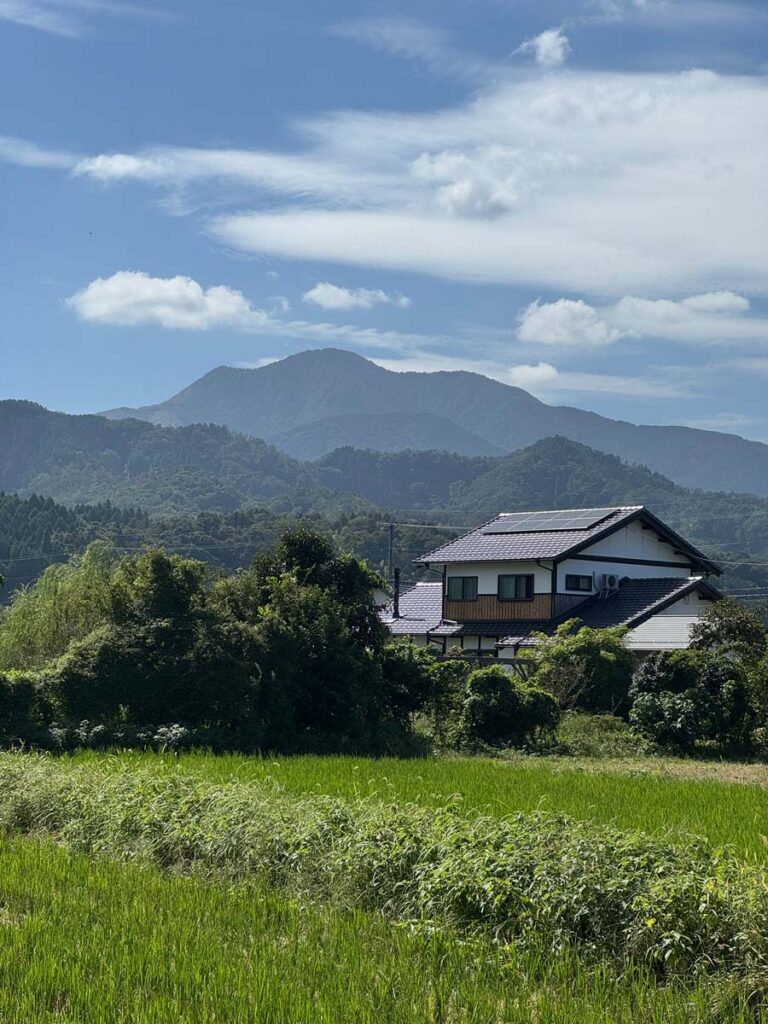
Countryside around Kurayoshi
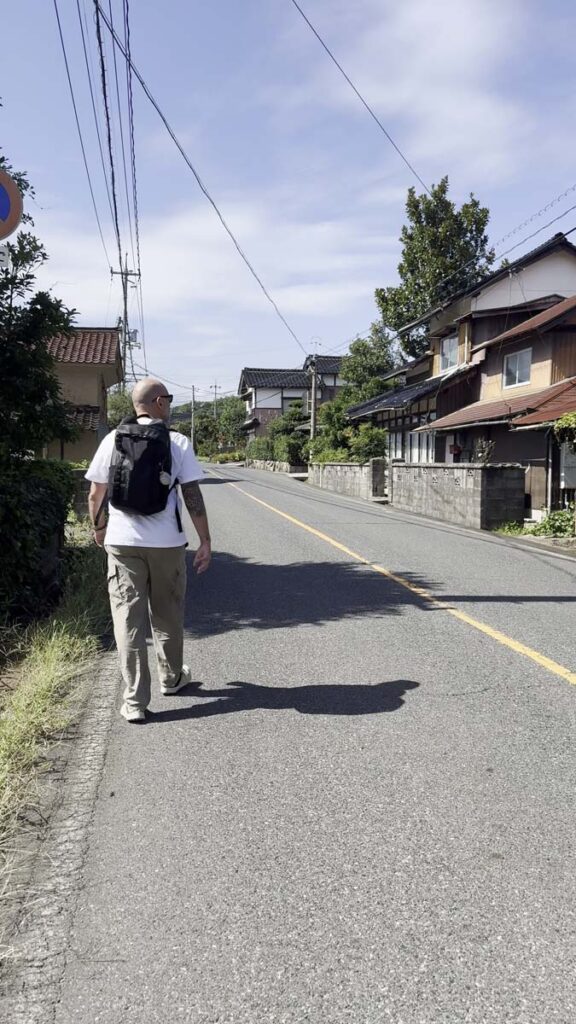
Walking from Kurayoshi City Hall Sekigane Branch to Yamamori Station

The Route We Took

We started from Kurayoshi Station and took the bus out towards Sekigane. Once you leave the town behind, the journey quickly becomes rural, with small villages, rice fields and mountains.

After getting off near the Sekigane City Hall area, we walked towards the former railway line. It’s a straight, flat road that continues past the gas station. It’s not a difficult walk, but it does feel like you are heading further and further away from the obvious tourist route. That is part of the charm.

The first main goal is the former Yamamori Station. From there you need to walk about 20 minutes to the Taikyuji Station. This is where the abandoned railway atmosphere really begins. You can see the old platform area, rails and signs, and it already feels wonderfully quiet. Walk behind the old station and turn left and begin walking along the tracks.

Continue along the old line towards the bamboo grove. The actual line breaks up a bit, but you can see where it goes. There’s a road crossing, so go right up a little hill and re-join the line at the old station. The rails run into the trees, then the bamboo closes in around the track, and it feels completely different from the rest of Kurayoshi. We had the place entirely to ourselves.

It is not a long walk, but it is slow in the best way. You will want to stop constantly for photos.

Can You Walk Through Yamamori Tunnel?

No. It’s sealed up, there is a locked door.

The Yamamori Tunnel is beyond the bamboo grove, but it is not normally open for casual visitors to walk through. According to the official Kurayoshi tourism information, you need to join an organised walking event or guided tour if you want to enter the tunnel.

For most visitors, the Taikyuji Station ruins and bamboo grove are the main reason to come anyway. You still get the abandoned railway feeling without needing to enter the tunnel.

Entrance to Yamamori Tunnel

What to Bring

You do not need hiking gear, but this is not a city stroll either.

Bring:

  • Comfortable shoes
  • Water
  • A snack, especially if you are doing it in the morning
  • Sun protection in warmer months
  • A light rain jacket if the weather looks changeable
  • Offline maps or the location saved in Google Maps
  • A portable charger
  • Cash (you’re in Japan afterall)
  • Your camera or phone with plenty of battery

The walking is not technically difficult, but the ground can be uneven around the tracks. Watch your step, especially if it has been raining.

How Long Do You Need?

We did this as a half-day morning trip from Kurayoshi, and that felt about right.

If you only want to see the old station ruins and bamboo grove, you do not need a full day. The main thing is timing the buses properly, because public transport is not as frequent as it is in bigger Japanese cities.

A relaxed half-day plan would look something like this:

  • Morning bus from Kurayoshi Station
  • Walk to the former Yamamori Station , then to Taikyuji Station
  • Continue to the bamboo grove
  • Take photos and explore slowly
  • Walk back towards Sekigane
  • Bus back to Kurayoshi
  • Lunch or coffee back in town

If you are travelling by car, it is much easier and quicker, but going by bus made it feel like more of a little adventure.

Is It Worth the Effort?

100% Yes, if you like quiet, unusual places.

This is not somewhere with big crowds, souvenir shops or polished attractions. It is a peaceful abandoned railway walk in the countryside, and that is exactly what makes it memorable.

For us, it was one of those small Japan moments that stuck with us more than expected. A quiet bus ride, a rural walk, an old station, and railway tracks disappearing into bamboo. Simple, but brilliant.

Practical Tips for Visiting

Check the bus times before you go, ideally the day before. The direct bus to Taikyuji is limited, so you may need to travel via the Sekigane City Hall area instead.

Save the map location before leaving Kurayoshi Station. Mobile signal may be fine, but this is not the place to start guessing.

Go in the morning if you can. It gives you more breathing room with buses and means you can be back in Kurayoshi for lunch or coffee afterwards.

Do not enter Yamamori Tunnel unless it is part of an official open day or guided tour.

Wear proper shoes. The route is easy, but the railway area is uneven in places.

Where We Stayed in Kurayoshi

We stayed at Hotel St Palace Kurayoshi, just opposite Kurayoshi Station.

The location was very convenient for arriving and leaving by train, but it did mean we needed to catch a bus into the old town area. That trade-off worked fine for us, especially as Kurayoshi’s buses were straightforward enough once we knew where we were going.

Final Thoughts

Finding the abandoned Kurayoshi Railway Line took a bit more effort than simply visiting Kurayoshi’s old town, but that is what made it feel special. It was quiet, slightly odd, beautiful in a forgotten sort of way, and completely different from the usual Japan sightseeing stops.

If you are spending two nights in Kurayoshi, this is one of the best little half-day trips you can do.

This stop was part of our wider slow travel route through western Japan. You can read the full journey here: 23 Day Japan Slow Travel Itinerary by Train

Save the pin

August 1, 2026 0 comments
FacebookTwitterPinterestLinkedinRedditStumbleuponWhatsappTelegramThreadsOpenAIChatGPTEmail
Japan

Kurayoshi Travel Guide: Old Town, Pears and Railway Ruins

by Sam August 1, 2026
written by Sam

Kurayoshi was one of the quieter stops on our 23 day slow train route through western Japan, and that was exactly what made it memorable. We stayed for 2 nights, using the city as a slower stop between bigger names on the Sanin Line.

It is not a place packed with major sights, but Kurayoshi has a lovely old town, some excellent coffee, a wonderfully odd pear museum and one of the most atmospheric abandoned railway walks we found in Japan.
Nashikkokan, the Tottori Nijusseiki Pear Museum
Kurayoshi Old Town
Kurayoshi Old Town
Countryside around Kurayoshi

Where We Stayed in Kurayoshi

We stayed at Hotel St Palace Kurayoshi, just opposite Kurayoshi Station.

The location was very convenient for arriving and leaving by train, but it did mean we needed to catch a bus into the old town area. That trade-off worked fine for us, especially as Kurayoshi’s buses were straightforward enough once we knew where we were going.

Why Visit Kurayoshi?

Kurayoshi is best known for its White Wall Warehouses district, a preserved old merchant area with canals, stone bridges, red-tiled roofs and traditional buildings. It is small, peaceful and easy to explore slowly.

The town also has a few historic residences, cafés, local beer and one very unusual museum dedicated entirely to pears. And if you are willing to make the effort, the abandoned former Kurayoshi railway line near Sekigane is genuinely special.

Kurayoshi probably is not somewhere we would cross Japan specifically to visit, but as a stop on a slow regional train journey, it worked beautifully.

Things to Do in Kurayoshi

Walk Around the White Wall Warehouses District

The prettiest part of Kurayoshi is the White Wall Warehouses district, also known as 白壁土蔵群.

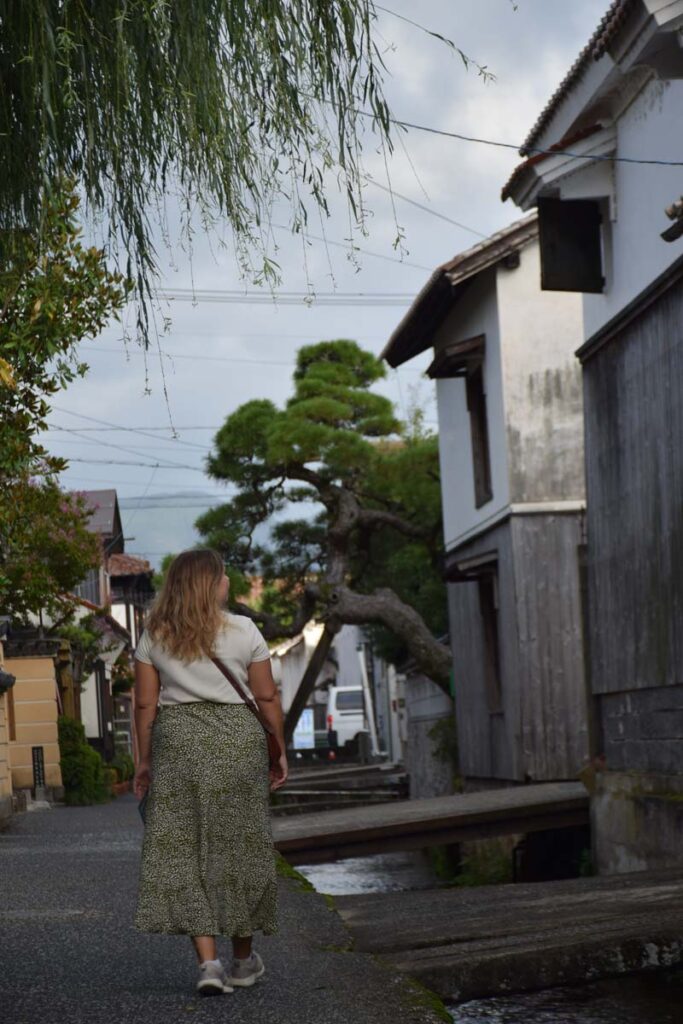
This is the area to wander without much of a plan. You’ll find old storehouses, canals, small bridges, shops, cafés and quiet streets that feel very different from Japan’s larger tourist towns.

We especially liked walking around 東仲町通り / Higashinakamachi Street, where the old buildings and waterways give Kurayoshi its most photogenic side.

Kurayoshi White Wall Warehouses District
Visit Daigakuin Temple
Kurayoshi shopping
Kurayoshi shopping

Visit Toyoda Family Residence

Toyoda Family Residence is one of Kurayoshi’s traditional merchant houses. It is a good stop if you want to understand a little more about the town’s historic architecture rather than just walking past the old buildings from the outside.

It is not a huge attraction, but it fits nicely into a slow walk around the old town.

Visit Kurayoshi Yodoya, Former Makita Family Residence

We also visited Kurayoshi Yodoya, the former Makita Family Residence. This old merchant house is now a small museum and is one of the most interesting historic buildings in town.

One of our favourite memories from Kurayoshi was meeting the lovely volunteer ladies here. Nobody spoke much English, but somehow we still had a brilliant conversation, with plenty of smiling, pointing, translation attempts and shared enthusiasm.

Sometimes those small human moments are the things you remember most.

Visit Daigakuin Temple

Daigakuin Temple is another quiet stop you can add while exploring Kurayoshi. Like much of the city, it is not about rushing through major attractions, but about slowing down and letting the town unfold a little.

Visit Nashikkokan, the Tottori Nijusseiki Pear Museum

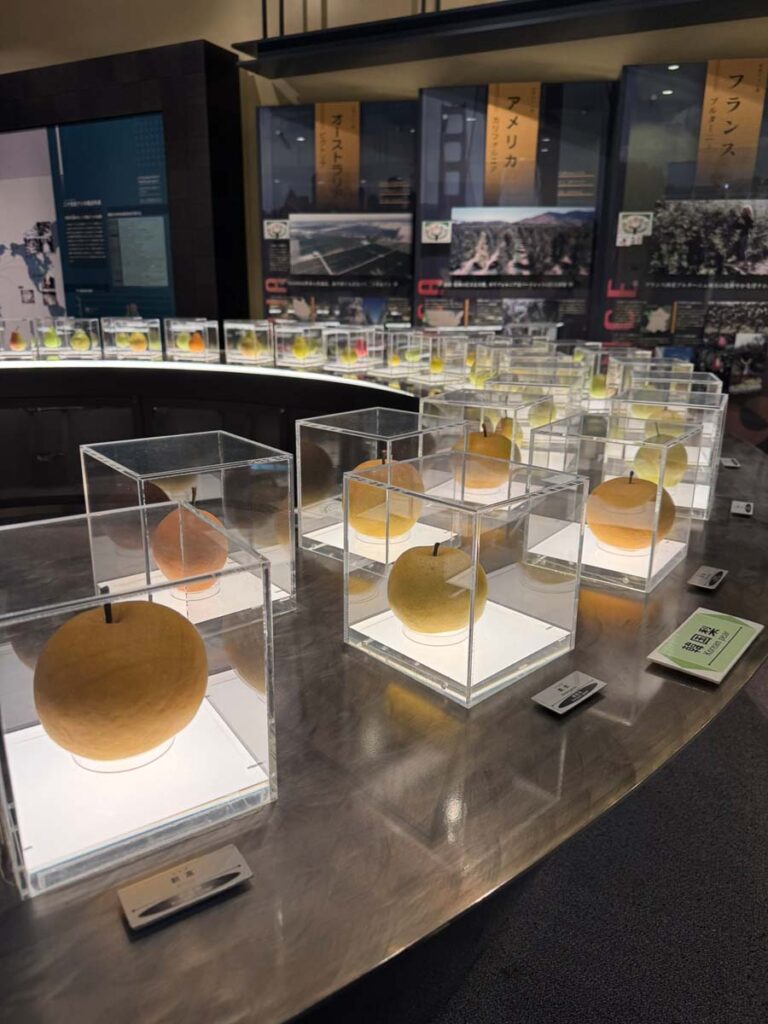
One of the strangest and most fun places we visited in Kurayoshi was Nashikkokan, the Tottori Nijusseiki Pear Museum.

Yes, it is a museum about pears. And yes, it is much better than that sounds.

Tottori is famous for its 20th Century Pears, and this museum is dedicated to the history, farming and culture around them. It is slightly odd, very wholesome and surprisingly enjoyable. If you like regional museums that fully commit to one very specific thing, you’ll probably enjoy it too.

Nashikkokan, the Tottori Nijusseiki Pear Museum
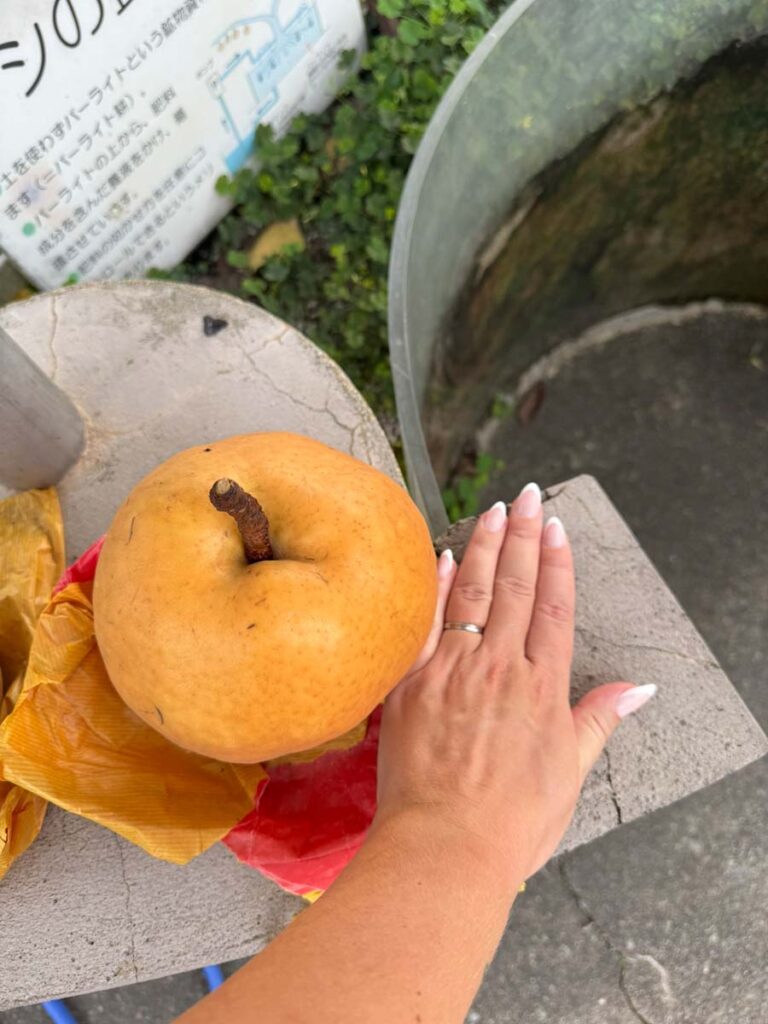
Giant pears at Nashikkokan, the Tottori Nijusseiki Pear Museum
fruit hats at Nashikkokan, the Tottori Nijusseiki Pear Museum

Find the Abandoned Kurayoshi Railway Line

Our favourite side trip from Kurayoshi was visiting the old abandoned railway line near Sekigane.

The former Kurayoshi Line once ran from Kurayoshi towards Yamamori, but it closed in 1985. Today, parts of the old track remain, including a beautiful section through bamboo forest near the former Taikyuji Station area.

It felt like something from a Studio Ghibli film: old railway tracks, bamboo, greenery and absolutely no crowds when we visited. It took a bit more effort to reach by bus, but it was completely worth it.

If you want to visit the old tracks yourself, we’ve written a separate guide on how to find the abandoned Kurayoshi Railway Line with bus details, walking times and the route to the bamboo grove.

The former Kurayoshi Line
Abandoned Kurayoshi Railway Line

Where to Eat and Drink in Kurayoshi

Harukiya Cafe

Harukiya Cafe was a lovely stop in the old town area. It is set in a renovated traditional building and makes a good coffee break while exploring the White Wall Warehouses district.

BrewLab KURAYOSHI

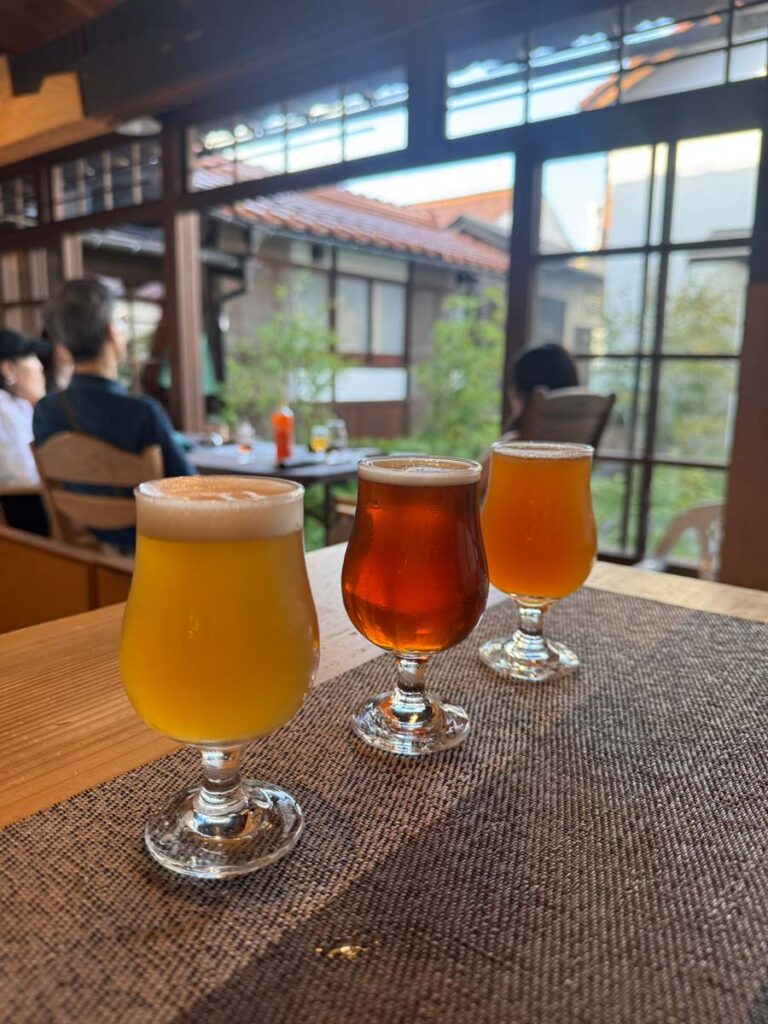
BrewLab KURAYOSHI is a local craft beer spot in the old town, close to the warehouse district. If you like finding small local breweries while travelling, this is an easy one to add to your Kurayoshi walk.

Yokohama Iekei Ramen Yoshiokaya Kurayoshi Station Branch

Near the station, we ate at 横浜家系ラーメン吉岡家 倉吉駅前店, a ramen shop close to Kurayoshi Station.

It was convenient, filling and exactly what we needed after a day of buses and walking. It also stood out because the shop was run by women, which made it feel a little different from many ramen places we had visited.

Tasting at BrewLab KURAYOSHI
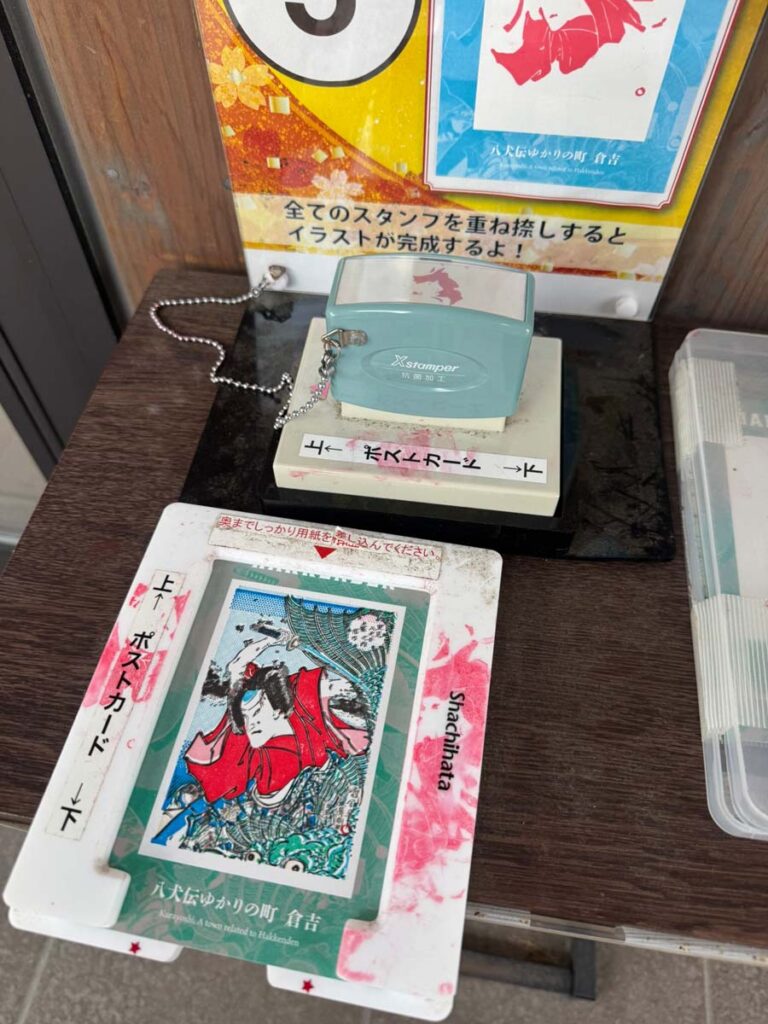
Collect the stamps from around Kurayoshi Old Town

How Many Days Do You Need in Kurayoshi?

1 Day

One day is enough to see the White Wall Warehouses district, visit one or two historic houses, stop for coffee and get a feel for the old town.

2 Days

We stayed 2 nights, which gave us time to explore Kurayoshi slowly and also make the trip out to the abandoned railway line near Sekigane. If you are following a slow regional train route, this felt like the right amount of time.

3+ Days

You probably only need three days or more if you want to use Kurayoshi as a base for nearby areas, visit Misasa Onsen, or explore more of central Tottori Prefecture.

Getting Around Kurayoshi

Kurayoshi Station is not right beside the old town, so you will probably need to use local buses unless you have a car.

For the White Wall Warehouses district, look for buses heading towards the old town / Akagawara / Shirakabe area. For the abandoned railway line, you’ll need a bus towards Sekigane, then a walk.

As always with rural Japan, check the return bus times before heading out, especially if you are visiting places outside the city centre.

Final Thoughts on Kurayoshi

Kurayoshi is quiet, gentle and a little unusual. The old town is pretty, the coffee was good, the pear museum was far more fun than expected, and the abandoned railway line was one of the most memorable detours of our western Japan trip.

It is not a blockbuster destination, and that is part of the appeal. For us, Kurayoshi worked best as a slow stop on our 23 day slow train route through western Japan, giving us time to enjoy a smaller city that many travellers simply pass by.

August 1, 2026 0 comments
FacebookTwitterPinterestLinkedinRedditStumbleuponWhatsappTelegramThreadsOpenAIChatGPTEmail
Walking Around Shiomi Nawate
Japan

Matsue Travel Guide: Castle, Samurai Streets and Lake Shinji

by Sam July 20, 2026
written by Sam

Matsue was one of the easiest cities to enjoy on our 23 day slow train route through western Japan. After smaller stops like Masuda and Izumo, Matsue felt a little more substantial, but still calm, historic and very manageable.
We stayed two nights, which gave us enough time to visit Matsue Castle, walk through the old samurai district, stop at a fox shrine, eat cold soba, find GREAT coffee, enjoy a great lunchtime BBQ deal and watch the sunset over Lake Shinji.

It’s also close enough to Izumo Taisha that you can visit the shrine from Matsue, especially if you’d rather base yourself in a larger city with more food and hotel options.

Why Visit Matsue?

Matsue is well worth visiting if you like historic cities with a slower pace. It has one of Japan’s few remaining original castles, a moat, old streets, awesome samurai history, lakeside views and a quieter atmosphere than the more famous historic cities.

It doesn’t feel like tourist-heavy Japan. Instead, Matsue gives you castles, shrines, tea, soba, water views and old neighbourhoods without the rush.
For us, it was one of the many enjoyable stops on the San-In Line.

Where to Stay in Matsue

We stayed at Matsue New Urban Hotel, which worked well for our two-night stay. The hotel was walking distance from Matsue-Shinjiko-Onsen Station and also close enough to walk to Matsue Castle, which made the location much better than we first expected.

It wasn’t near to the JR Matsue Station, so when we left the city we needed to take a bus back to the main station. Even so, we were glad we stayed in this area because it felt more appealing for actually enjoying Matsue.

The hotel also had a tattoo-friendly onsen, which was a big plus for us.

A small bonus of staying near Matsue-Shinjiko-Onsen Station is the public foot spa just outside the station. Bring a small towel if you want to soak your feet after a day of exploring.

Visiting Izumo Taisha from Matsue

Matsue is close enough to Izumo Taisha to use as a base. You can catch the electric train from Matsue-Shinjiko-Onsen Station towards Izumo and continue to Izumotaisha-mae Station with a change along the way.

The train ride itself is part of the experience. When we travelled this route, it felt slow, local and scenic, especially where the line runs near the lake.

One important thing to know: IC cards were not accepted on this train when we travelled, so buy a paper ticket before boarding.

If you’re planning this trip yourself, we’ve written a separate guide covering exactly how to get to Izumo Taisha from Matsue, Izumoshi Station and even Hiroshima, including bus and train options. You can read our full Izumo Taisha transport guide here.

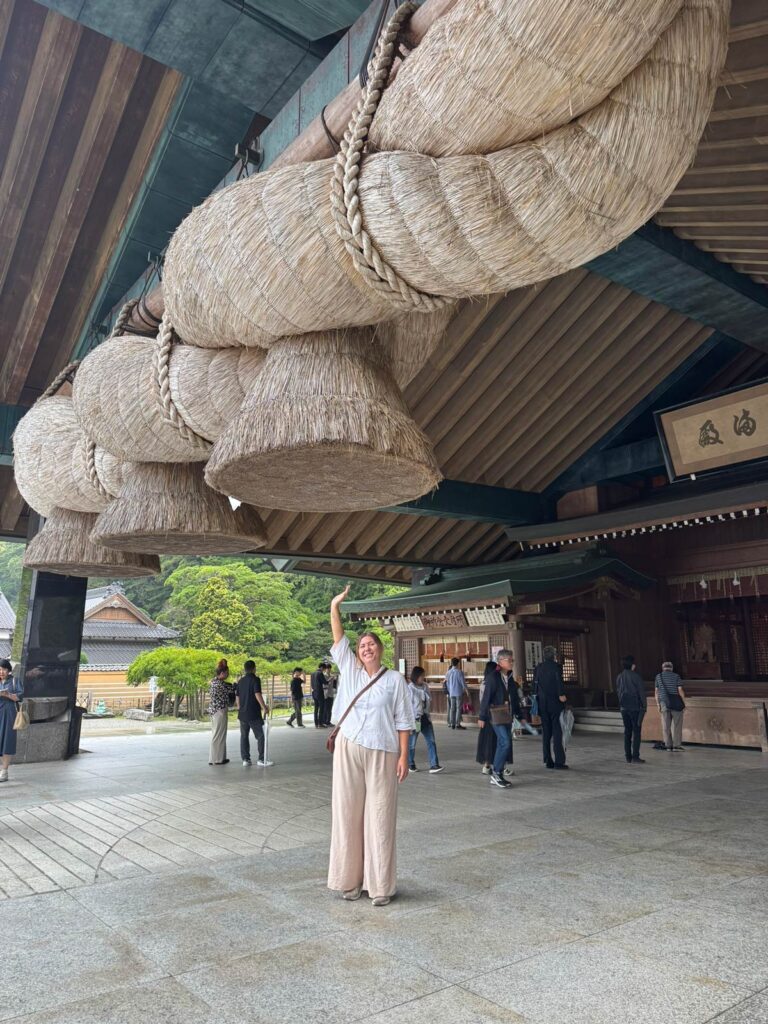
The massive shimenawa at Izumo Taisha

Things to Do in Matsue

Visit Matsue Castle

Matsue Castle is the city’s main historic sight and one of Japan’s few remaining original castles. It’s surrounded by a moat and sits in a lovely area for walking, with old streets and water views nearby.

The castle has a darker, more solid look than some reconstructed castles, which gives it real presence. The detail inside is wonderful, Each floor with it’s solid wooden beams, impecible joinery and and the views keep getting better as you go up. Even if you don’t go inside (shich you absolutely should as you just paid to get in the grounds), the surrounding grounds are worth your time.

Matsue Castle
Matsue Castle
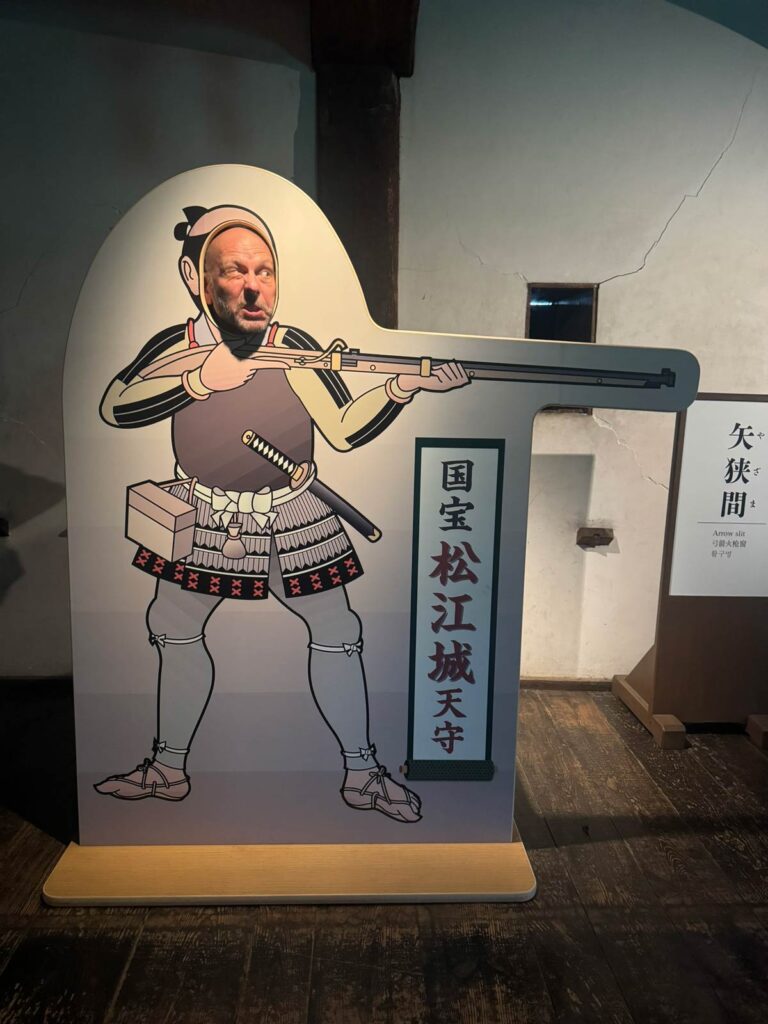
Sam defending Matsue Castle lol
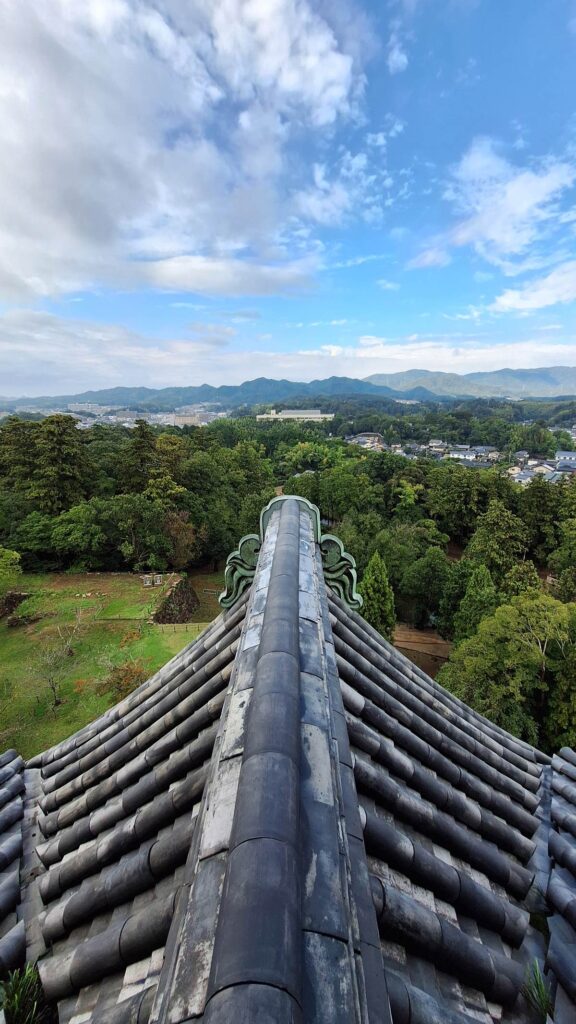
View from the top of Matsue Castle

Stop at Jozan Inari Shrine

Jozan Inari Shrine is close to Matsue Castle , just head down the path at the rear of the castle and follow the road round. It’s known for its fox statues. It’s a quiet, atmospheric shrine and a good short stop while exploring the castle area. We were the only people there when we visited.

We always enjoy smaller shrines like this because they add texture to a city. Matsue has a nice mix of big sights and small details.

Jozan Inari Shrine
Jozan Inari Shrine
Entrance to Jozan Inari Shrine
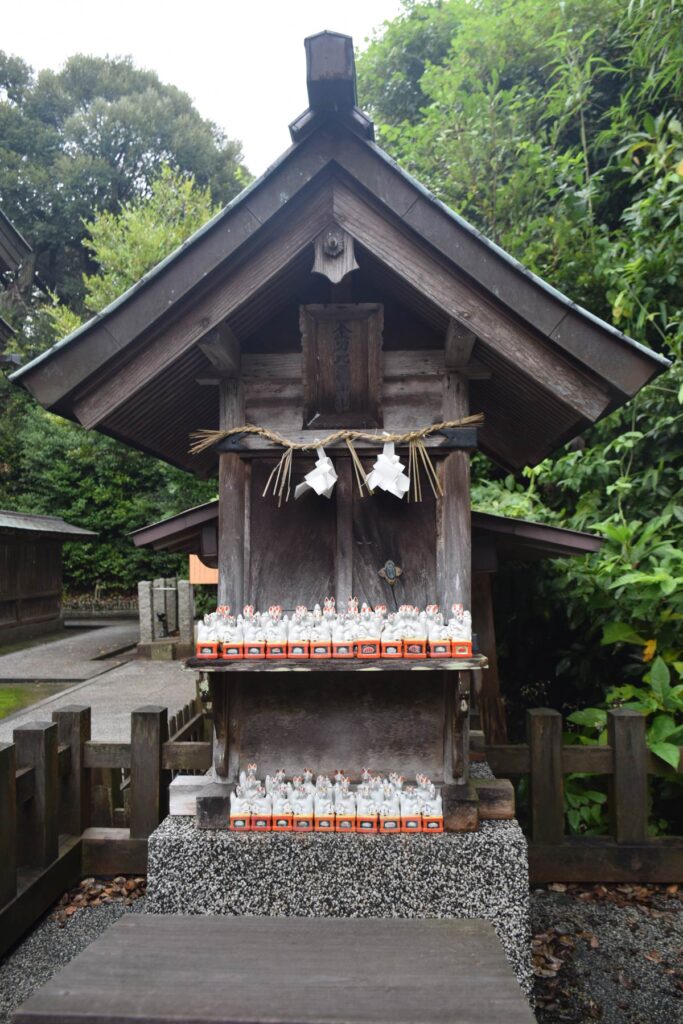
Fox statues at Jozan Inari Shrine

Walk Around Shiomi Nawate

Just outside the castle area, Shiomi Nawate is one of the prettiest streets in Matsue. It has old houses, canals, trees and a quiet historic feel.

This is where Matsue really started to click for us. It feels atmospheric without being overrun, and it pairs perfectly with the castle, former samurai residence and nearby tea shops.

Visit the Former Samurai Residence

The Former Samurai Residence is just outside the castle area on Shiomi Nawate, it gives you a small but interesting look at Matsue’s samurai history. You can walk inside the house and learn all about Samurai history. The gardens are pretty and covered in gravel, so the samurai can hear the footsteps of course!

It’s an easy stop while walking around Shiomi Nawate, and it helps give more context to the old district around the castle.

Walking Around Shiomi Nawate
Inside the Former Samurai Residence
Walking Around Shiomi Nawate

Have Matcha by the River at Shiomi Cyaho

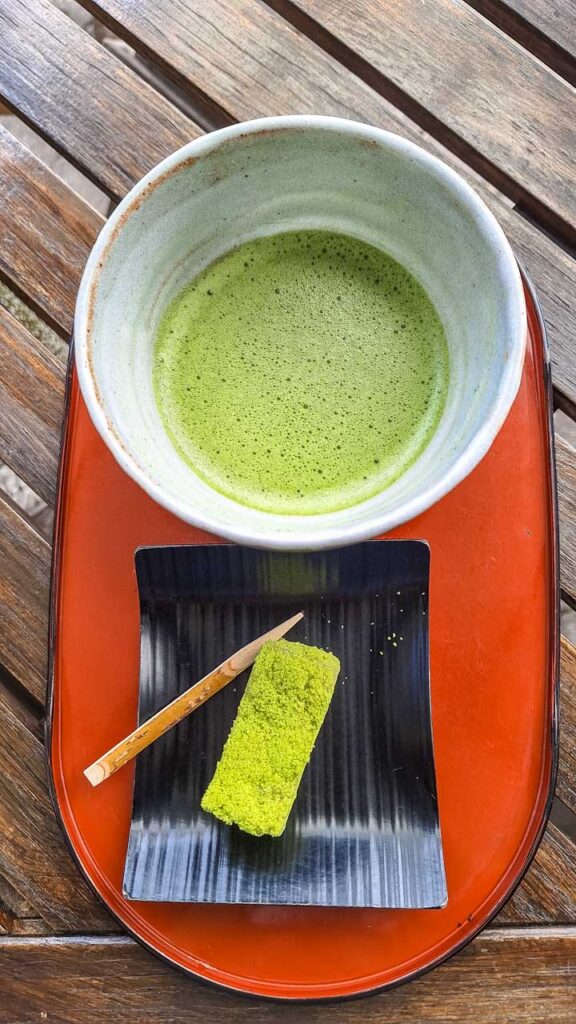
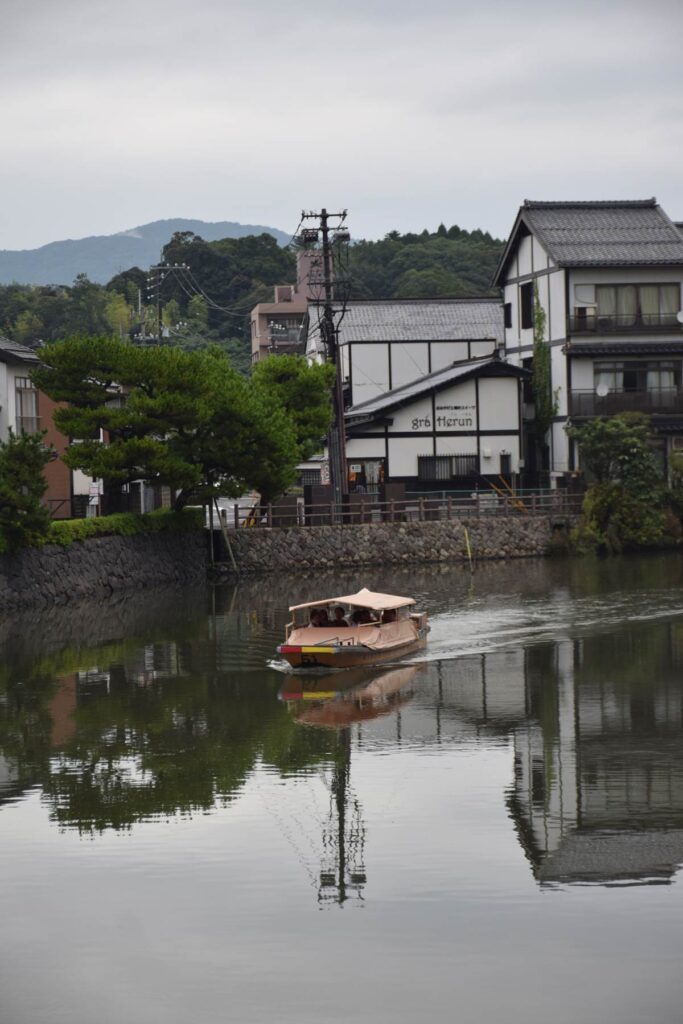
Near the castle area, Shiomi Cyaho is a lovely place to stop for matcha. It’s actually a souvinir shop, but you can go to the back and sit by the river, order matcha and matcha mochi, and watch the boats pass by.

It’s a simple moment, but exactly the kind of thing that makes Matsue feel special. Don’t fortget to wave at people passing by in the boats.

Matcha tea with Matcha Mochi
Boat trips on the Kyobashi River
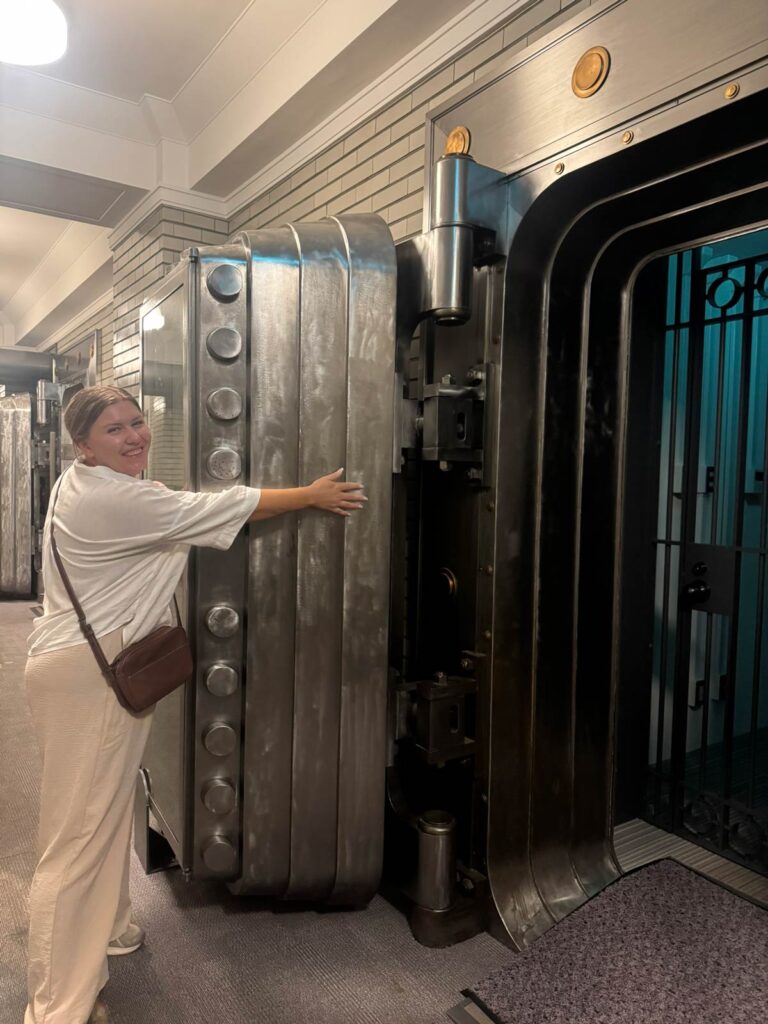
Basement Safe at the old bank Gogin Karakoro Museum

Visit Gogin Karakoro Museum

The Gogin Karakoro Museum is housed in an old bank, which already makes it more interesting than expected. Downstairs, you can visit the old vault, while upstairs there are handicrafts and local products.

It’s not a huge museum, but it’s a fun and slightly unusual stop between the castle area, coffee and lunch.

Watch Sunset at Shirakata Park

For sunset, head to Shirakata Park by Lake Shinji. Matsue is known for its lakeside views, and this is a peaceful place to slow down at the end of the day.

If the weather is clear, it’s a lovely way to finish your sightseeing before heading out for dinner.

Lakeside sundowners
Lakeside sundowners

Coffee and Food in Matsue

LITTLE COURT COFFEE

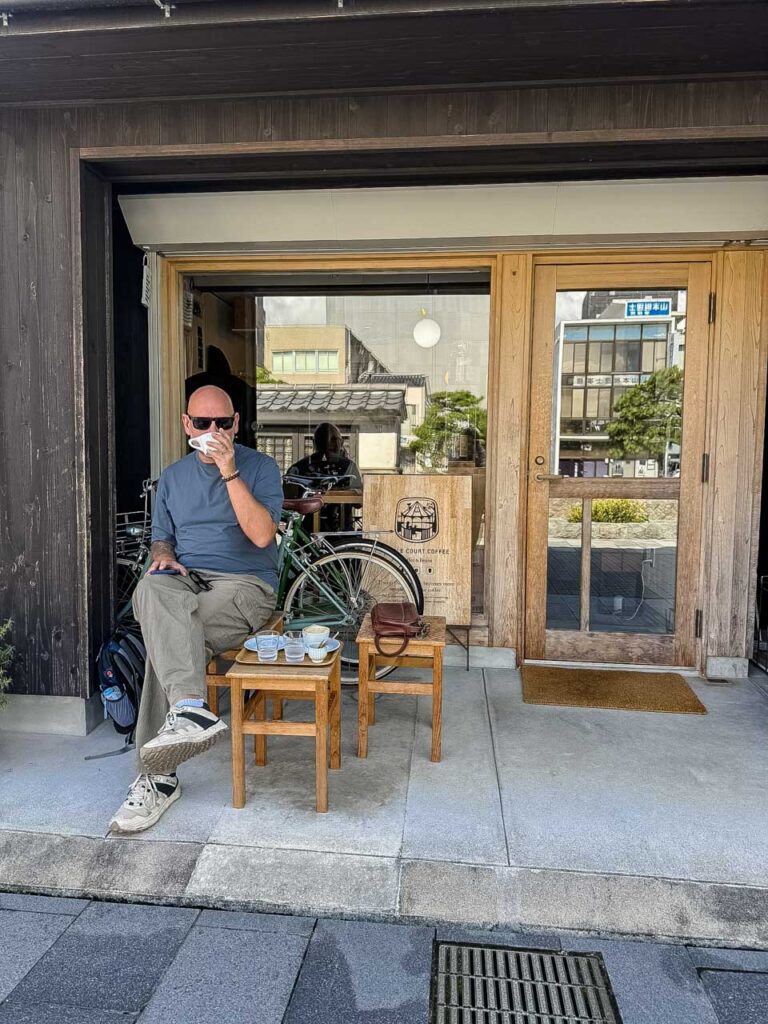
リトルコートコーヒー / LITTLE COURT COFFEE was our favourite coffee stops in Matsue. It’s next to the Kyobashi River, in a nice area for a slow wander.

If you like finding good coffee while travelling like we do, add this one to your map. They have an upstairs room with tatami mats or you can sit outside by the river.

Our favourite coffee in Matsue
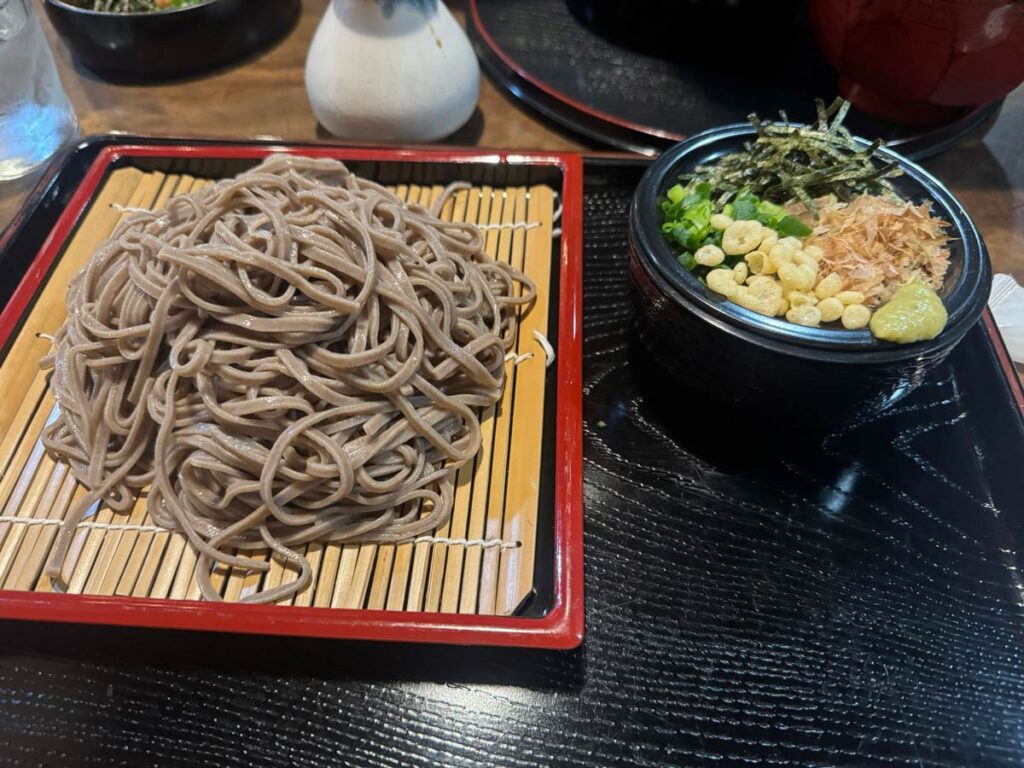
Cold Soba Noodles at Mingei Sabo Sasaki

Mingei Sabo Sasaki

One street down from the river is a walking street with shops, cafés and places to eat. On this street, Mingei Sabo Sasaki is a good place to try cold soba noodles. It’s hidden at the back of an antique shop and has lots of interesting knick knacks everywhere. The noodles are delicious and the service is very friendly.

Matsue and the wider region are known for soba, so this felt like the right place to lean into it.

Yakiniku Ginzan Wagyu Karakoro Branch

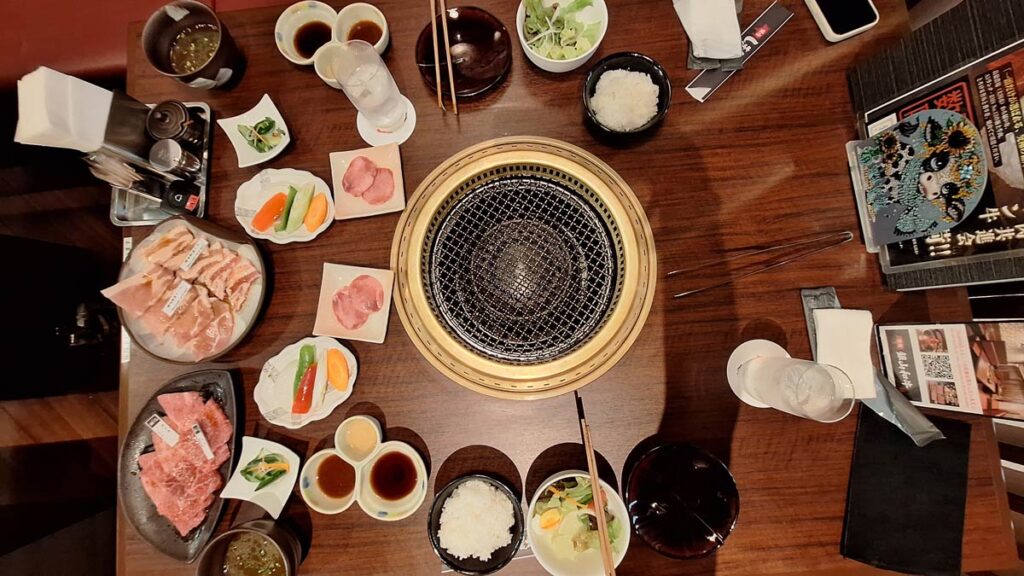
Yakiniku Ginzan Wagyu Karakoro Branch was a great lunch stop. They had a good-value lunchtime set meal, and it was a fun way to enjoy Japanese BBQ without turning it into a big expensive dinner. Located in the food court behind the Gogin Karakoro Museum.

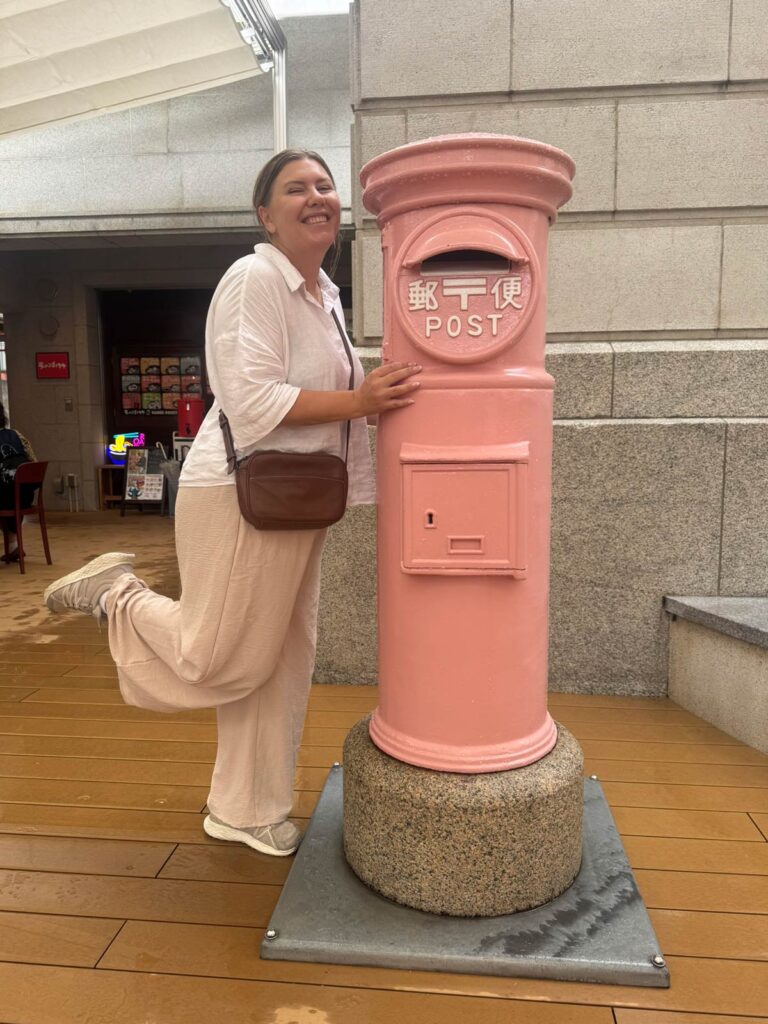
Outside, look for the Good Fortune Pink Postbox too. It’s silly, cheerful and very easy to photograph.

Set meal at Yakiniku Ginzan Wagyu Karakoro Branch

Oideyasu Ookiniya

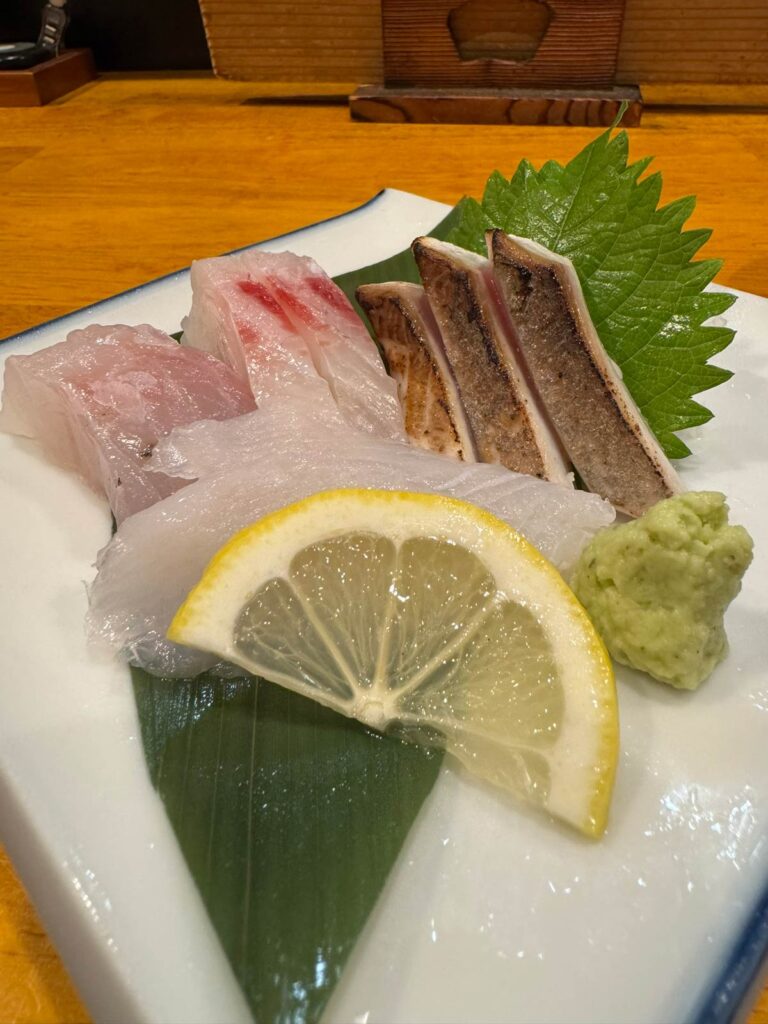
Oideyasu Ookiniya was a friendly izakaya where we sat at the bar and watched the chef cook. That kind of setup always makes a meal more memorable. The food was delicious, the chef always had a smile on his face and they had an unlimited drinks package which lasted for an hour, totally worth it!

It had the warm, local feeling we like in Japan: casual, welcoming and not overly polished with super firendly clientele.

Find the Good Fortune Pink Postbox
Sashimi at Oideyasu Ookiniya
Wagyu at Oideyasu Ookiniya
Appetizer at Oideyasu Ookiniya

How Long Do You Need in Matsue?

We stayed two nights in Matsue, and that felt just right.

With two nights, you can visit Matsue Castle, walk around Shiomi Nawate, see the former samurai residence, stop at Jozan Inari Shrine, have matcha by the river, visit the Gogin Karakoro Museum and enjoy sunset by Lake Shinji.

If you also want to visit Izumo Taisha from Matsue, two nights can still work, but three would give you a more relaxed pace.

Final Thoughts on Matsue

Matsue was one of the easiest stops to enjoy on our western Japan route. It had enough to do without feeling overwhelming, and the area around Matsue Castle, Shiomi Nawate and Lake Shinji gave the city a strong sense of place.

We liked staying near Matsue-Shinjiko-Onsen Station because it put us close to the lake, castle area, coffee shops and restaurants, even if it meant a bus ride back to JR Matsue Station when we left.

For us, Matsue was only a two-night stop, but it became one of the most enjoyable cities on our 23 day slow train route through western Japan.
Save the pin

July 20, 2026 0 comments
FacebookTwitterPinterestLinkedinRedditStumbleuponWhatsappTelegramThreadsOpenAIChatGPTEmail
The massive shimenawa at Izumo Taisha
Japan

How to Get to Izumo Taisha: Visit Japan’s Ancient Shrine Without the Crowds

by Sam July 20, 2026
written by Sam

Izumo Taisha Grand Shrine was one of the most important cultural stops on our 23 day slow regional train journey through western Japan. We only stayed one night in Izumo, but that was enough time to visit the shrine, wander the approach street and continue onwards to Matsue the next morning.
Izumo Taisha, also known as Izumo Ōyashiro, is one of Japan’s most important Shinto shrines. It is often considered one of the oldest shrines in Japan, and the official shrine access page lists its location in Izumo, Shimane Prefecture.

For us, the appeal was not just its history. It was also the atmosphere. Compared with the famous shrine and temple stops in Kyoto, Nara or Tokyo, Izumo Taisha felt calmer and far less crowded with international tourists. It still had plenty of Japanese visitors, but it never felt like the big tourist trail.

Even on a rainly day Izumo Taisha is extraordinarily beautiful

Why Visit Izumo Taisha?

Izumo Taisha is an incredible shrine and one of the most meaningful places we visited in Japan. The grounds are large, peaceful and atmospheric, with forested paths, smaller shrine buildings and the famous huge shimenawa sacred rope.
This is not a hidden place, but it does feel different from Japan’s more obvious tourist-heavy shrines. It has weight, history and space to breathe.

If you are travelling through western Japan, Shimane Prefecture, Matsue or Izumo, we think it is absolutely worth making time for.

5 ton shimenawa rope at Izumo Taisha
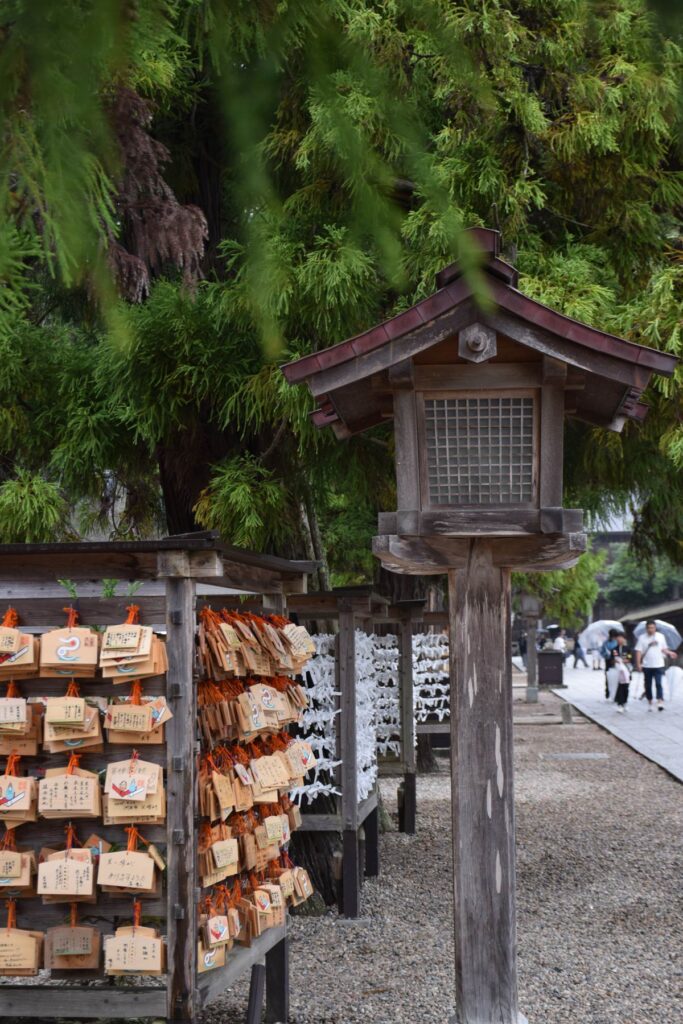
Wishes at Izumo Taisha
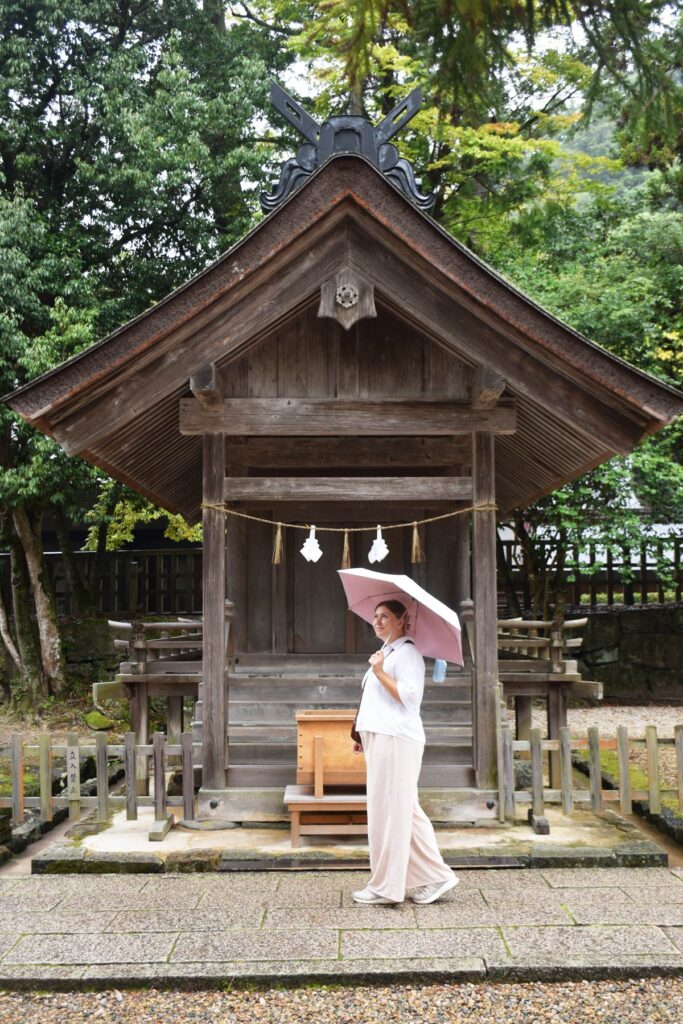
Shines large and small at Izumo Taisha

Where We Stayed in Izumo

We arrived at JR Izumoshi Station and stayed at Super Hotel Izumo Ekimae.

The hotel was very close to the south entrance of the station, which made it easy for a one-night stop. It also had a free two-hour drinks bar in the evening, including a surprisingly good range of sake, and a very good breakfast the next morning.

For visiting Izumo Taisha, staying near Izumoshi Station worked well because both the bus and train options are nearby.

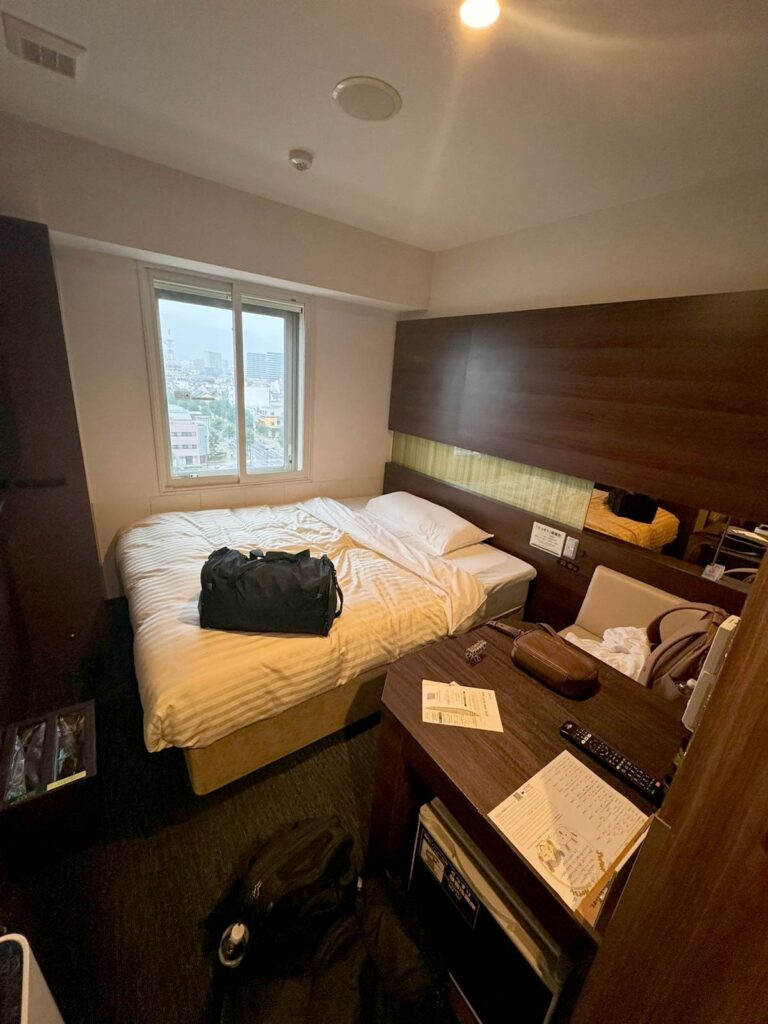
Typical room at Super Hotel Izumo Ekimae
Free drinks bar at Super Hotel Izumo Ekimae

How to Get to Izumo Taisha from JR Izumoshi Station

The easiest way to get from JR Izumoshi Station to Izumo Taisha is by bus.

From JR Izumoshi Station, take the Ichibata Bus bound for Izumo Taisha / Hinomisaki. The official Izumo Taisha English access page says to take the bus from bus stop number 1 and get off at Seimon-mae, which takes about 25 minutes.

This is the simplest option because it gets you close to the shrine entrance without needing to change trains.

Useful Bus Pass for Matsue and Izumo

If you’re visiting both Matsue and Izumo, it’s worth checking the local 3-day bus pass. It allows you to ride the Ichibata Bus and Matsue City Bus freely for three days, which can be useful if you’re using buses around Matsue and travelling out to Izumo Taisha.

You can find the English PDF here: https://matsue-bus.jp/wp-content/uploads/2022/03/English.pdf

At the time of our visit, the pass was available from places including the Matsue City Traffic Office and Twin Leaves Hotel Izumo.

You’ll need your foreign passport, and if you have an ICOCA card, bring it with you because it can make the pass cheaper.

Can You Get to Izumo Taisha by Train?

Yes, you can also get there by train using the Ichibata Electric Railway.

From Dentetsu-Izumoshi Station, take the Ichibata Electric Railway and change at Kawato Station for the train to Izumotaisha-mae Station. From there, it is a short walk to the shrine approach.

This route is slightly more involved than the bus, but the local trains are part of the charm in this region. If you enjoy small regional railways, it’s a nice way to travel.

One important note: on our trip, IC cards were not accepted on the Ichibata Electric Railway, so we bought a paper ticket at the office.

How to Get to Izumo Taisha from Matsue

If you are staying in Matsue, you can reach Izumo Taisha by using the Ichibata Electric Railway from Matsue Shinjiko-Onsen Station.

The railway connects Matsue and Izumo, and you can travel towards Izumotaisha-mae with a change along the way. It’s not the fastest transport in Japan, but it is scenic, relaxed and very fitting for this part of the country.

We travelled the opposite direction the next day, from Izumo towards Matsue, and the ride along the lake was delightful.

How to Get to Izumo Taisha from Hiroshima

You can also visit Izumo from Hiroshima by long-distance bus.

The official Izumo Taisha access page lists Hiroshima Bus Center to JR Izumo City Station as around 3 hours. From JR Izumo City Station, you then take the Ichibata Bus to Izumo Taisha, which takes about 25 minutes.

That makes Izumo Taisha possible from Hiroshima, though we’d personally rather stay overnight if you have the time. It gives the shrine more breathing room and avoids turning the day into a transport mission.

Walking the Approach to Izumo Taisha

After getting off the bus, make your way towards the Izumo Taisha Grand Gate of Seidamari, then follow the shrine approach through the third torii and onwards to the Bronze Torii, the fourth torii. When you leave the shrine area, look back down the main street and you’ll see the large torii at Uga Bridge in the distance.

The street has places to eat, drink and buy souvenirs, so don’t rush straight in and out. It’s a pleasant shrine town atmosphere and worth giving a little time.

Shimane Prefectural Rd 161 leading to / from Izumo Taisha
Grab a fresh brew at Taisha Coffee
Grand Torii at Uga Bridge (First Torii)

Coffee Near Izumo Taisha

We stopped at Taisha Coffee, which had a cosy atmosphere, friendly staff and good coffee. The upstairs seating was especially nice, overlooking the street below.

It made a perfect pause after visiting the shrine before heading back towards Izumo city.

Eating Back Near Izumoshi Station

Back in Izumo city, we ate at Sukiya Izumoshi Station South.

It wasn’t fancy, but Sukiya is a Japanese staple: quick, cheap, reliable and very useful after a travel day. Sometimes that’s exactly what you need.

How Long Do You Need for Izumo Taisha?

You can visit Izumo Taisha as a day trip from Matsue or as part of a longer journey through western Japan.
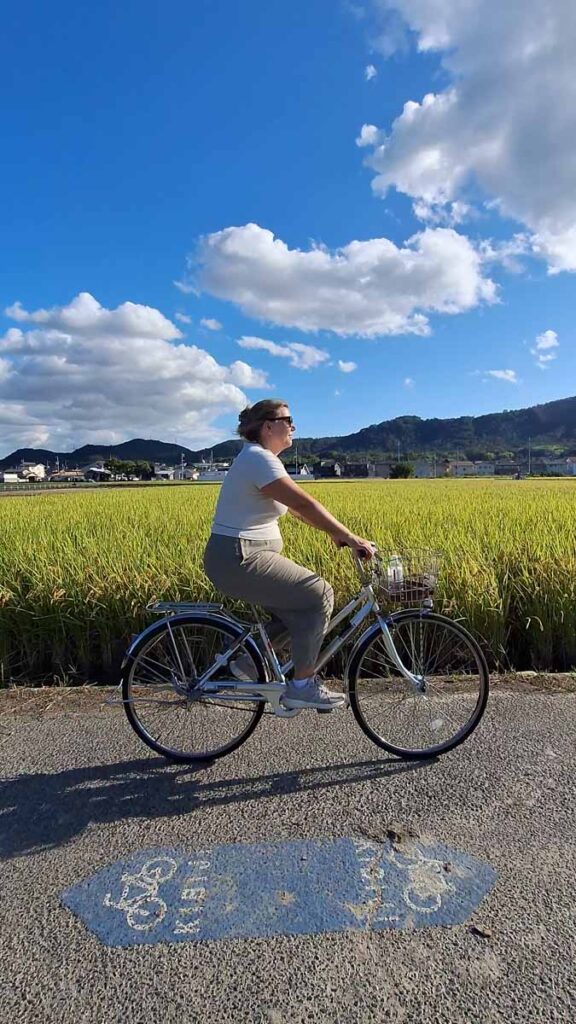
We stayed one night in Izumo, and that felt right for us. It gave us enough time to arrive by regional train, visit the shrine, stay close to the station and continue to Matsue the next morning without rushing.

If you are coming from Hiroshima, we’d consider staying overnight rather than trying to squeeze everything into one long day.

Paddington and the rabbits of Izumo Taisha
If your fortune is bad, leave it behind
Rabbits everywhere at Izumo Taisha
One of the many shrines at Izumo Taisha

Is Izumo Taisha Worth Visiting?

Yes, Izumo Taisha is absolutely worth visiting.

It is one of Japan’s most important shrines, but it doesn’t feel overrun in the way some famous shrine and temple areas can. For us, that made it even more special.
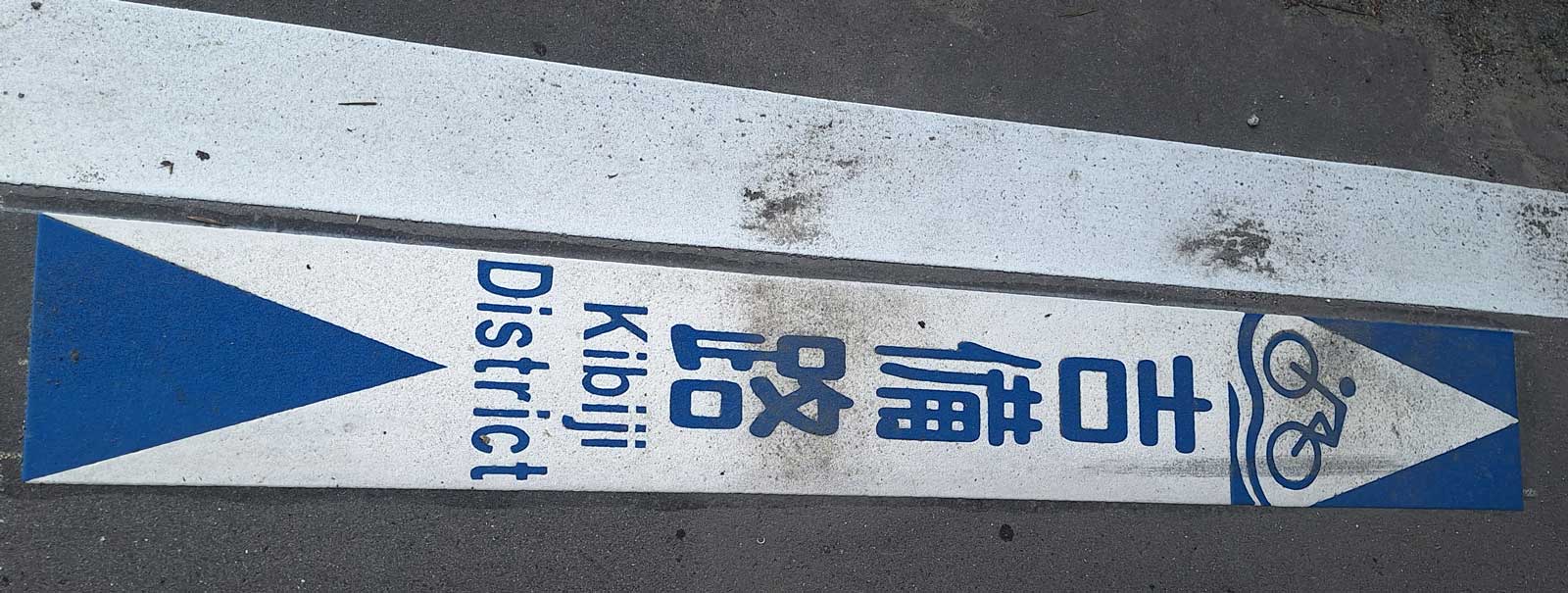
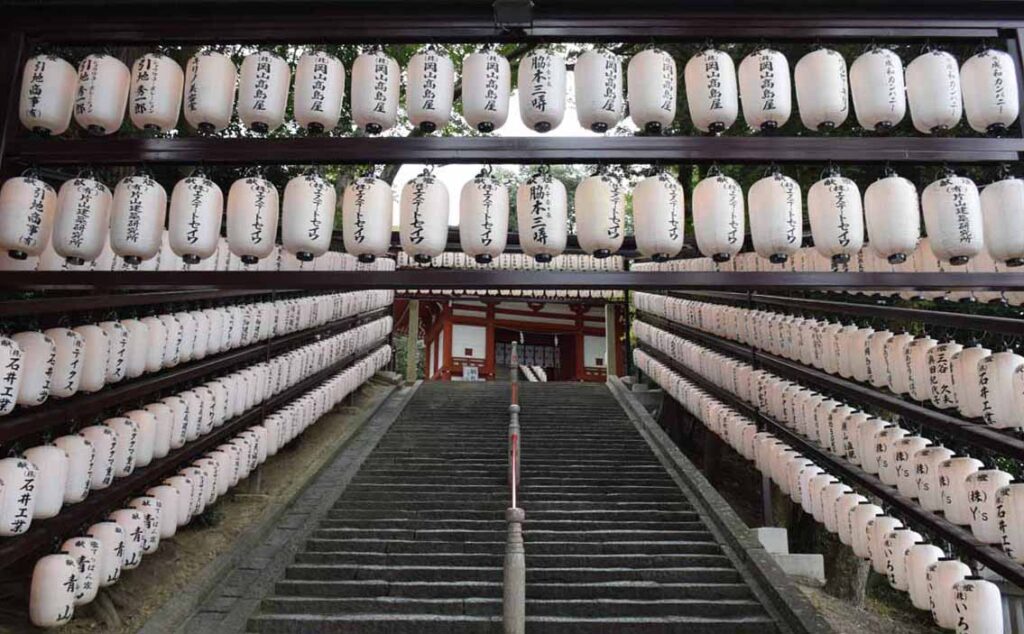
If you want a meaningful cultural stop in Japan without the overwhelming tourist crowds, Izumo Taisha is a brilliant place to add to a western Japan itinerary.

Izumo is well worth adding as a short stop along the way. We only stayed for one night, but it fitted perfectly into our 23 day slow train route through western Japan.
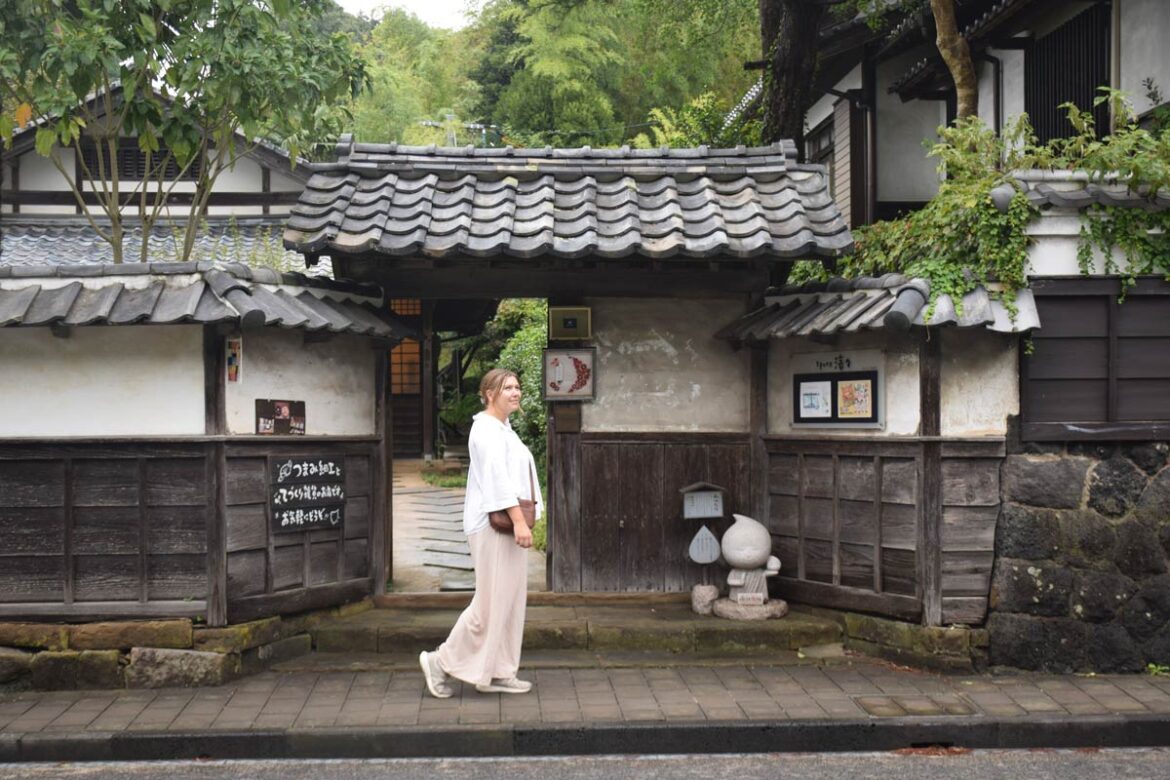
Our cute train from Tottori to Okayama

23 Day Japan Slow Travel Itinerary by Train

A 23 day Japan slow travel itinerary by train, following the San-Yo and San-In Line from Fukuoka to Tottori before heading south to Okayama.

July 20, 2026 0 comments
FacebookTwitterPinterestLinkedinRedditStumbleuponWhatsappTelegramThreadsOpenAIChatGPTEmail
Ebisu Shrine just outside Masuda
Japan

Masuda: A Quiet Stop on Japan’s San-In Line

by Sam July 20, 2026
written by Sam

Masuda was one of the most practical stops on our 23 day slow regional train journey through western Japan. It isn’t a famous destination, and it’s not somewhere we’d suggest going far out of your way for, but it worked well as a pause between Mojiko and Izumo.
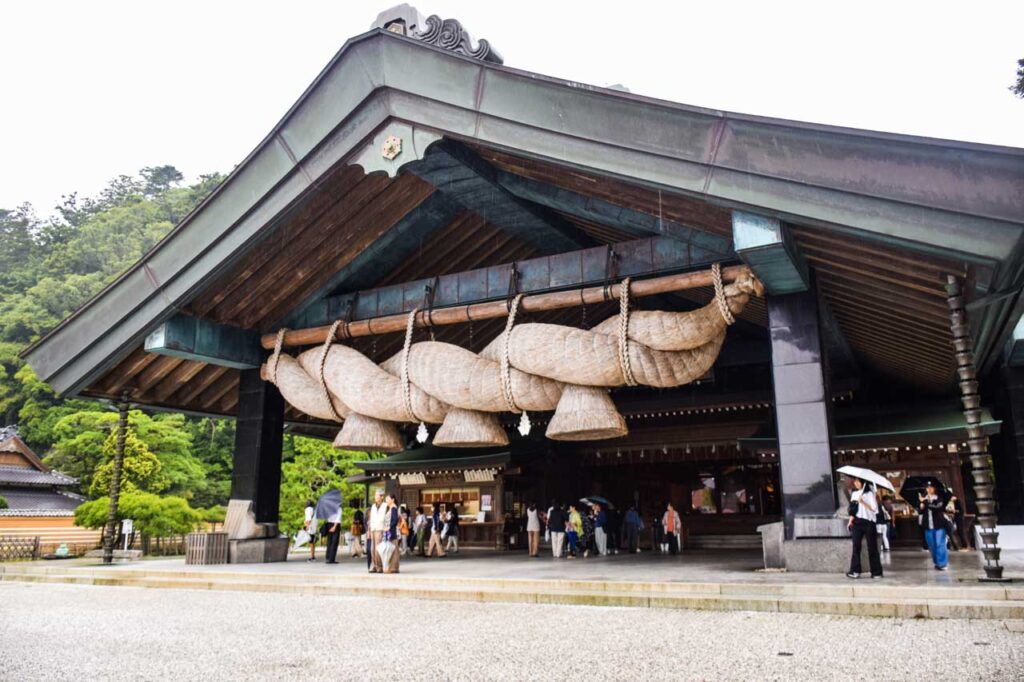
This was the kind of place where people asked us, “Why Masuda?” and honestly, that was fair. There isn’t a huge list of things to do, but what we found was a quiet, local city with friendly people, a good hotel, a tattoo-friendly onsen, a lovely art museum, simple food and one of the warmest little travel moments of the whole trip.

Masuda was part of our 23 day slow regional train route through western Japan, travelling from Fukuoka across Kyūshū and along the San-Yō and San-In lines towards Tottori and Okayama.

Why Visit Masuda?

Masuda is worth visiting if it fits naturally into your train route. It makes sense as a stop between Shimonoseki, Mojiko, Izumo and Matsue, especially if you’re travelling slowly by regional train and don’t want long travel days.

It is not a polished tourist town, and that’s both the limitation and the charm. We saw no other tourists while we were there, and the city felt very local, very quiet and very ordinary in the best possible way.

If you’re looking for big sights, nightlife or a packed itinerary, Masuda probably isn’t the place. But if you want a useful stop with a few gentle things to do, it can work nicely.

Where to Stay in Masuda

We stayed at Mascos Hotel, which was one of the better hotel choices on this part of the trip. It was modern, comfortable and had an onsen, which made it a very easy place to recover after another regional train day.

The best part for us was that the onsen was tattoo-friendly. The staff understood we were foreign tourists, and tattoos were not an issue, which made the stay much more relaxing.

For a short visit to Masuda, we’d stay here again.

Our room at Mascos Hotel, Masuda

Things to Do in Masuda

Visit Iwami Art Museum

The Iwami Art Museum was our main planned stop in Masuda and a good way to spend part of the day. It had an interesting exhibition, including clothing from the famous Japanese designer Hanae Mori.

It’s not a huge museum, but it was peaceful, well-presented and gave us something worthwhile to do in a city where sightseeing options are limited. If you enjoy museums and slower travel days, it’s worth adding to your Masuda stop.

The Iwami Art Museum Masuda
Hanae Mori collection at Iwami Art Museum
Inside the Iwami Art Museum, Masuda

Visit Ebisu Shrine

Our visit to Ebisu Shrine became one of those unexpected travel memories that we could never have planned properly. Livia met a local woman in the hotel onsen, and after chatting as best they could, she offered to drive us to the shrine because it would have been difficult to reach by public transport.

The shrine sits on a small coastal island and reminded us a little of a mini Mont Saint-Michel, though much smaller and simpler. It’s only accessible at certain times depending on the tide, which made it feel even more special.

The whole thing was incredibly kind, especially as we had only just met her, and she even insisted on buying us McDonald’s on the way back. Too funny, and very memorable.

Ebisu Shrine outside Masuda

Where to Eat in Masuda

Takenoya

Takenoya was where we had our first taste of cold soba noodles on this trip. It was simple, local and exactly the kind of meal that suited Masuda.

Cold soba became a bit of a theme for us along this part of Japan, and this was a good introduction.

cold soba noodles
cold soba noodles
Sashimi plate in Masuda Japan
Local Sake tasting at Kasuri Izakaya, Masuda

Kasuri Izakaya

Kasuri was one of those local izakaya experiences where nobody spoke English and the menu was handwritten in Japanese. Google Translate struggled hugely, but we still managed to order, eat and enjoy ourselves.

It wasn’t polished or easy, but it was memorable. Sometimes those are the meals you remember most.

Important Train Ticket Tip for Masuda

One thing you really need to know before arriving in Masuda: the train station does not have an electronic ticket barrier, so you should buy a paper ticket from your departure station.

We learned this the awkward way.

We had tapped in with our ICOCA card earlier in the journey, but when we arrived in Masuda there was nowhere to tap out. The station master quickly realised we were not locals, asked where we were travelling next, and kindly let us through the gate.

A couple of days later, our IC cards had been frozen because the journey had never been completed properly. When we arrived in Izumo, the Masuda station master had already called ahead, explained what had happened, and the staff there helped us calculate the correct fare and fix the cards.

It was all handled with patience, very little English and a bit of Google Translate, but it would have been easier if we had bought a paper ticket in the first place.

How Long Do You Need in Masuda?

One or two nights is enough for Masuda.

We stayed two nights, which gave us time to visit the Iwami Art Museum, use the hotel onsen, eat locally and make the unexpected trip to Ebisu Shrine.

If you are only using Masuda as a route break, one night would also be fine.

Is Masuda Worth Visiting?

Masuda is worth visiting only if it makes sense for your route. We wouldn’t suggest going out of your way for it, and it isn’t one of the best places to visit in Japan if you’re planning a first trip.

But as part of a slow regional train journey through western Japan, it worked well. It gave us a quiet pause, a good hotel, a tattoo-friendly onsen, a couple of local meals and one of the kindest encounters of the whole trip.

Sometimes that’s enough.

If you’re on the San-in Line, Masuda is well worth adding as a relaxed stop along the way. Masuda made a great little stopover point for our 23 day slow train route through western Japan.
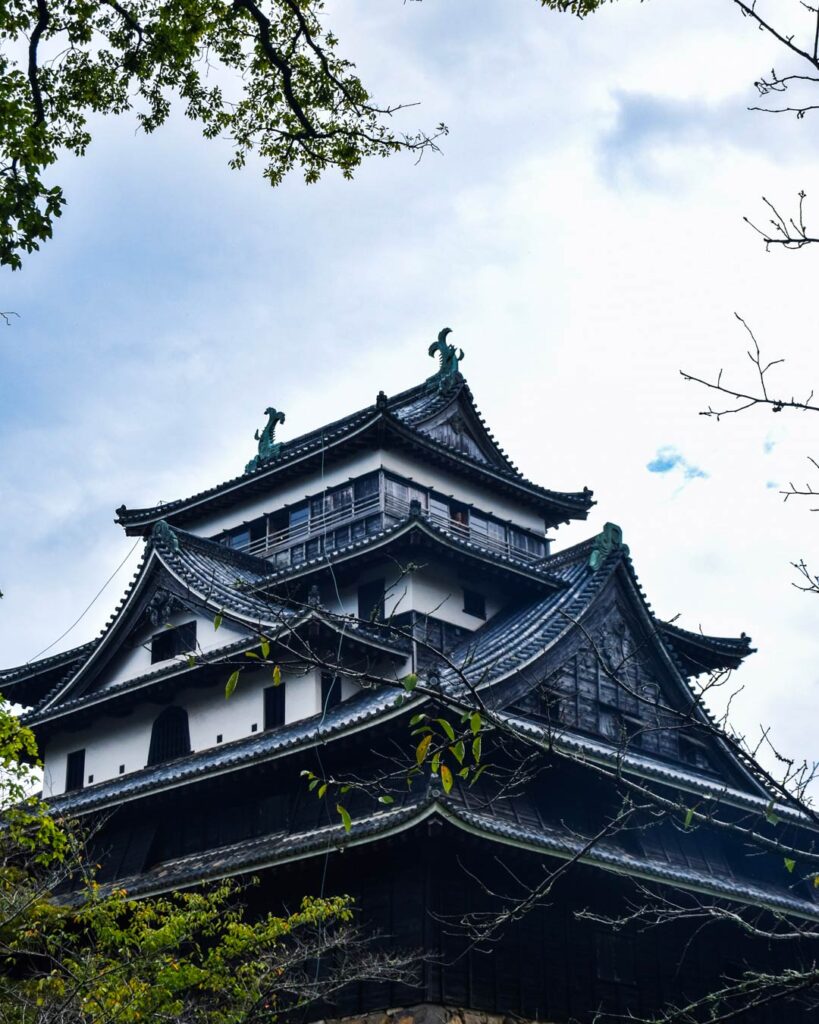
Our cute train from Tottori to Okayama

23 Day Japan Slow Travel Itinerary by Train

A 23 day Japan slow travel itinerary by train, following the San-Yo and San-In Line from Fukuoka to Tottori before heading south to Okayama.
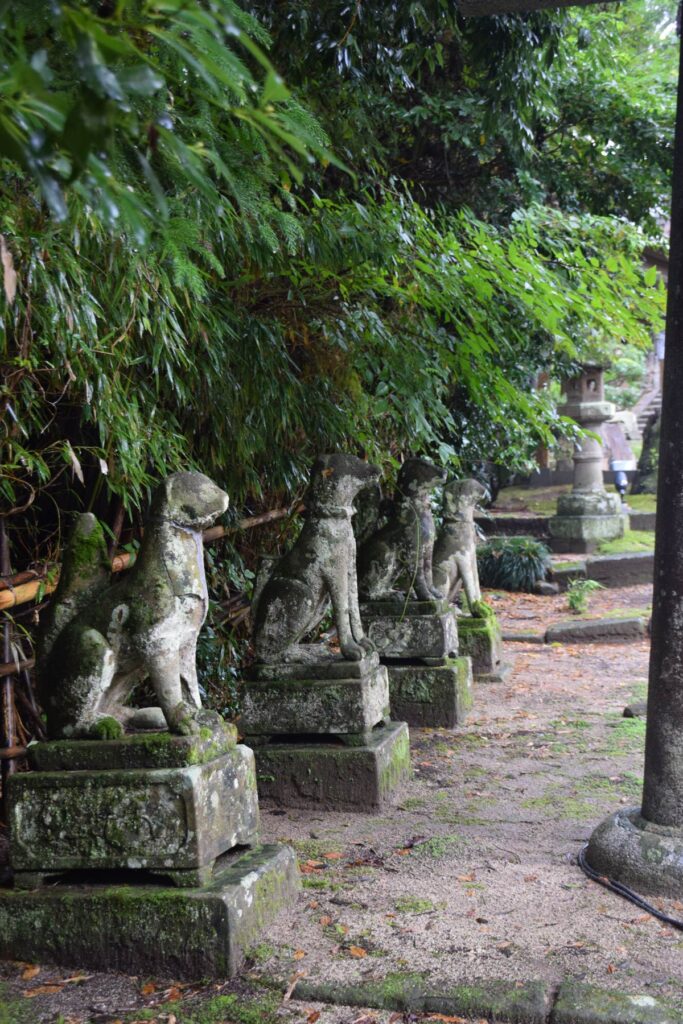
July 20, 2026 0 comments
FacebookTwitterPinterestLinkedinRedditStumbleuponWhatsappTelegramThreadsOpenAIChatGPTEmail
Newer Posts
Older Posts

Recent Posts

  • The Sendai Travel Guide: Real Japan

  • A Self-Guided Art Walk in Kigali: Exploring Kacyiru’s Art Centres

  • Windhoek Travel Guide: Is Namibia’s Capital Worth Visiting?

We use Safetywing

We use THS

Trusted House Sitters

Here’s 25% off your annual membership to TrustedHousesitters - thanks to your pet loving pals at LBSBWorld.

Join now with 25% Off!

We use NordVPN

NordVPN

Get 3 months of NordVPN right now!


The best VPN service for a free, open internet

Get NordVPN!

We use Wise

Wise

Get Zero Fees on a transfer up to €500


Spend in 150+ countries like a local with Wise card

Get Wise!

Follow us on Instagram

A Bear Called Paddington abearcalledpaddington 🌍 7 years full-time travel
Follow on Instagram
©2026 LBSBWorld - All Right Reserved - Designed and Developed by Livia & Sam
LBSB World
  • Home
  • Destinations
    • Africa
      • Namibia
      • Rwanda
    • Asia
      • China
      • Indonesia
      • Japan
    • Europe
      • Albania
      • Bosnia-Herzegovina
      • Croatia
      • Montenegro
      • Netherlands
      • North Macedonia
      • Serbia
    • North America
      • Dominican Republic
  • Travel itineraries
  • Plan your trip
  • About Us
    • About Sam & Livia
    • The Story Behind Our Full-Time Travel Life
    • abearcalledpaddington