Top Posts
Our 3-Month Balkans Itinerary: 93 Days by Bus Through Southeast Europe
Subotica: Serbia’s Most Beautiful Surprise
A Short Guide to Novi Sad
Belgrade: Our Favourite City in Serbia
Best Apps for Visiting China (2026 Guide)
Visiting the Jordaan: Amsterdam’s Most Beautiful Neighbourhood
Namibia Self Drive Safari vs Guided Tour: Which Is Better?
Namibia Self Drive: Everything We Learned Driving a 4×4 Across Namibia
Bosnia and Herzegovina Itinerary: Our 1 Month Route by Bus
Our 2 Week Albania Itinerary
LBSB World
  • Home
  • Destinations
    • Africa
      • Namibia
    • Asia
      • China
      • Indonesia
    • Europe
      • Albania
      • Bosnia-Herzegovina
      • Croatia
      • Montenegro
      • Netherlands
      • North Macedonia
      • Serbia
    • North America
      • Dominican Republic
  • Travel Itineraries
    • Our 9-Day Namibia Tour with Chameleon Safaris: An Honest Review
    • Our 2 Week Albania Itinerary
    • Bosnia and Herzegovina Itinerary: Our 1 Month Route by Bus
    • Namibia Self Drive: Everything We Learned Driving a 4×4 Across Namibia
    • Our 3-Month Balkans Itinerary: 93 Days by Bus Through Southeast Europe
  • Plan Your Trip
    • How to Deal with Travel Burnout (And Start Enjoying Travel Again)
    • Sam’s Fulltime Travel Packing List
    • Using Trusted House Sitters to Support Your Travels
    • Namibia Self Drive Safari vs Guided Tour: Which Is Better?
  • About Us
    • About Sam & Livia
    • The Story Behind Our Full-Time Travel Life
    • abearcalledpaddington
Author

Sam

  • Author Profile
  • Posts by the Author
  • Best Apps for Visiting China (2026 Guide)
  • Visiting the Jordaan: Amsterdam’s Most Beautiful Neighbourhood
  • Namibia Self Drive Safari vs Guided Tour: Which Is Better?
  • Namibia Self Drive: Everything We Learned Driving a 4×4 Across Namibia
  • Using Trusted House Sitters to Support Your Travels
  • Sam’s Fulltime Travel Packing List
Sam

I design and execute structured, scalable digital ecosystems that integrate SEO, AEO, UX and analytics into commercially focused marketing strategies. I also travel full-time!

Montenegro

A Short Guide to Kotor, Montenegro

by Sam March 18, 2019
written by Sam

Kotor is a beautiful little town on the shores of the Bay of Kotor in Montenegro. Known for its medieval old town, dramatic mountain backdrop and large population of cats, it attracts visitors from all over the world.

We arrived by bus from Herceg Novi, a journey that turned out to be one of the highlights of our trip, with stunning views across the bay almost the entire way.

This is our short guide to Kotor.

We visited in November, during the off-season, when the town was pleasantly quiet, especially in the evenings. Many restaurants were closed for the winter and prices were higher than we expected, so we cooked most of our meals at home. Because of that, we don’t have any restaurant recommendations for Kotor, but we do have a few tips on what to see and do while you’re there.

Walking the streets of Kotor

Where to stay in Kotor

We rented a studio apartment in the old town of Kotor, clean, great location and now they also have a beautiful roof top terrace with views over the bay.

What to do in Kotor

We only spent two nights in Kotor and didn’t pack our days with activities. Simply wandering through the old town was enough for us. The narrow streets, historic buildings and beautiful views around every corner make Kotor a pleasure to explore on foot.

The old town is quite small, so it’s easy to get around, and of course there are plenty of cats to keep you company along the way. 

Visit the fort

A walk up to the fort is definitely worth it for the views alone. Just make sure to wear comfortable shoes, as the climb is steep and takes a bit of effort.

The standard entrance fee is quite expensive, so here’s a tip we wish we’d known beforehand. If you leave the old town and follow the small dirt path used by local farmers, you can reach the fort from the back without paying the entrance fee (this was the case in 2018 at least, not sure now).

To be honest, the fort itself isn’t particularly impressive. The real reason to make the climb is for the spectacular views over Kotor, the bay and the surrounding mountains.

Enjoy a Slow Morning in Kotor

One of our favourite ways to spend time in Kotor was simply slowing down and enjoying the atmosphere. Find a seat at Caffe Bar Perper, order a coffee, and watch life unfold in the square around you.

Kotor isn’t a place that needs a packed itinerary. Between the old stone buildings, wandering cats and mountain views, it’s easy to spend an hour or two doing very little at all, which is part of its charm.

Kotor Boat Tours

📌 Looking for something more to do in Kotor?
See our friend Natalie’s post about the Best Kotor Bay Boat Tours for Half-Day Trips in 2026

March 18, 2019 0 comments
FacebookTwitterPinterestLinkedinRedditStumbleuponWhatsappTelegramThreadsOpenAIChatGPTEmail
Bosnia-Herzegovina

What to Eat in Bosnia and Herzegovina: Must-Try Dishes

by Sam March 12, 2019
written by Sam

One of the biggest surprises during our month in Bosnia and Herzegovina was just how good the food was. Before arriving, we knew very little about Bosnian cuisine, but it quickly became one of our favourite food destinations in the Balkans.

Traditional Bosnian food is hearty, filling and often centred around meat, slow-cooked stews and freshly baked bread. Meals are typically made from local and seasonal ingredients and generous portions are the norm. You’ll also notice influences from both the Ottoman Empire and neighbouring Balkan countries throughout the cuisine.

We also loved the café culture. Whether it was strong Bosnian coffee served with Turkish delight, a cold local beer or a glass of homemade rakija, food and drink seemed to play a central role in everyday life.

There are countless dishes worth trying, but these were some of our favourites from our month travelling around Bosnia and Herzegovina, along with where we enjoyed them most.

1. Ćevapi

Bosnia and Herzegovina is the land of ćevapi, and trying them is practically mandatory while visiting the country. These small grilled sausages are usually served inside soft flatbread with a generous helping of raw onions, although some places also offer ajvar or a yoghurt-based sauce.

During our month in Bosnia, we ate more ćevapi than we care to admit, and after plenty of research, we finally found our favourite. That honour goes to Haris in Travnik. In fact, several locals in Sarajevo told us that Haris in Travnik was the place to go for the best ćevapi in Bosnia, and after trying them ourselves, we completely agree. They were juicy, full of flavour and easily the best we had during our trip.

Cevapi at Haris in Travnik

2. Mućkalica

Mućkalica is a rich meat stew cooked in a tomato-based sauce and one of our favourite dishes we tried in Bosnia and Herzegovina. While it originates from Serbia, you’ll find plenty of Serbian influences in the cuisine of Bosnia and Herzegovina, particularly in the Republika Srpska region.

The dish consists of tender pieces of meat cooked in a flavourful tomato-based sauce and is the perfect comfort food after a day of exploring.

The best version we had was in Sarajevo at a small restaurant with one very unusual feature for Bosnia: it was completely non-smoking (October 2018). The tiny kitchen at the back was constantly buzzing with activity as the cooks prepared everything from scratch.

The restaurant was popular with both locals and visitors, so we’d recommend booking a table in advance. The staff spoke excellent English and were incredibly welcoming. While the mućkalica was the highlight for us, the homemade bread crown and excellent steaks were also worth mentioning.

3. Bosanski Lonac

Bosanski Lonac quickly became Livia’s favourite dish in Bosnia and Herzegovina. This traditional slow-cooked stew is typically made with meat, cabbage, carrots, onions and other vegetables, all cooked together for hours until the flavours combine into something wonderfully rich and comforting.

The best version we tried was at Kod Asima in Jajce, located above the entrance to the old town (Update May 2026: we can’t find this restaurant on Google Maps anymore). The interior is a little dated and dark, but there is also a pleasant rooftop terrace if the weather is nice.

What made this Lonac so memorable was the texture. It was thick, rich and packed with flavour, unlike some of the thinner versions we encountered elsewhere. We ended up talking about this meal long after leaving Jajce.

One interesting thing we noticed during our travels was that Bosanski Lonac seemed much more common in the Federation of Bosnia and Herzegovina. We don’t remember seeing it on menus during our time in Republika Srpska, although that may simply have been the places we visited.

4. Mix grill

Grilled meat is a huge part of Bosnian cuisine, and you’ll find mixed grill platters on menus all over the country. We ordered them more times than we can remember during our month in Bosnia, and rarely had a bad meal.

One of the best mixed grills we found was at Irma in Mostar‘s Old Town. Everything is cooked over a charcoal grill, and watching the chef work is almost as entertaining as the meal itself. At one point she was pulling meat from the flames with her bare hands before piling it onto enormous platters.

We ordered the mixed grill for two and were genuinely shocked when it arrived. For around 30 KM (October 2018), we received a mountain of grilled meat, vegetables, ajvar, bread, cream cheese and, of course, a generous helping of raw onions. It was a mountain of joy. If you visit Mostar, arrive hungry. We made the mistake of eating earlier in the day and quickly realised that was a rookie error.

Mostar Irma Grill Livia
Mostar Irma Grill

5. Burek

Burek is one of the most popular snacks in Bosnia and Herzegovina, and you’ll find it everywhere. Made from thin layers of pastry and filled with different ingredients, it’s the perfect quick meal whether you’re grabbing breakfast, lunch or a late-night snack.

Our favourite version was the traditional meat-filled burek, although you’ll also find varieties filled with cheese, spinach and potatoes. Most bakeries (pekara) sell fresh burek throughout the day, and many stay open late into the evening, making it one of the easiest foods to find when travelling around the country.

The best burek we had was in Travnik, but honestly, we don’t remember ever having a bad one. If you’re visiting Bosnia and Herzegovina, eating burek at least once is practically a requirement. 

6. Bosnian Coffee

No visit to Bosnia and Herzegovina would be complete without trying Bosnian coffee. Strong, rich and traditionally served in a small copper pot alongside a cup and often a piece of Turkish delight, drinking coffee here is as much about the experience as the coffee itself.

We quickly fell in love with Bosnia’s café culture. No matter where we went, cafés were full of people chatting, reading the newspaper or simply watching the world go by. Unlike many countries where coffee is something you drink quickly before moving on, in Bosnia it is often something to be enjoyed slowly.

Some of our favourite coffee experiences came from the smaller towns. In Jajce, a café owner even brought us cushions to sit on while we enjoyed our coffee in the autumn sunshine. Moments like these became some of our favourite memories from Bosnia and Herzegovina.

Whether you drink it with sugar, Turkish delight or a glass of water on the side, Bosnian coffee is a must-try experience while travelling through the country.

7. Biftek

While biftek isn’t a traditional Bosnian dish in the same way as ćevapi or burek, Bosnia and Herzegovina is known for its excellent meat, making a good steak well worth trying.

We didn’t order biftek too often, mainly because it was usually one of the more expensive items on the menu, but whenever we did, we were rarely disappointed. The quality of the meat was consistently excellent and portions were generous.

One of the best steaks we had during our trip was at MGs restaurant in Trebinje, where it arrived perfectly cooked and packed with flavour. If you’ve spent a few days eating ćevapi and stews, a good biftek makes for a nice change.

March 12, 2019 0 comments
FacebookTwitterPinterestLinkedinRedditStumbleuponWhatsappTelegramThreadsOpenAIChatGPTEmail
Bosnia-Herzegovina

Trebinje, Bosnia’s Relaxed Southern Town

by Sam March 6, 2019
written by Sam

Latest update: May 2026

Trebinje, a gem in Hercegovina. Not many cities is Bosnia-Hercegovina are very pretty, but Trebinje really is. The climate was also quite different, much more mediterranean. In general, the landscape of Hercegovina is quite different from the rest of the country, less mountains and less green but still very beautiful. There are also many wineries around the region. This is our Trebinje travel guide, the super picturesque city of Hercegovina.

Where to stay in Trebinje

We stayed at City Apartments, central location within walking distance to the center of town. A pretty yard, clean and comfortable with a little kitchen. We were also welcomed by our host with Rakija shots at 10 in the morning.

What to do in Trebinje

Trebinje is not a touristy city so it doesn’t cater to tourists, which we found very nice. But it also means there arean’t loads of places that you should go and see. We do like to visit these kind of places to get a real feel for a place rather than just ticking off attractions.

Walk Around

Just walking around the city and stumble upon random places is the best thing to do in Trebinje. We love doing that wherever we go and Trebinje is perfect for that. There’s not too much traffic and small enough to walk around. Make sure to stroll along the river, there are some great photo spots with beautiful views over the old town and the old bridge.

Visit Arslanagic Bridge

If you walk further along the river you will find the Arslanagic Bridge, a beautiful old bridge. We found this bridge on par with the one in Mostar, but without tourists. Definitely worth a visit.

Visit Hercegovacka Gracanica

This orthodox church is located on a hill overlooking the whole city. It is walkable but a steep walk up. The church is beautiful, but you really want to come here for the views, they are breathtakingly beautiful. You can see the whole city with the mountains as a backdrop. Make sure to head up here if you visit Trebinje. Also stay for a coffee at the cafe next to the church.

Visit the Church of St. Archangel Michael

This is another orthodox church on a hill. The church itself was closed or under construction when we visited, but you can climb up on the stairs on the outside and you get beautiful views over the city and the surrounding area. The walk up is quite steep, but beautiful. You walk through a villa area on a hill, where life happens.

Visit the Pijaca, the central Market

Come on a Saturday before lunch to see this market at its busiest. People come in from all the surrounding villages to sell their local produce. You will find loads of vegetables, but also home made cheese, honey and other products. As it’s a local market, the prices are also very affordable. After strolling through the market, sit down at one of the cafes on the square for some people watching.

Stari Grad

Walk around old town in Trebinje, it’s not as beautiful as other old towns in Bosnia-Hercegovina, but this is where many people meet for drinks or coffee during weekends. Join the locals and sit down at one of the many cafes or bars and just soak in the vibes.

Drink coffee

As everywhere else in Bosnia-Hercegovina, there’s a strong coffee culture in Trebinje. There’s many nice places around the main square and in old town. But our favourite ones was Botanik, with great coffee just outside the centre of town. Kafe bar Jaz was another favourite, a very nice spot for a coffee by the river, close to the old bridge.

Inside cafe Botanik

Where to Eat in Trebinje

Trebinje was the only place in Bosnia where we had issues finding good food. It seems like people here doesn’t really go out to eat, so evenings were pretty dead (at least when we were there Saturday and Sunday evening in November). It was mainly hotels that served food, but they were overpriced and not great. Other than that mostly pizza places. According to google many good restaurants are located quite a bit outside the city, but as we didn’t have a car we didn’t visit these. But if you do have a car, try them out.

MG’s

We did manage to find one really nice restaurant, Restoran MG. Located close to the main square. The interior looks like it’s coming straight out of a 70s movie, but they served really nice traditional food and the waiter very friendly. The prices was higher than what we were used to in other places in Bosnia-Hercegovina.

March 6, 2019 0 comments
FacebookTwitterPinterestLinkedinRedditStumbleuponWhatsappTelegramThreadsOpenAIChatGPTEmail
Bosnia-Herzegovina

Why Visit Travnik, Bosnia and Herzegovina?

by Sam October 17, 2018
written by Sam

We both really enjoyed spending a few days in Travnik. It’s a relaxed small town in central Bosnia and Herzegovina, perfect for slowing down and enjoying local life. With its Ottoman architecture, historic centre and fortress overlooking the town, Travnik feels very different from many other places in the country.

Travnik sits about 90 kilometres west of Sarajevo and was once the capital of the Ottoman province of Bosnia. Much of that history is still visible today, with old mosques, traditional houses and even two clock towers surviving throughout the town.

One of the more unusual sights is the old steam locomotive displayed in the centre. A spark from a train is said to have caused a devastating fire in 1903 that destroyed much of Travnik, and the locomotive now serves as a reminder of that event.

If you’re planning a visit, here’s our Travnik travel guide covering what to do, where to eat and why we think this underrated town is worth a stop.

Where to stay in Travnik

We stayed at Apartment Aid, a 2 bedroom apartment in the center of Travnik. Modern, clean, great place to stay and the host was lovely, sharing all his recommendations.

What to do in Travnik

There aren’t loads of tourist attractions in Travnik, but that was part of the city’s charm for us. Rather than rushing between sights, we found ourselves enjoying the slower pace of life, wandering around town and stopping for coffee.

That said, there are still a handful of interesting places worth visiting during your stay, which we’ve listed below.

Stari Grad Castle

Travnik Castle dates back to the period before the Ottoman Empire ruled Bosnia and Herzegovina. The fortress has been well preserved over the years and remains one of the town’s most impressive landmarks.

We particularly enjoyed the views from the top, which stretch across Travnik and the surrounding hills. If you’re visiting the town, it’s definitely worth making the climb, if only for the scenery and a few good photos.

Amazing views from up top of Stari Grad Castle

Plava Voda

Plava Voda, or ‘blue water’ trickles along the stream to the east of Travnik Castle. Wooden bridges crisscross over the water and restaurants and bars line the water’s edge, it’s a popular spot to relax and enjoy a coffee. The Lutvina Kahva Coffeehouse is of historical significance after the Hapsburg Prince dropped in here in 1887 and left a gold coin to keep the place open. Grab a Lutvina Kaffe (basically a Bosnian coffee with a Turkish Delight, a cigarette and a box of matches) and listen to the clear blue water gurgle past you.

Stari Grad

Stari Grad means old town. Travnik’s old town is situated on the hillside of the city, and it is the perfect place to just walk around and get lost in small alleys.

Stari Grad in Travnik

Where to eat in Travnik

Hari ćevabdžinica

After traveling around Bosnia, there’s one thing that everyone agrees upon. The best Ćevapi is from Travnik and the best restaurant to get it at is at Hari. It is without doubt the best we’ve ever tasted. The bread is fresh with a light dusting of sesame seeds. The meat is perfectly cooked with no lumps or gristle. Grab a seat round the back outside next to the river, it’s the perfect accompliment to this national dish. Of course any place serving the best Ćevapi in Bosnia will be a little busy, but went there twice and didn’t have to wait at all. The staff are super friendly and speak very good English.

Kod Seje

If Burek is your bag, drop into Kod Seje just opposite the ‘Colorful Mosque’. The burek is cooked over an open fire and is very fresh. The menu is tiny, they serve three types of burek, but when something is this good who needs choice. Inside is stone walls decorated with old Bosnian paraphenalia.

October 17, 2018 0 comments
FacebookTwitterPinterestLinkedinRedditStumbleuponWhatsappTelegramThreadsOpenAIChatGPTEmail
Jajce Falls
Bosnia-Herzegovina

Jajce Travel Guide: Bosnia’s Waterfall Town

by Sam October 16, 2018
written by Sam

Jajce is a charming little town in central Bosnia and Herzegovina. With its mix of Ottoman architecture, stone streets and historic buildings, parts of it almost feel like a small Italian hill town. At the same time, reminders of the Bosnian War are still visible, with bullet holes remaining on some buildings throughout the town.

We loved the slower pace of life in Jajce. It felt like the kind of place where you could spend a few days wandering around, drinking coffee and getting pleasantly lost in the old town.

In this Jajce travel guide, we’ll share our favourite things to do, where to eat and why we think this underrated town is worth adding to your Bosnia itinerary.

Where to stay in Jajce

We stayed at Jajce Youth Hostel, which was the cheapest accommodation we found at the time. Location was great, just outside one of the gates to old town and within walking distance to the waterfall, as well as bus station.

What to do in Jajce

There isn’t a huge amount to do in Jajce, but there are enough sights and attractions to fill a couple of days. The real highlight, however, is simply slowing down and enjoying the town itself. Grab a coffee at one of the many cafés, wander the old streets and soak up the relaxed atmosphere.

Jajce Waterfalls

The main attraction in Jajce is the famous waterfall right in the centre of town. It’s definitely worth seeing and one of the most unusual landmarks in Bosnia and Herzegovina.

There is an entrance fee if you want to walk down to the base of the waterfall, but personally we didn’t think it was necessary. The views from above were already excellent and gave us a great perspective of the falls.

There is also a viewpoint on the opposite side of the river that many visitors miss. You can see it from the town side, a small open area with a picnic table overlooking the waterfall. To get there, simply cross the bridge and follow the road. There isn’t a pavement on that side and traffic can move quite quickly, so take care and stay as far to the side as possible.

In our opinion, this viewpoint offered one of the best views of the waterfall and was well worth the short walk.

Jajce Falls
Jajce Falls

Visit Jajce Fort

One place you shouldn’t miss is Jajce Fortress. Sitting on top of the hill above town, it offers fantastic views over Jajce and the surrounding countryside. If we’re being honest, we found the views far more impressive than the fortress itself, the panoramic views alone made the climb worthwhile. Entry is inexpensive (October 2018), making it a great stop if you’re travelling on a budget.

Selfies at Jajce Fort

Get Lost on Purpose

Jajce isn’t the kind of place where you’ll get lost for hours, but it’s still worth taking the time to wander around the small streets surrounding the fortress and old town.

Once you step away from the main street, you’ll get a glimpse of everyday life in Jajce. The winding alleys, old houses and quiet corners give the town an almost village-like feel. It’s the perfect place for a slow stroll and a chance to enjoy the relaxed pace of life.

Drink Coffee

Like everywhere else we visited in Bosnia, Jajce has no shortage of cafés serving traditional Bosnian coffee.

Our favourite was a small café next to the catacombs, where we had some of the best Bosnian coffee of our entire month travelling through the country. There wasn’t any sun on the outdoor terrace when we visited, so we sat on the stone wall outside instead. The owner noticed this and kindly brought us cushions to sit on, before serving our coffee alongside Turkish delight.

It was a small gesture, but one that perfectly summed up the friendliness and hospitality we experienced throughout Bosnia and Herzegovina. The coffee was excellent and very reasonably priced too. Not sure if it’s there anymore, but if it is sit down and enjoy a coffee.

Visit the Catacombs

The catacombs are another of the few attractions in Jajce, but we thought they were worth a visit. Having never visited any other catacombs, we don’t really have anything to compare them to, but they were larger than we expected and even have two levels to explore.

They won’t be the highlight of your trip to Bosnia and Herzegovina, but if you’re already heading up to the fortress they’re well worth a quick stop. They’re also nice and cool inside, making it a good escape from the summer heat.

If you have a little time to spare while exploring Jajce, we’d recommend taking a look.

Where to Eat in Jajce

Kod Asim

This place is really nice, a little touristy but definitely worth a visit. A must try is the Lonac, a specialty for the region. It is served in a claypot and it is divine!

Update May 2026: We can no longer find this restaurant on Google Maps and are unsure whether it is still operating. We’re leaving it in this guide as we really enjoyed eating here during our visit. It is possibly called “Restoran Omerbegova kuća” now.

Kristal Grill

Good place for lunch on the main street. They serve grill dishes and some cooked meals too. The food is good and affordable.

October 16, 2018 0 comments
FacebookTwitterPinterestLinkedinRedditStumbleuponWhatsappTelegramThreadsOpenAIChatGPTEmail
Pliva River BosniaHerzegovina
Bosnia-Herzegovina

A Slow Travel Experience by the Pliva River

by Sam October 15, 2018
written by Sam

We spent a week in a small village on the banks of the Pliva River and it ended up being one of our favourite experiences in Bosnia and Herzegovina.

Surrounded by forests, crystal-clear water and fresh mountain air, Pliva was exactly what we needed after weeks of travelling. It was a place to slow down, clear our heads, catch up on some work and simply enjoy being somewhere peaceful for a while.

Walking the Pliva River in BosniaHerzegovina
Walking the Pliva River with our guide Leo in Bosnia Herzegovina

Staying by the River

We stayed at the Vacation Home Pliva, Brđani, a simple but beautiful riverside house with everything we needed. The family owning the property immediately made us feel welcome and treated us more like family than customers. The family dog tended to come out with us on walks around the countryside, which was lovely. They also took us with them when they went mushroom picking in the forest.

Life in Pliva

Life moves slowly here. There are a few small local shops selling basic groceries like eggs, milk, butter and of course beer if you need it. Do any bigger shopping before arriving here. The local restaurant charges about double what you’d expect to pay in the city, but the food is well prepared any very tasty.

Instead, you come for the river, the nature and the peace and quiet.

Fly Fishing on the Pliva River

The Pliva River is famous for fly fishing.  Groups coming from all over the world to spend time wading up and down the river perfecting their cast. It’s common to see fishing tourists relaxing in the local “bar” (a kiosk with some tables outside) telling their stories of ‘the one that got away’.

During our stay we met Paul Arden from sexyloops.com (world renowned fly fisherman) who was great fun to chat with, not only about Fly fishing, but also about life in general.

Walking the Pliva River in BosniaHerzegovina
Walking the Pliva River in Bosnia Herzegovina

Walk to the Source of the River

One of our favourite walks was following the river upstream to its source. In fact, there are two sources, where the water emerges from caves and beneath the rocks. Seeing such a beautiful river begin as a small trickle of water was surprisingly fascinating.

Along the way we stumbled across a group of locals making homemade rakija. Before we knew it, we had been invited over to see what they were doing and were handed a glass to try. Politely declining wasn’t really an option. As a woman, Livia managed to get away with a single shot. Sam wasn’t so lucky and had to drink three before they were willing to let us continue our walk.

After a chat, a few laughs and a rather strong taste of homemade rakija, we continued on towards the source of the river, only to discover it was about five minutes away. The problem, of course, was that we also had to walk back the same way. Sure enough, we were spotted immediately and invited over for another round. By the time we finally escaped, Sam was relying on a walking stick for balance during the hour-long walk back along the river.

Moments like this ended up becoming some of our favourite memories from Bosnia and Herzegovina.

How to Get to Pliva

We took a taxi from Banja Luka directly to Pliva which cost us €38 (October 2018). You can also catch a bus to the nearest town of Šipovo and take a short 10 minute taxi ride for about €7,50 (October 2018).

Update May 2026: Transport prices have likely changed since our visit in 2018.

Final Thoughts

Pliva isn’t somewhere most tourists visit, and that’s exactly why we loved it.

If you’re looking for a few days of nature, fresh air and slow travel in Bosnia and Herzegovina, we’d happily recommend spending some time by the Pliva River.

October 15, 2018 0 comments
FacebookTwitterPinterestLinkedinRedditStumbleuponWhatsappTelegramThreadsOpenAIChatGPTEmail
Cogito Coffee Zagreb
Croatia

Our Favourite Cafés in Zagreb, Croatia

by Sam October 15, 2018
written by Sam

Last updated: May 2026

Where is the Best Coffee in Zagreb?

There are loads of places where you get a cup of black gold in and around Zagreb, but some of the best coffee in Zagreb can be found at the Cogito Coffee Shop, they have several shops dotted around the city and pride themselves in sourcing their coffee with care, emphasizing its seasonality and origin. It’s true. Their coffee is made with passion and served with love.

Check out their HQ ‘In the yard‘. It has a very nice outdoor seating area and is located just off the main street near the Botanical gardens.

Their other branch Deželića is much smaller and has an on street patio which is also nice, but not as relaxing.

Cogito Coffee Deželića Zagreb

Both coffee shops serve their own specialties and have great staff to help you choose from their extensive coffee varieties.

October 15, 2018 0 comments
FacebookTwitterPinterestLinkedinRedditStumbleuponWhatsappTelegramThreadsOpenAIChatGPTEmail
The Amphitheater in Pula
Croatia

How to Spend a Few Days in Pula

by Sam October 1, 2018
written by Sam

Last updated: May 2026

Pula feels a little different from the Croatia many people picture. Instead of polished old towns packed with souvenir shops and endless island hopping tours, we found Roman ruins, salty sea air and a quieter, slightly rougher coastal city with a more local feel.

We came to Pula without huge expectations, but ended up really enjoying its relaxed atmosphere. One moment you’re walking past ancient Roman walls and the next you’re sitting by the harbour with a coffee watching everyday life drift by. It’s compact, easy to explore on foot and works well as a slower stop on a Croatia itinerary.

In this guide we’ll share the things we enjoyed most in Pula, from Roman landmarks and sunset walks to cafés, viewpoints and practical travel tips for visiting this historic city on Croatia’s Istrian coast.

What to Do in Pula

The city center is quite small with paved winding walkways, dozens of restaurants catering to the mostly day-time tourists which means in the evening it’s pretty quiet.

The Roman Amphitheater

The amphitheater is small enough to walk around in a half hour. You get a good view inside without having to pay the entrance fee. Infact Pula’s ampitheatre is more intact than it’s cousin in Rome, boasting a near complete ring of walls. It is also in regular use, staging the Film Festival, the opening night of electronic music bash Outlook, Dimensions and other big-name concerts.

The Amphitheater in Pula

Pula Triumphal Arch

The Arch of the Sergii remains the main gateway into what is now Pula’s historic center, virtually intact after more than 2,000 years. Today’s pedestrians walk below its portal to access ulica Sergijevaca. You can still see details relating to the events of 31BC, the names of the Sergii clan inscribed on the columns, and a chariot on the frieze.

Fort Monvidal

There is the old Fort on the hill, again no need to walk in and pay any entrance fee if you’re not really into forts and history. You can walk around the whole fort on the outside and get the same views of the historic center and the cranes of the nearby shipyard for free.

Pula Market

As well as the outside free market there is also the undercover market. It is housed in a historic building with a distinctive architectural style. Constructed out of wrought iron. Traders fill two floors with fish, meat and other local sundry produce, while local fresh fruit, vegetables, honeys, wines and oils can be found in abundance.

Most tourists will happily see all there is to offer in a day, but we stayed a couple of days and really enjoyed a slower pace here, sipping wine on the old Roman squares.

By the harbour in Pula
October 1, 2018 0 comments
FacebookTwitterPinterestLinkedinRedditStumbleuponWhatsappTelegramThreadsOpenAIChatGPTEmail
Indonesia

Where to Eat in Yogyakarta: Our Favourite Restaurants & Cafés

by Sam July 14, 2018
written by Sam

Latest update: June 2026

Yogyakarta has some of our favourite food in Indonesia. Over several visits we have eaten our way through both the busy streets of central Yogyakarta and the quieter villages north of the city towards Mount Merapi.

From traditional Javanese restaurants and roadside satay stalls to modern coffee shops overlooking rice fields, there is no shortage of great places to eat. Some of our favourite discoveries were found completely by accident, while others became regular stops that we returned to again and again.

In this guide you’ll find our favourite restaurants, cafés and local food spots in Yogyakarta, organised by area to help you decide where to eat whether you’re staying in the city centre or exploring the countryside around Merapi.

One local speciality you should definitely try is Gudeg. This traditional Yogyakarta dish is made from young jackfruit slowly cooked in coconut milk and palm sugar. The result is a unique sweet and savoury stew that is unlike anything else in Indonesia. You’ll find Gudeg restaurants throughout the city, and whether you love it or not, it’s an essential part of the Yogyakarta food experience.

Travel Tip: Never walk past a long queue at a street food stall without stopping to investigate. If it smells good, looks good and dozens of locals are waiting for a plate, there’s a good chance you’ve just found one of the best meals in town.

Central Yogyakarta

Most visitors spend the majority of their time in central Yogyakarta, and for good reason. The area around Malioboro, Prawirotaman and the city’s main attractions is packed with restaurants, cafés and street food stalls.

Waroeng SS

Waroeng SS became one of our first food discoveries in Yogyakarta and remains one of our favourites. There are a couple of locations around Yogyakarta.

The restaurant specialises in sambal, Indonesia’s famous chilli condiment, and offers an incredible variety of different versions. The menu follows the traditional Indonesian style of ordering multiple dishes to share, allowing you to sample a wide range of flavours.

If you enjoy spicy food, this is a must-visit.

Bakso Pak Teguh

Bakso is one of Indonesia’s most popular comfort foods, and Bakso Pak Teguh is a great place to try it. I don’t know how many times we went here during our stay at Adhisthana Hotel, it was just next door and such good food.

The menu focuses on meatball soups and other Indonesian favourites. It may not look fancy, but the food is delicious and the restaurant is usually filled with locals.

Sate Taichan Senayan Yogya

We discovered this place completely by accident after noticing a large crowd of locals gathered around a row of grills.

The menu is simple, focusing mainly on chicken satay served with a spicy sambal. The satay was excellent and easily some of the best chicken satay we have eaten in Indonesia.

For more satay tips read our guide on the best satay in Yogyakarta.

Warung Heru

Warung Heru, near Via Via is also a traveler’s favorite. Good Indonesian food but made for foreigners and not locals. Still a great choice in the area.

Via Via Jogja

Via Via is one of Yogyakarta’s best-known restaurants and has been popular with travellers for years. The menu combines Indonesian dishes with international favourites, making it a good option if you’re travelling with a group that can’t agree on what to eat.

The relaxed atmosphere and friendly staff make it a great place to spend an evening after a day of exploring the city.

Tuang Jaka Coffee

Near Taman Sari you find Tuang Jaka Coffee, a great spot for escaping the heat and enjoying a good cup of coffee while watching daily life pass by outside.

Indonesia produces some of the world’s best coffee and Yogyakarta has a thriving café scene. This was one of our favourite spots in the city centre.

Northern Yogyakarta & Mount Merapi Area

If we could only recommend one restaurant in Yogyakarta, this would probably be it.

Located north of the city, Warung Sop & Sate Sapi Pak Bayu serves some of the best satay we have eaten anywhere in Indonesia. The speciality here is beef satay, cooked over charcoal and served with a rich, flavourful sauce. They are also known for their giant beef ribs, sometimes nicknamed “Dinosaur Ribs” by visitors.

Despite being a little outside the city centre, the restaurant is popular with both locals and visitors. The service is quick, the prices are reasonable and everything we have tried here has been excellent.

If you’re planning a trip to Yogyakarta, this is one place we would happily go out of our way to visit.

For more information, read our full guide to the best satay in Yogyakarta.While central Yogyakarta has plenty of excellent restaurants, many of our favourite food experiences happened north of the city towards Mount Merapi.

We stayed in this area for almost a month and absolutely fell in love with it. The atmosphere here is completely different. Rice fields replace busy streets, temperatures are slightly cooler and meals often come with views of the surrounding countryside.

Warung Sop & Sate Sapi Pak Bayu

If we could only recommend one restaurant in Yogyakarta, this would probably be it.

Located north of the city, Warung Sop & Sate Sapi Pak Bayu serves some of the best food we have eaten anywhere in Indonesia. The speciality here is beef satay, cooked over charcoal and served with a rich, flavourful sauce. They are also known for their giant beef ribs, also called “Dinosaur Ribs”.

Despite being a little outside the city centre, the restaurant is popular with both locals and visitors. The service is quick, the prices are reasonable and everything we have tried here has been excellent. We stayed near this restaurant for almost a month and went countless times.

If you’re planning a trip to Yogyakarta, this is one place we would happily go out of our way to visit.

For more information, read our full guide to the best satay in Yogyakarta.

Oppio

Oppio combines good coffee, food and beautiful views in the middle of a rice field, making it one of our favourite cafés in the area. The architecture reminded us of Greece, such a surprise in this part of Yogyakarta.

Kopi Brug Londo

This café sits in a beautiful location and is well worth visiting for both the scenery and the coffee. We visited this place multiple times. The rooftop has beautiful views over the rice fields as well as Merapi. The owners made us feel super welcome.

Kopi Gajah Tengklek

Another excellent local coffee stop that perfectly captures the slower pace of life north of Yogyakarta. It’s situated in garden with a lake in the middle with multiple seating areas.

Mato Kopi Jakal

Beautiful restaurant and cafe with excellent coffee and a relaxed atmosphere. It’s a great place to spend a few hours working, reading or simply enjoying the surroundings.

Oppio
Kopi Brug Londo

Further North Towards Merapi

Some of our favourite cafés were found even further north, where rice fields, villages and views of Mount Merapi dominate the landscape.

Soto & Sop Mas Poer Pasar Pakem

This became one of our favourite local restaurants north of Yogyakarta.

The restaurant specialises in traditional Indonesian soups and stews and offers an authentic local experience away from the city’s main tourist areas. The food is simple, comforting and full of flavour.

WARUNG MAKAN PAK JAN

Warung Makan Pak Jan is another fantastic local place, located towards Mount Merapi, they served amazing tongseng and satay. It’s just a small house where they cook and have a few tables. Our favorite kind of places in Indonesia.

We stopped here several times and always enjoyed the food. The relaxed atmosphere and consistently good cooking made it one of our regular lunch spots whenever we stayed in the area.

Warung Kopi Klotok

Lovely place surrounded by countryside serving traditional Indonesian dishes and great coffee. The restaurant is often busy with local families and visitors, which is usually a very good sign.

Amurwa Garden & Resto

Great relaxed place by the road towards Merapi. Friendly service and a mix of Indonesian and western cuisine.

Our Favourite Area for Food

While central Yogyakarta has plenty of excellent restaurants, we found ourselves returning again and again to the northern areas around Mount Merapi.

The combination of local restaurants, coffee shops, rice fields and mountain views created a completely different atmosphere from the city centre. Some of our most memorable meals in Yogyakarta were enjoyed here, often with a view of the surrounding countryside rather than busy city streets.

If you’re staying in Yogyakarta for more than a couple of days, we highly recommend spending some time exploring this part of the region. You may end up loving it as much as we did.

July 14, 2018 0 comments
FacebookTwitterPinterestLinkedinRedditStumbleuponWhatsappTelegramThreadsOpenAIChatGPTEmail
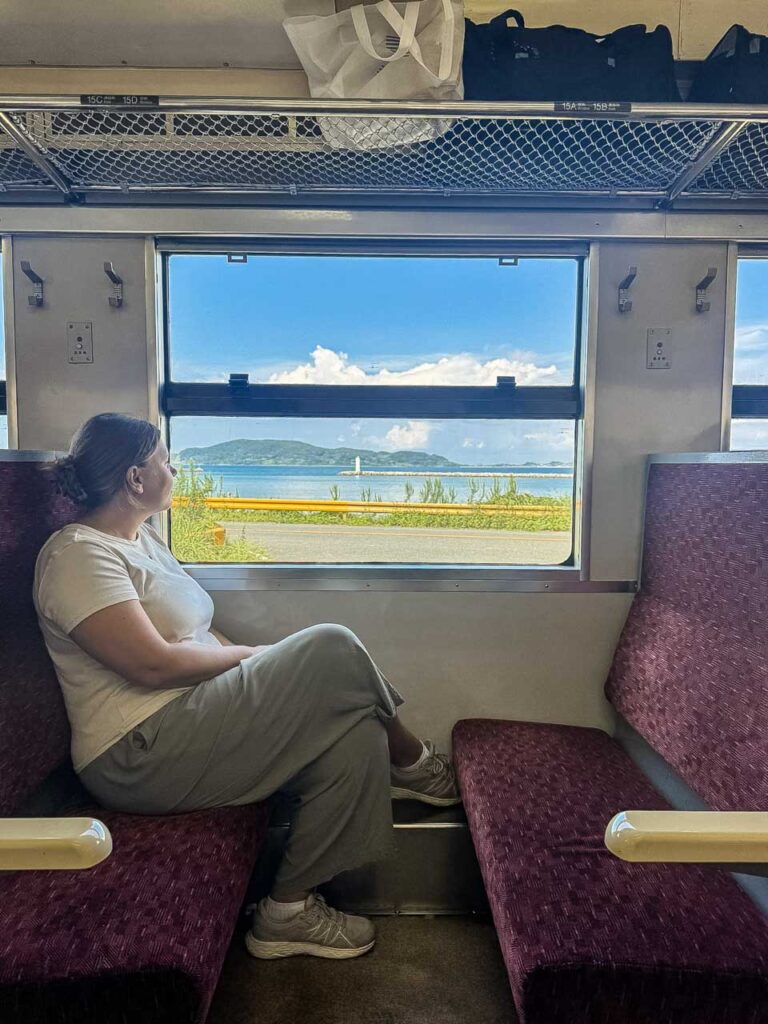
Livia enjoys the peaceful journey through the Java countryside
Indonesia

Jakarta to Yogyakarta by Train: Our Experience & Travel Tips

by Sam July 12, 2018
written by Sam

Latest update: June 2026

One of our favourite travel experiences in Indonesia was taking the train from Jakarta to Yogyakarta. While flying is faster, the train offers something you simply can’t experience from the air: a chance to watch the landscapes of Java slowly unfold outside your window.

We first travelled this route in 2018 and enjoyed it so much that we took the train again a few years later. While some of the booking processes have become more digital over the years, the overall experience remained largely the same. Comfortable seats, friendly staff and some beautiful scenery make this one of the best train journeys in Indonesia.

If you’re travelling between Jakarta and Yogyakarta, we highly recommend taking the train at least once.

Jakarta to Yogyakarta Train Overview
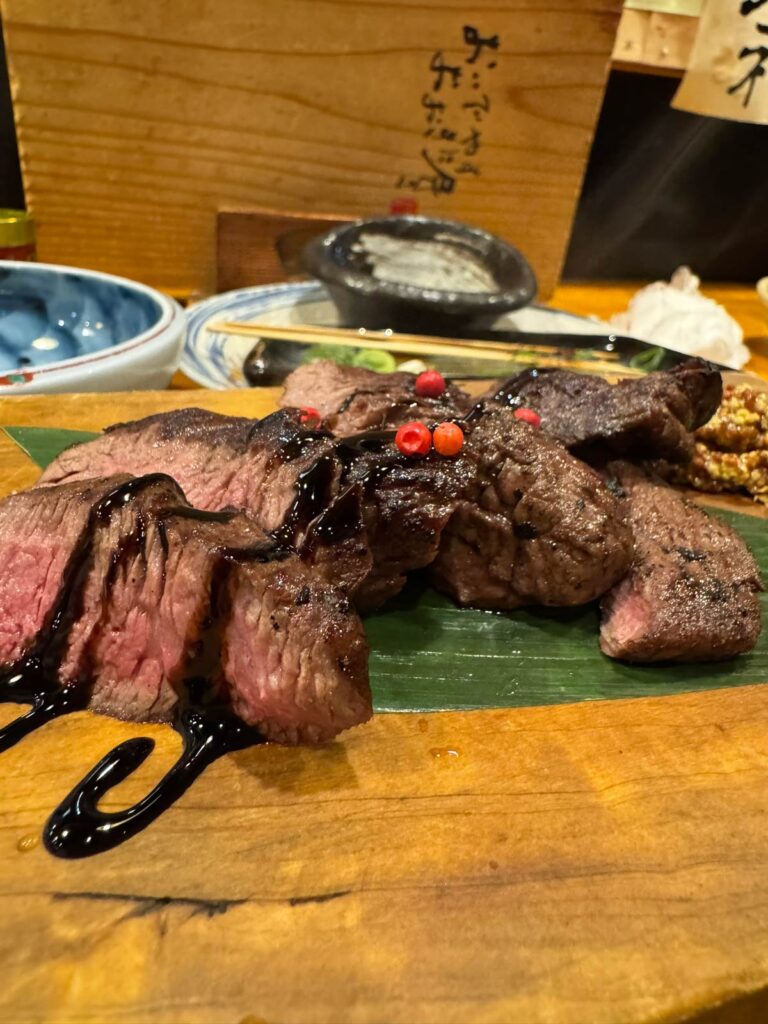
Distance: Approximately 530 km
Journey Time: Around 6 to 9 hours depending on the train service
Cost: Usually between €15 and €35 depending on class and how far in advance you book (for executive class with air-con).

Departure Stations: Various stations in Jakarta, including Gambir and Pasar Senen

Arrival Station: Yogyakarta Tugu Station

We travelled in Executive Class, which we found well worth the extra cost.

Enjoy the stunning countryside of Java from the train

How to Book Train Tickets
On both of our journeys we bought our tickets directly at the station.

When travelling from Jakarta, we used Gambir Station. While there may be queues at some ticket windows, there are usually dedicated service counters where staff can help foreign visitors purchase tickets.

You will need your passport when buying tickets, so make sure to bring it with you.

After purchasing our tickets, we were able to check in using the station’s self-service machines before departure.

These days there are also various online booking options available, but we have always found buying tickets at the station to be straightforward and easy. Make sure to book at least a day in advance since they might run out.

If possible, try to reserve a window seat. The scenery is one of the highlights of the journey.

Food and Drinks on the Train
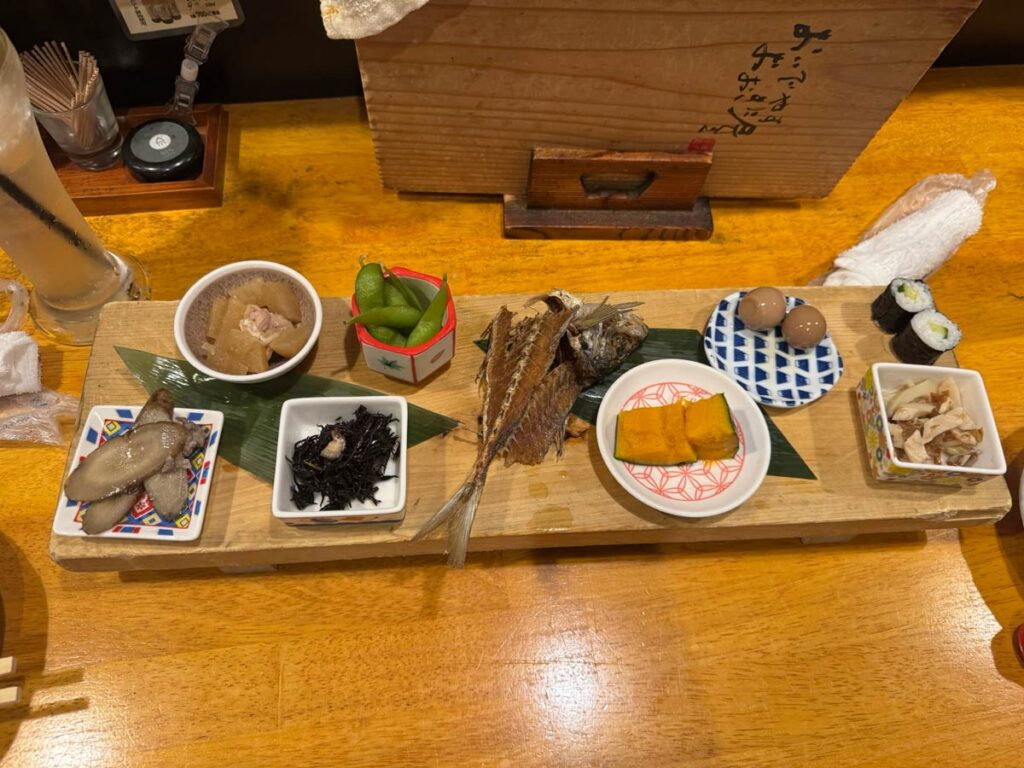
Staff regularly pass through the carriages selling drinks, snacks and simple meals.

There is also a dining car where passengers can buy hot food, coffee and instant noodles.

The food is fairly basic, so we usually bring some extra snacks for the journey. That said, grabbing a bowl of noodles while watching the Javanese countryside roll past the window is part of the experience.

The Journey Through Java

This is where travelling by train really stands out.
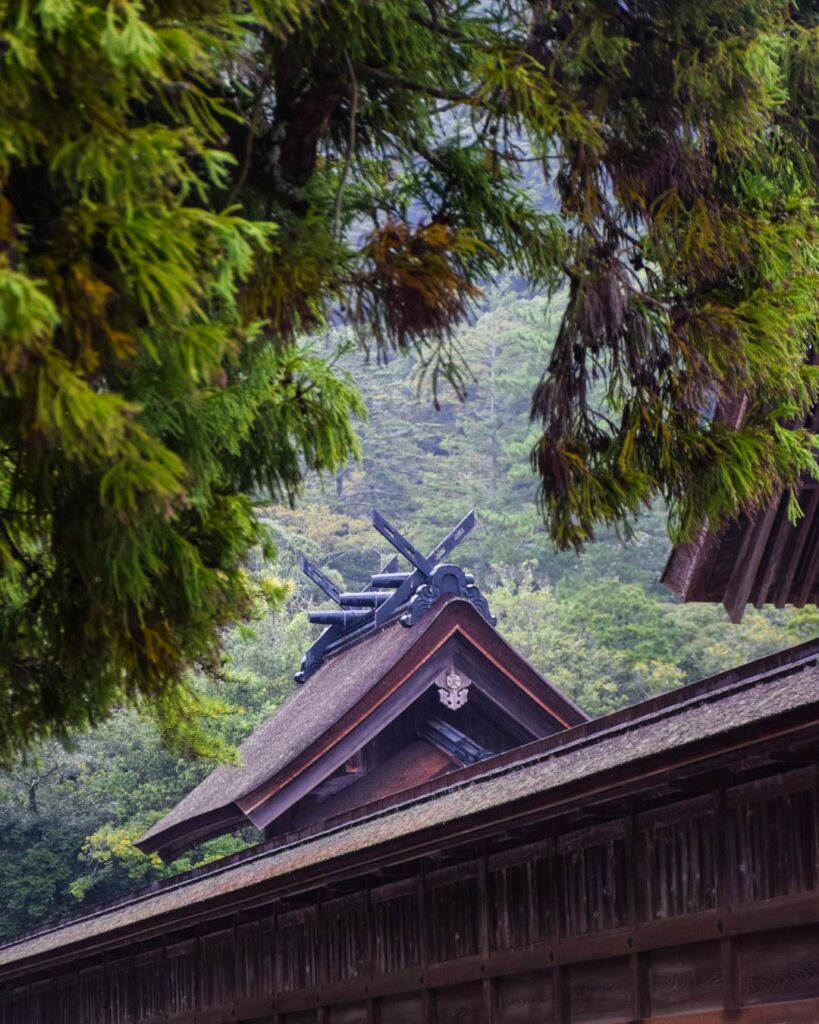
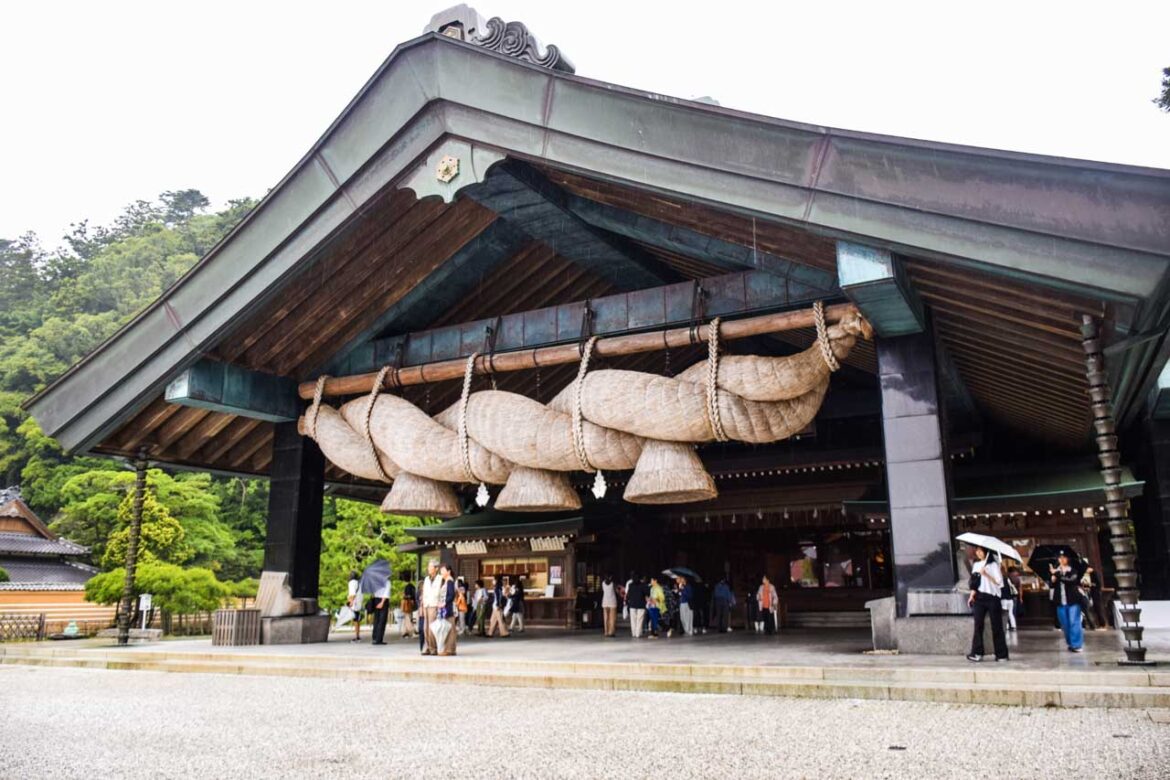
Shortly after leaving Jakarta, the urban landscape begins to fade and is replaced by rice fields, villages and endless stretches of green countryside. As the journey continues, volcanic peaks begin appearing in the distance and the scenery becomes increasingly dramatic.
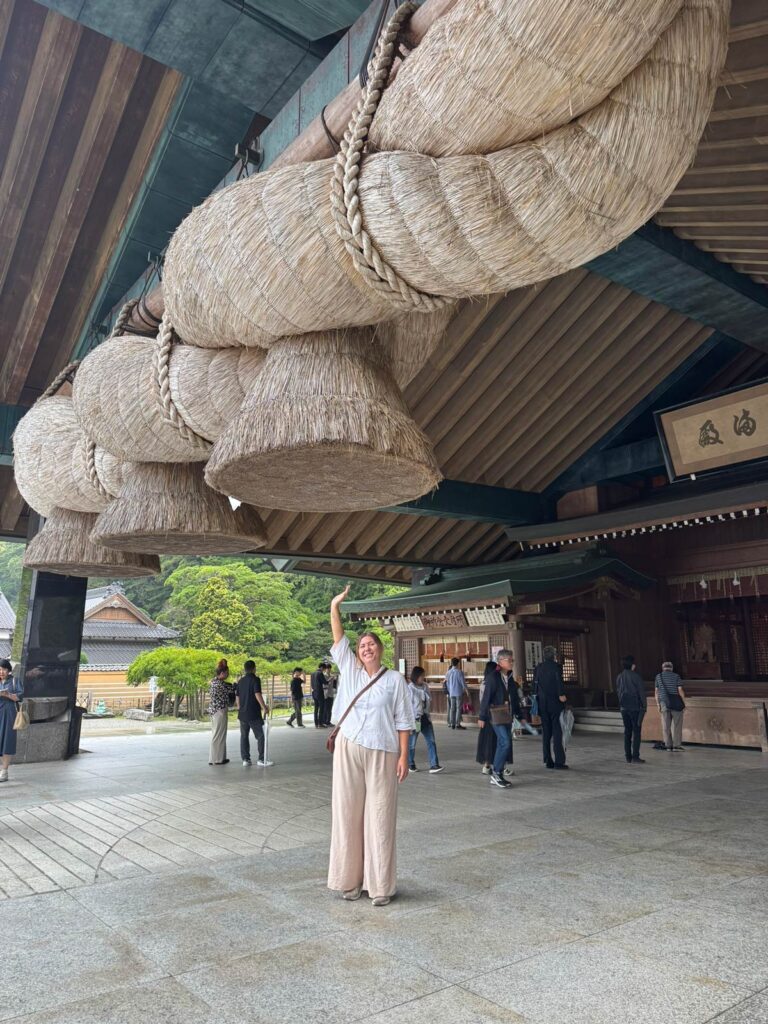
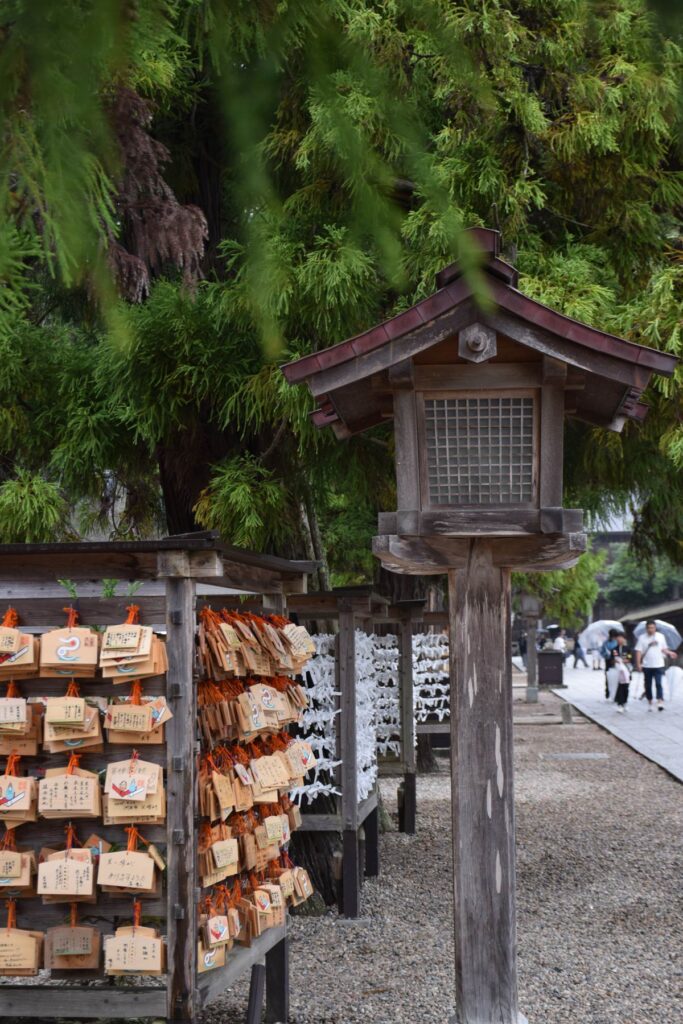
The route offers a fascinating glimpse into everyday life in Java. Small towns, local markets, farms and railway stations pass by throughout the day, giving you a perspective you would completely miss if you flew.

The journey is long enough to feel like an adventure but comfortable enough that the hours pass surprisingly quickly.

Restaurant Car on the train from Jakarta to Yogyakarta

Is the Train Better Than Flying?
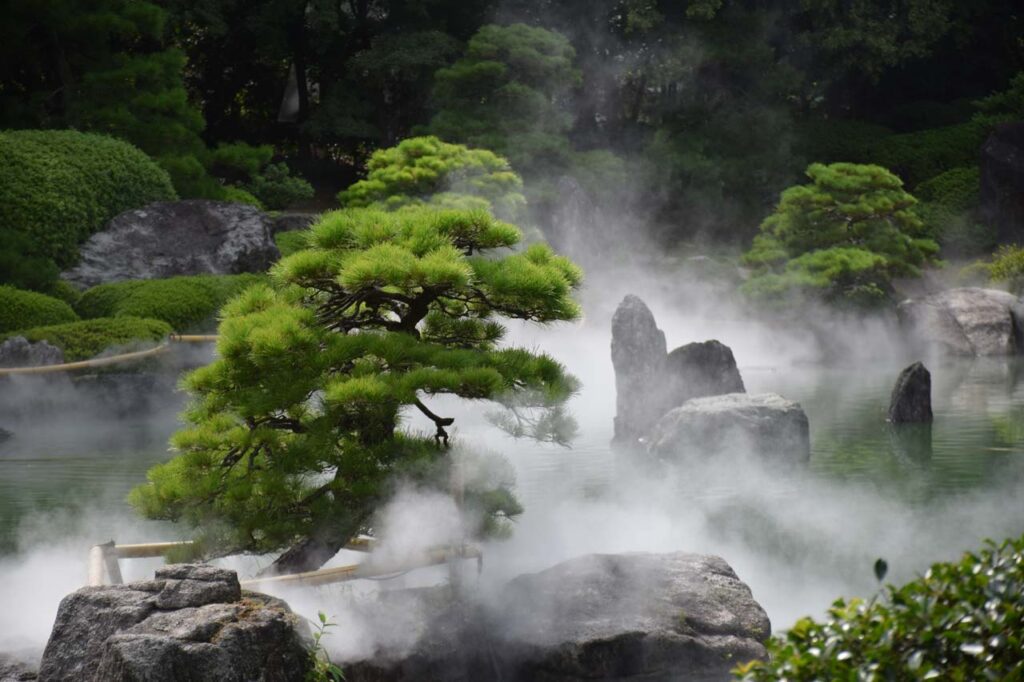
Flying is undoubtedly faster, especially if you are short on time.

However, if you have a flexible schedule, we think the train is by far the more enjoyable way to travel between Jakarta and Yogyakarta. Also getting to the airport in Jakarta can be a pain depending on time of day and traffic.

The cost is comparable, the seats are comfortable and the scenery alone makes the journey worthwhile. Rather than spending half a day navigating airports, you can simply sit back and watch Java unfold outside your window.

Livia enjoys the peaceful journey through the Java countryside

Would We Take the Train Again?
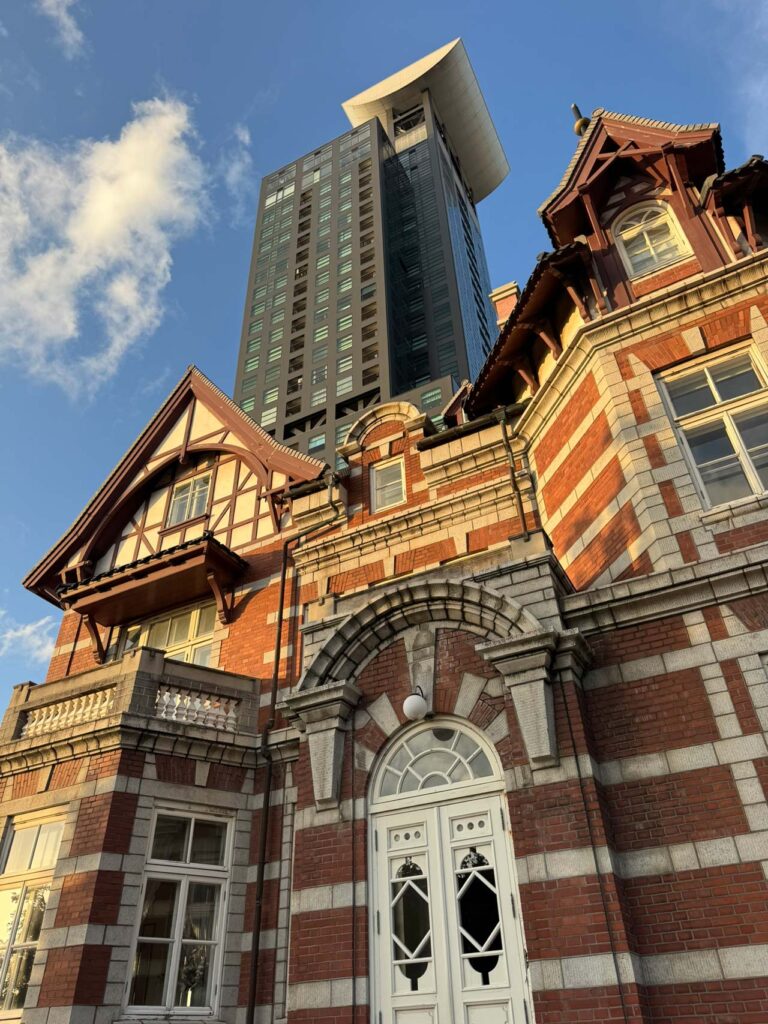
Absolutely.

In fact, we already have.

After taking the train for the first time in 2018, we chose to travel the same route again a few years later. That alone probably says more than any review could.
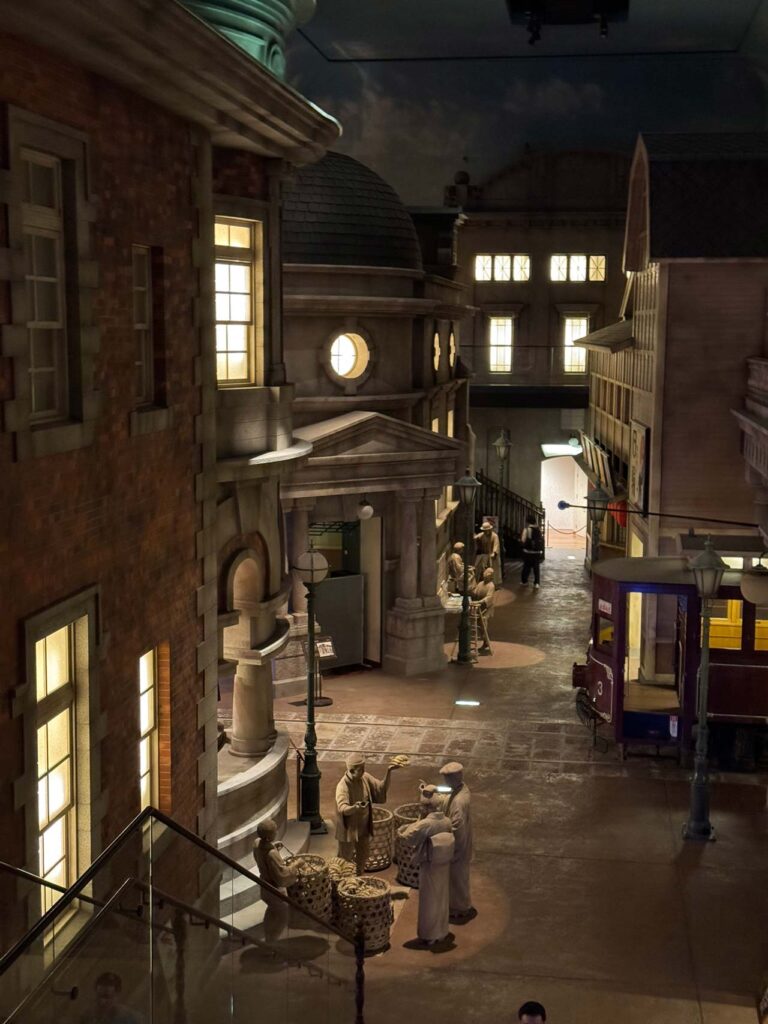
For us, the Jakarta to Yogyakarta train is more than just transportation. It is one of the best ways to experience the landscapes, culture and atmosphere of Java, and we would happily choose it again on a future trip.
July 12, 2018 0 comments
FacebookTwitterPinterestLinkedinRedditStumbleuponWhatsappTelegramThreadsOpenAIChatGPTEmail
Newer Posts
Older Posts

Recent Posts

  • Our 3-Month Balkans Itinerary: 93 Days by Bus Through Southeast Europe

  • Subotica: Serbia’s Most Beautiful Surprise

  • A Short Guide to Novi Sad

We use Safetywing

We use THS

Trusted House Sitters

Here’s 25% off your annual membership to TrustedHousesitters - thanks to your pet loving pals at LBSBWorld.

Join now with 25% Off!

We use NordVPN

NordVPN

Get 3 months of NordVPN right now!


The best VPN service for a free, open internet

Get NordVPN!

We use Wise

Wise

Get Zero Fees on a transfer up to €500


Spend in 150+ countries like a local with Wise card

Get Wise!

©2026 LBSBWorld - All Right Reserved - Designed and Developed by Livia & Sam

LBSB World
  • Home
  • Destinations
    • Africa
      • Namibia
    • Asia
      • China
      • Indonesia
    • Europe
      • Albania
      • Bosnia-Herzegovina
      • Croatia
      • Montenegro
      • Netherlands
      • North Macedonia
      • Serbia
    • North America
      • Dominican Republic
  • Travel Itineraries
    • Our 9-Day Namibia Tour with Chameleon Safaris: An Honest Review
    • Our 2 Week Albania Itinerary
    • Bosnia and Herzegovina Itinerary: Our 1 Month Route by Bus
    • Namibia Self Drive: Everything We Learned Driving a 4×4 Across Namibia
    • Our 3-Month Balkans Itinerary: 93 Days by Bus Through Southeast Europe
  • Plan Your Trip
    • How to Deal with Travel Burnout (And Start Enjoying Travel Again)
    • Sam’s Fulltime Travel Packing List
    • Using Trusted House Sitters to Support Your Travels
    • Namibia Self Drive Safari vs Guided Tour: Which Is Better?
  • About Us
    • About Sam & Livia
    • The Story Behind Our Full-Time Travel Life
    • abearcalledpaddington