Top Posts
Best Day trips from Sendai
The Sendai Travel Guide: Real Japan
A Self-Guided Art Walk in Kigali: Exploring Kacyiru’s Art Centres
Windhoek Travel Guide: Is Namibia’s Capital Worth Visiting?
Kibiji Cycling Route Rentals: A Day Trip from Okayama
Okayama Travel Guide: A Practical Base for Kurashiki and the Kibi Plain
Is Tottori Worth Visiting on a Japan Trip?
North Sumatra Itinerary: Bukit Lawang, Berastagi & Lake Toba
Lake Toba & Samosir Island: Is It Worth Visiting?
Mount Sibayak Sunrise Hike: Our Experience in Berastagi, Sumatra
LBSB World
  • Home
  • Destinations
    • Africa
      • Namibia
      • Rwanda
    • Asia
      • China
      • Indonesia
      • Japan
    • Europe
      • Albania
      • Bosnia-Herzegovina
      • Croatia
      • Montenegro
      • Netherlands
      • North Macedonia
      • Serbia
    • North America
      • Dominican Republic
  • Travel itineraries
  • Plan your trip
  • About Us
    • About Sam & Livia
    • The Story Behind Our Full-Time Travel Life
    • abearcalledpaddington
Category:

Japan

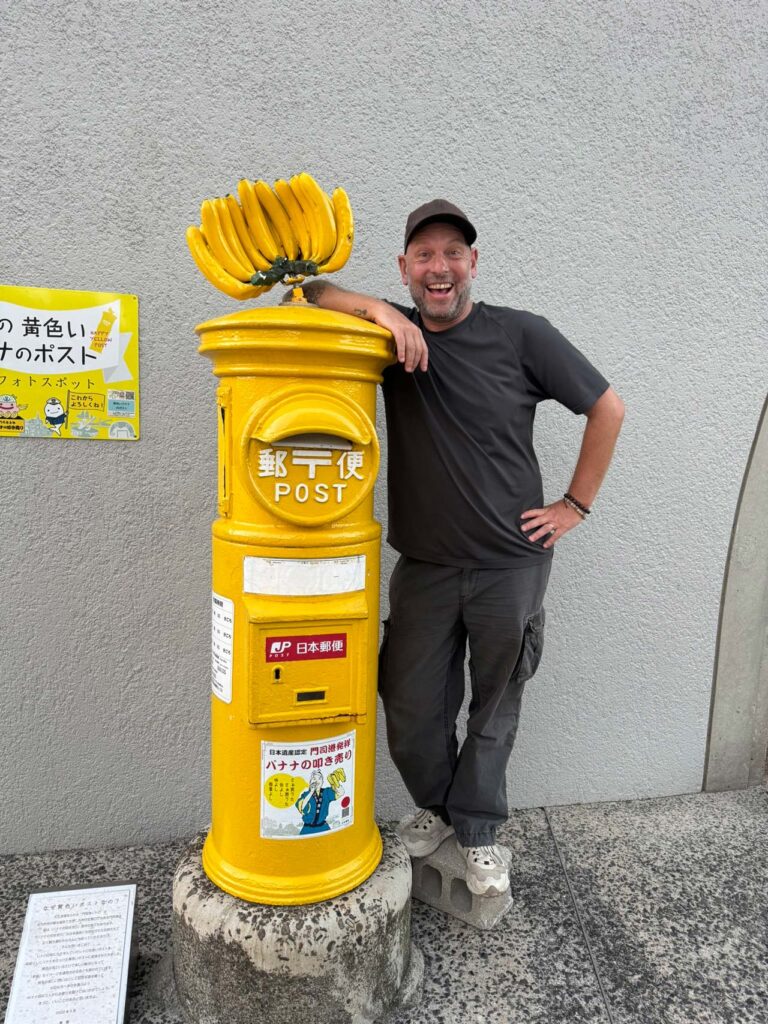
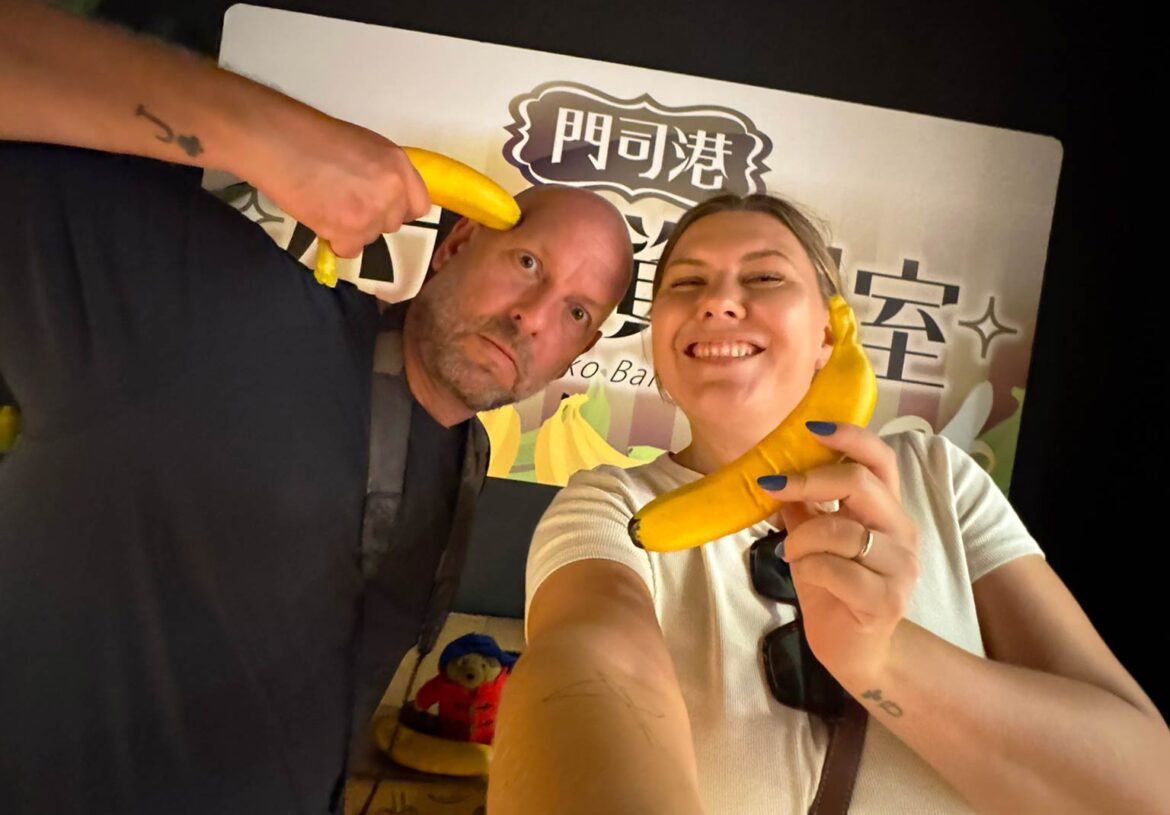
Your Banana Called!
Japan

Is Mojiko Worth Visiting? A Retro Port Stop Before Honshu

by Sam July 17, 2026
written by Sam

Mojiko, also known as Mojiko Retro, is a small port town at the northern tip of Kyūshū, just across the Kanmon Strait from Honshu. It isn’t the kind of place we’d tell you to cross Japan for on its own, but as a short stop before heading towards the San-yō or San-in Line, it worked beautifully.

Mojiko was our second stop on our 23 day slow regional train route through western Japan, and it made a charming pause before crossing from Kyūshū to Honshu.

It has a beautifully restored old train station, retro streets, sea views, banana-themed everything, curry, museums, a wharf, and one of the best-value hotel rooms we had on the whole trip. It’s compact, easy to explore, and ideal for one or two relaxed nights.
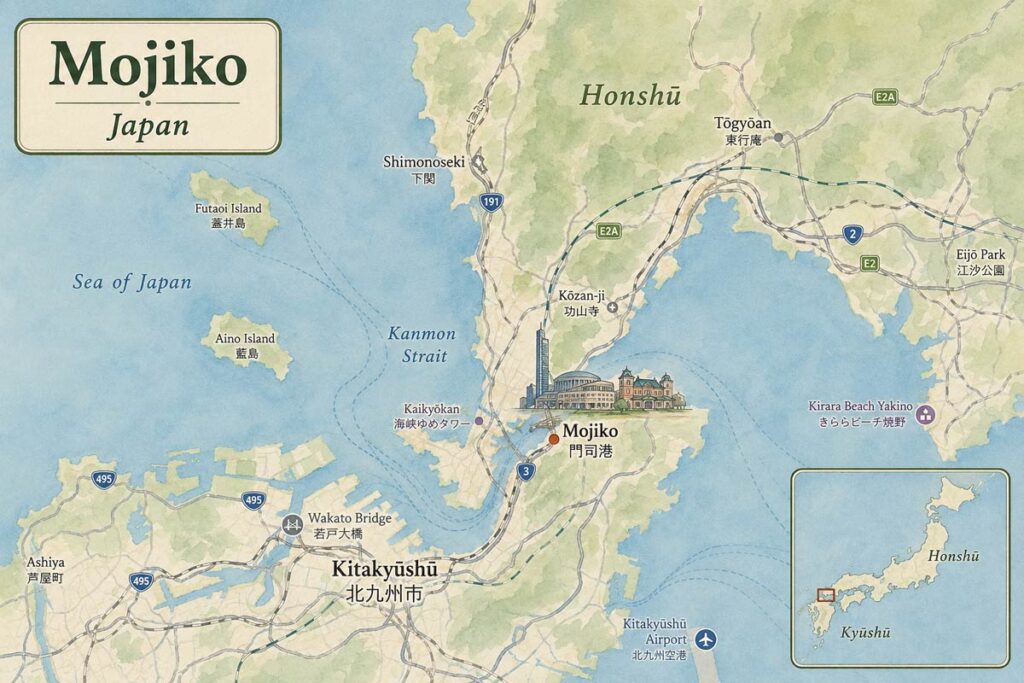
Mojiko Map
Mojiko Map
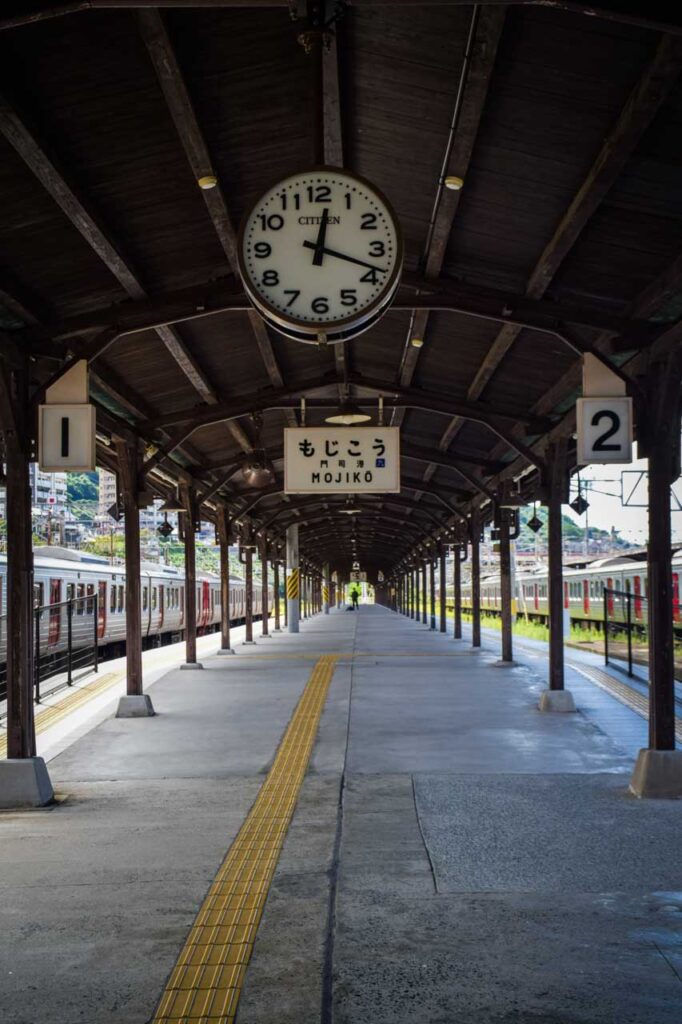
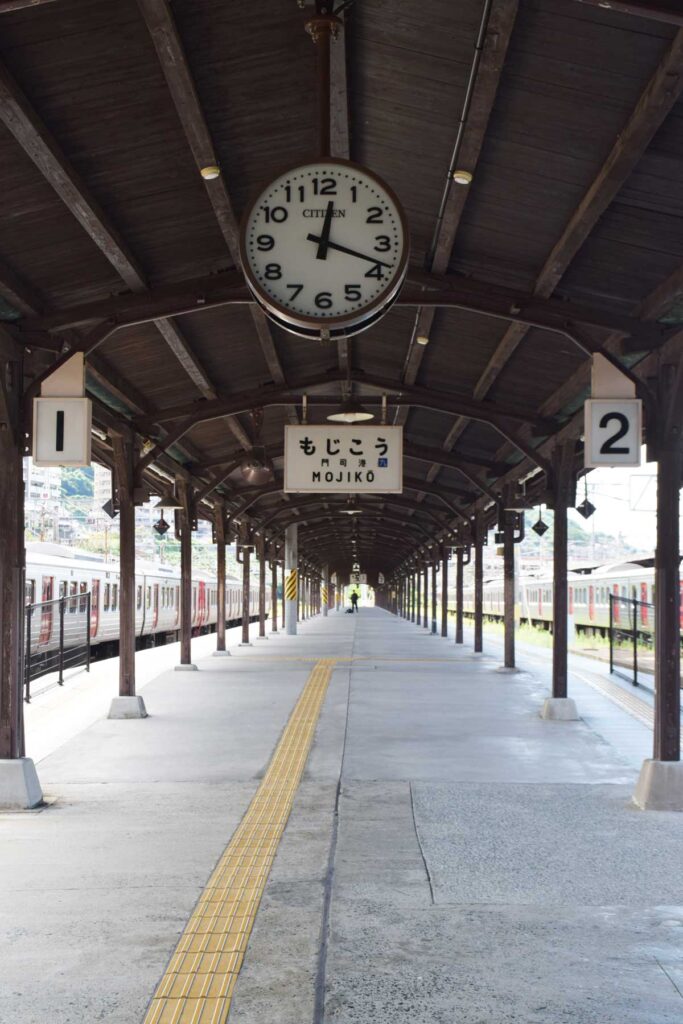
Mojiko Train Platform
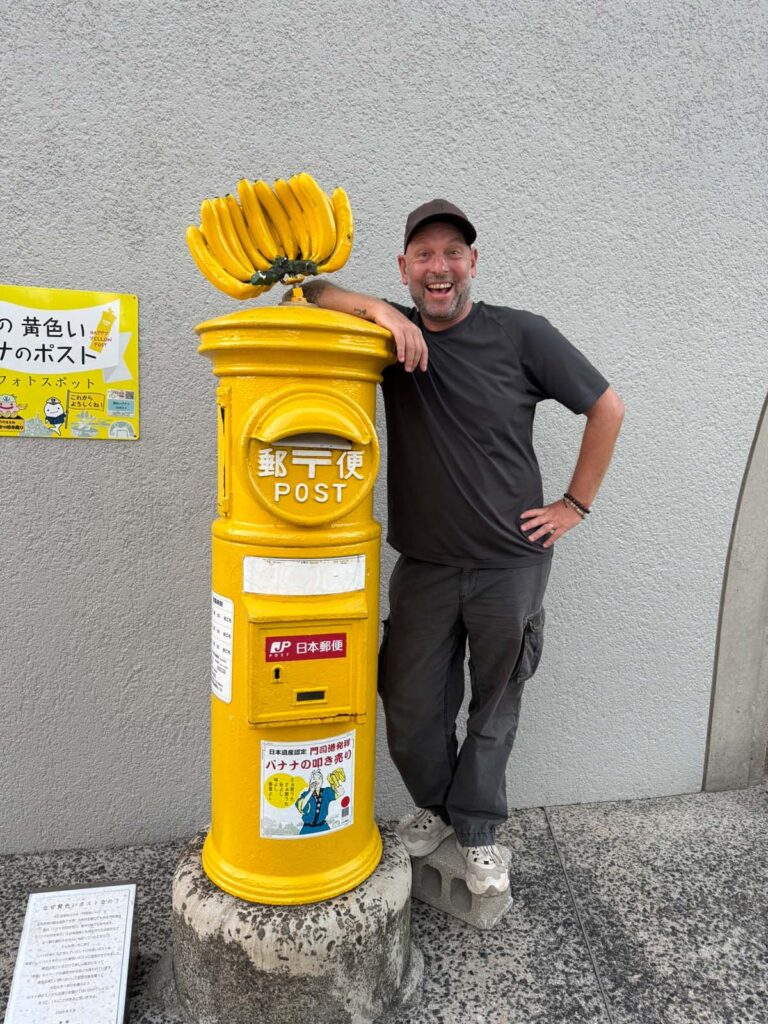
Even the postbox features bananas!
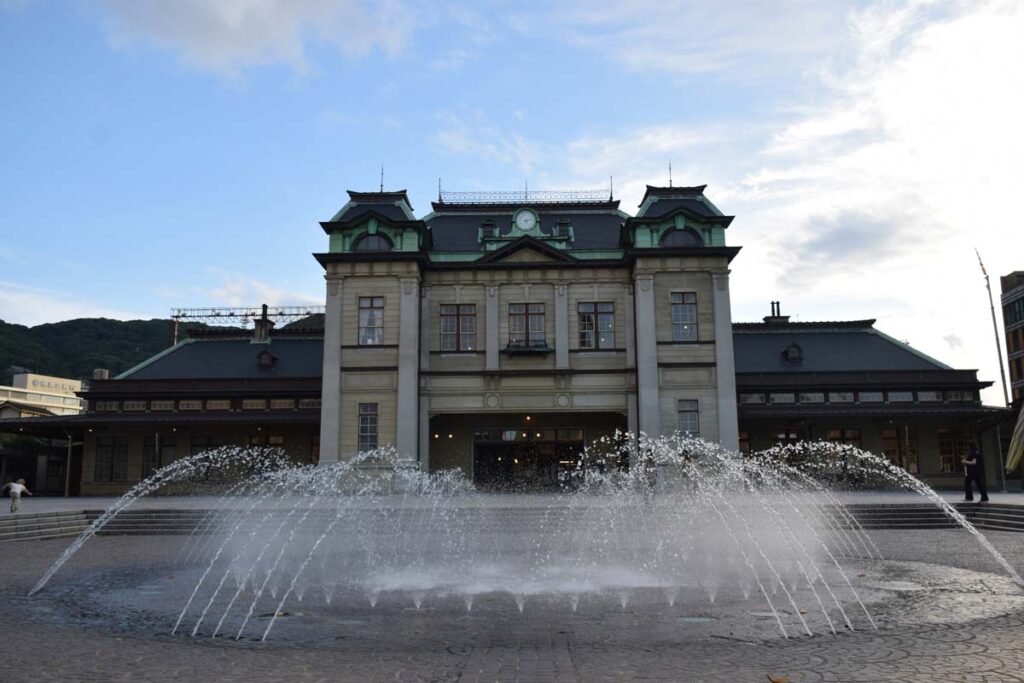
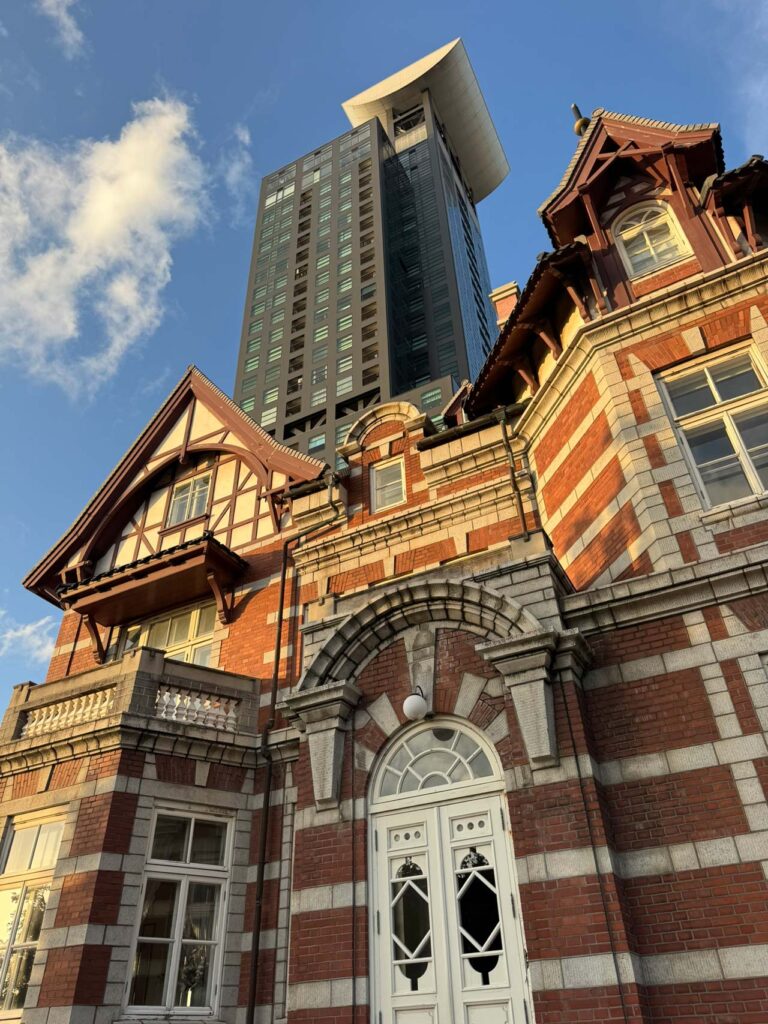
The charming Mojiko Train station

Why Visit Mojiko?

Mojiko is worth visiting if you enjoy small historic towns, retro architecture, quiet waterfronts and slightly quirky places. It doesn’t have the scale or drama of Japan’s major tourist cities, but that is part of the charm.

The town is branded as “Mojiko Retro”, and the area around the station and waterfront has a nostalgic, early 20th-century feel. You’ll find old buildings, sea views, museums, cafés, curry restaurants and the famous Bananaman statue.

It’s also a practical stop if you’re travelling by regional train. From Mojiko, it’s easy to continue towards Honshu and connect with Shimonoseki before heading along the San-yō or San-in route.

Where to Stay in Mojiko

We stayed at Premier Hotel Mojiko, and it was the biggest and best-value room of our entire 23 day slow regional train trip through western Japan.

The hotel is right by the waterfront, close to Mojiko Station, the wharf, restaurants and the main retro area. Our room had lovely views over the port, and the location made everything easy to reach on foot.

For a short stay in Mojiko, we’d recommend staying close to the station or waterfront. The town is small, so being central means you can arrive by train, drop your bags and start exploring almost immediately.

Things to Do in Mojiko

Take Your Time at Mojiko Station

Mojiko Station is one of the loveliest things about arriving here, so don’t rush off the platform as soon as your train pulls in. Take a moment to turn around, look back and enjoy the retro station atmosphere before heading out.

The station building itself is beautiful from the outside too, with a restored historic design that sets the tone for the rest of Mojiko Retro. It’s not just a transport stop; it’s part of the experience.

The charming Mojiko Train station

Wander Around Mojiko Retro

The main Mojiko Retro area is compact and easy to explore on foot. You’ll find old buildings such as the Former Moji Customs Office, waterfront views, small museums, cafés, restaurants and plenty of banana-themed details scattered around town.

It’s a nice place to wander without a strict plan. The charm is mostly in the atmosphere: the old station, the wharf, the sea air and the slightly unusual retro branding.

Find the Bananaman Statue

One of Mojiko’s quirkiest claims to fame is its banana connection. Bananas became linked with the town because Mojiko was once an important port for imported bananas, especially from Taiwan and Southeast Asia. Over time, banana selling and “banana叩き売り” street performances became part of the town’s identity.

Today, that history shows up in a much sillier way: banana souvenirs, banana curry, banana signs and the Bananaman statue near the waterfront. It’s odd, but fun, and very Mojiko.

Visit Mojiko Retro Observation Gallery

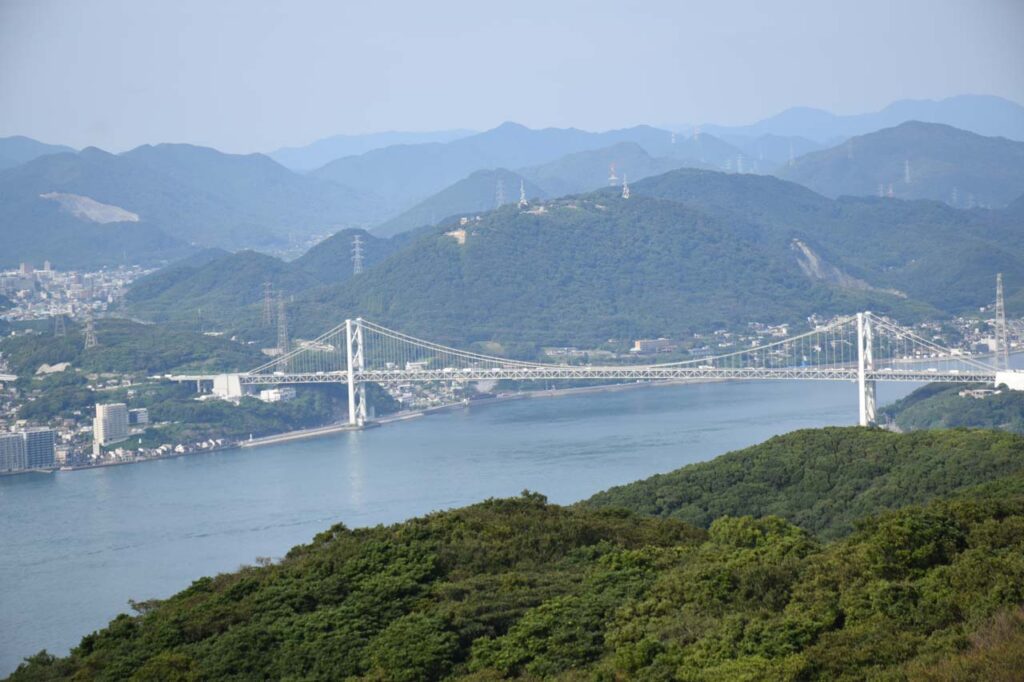
The Mojiko Retro Observation Gallery is one of the best places to get a proper view over the town and the Kanmon Strait. From above, you can see Mojiko’s waterfront, the bridge, the sea traffic and Honshu across the water.

It’s especially useful early in your visit because it helps you understand how the town sits between Kyūshū and Honshu. Mojiko is small, but from the observation deck, the location feels much more dramatic.

Strait views from the Kanmon Museum rooftop
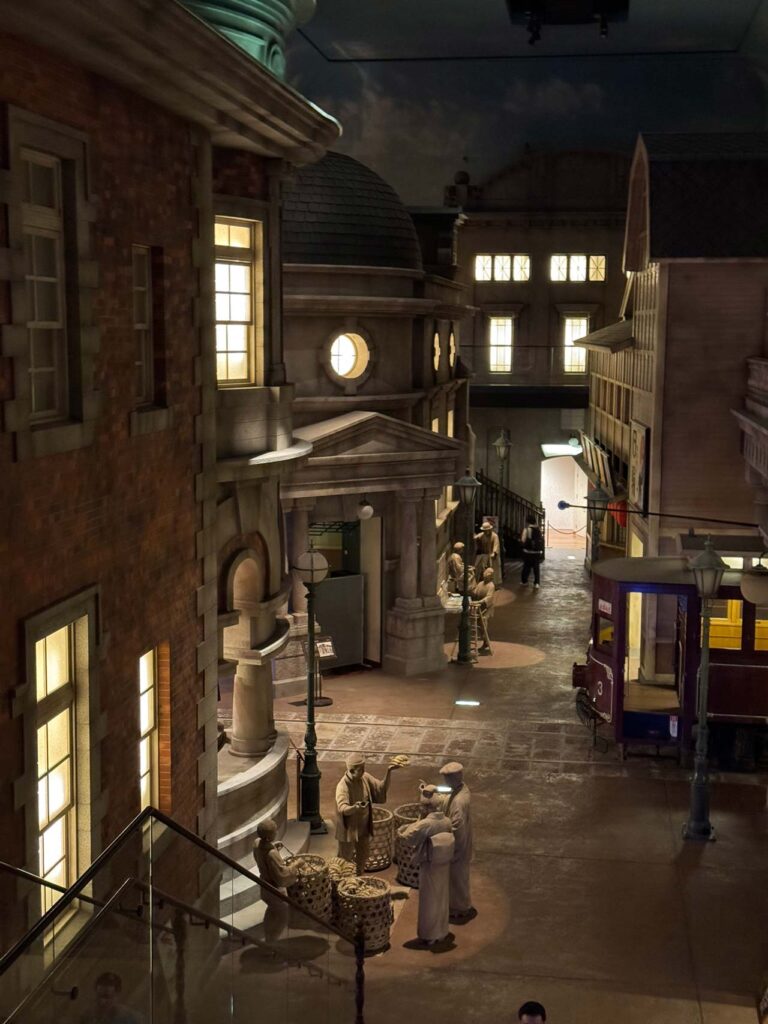
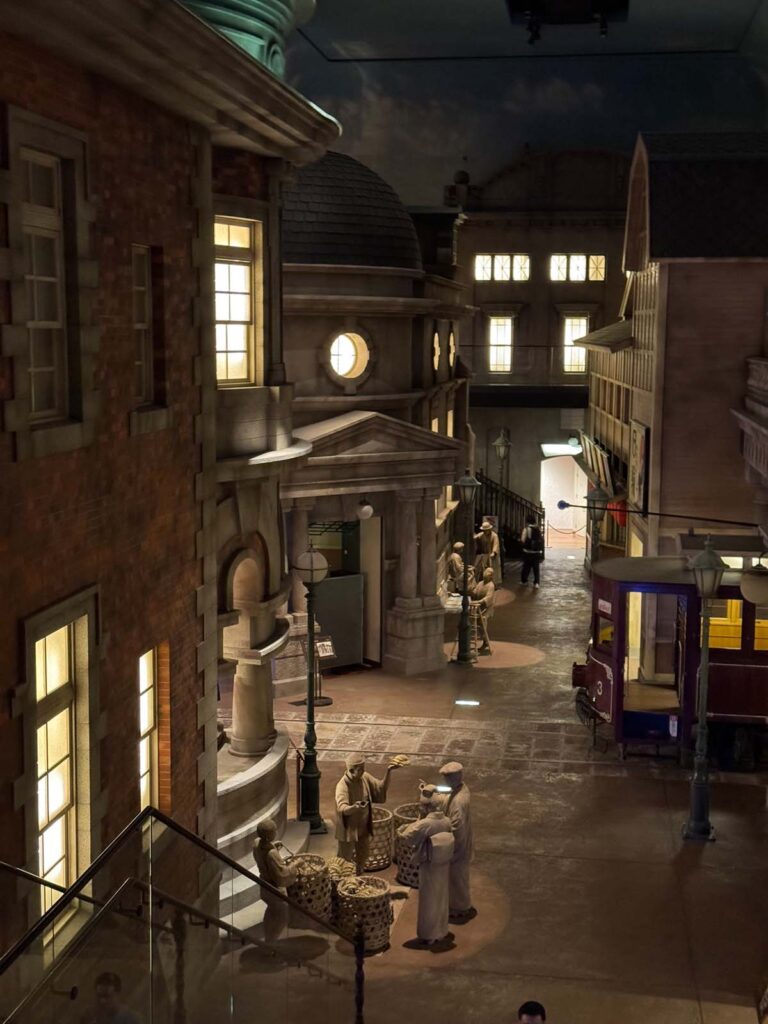
Retro vibes at The free exhibition area on the first floor of the Kanmon Strait Museum

Visit the Kanmon Strait Museum

The Kanmon Strait Museum is close to the waterfront and focuses on the history and culture of the strait between Kyūshū and Honshu. We especially liked that you can go up to the café area for free and enjoy the views.

Even if you don’t spend much time in the museum itself, the building is worth stopping by for the location. The café views make it an easy and low-effort break while walking around Mojiko.

Stop at Retro Mojiko Old Street Museum

Adjoining the Kanmon Strait Museum is The Retro Mojiko Old Street Museum, also known as 海峡レトロ通り, is free to visit and gives you a small glimpse into the town’s nostalgic side. It’s not a huge attraction, but it fits well with the retro theme of the area.

For a short Mojiko itinerary, it’s a good quick stop between the station, wharf and observation area. You can walk quite easily to all three.
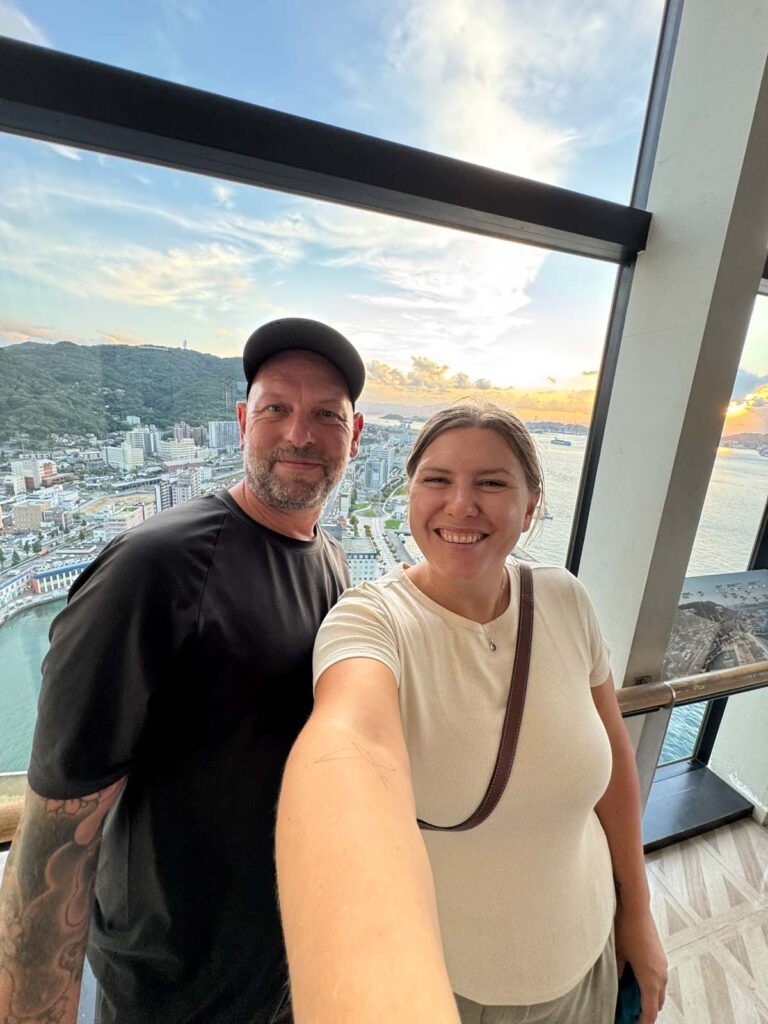
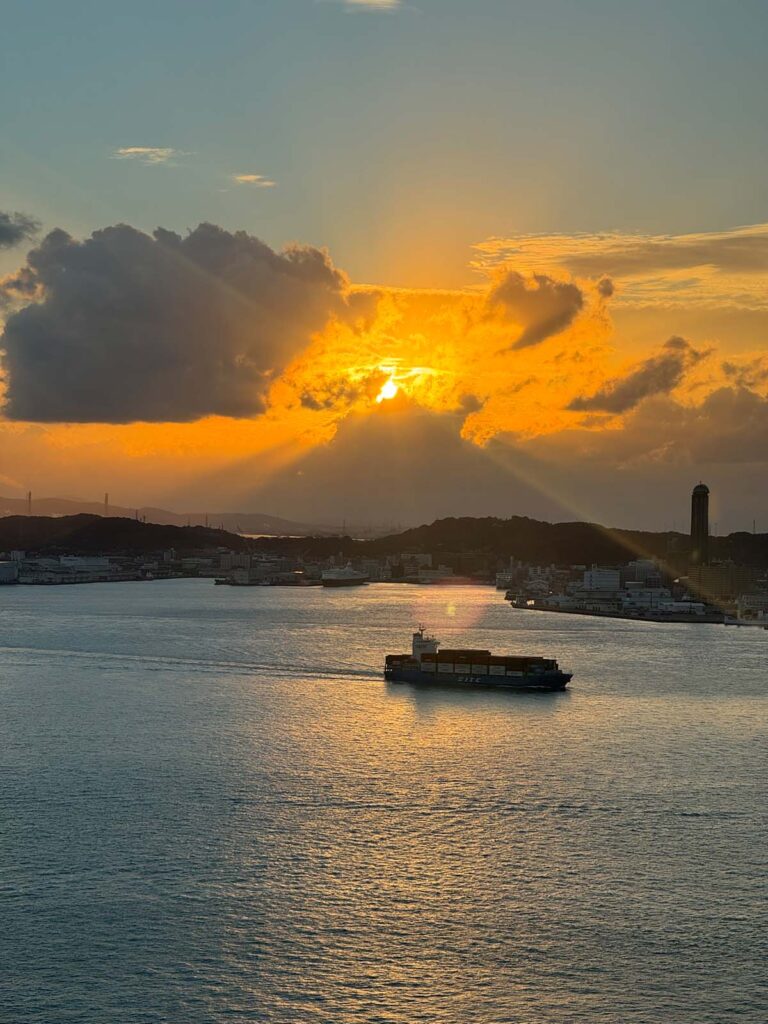
Views from the top of the Mojiko Retro Observation Gallery
Sunset views from the top of the Mojiko Retro Observation Gallery
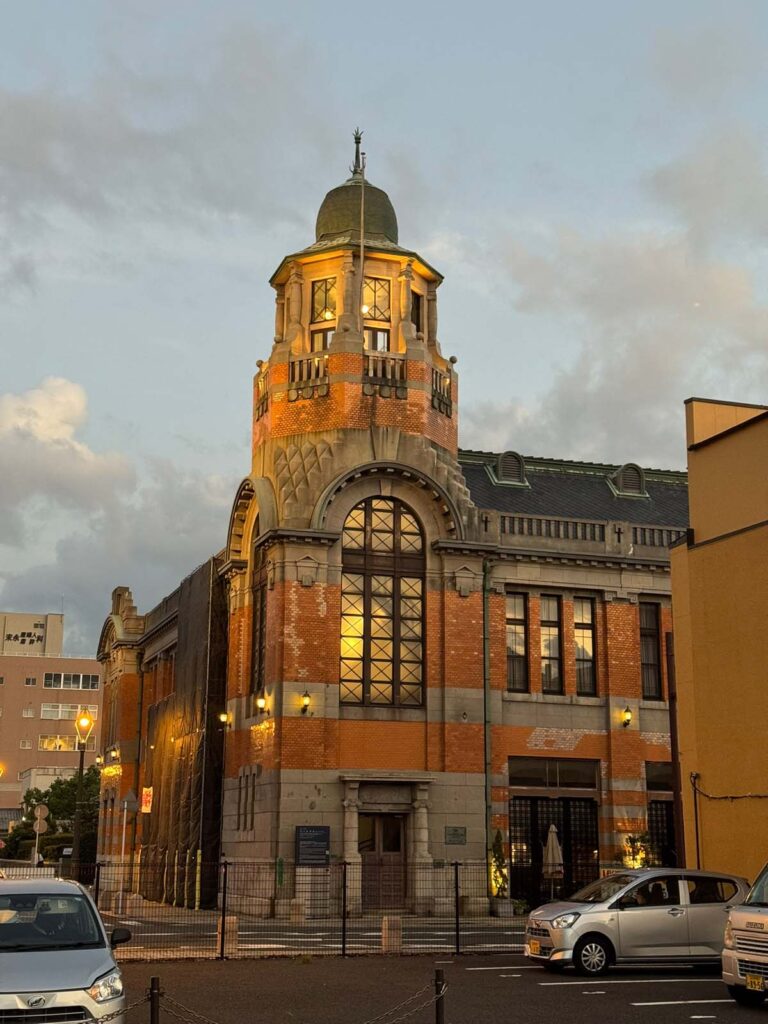
The Old Mitsui O.S.K. Lines Ltd. Building

Hike to Mt. Kazagashira Observatory

If you want a proper walk, continue towards Mt. Kazagashira Observatory. The hike is worth it for the views over the strait, Mojiko and the surrounding coastline.

It’s a good option if you have an extra half day in town and want to do more than just the retro waterfront. The views from the top made Mojiko feel much bigger and more scenic than it first appeared.

To start, Walk to Kifune Shrine and follow the path and signs up the hill. We like adding small shrines like this to our routes because they break up the sightseeing and give you a better sense of everyday Japan away from the main tourist corners.
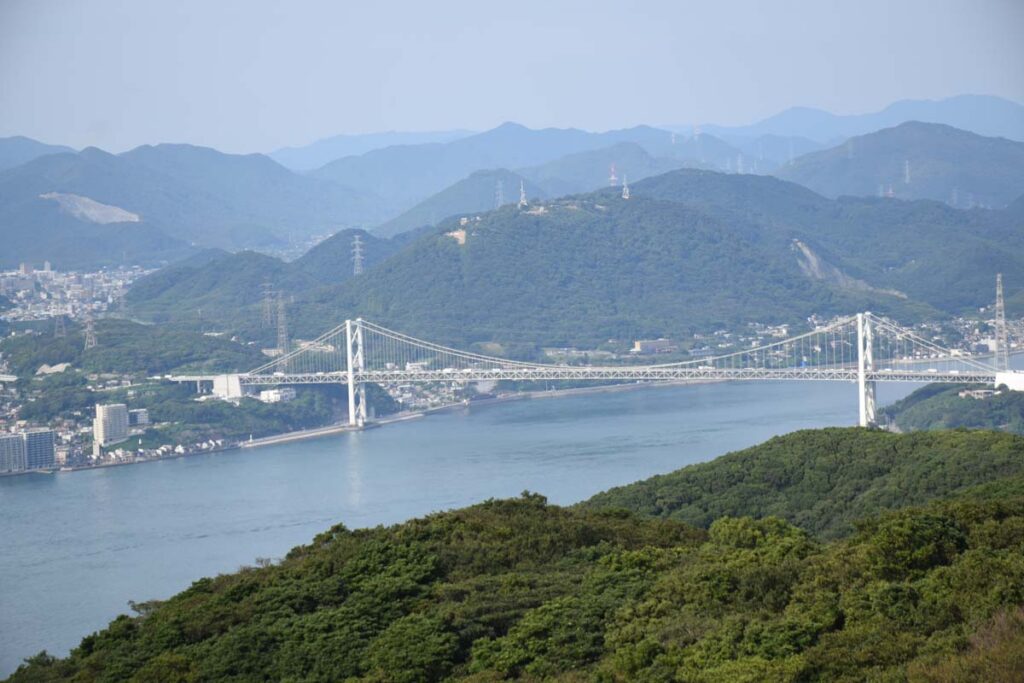
Kanmon Strait from Mt. Kazagashira Observatory

Consider the Kyushu Railway History Museum

Mojiko also has the Kyushu Railway History Museum, though we didn’t visit it ourselves. If you like trains, it could be worth adding to your itinerary.

There is even a small train you can drive around, which looked like the kind of slightly odd but fun activity Japan does so well.

Where to Eat in Mojiko

Curry Honpo Mojiko Retro

Mojiko is known for banana curry, and Curry Honpo Mojiko Retro is one of the obvious places to try it. Banana curry sounds strange, but in Mojiko it makes sense because of the town’s banana history.

It’s the kind of local speciality that is definately worth trying once, especially when a place has built so much of its identity around it.

Would you try Banana Curry?!
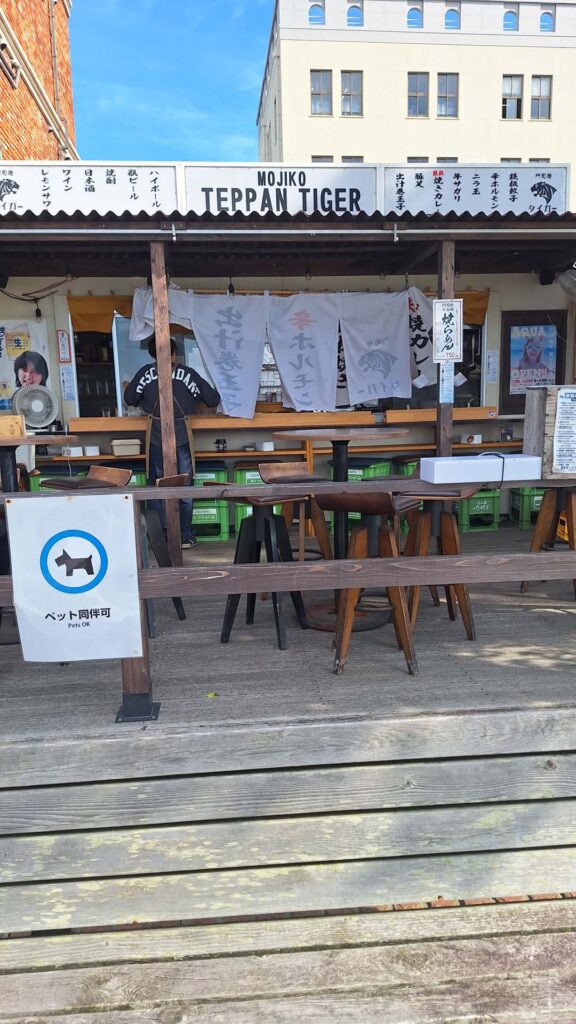
Sundowner spot Teppan Tiger

Mojiko Teppan Tiger

We also ate at 門司港鉄板タイガー, or Mojiko Teppan Tiger, a teppanyaki restaurant in Mojiko. It was a good casual meal and a nice option if you want something hot, filling and straightforward after walking around town. It’s right on the waterfront, which makes a great spot for a sundowner.

Mojiko isn’t a huge food destination, but for a short stay, there are enough good options around the retro area and waterfront.

How Long Do You Need in Mojiko?

Mojiko works best as a short stop. We stayed two nights, which felt just right for seeing the retro waterfront, taking in the views and adding a walk up to Mt. Kazagashira Observatory.

1 Night

One night is enough if you arrive early, explore Mojiko Retro, see the station, visit the observation gallery, eat curry, grab aphoto with Bananaman and continue onwards the next day.

2 Nights

Two nights gives you a more relaxed visit. You can add the Kanmon Strait Museum, Kifune Shrine, the hike to Mt. Kazagashira Observatory and still have time to enjoy the waterfront without rushing.

How to Get from Mojiko to Honshu

Mojiko sits just across the Kanmon Strait from Honshu. You can take a ferry across the water, which sounds like the more scenic option, but it isn’t necessarily the cheapest or most practical route.

For us, the easier and cheaper option was to take the train back to Moji, then continue through to Shimonoseki on Honshu. From there, you can connect with the San-yō Line and continue your journey west or east.

If you’re travelling by regional train, Mojiko makes a neat pause before crossing from Kyūshū to Honshu.
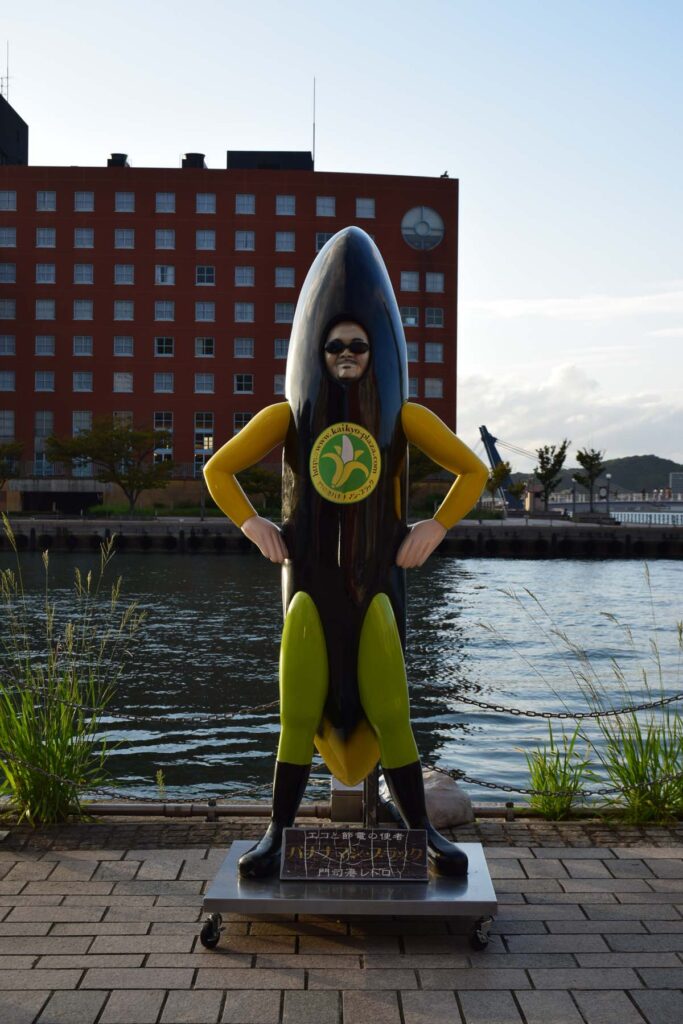
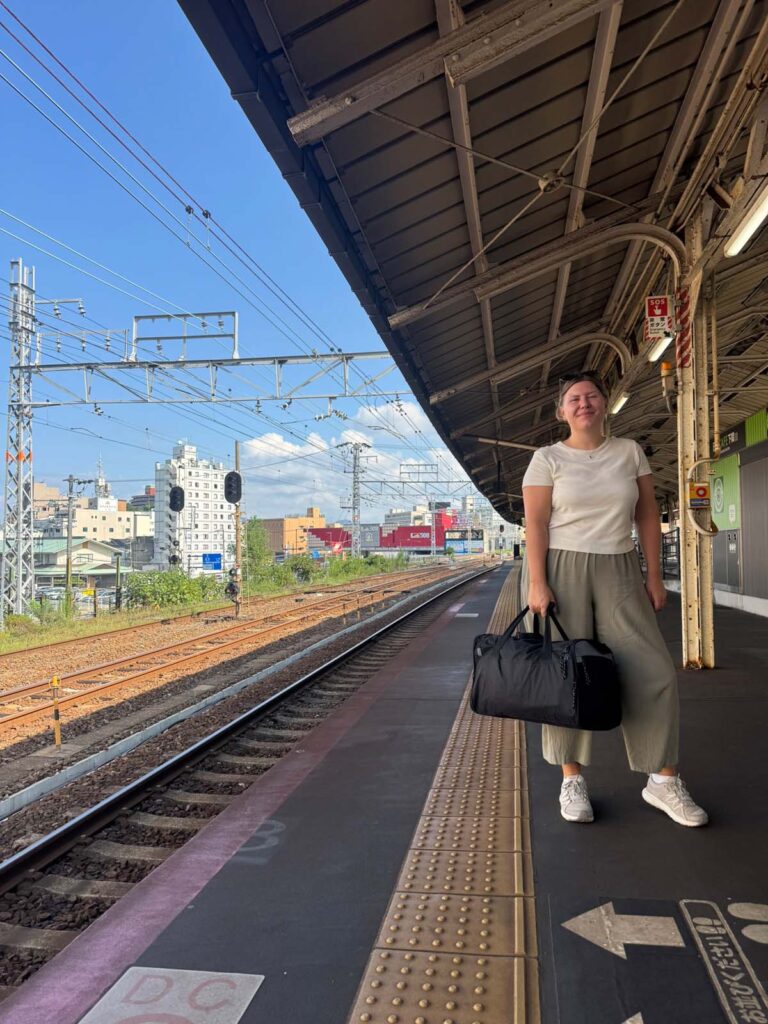
Find Bananaman!
Find Bananaman!
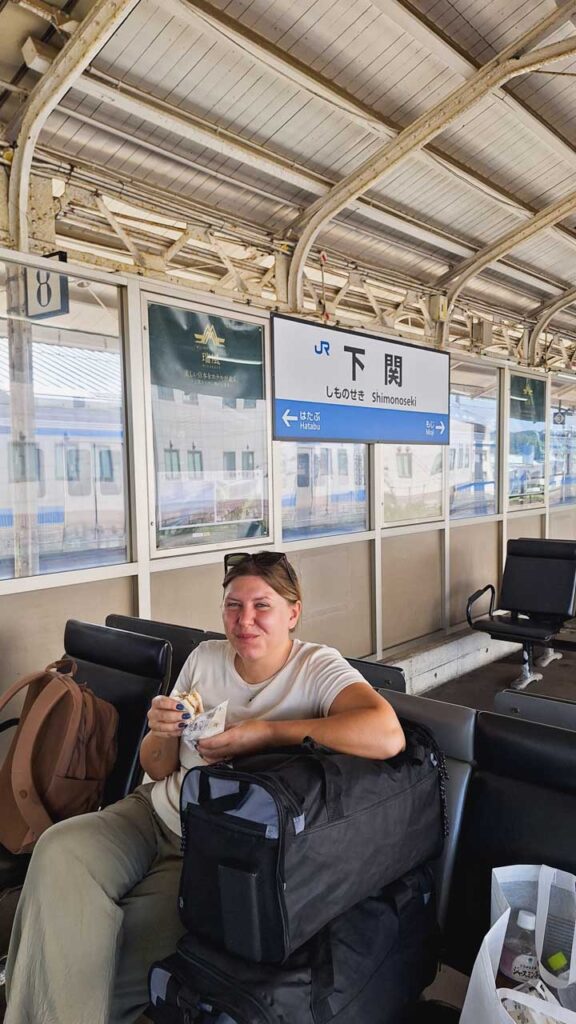
On the platform at Shimonoseki

Is Mojiko Worth Visiting?

Mojiko is worth visiting if it fits naturally into your route. It’s not a place we’d build an entire Japan trip around, but as a short retro port stop before Honshu, it was charming, easy and memorable.

The old station, banana theme, waterfront views, observation deck, quiet streets and good-value hotel made it a fun break between bigger travel days.

If you’re heading towards Shimonoseki, the San-yō Line or the San-in Line, Mojiko is well worth adding as a relaxed stop along the way. Mojiko made a great stopover point for our 23 day slow train route through western Japan.
Save the pin

July 17, 2026 0 comments
FacebookTwitterPinterestLinkedinRedditStumbleuponWhatsappTelegramThreadsOpenAIChatGPTEmail
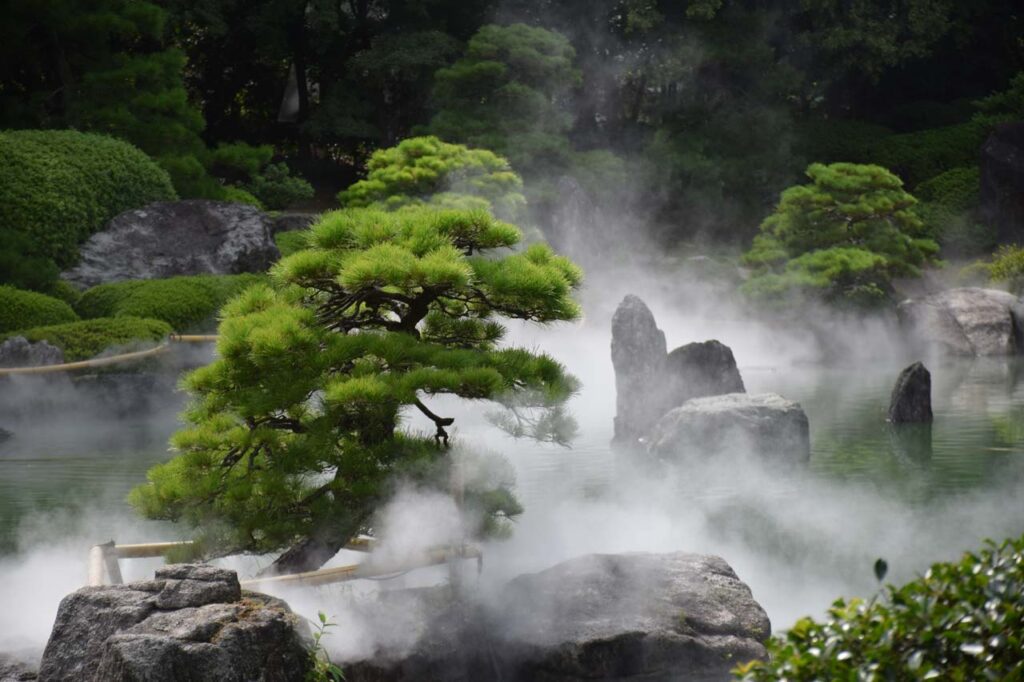
Ohori Park Japanese Garden
Japan

Is Fukuoka Worth Visiting? A Calmer, Less Touristy Side of Japan

by Sam July 16, 2026
written by Sam

Is Fukuoka worth visiting? We think so, especially if you want a Japanese city that feels calmer, easier to handle and less touristy than Tokyo, Kyoto or Osaka before heading deeper into Kyūshū or along the San-In Line. This Fukuoka travel guide covers where to stay, what to do, where to eat, how long to spend in the city, and the practical tips we found useful during our stay.

Fukuoka was the starting point for our slow travel route through western Japan, and it turned out to be a gentle, easy introduction back into the country. Located on Kyūshū, Japan’s southern main island, Fukuoka has everything you want from a Japanese city without feeling overwhelming.

At first glance, it can look like another modern Japanese city: grey buildings, convenience stores, shopping streets, ramen shops and busy stations. But once we slowed down, Fukuoka became much more enjoyable. We found peaceful parks, excellent coffee, friendly neighbourhoods, shrines, castle ruins, easy transport and some seriously good food.

It may not have the obvious drama of Kyoto or Tokyo, but that’s exactly why we liked it. Fukuoka felt practical, relaxed and very liveable, making it a great first stop in Japan or a useful base before exploring more of Kyūshū.

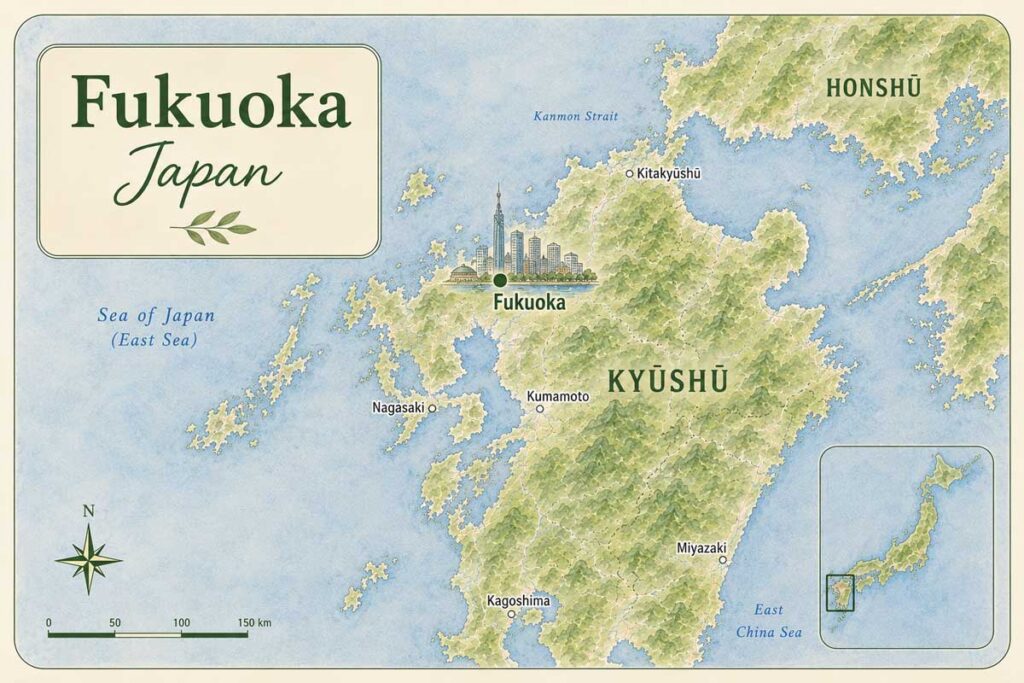
Fukuoka Map
Fukuoka Map

Fukuoka was also the starting point for our 23 day regional train route through western Japan, which followed the Sanin Line from Kyūshū towards Tottori and Okayama.

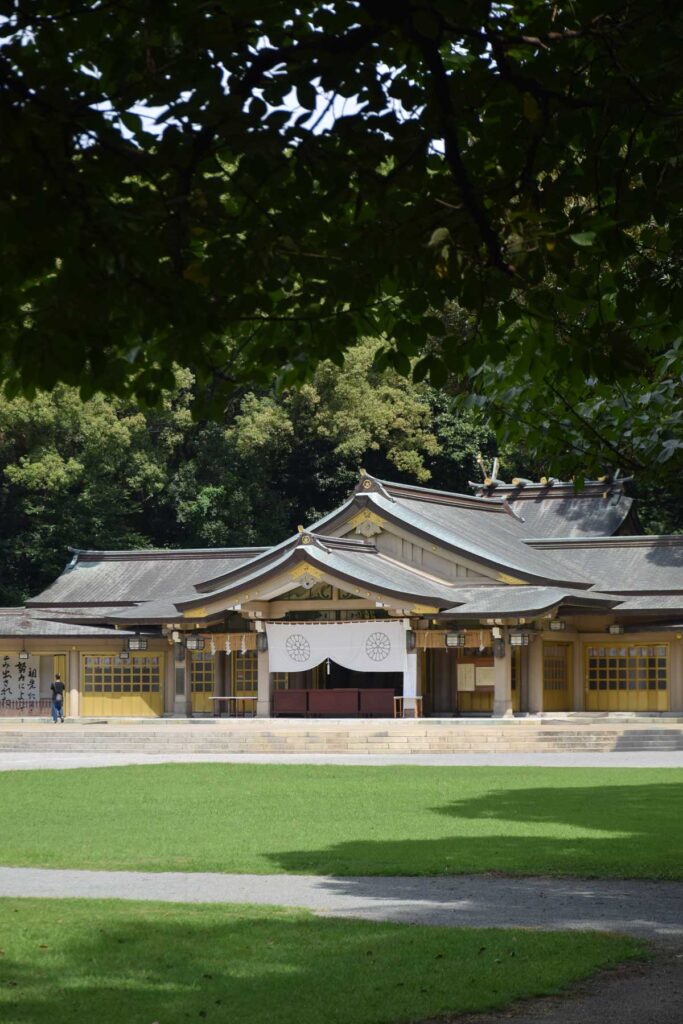
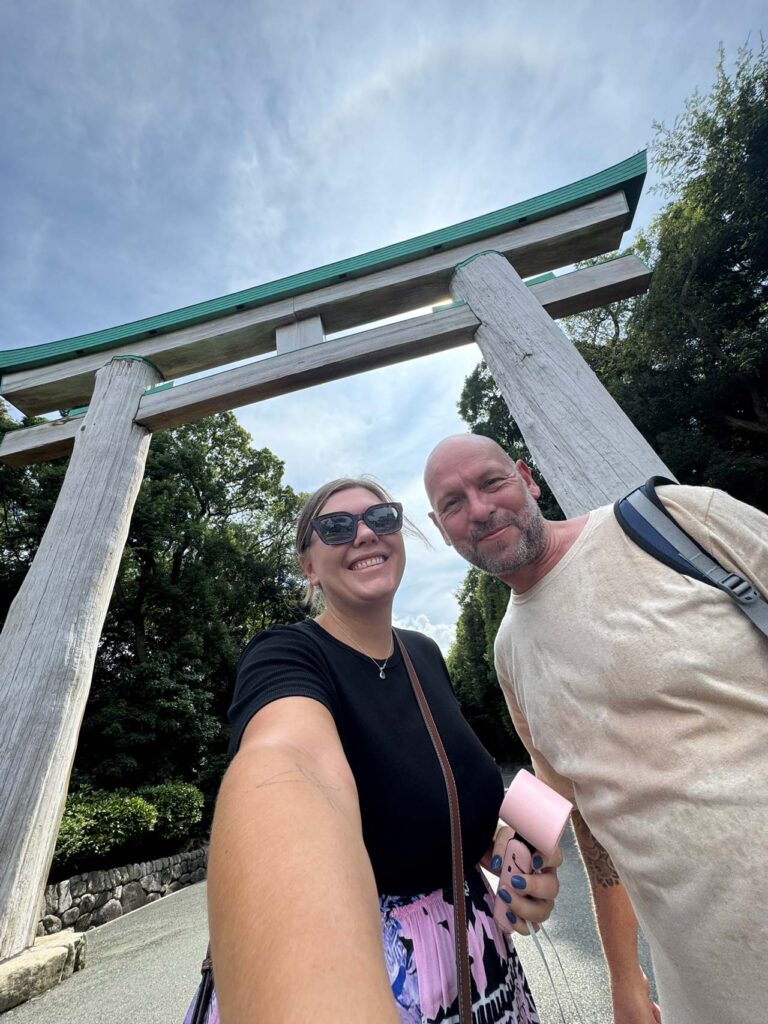
Tori gate near Fukuoka Prefecture Gokoku Shrine
Fukuoka Prefecture Gokoku Shrine
Fukuoka Castle Ruins

Why Visit Fukuoka?

Fukuoka is one of the easiest large cities in Japan to enjoy. It has a good metro system, a compact centre, excellent food and a more relaxed atmosphere than many of Japan’s better-known destinations.

The city is especially famous for Hakata ramen, and if you love noodles, you’ll be very happy here. It’s also a great place for coffee, casual restaurants and late-night food, with plenty of places where you can eat well without spending a fortune.

What we liked most was the balance. Fukuoka doesn’t feel like classic tourist Japan: it’s smaller, calmer and far less crowded, with fewer visitors than the country’s big-name cities. One minute you can be eating ramen in the city, and the next you can be walking around Ohori Park, visiting a shrine, exploring castle ruins or taking a boat to a nearby island.

Fukuoka also works well as a starting point for a longer Japan itinerary. From here, you can continue deeper into Kyūshū, head north towards Mojiko and the Sanin Line, or connect easily to other parts of Japan by Shinkansen.

Where to Stay in Fukuoka

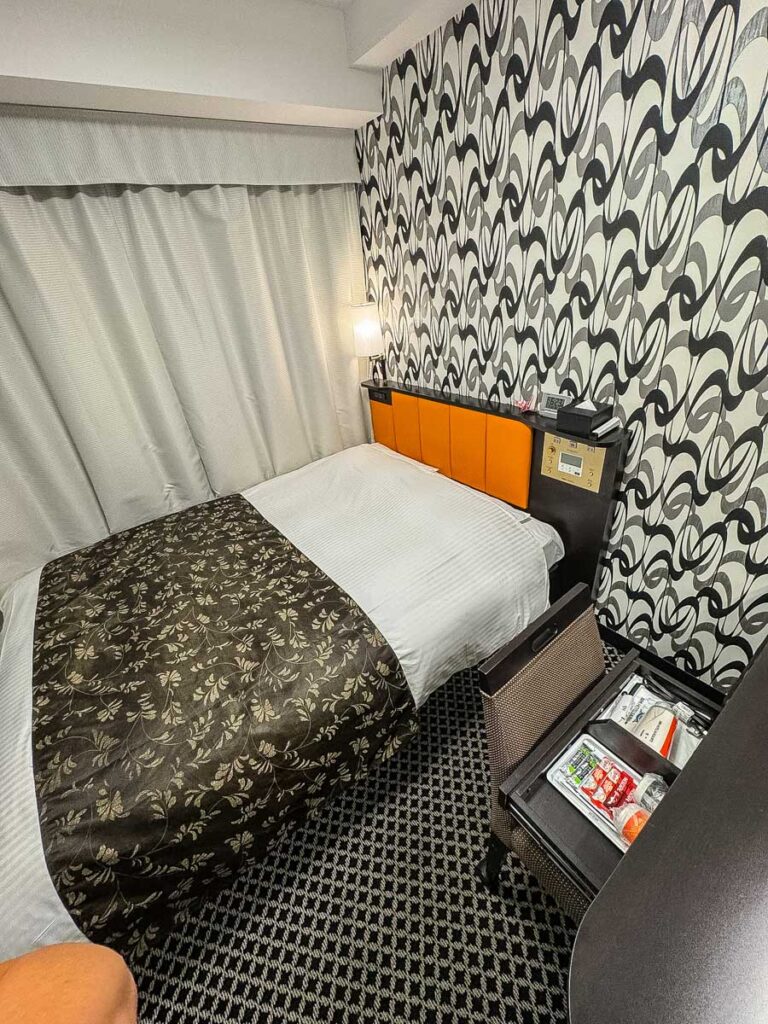
We stayed at APA Hotel Fukuoka Tenjin Nishi, which worked well for our visit. The location was convenient for getting around the city, with access to metro stations, restaurants, coffee places and shops nearby.

For most visitors, staying around Tenjin, Akasaka or Hakata makes the most sense. Tenjin and Akasaka are good if you want restaurants, cafés and a slightly more central city feel, while Hakata is useful if you want to be close to the main train station.

If it’s your first time in Fukuoka, we’d choose somewhere with easy metro access. The city is simple to get around, but being near a station makes day-to-day exploring much easier.

APA Hotel Fukuoka Tenjin Nishi - A typical Business Hotel
APA Hotel Fukuoka Tenjin Nishi – A typical Business Hotel

Best Things to Do in Fukuoka

Visit Fukuoka Prefecture Gokoku Shrine

Fukuoka Prefecture Gokoku Shrine is a peaceful place to visit if you want a quiet break from the city. It has a large wooden torii gate, open grounds and a calm atmosphere that makes it feel removed from the surrounding streets.

We liked that it didn’t feel overly busy or touristy. It’s the kind of place you can visit without needing a long plan: walk through, slow down for a moment and enjoy the setting.

It also pairs well with a visit to Ohori Park, as both are close enough to combine in the same relaxed morning or afternoon.

Walk Around Ohori Park

Ohori Park is one of the best places in Fukuoka to slow down. The large pond, walking paths and open views make it a lovely place for a gentle wander, especially if you’ve just arrived in Japan and want an easy first day.

It’s popular with locals walking, running, cycling or sitting by the water, which gives the park a nice everyday feel. We always enjoy places like this because they show you how a city actually lives, not just what it offers tourists.

If you want a calm start to your Fukuoka visit, Ohori Park is a good place to begin.

Visit Ohori Park Japanese Garden

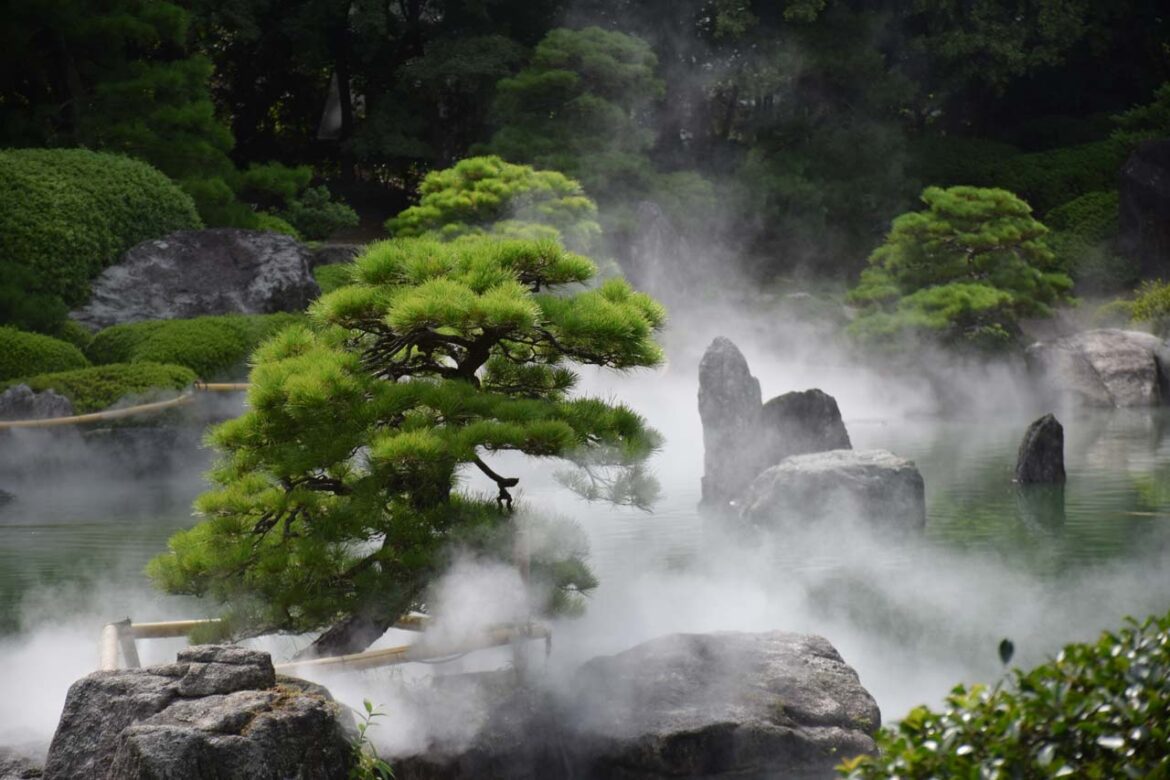
Next to the park, the Ohori Park Japanese Garden is worth visiting if you enjoy landscaped gardens and quiet spaces. It’s not huge, but it’s beautifully arranged and makes a peaceful contrast to the city outside. On the hour they flood the small lake with fog which looks incredible.

You’ll find traditional garden design, carefully shaped trees, water features and places to pause rather than rush. It’s the kind of stop that fits well into a slower Fukuoka itinerary.

We wouldn’t build an entire day around it, but combined with Ohori Park and nearby cafés, it makes a very pleasant couple of hours.

Stop at &LOCALS Ohori Park Shop

&LOCALS Ohori Park Shop is a lovely little stop near the park, especially if you want a drink or snack in a peaceful setting. It has that clean, simple Japanese design we always enjoy, and it fits perfectly with a slower day around Ohori.

It’s not a major attraction, but it’s exactly the kind of small place that makes wandering in Japan so enjoyable. Sometimes the best travel moments are just a good drink, a nice view and nowhere urgent to be.

Cross Chamura Bridge

Chamura Bridge is a small but pretty stop while exploring the Ohori Park area. It’s not somewhere you need to go out of your way for, but it adds to the charm of wandering around this part of Fukuoka.

We liked this whole area because it was easy to explore without a strict route. You can move between the park, shrine, garden, cafés and small sights at a relaxed pace. After exploring the Shine, Park, Shop and bridge it’s an easy metro ride back from Ohori Park (Fukuoka Art Museum) Stop ID: K06.

Explore the Korokan Ruins Museum

The Korokan Ruins Museum gives you a glimpse into Fukuoka’s older history and its role as a place of exchange with the Asian mainland. It’s a small museum, but an interesting stop if you want to understand more about the city beyond food and shopping.

Because it’s near Maizuru Park, it’s easy to include while exploring the castle ruins and surrounding green spaces. We wouldn’t call it a must-see for everyone, but if you enjoy history, it’s worth a short visit.

Walk Through Maizuru Park and the Plum Garden

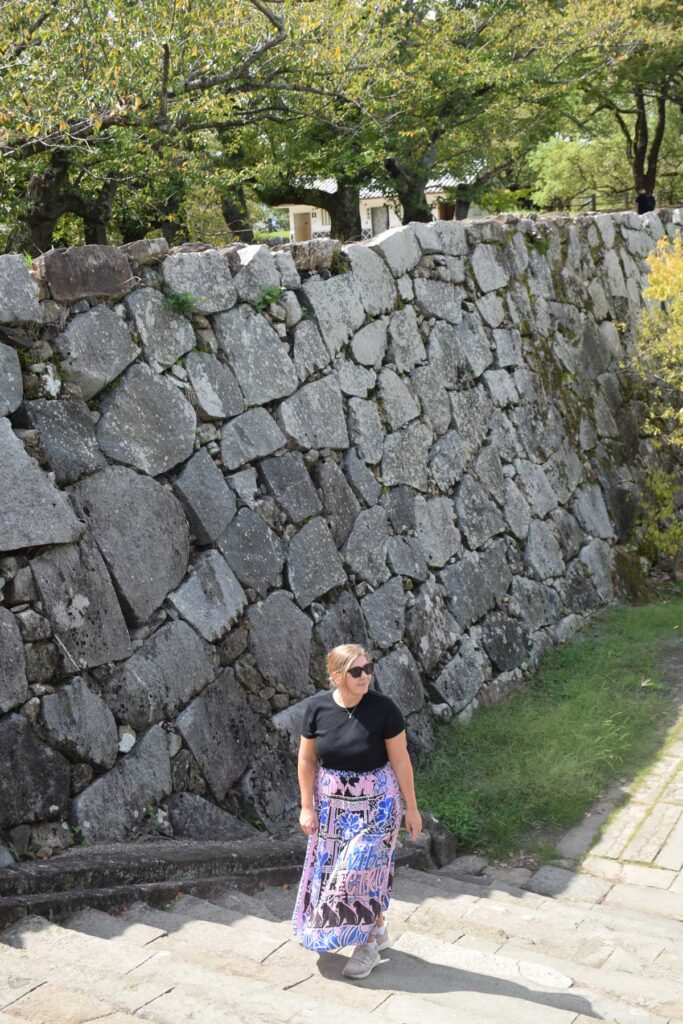
Maizuru Park is home to the remains of Fukuoka Castle, and it’s a good place to walk, especially if you like castle ruins rather than fully reconstructed buildings. The stone walls and elevated viewpoints give you a sense of the city’s past without feeling too formal.

The plum garden is especially nice if you visit during the right season. Even outside peak bloom, this is a pleasant area to wander and a good reminder that Fukuoka has plenty of quieter corners.

Take a Boat Trip to Nokonoshima Island

One of our favourite things to do in Fukuoka was taking the ferry to Nokonoshima Island. To get there, take the ferry from Meinohama Ferry Passenger Terminal, then continue across to the island for a very different side of the city.

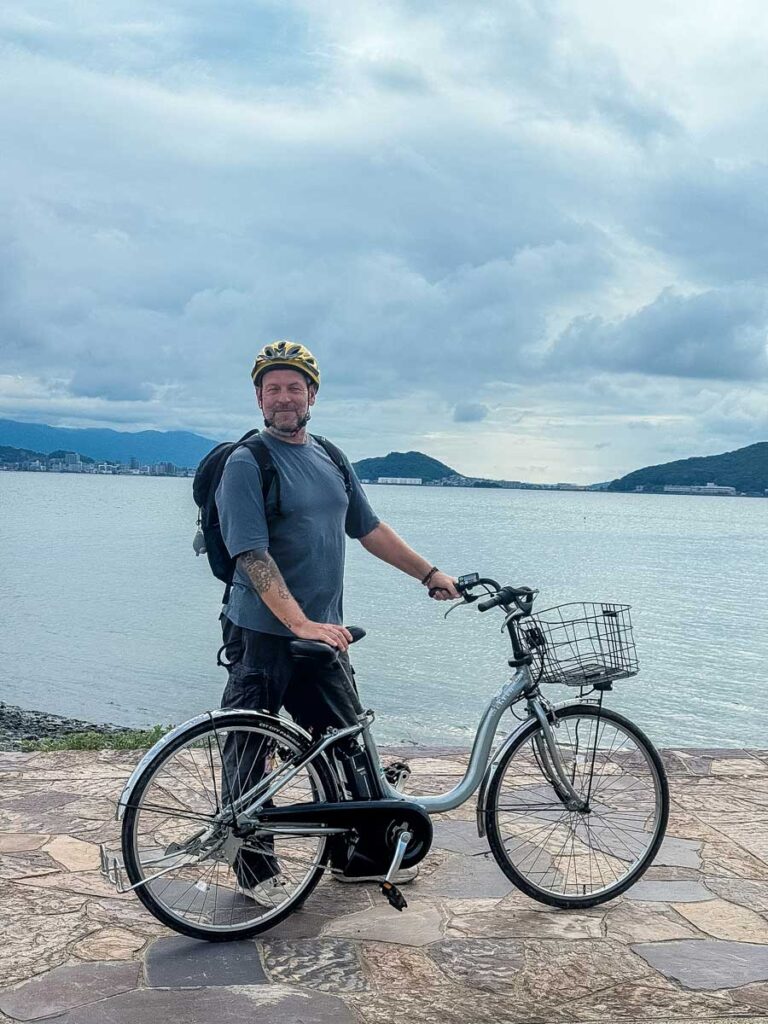
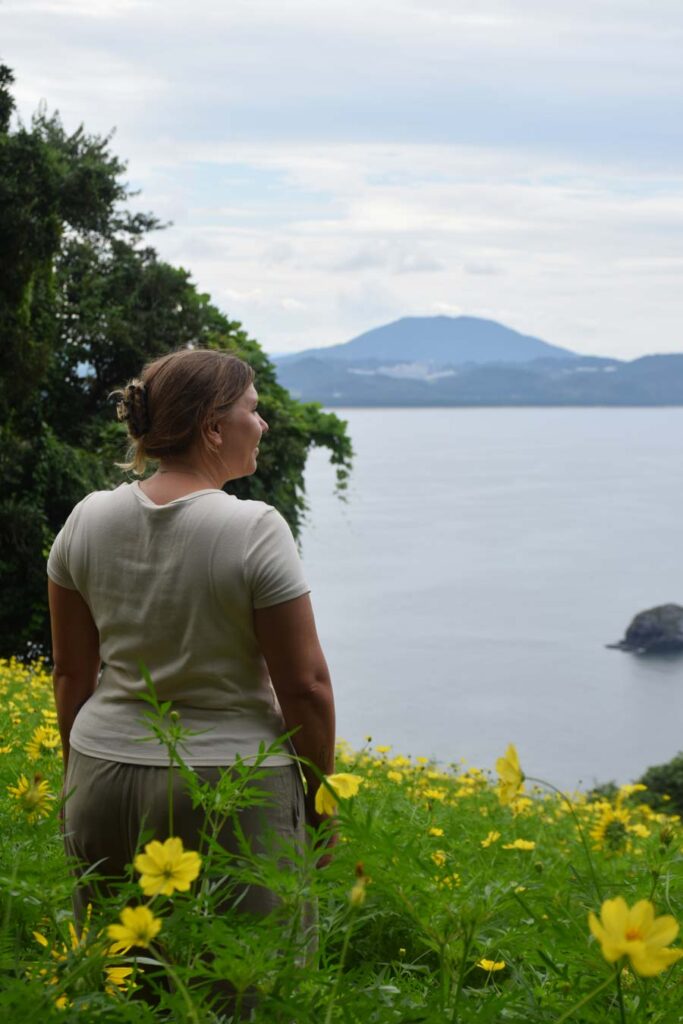
Once we arrived, we rented electric bikes and made our way to Nokonoshima Island Park. The entrance fee was ¥1,500 per person. There were also a few cute animals, such as rabbits and goats, which was really nice to see! Aside from the flowers and animals there are shops and restaurants in an old village with traditional Japanese houses. The island felt peaceful and scenic, with sea views, open spaces and a slower pace than the city.

It’s an easy day trip from Fukuoka and a great option if you want a break from urban sightseeing. If the weather is good, we’d definitely recommend adding it to your itinerary.

Electric bike rental on Nokonoshima island
Nokonoshima Island Park

Where to Eat in Fukuoka

Fukuoka is a brilliant food city. It’s best known for Hakata ramen, but we also found good izakayas, coffee shops, gyoza, sushi and casual places that made eating out easy.

These are some of the places we tried or marked during our stay.

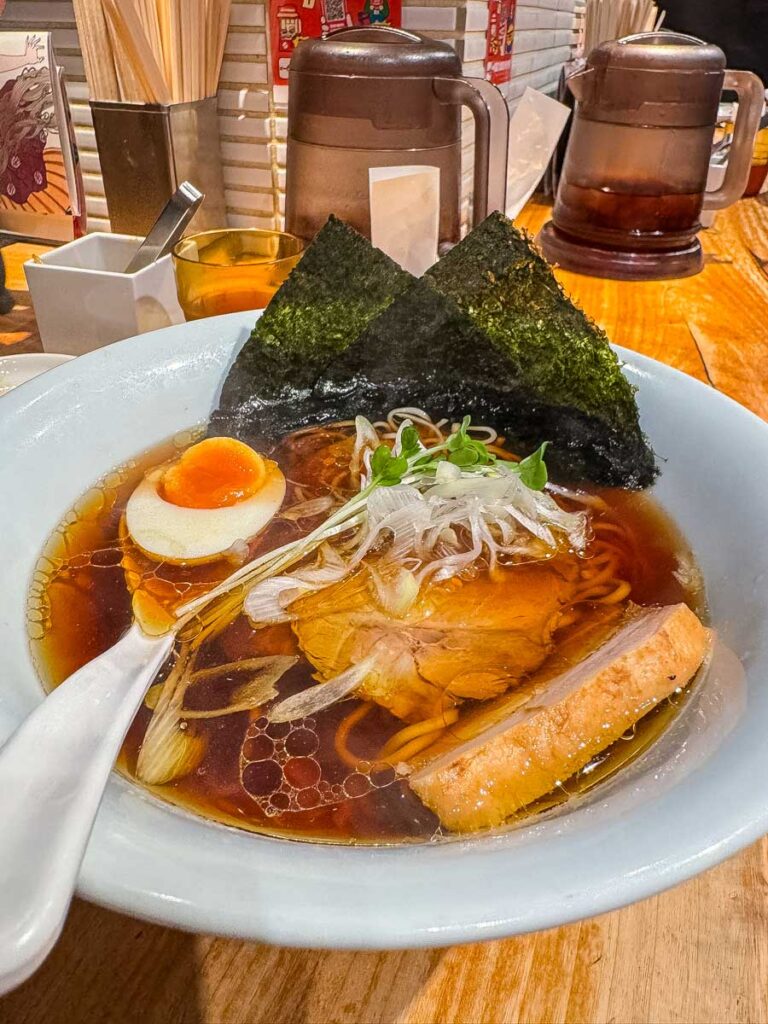
The Original Ippudo Ramen Daimyo branch
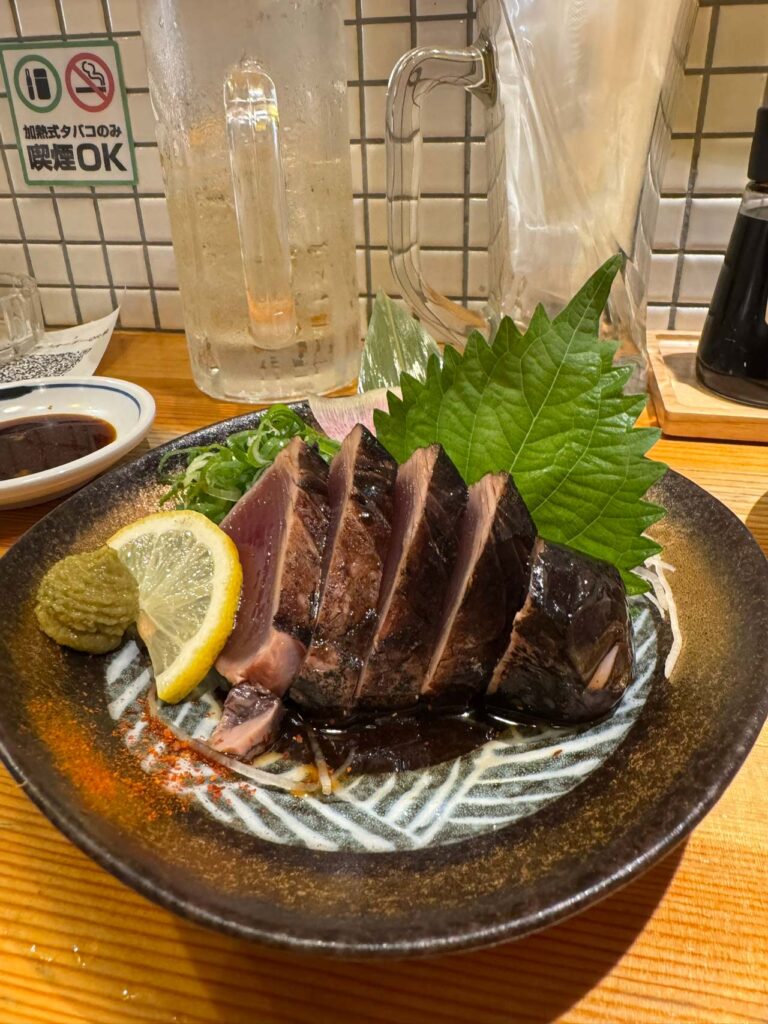
Izakaya Kadono Uguisu Akasaka in Fukuoka
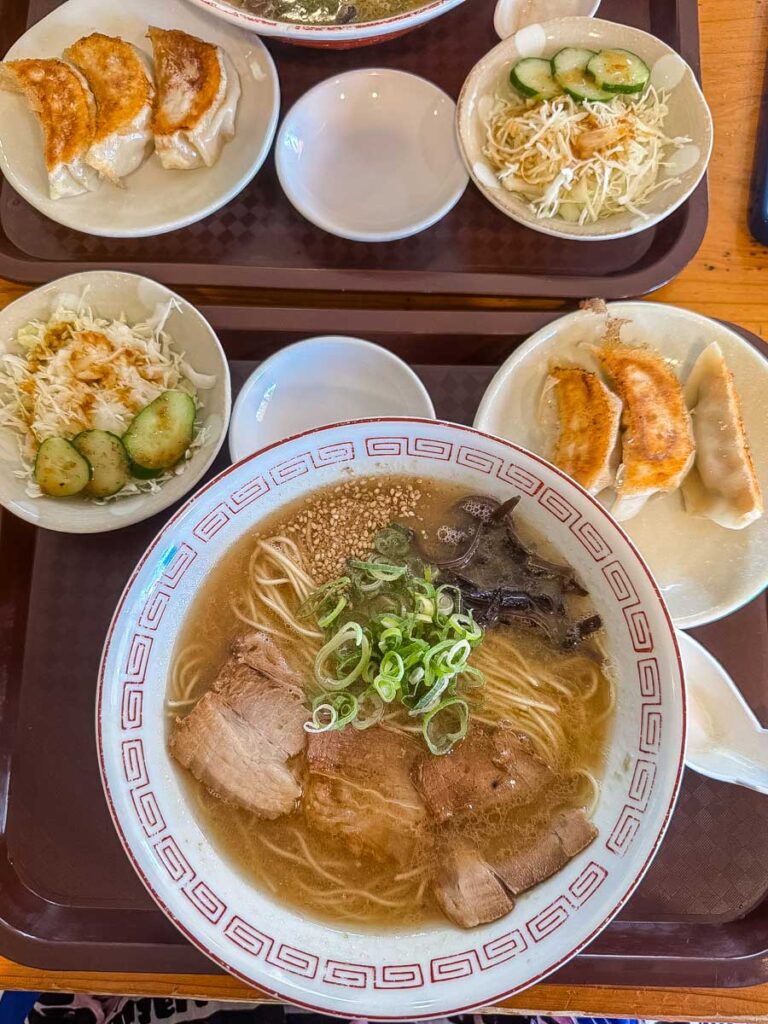
Lunchtime special at Gyoza Ittetsu

Ippudo Daimyo Branch

If you’re going to eat ramen in Fukuoka, Ippudo is an obvious place to start. The Ippudo Daimyo branch is close to where the original Ippudo story began, and it’s a fun stop if you enjoy ramen history as much as the food itself.

It’s popular, but for good reason. A bowl of rich tonkotsu ramen here feels like a proper Fukuoka introduction. Also head here for lunchtime specials. If you’re super hungry you can usually get a free refill, just ask.

博多珍珍 赤坂店

This was our spicy ramen (Dan Dan noodle) stop in Akasaka. If you want something with more heat and flavour, it’s a good option to add to your food list.

As with many smaller restaurants in Japan, don’t worry too much if English is limited. A little patience, pointing and translation help usually gets you there.

大衆とり酒場 とりいちず 福岡赤坂店

This casual chicken izakaya was a good option for an easy meal in Akasaka. They have great fried chicken and big glasses of cold beer and highballs. It’s a kind of working mans izakaya. Places like this are useful when you want something relaxed, filling and not too expensive.

Fukuoka has plenty of these casual restaurants, which is one of the reasons it’s such an easy city to spend a few days in.

Kadono Uguisu Akasaka

Kadono Uguisu Akasaka is another good food option in the area. It has the kind of local restaurant feel we enjoy when travelling in Japan: casual, atmospheric and focused on good food rather than fuss. The seared tuna pictured above was insane! We highly reccommend you drop in during the day and make an evening reservation. It gets quite busy,

Gyoza Ittetsu

After visiting the Fukuoka Prefecture Gokoku Shrine Gyoza Ittetsu is a good choice if you’re craving ramen and dumplings. Even better if you visit at lunchtime as they have a great special. Japan does gyoza very well, and this is the kind of simple meal that always works after a day of walking around the city.

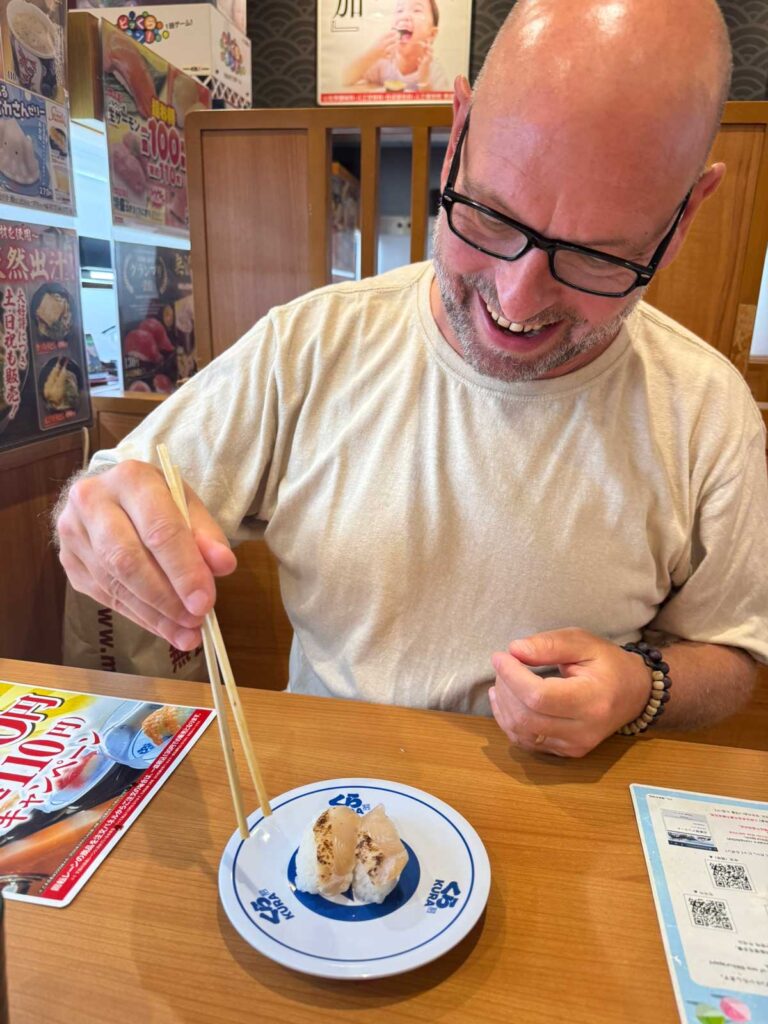
KURA Sushi

For a cheap sushi fix, KURA Sushi is always useful. It’s not fancy, but it’s fun, affordable and easy, especially if you want a low-effort meal.

Sometimes conveyor belt sushi is exactly what you need.

光珈琲 HIKARU COFFEE

HIKARU COFFEE was one of the coffee stops we enjoyed in Fukuoka. It’s a bit bougie, our iced coffee came in a large wine glass. The city has a good coffee scene, and finding independent cafés became part of our daily routine.

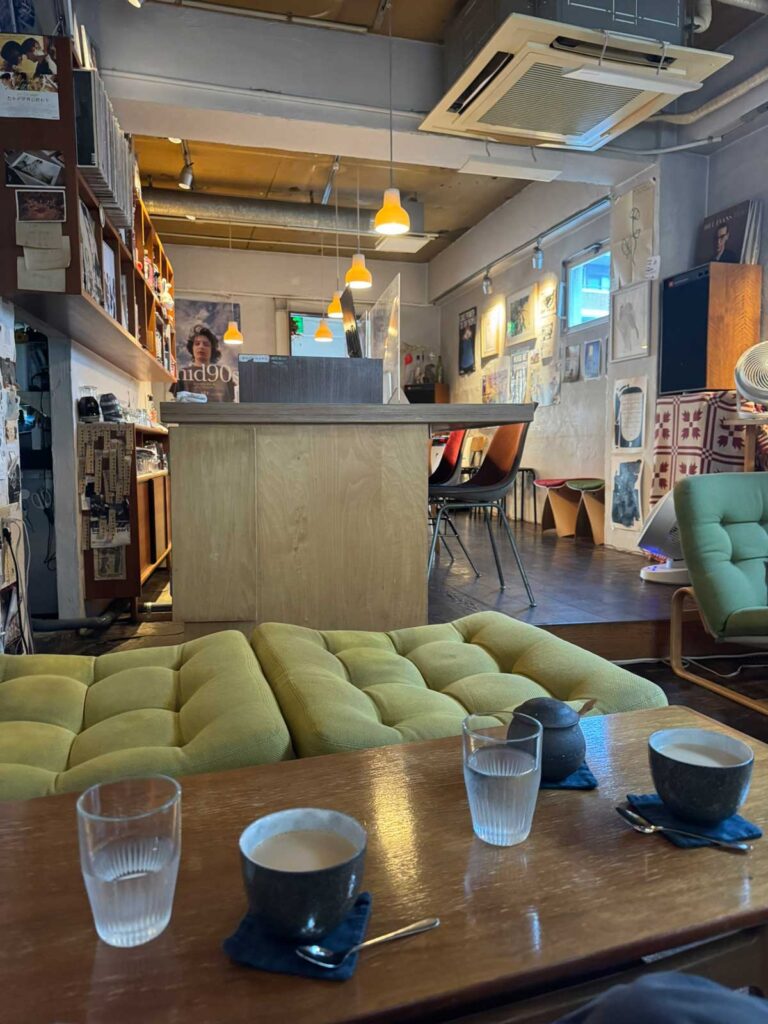
Petrol Blue

Petrol Blue is another good coffee option, it’s also a bar in the evening too. It plays downtempo jazz and leftfield, classic furniture, concrete walls and lots and lots of vinyl. It’s worth adding to your Fukuoka map if you like seeking out hidden cafés while travelling. Note: it’s upstairs, so you have to get in the smoke smelling elevator to get up there.

British Pub MORRIS’ BLACK SHEEP

Sometimes, after a lot of travel, you just want a pub. MORRIS’ BLACK SHEEP gave us that familiar break, and it’s a good option if you fancy a drink somewhere casual in the evening.

How Long in Fukuoka Is Enough?

If you’re wondering how long in Fukuoka is enough, we think most travellers will be happy with two to four days depending on their pace.

We stayed 7 nights in Fukuoka, but that was longer than most visitors need. We used the time to catch up on work, sort photos and ease into our Japan trip before continuing towards Mojiko and the Sanin Line.

For most travellers, 2 to 4 days is enough, depending on how slowly you like to travel.

2 Days

With 2 days in Fukuoka, focus on the city highlights. Spend time around Ohori Park, visit Gokoku Shrine, explore Maizuru Park and the castle ruins, then enjoy ramen and a few casual food stops in the evening.

This is enough time for a quick introduction, especially if Fukuoka is part of a longer Japan itinerary.

3 Days

Three days is a better amount of time for most visitors. You can see the main city sights without rushing and still have time for good food, coffee and a slower afternoon.

With 3 days, we’d include Ohori Park, Maizuru Park, the Korokan Ruins Museum, a few ramen stops and some relaxed neighbourhood wandering.

4+ Days

With 4 days or more, add a trip to Nokonoshima Island. This gives you a completely different experience from the city and makes the itinerary feel more balanced.

If you like slow travel, Fukuoka is an easy place to stay longer. It may not be packed with famous attractions, but it’s comfortable, practical and enjoyable to live in for a few days.

Sam does love his KURA sushi
Coffee vibes at Petrol Blue
Enjoying a beer at the British Pub MORRIS' BLACK SHEEP
Enjoying a beer at the British Pub MORRIS’ BLACK SHEEP

Practical Tips for Visiting Fukuoka

Getting from Fukuoka Airport to the City Centre

One of the best things about Fukuoka is how close the airport is to the city. Getting from Fukuoka Airport to the city centre is quick and straightforward by metro.

This makes Fukuoka one of the easiest arrival cities in Japan. You can land, get through the airport and be in the centre without a long transfer.

Getting Around Fukuoka by Metro

Fukuoka’s metro is simple to use and connects many of the places visitors are likely to need. We used it to move around the city and found it reliable, clean and easy to understand.

If you’re staying near a metro station, you’ll have no trouble getting around without a car.

ICOCA, Suica and IC Cards

IC cards such as ICOCA and Suica make travelling around Japan much easier. If you have an iPhone, you can usually add one digitally to your wallet, which makes tapping in and out very simple.

On Android, it can be more complicated depending on where you purchased your device, so getting a physical IC card may be easier. Once you have one, you can use it for metro journeys, many trains, convenience stores and vending machines.

At the airport head to the Fukuoka Airport Subway Station and use the cash-only kiosks. You can purchase a local IC card (such as Hayakaken, nimoca, or Sugoca) for a minimum of ¥1,500 which includes a ¥500 refundable deposit.

Best Time to Visit Fukuoka

Spring and autumn are generally the best times to visit Fukuoka. The weather is more comfortable for walking, parks are pleasant, and it’s easier to enjoy the city without the heat and humidity of summer.

Spring is especially nice if you catch plum or cherry blossom season, while autumn usually brings milder temperatures and good conditions for exploring. We visited in September and it was HOT!

That said, Fukuoka is a year-round city. If you’re using it as a starting point for a longer Japan trip, it’s still a practical and enjoyable place to begin.

Internet, Payments and Apps

Japan is easy to travel with the right basic tools. We recommend having mobile data, either through an eSIM, pocket Wi-Fi or local SIM, as you’ll use maps, translation apps and transport information constantly.

Google Maps works well for metro and walking routes, while translation apps are useful in smaller restaurants where menus may not be in English.

For payments, Japan is much more card-friendly than it used to be, but it’s still worth carrying some cash. IC cards such as Suica and ICOCA are also useful for transport and small purchases. We use our Wise cards where we can, but Japan is a mostly cash society and you will need cash at almost all ramen stores throughout the country.

Final Thoughts on Visiting Fukuoka

Fukuoka was a great introduction to this part of Japan. It didn’t overwhelm us with major sights, but that was part of the appeal. Instead, it gave us good food, easy transport, peaceful parks, interesting history and a gentle start to our slow journey through western Japan.

We wouldn’t say Fukuoka is the most dramatic city in Japan, but it is one of the easiest to enjoy. It’s relaxed, practical and full of small moments that make travel in Japan so satisfying.

If you’re starting a Kyūshū trip, heading towards the Sanin Line, or simply looking for a Japanese city that feels approachable and liveable, Fukuoka is well worth adding to your itinerary and also made a great starting point for our 23 day slow train route through western Japan.
Save the pin

July 16, 2026 0 comments
FacebookTwitterPinterestLinkedinRedditStumbleuponWhatsappTelegramThreadsOpenAIChatGPTEmail
Our cute train from Tottori to Okayama
JapanTravel Itineraries

23 Day Japan Slow Travel Itinerary by Train

by Sam July 9, 2026
written by Sam

We’ve visited Japan four times now, but on this trip we wanted something different. Instead of racing between the classic first-time stops, we slowed everything down and followed a quieter route through western Japan by regional train.

This 23 day Japan slow travel itinerary took us from Fukuoka on Kyushu, across to Mojiko, then along the San-Yo Line and changing to the San-In Line through Masuda, Izumo, Matsue, Kurayoshi and Tottori, before heading south to Okayama on the Imbi Line . It was one of the most rewarding trips we’ve done in Japan: quiet towns, friendly people, beautiful train journeys, excellent food and barely any international tourists.

If you’re looking for a Japan slow train route that goes beyond Tokyo, Kyoto and Osaka, this itinerary is a lovely way to see a different side of the country.

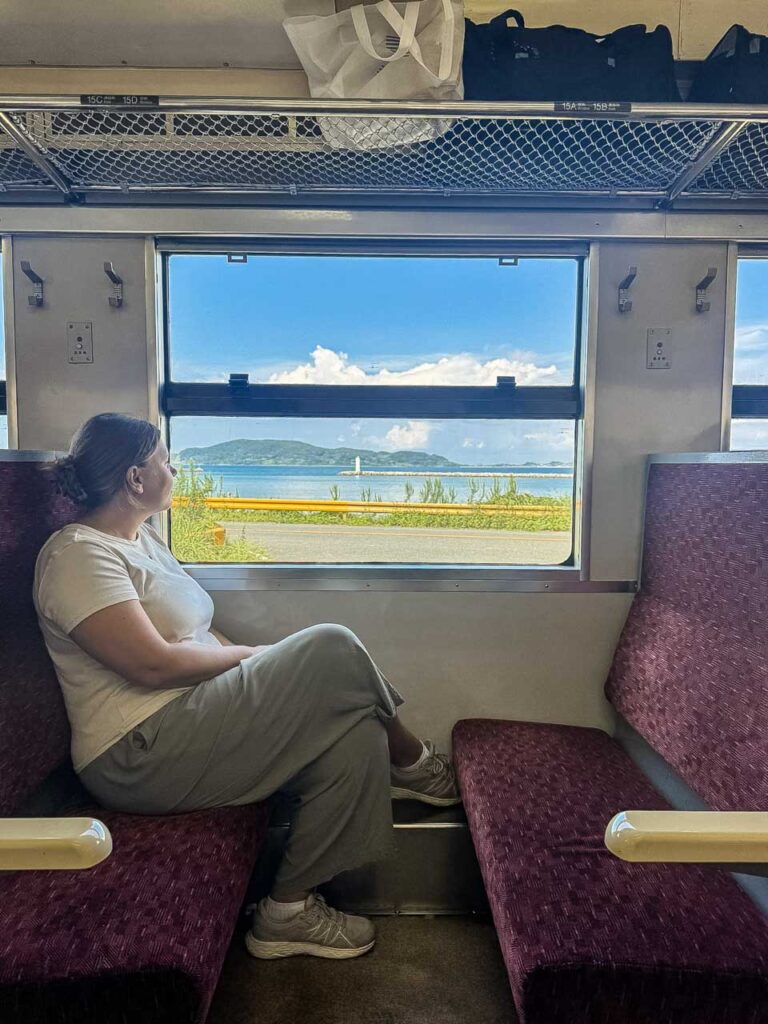
Slow train views
Slow train views
Train platform of Retro Mojiko
Platform life at the start of the San-Yo Line

Our Japan Route

We travelled between towns and cities entirely by regional train, with a few local buses and metro journeys used to reach sights along the way.

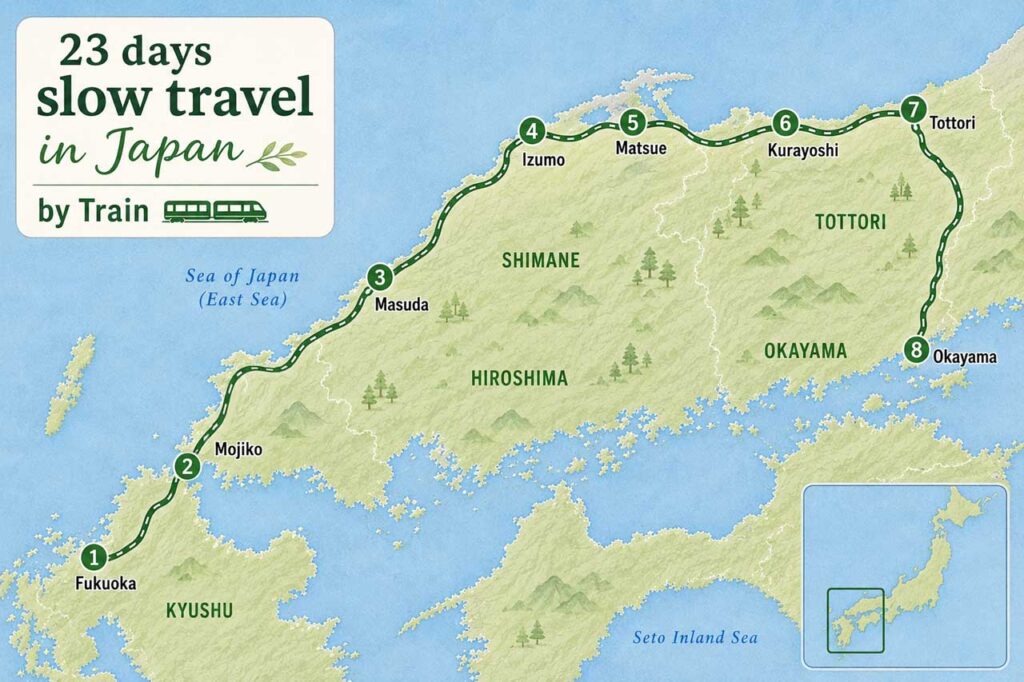
Our route looked like this:

Fukuoka → Mojiko → Masuda → Izumo → Matsue → Kurayoshi → Tottori → Okayama
Our Route on the San-Yo and San-In line in Japan

This is not a fast Japan itinerary. It is a slow travel route built around regional trains, smaller cities, coastal scenery, old towns, shrines, castles and quiet everyday moments.

Fukuoka 福岡市 — 7 Nights

Fukuoka was our arrival point after flying in from Shanghai, and it gave us time to settle back into Japan at an easy pace. At first glance it feels like a modern Japanese city of grey buildings, convenience stores and endless places to eat, but it also has great coffee, castle ruins, shrines and some brilliant food.

We visited the original Ippudo Ramen shop and also took a boat out to Nokonoshima, where we rented electric bikes and explored the island. Seven nights was longer than most people would need, but we used the time to catch up on work and reset before starting the train journey properly.

We stayed at APA Hotel Fukuoka Tenjin Nishi which was in a great area with lots of food places and easy access to the center by metro.

Read our full Fukuoka guide here

Tori gate near Fukuoka Prefecture Gokoku Shrine
Nokonoshima Island Park
Izakaya 大衆とり酒場 とりいちず 福岡赤坂店 in Fukuoka
Ohori Park Japanese Garden

Mojiko 門司港 — 2 Nights

Mojiko or ‘Retro Mojiko’ is a charming little port city with a slightly odd banana theme, a beautiful old station and a peaceful waterfront. We tried banana curry, visited the observation deck, wandered through the free old street museum and hiked up to Mt. Kazagashira Observatory for views over the strait.

The town has a quiet, nostalgic feel and made a gentle transition between city travel and the slower route ahead. From here, we crossed towards Shimonoseki and began following the San-Yo and San-In Line west to east.

We stayed at the Premier Hotel Mojiko one of our favorite hotels on this trip, it had a huge room (for Japanese standards) and pretty views over the port and the bananaman statue.

Read our full Mojiko guide here

The old customs office and Observation tower in Mojiko
Free museum next to the Kanmon Strait museum
Bananas are everywhere in Mojiko
View over the Kanmon Strait between Kyūshū and Honshu

Masuda 益田市 — 2 Nights

Masuda is the kind of stop that made people ask why we were going there, but it turned out to be one of the warmest places on the trip. We saw no tourists and everyone we met was friendly, patient and curious, including the staff at our hotel onsen, where tattoos were not an issue as we were foreign visitors.

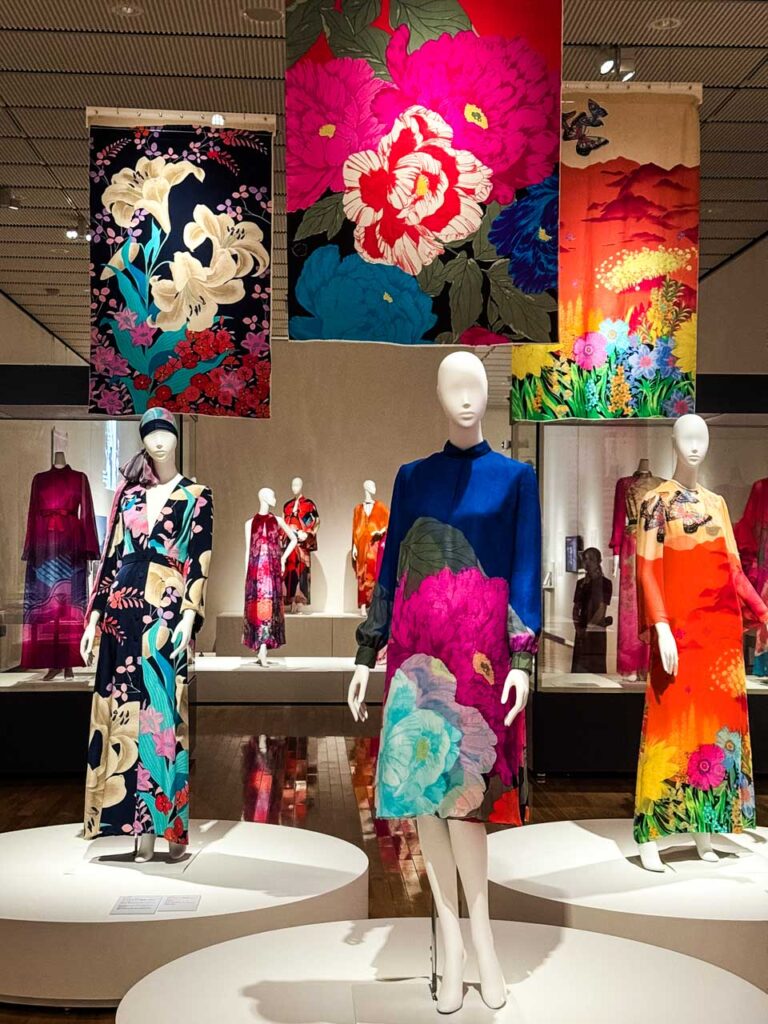
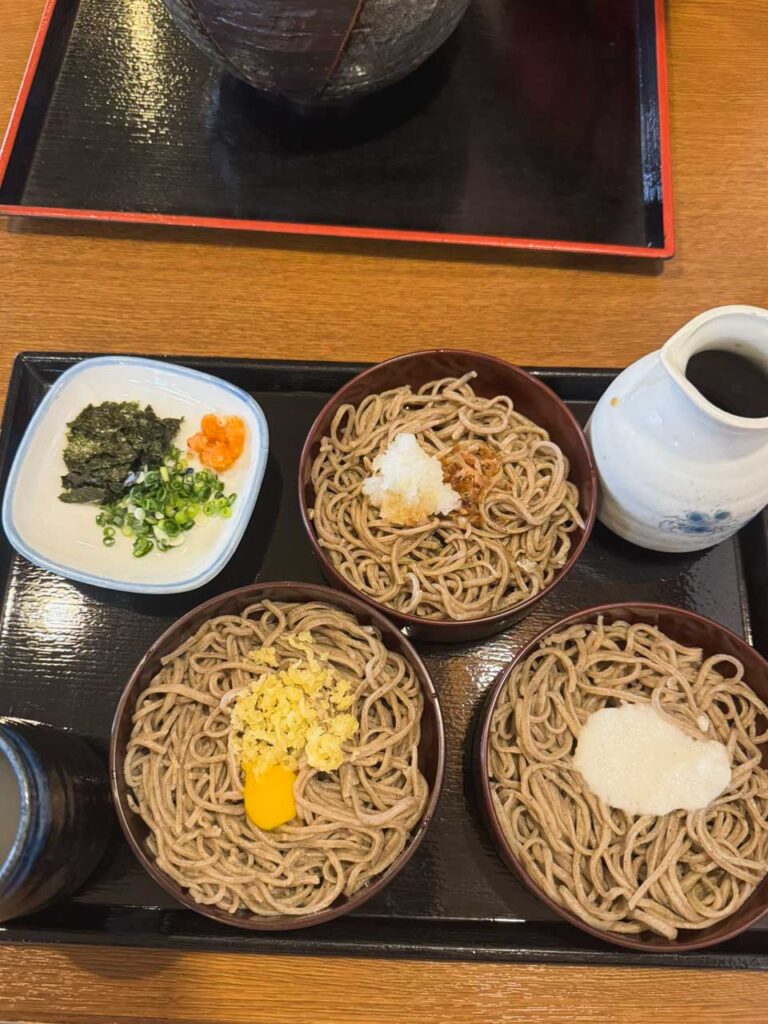
We visited the Iwami Art Museum, ate cold soba for the first time and had one of those memorable izakaya meals where the menu was handwritten in Japanese and Google Translate struggled hugely. A local woman Livia met in the onsen even drove us to a small coastal Ebisu shrine that would have been difficult to reach by public transport.

We stayed at the Mascos Hotel which was modern with a large room and tattoo friendly onsen.

Read our full Masuda guide here

Life on a local train in Japan
Hanae Mori collection at Iwami Art Museum
cold soba noodles
cold soba noodles
Ebisu Shrine just outside Masuda

Izumo 出雲市 — 1 Night

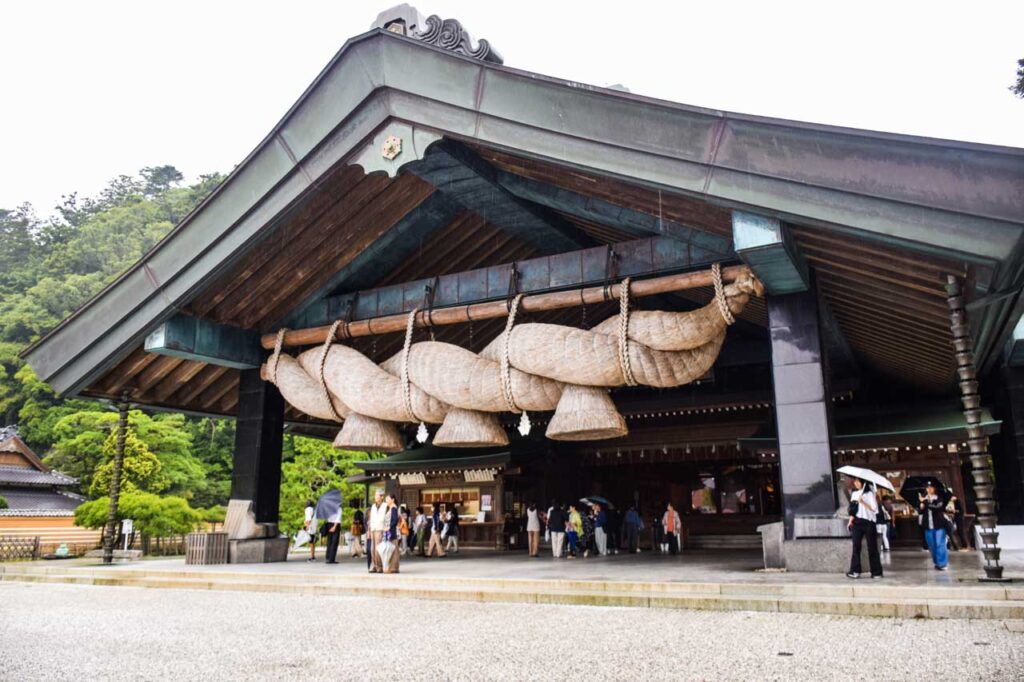
Izumo is mainly known for Izumo Taisha, one of the most important shrines in Japan. The huge shimenawa rope is the famous image, but the whole shrine complex felt atmospheric, especially in the drizzle and forested surroundings. It was busy with Japanese visitors, but nothing like the crowded shrine experiences you get in the bigger tourist cities.

One night was enough for us, but it was a worthwhile stop on this slow travel route through western Japan. Many Japanese people are stil shocked we made it there, as many haven’t been themselves.
We stayed at the Super Hotel Izumo Ekimae a standard business Japanese hotel but with a 2 hour free bar every evening.

Read our full Izumo guide here

One of the many shrines at Izumo Taisha
Rabbits everywhere at Izumo Taisha
If your fortune is bad, leave it behind
The massive shimenawa at Izumo Taisha

Matsue 松江市 — 2 Nights

Matsue was a more substantial city with a strong sense of Edo-period history. We visited the castle, explored the samurai house area, saw the fox shrine, ate more cold soba and enjoyed sunset views over the lake. Staying near Matsue-Shinjiko-Onsen Station meant we were in a more appealing part of the city, even if it required a bus ride back to the main station when we left.

Good coffee, a great lunchtime BBQ deal and a fun evening in a local izakaya made Matsue one of the easiest stops to enjoy.

We stayed at Matsue New Urban Hotel it was close to the Castle and had a tattoo friendly onsen.

Read our full Matsue guide here

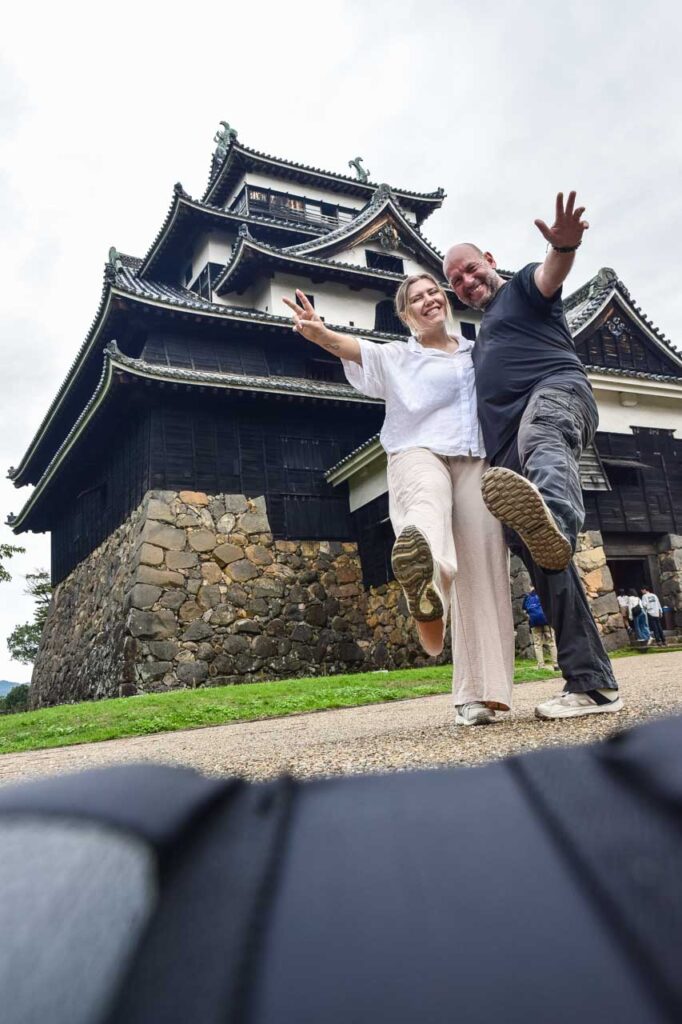
Matsue Castle
Matsue Castle
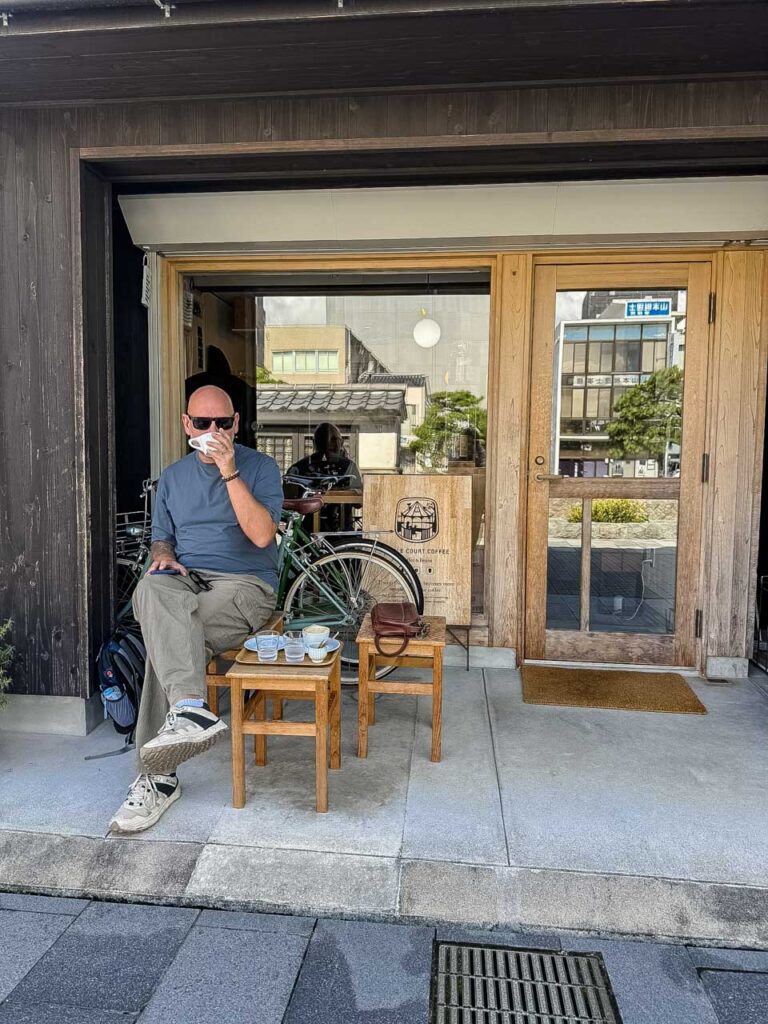
Our favourite coffee in Matsue
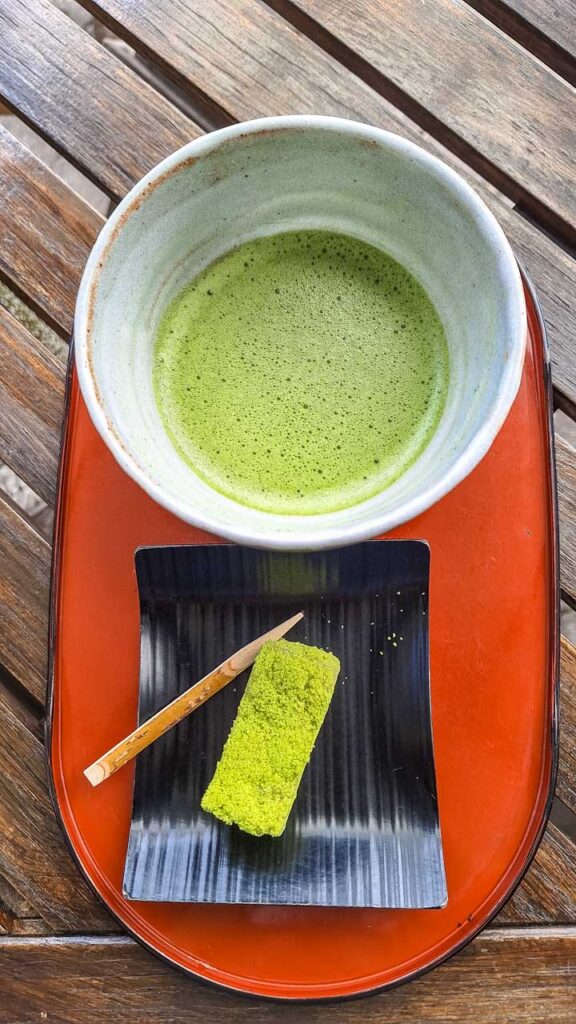
Matcha tea with Matcha Mochi
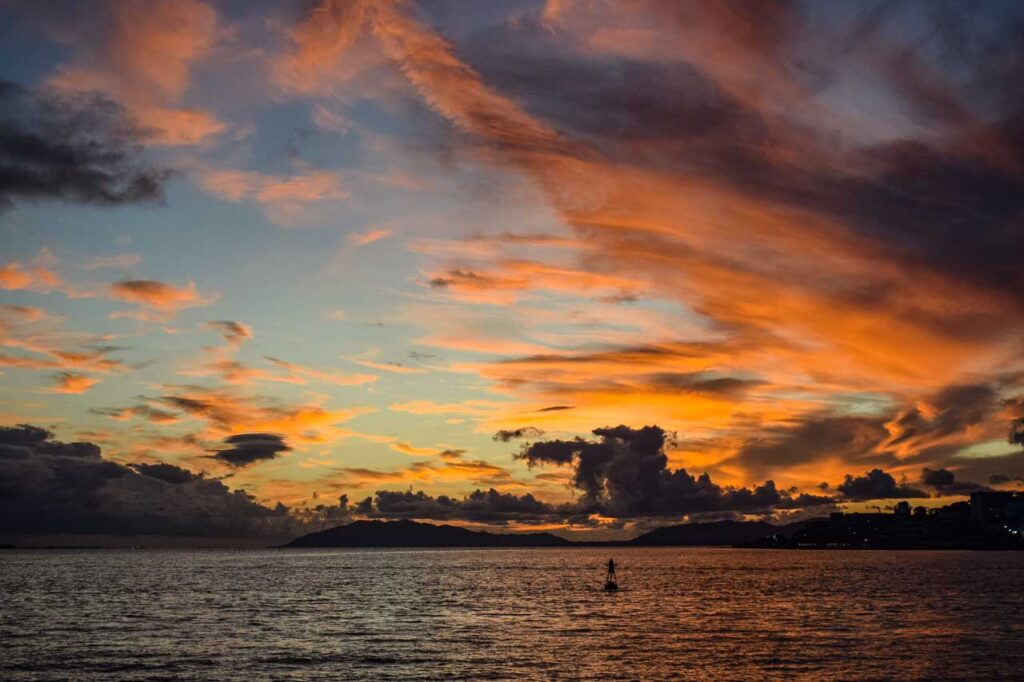
Lakeside sundowners
Lakeside sundowners

Kurayoshi 倉吉市 — 2 Nights

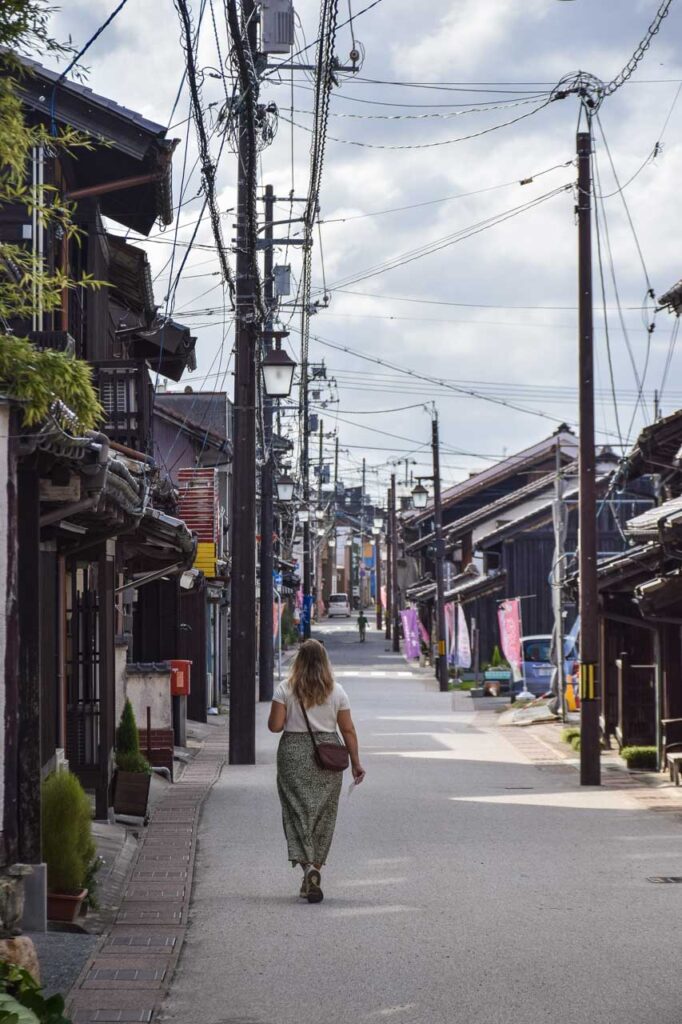
Kurayoshi gave us old-town charm without the crowds. We stayed near the main station and took the bus into the White Wall Warehouses district, where we found traditional buildings, small museums, good coffee and a much slower pace. We also visited the surprisingly fun Tottori Nijisseiki Pear Museum, which was far better than a pear museum has any right to be.

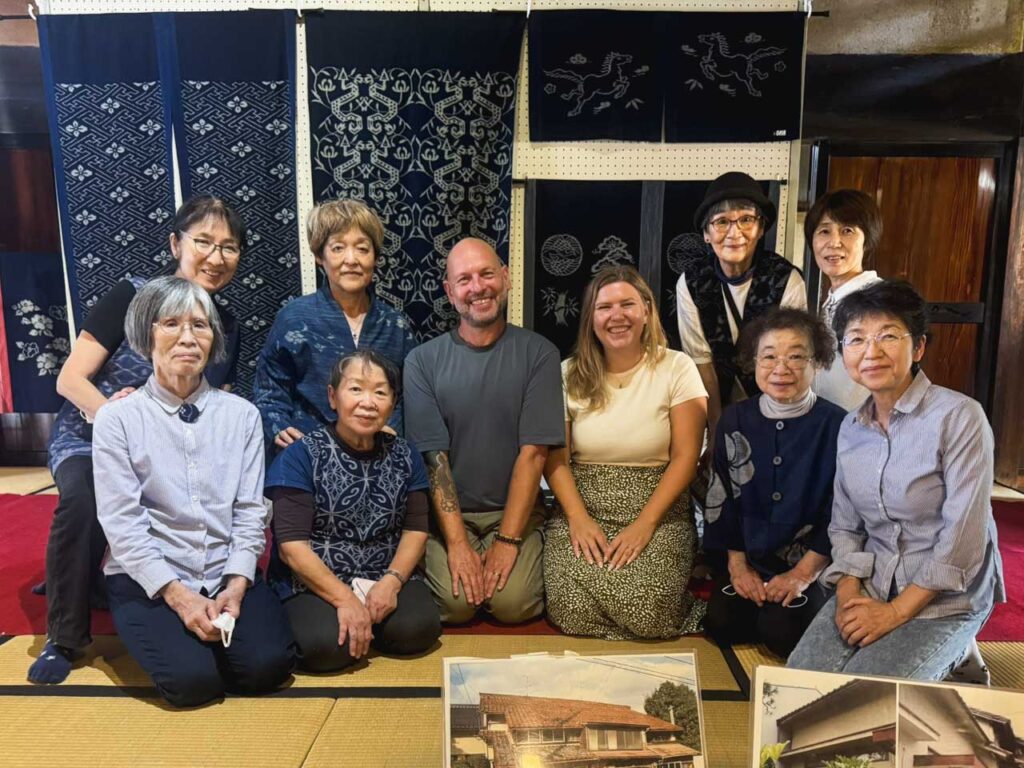
At Kurayoshi Yodoya, the former Makita Family Residence, we met a group of lovely volunteer ladies who didn’t speak English, but somehow, with smiles, gestures and a little translation help, we still managed to have a wonderful conversation.

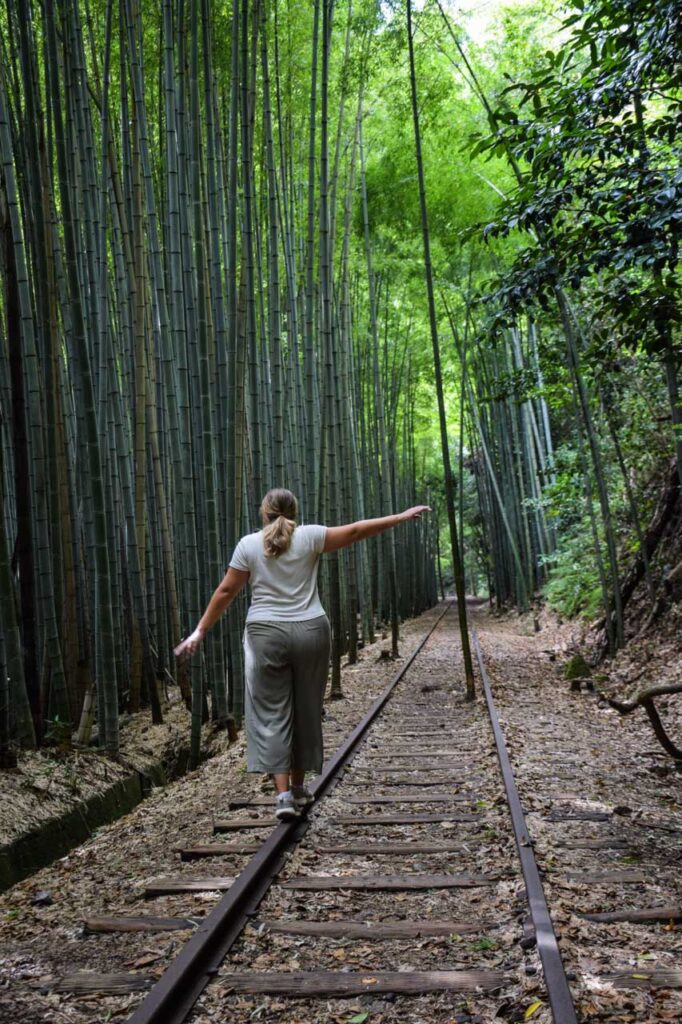
Our favourite side trip was finding the abandoned Yamamori railway line, a quiet, overgrown place that felt like something from a Studio Ghibli scene.

We stayed at Hotel St Palace Kurayoshi which was conveniently close to the railway station.

Read our full Kurayoshi guide here. (coming soon)

Kurayoshi Old Town
Kurayoshi Old Town
Ghibli vibes at the abandoned train line
Meeting the ladies at Makita Family Residence

Tottori 鳥取市 — 2 Nights

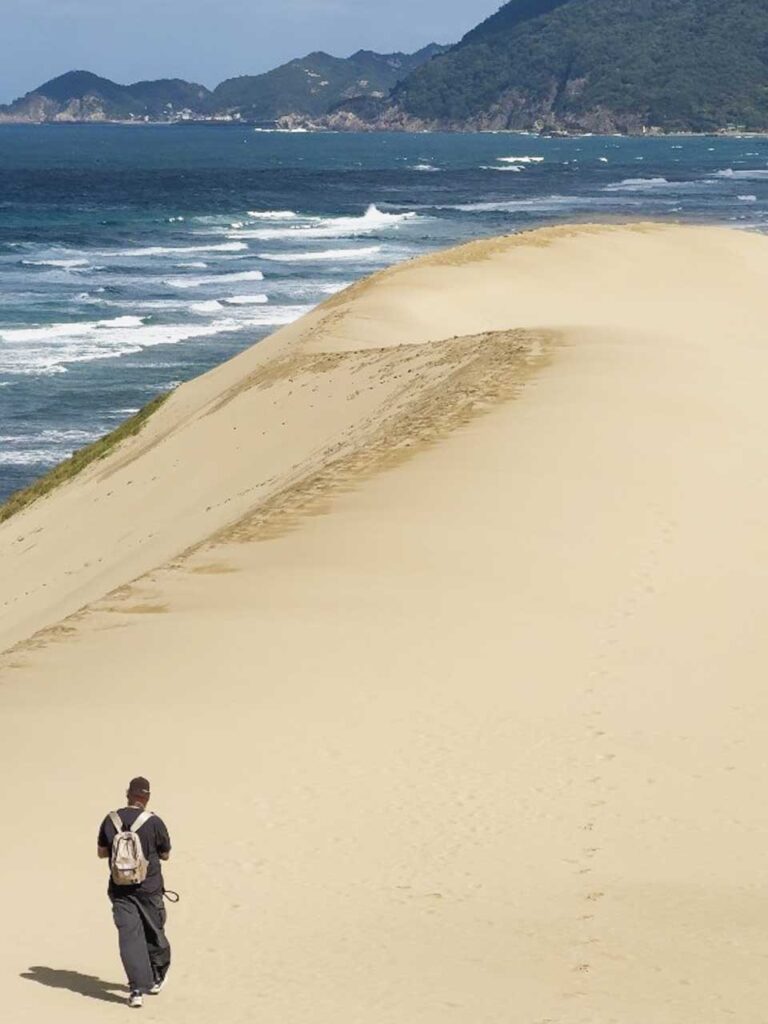
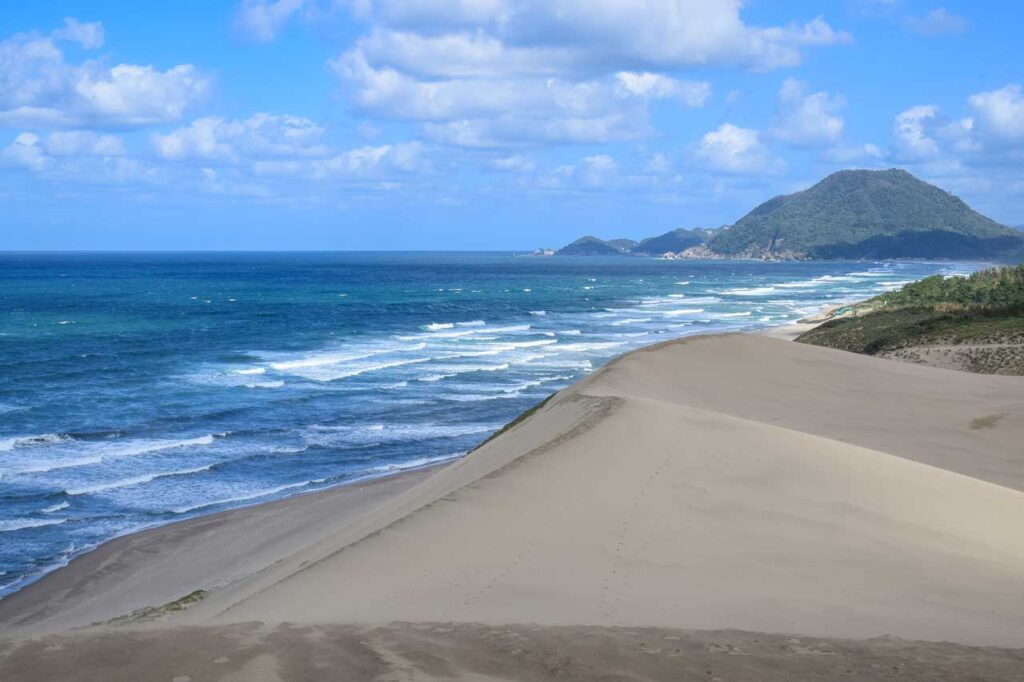
Tottori is famous for its sand dunes, where the desert-like landscape meets the sea. It is one of the more unusual natural sights in Japan and definitely one of the best places to visit in Japan if you want something different from temples, castles and city streets. That said, it was also our least favourite stop on the San-In Line because it felt more touristy than the other places on this route.

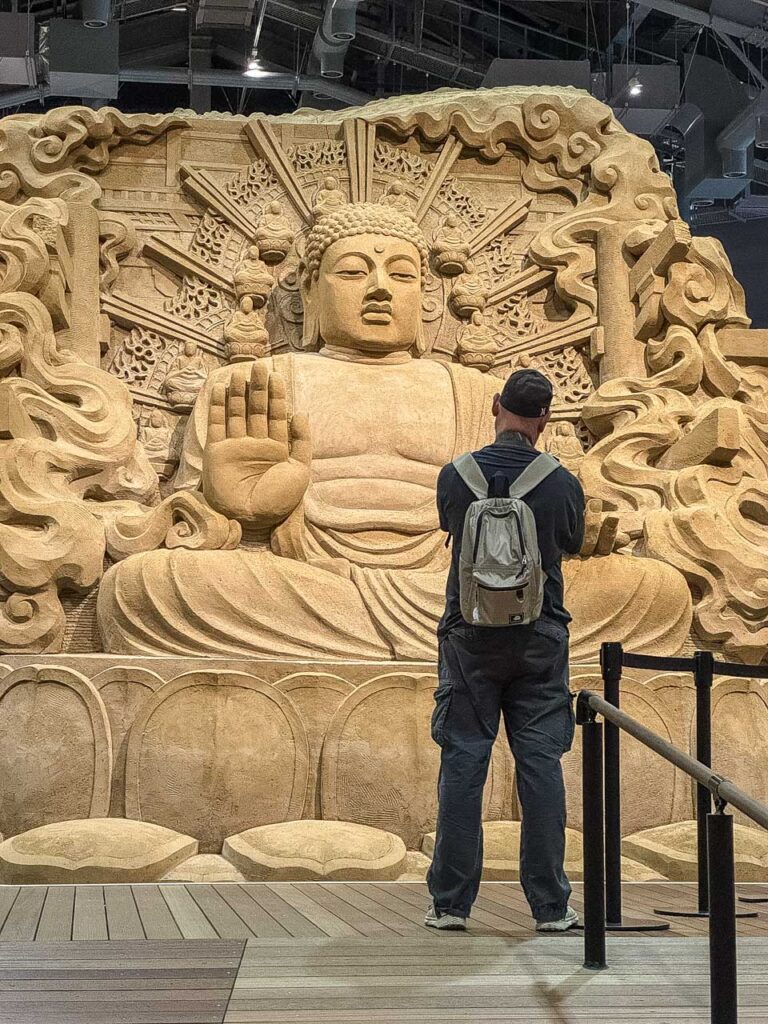
The Sand Museum was strange but impressive, with huge sand sculptures that change regularly.

Wee stayed: Tottori Washington Hotel Plaza which was pretty close to the train station.

Read our full Tottori guide here. (coming soon)

Sam walking along the Tottori Sand Dunes
Sand Castle Museum in Tottori
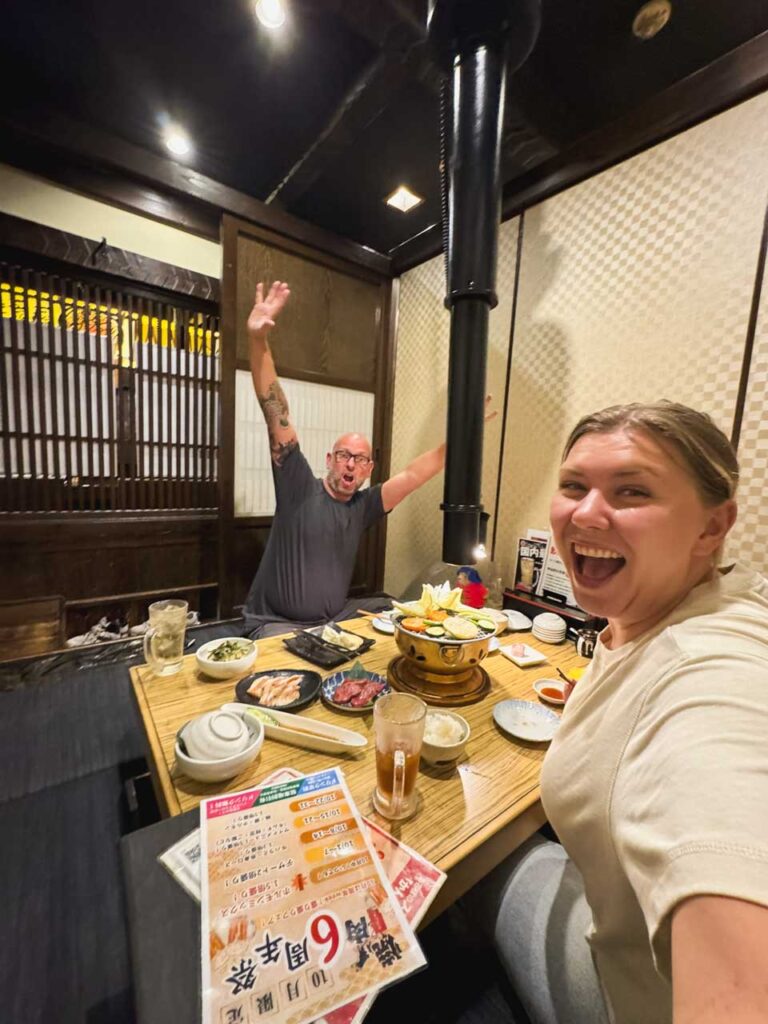
Yakiniku in Tottori
Yakiniku in Tottori
Tottori Sand Dunes
Tottori Sand Dunes

Okayama 岡山市 — 4 Nights

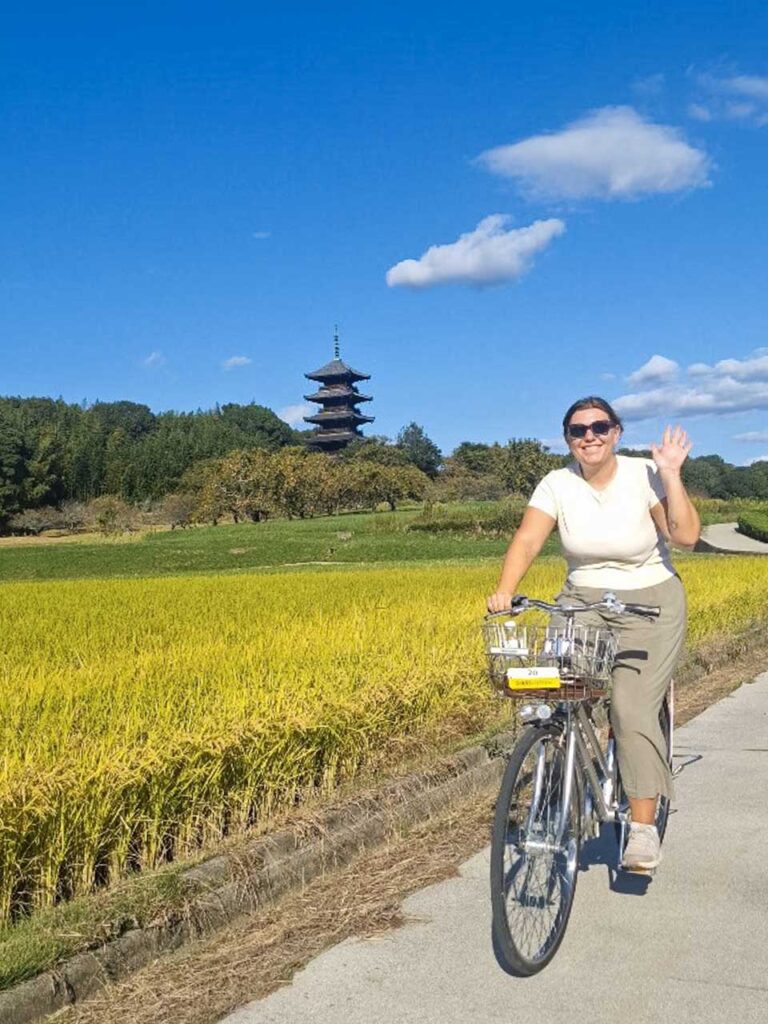
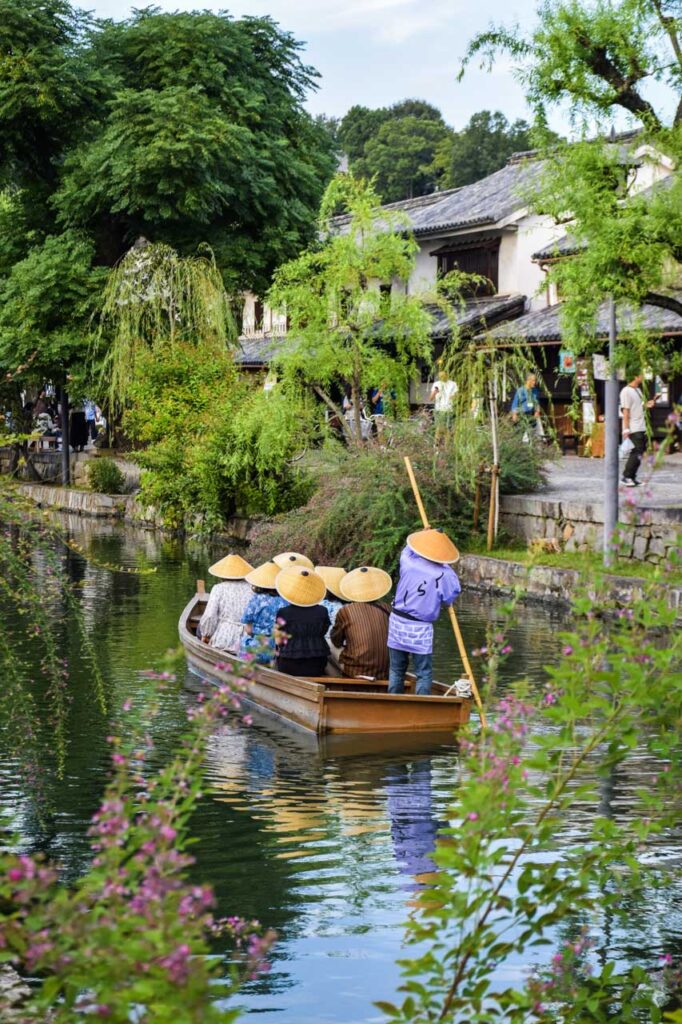
Okayama marked the end of our regional train journey and felt like a return to a larger, more connected city. At first it seemed like another grey urban stop, but it opened up once we explored beyond the centre. We visited Kibitsu Jinja with its long covered walkway, cycled out to a five-storey pagoda and took a trip to Kurashiki for denim shopping and a beautiful old canal district.

After so many smaller towns, Okayama was a comfortable place to slow down, reflect and ease back into civilisation.

We stayed: HOTEL LiVEMAX Okayama West was was small, but very clean and close to the train station.

Read our full Okayama guide here. (coming soon)

Five-storied Pagoda of Bitchu Kokubun-ji Temple
The water town of Kurashiki
Kibitsu Jinja (Sanbi Ichinomiya)
Entrance to Kibitsu Jinja (Sanbi Ichinomiya)

Travelling Japan by Local Train

This route is not about bullet trains or rushing between major cities. It is about small local trains, two-carriage services, coastal views, quiet stations and the kind of journeys where the train itself becomes part of the experience.

For this itinerary, we would not bother with a nationwide or Regional JR Rail Pass. Local tickets were easy enough to buy, the journeys were flexible, and this route was much better suited to slow independent travel than a high-speed pass-based itinerary.

One important thing to know is that IC cards such as Suica or ICOCA may not work properly on some rural sections of the San-In Line. We tapped in at Shimonoseki and could not tap out at Masuda, which eventually froze our cards until station staff helped us fix the fare at Izumo.

If we did this again, we would buy paper tickets for the rural sections instead of relying on an IC card.

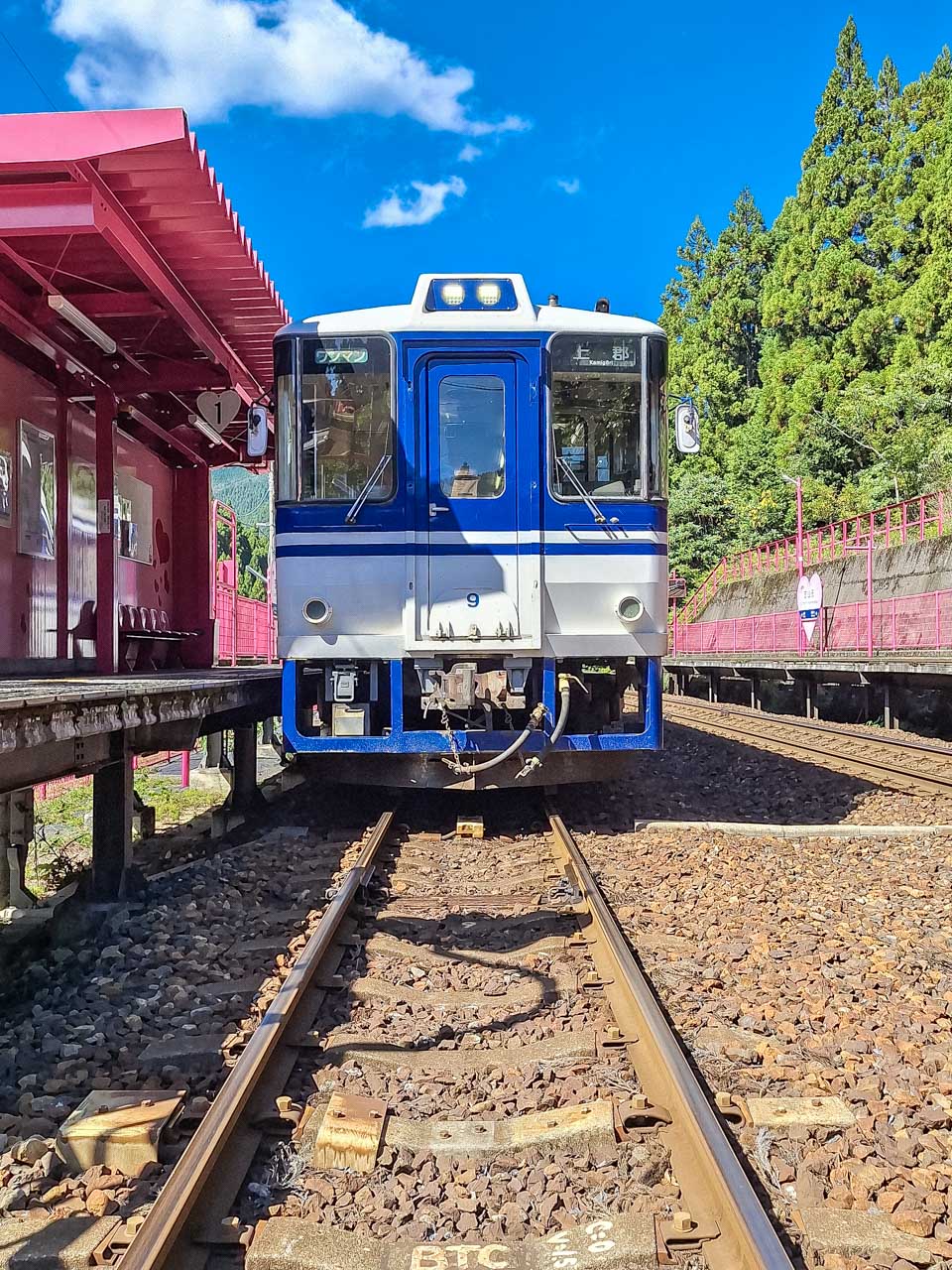
Our cute train from Tottori to Okayama

What We’d Change

We probably did not need seven nights in Fukuoka. That was useful for us because we had work to catch up on and photo backups to sort after travelling in China, but most travellers could spend three or four nights there and use the extra time elsewhere.

We also considered continuing further along the coast towards Obama, but by Tottori we were getting tired from planning each small stop, checking transport and figuring out where to stay and eat. Heading south to Okayama felt like the right decision at that point.

Is This Japan Itinerary Right for You?

This Japan slow travel itinerary is best if you have already visited the major tourist route and want to see a quieter side of the country. It is not the best route for a first trip if your dream is Tokyo, Kyoto, Osaka, Mount Fuji and the classic highlights.

But if you like small cities, local trains, ordinary neighbourhoods, regional food, shrines, castles, coastal scenery and slower travel days, this route is a lovely alternative. It reminded us why we keep coming back to Japan.

Final Thoughts

This was one of the most rewarding trips we’ve taken in Japan. By avoiding the busiest places and travelling slowly by regional train, we found a version of the country that felt calmer, friendlier and more personal.
The San-In Line gave us those perfect slow train moments: small stations, sea views, countryside, local food and quiet towns and beautiful shrines where people seemed genuinely surprised to see us. We would absolutely travel through Japan this way again.
Save the pin

July 9, 2026 0 comments
FacebookTwitterPinterestLinkedinRedditStumbleuponWhatsappTelegramThreadsOpenAIChatGPTEmail
Newer Posts
Older Posts

Recent Posts

  • The Sendai Travel Guide: Real Japan

  • A Self-Guided Art Walk in Kigali: Exploring Kacyiru’s Art Centres

  • Windhoek Travel Guide: Is Namibia’s Capital Worth Visiting?

We use Safetywing

We use THS

Trusted House Sitters

Here’s 25% off your annual membership to TrustedHousesitters - thanks to your pet loving pals at LBSBWorld.
Join now with 25% Off!

We use NordVPN

NordVPN

Get 3 months of NordVPN right now!


The best VPN service for a free, open internet

Get NordVPN!

We use Wise

Wise

Get Zero Fees on a transfer up to €500


Spend in 150+ countries like a local with Wise card

Get Wise!

Follow us on Instagram

A Bear Called Paddington abearcalledpaddington 🌍 7 years full-time travel
Follow on Instagram
©2026 LBSBWorld - All Right Reserved - Designed and Developed by Livia & Sam
LBSB World
  • Home
  • Destinations
    • Africa
      • Namibia
      • Rwanda
    • Asia
      • China
      • Indonesia
      • Japan
    • Europe
      • Albania
      • Bosnia-Herzegovina
      • Croatia
      • Montenegro
      • Netherlands
      • North Macedonia
      • Serbia
    • North America
      • Dominican Republic
  • Travel itineraries
  • Plan your trip
  • About Us
    • About Sam & Livia
    • The Story Behind Our Full-Time Travel Life
    • abearcalledpaddington