Top Posts
Chengdu Travel Guide: The Perfect Introduction to China
Trusted House Sitters Promo Code: Save on Your Membership
Chameleon Safaris Promo Code: Get 10% Off Your Namibia Safari
How to Visit the Chengdu Panda Base: Tickets, Tips & Our Experience
Our 3-Month Balkans Itinerary: 93 Days by Bus Through Southeast Europe
Subotica: Serbia’s Most Beautiful Surprise
A Short Guide to Novi Sad
Belgrade: Our Favourite City in Serbia
Best Apps for Visiting China (2026 Guide)
Visiting the Jordaan: Amsterdam’s Most Beautiful Neighbourhood
LBSB World
  • Home
  • Destinations
    • Africa
      • Namibia
    • Asia
      • China
      • Indonesia
    • Europe
      • Albania
      • Bosnia-Herzegovina
      • Croatia
      • Montenegro
      • Netherlands
      • North Macedonia
      • Serbia
    • North America
      • Dominican Republic
  • Travel Itineraries
    • Our 9-Day Namibia Tour with Chameleon Safaris: An Honest Review
    • Our 2 Week Albania Itinerary
    • Bosnia and Herzegovina Itinerary: Our 1 Month Route by Bus
    • Namibia Self Drive: Everything We Learned Driving a 4×4 Across Namibia
    • Our 3-Month Balkans Itinerary: 93 Days by Bus Through Southeast Europe
  • Plan Your Trip
    • How to Deal with Travel Burnout (And Start Enjoying Travel Again)
    • Sam’s Fulltime Travel Packing List
    • Using Trusted House Sitters to Support Your Travels
    • Trusted House Sitters Promo Code: Save on Your Membership
  • About Us
    • About Sam & Livia
    • The Story Behind Our Full-Time Travel Life
    • abearcalledpaddington
Category:

China

China

Chengdu Travel Guide: The Perfect Introduction to China

by Livia July 3, 2026
written by Livia

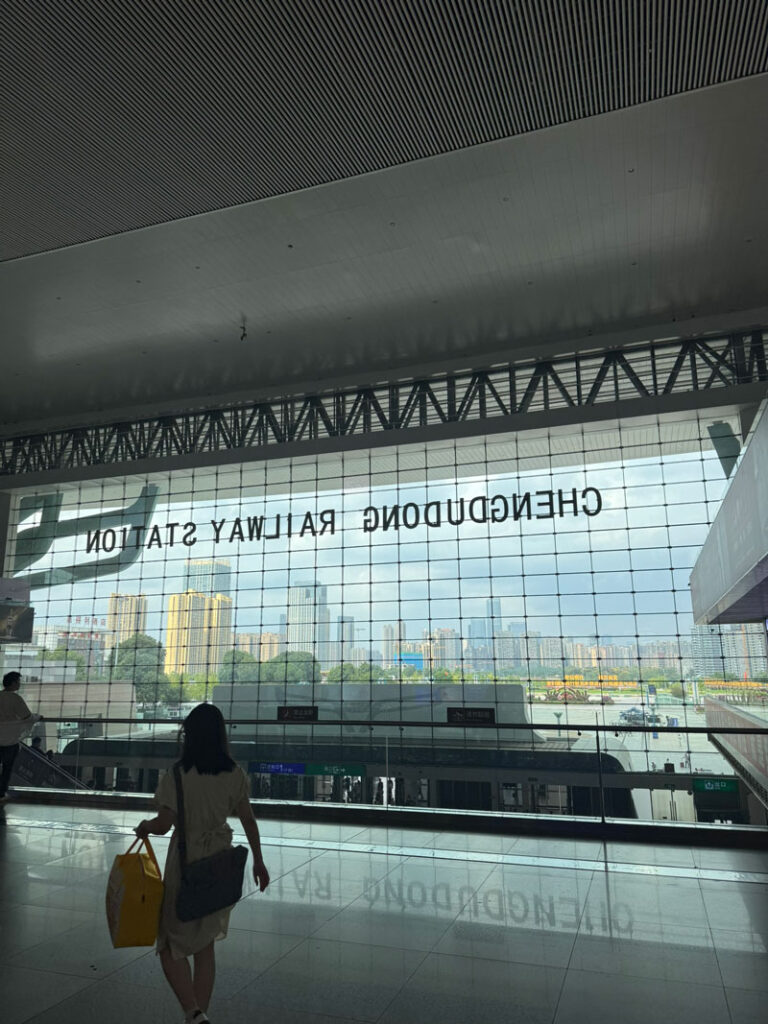
Chengdu was our first introduction to China. China had been on our travel wish list for years, but between visa requirements and uncertainty about how difficult it would be to travel there, we kept putting it off. When China introduced visa-free entry for our passports, we finally decided it was time.

Arriving in Chengdu, we were nervous. Immigration took around an hour as officials carefully checked our documents and even called our hotels to confirm our bookings. Nobody smiled, nobody explained what was happening, and we spent the entire time wondering whether we would actually be allowed into the country.

As soon as we cleared customs, our assumptions about China started to unravel. A security guard warned us away from an unofficial taxi driver, and while walking towards the train station two young men approached us with a camera. They asked if they could drive us into the city for free in exchange for filming a short interview for their YouTube channel.

My first instinct was that something felt suspicious. Sam’s first instinct was to jump in the car.

Thankfully, it turned out to be completely genuine. Interviewing foreign visitors is a popular type of content on Chinese social media, and what started as a chance encounter became one of our favourite memories from Chengdu. We ended up spending more time with them during our stay and it completely changed our first impression of China.

Looking back, Chengdu was the perfect introduction to the country. Relaxed, welcoming and full of surprises, it quickly became one of our favourite cities in China.

It was also the least touristy place we visited in China. Compared to Shanghai and even Chongqing, we saw very few foreign visitors during our time there. Most of the people we met were Chinese tourists or locals going about their daily lives. For us, that made the experience feel much more authentic and gave us a glimpse of a side of China that many international visitors never see.

Why Visit Chengdu?

Chengdu is one of the homes of the giant panda, and visiting the pandas is undoubtedly the city’s most famous attraction. It’s well worth doing and one of the highlights of any trip to China.

However, the pandas aren’t the main reason we enjoyed Chengdu so much.

What stood out most to us was the atmosphere and the people. Chengdu felt noticeably more relaxed than the other Chinese cities we visited. We were invited by complete strangers to share food and drinks despite us speaking no Chinese and them speaking very little English. Time and time again people went out of their way to help us, making us feel genuinely welcome.

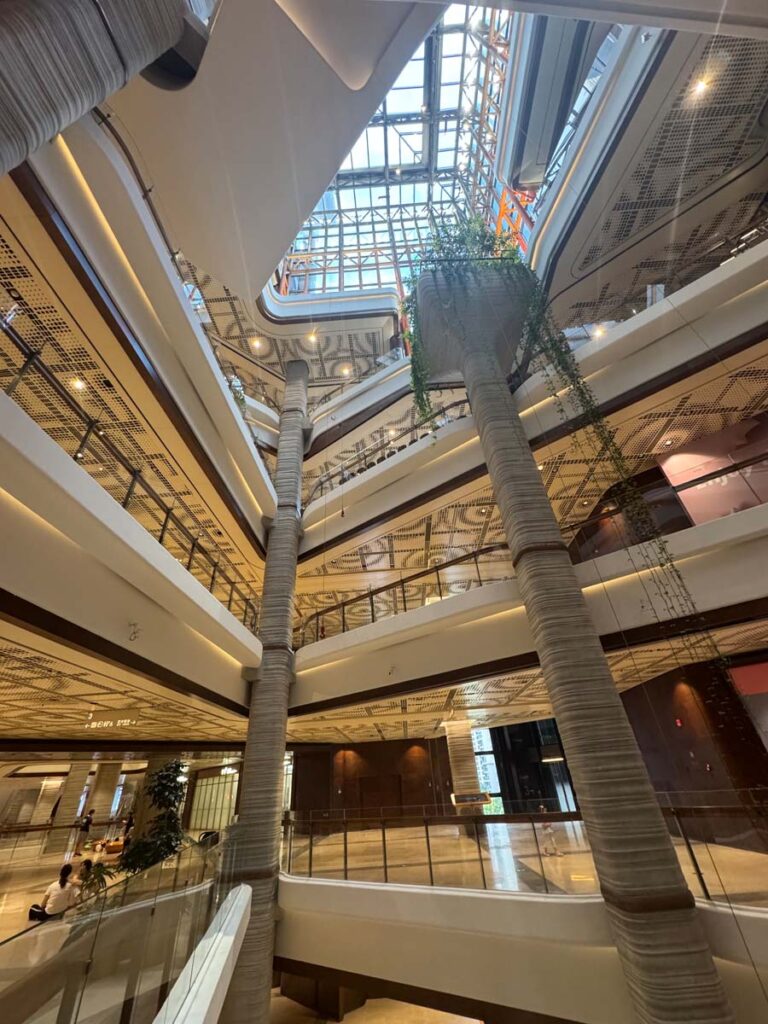
We loved the mix of old and new. In the same day, you can explore modern shopping districts, visit historic temples and spend hours wandering through traditional neighbourhoods. Despite being a city of more than 20 million people, we were always able to find quieter corners away from the crowds.

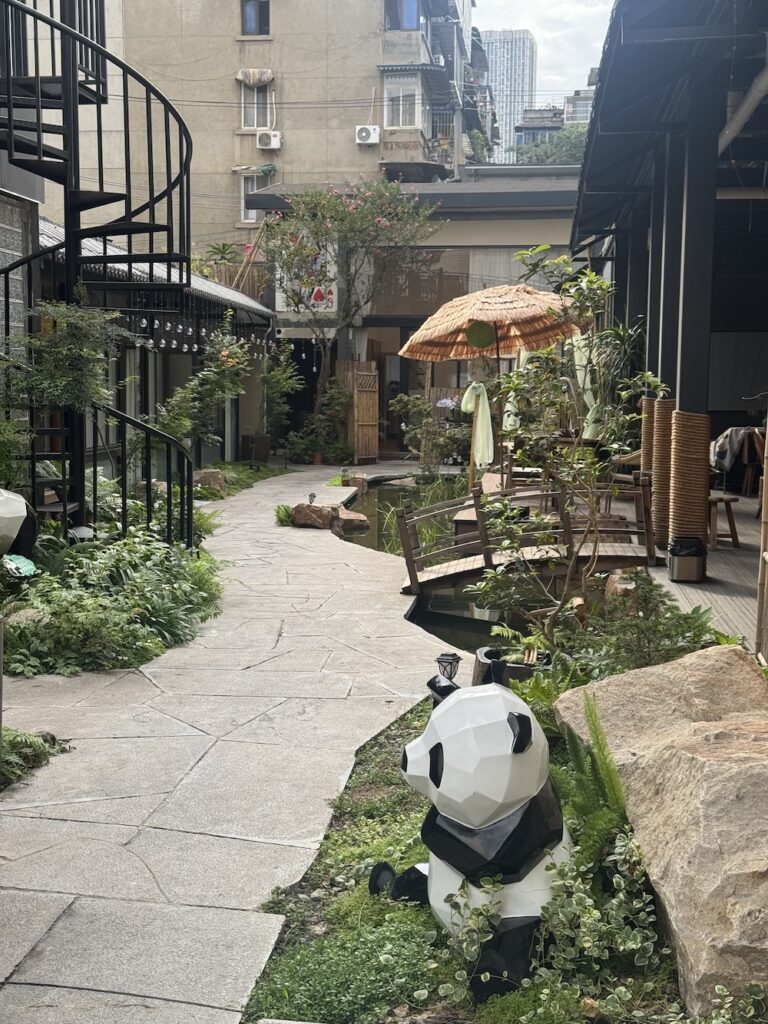
One thing that made us smile was how much Chengdu embraces its giant pandas. They aren’t just found at the Chengdu Research Base, but throughout the city. We spotted panda statues, murals, souvenirs and artwork around almost every corner, with the giant panda climbing the side of the IFS shopping centre becoming one of the city’s most iconic landmarks.

In the evenings, locals gathered in parks and public squares to dance, play games and socialise. There was a sense of community and everyday life that made Chengdu feel different from what we experienced in Shanghai and Chongqing.

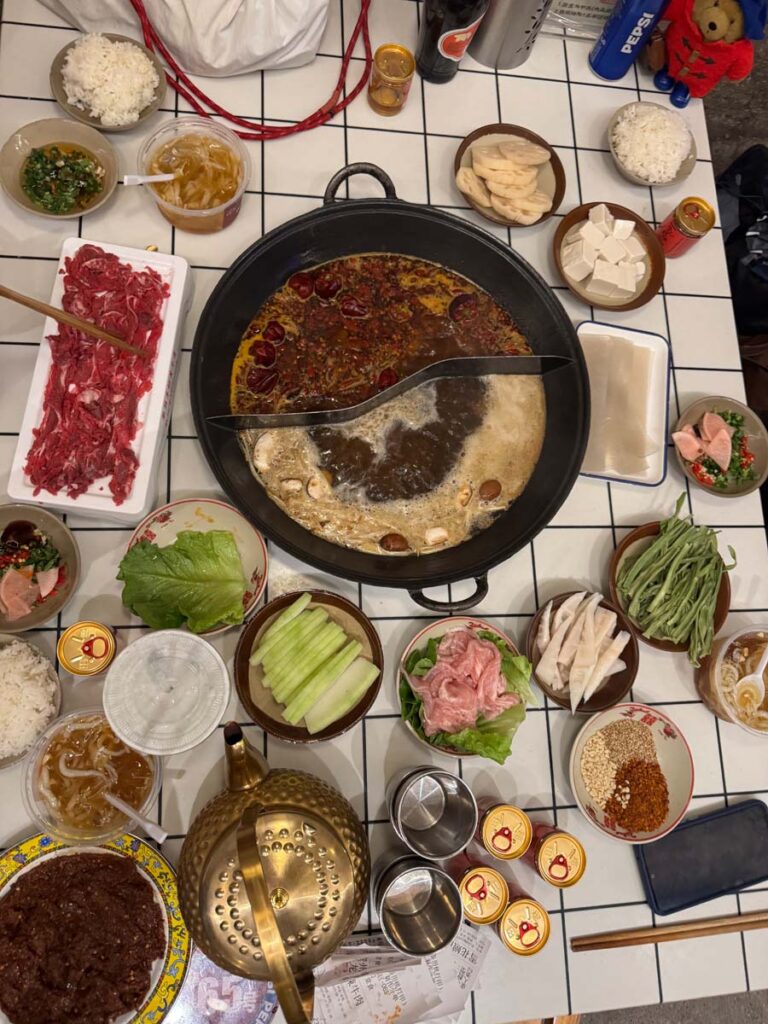
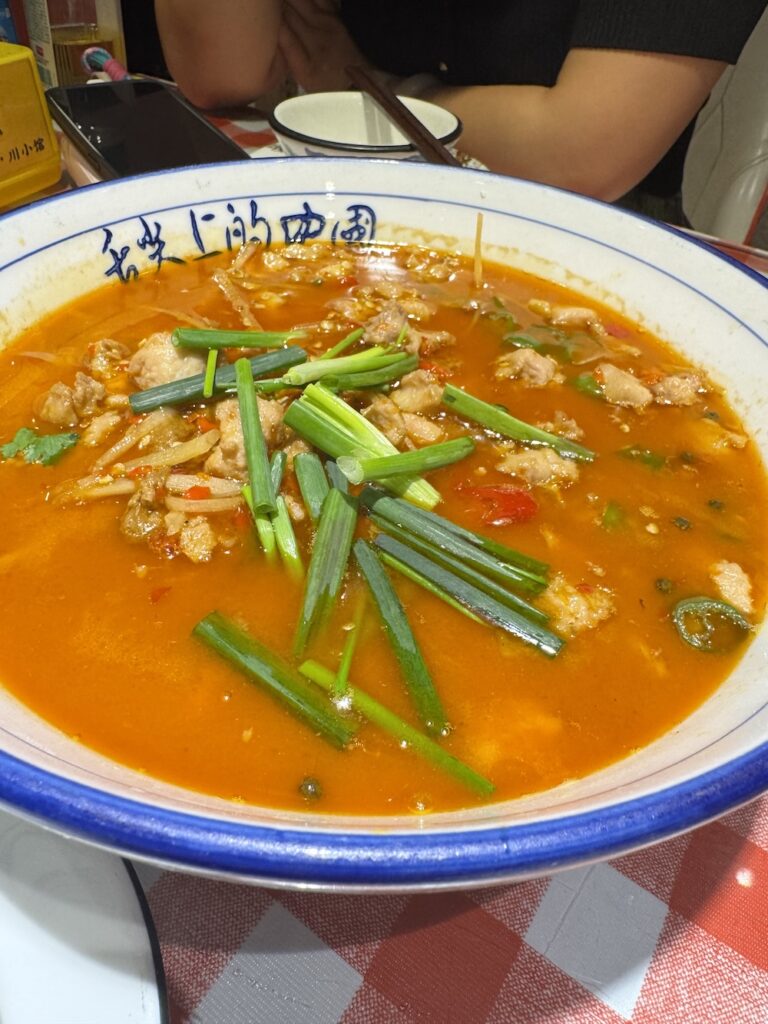
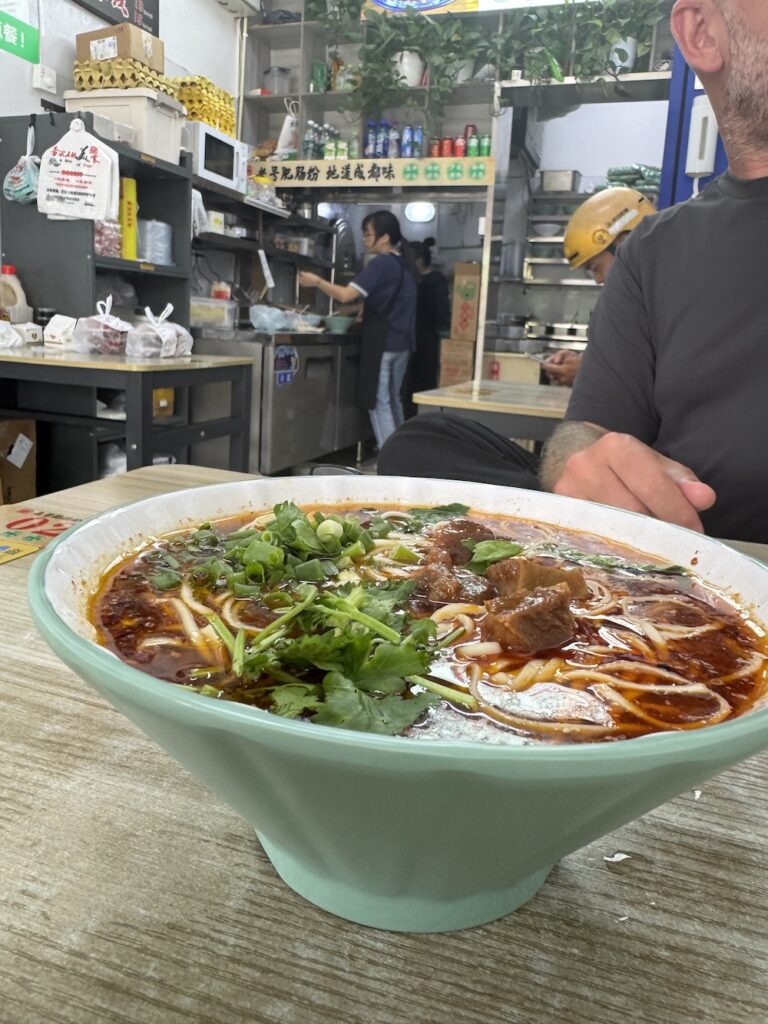
Food is another reason to visit Chengdu. The city is famous for its Sichuan cuisine, from hot pot and mapo tofu to countless street food stalls and local restaurants. Even if you’re not usually a fan of spicy food, trying the local dishes is a big part of the experience.

Chengdu is equally well positioned for exploring the surrounding area. Whether you’re visiting the giant pandas, heading to nearby ancient towns or continuing deeper into Sichuan Province, the city makes a convenient and enjoyable base.

Where to stay in Chengdu

Chengdu offers everything from luxury hotels to budget-friendly guesthouses, but for most visitors, staying around People’s Park, Tianfu Square or Kuanzhai Alley provides the best balance of sightseeing, restaurants and transport. We stayed at The Hidden House (Cheng Du Kuanzhai Alley People’s Park Subway Station Branch), a peaceful boutique hotel tucked away on a quiet street just a 5 to 10-minute walk from People’s Park, Kuanzhai Alley and the nearest metro station. It’s a great hotel to stay in the city, combining a tranquil courtyard setting with an excellent location for exploring the city on foot. 

Things to Do in Chengdu

Visit the Chengdu Research Base of Giant Panda Breeding

If there’s one attraction you shouldn’t miss in Chengdu, it’s the Chengdu Research Base of Giant Panda Breeding. Seeing giant pandas was the main reason we travelled to Chengdu, and it completely lived up to our expectations. Alongside the giant pandas, you’ll also have the chance to see the playful red pandas, which were just as entertaining.

Best time to visit: Arrive when the park opens. The pandas are most active during the cooler morning hours before settling down for a long nap. It’s also the least busy time of day. We arrived at opening, and it was still busy, especially by the “famous” panda enclosures and the baby pandas, which we skipped completely due to the queue.

How long to spend there: Allow around 3 to 4 hours to explore the park without rushing.

πŸ‘‰ Read our complete Chengdu Panda Base Guide for everything you need to know, including tickets, transport, opening times, the best route around the park and our top tips for making the most of your visit.

Relax in People’s Park

If you want to experience everyday life in Chengdu, spend a couple of hours exploring People’s Park. We visited on a Saturday and it was full of local families enjoying the weekend together, giving the park a lively and welcoming atmosphere.

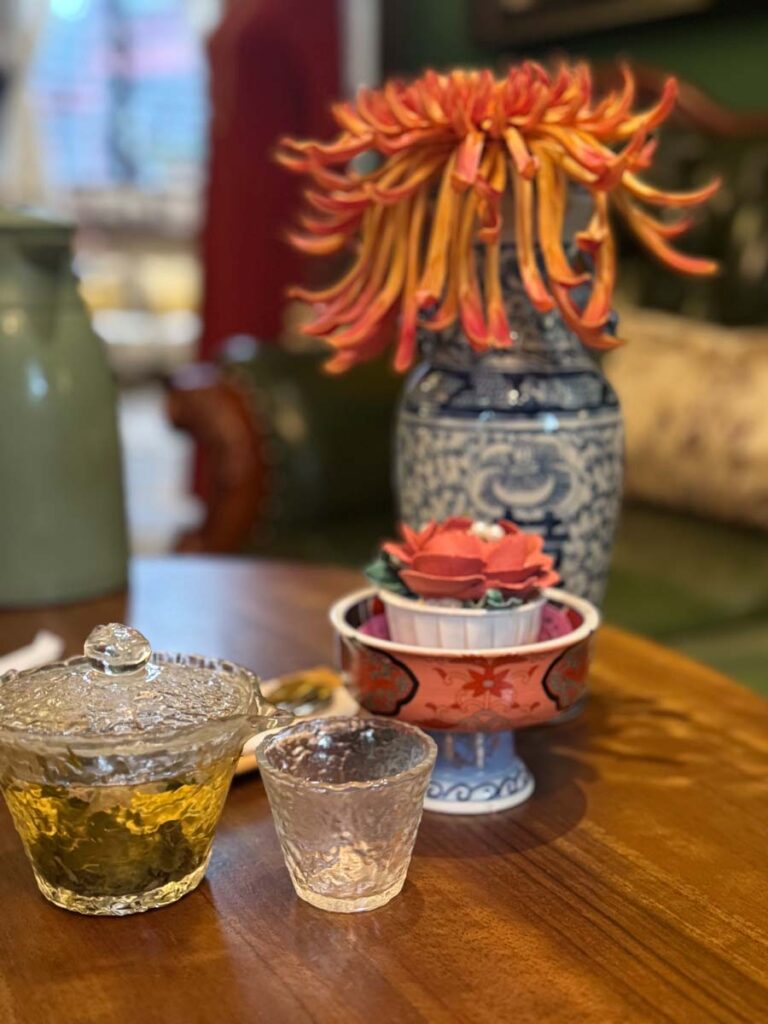
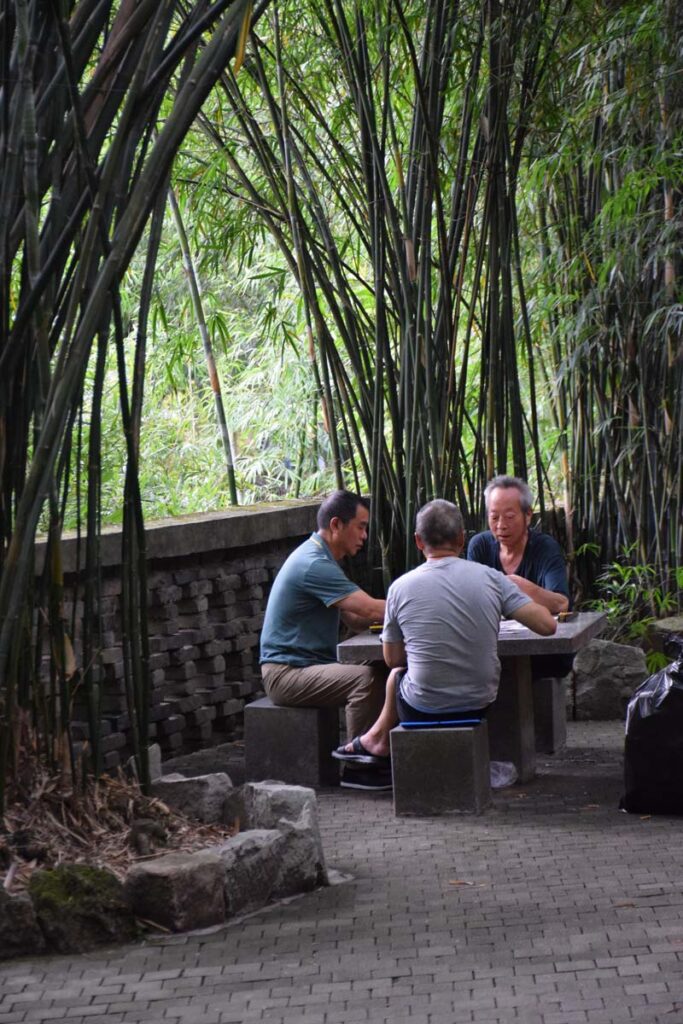
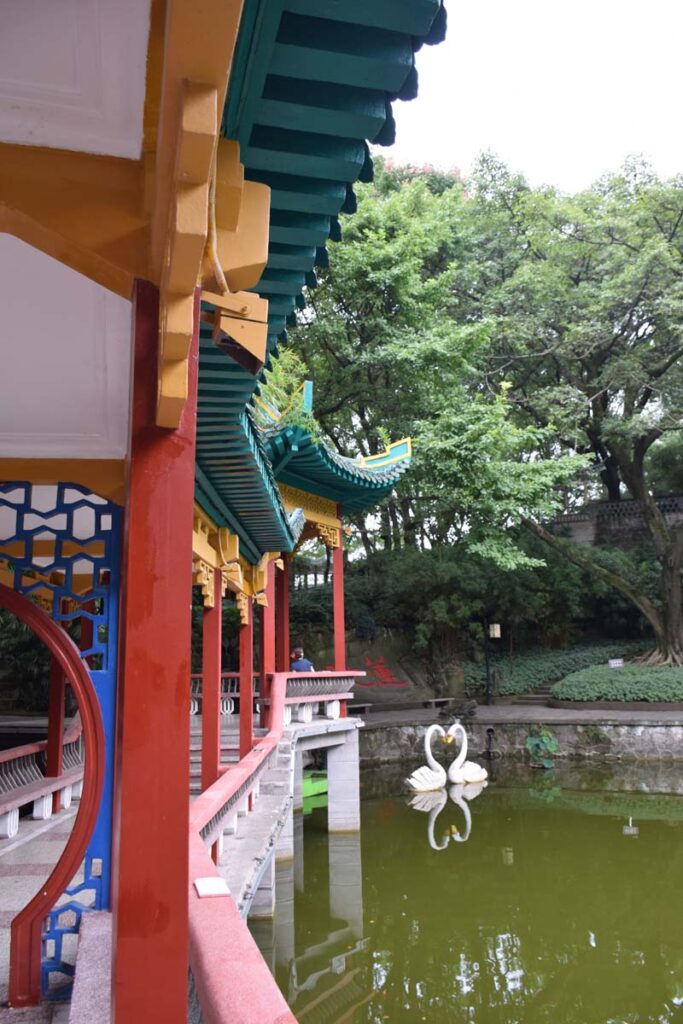
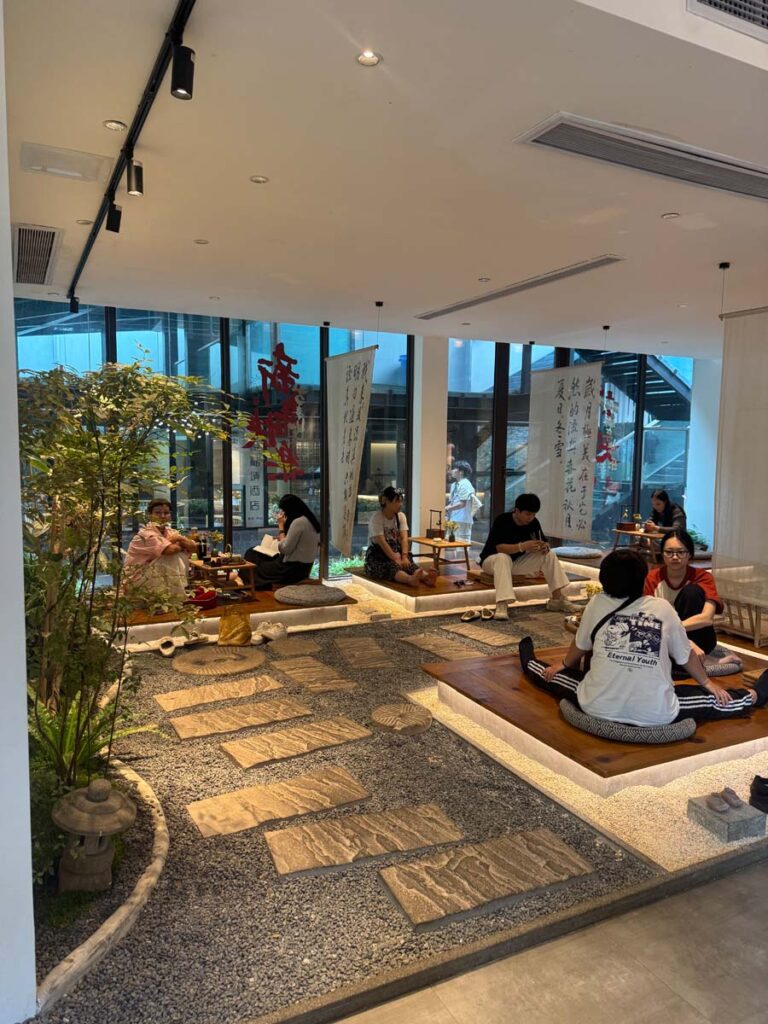
The park itself is beautiful, with tree-lined paths, lakes and traditional gardens, but it was the people that made it memorable. As we wandered around, we came across dance performances, groups exercising, musicians, people playing mahjong and friends relaxing over tea. Everywhere we looked, there was something happening.

We’d recommend allowing 1 to 2 hours to explore the park at a relaxed pace. It’s one of the best places in Chengdu to slow down, people-watch and experience the city’s famously laid-back culture.

Visit Wuhou Shrine

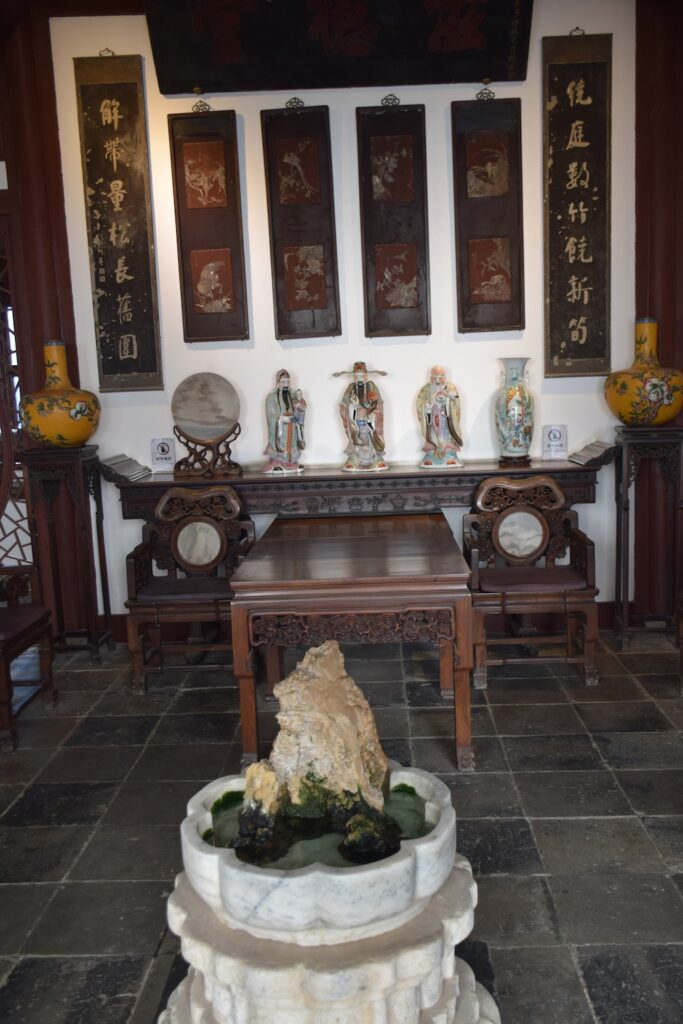
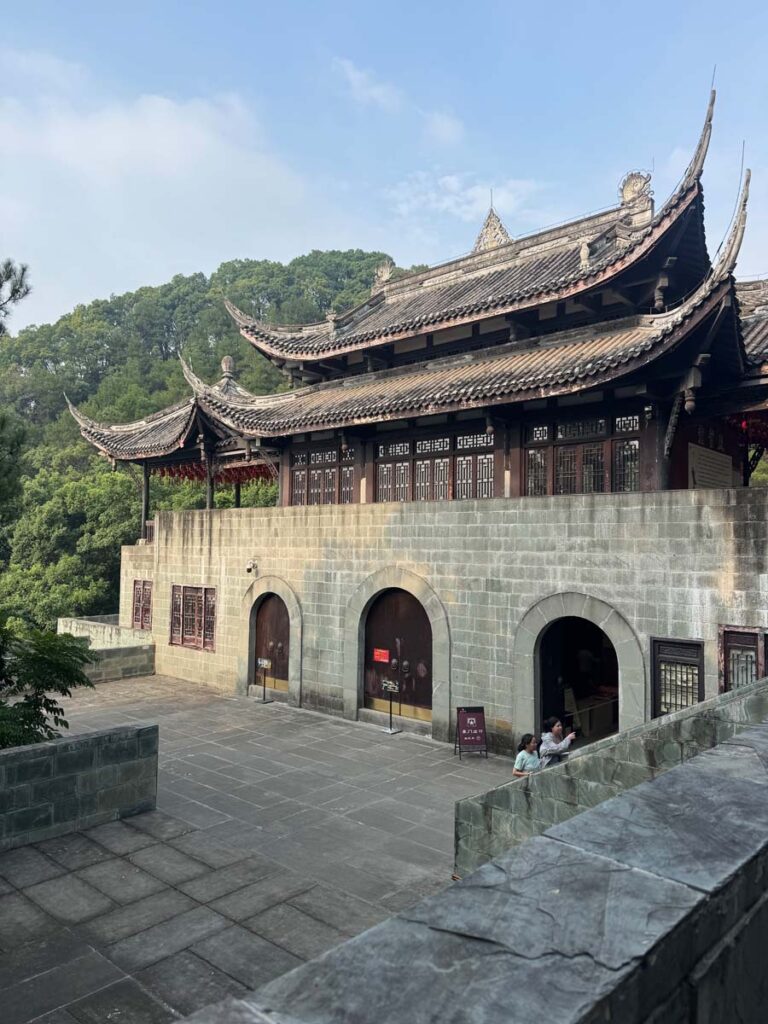
Wuhou Shrine was one of our favourite places in Chengdu. Dedicated to the famous strategist Zhuge Liang and the Three Kingdoms period, it’s one of the city’s most important historical sites, but you don’t need to know much about Chinese history to appreciate it.

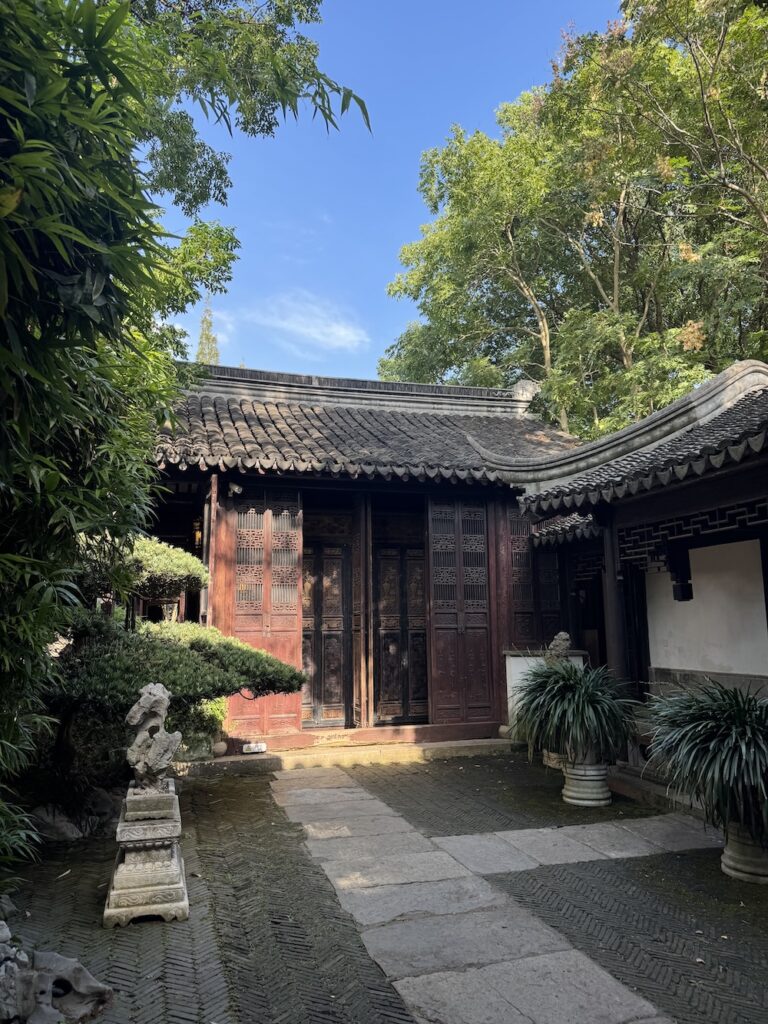
The entrance was quite busy when we arrived, but as we wandered further into the complex, the crowds quickly disappeared. We found ourselves strolling through peaceful courtyards, beautiful gardens and pathways lined with towering cypress trees. The combination of traditional architecture, colourful red buildings and quiet surroundings made it one of the most relaxing places we visited in Chengdu.

We’d recommend allowing 2 hours to explore the shrine and its gardens. Whether you’re interested in history or simply looking for a beautiful place to escape the city’s busy streets, Wuhou Shrine is well worth adding to your Chengdu itinerary.

Explore Chunxi Road – shopping

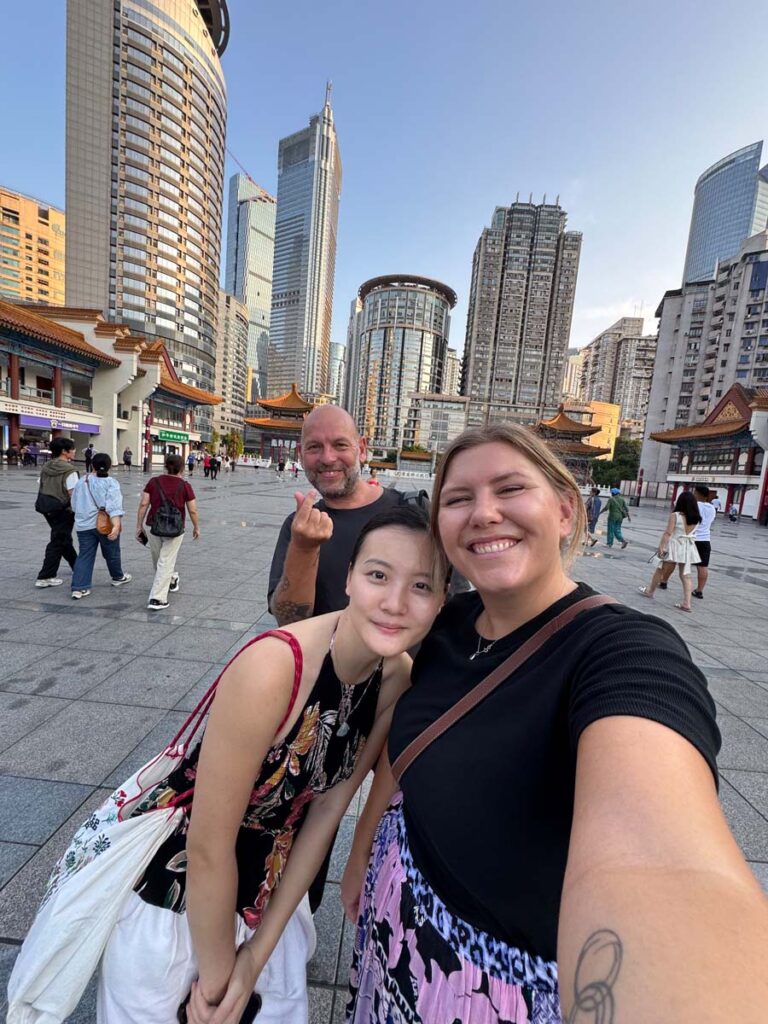
For a completely different side of Chengdu, head to Chunxi Road. This is the city’s modern shopping district, filled with huge shopping malls, international brands, restaurants and towering skyscrapers. It’s a great contrast to the historic temples and traditional parks found elsewhere in the city.

Even if shopping isn’t your thing, Chunxi Road is worth visiting for the atmosphere alone. The streets are busy from morning until late at night, with street performers, colourful billboards and plenty of places to stop for food or a coffee.

One of the biggest highlights is the IFS shopping centre, where you’ll find the city’s famous giant panda climbing the side of the building. It’s become one of Chengdu’s most recognisable landmarks and is a popular photo spot. If you’re feeling adventurous, you can also visit the rooftop terrace behind the panda for a different perspective.

Wander Around the Guihua Lane Neighbourhood (ζ‘‚θŠ±ε··)

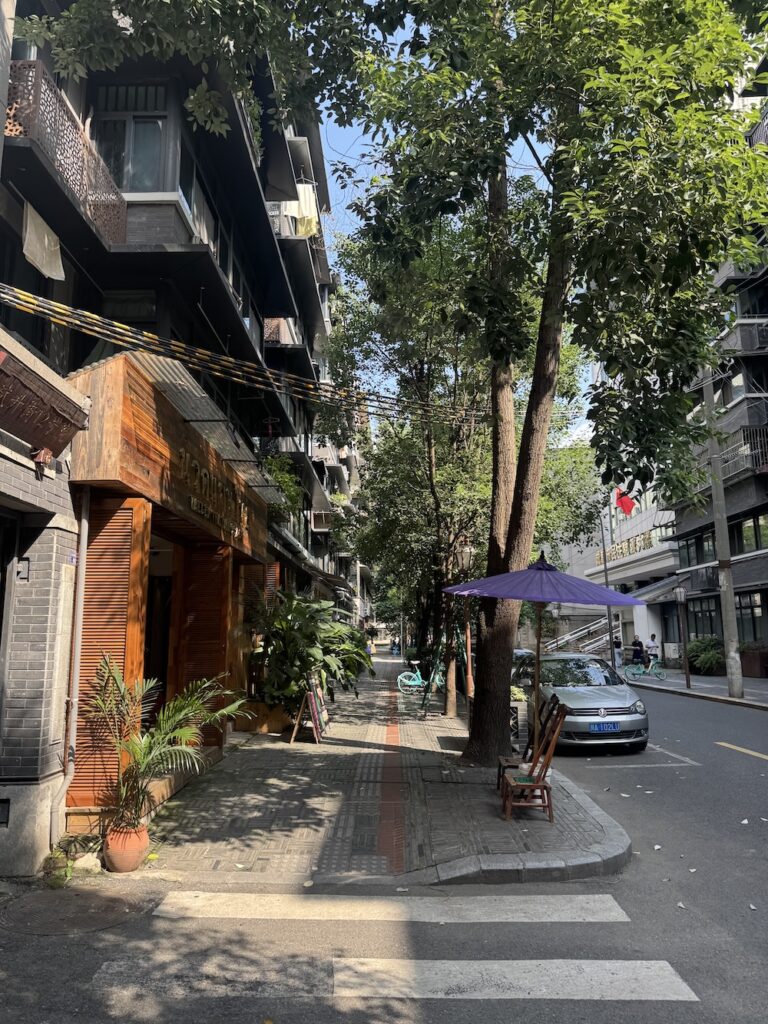
Just around the corner from where we stayed, the streets surrounding Guihua Lane became one of our favourite areas to explore in Chengdu. While it isn’t home to any major tourist attractions, it’s the perfect place to wander and experience a quieter, more local side of the city.

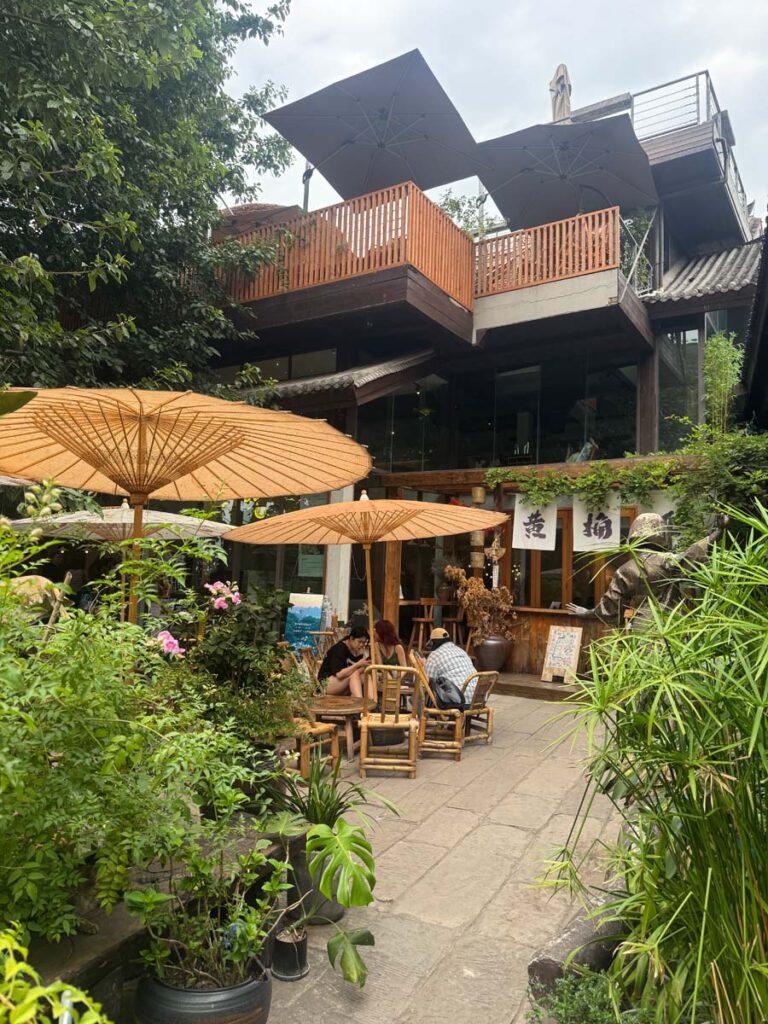
We loved walking through the surrounding streets, discovering independent cafΓ©s, local restaurants and small shops tucked away between the tree-lined avenues. Compared to the busy shopping district around Chunxi Road, this neighbourhood felt much more relaxed and gave us a glimpse into everyday life in Chengdu.

If you have a couple of spare hours, we’d recommend putting away the map and simply exploring the area at your own pace. Some of our favourite moments in Chengdu came from wandering these streets without any particular destination in mind.

Where to eat in Chengdu

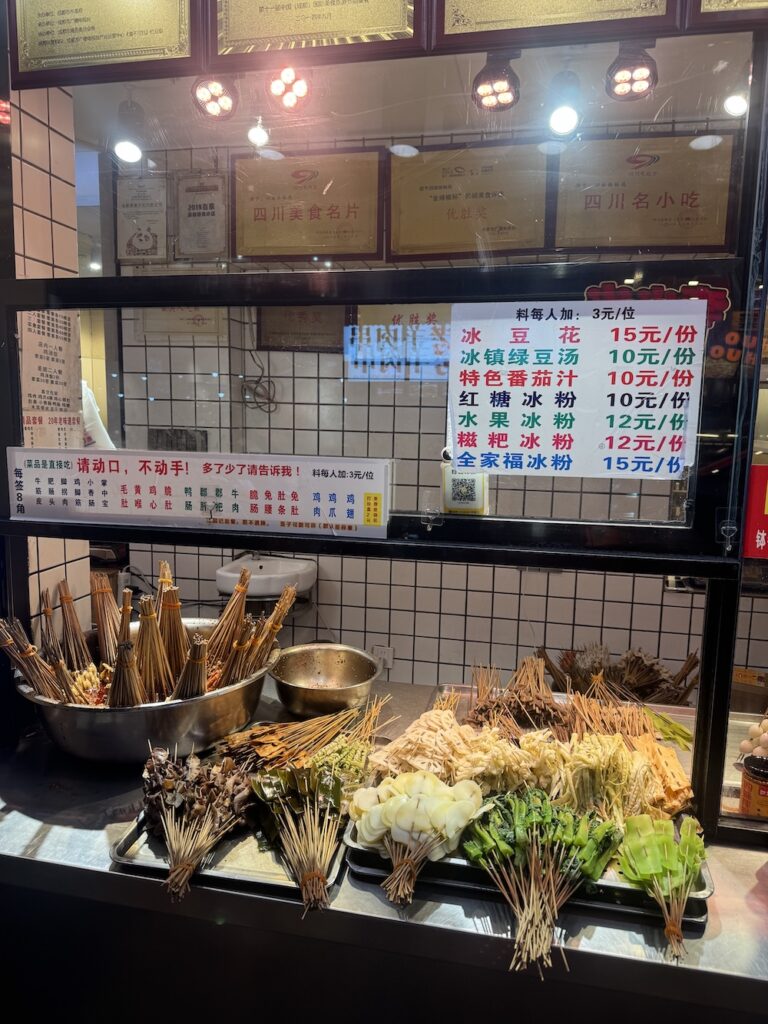
Chengdu is the birthplace of Sichuan cuisine, and after our visit it’s become one of our favourite cuisines in the world. The bold flavours, fragrant spices and famous numbing Sichuan pepper make every meal an experience. While there are countless dishes to try, some of the local specialities we think you shouldn’t miss include Sichuan Hot Pot, Dan Dan Noodles, Mapo Tofu, Kung Pao Chicken, and street snacks such as Tang You Guo Zi, Bo Bo Ji, Bing Fen and Dan Hong Gao. Even if you’re not usually a fan of spicy food, trying the local cuisine is an essential part of visiting Chengdu.

Be prepared for the spice! Sichuan pepper creates a unique tingling, numbing sensation that’s just as memorable as the heat.

Explore Wangping Street

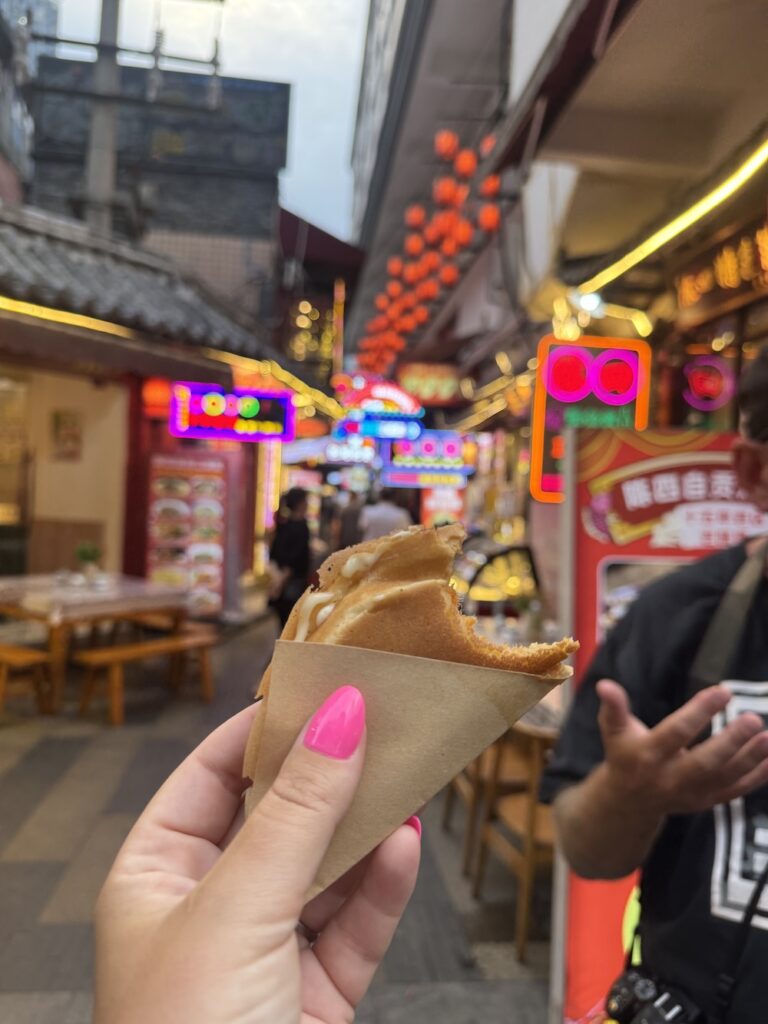
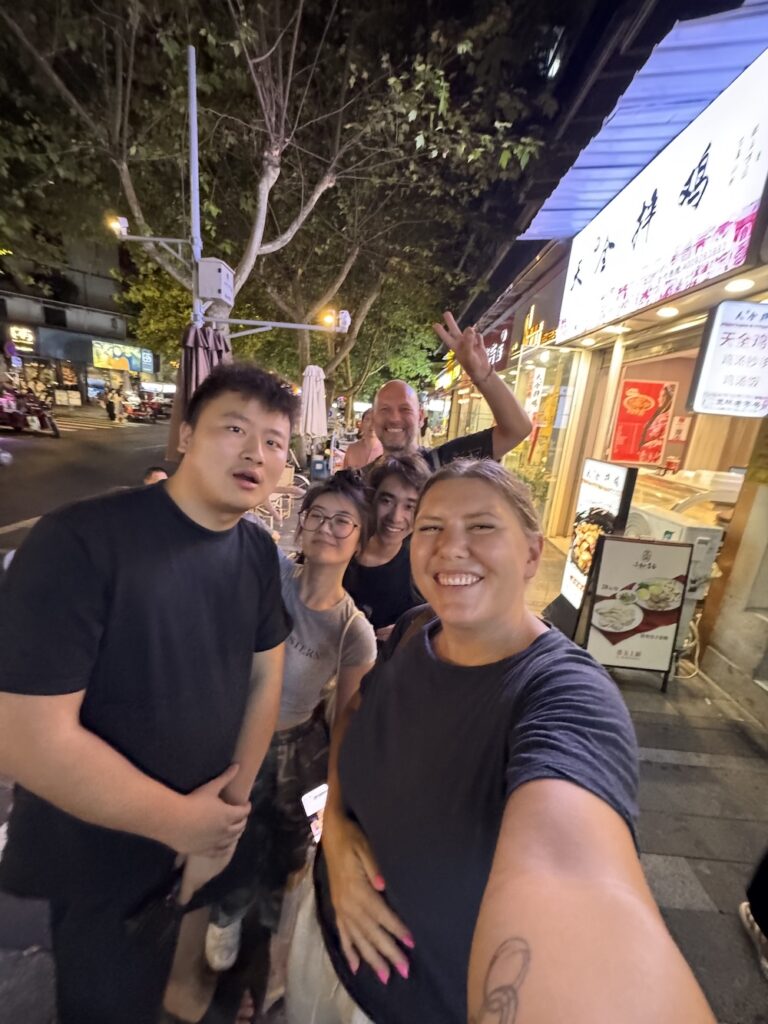
One of our favourite food experiences in Chengdu was spending an evening exploring Wangping Street, one of the city’s best-known snack streets. Rather than wandering on our own, we had a local show us around, introducing us to dishes we almost certainly wouldn’t have ordered ourselves.

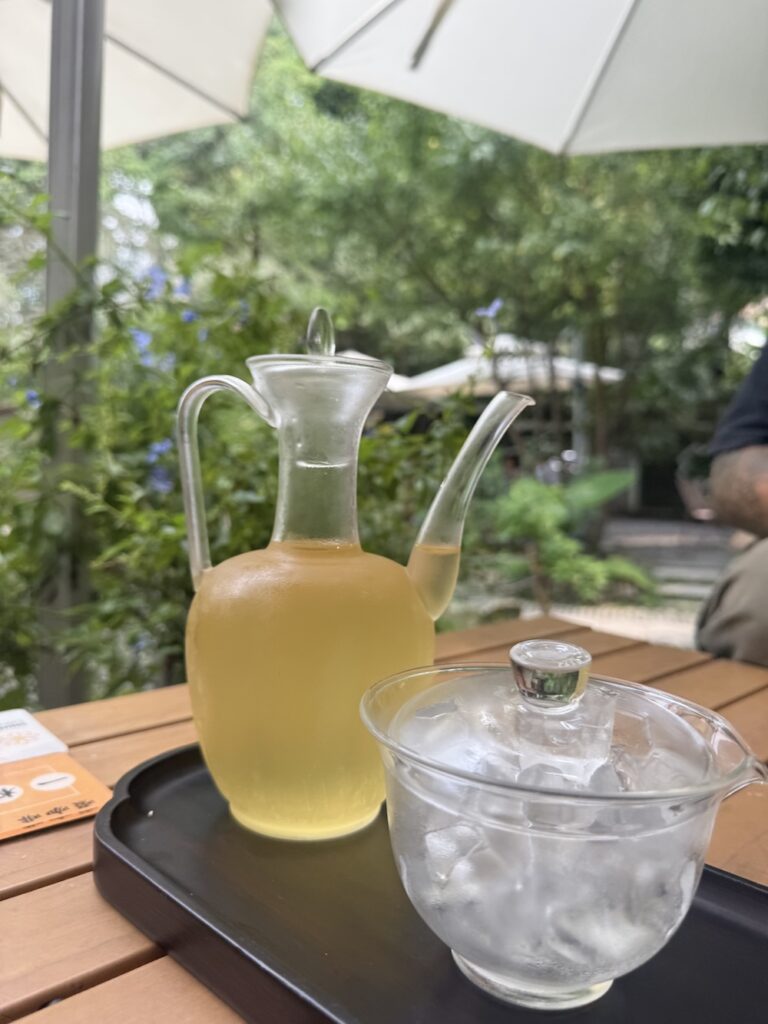
We sampled everything from freshly fried Tang You Guo Zi (sweet fried dough balls) and Dan Hong Gao (egg cakes) to Bing Fen (a refreshing herbal jelly dessert with brown sugar), cold noodles and cold jelly, traditional tea drinks, and sticky rice desserts served with rice wine and brown sugar. One of our stops was Simei Benben Chicken, where we tried Bo Bo Ji, a Chengdu speciality of cold skewers served in a spicy, aromatic broth. It wasn’t our favourite bite of the evening, but that’s part of travelling. You won’t love every local dish, and trying Chengdu’s famous specialities was an experience we wouldn’t have wanted to miss. Every stop offered something different, giving us a fantastic introduction to the flavours that make Chengdu one of China’s great food cities.

Explore the Yulin Neighbourhood

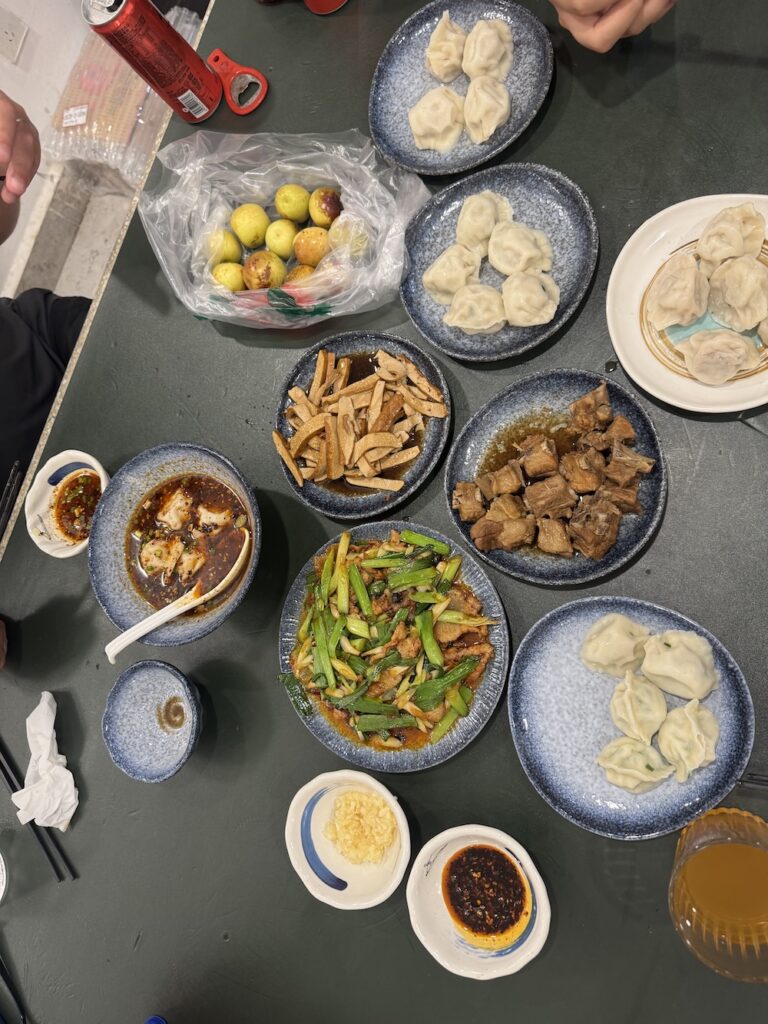
If you’re looking to venture beyond the main tourist sights, head to Yulin. This lively neighbourhood is one of Chengdu’s best food districts, packed with traditional Sichuan restaurants, hot pot, barbecue, cafΓ©s and late-night eateries. It was the same guy who gave us a lift from the airport when we arrived who later took us here, introducing us to one of his favourite neighbourhoods. We ended up having one of our favourite meals in all of China at a tiny dumpling restaurant, but despite our best efforts, we’ve never managed to find its name again. Sometimes the places without a name on your map become the ones you remember most.

How Many Days Do You Need in Chengdu?

We spent 3 nights in Chengdu, which gave us enough time to visit the city’s highlights, including the Giant Panda Base, People’s Park, Wuhou Shrine and several of Chengdu’s fantastic food districts. We could easily have stayed longer. Chengdu has a wonderfully relaxed atmosphere, incredible food and plenty of attractions both in the city and nearby, making it somewhere that’s easy to slow down and enjoy.

2 Days

If you’re short on time, two days is enough to see the Giant Panda Base and explore Chengdu’s historic centre, including People’s Park, Kuanzhai Alley and a few of the city’s famous food streets.

3 Days

We think 3 days is the sweet spot for most visitors. It gives you enough time to see the main attractions, enjoy Chengdu’s incredible food scene, and experience the city’s relaxed atmosphere without feeling like you’re constantly on the move.

4+ Days

If you have four days or more, there’s plenty to keep you busy. We would have loved to spend a day exploring Dujiangyan, visit the Dujiangyan Panda Base, and check out Dongjiao Memory, Chengdu’s creative arts and cultural district. With extra time, Chengdu also makes an excellent base for exploring more of Sichuan Province, whether you’re taking day trips or heading further afield to places like Mount Qingcheng, Leshan or Jiuzhaigou.

Practical Tips for Visiting Chengdu

Getting Around Chengdu

Getting around Chengdu is affordable and relatively straightforward. We mostly walked, caught local buses and used Didi, but the city also has a metro system.

Metro

Chengdu has an extensive metro network that connects most of the city’s major attractions. We didn’t end up needing it during our stay, but it’s widely regarded as one of the easiest and most convenient ways to get around the city, especially for longer distances.

Bus

We used the local buses several times during our stay. They took a little more planning than using Didi, but were inexpensive and a good way to get around. We set up a Chengdu Transport Card in Alipay, which allowed us to simply scan our phone on the bus.

Didi

For longer journeys or when we wanted the easiest option, we used Didi, China’s equivalent of Uber. It was affordable, reliable and simple to book through the Alipay or WeChat app.

Walking

Many of Chengdu’s attractions are close together, making the city enjoyable to explore on foot. We especially enjoyed wandering around People’s Park, Kuanzhai Alley, Wangping Street and the quieter streets around our hotel.

Best Time to Visit Chengdu

We visited Chengdu in September and found it hot and humid, although it certainly didn’t stop us from enjoying the city. If you’re planning to spend a lot of time exploring on foot, spring (March to May) and autumn (October to November)generally offer the most comfortable temperatures. That said, Chengdu is a year-round destination, with each season offering a different experience.

Internet, Payments and Apps

China is largely cashless, and Alipay and WeChat quickly became one of the most useful apps on our trip. Along with paying in shops and restaurants, you can also set up a local transport card for buses and the metro, allowing you to simply scan your phone when travelling instead of buying individual tickets. This worked seamlessly across several cities we visited in China.

Our hotel offered free Wi-Fi, but without a VPN we still couldn’t access many of the websites and apps we normally use. We used an eSIM with built-in access to blocked services, which meant we could browse as normal throughout our trip.

We also recommend downloading Didi for taxis and Google Translate (or your preferred translation app) before you arrive. For a full breakdown of the apps we found most useful, including maps, payments, transport and VPNs, read our complete guide to the best apps for travelling in China.

Final Thoughts on Visiting Chengdu

Chengdu was our first stop in China, and we couldn’t have asked for a better introduction to the country. We arrived expectingΒ giant pandas, spicy food and a culture very different from our own, but what stayed with us most was the warmth of the people. Everywhere we went, people were welcoming, curious and happy to help, making us feel at home from the very beginning.

Of the three cities we visited in China, Chengdu ended up being our favourite. We loved its relaxed atmosphere, incredible Sichuan cuisine and the way modern city life blends seamlessly with peaceful parks, historic temples and traditional neighbourhoods. Despite being one of China’s largest cities, it never felt overwhelming.

We only spent three nights here, but left wishing we’d planned a longer stay. Next time, we’ll definitely use Chengdu as a base to explore more of Sichuan Province, and we wouldn’t hesitate to recommend adding it to any China itinerary.

July 3, 2026 0 comments
FacebookTwitterPinterestLinkedinRedditStumbleuponWhatsappTelegramThreadsOpenAIChatGPTEmail
China

How to Visit the Chengdu Panda Base: Tickets, Tips & Our Experience

by Sam June 24, 2026
written by Sam

Visiting the giant pandas at Chengdu Research Base of Giant Panda Breeding was one of the main reasons we wanted to visit China.

When China introduced visa-free entry for our passports, we finally had the chance to make the trip happen. We only had 10 days in the country, so every stop had to count. After flying into Chengdu from Bangkok, there was one attraction at the very top of our China bucket list: the giant pandas.
And honestly, they didn’t disappoint.

There’s something about pandas that is impossible not to love. They’re goofy, clumsy, surprisingly expressive and seem permanently confused by their own existence. Seeing them up close for the first time was one of the highlights of our entire China trip.

One thing we quickly learned: pandas spend a lot of time eating

One thing we quickly learned: pandas spend a lot of time eating

What surprised us most wasn’t the pandas themselves. It was the sheer number of people visiting the Chengdu Research Base of Giant Panda Breeding. The queues to enter were long, the weather was hot and some of the most famous pandas attracted crowds far bigger than we expected.

Fortunately, there are ways to avoid the worst of the crowds and still have a fantastic experience.

The crowds outside the Chengdu Research Base of Giant Panda Breeding surprised us. Arriving before opening time is one of the best ways to beat the queues

The crowds outside the Chengdu Research Base of Giant Panda Breeding surprised us. Arriving before opening time is one of the best ways to beat the queues

Quick Verdict: Is the Chengdu Panda Base Worth Visiting?

Yes. Absolutely.

Chengdu is panda crazy. During our stay it felt like every second shop, billboard, souvenir stand and tourist brochure featured a panda somewhere. The giant panda is the symbol of Chengdu and visiting the Chengdu Research Base of Giant Panda Breeding is one of the most popular things to do in the city.

Unlike many famous attractions around the world, we didn’t leave feeling disappointed.

The enclosures were larger and more natural than we expected, we saw plenty of active pandas and watching the red pandas turned out to be one of the highlights of our visit.

Our biggest piece of advice is simple: arrive early.

By late morning the temperatures had increased significantly, many of the pandas had retreated indoors and the crowds were noticeably larger. Getting there before opening time made a huge difference to our experience.

How to Buy Tickets for the Chengdu Panda Base

We bought our tickets through Trip.com the day before our visit and had no problems at all.

For most international visitors, we think Trip.com is the easiest way to book tickets for the Chengdu Research Base of Giant Panda Breeding. The website and app are available in English, accept international payment methods and make the whole process very straightforward.

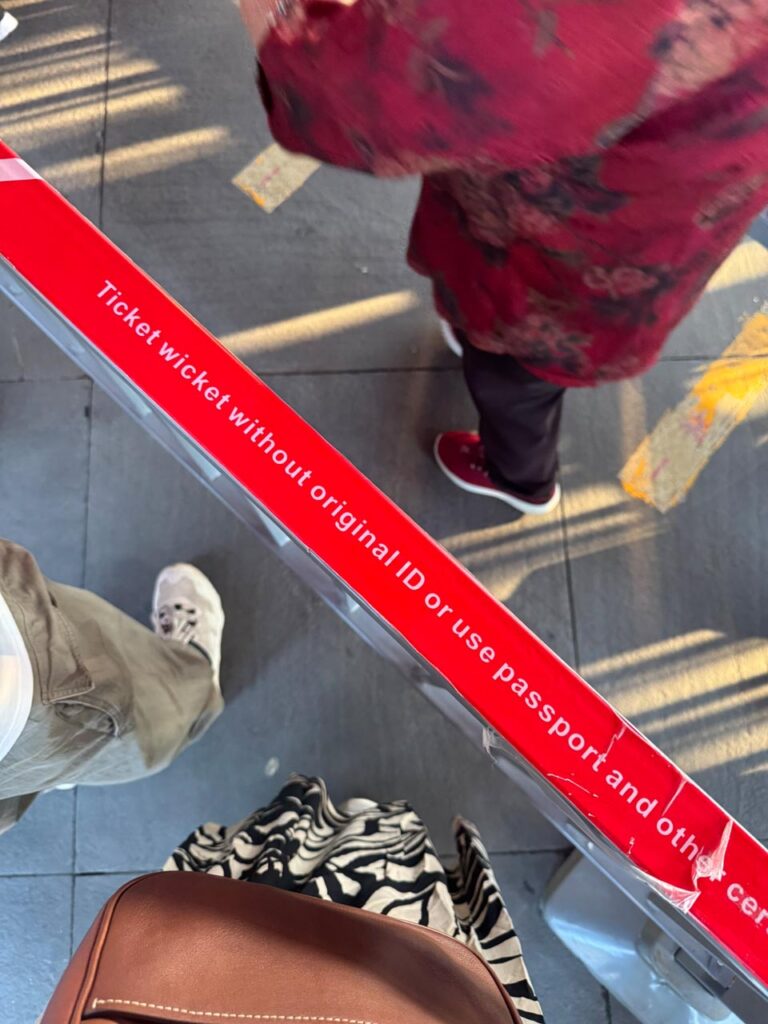
When booking your ticket, you’ll need to enter your passport details. Don’t worry about printing anything afterwards. Your passport effectively becomes your ticket.

Your passport is your ticket. Once you've booked online, simply scan the passport used for the reservation at the entrance.

Your passport is your ticket. Once you’ve booked online, simply scan the passport used for the reservation at the entrance.

When we arrived at the panda base, we simply scanned our passports at the entrance and walked straight in.

πŸ‘‰ Book Chengdu Panda Base tickets on Trip.com here

If you’re travelling independently in China, we would strongly recommend downloading Trip.com before you arrive. We used it for attraction tickets, train bookings and general travel planning throughout our trip.

πŸ’‘TOP TIP:

Bring the same passport you used when booking your ticket. You’ll need it to enter the Chengdu Research Base of Giant Panda Breeding.

Opening Hours

Opening hours vary depending on the season:

  • March to October: 7:30am to 6:00pm
  • November to February: 8:00am to 5:30pm

While those are the official opening times, our advice is to arrive at least 30 to 60 minutes before the gates open.
It might seem excessive, but you’ll quickly understand why once you see the queues.

Essential Apps for Visiting the Chengdu Panda Base

If this is your first time visiting China, we strongly recommend setting up a few key apps before you arrive.

We booked our panda tickets through Trip.com, ordered taxis using WeChat and used Alipay for payments throughout our trip. Having these apps installed before landing in China made travelling around Chengdu much easier.

If you’re planning a trip to China, make sure to read our guide:

Best Apps for Visiting China in 2026
https://lbsbworld.com/best-apps-for-visiting-china-2026-guide/

It covers everything you need to know about payments, transport, bookings and navigating China as a foreign visitor.

Our Top Tips for Visiting the Chengdu Panda Base

Arrive Before Opening Time

This is by far the most important tip.

The pandas are most active during the cooler morning hours, particularly around feeding time. Arriving early means you’ll see more active pandas and avoid some of the worst crowds.

Enter Through the South Gate

We entered through the South Gate and headed straight towards the Panda Villa area.

This seemed to work well and allowed us to get ahead of many visitors heading towards the most famous enclosures.

Don’t Feel Like You Have to Queue for Hua Hua

Hua Hua is currently one of the most famous giant pandas in China.

When we visited, the queue was already enormous shortly after opening. We decided not to join it and instead spent our time exploring the quieter enclosures.

Honestly, we don’t regret that decision at all.

There are plenty of pandas throughout the park and we were able to enjoy our visit without spending a huge chunk of the morning standing in line.

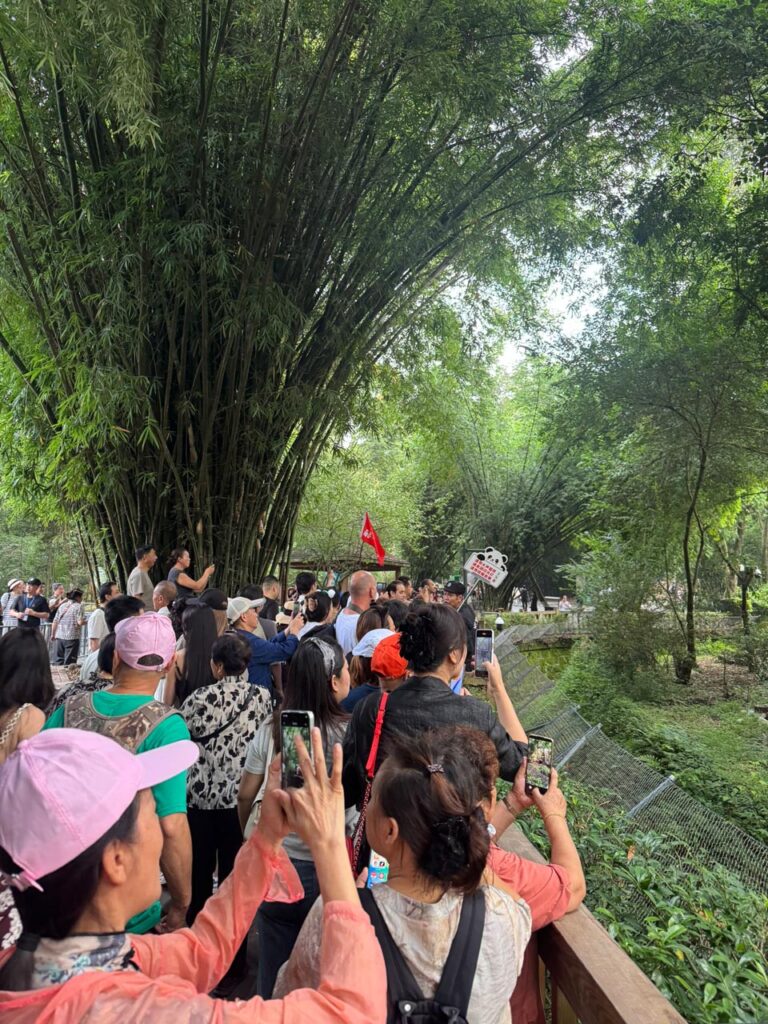
Crowds gathered around most of the  panda enclosures, Hua Hua has her own building. We found it much more enjoyable to explore the quieter enclosures instead.

Crowds gathered around most of the panda enclosures, Hua Hua has her own building. We found it much more enjoyable to explore the quieter enclosures instead.

Bring Water and Wear Comfortable Shoes

The panda base is much larger than it looks on a map.

There is a surprising amount of walking involved and by 11am we were definitely feeling it. Comfortable shoes and plenty of water will make the experience much more enjoyable.

Our Experience Visiting the Chengdu Panda Base

We visited the Chengdu Research Base of Giant Panda Breeding on our second day in China.

The evening before, we booked our tickets and planned an early start. At around 6:30am we hailed a taxi using WeChat and headed towards the panda base.

Despite Chengdu being a huge city, the roads were surprisingly quiet at that time of day and the journey took around 30 minutes.

When we arrived, we were immediately surprised by the crowds.

Even before opening time, there were already long queues forming outside the entrance. Vendors lined the streets selling panda hats, panda ears and every other panda-themed souvenir you could imagine.

Once inside, we headed straight for the Panda Villa area.

The queue for Hua Hua was already huge, so we decided to skip it and focus on the less crowded enclosures instead.

For us, this turned out to be the right decision.
We watched pandas eating bamboo, climbing trees, rolling around and generally behaving exactly how you’d expect a panda to behave. Slightly clumsy, completely unbothered and endlessly entertaining.
One of the highlights was seeing the red pandas being fed.

The enclosures themselves were much larger and more natural than we expected. In many places only a low wall separated visitors from the pandas, making it easy to get a good view.

By around 11am, the heat was beginning to build and many of the pandas had retreated indoors. Combined with the amount of walking involved, it felt like the perfect time to leave.

Looking back, arriving early was easily the best decision we made.

A China bucket-list moment. Visiting the pandas was one of the main reasons we wanted to come to Chengdu

A China bucket-list moment. Visiting the pandas was one of the main reasons we wanted to come to Chengdu

Why Are the Pandas in Chengdu?

The giant panda is native to Sichuan Province, making Chengdu one of the most important places in the world for panda conservation.

The Chengdu Research Base of Giant Panda Breeding was established to help protect and breed giant pandas and has become one of the leading panda conservation centres in the world.

Today, visitors can see giant pandas and red pandas while also supporting important conservation and research programmes.

Can You See Red Pandas in Chengdu?

Yes.

In fact, the red pandas were one of the highlights of our visit.

While most visitors focus on the giant pandas, the red pandas are often more active and playful. We spent far longer watching them than we expected and would strongly recommend making time to visit their enclosure.

The red pandas ended up being one of the highlights of our visit. They were far more active than many of the giant pandas and seemed to have endless energy.

The red pandas ended up being one of the highlights of our visit. They were far more active than many of the giant pandas and seemed to have endless energy.

Is the Chengdu Panda Base Ethical?

From our observations, yes.

The Chengdu Research Base of Giant Panda Breeding is first and foremost a conservation and breeding facility rather than a traditional zoo.

The enclosures were spacious, heavily vegetated and designed to resemble the pandas’ natural environment. The pandas appeared relaxed and had plenty of space to retreat from visitors when they wanted to.

While everyone will have their own views on wildlife attractions, we felt comfortable visiting and were encouraged by the centre’s focus on conservation.

Final Thoughts

Visiting the Chengdu Research Base of Giant Panda Breeding was one of the highlights of our time in China.

If you’re visiting Chengdu, we think it’s an essential stop.

Arrive early, don’t stress about seeing every famous panda, make time for the red pandas and wear comfortable shoes.

Most importantly, enjoy it.

After all, there aren’t many places in the world where you can spend a morning watching giant pandas casually munch bamboo while looking completely unconcerned about the thousands of people who have travelled across the world to see them.

June 24, 2026 0 comments
FacebookTwitterPinterestLinkedinRedditStumbleuponWhatsappTelegramThreadsOpenAIChatGPTEmail
China

Best Apps for Visiting China (2026 Guide)

by Sam June 12, 2026
written by Sam

Traveling in China as a tourist

Before our first trip to China, we spent far too much time reading articles about apps.

Some made it sound like traveling around China would be impossible without downloading twenty different apps, setting up a VPN, opening a Chinese bank account and obtaining a degree in computer science.

The reality was much simpler.

China turned out to be one of the easiest countries we’ve travelled around, but it does work differently from most places. Google services aren’t widely supported, cash is becoming increasingly rare (we never used or even saw cash at all during our stay) and nearly all everyday tasks are handled through local apps.

The good news is that if you install a handful of apps before you arrive, you’ll be absolutely fine.

These are the apps we found most useful during our travels through China.

Get an eSIM Before You Arrive

Before we even talk about apps, let’s talk about internet access.

Our biggest piece of advice is to sort out your mobile data plan before you land in China.

Livia used an eSIM purchased from Trip.com and had very few issues throughout our trip. Alternatively, if you’re coming from a country with affordable roaming charges, that can work just as well. Sam used his AIS physical SIMcard from Thailand (with roaming) and found it very reliable.

One major advantage of using a foreign SIM or eSIM is that many international services continue to work normally. Throughout our trip we could still access Gmail, Google Search, WhatsApp, Instagram and Facebook using mobile data.

The only real problem came when connecting to hotel WiFi, where access to some services became much less reliable, even impossible.

If you rely heavily on Google services, having your own mobile data can make life much easier, ut backing up photos on wifi probably won’t be possible

Android vs iPhone in China

One thing that genuinely surprised us was how different the experience was between Android and iPhone.

Livia used an iPhone and had very few problems. Apple Maps worked well, her photo library continued syncing normally and most of her everyday apps behaved exactly as expected.

Sam’s Android phone was a different story.

Because Android relies heavily on Google’s ecosystem, many built-in services struggled. Google Maps wasn’t particularly reliable, Google Photos didn’t sync at all, Google Docs and Google Calendar were inconsistent and uploading photos became frustrating if not impossible.

Oddly enough, Gmail continued to work perfectly well using my physical Thailand AIS SIMcard.

This isn’t really a China problem. It’s more of a Google problem. Once we started using local apps such as WeChat, Alipay, DiDi and Amap, everything became much easier.

That said, if you’re deeply invested in Google’s ecosystem, expect a few more headaches on Android than you would on an iPhone.

Most stores are happy to help you order and pay through your app if you need help.

Most stores are happy to help you order and pay through your app if you need help.

WeChat and Alipay: The Two Apps You Need

If there’s one thing you should do before arriving in China, it’s setting up WeChat and Alipay.

China is almost entirely cashless.

We arrived in China without any cash, only the apps listed here with our temporary virtual creditcards loaded (more about that later) almost everyone preferred QR code payments.

  • Street food vendors.
  • Coffee shops.
  • Train stations.
  • Restaurants.
  • Convenience stores.
  • Even tiny market stalls.

Everyone seemed to accept WeChat Pay or Alipay.

Alipay

Of the two apps, we found Alipay significantly easier to set up.

Within a few minutes we had linked our card and were ready to start making payments.

Most shops display an Alipay QR code at the checkout. Simply scan the code, confirm the amount and pay.

Easy.

πŸ€– ALIPAY ANDROID🍏 ALIPAY IOS
Alipay Apps

WeChat

WeChat took a bit more effort.

The setup process felt less intuitive and we encountered a few more verification steps before everything was working properly.

However, once it was set up, it quickly became one of our most-used apps in China.

The biggest advantage wasn’t actually the payments.

It was everything else.

WeChat includes mini-apps, transportation services, messaging features and, most importantly for travellers, built-in translation tools.

We regularly used the translation functions for menus, signs and conversations. It became one of those apps we found ourselves opening multiple times every day.

πŸ€– WECHAT ANDROID🍏 WECHAT IOS
WeChat Apps

Meeting up with friends is a breeze with WeChat

Which One Should You Use?

Our recommendation is simple.

Set up both.

Alipay was easier to get started with, while WeChat offered more useful features once we were traveling around the country.

Together they handled virtually every payment we made during our trip.

Amap: (Forget about Google Maps)

Before arriving in China, Sam assumed we’d simply use Google Maps, that lasted about five minutes.

While Google Maps occasionally worked, we found locations inaccurate and directions unreliable.

Instead, download Amap (Gaode Maps).

This is what most locals use, and it provides excellent navigation, public transport information, walking directions and business listings.

Once we switched to Amap, getting around became dramatically easier.

πŸ€– Amap ANDROID🍏 Amap IOS
Amap Apps

Apple Maps

If you’re traveling with an iPhone, Apple Maps was also surprisingly good.

Livia used it regularly throughout the trip and often preferred it over Amap for everyday navigation.

Either option is significantly better than relying on Google Maps.

DiDi: China’s Version of Uber

One of our biggest concerns before visiting China was transport.

How were we supposed to explain where we wanted to go if we didn’t speak Mandarin?

As it turns out, we didn’t need to, DiDi completely solved the problem.

Think of it as China’s version of Uber.

The easiest way to use it is through WeChat Mini App, which means there’s no need to download another app.

Simply enter your destination, choose your vehicle and confirm the booking.

That’s it.

Instead of trying to communicate addresses or directions, everything is handled through the app.

In many ways, we actually found DiDi easier to use than Uber.

Taxis in China are so luxurious

πŸ€– DiDi ANDROID🍏 DiDi IOS
DiDi Apps

Trip.com for Trains, Hotels and Experiences

China’s high-speed rail network is incredible. It’s also enormous.

For booking train tickets, we found Trip.com to be by far the easiest platform available in English. We used it throughout our trip to book trains between cities and found it reliable, straightforward and much easier to navigate than trying to use local booking systems.

We also booked most of our accommodation through Trip.com. Because the platform originated in China, it often has a much wider selection of hotels than international booking websites. We consistently found more options, better prices and occasionally a few extra perks that weren’t available elsewhere.

What surprised us most was how useful Trip.com became for booking attractions and experiences as well. We used it to book our visit to the Chengdu Research Base of Giant Panda Breeding, which saved us the hassle of navigating Chinese-language booking systems. Throughout China, many attractions, day tours and activities can be booked directly through the app, often with English descriptions and straightforward payment options.

If you’re travelling independently through China, Trip.com is one of the most useful apps you can install. By the end of our trip, we were using it for trains, hotels and experiences almost daily.

πŸ€– Trip ANDROID🍏 Trip IOS
Trip (CHINA) Apps

Booking trains and hotels become so easy

Do You Need a VPN in China?

Maybe, but most likely not.

Using our Livia’s eSIM, and Sam’s foreign Physical Thailand SIMcard we were able to access our email, all apple apps, some google apps and most international services without needing a VPN.

If you’re planning to rely heavily on hotel WiFi, just forget about it, VPN or not , you won’t be able to connect.

If you followed this guide, you will be using mobile data through a foreign SIM or eSIM, so you will find you rarely need one.

The Biggest Surprise About Visiting China

The biggest surprise wasn’t WeChat. It wasn’t Alipay. And it certainly wasn’t the high-speed trains.

It was how quickly everything became normal.

Before arriving, QR code payments, local apps and digital wallets all sounded slightly intimidating.

Within two or three days, however, they had become second nature.

By the end of the trip we were paying for meals, booking taxis, buying train tickets and navigating cities almost entirely through our phones.

In fact, returning home and pulling out a physical bank card again felt strangely old-fashioned.

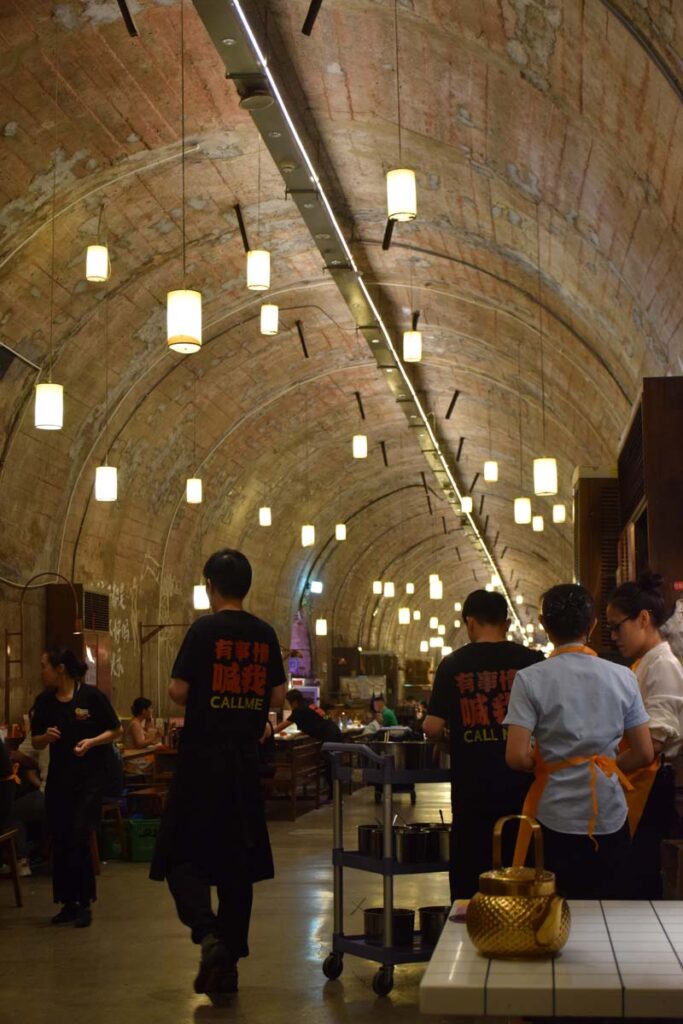
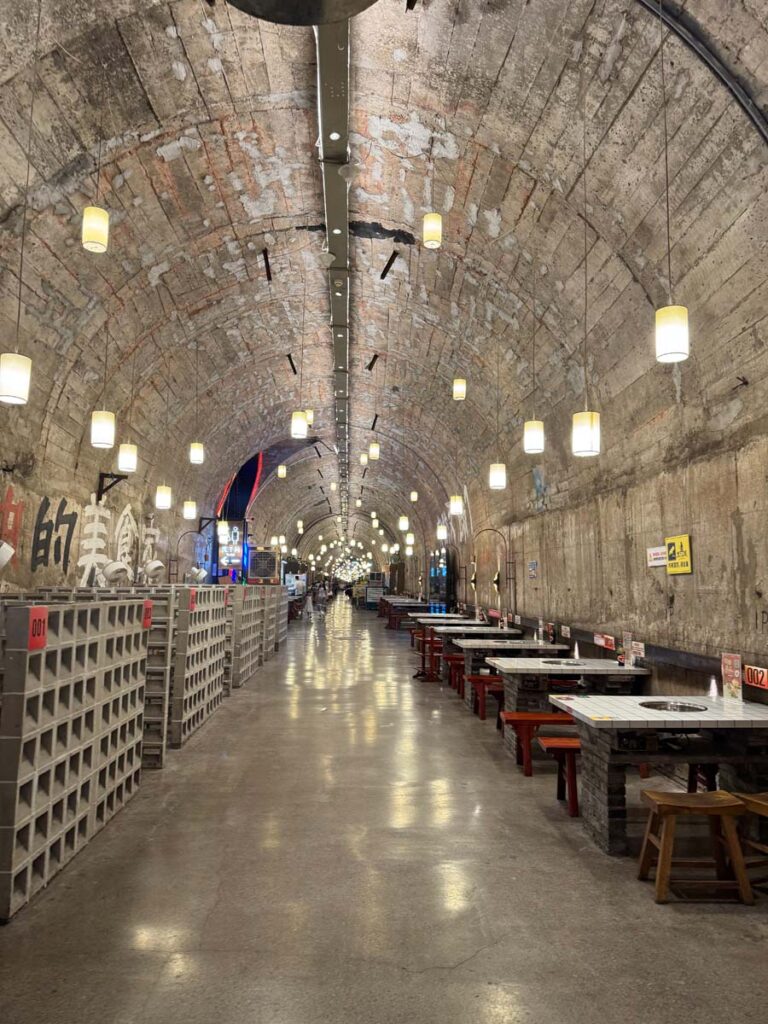
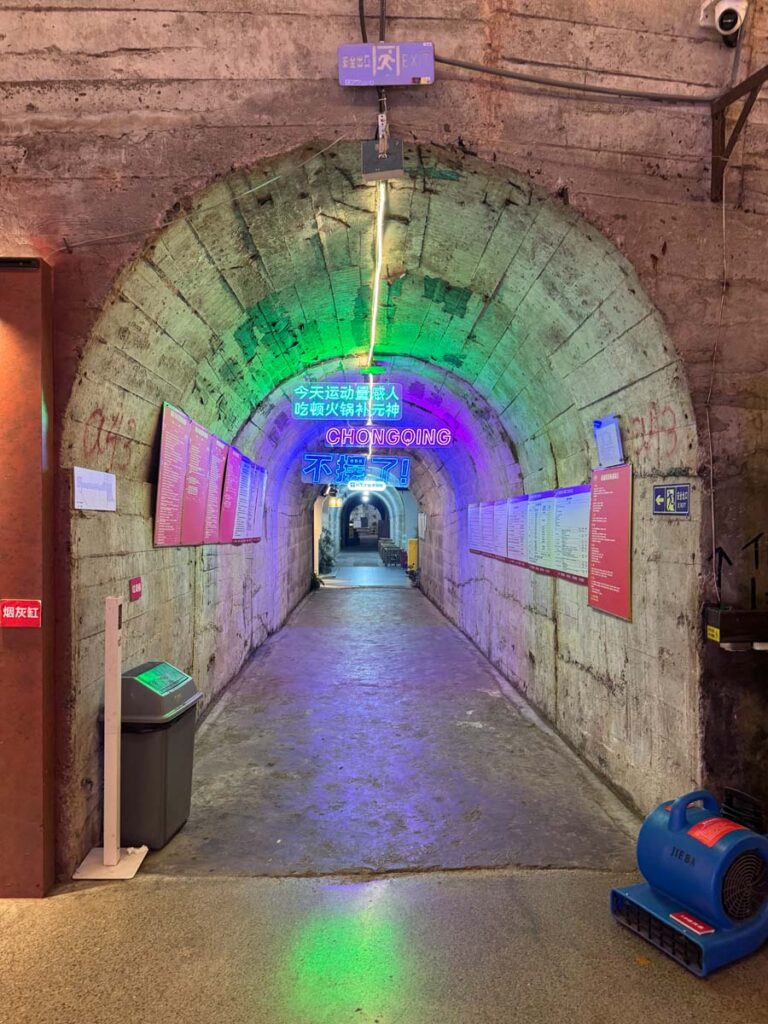
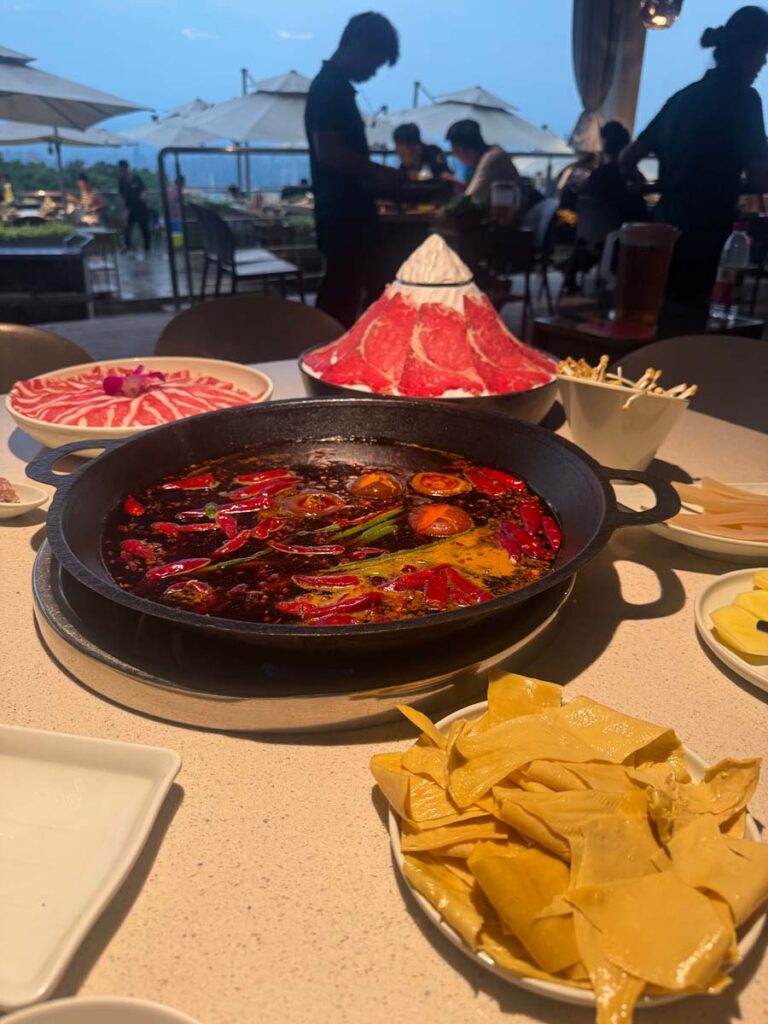
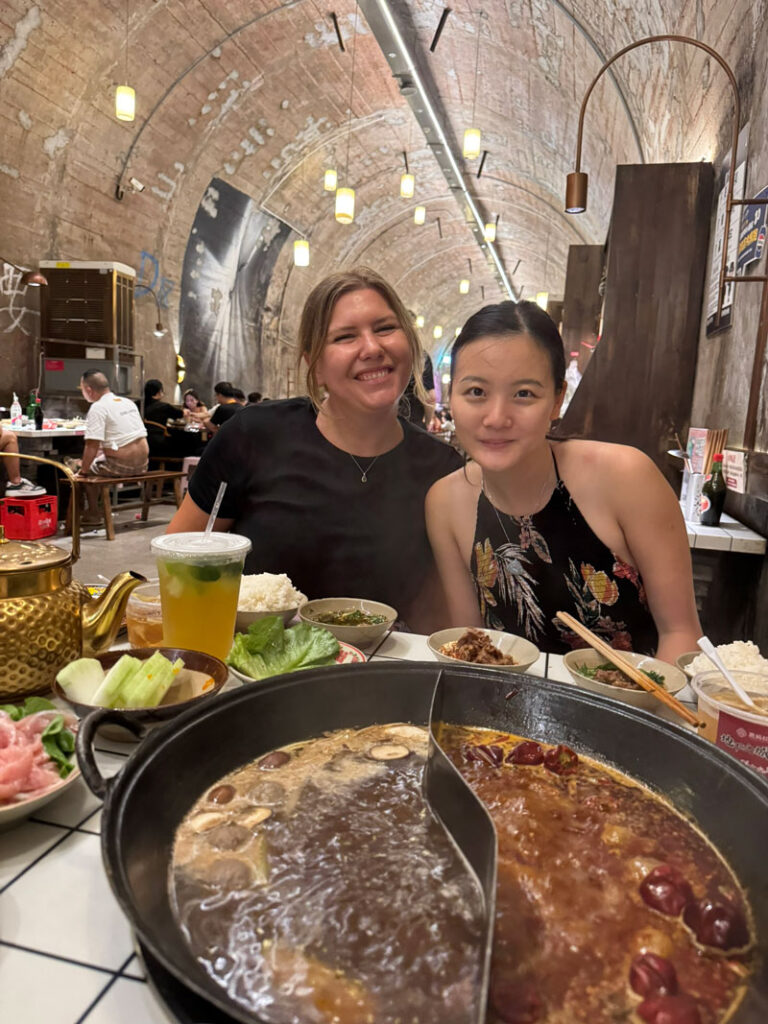
Bomb shelter hotpot in Chongqing (spot the Beijing bikini in the backgound)

Final Tips Before You Fly

Get a virtual CreditCard

We strongly suggest using a virtual Creditcard that you can delete after you visit to China. We use Wise and the app allows creation of unlimited virtual cards you can assign to different services. There’s no need to carry your wallet, and less risk of your card being compromised. Your virtual card has different details to your physical card, and can be frozen after each purchase. That means it’s a safe, smart and simple way to spend no matter where in the world you are.

Do it before you arrive

Before boarding your flight to China, make sure you’ve:

  • Installed WeChat
  • Installed Alipay
  • Linked your virtual payment cards
  • Downloaded Amap
  • Installed Trip.com
  • Purchased and activated your eSIM
  • Tested everything before departure

Trust us, doing this at home is much easier than trying to figure it out after a long-haul flight.

Once you’ve got these apps sorted, traveling around China becomes incredibly straightforward. We arrived expecting a steep learning curve and left wondering what all the fuss was about.

Livia is always happy shopping!

Livia is always happy shopping!

June 12, 2026 0 comments
FacebookTwitterPinterestLinkedinRedditStumbleuponWhatsappTelegramThreadsOpenAIChatGPTEmail

Recent Posts

  • Trusted House Sitters Promo Code: Save on Your Membership

  • Chameleon Safaris Promo Code: Get 10% Off Your Namibia Safari

  • How to Visit the Chengdu Panda Base: Tickets, Tips & Our Experience

We use Safetywing

We use THS

Trusted House Sitters

Here’sΒ 25% offΒ your annual membership to TrustedHousesitters - thanks to your pet loving pals at LBSBWorld.

Join now with 25% Off!

We use NordVPN

NordVPN

Get 3 monthsΒ of NordVPN right now!


The best VPN service for a free, open internet

Get NordVPN!

We use Wise

Wise

Get Zero Fees on a transfer up to €500


Spend in 150+ countries like a local with Wise card

Get Wise!

Β©2026 LBSBWorld - All Right Reserved - Designed and Developed by Livia & Sam

LBSB World
  • Home
  • Destinations
    • Africa
      • Namibia
    • Asia
      • China
      • Indonesia
    • Europe
      • Albania
      • Bosnia-Herzegovina
      • Croatia
      • Montenegro
      • Netherlands
      • North Macedonia
      • Serbia
    • North America
      • Dominican Republic
  • Travel Itineraries
    • Our 9-Day Namibia Tour with Chameleon Safaris: An Honest Review
    • Our 2 Week Albania Itinerary
    • Bosnia and Herzegovina Itinerary: Our 1 Month Route by Bus
    • Namibia Self Drive: Everything We Learned Driving a 4×4 Across Namibia
    • Our 3-Month Balkans Itinerary: 93 Days by Bus Through Southeast Europe
  • Plan Your Trip
    • How to Deal with Travel Burnout (And Start Enjoying Travel Again)
    • Sam’s Fulltime Travel Packing List
    • Using Trusted House Sitters to Support Your Travels
    • Trusted House Sitters Promo Code: Save on Your Membership
  • About Us
    • About Sam & Livia
    • The Story Behind Our Full-Time Travel Life
    • abearcalledpaddington