Table of Contents
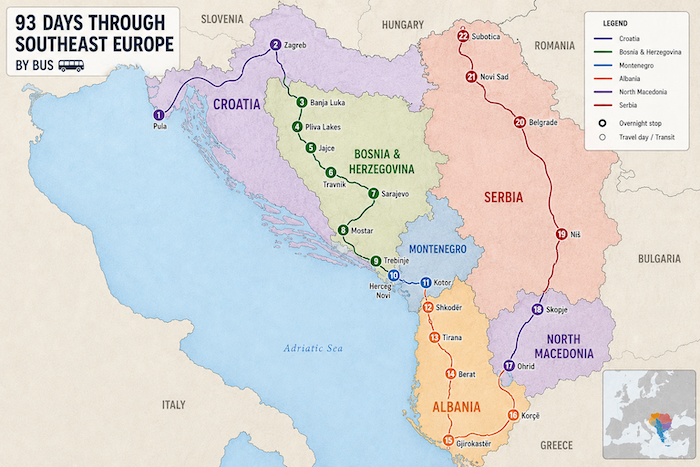
Between 30 September 2018 and 1 January 2019, we spent 93 days travelling through the Balkans.
Starting in Croatia and finishing in Serbia, we crossed six countries using almost entirely buses and public transport. Along the way we explored historic cities, mountain towns, lakeside villages and some of the most interesting places we have visited anywhere in Europe.
Before this trip, the Balkans were still largely unknown to us. We had heard plenty about Croatia, knew a little about the region’s history and expected a few logistical challenges along the way. What we found instead was a region filled with welcoming people, excellent food, fascinating history and destinations that felt refreshingly authentic.
Three months turned out to be the perfect amount of time. It allowed us to travel slowly, stay longer in places we enjoyed and experience much more than the typical highlights.
This itinerary follows the exact route we travelled between Croatia, Bosnia and Herzegovina, Montenegro, Albania, North Macedonia and Serbia.
Our Balkan Route at a Glance
| Country | Destinations | Days |
| Croatia | Pula, Zagreb | 5 |
| Bosnia and Herzegovina | Banja Luka, Pliva village, Jajce, Travnik, Sarajevo, Mostar, Trebinje | 31 |
| Montenegro | Herceg Novi, Kotor | 4 |
| Albania | Shkodër, Tirana, Berat, Gjirokastër, Korçë | 17 |
| North Macedonia | Ohrid, Skopje | 12 |
| Serbia | Niš, Belgrade, Novi Sad, Subotica | 24 |
How Long Do You Need for This Balkan Itinerary?
We completed this route in 93 days, travelling at a fairly relaxed pace.
If you’re short on time, the itinerary could be reduced to 4-6 weeks by shortening stays in Sarajevo, Tirana, Ohrid and Skopje.
However, one of the things we enjoyed most about this trip was travelling slowly and spending longer in destinations that surprised us.
Croatia: Roman Ruins and a Capital City
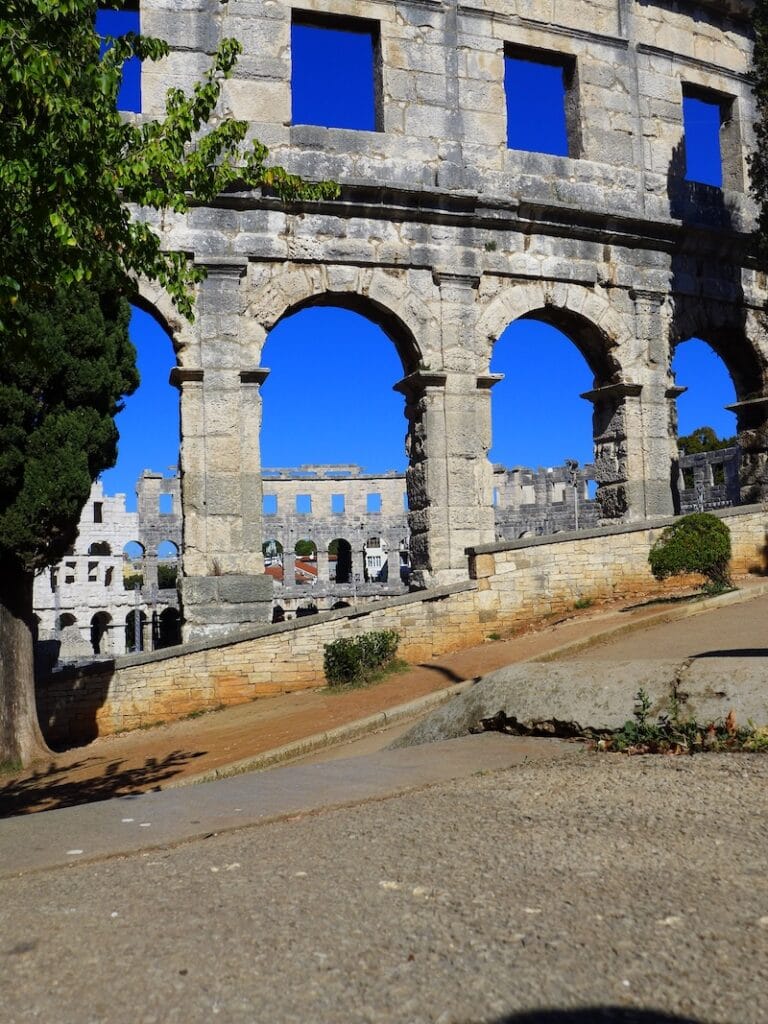
Our Balkan adventure began in Croatia. We started in Pula, a coastal city on the Istrian Peninsula that is best known for its remarkably well-preserved Roman amphitheatre. Compared to Croatia’s more famous destinations further south, Pula felt relaxed and easy to explore. We spent our time wandering through the old town, exploring Roman history and enjoying a slower pace before beginning our journey through the Balkans.
From Pula, we travelled by bus to Zagreb. The journey took just over five hours and gave us our first taste of long-distance bus travel in the region.
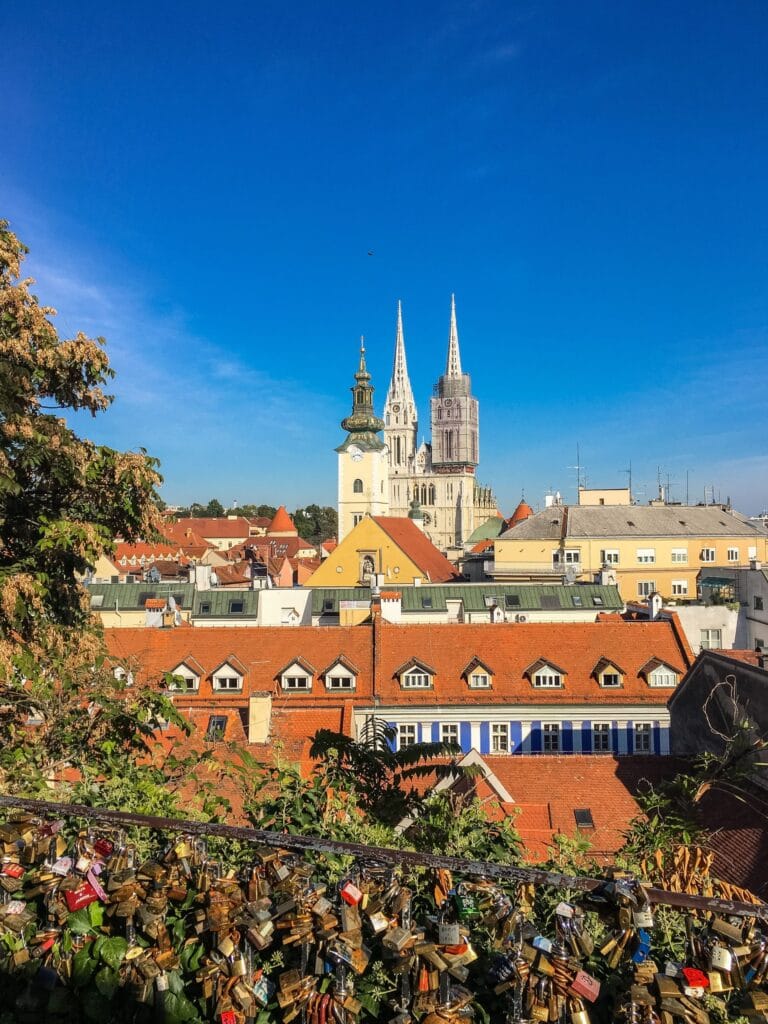
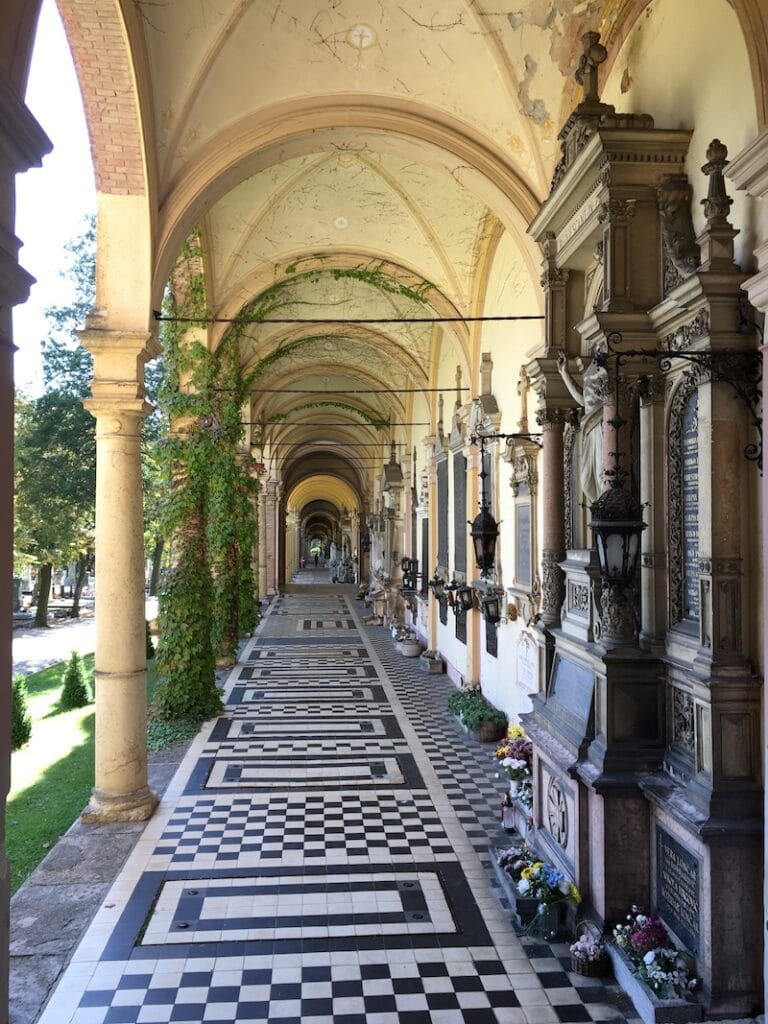
Zagreb proved to be a pleasant surprise. While many visitors head straight for Croatia’s coastline, the capital has plenty to offer, including lively cafés, historic streets and a more local atmosphere than many of the country’s tourist hotspots.
After a few days in Zagreb, we boarded another bus and crossed our first international border into Bosnia and Herzegovina.
Read next:
– What to Do in Pula
– Zagreb Travel Guide
Bosnia and Herzegovina: The Country That Surprised Us Most
If there was one country that completely exceeded our expectations, it was Bosnia and Herzegovina.
Originally we planned to spend a few weeks here. Instead, we spent more than a month exploring different parts of the country and left wishing we had even more time.
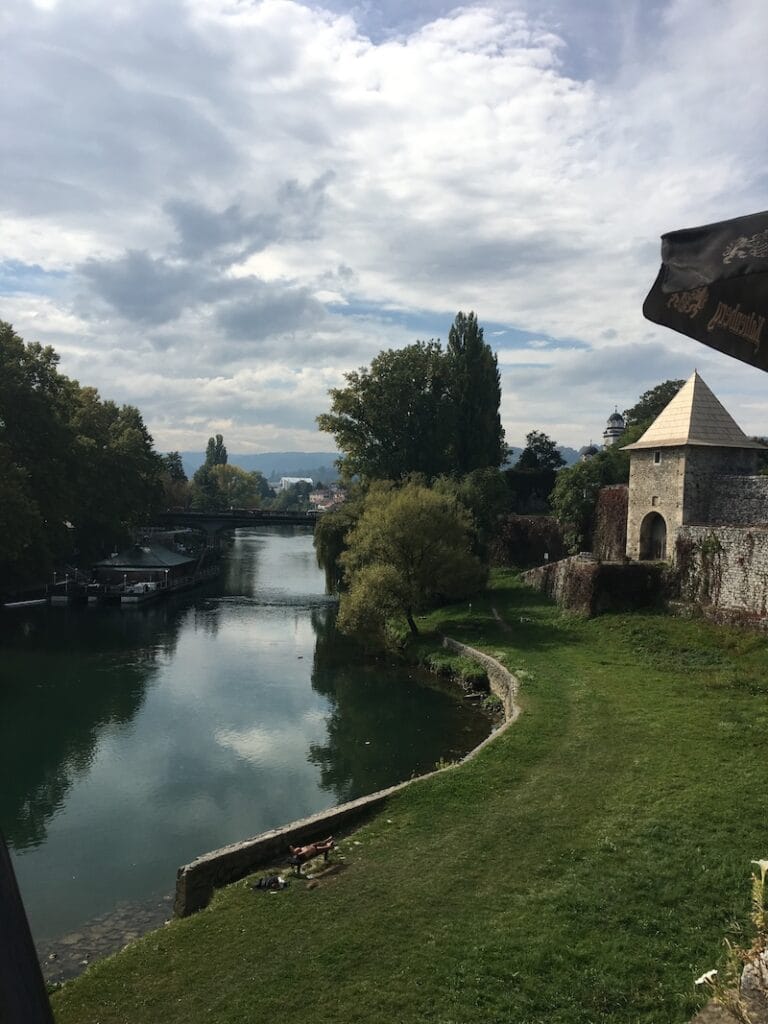
Our first stop was Banja Luka. Compared to many European cities, it felt wonderfully local. There were few tourists, plenty of riverside cafés and a relaxed atmosphere that immediately made us slow down.
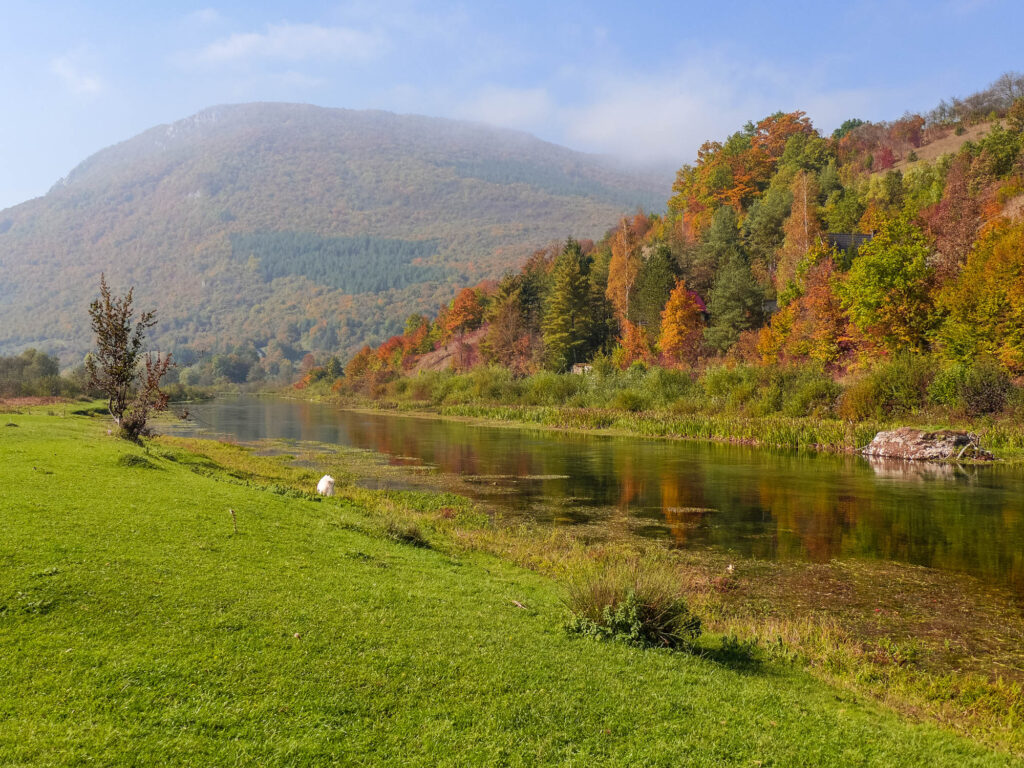
From there we headed towards the Pliva Lakes, one of the most peaceful places we visited during the entire trip. Spending several nights here allowed us to enjoy the area beyond the quick day trips that most visitors make.
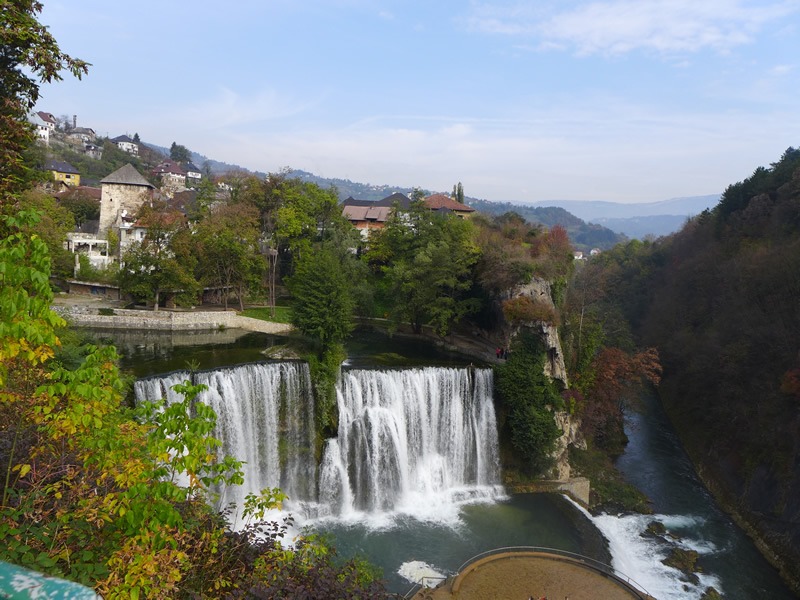
Nearby Jajce quickly became another highlight. While most people know it for the famous waterfall in the centre of town, there is much more to explore. The old town, fortress and surrounding countryside make it worth staying longer than most itineraries suggest.
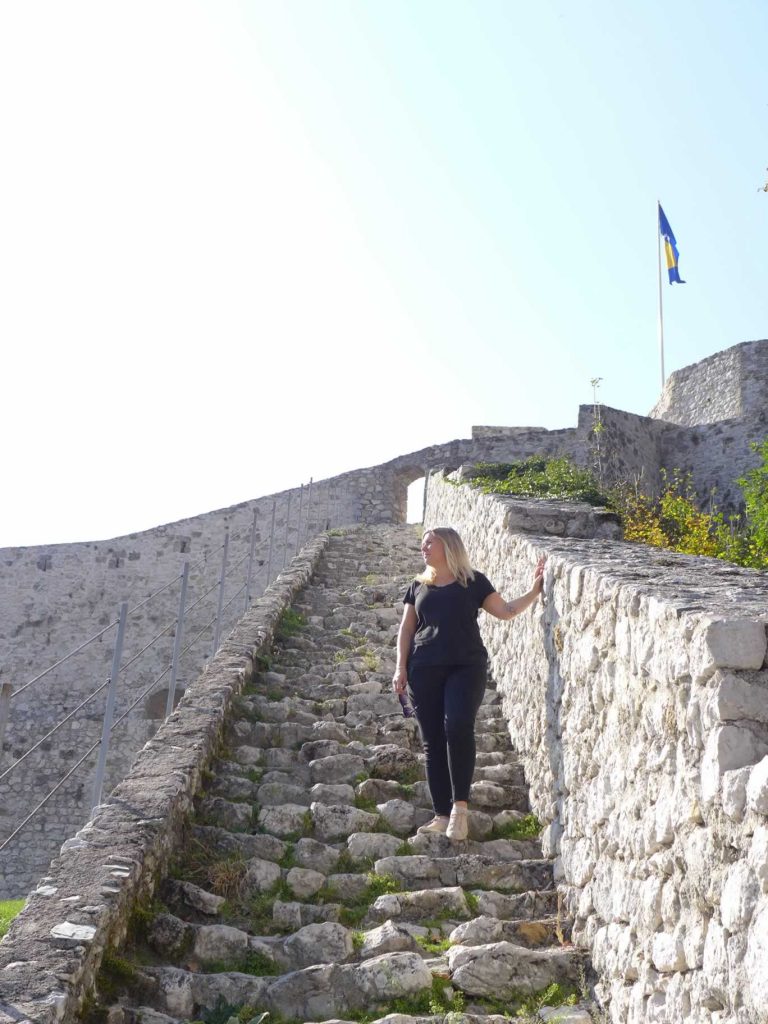
Travnik was another pleasant surprise. Sitting beneath a hilltop fortress, the town offered beautiful views, Ottoman history and some excellent local food.
After several smaller destinations, we arrived in Sarajevo.
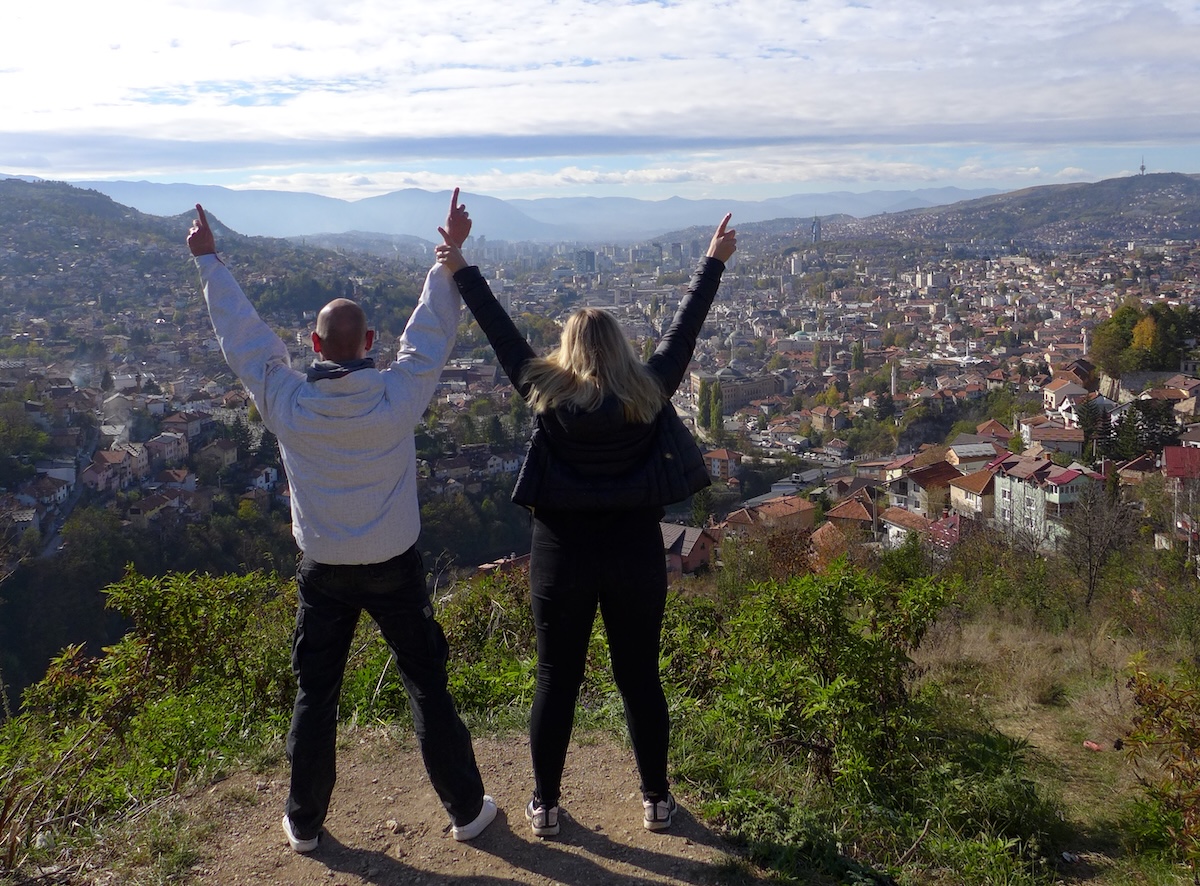
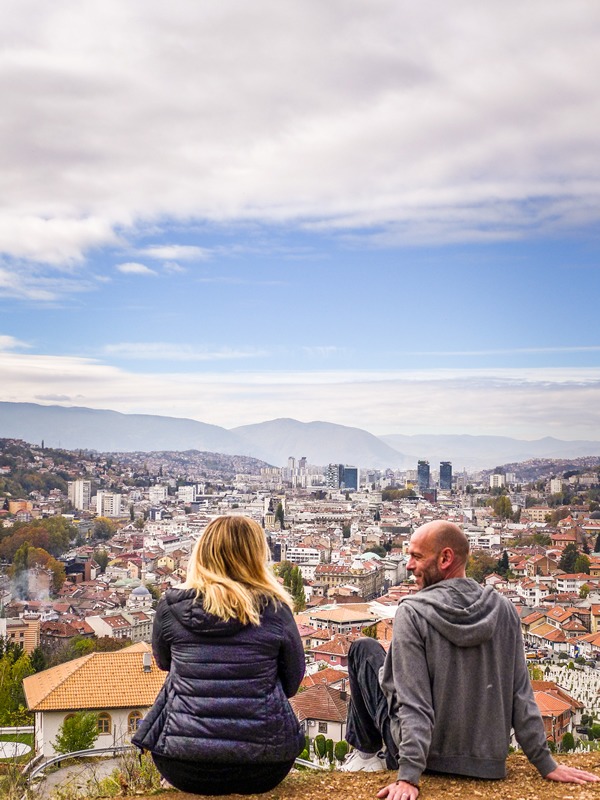
We ended up spending almost two weeks in the Bosnian capital. Sarajevo is one of the most fascinating cities we have visited anywhere in Europe. The mix of cultures, religions and architectural styles creates an atmosphere that feels completely unique. We spent our days wandering through Baščaršija, drinking Bosnian coffee and learning more about the city’s complex history.
From Sarajevo we continued to Mostar. Although famous for its iconic bridge, we found that the city became much more enjoyable in the evenings after many of the day-trippers had left.
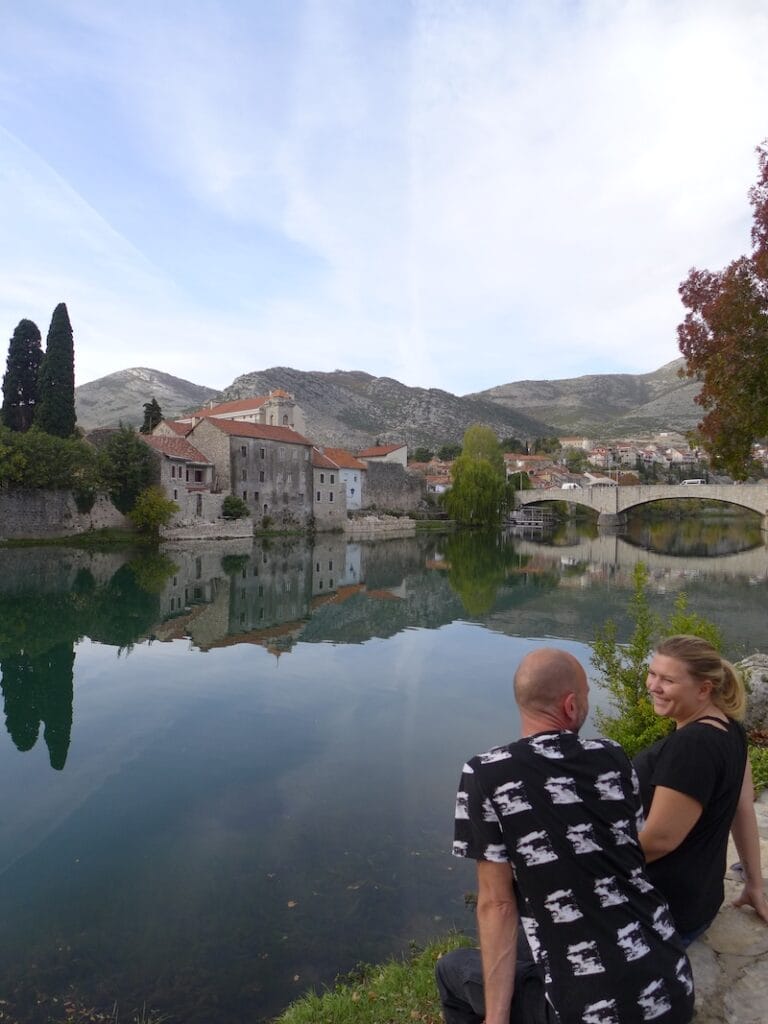
Our final stop in Bosnia and Herzegovina was Trebinje. Located close to the Montenegrin border, the town has a distinctly Mediterranean feel and proved to be one of our favourite smaller destinations in the country.
Looking back, Bosnia and Herzegovina remains one of our favourite countries in Europe.
Read next:
- 30 day Bosnia and Herzegovina Travel Itinerary
- Banja Luka Travel Guide
- Story for Pliva village
- Jajce Travel Guide
- Travnik Travel Guide
- Sarajevo Travel Guide
- Mostar Travel Guide
- Trebinje Travel Guide
Montenegro: Bay Views and Medieval Streets
From Trebinje we crossed into Montenegro.
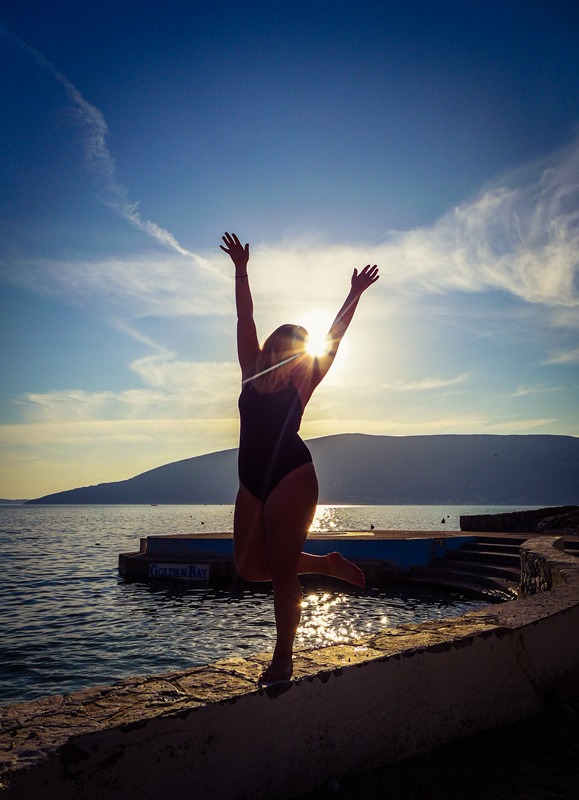
Our first stop was Herceg Novi, a coastal town sitting at the entrance to the Bay of Kotor. Compared to Kotor, it felt more relaxed and less crowded, making it a pleasant place to spend a few days.
We then continued to Kotor, one of the most famous destinations in the Balkans.
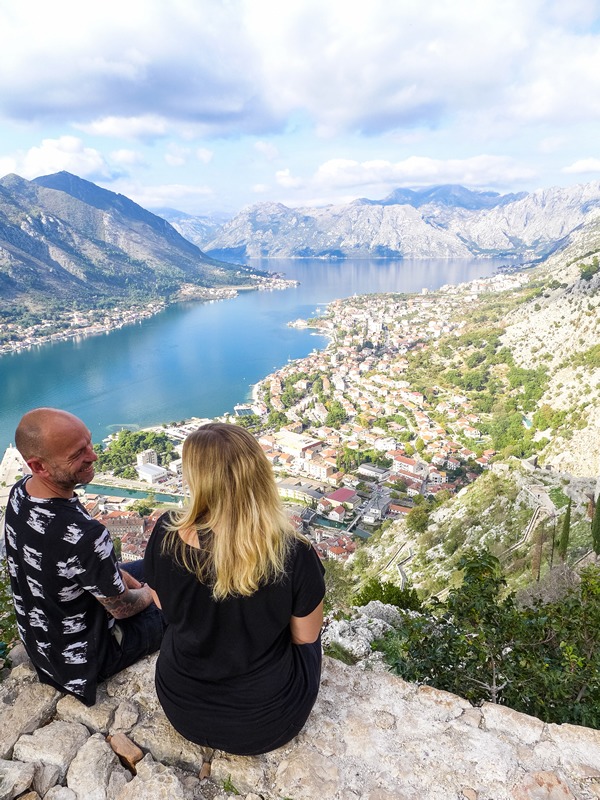
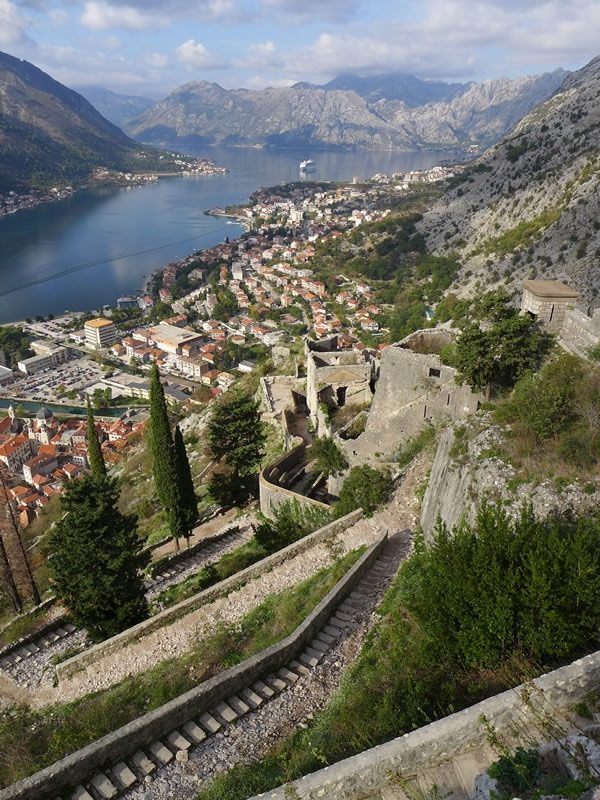
There is no denying that Kotor is beautiful. Surrounded by dramatic mountains and sitting beside the bay, it offers some of the most spectacular scenery in the region. We spent our time wandering through the medieval old town and climbing up to the fortress for the famous views.
While Montenegro wasn’t our favourite country during this trip, Kotor is still a destination we would happily recommend to anyone travelling through the Balkans.
Read next:
Albania: Easier Than We Expected
Albania was one of the countries we were most curious about before arriving.
At the time, we had heard plenty of stories about difficult transport and challenging travel conditions. In reality, we found Albania surprisingly easy to travel through.
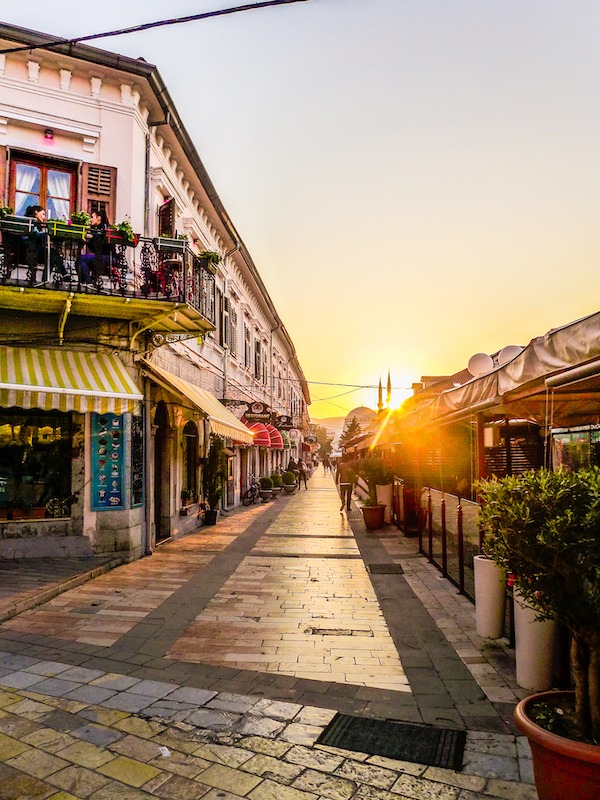
We entered the country via Shkodër, a relaxed city that makes an excellent introduction to Albania.
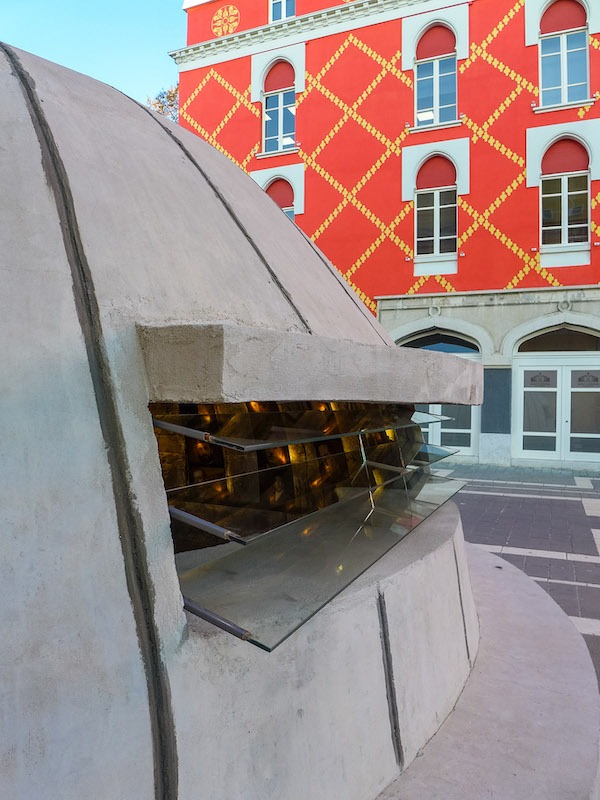
From there we travelled south to Tirana, where we spent a full week. The capital felt energetic, colourful and constantly evolving. It was also a welcome place to slow down after several weeks of moving around.
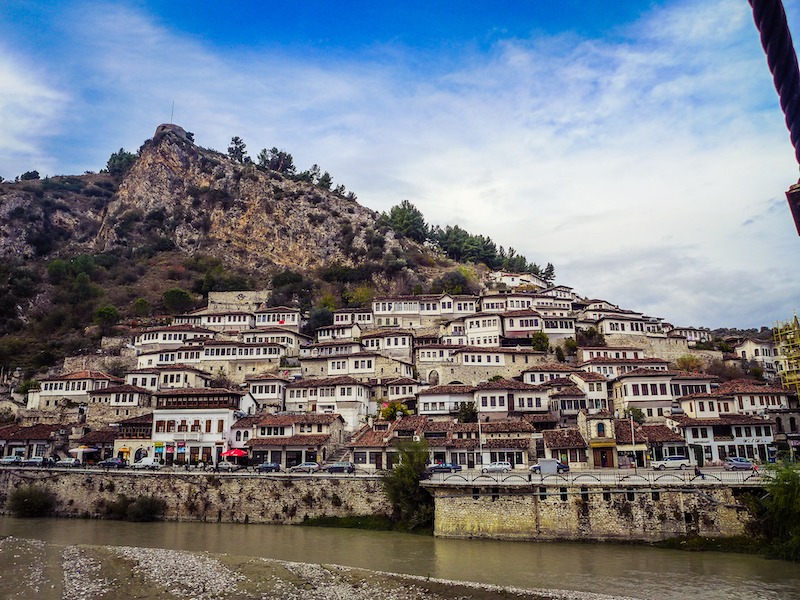
Next came Berat, famous for its white Ottoman houses climbing the hillside. It remains one of the most photogenic towns we visited anywhere in the Balkans.
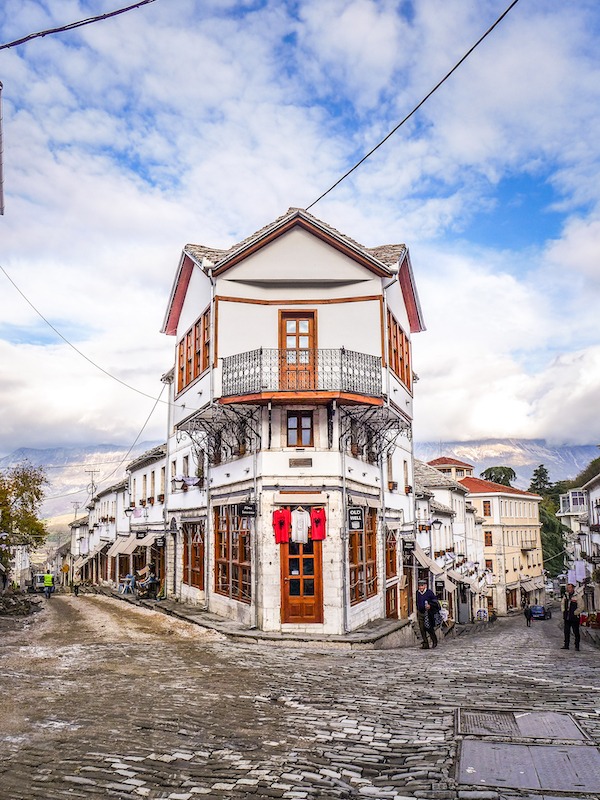
Gjirokastër quickly became another favourite. The steep cobbled streets, traditional stone houses and impressive fortress give the town a completely different character from anywhere else in Albania.
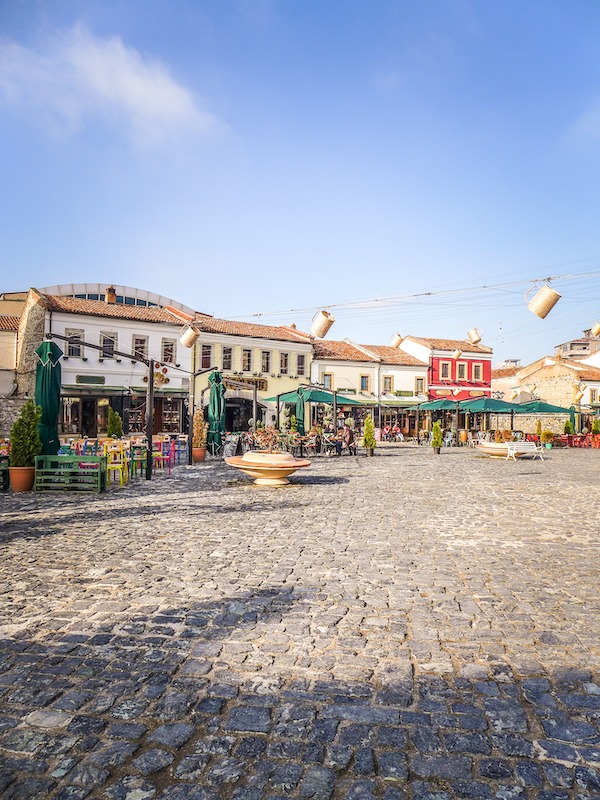
Our final Albanian destination was Korçë. Often overlooked by international visitors, we loved its atmosphere, local food and authentic feel.
By the time we left Albania, it had become one of the countries we recommended most often to other travellers.
Read next:
- Albania 2 week Travel Itinerary
- How to Travel Albania by Bus
- Tirana Travel Guide
- Berat Travel Guide
- Gjirokastër Travel Guide
- Korçë Travel Guide
North Macedonia: Home to One of Our Favourite Places
After Albania, we crossed into North Macedonia.
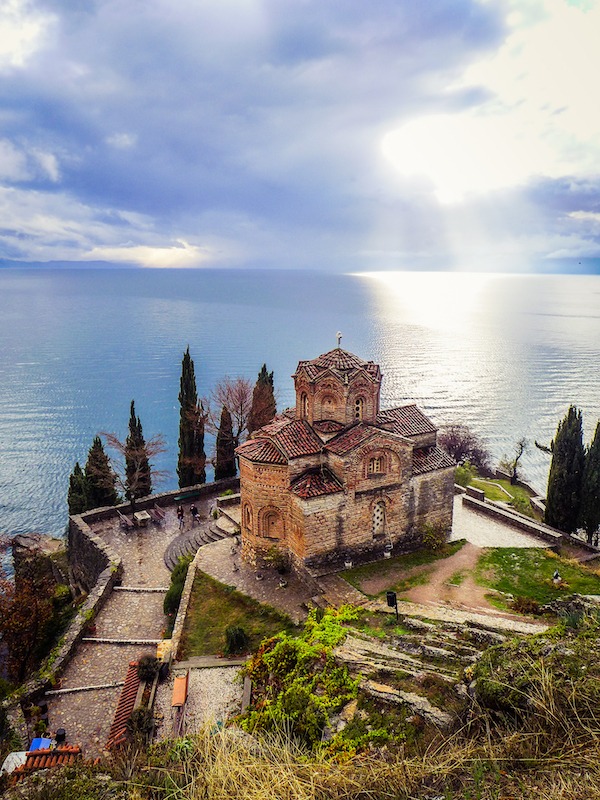
Our first stop was Ohrid, a destination that remains one of our favourites from the entire trip.
Set on the shores of Lake Ohrid, the town combines beautiful scenery, historic churches and a wonderfully relaxed atmosphere. We spent a week here and could easily have stayed longer.
Ohrid was one of those rare places where doing very little felt completely justified.
From Ohrid we travelled to Skopje.
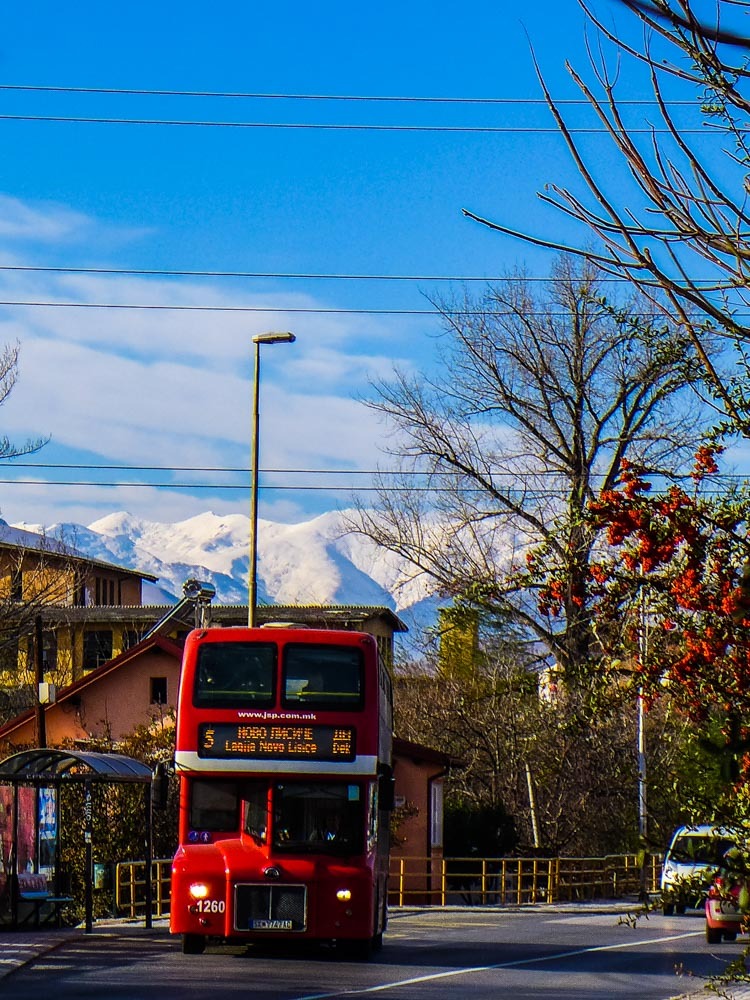
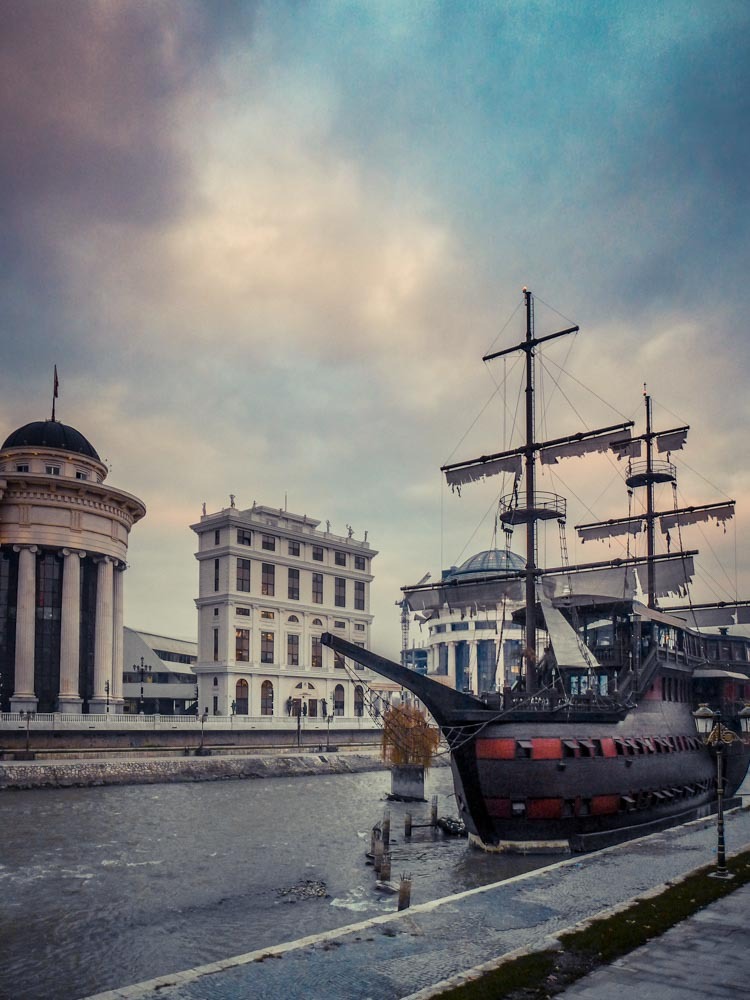
The capital is unlike any city we have visited before or since. Filled with enormous statues, grand monuments and a fascinating mix of architectural styles, it quickly became one of the most memorable capitals in Europe.
Whether you love it or hate it, Skopje is impossible to forget.
Read next:
Serbia: The Final Chapter
The final country on our route was Serbia.
We started in Niš, one of Europe’s oldest cities and a place filled with history. Although often overlooked by international visitors, we found it a rewarding stop.
Next came Belgrade.
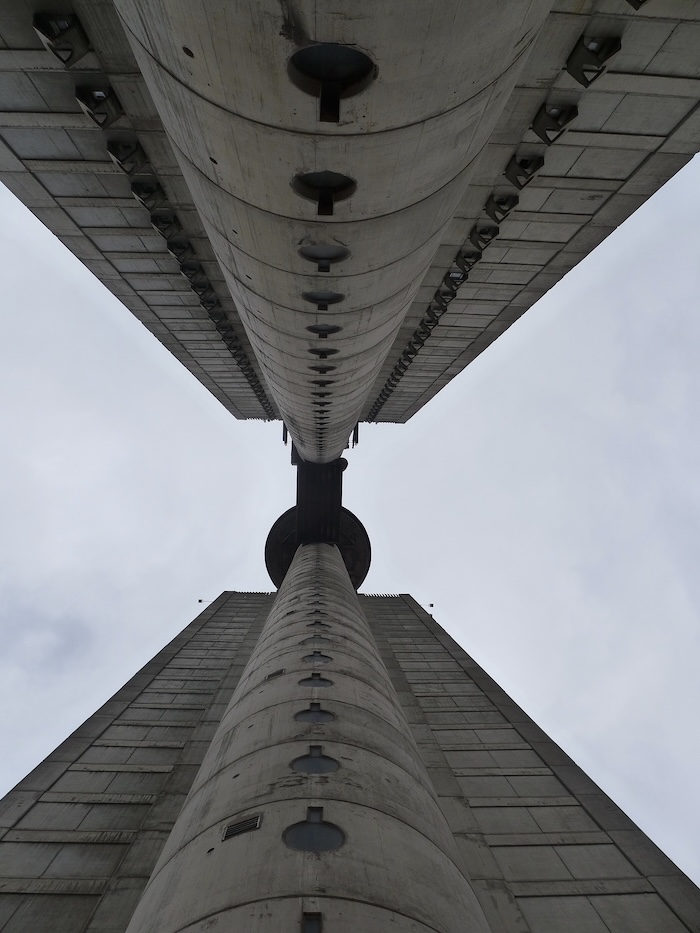
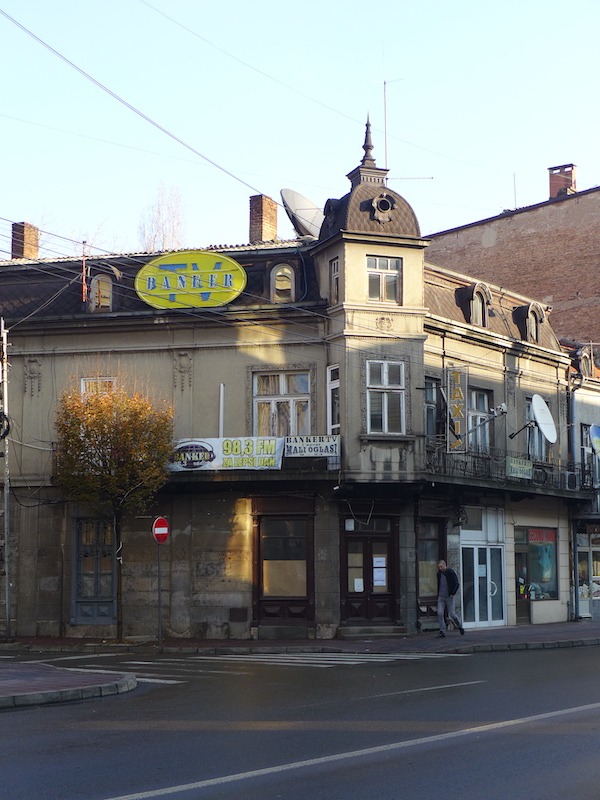
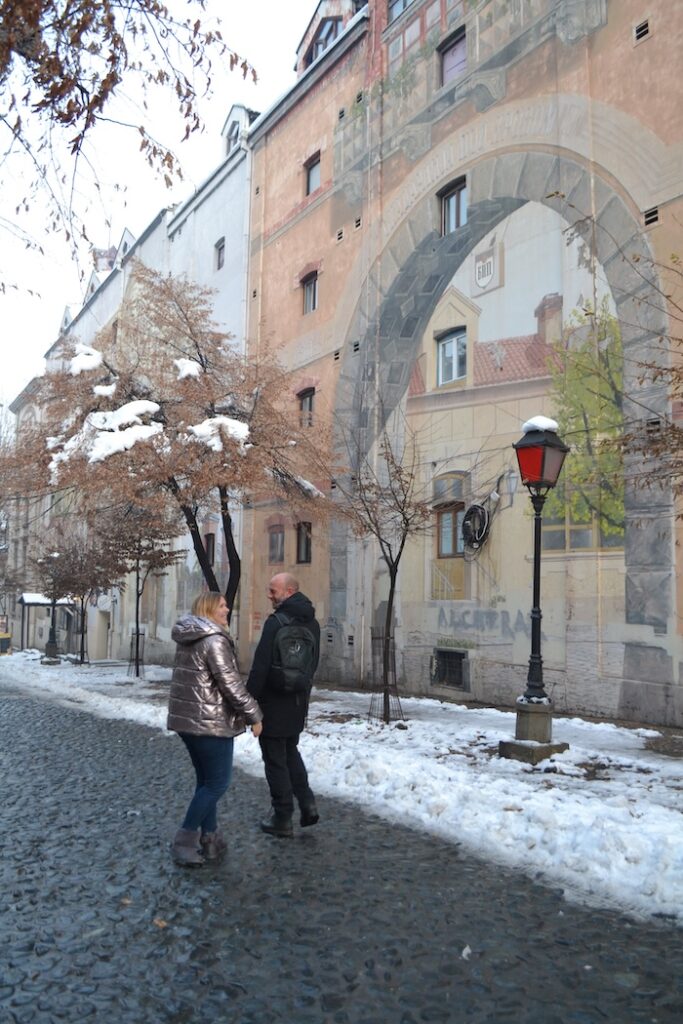
As the largest city on this itinerary, Belgrade felt energetic, chaotic and full of life. Between the food, nightlife and historic sights, there was plenty to keep us busy.
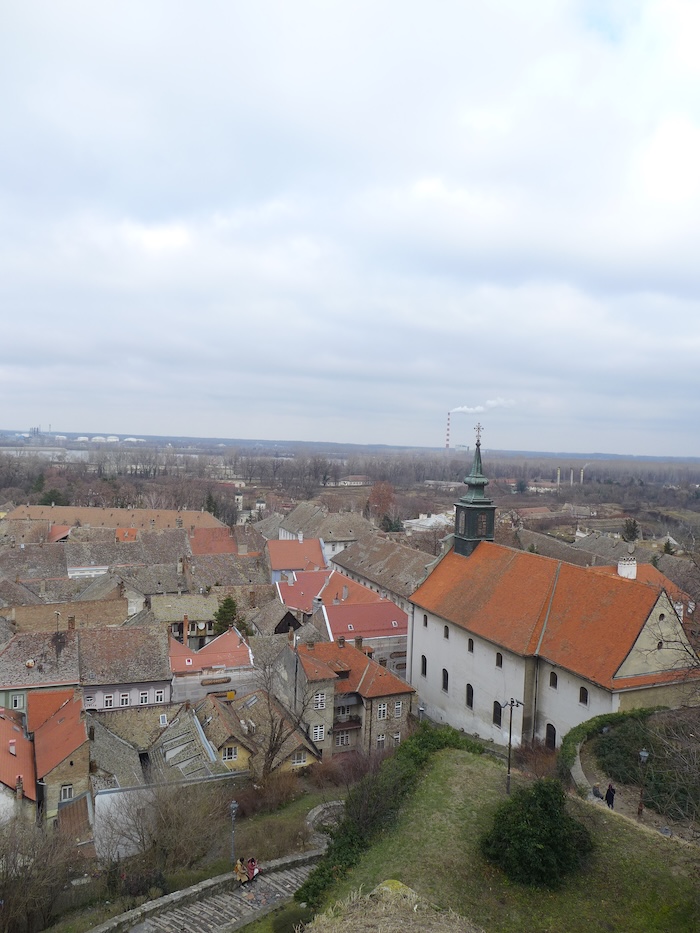
After Belgrade we travelled north to Novi Sad. With its attractive old town and impressive Petrovaradin Fortress overlooking the Danube, it quickly became one of our favourite Serbian cities.
Our final destination was Subotica.
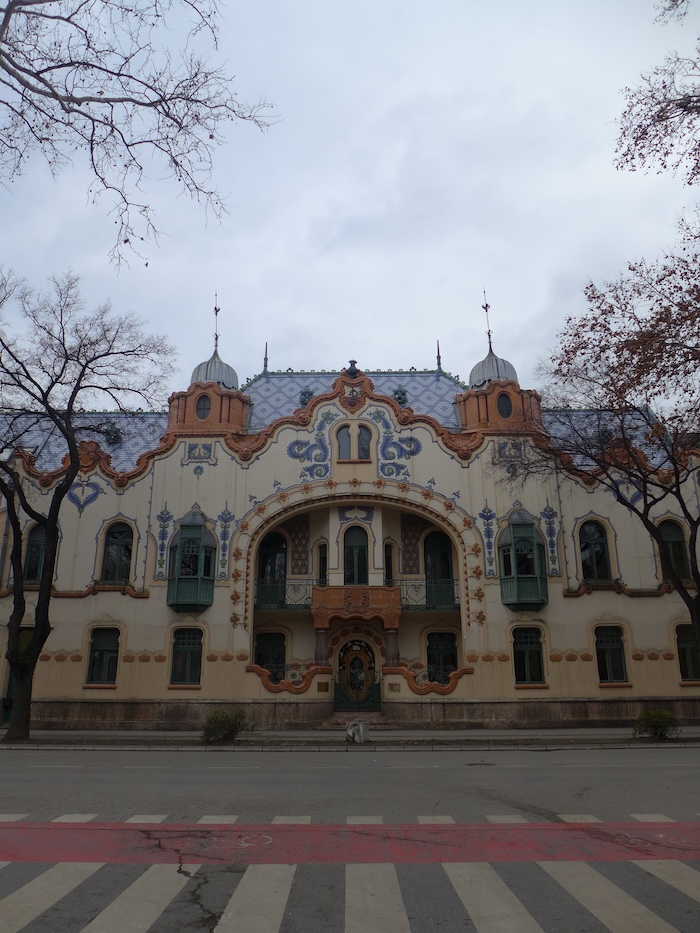
We arrived during the festive season and spent an afternoon exploring the colourful architecture and Christmas market before unfortunately becoming quite ill. While we didn’t get to see as much of the city as we had hoped, we still enjoyed the brief time we spent there.
On 1 January 2019, we left Serbia and brought our three-month Balkan journey to an end.
Read next:
Can You Travel the Balkans Without a Car?
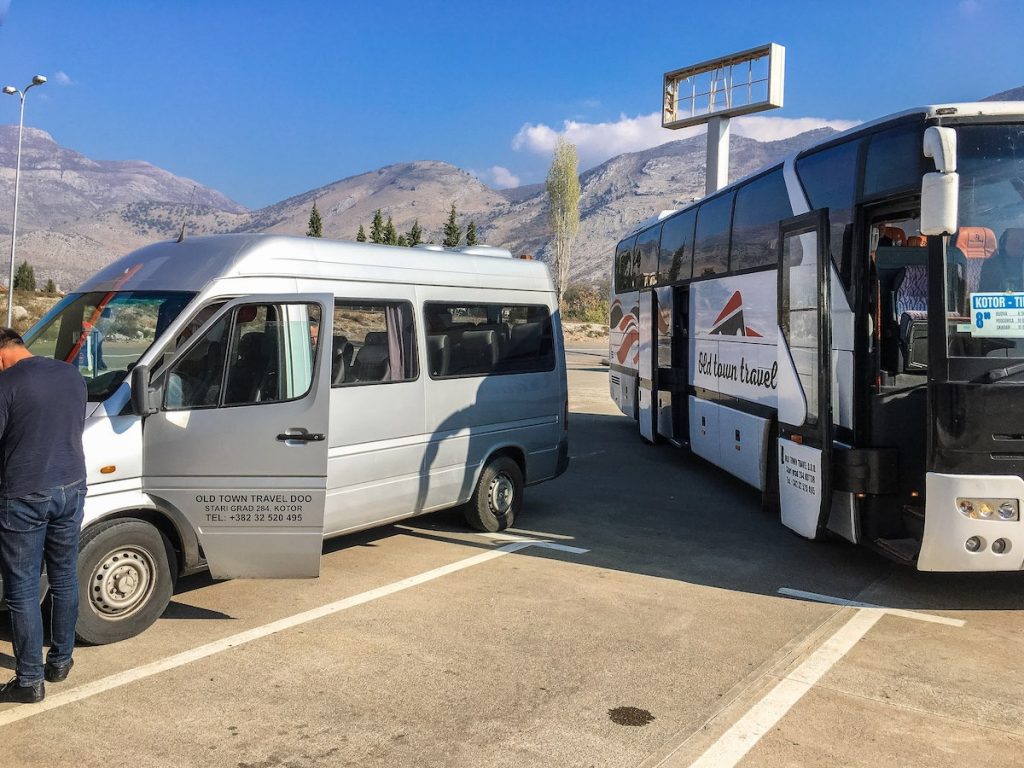
Absolutely. One of the biggest surprises of this trip was how easy it was to travel through the Balkans using public transport.
Over the course of 93 days, we crossed six countries almost entirely by bus. Most tickets were purchased locally, many were bought just a day before departure and some were even purchased on the same day.
The buses weren’t always luxurious. Toilets on board were rare, luggage often came with a small additional fee and English wasn’t always widely spoken at bus stations. However, we rarely encountered any serious problems.
Border crossings were generally straightforward and most destinations were connected by regular bus services.
For budget-conscious travellers, travelling by bus remains one of the best ways to explore the region.
Final Thoughts
The Balkans quickly became one of our favourite regions in Europe.
Over three months, we explored Ottoman old towns, Austro-Hungarian cities, mountain villages, lakeside communities and bustling capitals. We drank countless cups of Bosnian coffee, crossed borders we previously knew very little about and discovered destinations that far exceeded our expectations.
Bosnia and Herzegovina surprised us the most.
Ohrid became one of our favourite places in Europe.
Albania proved far easier to travel than we expected.
And throughout the entire trip, travelling by bus allowed us to experience the region at a slower and more rewarding pace.
Even after 93 days, we left with a long list of places we still wanted to visit. That, perhaps, is the best recommendation we can give.