Table of Contents
Our second and final stop in North Macedonia was Skopje. We didn’t quite know what to expect and were surprised by this eclectic capital. Skopje seems to have a bit of everything: a historic Old Bazaar, brutalist architecture, and a city centre packed with statues and monuments. And when we say packed, we mean they’re everywhere.
We spent a week in Skopje, renting an Airbnb within walking distance of the centre, and really enjoyed our time there. It was also the cheapest capital city we visited during our journey through the Balkans, making it an easy place to slow down and explore at our own pace.
Where to stay in Skopje
We stayed in an Airbnb on Aminta Treti Street, which was a great location for exploring Skopje on foot. There were plenty of restaurants, cafés and shops nearby, and we could easily walk to the city centre and many of the main sights.
There are also plenty of hotels and guesthouses across central Skopje, with lots of options within walking distance of the main attractions. You can browse accommodation in Skopje here.
What to do in Skopje
Stari Grad
The Old Bazaar is one of the main attractions in Skopje and is well worth a wander. While it wasn’t our favourite old town in the Balkans, it felt more authentic and lived-in than many others we visited.
Instead of being packed with souvenir shops and tourist restaurants, much of the area is still used by locals. You’ll find cafés, bakeries and traditional restaurants alongside historic buildings and narrow streets. This may be partly because North Macedonia still receives far fewer tourists than some of its Balkan neighbours.
Go on a brutalist architecture walk
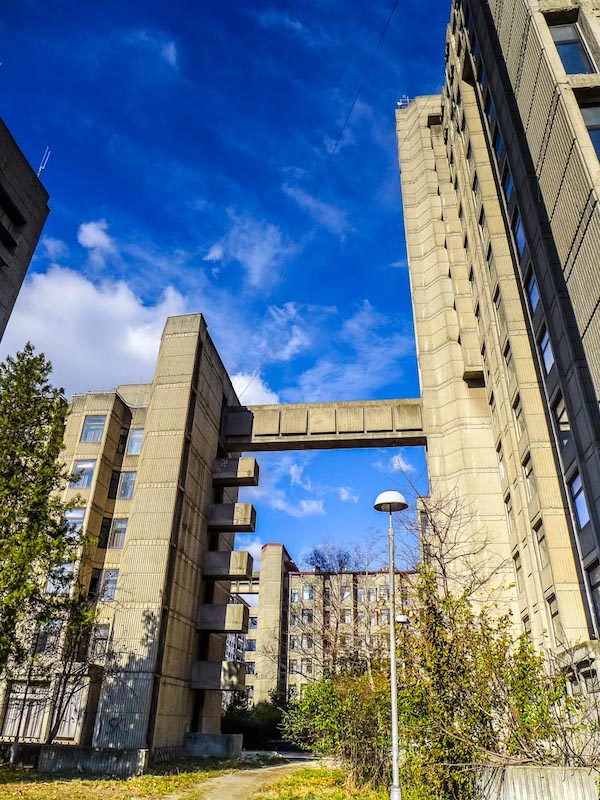
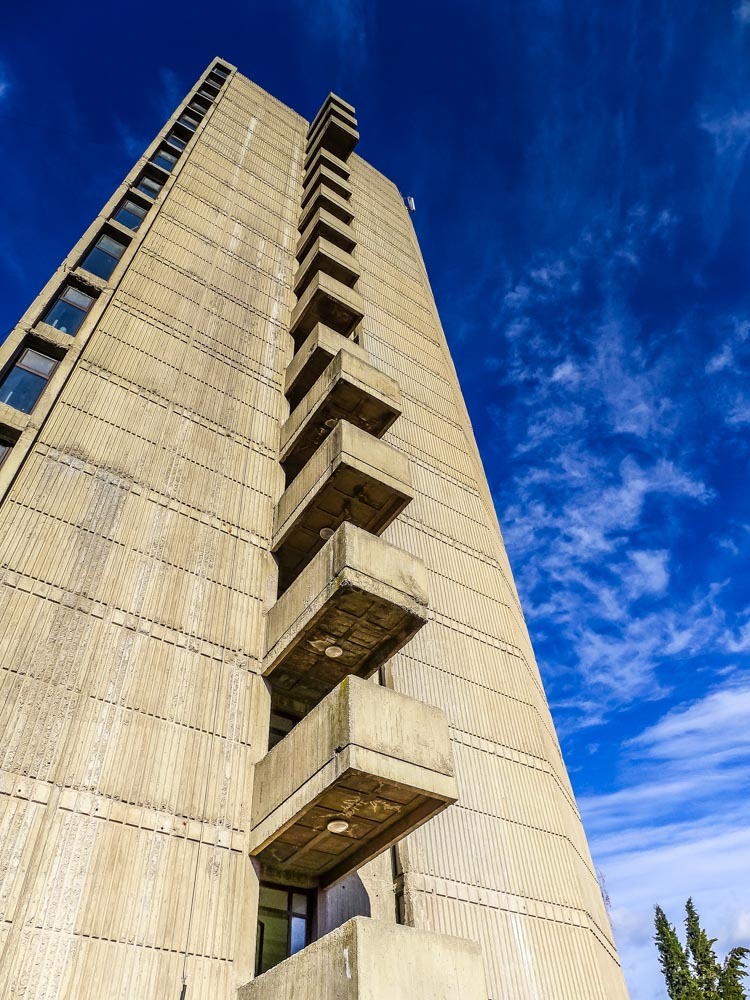
Skopje is also known for its abundance of brutalist architecture. If you’re interested in architecture, especially the bold and often unusual designs that emerged during the Yugoslav era, you’ll find plenty to explore here.
Many of these concrete structures stand in stark contrast to the city’s newer monuments and historic areas, adding to Skopje’s eclectic character. A few notable examples include:
Undergraduate Dormitories ”Goce Delcev”: student housing building:
Post office: another good example of brutalist architecture in Skopje

Beyond the well-known landmarks, we recommend simply wandering through some of the residential neighbourhoods outside the city centre. This is where you’ll find many of Skopje’s remaining examples of brutalist and socialist-era architecture.
Much of the city’s historic modernist character has already been replaced or hidden by newer developments, and many of these buildings are gradually disappearing. If you’re interested in this architectural style, now is a good time to see it before more of it is gone.
Street art
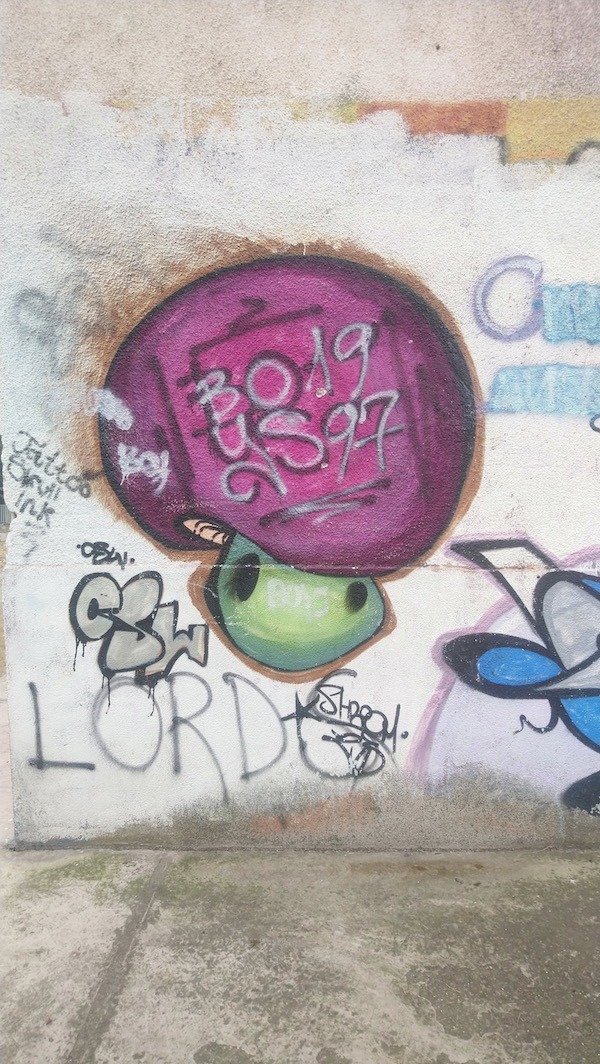
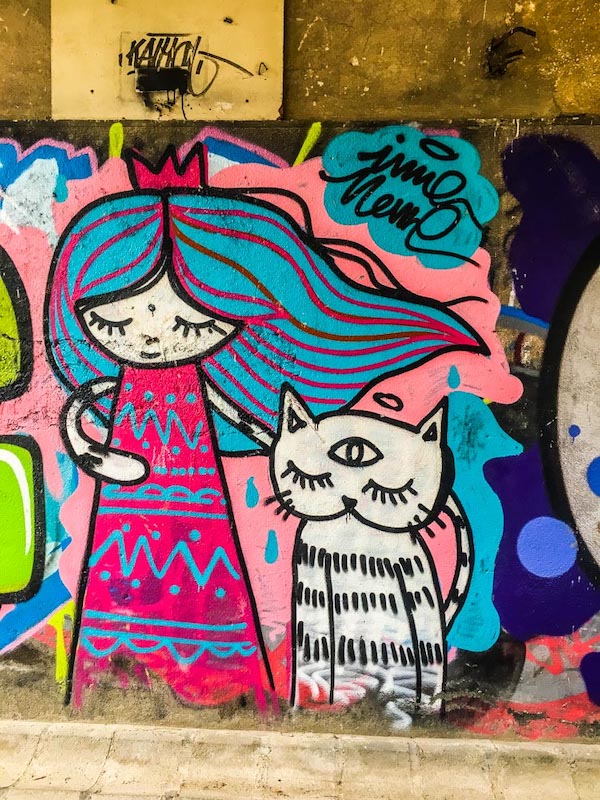
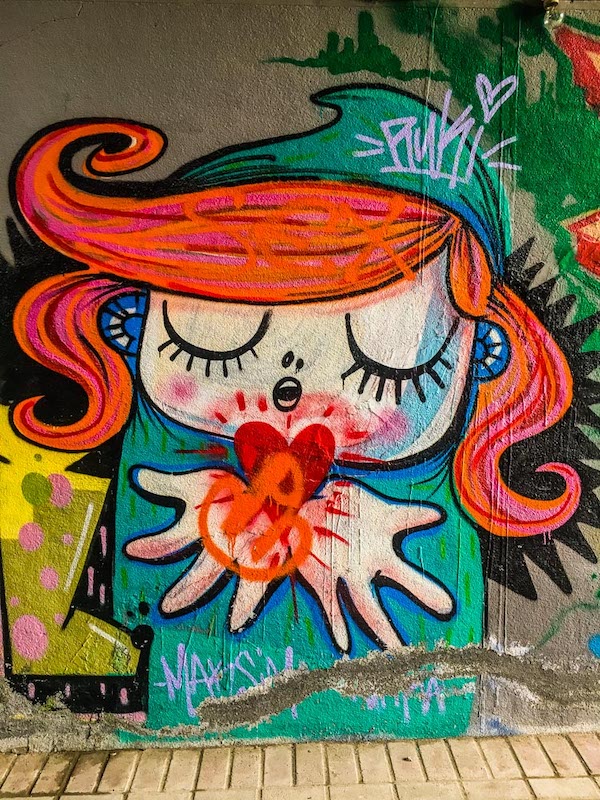
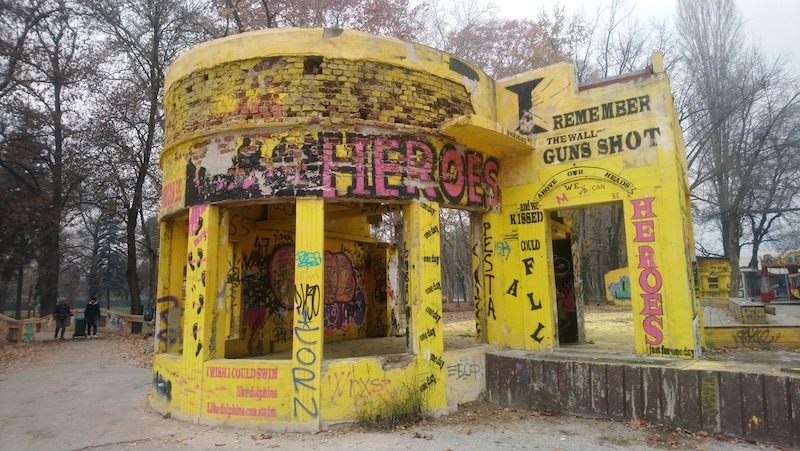
Sam is always on the lookout for street art, and Skopje turned out to be a surprisingly good city for it. While you can find murals and graffiti scattered throughout the city, there are a few areas that stand out.
One of our favourites was the area around the Autonomous Cultural and Social Center. It can be a little difficult to find, but you don’t need to locate the centre itself. Simply explore the surrounding blocks and you’ll come across plenty of interesting artwork.
We also found some great pieces between the arena and City Park, as well as along the riverside walkway, where long stretches of walls are covered in colourful murals and graffiti. If you enjoy urban art, it’s worth setting aside some time to wander and see what you discover.
Go to an Abandoned factory
We have always been drawn to abandoned places. There’s something fascinating about seeing how nature, time and people slowly reclaim a space once it has been left behind.
A graffiti shop owner near our apartment recommended an abandoned factory on the outskirts of the city as a good place to see street art, so one afternoon we decided to check it out for ourselves.
The factory grounds were easy to access and covered a surprisingly large area. Several buildings had already partially collapsed, while others still looked relatively intact. We chose not to go inside any of them, as it was impossible to know how structurally safe they were, but even exploring the exterior was well worth the visit. The combination of decaying industrial buildings and colourful graffiti made for an interesting contrast.
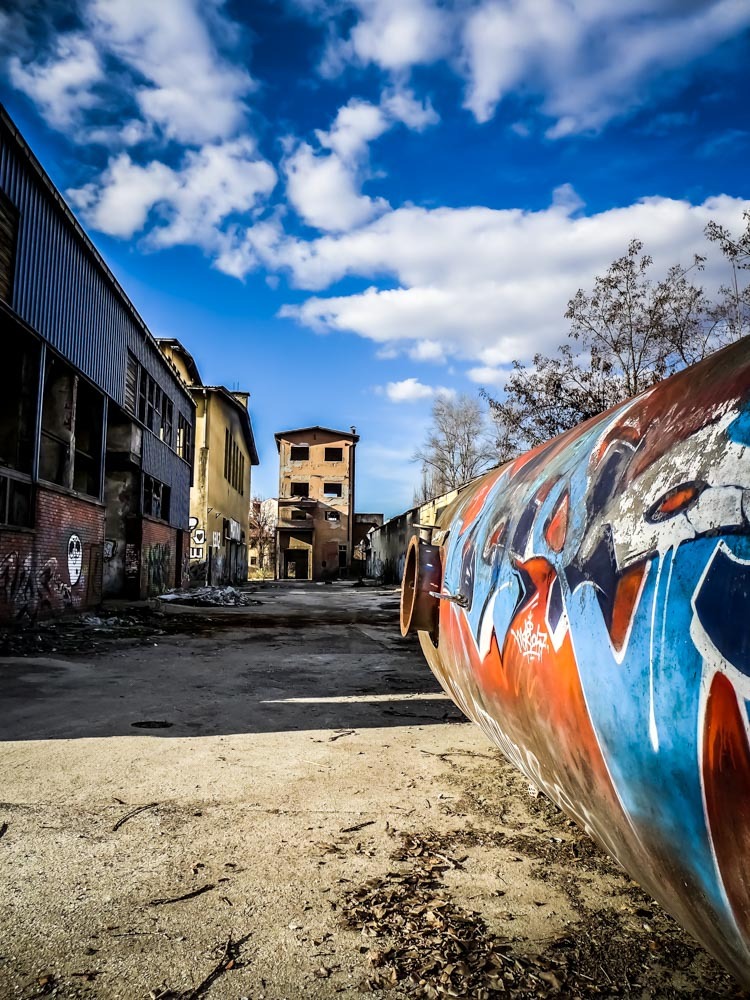
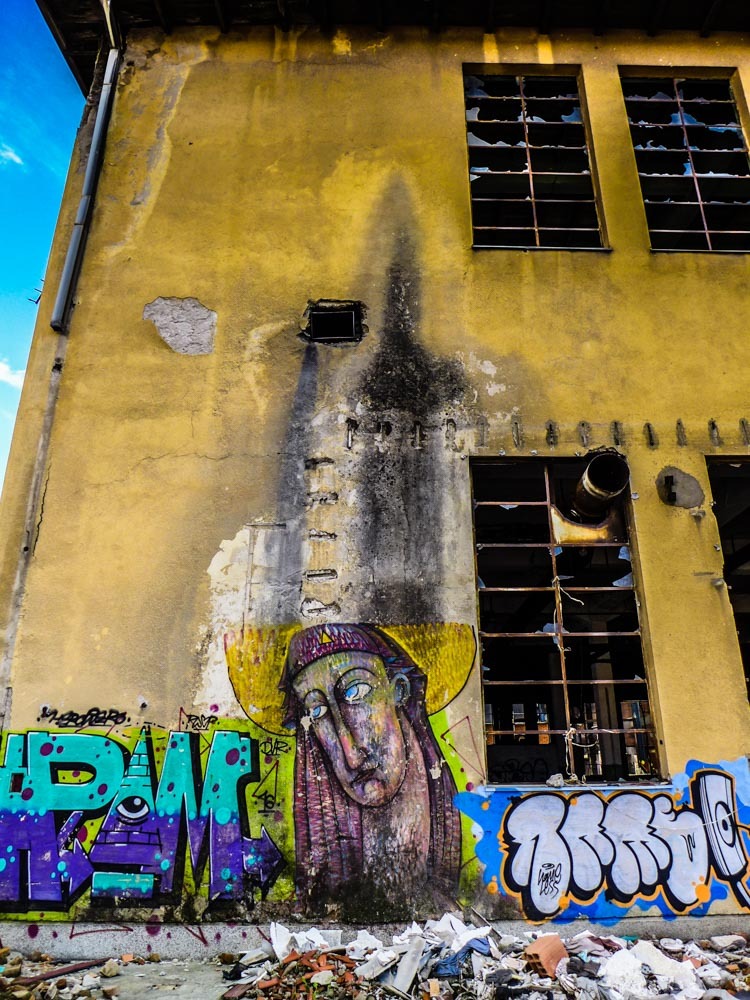
It was a really interesting place to explore and offered plenty of unique photo opportunities. There’s something about abandoned places that we find strangely beautiful. The mix of decay, history and nature slowly taking over creates an atmosphere that’s hard to describe.
We weren’t completely alone, though. A man was also living on the factory grounds and, as he didn’t speak English, we couldn’t really communicate with him. We later learned from the owner of the graffiti shop that a few people were known to stay there and generally kept to themselves.
At the time, however, we had no idea who he was or what his intentions were, so we kept our distance. When he picked up an axe and started walking around the site, we decided that our visit had come to a natural end and headed back towards the city.
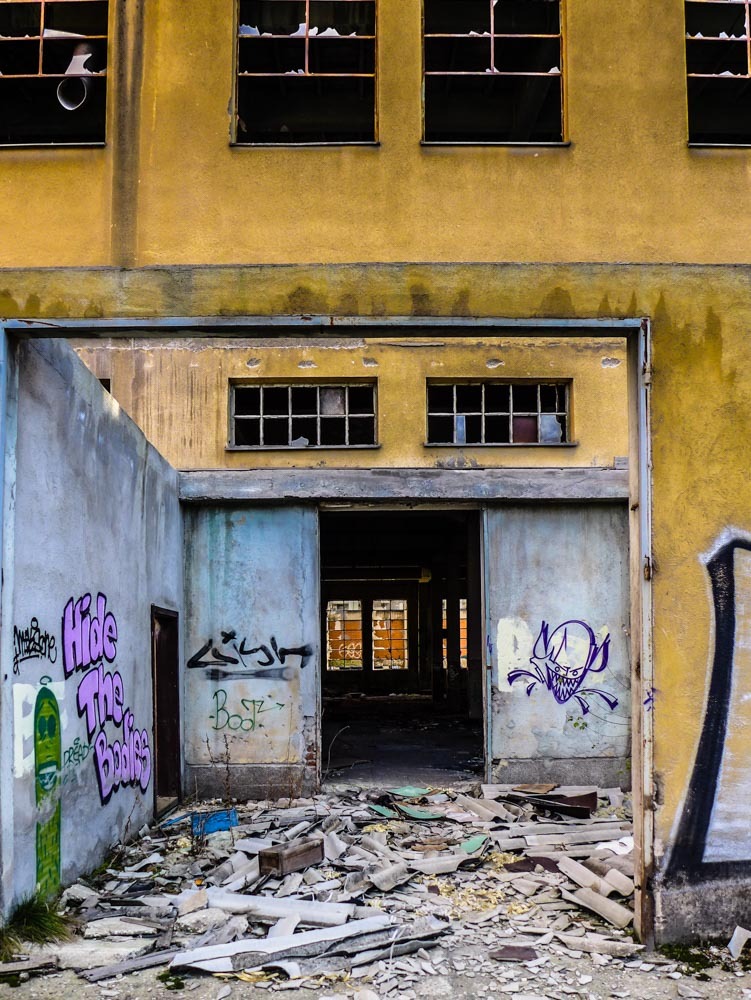
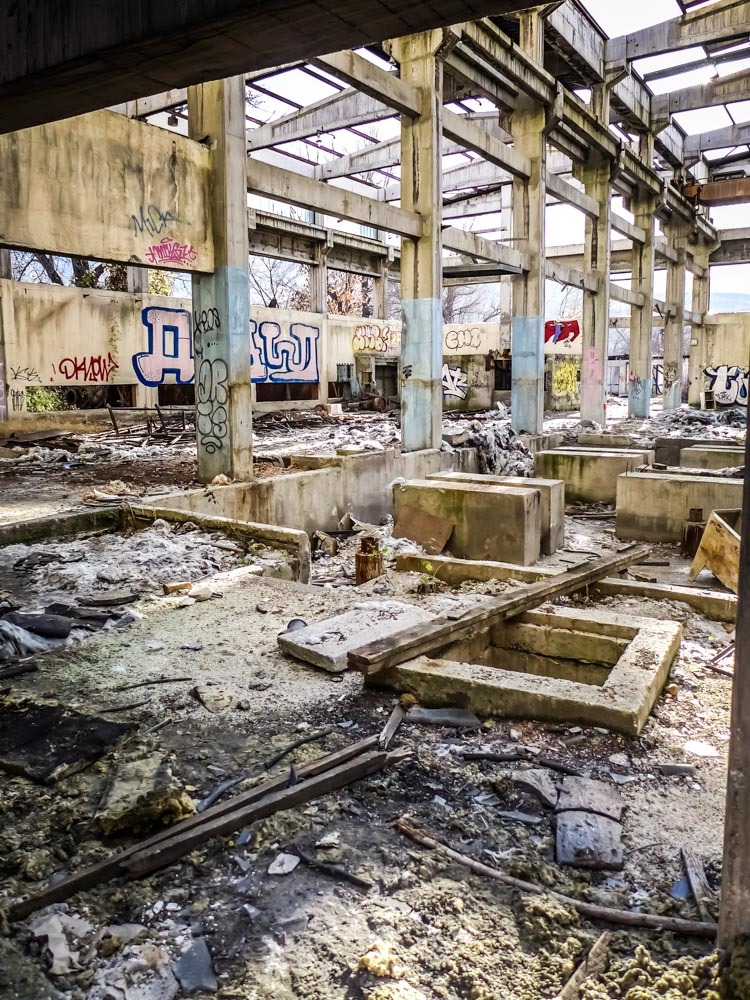
A quick word of caution: abandoned buildings are never completely safe. There was broken glass everywhere, unstable structures and buildings in various states of collapse throughout the site.
We chose to stay outside and did not enter any of the buildings. Access rules can also change over time, and entering abandoned properties may be illegal or considered trespassing. If you decide to visit, use common sense and do so at your own risk.
Count all the statues
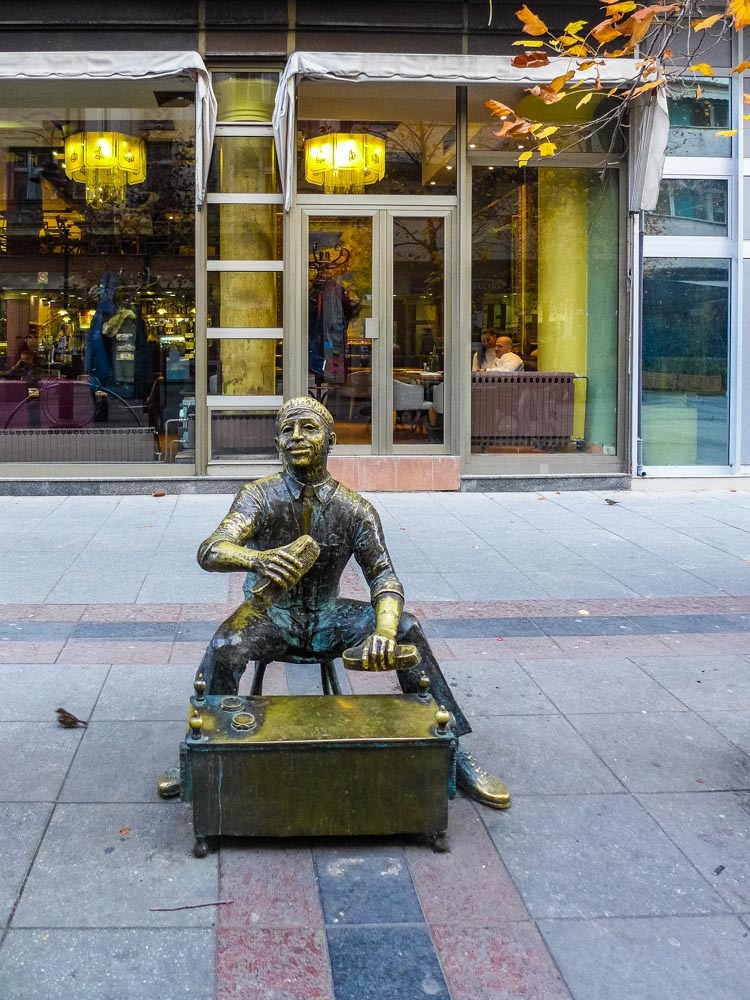
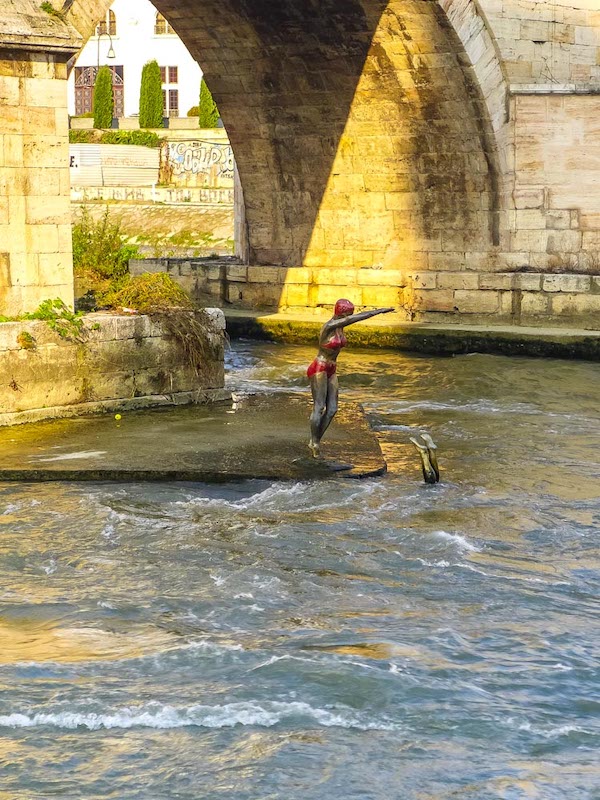
As we mentioned earlier, the city centre is absolutely packed with statues. They are impossible to miss and are one of the things that make Skopje feel so unusual.
Most of these monuments were added as part of the Skopje 2014 project, a large redevelopment initiative launched by the Macedonian government. The aim was to give the city centre a more classical appearance through the construction of new museums, government buildings and monuments. While the new buildings are certainly noticeable, it is the sheer number of statues that most visitors remember.
The project proved highly controversial and divided public opinion. Some people welcomed the redevelopment and felt it gave the city a stronger identity, while others argued that the money could have been spent on more pressing priorities. Originally budgeted at around €80 million, the final cost reportedly grew to well over €500 million, adding to the debate surrounding the project.
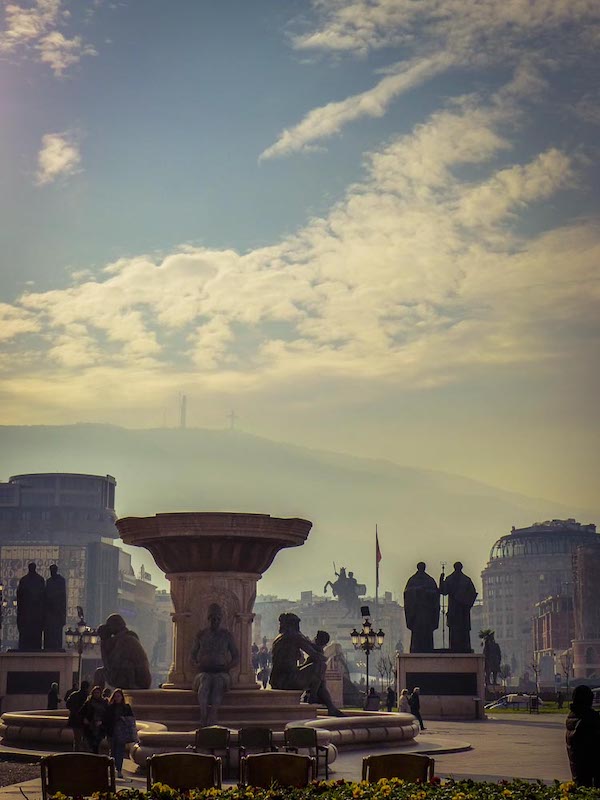
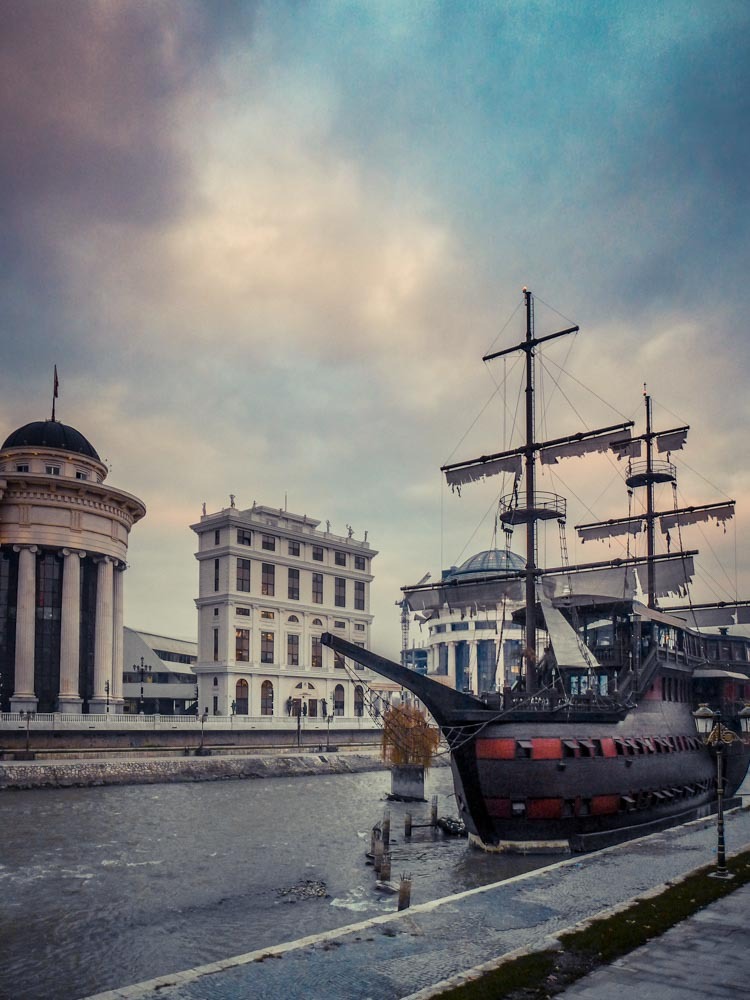
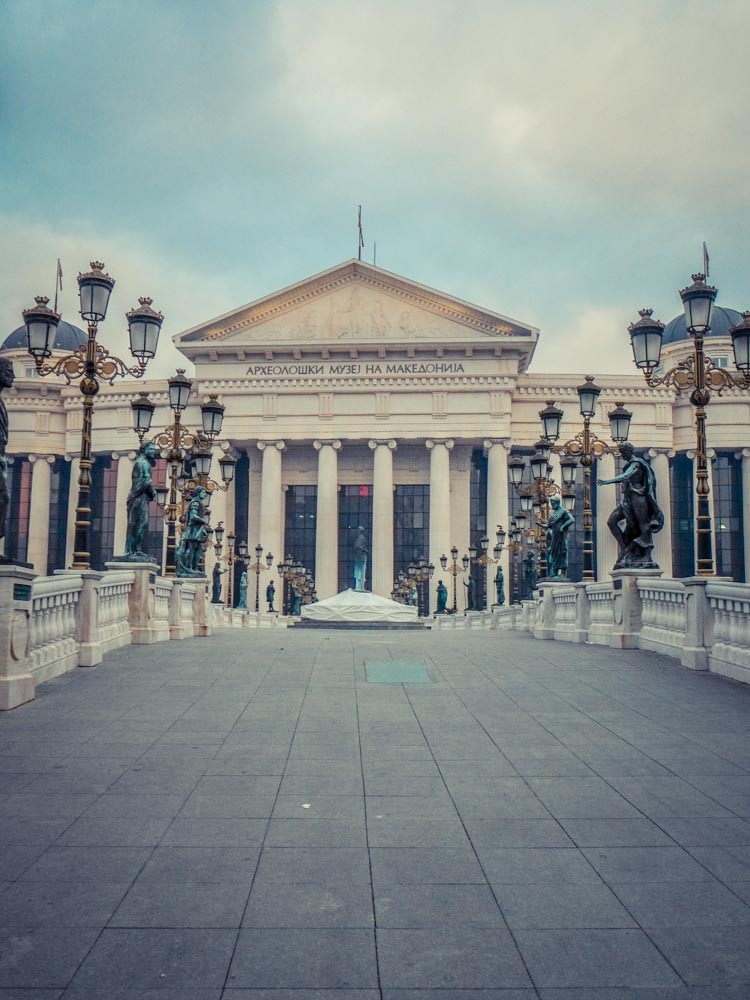
The exact number of statues is unclear, but there are hundreds of them scattered throughout the city centre. In many ways, they have become a tourist attraction in their own right.
Walking through central Skopje is a surreal experience. Grand classical-style buildings, many of them relatively new, stand alongside countless statues of historical figures, national heroes and the occasional monument that simply leaves you scratching your head. To add to the atmosphere, there are even two pirate ship-style buildings floating in the river.
Whether you love it or hate it, it’s certainly memorable. For us, the city centre was fascinating to see, but we found ourselves preferring other parts of Skopje, particularly neighbourhoods beyond the main tourist area.
Where to eat in Skopje
We cooked a lot ourselves in Skopje, especially dinners. So we didn’t try that many restaurants, but we have a couple to recommend.
Kafana Gostilnica Ka
We went here a couple of times. A great little BBQ place serving traditional food for very affordable prices. This is out of the city centre (still central) so it’s a local place.
Turist Grill
Despite the name, this is a good go-to in the old town for affordable ćevapi.