Top Posts
Our 3-Month Balkans Itinerary: 93 Days by Bus Through Southeast Europe
Subotica: Serbia’s Most Beautiful Surprise
A Short Guide to Novi Sad
Belgrade: Our Favourite City in Serbia
Best Apps for Visiting China (2026 Guide)
Visiting the Jordaan: Amsterdam’s Most Beautiful Neighbourhood
Namibia Self Drive Safari vs Guided Tour: Which Is Better?
Namibia Self Drive: Everything We Learned Driving a 4×4 Across Namibia
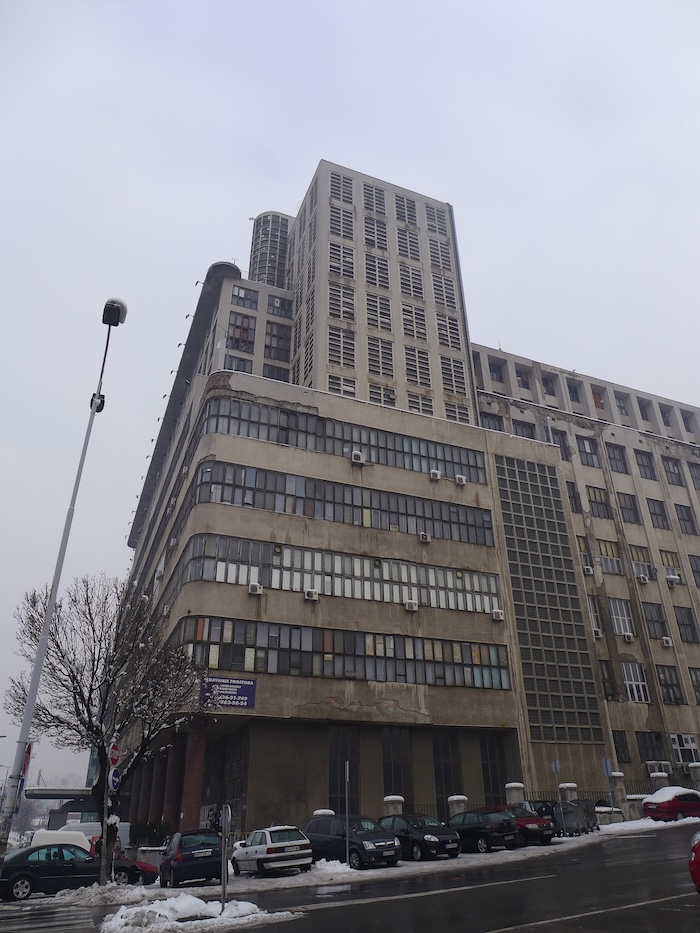
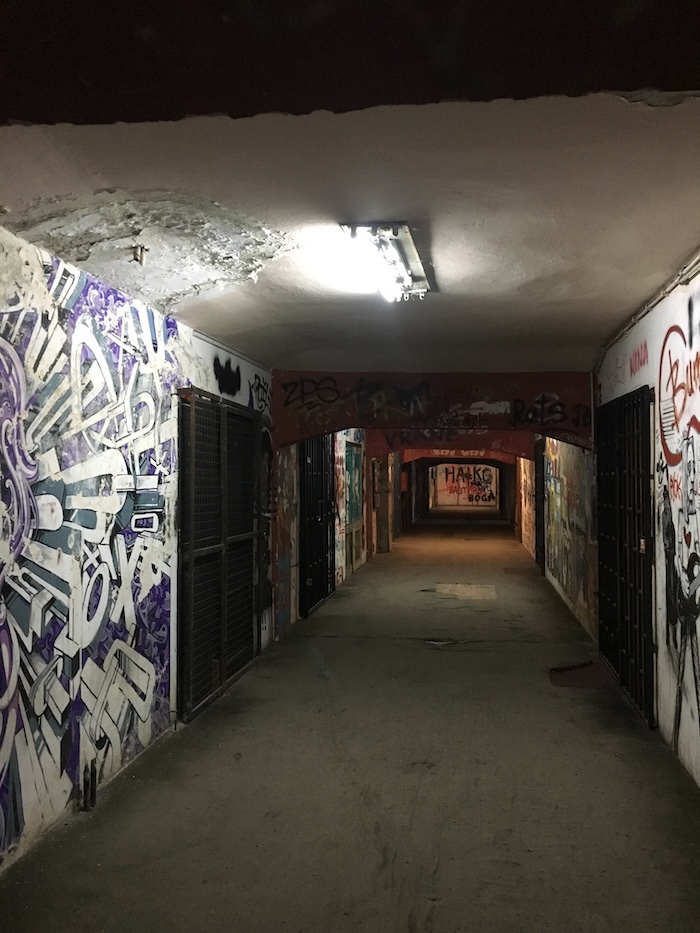
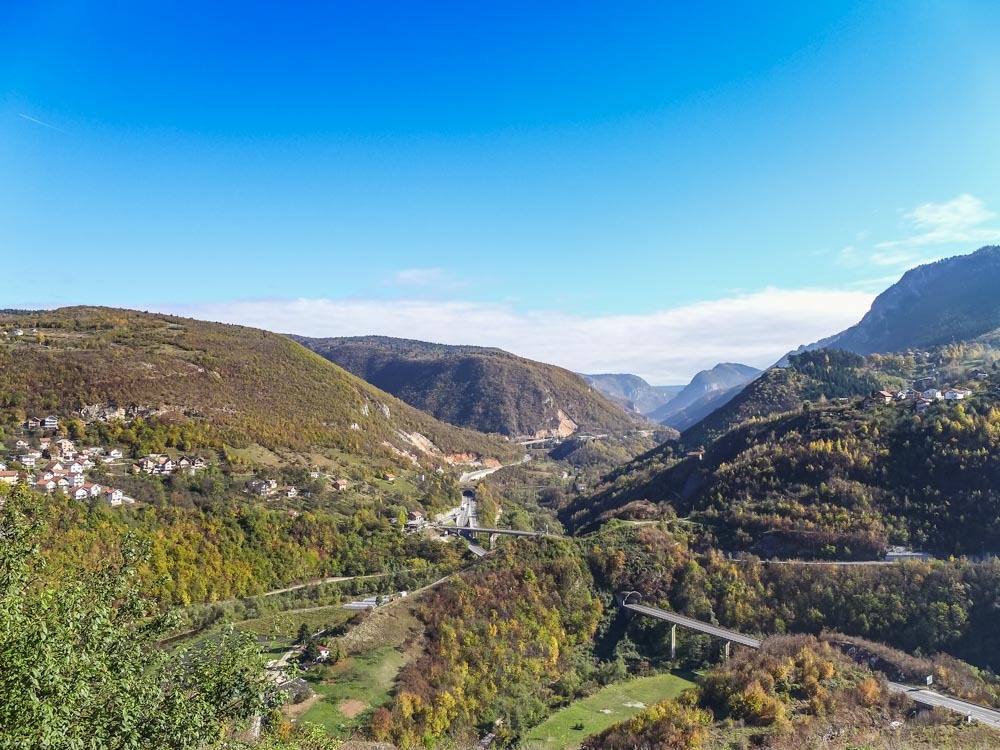
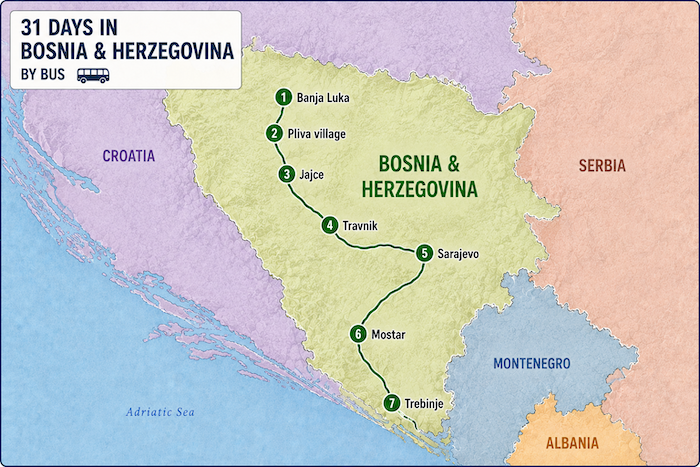
Bosnia and Herzegovina Itinerary: Our 1 Month Route by Bus
Our 2 Week Albania Itinerary
LBSB World
  • Home
  • Destinations
    • Africa
      • Namibia
    • Asia
      • China
      • Indonesia
    • Europe
      • Albania
      • Bosnia-Herzegovina
      • Croatia
      • Montenegro
      • Netherlands
      • North Macedonia
      • Serbia
    • North America
      • Dominican Republic
  • Travel Itineraries
    • Our 9-Day Namibia Tour with Chameleon Safaris: An Honest Review
    • Our 2 Week Albania Itinerary
    • Bosnia and Herzegovina Itinerary: Our 1 Month Route by Bus
    • Namibia Self Drive: Everything We Learned Driving a 4×4 Across Namibia
    • Our 3-Month Balkans Itinerary: 93 Days by Bus Through Southeast Europe
  • Plan Your Trip
    • How to Deal with Travel Burnout (And Start Enjoying Travel Again)
    • Sam’s Fulltime Travel Packing List
    • Using Trusted House Sitters to Support Your Travels
    • Namibia Self Drive Safari vs Guided Tour: Which Is Better?
  • About Us
    • About Sam & Livia
    • The Story Behind Our Full-Time Travel Life
    • abearcalledpaddington
Author

Livia

  • Author Profile
  • Posts by the Author
  • Our 3-Month Balkans Itinerary: 93 Days by Bus Through Southeast Europe
  • Subotica: Serbia’s Most Beautiful Surprise
  • A Short Guide to Novi Sad
  • Belgrade: Our Favourite City in Serbia
  • Bosnia and Herzegovina Itinerary: Our 1 Month Route by Bus
  • Our 2 Week Albania Itinerary
Livia

Mostar Bridge
Bosnia-Herzegovina

Exploring Mostar

by Livia March 3, 2019
written by Livia

Latest updated: May 2026

Mostar, the city with the famous bridge. Neither of us were too impressed byt this city after travelling from the North of Bosnia and Hercegovina. It is a small city catered to tourists, probably the only place in Bosnia that is, at least where we went. Two nights is definitely more than enough. Our favourite things about Mostar was when we left the old city and all the tourists.

Where to stay in Mostar

We stayed at Nina hostel in Mostar, offering both private rooms as well as dorms. The location is great within walking distance to old town. Very friendly staff, clean and a shared kitchen.

What to Do in Mostar

Sniper Tower

This was one of our highlights in Mostar, the old sniper tower. This former bank building was used as a sniper tower during the war. Now it is an abandoned building, located in the new part of the city full of graffiti. You are not allowed to enter the building, but it is easy to climb in at the back of the building to explore more of the graffiti. We did not do this, as we don’t know how safe it is. You can get a local unofficial guide to show you around, which we would suggest just to be on the safe side. It is also perfectly fine to just walk around on the outside of it and you get to see loads of graffiti that way too.

Mostar Bridge

Mostar bridge is beautiful but a bit underwhelming. There are also huge crowds, even during low season when we were there. The only time the bridge was kind of empty was one evening when it was raining quite heavily. Mostar bridge is not a reason to go to Bosnia, there are plenty of way nicer places around this beautiful country which we recommend more.

Head to a viewpoint by the river, where you get a nice view of the bridge and not as many people. You will see the viewpoint from the bridge, it’s just a short walk there from the bridge.

Mostar Bridge
Mostar Bridge

Old Town of Mostar

Old town, or Stari Grad, is pretty, but it is super touristy. Something we were not used to traveling through Bosnia before going to Mostar. That takes away a lot of the beauty for us. It must have been absolutely stunning without all the tourists shops and crowds. If you are in Mostar, do walk around old town, but make sure to see other parts of the city as well. Which takes me to the next point.

Walk Outside the Old Town

Make sure to discover the new parts of Mostar as well. Where real life it happening. Try some of the coffee places that you’ll find everywhere, look at the architecture and ruined buildings. Just enjoy the local life in Mostar.

Where to Eat in Mostar

Irma Grill

The mixed grill at Irma is out of this world. It is the best mixed grill we had in Bosnia, also including grilled vegetables, which was a first for us. Just know that it is HUGE – the small one is more than enough to share. Even if the price might seem a bit high for mixed grill (compared to other places in Bosnia), it is very well priced for the amount of food you get! We went here both nights we stayed in Mostar.

Mostar Irma Grill
Mostar Irma Grill

Behar

Local place in old town of Mostar. Food is a bit cheaper than other places around.

March 3, 2019 0 comments
FacebookTwitterPinterestLinkedinRedditStumbleuponWhatsappTelegramThreadsOpenAIChatGPTEmail
Bosnia-Herzegovina

Coffee, History and Hills in Sarajevo

by Livia February 26, 2019
written by Livia

Last updated: May 2026

Sarajevo was one of our favourite stops during our 3.5 months in the Balkans. The capital of Bosnia-Hercegovina can perhaps not be described as beautiful, but the vibe is just amazing. There is also a lot to see and do in Sarajevo. This is our Sarajevo travel guide with all tips of what to do and where to eat when you visit Sarajevo.

Not many Europeans visit Sarajevo, which is a shame. It is very diverse and cultural with a lot of things to offer. There’s an ottoman area, many restaurants, communist blocks, great views, friendly people… Sarajevo has it all!

What to do in Sarajevo

We spent almost two weeks in Sarajevo so we had a chance to do a lot of things in this amazing city. In this post we will mention our favourite things. Sarajevo is small enough to walk around, but local transportation is also easy to navigate, the easiest option is to go by trams.

Walk around and look at the different architecture

Make sure to just walk around and get lost and see what you find. Look around you at all the houses, the rebuilt ones, the modern ones, the Austro-Hungarian ones, the communist buildings and the ones filled with bullet holes. It is a very interesting city to just walk around and look at the architecture in the different areas.

Sarajevo Bobsled Track

This is the old Bobsled track form the Olympic Games 1984. Today it’s full of colourful graffiti. You can walk down the tracks to see all the graffiti. Definitely a must for anyone visiting as it’s a very alternative tourist attraction, and it’s also free of charge. You can take the cable car up there and walk to the bobsled tracks. Or you can take a taxi up the mountain. You could also walk, but it’s a long, steep and boring road to walk up.

Sarajevo Cable Car

There was an old cable car running up the mountain during the Olympic games, during the siege of Sarajevo it got destroyed. But it’s been rebuilt and you can go up the mountain again. It is the tourist price is quite pricey, so if you are on a very tight budget and only want to see the views from up there and/or visit the bobsled tracks, I would suggest taking a taxi, as this is the cheaper option. But if you are interested in the cable car itself then it is worth it.

Views from the top

Jewish Cemetery

This is an abandoned Jewish Cemetery up one of the hills of Sarajevo. It was inaccessible due to landmines for many years, but today it is accessible again. However, it is still abandoned. This was another of our favourite places to visit in Sarajevo, and a very unique place. We were all alone while visiting and it is very beautiful and peaceful. It’s walkable from the city, but it is on a hill so the walk is quite steep.

Grave stones at the Jewish Cemetery

The Yellow Bastion and the White Fortress

I write these two under the same category as the Yellow Bastion is on the way to the White Fortress. The buildings are not very interesting, but you come here for the views over Sarajevo. There’s also no entrance fee to any of them so it makes a great place to visit if you’re on a budget.

It’s a very beautiful walk to get to these two places, you will start in the old town of Sarajevo, and walk up a hill to reach the Yellow Bastion. After taken a moment there, and maybe some photos, continue the road along the hill. There is a cafe, Kamarija, just next to the Yellow Bastion, which is worth a visit. Not amazing coffee, but the views are very beautiful. After enjoying your coffee, continue through a part of Sarajevo, which feels like a small Italian mountain village, with stone houses and many small alleys. Once you found the right way (use google maps or ask someone), you will reach the White Fortress. On one side you have views over the mountains and valleys and on the other over Sarajevo, both breathtaking.

At the Yellow Bastion
Cafe Kamarija
Views out of the city from the White Fortress

Abandoned Mansion

From the White Fortress you can also see a huge abandoned mansion. We managed to find our way there, it’s above The Yellow Bastion. You can’t go in, but it is quite beautiful from the outside. So if you are interested in this kind of palaces, do head over there to have a look.Sarajevo City Hall

This building is beautiful. And you can get some great pictures under the archways at the entrence. We didn’t go inside, but I’ve seen pictures from it, and it does look beautiful. Next time I head to Sarajevo I will make sure to go inside as well.

Sarajevo city hall

It is hard to miss this building walking around the city, with it’s colourful facade standing out beside the river.

Sarajevo City Hall
Get an instagram worthy pic at the City Hall

Explore Baščaršija

This is the old town of Sarajevo. It was built during the Ottoman empire and it kind of feels like being in Turkey when entering this part of Sarajevo. It is very pretty but can get extremely packed with people, especially during weekends. Try to head there on weekdays to enjoy all the small little alleys without the crowds.

Baščaršija
Go to any of the small workshops to see how they make their merchandise
The small alleys of Baščaršija

Make sure to sit down with a Bosnian coffee in this area. We really enjoyed Kaffa on the big square in Old town. Sit inside or outside with your coffee and do some people watching.

Bosnian coffee at Kaffa

Sarajevo Tunnel museum

This was a quite interesting museum next to the airport in Sarajevo. During the siege this was the tunnel which was used to smuggle food etc. into Sarajevo. It’s only about 20m of the tunnel available for visitors, but the museum is definitely worth a visit if you’re interested in history. It’s a bit tricky to get there without a car, easiest is to take a taxi. We took a bus, but then we had to walk for 40 minutes to the actual museum. On the way back we hitchhiked and were quickly picked up by a french couple.

Part of the tunnel which is open for visitors

Museum of Crimes Against Humanity and Genocide

This museum is very emotional, but important to visit. You will learn a lot about the years during the Siege of Sarajevo. The most impactful room was the film room, which showed short films from these years. About normal life, how it was, and how people survived, or didn’t survive. Again, it is very very hard and a lot of very graphic pictures and films. So make sure to go there a day when you feel strong enough to handle it. Having said this, we still believe this is a must do when visiting Sarajevo, to understand better how life was and why the city look like it does today.

Latin Bridge

Not super interesting, but you will probably walk by it at some point. It’s an old, quite beautiful, bridge close to the old town. It is also the place where Franz Ferdinand got assassinated, you will find a plaque about this on the side towards old town.

ICAR Canned Beef Monument

Again, maybe not super interesting, but it’s a fun alternative thing to see in Sarajevo. It is an ironic war memorial of ICAR canned beef. Which was an inedible food sent as humanitarian food during the war. It is what it sounds like.

Bars and Cafes to Visit in Sarajevo

Caffe Tito

This Tito inspired cafe, next to the ICAR canned beed monument is a great place if you are interested in Tito and the communist era. It’s filled with things form this time and serves cheap coffee and beers. There’s also old tanks etc. outside the cafe.

Interior at Cafe Tito
Tank outside Cafe Tito

Zlatna Ribica

This bar had mad interior. Just for this reason you should go there. There are trinkets everywhere around and all different styles, which makes it quite beautiful. It’s a super small bar so come there on off hours to get a seat.

Tea House Džirlo

This was our favourite hangout in Sarajevo, it is a super cozy tea house in old town. The owners are great and very friendly. You can choose from countless teas, but do make sure to try Salep, a Turkish specialty.

Where to Eat in Sarajevo

Dveri

This was some of the best food we had in Bosnia. It’s a great little restaurant in old town serving traditional food. Make sure to book a table in advance as it often fills up. Try the beef steak and their home made bread.

Enjoying the food at Dveri

Avlija

Great little restaurant up the hill outside of the tourist area. Very good traditional food and cozy interior. Quite small so might be worth booking a table in advance.

The interior of Avlija restaurant

Ćevabdžinca Petica Ferhatović

Great local restaurant in old town. It was completely packed with locals during lunch. They serve traditional BBQ food, mostly Cevapi. Definitely head here for lunch.

Restoran Bijela Tabija

A nice restaurant with good food next to the white Fortress. A bit more expensive than the very local places, but still good value for money and beautiful views.

Ćevabdžinica Željo

Supposed to be one of the best Cevapi in Sarajevo. We enjoyed it but it’s not the best in Bosnia! But a good cheap place for a quick lunch.

Barhana

Ok restaurant in old town, not the best, but if you can’t get a table anywhere else, you can head here.

February 26, 2019 0 comments
FacebookTwitterPinterestLinkedinRedditStumbleuponWhatsappTelegramThreadsOpenAIChatGPTEmail
Plan Your Trip

How to Deal with Travel Burnout (And Start Enjoying Travel Again)

by Livia December 1, 2018
written by Livia

How it started

About 1,5 months into our travels I started to get super tired and lost all interest in exploring. All I wanted to do was to be inside and hide from all stimuli. I was constantly exhaust and everything felt really difficult, trying to communicate with people not speaking English, eating food I’m not used to, trying to cross busy roads.. it was all just too much. All places we’ve visited started to float together and I couldn’t remember which place was which anymore.

I realized quite quickly that this was some sort of burnout. I did go through a burnout and depression recently, so I recognised the signs. After a quick google I saw that this is very common. And not only for travellers just starting out, also for travellers that’s been out for a while. It can happen on short and long travels.

I am very sensitive to stimuli and can get extremely tired when I constantly are in new situations and do too much in a short amount of time. Like sensory overload. I really need my time to relax and have some quiet around me. We did travel quite fast for a couple of weeks and saw a lot of different places and that really hit me. I was ready to go home to Sweden at this point.

How to Deal with Travel Burnout

The best thing to do if you find yourself in this situation is to just stop for a while. Somewhere where you get energy, so you can recharge and get back to feeling like yourself again. I would strongly suggest stopping somewhere in a smaller place, close to nature. We, however, stopped in Tirana, the capital of Albania. It might not have been the best place, as I felt stressed about not exploring. If you’re in a small place you can explore everything quickly and then just take it easy.

But even though we stayed in Tirana, I managed to slowly restore some energy. I slept in, stayed in a couple of days, or just taking a long walk or go out for lunch. Nothing that would take too much energy from me. When I started to feel better we did ”normal” things, such as going to the cinema etc. Things that we would normally do at home. This really helped me and I started to get more energy and also wanting to go out and explore again.

How to Prevent Travel Burnout

After this experience we have changed our way of travelling. Or rather gone back to how we did in the beginning. We had a three night minimum rule when we started travelling. So we didn’t have to move too much and pack and repack all the time. We don’t set a minimum now, but we make sure to take our time. Right now we’re in Ohrid Macedonia, there’s not much to see and do but the vibe is really nice and relaxing. So instead of hitting Bitola for 2 nights we stayed here 2 nights longer and skipping Bitola to go directly to Skopje. It’s easier for us to stop for a while as we don’t really have a time limit. But if you are on a time limit it’s even more important to realize that you won’t be able to go to all places and do everything you want. You need to prioritize and choose. Even we need to prioritise and choose where we go.

I am aware that some people might be able to handle stimuli better than I am. Sam for example doesn’t have the same issue as me. However, I do think anyone could hit this point regardless of how high your limit might be. So to prevent travel burnout it is important to take your time and try to not squeeze in too much in a short amount of time. And also be ok with not hitting all the places you had on your list before starting to travel. Be happy with what you do experience instead of focusing on what you missed.

If you do experience any of these symptoms, please take a moment and make sure you do what you need to do. If it is going home for a bit, just stopping for a while, or whatever, just do it without feeling bad about it. It is nothing wrong to take a break for a bit to take care of yourself. Do what makes you happy, your health is the most important thing you have.

December 1, 2018 0 comments
FacebookTwitterPinterestLinkedinRedditStumbleuponWhatsappTelegramThreadsOpenAIChatGPTEmail
View over Zagreb Croatia
Croatia

Zagreb Is Better Than It First Appears

by Livia October 4, 2018
written by Livia

Zagreb is a beautiful city that we both really enjoyed! Many tourists skip Zagreb and only spend time at the coast, however, if you have longer time in Croatia, definitely visit Zagreb, we really enjoyed it. There’s loads of things to do and see and some great places to eat. This Zagreb travel guide is based on our experiences during our five days spent in Zagreb. We will not add the most touristy spots in this guide, as these are easy to find in any guidebook or online.

Beautiful views over Zagreb
Views over Zagreb

Things to See and Do in Zagreb

There is a ton to see and do in Zagreb, and we did not have time for all we wanted to do unfortunately. But these are some of our highlights listed:

Walk around Old Town

Yes, it is touristy, and we try to not do too many touristy things when travelling. But, the old town of any city is nice to stroll through to get glimpses of history. Just don’t eat here, as the prices are much higher than other parts of the city.

The Memorial Centre of the Rocket Attacks on Zagreb 1991/1995

This was probably the most interesting thing to do in Zagreb for us. It was quite emotional, but very interesting. The staff were very helpful and wanted to explain what happened and why. We didn’t know much about the war or the bombings of Zagreb, so we learned a lot. But again, it was quite emotional and many very strong and graphic photos and videos.

It was a little bit tricky to find as it was just in a normal doorway without any big signs. When you find the right door, go up one stair and ring the doorbell on the door with the sign and the staff will let you in.

Entrance: free

Door to The Memorial Centre of the Rocket Attacks on Zagreb 1991/1995

Mirogoj Cemetery

This cemetery is very beautiful. The beautiful arcade is the highlight of Mirogoj, with it’s beautiful architecture and the resting place for many famous Croats. It’s definitely worth going up to just walk around the arcade and the rest of the cemetery. Take a bus from the cathedral or walk up the hill.

Entrance: free

Tunnel Gric

This former bomb shelter during WWII and in the 90s is today a pedestrian tunnel under the city centre. It is a super cool place to walk through and almost completely empty when we were there. There are a five entrances, some a little tricky to find, but we used Google Maps and got to the right place.

Entrance: free

Inside Tunnel Grič
Inside Tunnel Grič

Park Maksimir

If you need to get out of the city centre for a bit and see some nature, head to the biggest part in Zagreb, Maksimir. It’s only a short tram ride from the centre. This is the perfect place to stroll around for an afternoon. It’s also where the city’s Zoo is located.

Entrance: free

Museum of Broken Relationships

It’s an entire museum about brake ups, some funny, some sad. Overall I think it was worth spending some time there but Sam didn’t enjoy it as much, so it depends on your interests.

Entrance: 40 kuna (ca. €5, October 2018).

Botanical Gardens

The Botanical Gardens was a nice place to walk around. None of us are really into flora and fauna, but it was still a nice walk in the sun. It was also very empty when we were there, and not many tourists at all.

Entrance: free

Botanical Garden in Zagreb

Explore all graffiti

Zagreb is full of beautiful, cool graffiti. Just walk around and explore and you will see loads, like a huge open air Art museum.

Graffiti in the Art park, and one of the entrances to the Grič tunnel

Drink coffee

As anywhere we go, we try to find the best coffee spots. There are loads of places to sit and relax with a hot cup of coffee and watch the world go by. See Sam’s guide to the best coffee in Zagreb.

Where to Eat in Zagreb

There are so many restaurants in Zagreb, as there is in any big city. Below are some places we found and really enjoyed.

Bistro Špajza

A small neighbourhood bistro owned by a super sweet older couple. They serve home made really good food. They have a daily menu, so it varies a bit depending on season etc. When we were there you got a soup and/or salad and could choose between three mains, risotto, pasta bolognese and beef cheeks with mashed potatoes.

Price: we paid €15 in total for 2 salads, 2 mains, water and 2 glasses of wine (October 2018).

Magazinska klet

This place is a typical BBQ restaurants, like the food you would find in Bosnia and Herzegovina. We had the mixed meat platter which was great – all fresh from the BBQ. It has a very homely feel to it and the staff was very friendly and helpful. There are three locations of this place, but we when to this one as it was the closest to our accommodation.

Price: we paid €30 in total for a huge plate of mixed meat, fries, mushrooms, a salad, bread, beans, 2 beers (big) and one baklava (October 2018). Mind you, it was enough food for 3-4 people.

Big meal at Magazinska Klet

Pithos

A very nice little lunch restaurant (only open until 17.00). You can choose from a daily menu with 3-4 dishes. It was all homemade nice food.

Price: the most expensive dish was €5 (October 2018).

Lašćinska Klet – Restoran – Ferenčina

This restaurant is a bit out of the city centre, next to Mirogoj Cemetery. It’s a very local place in a residential area, which we just stumbled upon after visiting Mirogoj. The food is very well made and home cooked, super delicious. Definitely worth a visit, especially if you combine it with a visit to Mirogoj.

Price: we paid €27 for two mains, a salad, a glass of wine and a beer (October 2018). It’s not the cheapest place to eat, but still worth a visit due to the quality.

October 4, 2018 0 comments
FacebookTwitterPinterestLinkedinRedditStumbleuponWhatsappTelegramThreadsOpenAIChatGPTEmail
Sweden-view-boat-sea-summer
About Us

The Story Behind Our Full-Time Travel Life

by Livia July 27, 2018
written by Livia

Life is not always sunshine and rainbows

We are going to be very honest in this post. Life is not always sunshine and rainbows, as social media wants us to believe. Yes, we have content that tells that story as well, but that’s not gonna be the case here. This is my story and the story about how we came to the decision to sell all our stuff and travel full time. Sam had some similar problems with not being happy at work, knowing what to do with his life etc. but decided to not share that here.

The last few years have been rough for me, and the last year I haven’t really felt happy. I lost my purpose in life and wasn’t sure what to to do with my life. This was really hard for me, as I’ve had a goal in life since I was about 10 years old. All my life I’ve been working towards this, and now I was lost.

Last year we travelled back and forth to Stockholm to help take care of my sick dad. I was working long hours at a job I didn’t like, doing something I wasn’t passionate about. I was trying to fit into a life that I thought I should have, but knew I didn’t want. I tried to be that good girl, doing everything I was supposed to do.

During the fall last year I just got worse and worse. But I didn’t see it myself. I thought it was normal to cry everyday in the bathroom at work. I thought it was normal to never have energy to do anything else than work. I told myself it was just the weather, or I was just a bit overworked. The anxiety came, stronger and more often. I went to the doctors about headaches, and broke down completely when she asked me how I was feeling. There and then I realized I wan’t doing very well. I got an appointment with a psychologist and went on sick leave from work on my doctors order, diagnosed with depression.

My sick leave lasted until the end of my contract, in April. I was starting to feel a little bit better, the worst of my anxiety disappeared and I started to have energy do a few things. Sam and I went to Indonesia for 2 weeks, got engaged, and I started to heal.

During our trip to Indonesia my dad died. I had to go to Sweden, first thing after we came back to deal with funeral stuff and everything else you need to deal with when someone dies, which is A LOT! I took a turn to the worse again. It felt like I broke on the inside. My dad is dead, the man who I always turned to when I wanted to discuss something or whenever I had a problem. He was just gone. I felt empty. Tired. Lost.

We started looking for a house in the Netherlands, and I was about to start looking for a job. But we both felt like we were working towards something we didn’t want, a life we didn’t want to live.

In all of this, I got scared. Is this the point of life? Am I just on this earth to work and earn money for unnecessary things? I was on my way down a black hole at this point, and it scared me. I knew I had to make a big change.

What about if we just sell all our stuff, end the contract on our apartment and just leave?

As none of us were happy in the life we were living, we started talking. What can we do to change this? Neither of us are from the Netherlands and there’s not really anything keeping us here. None of us want to go back to our home countries. None of us were sure what we want to do with our lives, where we want it to take us, where we want to live, do…

What about bringing the absolute minimum and go out in the world for an indefinite time? Travel full time?

There was something in us both that lit up talking about it. All of a sudden I felt an urge to do something, I felt excitement for the first time in a long time. But also fear. Can I really do that? What about all the shoulds? job, apartment, all those grown up things you should do? What about security? Having a place to call home? Can I just leave? Can I travel full time?

Of course I can. But I am scared as hell and not sure if I could actually do it. Am I a person who can do it? Am I just trying to escape? or would it actually help me to finally heal?

All these questions. All these fears. I am so scared of letting myself go into something unknown, where I don’t feel like I have control.

But maybe that’s just what I need? What we both need. Not being in control, not having things planned, just be for a while. A chance to breath, trying to figure out what is important in life, what I want to put my time and energy on, who I am.

All these questions. No answers.

If you don’t know where you’re going you can’t be lost, right?

I talked to my dad about this last summer. He told me to go travel the world after he died, he knew I wouldn’t do it before. He also knew it was something I’ve always wanted to do and he too loved to travel. Even with cancer storming in his body he went on a bike cycle trip on Cuba, visiting Vietnam and came to visit me in Indonesia. I know I would regret not taking this chance. And you know what? If I hate it I could just stop at any point.

After talking about it more, thinking about it – we decided that we are the only ones who can take control over our own happiness. There’s no short cuts. And if we are not happy with the life we live, why stay in it if we don’t have to? What is there to loose? So we made a decision to just sell our stuff and travel full time. See where the world takes us.

I really do believe anyone can do this if they just put their mind to it. We were lucky, economically, but we would have made it happen anyway. You just need to set your mind to it and be economical.

I hope this will be a way for me to find myself again. To figure out what’s important in life. To get away from the western way of living with all stress that it includes, get offline more, being in my feelings. A way to heal from loosing my dad, my guide in life. Healing my mind.

I want to believe that you do not need to go through something awful to get to this point. The point where you decide to change your life drastically. And I know there are cases, where people just do it cause they want to. But I believe there are even more cases, where people change their lives because of something big happening in their life. It might be the wake up call you need. For me it was just that, the wake up call I needed to understand that this is not the life I want to live. And I had the guts to make the needed change. This change can look different for everyone, but for us, it was to travel full time and see as much as possible of our beautiful world!

Why travel full time?

We have both always loved to travel. See new places, experience different cultures, new food. So for us there wasn’t any other plan for change than this. We have both travelled quite a bit before. And it was just the natural choice for us. We have both always wanted to travel the world, experience every bit of our planet so it came as a natural thing for us to do when I needed to make a drastic change in our lives.

“Travel is like love, mostly because it’s a heightened state of awareness, in which we are mindful, receptive, undimmed by familiarity and ready to be transformed. That is why the best trips, like the best love affairs, never really end” — Pico Iyer.

July 27, 2018 0 comments
FacebookTwitterPinterestLinkedinRedditStumbleuponWhatsappTelegramThreadsOpenAIChatGPTEmail
Indonesia

6 Traditional Indonesian Dishes You Must Try

by Livia July 20, 2018
written by Livia

Trying to narrow Indonesia’s incredible food scene down to just a few dishes is almost impossible. Most of our favourites happen to be Javanese dishes, which makes sense as we’ve spent most of our time exploring Yogyakarta and Jakarta specifically. Many of our friends live there, and despite several visits, we still feel like we’ve only scratched the surface of what the island has to offer.

Indonesia is one of our favourite countries for food. Every region has its own specialities and local flavours. Whenever we visit a new part of the country, our Indonesian friends always have a list of dishes we need to try. Food is an important part of Indonesian culture, and you’ll never have to go hungry.

Between the two of us, these are the six Indonesian foods we keep coming back to.

1. Bakso

We both absolutely love this simple noodle soup with meatballs. It’s probably our favourite Indonesian dish.

The best bakso is usually found at small street stalls rather than restaurants. We’ve only had it in a restaurant once, and it wasn’t nearly as good. Bakso is especially popular in Central Java, and some of the best bowls we’ve had were around Yogyakarta.

My personal favourite bakso stall is in Mendut, a small town close to Borobudur that we visited while exploring Central Java.. The soup itself isn’t particularly spicy, but every stall will have sambal and kecap manis on the table so you can customise it to your taste. It’s cheap, filling and incredibly comforting.

Bakso-soup
Bakso at it’s best at street stall Pak Min Wonogiri in Mendut.

2. Tongseng

Tongseng has been a favourite of mine ever since my first trip to Indonesia. It was the first street food I tried from a small stall outside my office in Jakarta, and from that moment I was completely sold on Indonesian street food.

This rich and flavourful dish originates from Central Java, particularly around Solo. The broth is made with coconut milk and is traditionally cooked with goat or lamb, although many places also offer chicken. I always choose lamb, while Sam usually goes for chicken.

It’s often quite spicy and packed with flavour. Like bakso, the best tongseng is usually found at street stalls rather than restaurants.

My first even Tongseng

3. Ayam taliwang

Indonesia does chicken dishes exceptionally well, and Ayam Taliwang is one of Sam’s favourites.

Originally from Lombok, this grilled chicken dish is coated in a spicy chilli-based sauce that packs a serious kick. Unlike bakso and tongseng, Ayam Taliwang is more commonly found in restaurants and warungs rather than street stalls.

If you enjoy spicy food, this is one dish you shouldn’t miss.

Not a traditional Ayam Taliwang, but still really good!

4. Sate

You can’t travel around Indonesia without encountering sate stalls.

Depending on where you are in the country, the meat on offer will vary. In Bali and parts of eastern Indonesia you’ll often find pork, chicken or fish sate, while on Java you’ll commonly see chicken, beef and goat.

Sate is one of Indonesia’s ultimate street foods. It’s inexpensive, widely available and almost always delicious. Whether served with peanut sauce or sweet kecap manis, it’s a dish we never get tired of eating.

If you’re visiting Yogyakarta, we’ve also put together a guide to our favourite places to eat sate in the city.

5. Nasi uduk

Nasi Uduk isn’t really a dish on its own. Instead, it’s fragrant rice cooked with coconut milk and spices.

You’ll often see Nasi Uduk Komplit on menus, where the rice is served alongside chicken, tempeh, eggs and various side dishes. The dish originates from Jakarta but can now be found throughout Indonesia.

I’m a huge fan of rice in general, but Nasi Uduk is in a league of its own. The coconut flavour and aromatic spices make it one of my favourite Indonesian comfort foods.

6. Sambal

Sambal is the reason Indonesian food is never boring.

At its simplest, sambal is a chilli-based sauce, but there are countless regional variations throughout the country. Every city, island and family seems to have their own version.

One of my favourites is Sambal Colo-Colo from Maluku. It’s traditionally served with fish, but works just as well with chicken. We love trying different sambals whenever we travel around Indonesia, and honestly, we could probably write an entire article just about sambal.

Three different types of sambal at restaurant Bebek Bengil, in Jakarta.

Conclusion

Indonesia is one of our favourite countries in the world for food. Every region offers something different, and even after multiple trips we still discover new dishes and flavours.

If it’s your first visit, start with bakso, tongseng, sate and nasi uduk. Then follow the locals’ recommendations and be adventurous. Some of our best meals in Indonesia have come from random roadside stalls that never appeared in any guidebook.

July 20, 2018 0 comments
FacebookTwitterPinterestLinkedinRedditStumbleuponWhatsappTelegramThreadsOpenAIChatGPTEmail
Indonesia

What to Do in Borobudur: Hidden Gems Beyond the Temple

by Livia July 14, 2018
written by Livia

Latest update: June 2026

When most people think of Borobudur, they think of the famous temple. And for good reason. It’s one of Indonesia’s most impressive landmarks and well worth visiting, especially at sunrise. It’s also a place that holds special memories for us, as it’s where Sam proposed to me.

We’ve visited Borobudur three times now and, while the monument is undoubtedly the main attraction, it’s the surrounding villages, friendly locals and fantastic food that keep drawing us back.

Most visitors only stay long enough to watch the sunrise and explore the site before moving on. We did the same on our first visits, but after spending more time in the area, we’ve come to appreciate everything beyond Borobudur just as much.

Borobudur Temple at Sunrise

If you’re visiting Borobudur for the first time, we highly recommend doing a sunrise tour. Watching the sun rise over the mist-covered landscape of Central Java is a memorable experience and one of the reasons the temple has become so famous.

Yes, it can be busy, but we still think it’s worth it. The temple itself is magnificent, and the views across the surrounding countryside are beautiful.

One thing worth checking before your visit is whether visitors are currently allowed to climb the temple. During our three visits, we were able to go up onto the monument twice, as the rules have changed several times over the years.

If reaching the top is important to you, make sure to check the latest regulations before travelling. That said, we still think Borobudur is worth visiting even if access to the upper levels is restricted.

Explore the Villages Around Borobudur

One of our favourite things to do around Borobudur is simply wander through the villages surrounding the temple. The area is incredibly green, peaceful and full of friendly people.

Don’t be afraid to leave the main tourist areas behind and explore the small back roads. During our walks we stumbled across local festivals, small coffee shops and plenty of everyday village life. Even if you don’t share a language, a smile and a few words of Bahasa Indonesia go a long way.

For us, this is where the real charm of Borobudur lies.

Explore by Bicycle

Another great way to see the area is by bicycle. Many hotels and guesthouses offer rentals, making it easy to explore the countryside at your own pace.

Our only advice? Don’t do what we did and head out in the middle of the day. The Central Java sun is no joke, and I somehow managed to sunburn my hands for the first time in my life.
Visit Mendut Temple

While Borobudur gets most of the attention, don’t miss nearby Mendut Temple. Many visitors stop here on their way to or from Borobudur, but it’s worth taking the time to explore properly.

The temple itself is small, consisting of a single chamber, but inside you’ll find an impressive seated Buddha statue. The atmosphere is peaceful and it offers an interesting contrast to its much larger neighbour.

Inside Mendut temple

Where to Eat Like a Local

We had some of the best food we’ve ever eaten in Indonesia around Mendut, particularly Bakso and Tongseng. If you’re interested in Indonesian food, this area is worth visiting for the restaurants alone.

Bakso & Mie Ayam Pak Min Wonogiri

This small street-stall-style restaurant serves the best Bakso I’ve eaten in Indonesia so far. We ended up having lunch here almost every day during one of our stays.

A bowl costs very little, but the flavour is incredible. Don’t be put off by the simple interior. We ate here many times without any issues, and the staff were always friendly and welcoming despite speaking very little English.

Rumah Makan Sate Dan Tongseng Mbak Ning

Possibly the best Tongseng in the area.

This is another very local restaurant where the focus is entirely on the food. The sate is grilled to order, the portions are generous and the prices are extremely affordable.

Making Sate

Nak Djadi

Nak Djadi serves both Tongseng and Sate and is slightly more polished than some of the other local restaurants nearby.

The owner was incredibly friendly and came over to make sure we enjoyed our meal, which we definitely did. It may be slightly more expensive than some of the other options in the area, but by Western standards it is still very affordable.

How Long Should You Stay?

Most visitors stay for a single night, but we think Borobudur deserves at least two or three nights if your itinerary allows.

That gives you enough time to visit the temple, explore the surrounding villages, enjoy the local food and experience a slower side of Java that many travellers miss.

Where to Stay near Borobudur

There are plenty of accommodation options around Borobudur, ranging from simple guesthouses to luxury resorts and we’ve stayed in several different places around Borobudur over the years, ranging from simple resorts to luxury villas.

Manohara BCC

If your main goal is to visit the temple and catch the sunrise, then Manohara BCC is hard to beat. Located within the Borobudur complex itself, it offers unmatched convenience and is perfect for a short one-night stay focused on the temple.

Amata Borobudor Resort

For travellers looking for a comfortable mid-range option, we enjoyed our stay at Amata Borobudur Resort. It offers excellent value for money, friendly staff and a peaceful setting surrounded by nature. We stayed here for almost a week and loved our time at this small resort and it’s also close to all the restaurants we recommend here.

Plataran Heritage Borobudur

We’ve also stayed at Plataran Heritage Borobudur, a luxury hotel located a short distance from the temple. The property offers spacious rooms, beautiful views and excellent service. If you’re looking for a more upscale hotel experience, this is a fantastic choice.

Plataran Borobudur Villas

For something truly special, we stayed at Plataran Borobudur’s private villas. This was easily one of the most luxurious places we’ve stayed in Indonesia. The villas offer privacy, beautiful surroundings and exceptional service, making them perfect for a special occasion or a relaxing getaway. This is one of our favorite hotels we’ve ever stayed at.
The pool at Amata Resort Borobudur
Plataran Heritage Borobudor
Plataran private villa

Is Borobudur Worth More Than a Day Trip?

Borobudur may be famous for its temple, but for us the real magic lies in the surrounding countryside. The villages, local restaurants and warm hospitality are what keep bringing us back.

If you have the time, stay a little longer, wander beyond the main tourist areas and see a different side of Borobudur. You might find, like we did, that the area becomes one of your favourite places in Indonesia.

July 14, 2018 0 comments
FacebookTwitterPinterestLinkedinRedditStumbleuponWhatsappTelegramThreadsOpenAIChatGPTEmail
Indonesia

Yogyakarta Travel Guide: What to Do, Where to Stay & Why We Love It

by Livia July 13, 2018
written by Livia

Latest update: June 2026

Yogyakarta, Yogya or Jogja (a beloved city has many names) is one of our favourite places in Indonesia. Over several visits we have stayed in the city centre, the northern suburbs and the countryside near Mount Merapi. While many travellers only spend a night or two here on their way to Borobudur or Merapi, we think Yogyakarta deserves much longer.

Beyond the famous temples and attractions, Yogyakarta has excellent food, great coffee shops, friendly locals and a relaxed atmosphere that keeps drawing us back. This guide combines our favourite experiences, places to stay and practical tips for visiting the city.
How Many Days Should You Spend in Yogyakarta?

Many visitors only stay for two or three nights before heading to Borobudur or continuing their trip through Java.

We think Yogyakarta deserves at least three to five days. This gives you enough time to explore the city, visit Borobudur and Prambanan, enjoy the local food scene and spend some time exploring the quieter areas north of the city near Mount Merapi.

If you enjoy cafés, local culture and slower travel, you could easily stay even longer.

Where to Stay in Yogyakarta

One of the reasons we love Yogyakarta is that every area feels different.

Central Yogyakarta

For first-time visitors, staying in the city centre makes the most sense. Most attractions, restaurants and cafés are within easy reach.

We stayed at Adhisthana Hotel, a colourful boutique hotel with a great atmosphere and a convenient location for exploring the city. We have also stayed at Ibis Styles Yogyakarta, which is on Malioboro street, so if you want to be in the middle of all the action, that’s a perfect spot.

Northern Yogyakarta & Mount Merapi Area

Over several visits we found ourselves staying north of the city towards Mount Merapi. While it takes a little longer to reach attractions such as Malioboro and Taman Sari, we quickly fell in love with this part of Yogyakarta.

The area is greener, quieter and noticeably cooler than the city centre. Rice fields, villages, coffee shops and local restaurants replace the busy traffic found in central Yogyakarta, making it an excellent choice for longer stays.

We stayed at both Villa Wirahita and a private Airbnb ca 30 min north of Yogyakarta center in the area and would happily return to either. Some of our favourite restaurants and cafés in Yogyakarta were also located here.

If you’re looking for a more relaxed side of Yogyakarta while still being within easy reach of the city’s attractions, this would be our top recommendation.

Villa Wirahita
Villa Wirahita
Adhisthana Hotel
Adhisthana Hotel
Airbnb
Airbnb

Which Area Did We Prefer?

If it is your first visit, we would recommend staying in central Yogyakarta for a few nights.

However, for longer stays we preferred the northern areas towards Mount Merapi. The rice fields, cafés, local restaurants and slower pace of life suited us much more than the busy city centre.

Best Things to Do in Yogyakarta

Explore Malioboro street

Malioboro is the heart of Yogyakarta and one of the first places most visitors end up. The street is lined with shops, food stalls, street performers and souvenir stores, making it a lively place to spend an afternoon or evening.

This is also where you’re most likely to be approached by locals. Some people simply want to practise their English or ask where you’re from, while others may invite you to visit a batik gallery or souvenir shop. Unlike in many tourist destinations, these conversations are usually friendly and good-natured.

If you’re looking for souvenirs, Hamzah Batik is one of the easiest places to browse. The lower floors are filled with batik clothing while the upper floors stock traditional Indonesian souvenirs, handicrafts and gifts. Even if you don’t plan on buying anything, it’s worth having a look around.

Malioboro can be busy, especially in the evenings, but it remains one of the best places to experience the energy of the city.

Malioboro
Malioboro

Visit Taman Sari (the Watercastle)

Also known as the Water Castle, Taman Sari was once a royal garden and bathing complex used by the Sultan of Yogyakarta. Today it is one of the city’s most interesting historical sites, with hidden courtyards, underground passages and beautiful architecture.

The area around Taman Sari is also worth exploring. Small alleyways, local homes, workshops and street art can be found throughout the surrounding neighbourhoods, making it a great place to wander for a few hours.

Taman Sari
Taman Sari
Taman Sari

Batik Shopping

Yogyakarta is one of the best places in Indonesia to learn about and buy batik.

You will quickly notice people on the streets, especially around Malioboro, offering to guide you to batik galleries and workshops. Many receive a commission for doing so, which can sometimes affect the prices.

The gallery contains thousands of batik paintings created by artists of different skill levels. Visitors can watch the artists at work and learn more about the traditional batik-making process.

One place we particularly enjoyed visiting was Purnomo Batik Art Group.

The staff have always been welcoming and happy to explain the artwork without putting pressure on visitors to buy anything.

Batik Art
Batik Art

Explore the Street Art Scene

Street art can be found throughout Yogyakarta, but some neighbourhoods have far more than others.

One of our favourite areas is around the Cemeti Institute for Art and Society. The surrounding streets and residential alleys are filled with murals, graffiti and creative artwork by both local and visiting artists.

The best way to explore is simply to wander. Pick a direction and follow whichever alleyway catches your eye. Some of our favourite discoveries happened when we accidentally got lost.

Street Art
Street Art
Street Art

Visit Borobudur

No visit to Yogyakarta would be complete without a trip to Borobudur. Located about an hour from the city, this UNESCO World Heritage Site is the largest Buddhist temple in the world and one of Indonesia’s most famous attractions.

Many visitors make the journey as a quick day trip, but we think the surrounding area deserves more attention. Beyond the temple itself you’ll find small villages, beautiful countryside, local restaurants and some excellent places to stay.

We’ve visited Borobudur several times over the years and even got engaged there. If you’re planning a visit, make sure to read our full guide to What to Do in Borobudur: Hidden Gems Beyond the Temple.

Borobudur
Borobudur

Explore Northern Yogyakarta

While most visitors spend their time in the city centre, some of our favourite experiences have been north of Yogyakarta towards Mount Merapi.

The atmosphere here feels completely different. Busy streets give way to rice fields, small villages and winding country roads. The temperatures are slightly cooler and the pace of life feels much slower than in the city.

This area is home to some fantastic cafés and restaurants, including Warung Kopi Klotok, Soto & Sop Mas Poer Pasar Pakem, Warung Makan Pak Jan, Amurwa Garden & Resto, Oppio, Mato Kopi Jakal and Kopi Brug Londo.

Whether you’re looking for a scenic lunch, a quiet coffee shop or simply a chance to see a different side of Java, northern Yogyakarta is well worth exploring. In fact, if we return to Yogyakarta again, this is where we would choose to stay.

Mount Merapi
Mount Merapi
Mount Merapi

Where to Eat in Yogyakarta

Yogyakarta has some of our favourite food in Indonesia. Whether you’re looking for traditional Javanese dishes, local street food or modern cafés, there is no shortage of great places to eat.

In the city centre we enjoyed places such as Via Via Jogja, Warung Heru, Bakso Pak Teguh and Venos Burgers. North of the city, towards Mount Merapi, we found some of our favourite restaurants and coffee shops in all of Java.

For more recommendations, read our full guide to where to eat in Yogyakarta.

restaurants in Yogyakarta

Getting to Yogyakarta

Yogyakarta is one of the easiest cities to reach in Java. The city has its own airport and is well connected by train and bus to destinations across Indonesia.

Our favourite way to arrive is by train from Jakarta. The journey is comfortable, affordable and offers some fantastic views across the Javanese countryside.

Read our guide to travelling from Jakarta to Yogyakarta by train.

Why We Love Yogyakarta

Yogyakarta is one of those places we keep returning to. While many travellers visit for Borobudur or Mount Merapi, we found ourselves staying longer each time.

Between the friendly locals, excellent food, creative atmosphere and the beautiful countryside north of the city, Yogyakarta offers far more than just a collection of famous attractions.

If it’s your first visit to Indonesia, Yogyakarta should be high on your list. And if you find yourself extending your stay, don’t be surprised. We did too.

July 13, 2018 0 comments
FacebookTwitterPinterestLinkedinRedditStumbleuponWhatsappTelegramThreadsOpenAIChatGPTEmail
Jakarta skyline
Indonesia

Is Jakarta Worth Visiting? Here’s Why You Should Go

by Livia July 11, 2018
written by Livia

Latest update: June 2026

If you search for Jakarta travel advice online, you’ll quickly find plenty of people telling you to skip it.

Many travellers only pass through Jakarta on their way to Bali or other destinations in Indonesia. Some never leave the airport at all.

We completely disagree.

After living in Jakarta and returning many times over the years, it remains one of our favourite cities in Indonesia. It’s not a city that immediately reveals its charm. In fact, my first impression wasn’t particularly positive. But once I started exploring beyond the main roads and shopping malls, I discovered a side of Jakarta that most visitors never see.

Jakarta certainly has its challenges. The traffic can be frustrating, the heat can be intense and it isn’t a city designed around tourism. But that’s also part of what makes it interesting. Jakarta feels real. It’s a city where people live, work, eat and socialise, and spending time there offers a fascinating glimpse into modern Indonesia.

These are some of the reasons we think Jakarta is worth visiting.

The People

One of the things we love most about Jakarta is the people.

Indonesians are incredibly friendly in general, but Jakarta has its own atmosphere. Unlike some tourist destinations, you’re rarely hassled by sellers or tour operators. Instead, people are often simply curious. Don’t be surprised if someone starts a conversation, asks where you’re from or wants to take a selfie with you.

Most interactions feel genuine rather than transactional, and that makes a huge difference.

The Atmosphere

Jakarta isn’t traditionally beautiful.

You won’t find endless historic streets, famous viewpoints or postcard-perfect scenery. The beauty of Jakarta lies elsewhere.

For us, it’s the atmosphere. Despite being one of the largest cities in the world, Jakarta often feels surprisingly relaxed. People still stop to chat, food vendors gather on street corners and neighbourhood life unfolds everywhere around you.

It’s difficult to explain until you’ve experienced it yourself, but Jakarta has an energy that keeps drawing us back.

Walking Around

This may sound strange, but one of our favourite things to do in Jakarta is simply walk.

Most visitors spend their time moving between malls, hotels and attractions by taxi or ride-sharing apps. While that’s understandable, it also means they miss a lot of what makes the city interesting.

Choose a neighbourhood and explore on foot. Wander down side streets, stop at local food stalls, browse small shops and watch daily life unfold around you.

Some of our best memories of Jakarta come from completely unplanned walks through neighbourhoods we knew nothing about.

The Food

ndonesia has some of the best food in the world, and Jakarta is one of the best places in the country to experience it.

Because people from all over Indonesia live in the capital, you’ll find dishes from almost every region. Whether you’re looking for street food, traditional warungs, modern cafés or fine dining restaurants, Jakarta has something for every budget.

Don’t be afraid to eat where the locals eat. Some of our favourite meals in Jakarta have come from tiny roadside stalls and family-run restaurants.

For more inspiration, check out our guide to Indonesian food and our favourite places to eat in Jakarta.

The Diversity

Jakarta really does have something for everyone.

You can spend the morning in a luxury hotel, have lunch at a street-side warung and finish the evening at a rooftop bar overlooking the skyline.

Modern skyscrapers stand next to traditional neighbourhoods. Expensive shopping malls sit beside bustling local markets. The city constantly changes depending on where you are, and exploring those contrasts is part of the experience.

Few cities in Southeast Asia offer such a wide range of experiences in one place.

For more specific tips on what to do in Jakarta, check out this blog post.

The Jakarta skyline – overlooking Thamrin

Jakarta Isn’t for Everyone

Let’s be honest: Jakarta won’t appeal to every traveller.

If you’re looking for beaches, rice terraces or quiet tropical scenery, you’ll probably enjoy other parts of Indonesia more.

But if you enjoy cities, food, people-watching and experiencing everyday life, Jakarta can be incredibly rewarding. It’s a destination that requires a little patience, but those who give it a chance are often surprised by how much they enjoy it.

Final Thoughts

I’ve visited many places across Indonesia since first moving away from Jakarta, yet I still find myself returning whenever I can.

Partly it’s to see friends, but it’s also because Jakarta continues to surprise me. Every visit reveals a different side of the city, and after all these years I still feel like there is more to discover.

If you’re considering whether Jakarta is worth visiting, our answer is simple: yes.

Give it a chance, explore beyond the obvious and don’t judge it too quickly. You might find yourself falling in love with the city just as we did.

July 11, 2018 0 comments
FacebookTwitterPinterestLinkedinRedditStumbleuponWhatsappTelegramThreadsOpenAIChatGPTEmail
Indonesia

Jakarta Travel Guide: What to Do, Where to Stay & Why Visit

by Livia June 20, 2018
written by Livia

Latest update: June 2026

Jakarta rarely appears on lists of must-visit destinations in Indonesia. Most travellers arrive, spend a night near the airport and continue on to Bali, Yogyakarta or one of Indonesia’s many islands.

We think that’s a mistake.

We first visited Jakarta in 2014 when Livia spent six months living and working in the city. Since then we’ve returned several times and continue to discover new sides of Indonesia’s capital. While Jakarta can feel chaotic, crowded and overwhelming at first, it is also one of the most fascinating cities in Southeast Asia.

Behind the traffic and skyscrapers you’ll find incredible food, excellent coffee, fascinating history and some of the friendliest people in Indonesia.

Is Jakarta Worth Visiting?

Absolutely.

Jakarta is not a city that immediately reveals its charm. Unlike Bangkok, Singapore or Kuala Lumpur, there are relatively few obvious tourist attractions. What makes Jakarta interesting is the atmosphere, the food, the neighbourhoods and the endless contrasts between old and new.

One moment you’re exploring a centuries-old Chinese temple, the next you’re standing on a rooftop overlooking one of the largest skylines in Asia.

For a deeper look at why we think Jakarta deserves more attention, read our guide to Why You Should Visit Jakarta.

Where to stay in Jakarta

Jakarta is enormous, so choosing the right area can make a big difference.

Thamrin & Central Jakarta

For first-time visitors, this is our favourite area and where we usually stay when visiting Jakarta.

Staying around Thamrin puts you close to shopping malls, restaurants, cafés and many of the city’s main attractions. One of our favorite hotels in the area is Artotel Thamrin and for a cheaper hotel Cool Living is a solid option, simple but clean. Both being excellent bases for exploring the city.

If you’re looking for an apartment in Thamrin I would suggest Thamrin Residences and Thamrin Executive residence, where we have stayed multiple times.

Menteng & Cikini

Menteng is one of Jakarta’s most pleasant neighbourhoods, filled with trees, cafés and historic buildings.

We stayed in an apartment in Cikini and found it to be a great area for longer stays. It feels slightly calmer than central Jakarta while still offering easy access to the rest of the city.

Luxury Hotels

Jakarta has some of the best-value luxury hotels in Asia. Compared to Europe, five-star hotels are often surprisingly affordable. We loved our stay at the Four Seasons Jakarta, but there are many excellent luxury options throughout the city.

Apartment in Cikini
Four seasons
Thamrin residences

Getting Around Jakarta

Jakarta is famous for its traffic, and the reputation is well deserved. Fortunately, ride-hailing apps such as Grab and Gojek make getting around surprisingly easy. We never rented vehicles ourselves and instead relied on taxis and ride-hailing apps throughout our visits.

We tend to use Grab or Blue Bird most. There is also a metro in Jakarta now, which has made it much easier to go north – south.

Best Things to Do in Jakarta

Explore Chinatown (Glodok)

Located north of the city centre, Glodok is Jakarta’s historic Chinatown and one of our favourite parts of the city.

The area is packed with markets, temples, food stalls and small shops. Wandering through the narrow streets is one of the best ways to experience a different side of Jakarta.

Two of the most interesting attractions are the Chinese temples hidden among the busy streets. Visitors are welcome to enter and learn more about local traditions and culture.

Don’t miss Kopi Es Tak Kie, one of Jakarta’s oldest coffee shops.

Visit Kota Tua (Old Town)

Kota Tua is Jakarta’s historic colonial centre and home to some of the city’s most recognisable buildings.

The area around Fatahillah Square contains museums, cafés and restored Dutch colonial architecture. One of the best places to take a break is Café Batavia, which overlooks the square and feels like stepping back in time.

While the main square is well maintained, simply wandering through the surrounding streets reveals a fascinating mix of restored buildings, abandoned colonial structures and modern Jakarta life.

Visit the National Museum

The National Museum is one of the best places to learn about Indonesia’s history and cultural diversity.

Its collection covers everything from ancient kingdoms and archaeological discoveries to traditional art and regional cultures. Visiting before travelling elsewhere in Indonesia provides useful context for understanding the country.

Explore Taman Mini Indonesia Indah

If you only have time for one cultural attraction in Jakarta, make it Taman Mini.

This enormous park showcases traditional houses, architecture and cultural traditions from all over Indonesia. Each province has its own area, making it feel like a miniature version of the entire country.

The park is huge, so allow a full day if you want to explore it properly.

Discover Jakarta’s Street Food

One of our favourite things to do in Jakarta is simply eat.

Street food stalls can be found on almost every corner, serving everything from satay and noodles to soups and grilled meats.

Some of our favourite local spots include Bakso Populer, Bakso Rusuk Samanhudi Sabang, Mie Ayam Gajah Mungkur and Sate Kambing Jaya Agung.

Don’t be afraid to follow the crowds. If a stall is packed with locals, there’s usually a good reason.

Discover Jakarta’s Modern Skyline

Many first-time visitors are surprised by how modern parts of Jakarta feel. The area around SCBD (Sudirman Central Business District) is filled with skyscrapers, luxury hotels, rooftop bars and some of Indonesia’s most important business headquarters.

One of our favourite places to explore is ASHTA District 8. The development combines restaurants, cafés, shops and public spaces, all surrounded by some of Jakarta’s most impressive architecture. Walking through the area feels completely different from wandering through Glodok or Kota Tua and offers a glimpse into Jakarta’s rapidly changing future.

If you’ve seen photos of Jakarta that look more like New York or Singapore than Indonesia, there’s a good chance they were taken around SCBD.

ASHTA District 8

Enjoy Jakarta’s rooftop bars

Rooftop bars, restaurants and hotels offer spectacular views across the city. Watching the lights come on as the sun sets over the skyscrapers is one of our favourite ways to spend an evening in Jakarta.

The rooftop at Kosenda Hotel or Artotel is a great budget-friendly option, while luxury hotels such as the Four Seasons offer a more upscale experience. Skye is also a good option for both food and the bar.

Jakarta skyline
Jakarta skyline

Explore Jakarta’s Malls

Love them or hate them, Jakarta’s malls are part of the city experience.

Jakarta has long been claimed to have one of the highest numbers of shopping malls per capita in the world. They aren’t simply places to shop. They function as community spaces where people meet friends, eat, watch films, work, exercise and escape the heat and traffic outside.

At the luxury end you’ll find enormous complexes such as Grand Indonesia and Plaza Indonesia, while places like ITC Mangga Dua feel more like giant indoor markets. Many malls contain hundreds of shops, food courts, cinemas and entertainment venues, making them destinations in their own right.

Another favourite of ours is Sarinah, Jakarta’s oldest department store. Recently renovated, it combines shopping, restaurants, cafés and Indonesian brands under one roof. It’s a great place to browse local products and get a feel for modern Jakarta.

We often found ourselves retreating to a mall after a long day exploring the city. Air conditioning, good coffee and excellent food are hard to argue with when Jakarta temperatures start climbing.

Visit Pantjoran PIK and Pantai Maju

One of the newer areas we enjoyed exploring was Pantjoran PIK in Pantai Indah Kapuk.

This modern development combines Chinese-Indonesian influences, restaurants, cafés and attractive architecture. Nearby Pantai Maju showcases yet another side of Jakarta’s constant transformation.

Experience Jakarta’s Coffee Culture

Indonesia produces some of the best coffee in the world and Jakarta has fully embraced café culture.

Some of our favourite coffee spots include Kopi Es Tak Kie in Glodok and Saudagar Kopi Sabang in central Jakarta.

Whether you prefer traditional Indonesian coffee or modern specialty cafés, Jakarta has plenty to offer.

Where to Eat in Jakarta

One of the biggest reasons we keep returning to Jakarta is the food.

From tiny street food stalls and local warungs to upscale restaurants, the city offers an incredible variety of dining options. Some of our favourite places include Restoran Garuda, Tesate Sam Ratulangi and the many food stalls scattered throughout the city.

For more recommendations, read our full guide to Where to Eat in Jakarta.

Why We Keep Returning to Jakarta

Jakarta is not the easiest city to love.

The traffic can be frustrating, the heat can be intense and it lacks the obvious tourist attractions found elsewhere in Indonesia.

Yet somehow we keep coming back.

Perhaps it’s the food, the coffee, the fascinating mix of cultures or simply the energy of the city itself. Whatever the reason, Jakarta has become one of our favourite places in Indonesia and a city we believe deserves far more attention from travellers.

June 20, 2018 0 comments
FacebookTwitterPinterestLinkedinRedditStumbleuponWhatsappTelegramThreadsOpenAIChatGPTEmail
Newer Posts
Older Posts

Recent Posts

  • Our 3-Month Balkans Itinerary: 93 Days by Bus Through Southeast Europe

  • Subotica: Serbia’s Most Beautiful Surprise

  • A Short Guide to Novi Sad

We use Safetywing

We use THS

Trusted House Sitters

Here’s 25% off your annual membership to TrustedHousesitters - thanks to your pet loving pals at LBSBWorld.

Join now with 25% Off!

We use NordVPN

NordVPN

Get 3 months of NordVPN right now!


The best VPN service for a free, open internet

Get NordVPN!

We use Wise

Wise

Get Zero Fees on a transfer up to €500


Spend in 150+ countries like a local with Wise card

Get Wise!

©2026 LBSBWorld - All Right Reserved - Designed and Developed by Livia & Sam

LBSB World
  • Home
  • Destinations
    • Africa
      • Namibia
    • Asia
      • China
      • Indonesia
    • Europe
      • Albania
      • Bosnia-Herzegovina
      • Croatia
      • Montenegro
      • Netherlands
      • North Macedonia
      • Serbia
    • North America
      • Dominican Republic
  • Travel Itineraries
    • Our 9-Day Namibia Tour with Chameleon Safaris: An Honest Review
    • Our 2 Week Albania Itinerary
    • Bosnia and Herzegovina Itinerary: Our 1 Month Route by Bus
    • Namibia Self Drive: Everything We Learned Driving a 4×4 Across Namibia
    • Our 3-Month Balkans Itinerary: 93 Days by Bus Through Southeast Europe
  • Plan Your Trip
    • How to Deal with Travel Burnout (And Start Enjoying Travel Again)
    • Sam’s Fulltime Travel Packing List
    • Using Trusted House Sitters to Support Your Travels
    • Namibia Self Drive Safari vs Guided Tour: Which Is Better?
  • About Us
    • About Sam & Livia
    • The Story Behind Our Full-Time Travel Life
    • abearcalledpaddington