Top Posts
Namibia Self Drive Safari vs Guided Tour: Which Is Better?
Namibia Self Drive: Everything We Learned Driving a 4×4 Across Namibia
Bosnia and Herzegovina Itinerary: Our 1 Month Route by Bus
Our 2 Week Albania Itinerary
Using Trusted House Sitters to Support Your Travels
Sam’s Fulltime Travel Packing List
Our 9-Day Namibia Tour with Chameleon Safaris: An Honest Review
Best Satay in Yogyakarta: Where to Eat Sate in Jogja
How to Hike to Salto El Limon, Las Terrenas
Where to Eat in Belgrade: Best Restaurants & Local Spots
LBSB World
  • Home
  • Destinations
    • Africa
      • Namibia
    • Asia
      • Indonesia
    • Europe
      • Albania
      • Bosnia-Herzegovina
      • Croatia
      • Montenegro
      • North Macedonia
      • Serbia
  • Travel Itineraries
    • Our 9-Day Namibia Tour with Chameleon Safaris: An Honest Review
    • Our 2 Week Albania Itinerary
    • Bosnia and Herzegovina Itinerary: Our 1 Month Route by Bus
    • Namibia Self Drive: Everything We Learned Driving a 4×4 Across Namibia
  • Plan Your Trip
    • How to Deal with Travel Burnout (And Start Enjoying Travel Again)
    • Sam’s Fulltime Travel Packing List
    • Using Trusted House Sitters to Support Your Travels
    • Namibia Self Drive Safari vs Guided Tour: Which Is Better?
  • About Us
    • About Sam & Livia
    • The Story Behind Our Full-Time Travel Life
    • abearcalledpaddington
Category:

Plan Your Trip

NamibiaPlan Your Trip

Namibia Self Drive Safari vs Guided Tour: Which Is Better?

by Sam June 2, 2026
written by Sam

What’s the best way to travel around Namibia?

One of the most common questions we get after travelling in Namibia is whether it’s better to join a guided safari tour or rent a 4×4 and drive yourself.

The short answer?

We’ve done both, and honestly, neither is better. They’re just different.

What We Actually Did

Before comparing costs, comfort and flexibility, it’s worth looking at what we actually did on each trip. Although both adventures took place in Namibia, they ended up being very different experiences. The Cameleon Safaris tour covered ALOT of ground and it would be extremely tiring to drive the distances they did, if you want to see as much as possible, we would highly reccommend taking one of their tours.

Our 9-Day Chameleon Safaris Tour

The guided tour focused on many of Namibia’s most famous highlights. Over nine days we visited:

  • Etosha National Park
  • Swakopmund
  • Dune 45
  • Sossusvlei
  • Dead Vlei
  • Sesriem Canyon
  • Klein-Aus Vista
  • Kolmanskop Ghost Town
  • Lüderitz
  • Fish River Canyon
  • Quiver Tree Forest

This trip was very much about seeing Namibia’s headline attractions. The biggest surprise for us was just how much ground we covered in such a short amount of time. Looking back, it’s hard to believe everything that was packed into nine days.

We expected Dead Vlei and Sossusvlei to be impressive, but they completely exceeded our expectations. Dead Vlei in particular is one of the most extraordinary places we’ve ever visited.

The biggest surprise of the entire guided tour was Kolmanskop. Before arriving, we thought it would be a quick stop to photograph an abandoned town. Instead, it became one of the highlights of our time in Namibia. The combination of history, abandoned buildings and drifting desert sand creates an atmosphere unlike anywhere else we’ve visited. If you’re interested in photography, history or unusual places, Kolmanskop alone is worth the journey.

📌 We booked our Nambia Tour directly with Chameleon Safaris and we think you should too. We even have a discount code you can use if you want 10% off any of their tours, just use code PADDINGTON10 at checkout.

Our 8-Day Namibia Self Drive Safari

After the guided tour, we rented a fully equipped 4×4 and headed off on our own adventure. Rather than revisiting places we’d already seen, we focused on areas we had missed during the tour:

  • Spitzkoppe
  • Brandberg Mountain
  • The White Lady hike
  • Vingerklip
  • Ugab Terraces
  • Waterberg

This trip felt completely different. Instead of trying to see as much as possible, we slowed down and spent more time in fewer places.

The biggest surprise was Spitzkoppe. We had heard good things about it beforehand, but neither of us expected it to become one of our favourite places in Namibia. The granite peaks, hiking trails, rock formations and night skies were absolutely incredible.

Waterberg was another surprise. We booked the rhino tracking experience hoping to see a few rhinos from a vehicle. We certainly didn’t expect to be walking alongside them only a few metres away.

Here’s our full itinerary of our Namibia Self Drive with all the best tips / do’s and don’t

If you’re trying to decide between a Namibia self drive safari and a guided tour, here’s our honest take.

Cost Comparison

Let’s start with the big one.

The Chameleon Safaris tour cost approximately N$48,000 (€2,592) per person and included transport, accommodation, camping, meals, guides, park fees and activities.

At first glance, that’s a lot of money and our 8-day self drive safari was significantly cheaper. But you are paying for comfort, zero stress and not having to book lodges and camp grounds.

The 4×4 rental cost us approximately N$20,650 (€1,100) for two people. Adding fuel, campsites, food and a couple of lodge stays brought our total to roughly €2,100 for two people, depending on how many restaurant meals and upgrades you choose.

Financially, the self drive option wins comfortably. On first glance for the price of one guided tour, two people can complete a substantial self drive adventure.

Wildlife Viewing: Guided Tour Wins

This one wasn’t even close.

When we visited Etosha National Park with Chameleon Safaris, our guide seemed capable of spotting animals from another continent.

Within minutes, they were finding lions, elephants, giraffes, birds and creatures we would never have noticed ourselves.

Later, while driving around Namibia, we saw plenty of self-drive tourists driving around Etosha looking slightly confused and often stopping randomly in the hope of finding wildlife.

The guides know where animals were last seen, understand behaviour patterns and communicate with other guides throughout the day.

If wildlife is your number one priority, especially in Etosha, we would strongly recommend paying for a local guided safari. They will pick you up at the lodge in an open sided raised 4×4 and take you around the park while you take photos.

You can’t beat sitting in the back of an open sided 4×4 taking photos while the guides do the spotting.

Freedom: Self Drive Wins

The biggest advantage of renting your own 4×4 is freedom.

Want to spend an extra hour photographing a sunset? Go for it.

Found a campsite you love and want to stay another night? No problem.

Fancy stopping every ten minutes for photos? Nobody is going to complain.

With a self drive safari, you completely control the pace.

Some of our favourite moments in Namibia happened simply because we decided to take a random gravel road or stop somewhere unexpected. That being said our Chameleon Safaris guide told us we only have to ask if we want to stop. They also know great photo spots and how far it is to the next toilet.

That spontaneity doesn’t really exist on an organised tour.

Freedom and the open road.

Stress Levels: Guided Tour Wins

Driving in Namibia isn’t difficult, but it does require concentration.

  • Distances are huge.
  • Fuel stations can be hundreds of kilometres apart.
  • Gravel roads demand attention.
  • Tyres puncture.
  • Equipment breaks.
  • Water containers leak.

Trust us, we experienced some of these ourselves.

On the guided tour, somebody else handled all of that. We could sit back, watch the scenery and enjoy the experience without worrying about navigation, campsite bookings or whether we had enough fuel to reach the next town.

For many travellers, particularly first-time visitors to Africa, that’s worth paying for.

With a guided tour everything is organized, your food, tours and accommodation.

Accommodation and Comfort

This one depends on your travel style.

On the guided tour, we stayed in a mix of lodges, hotels and campsites. Everything was organised for us and meals were prepared by our guides.

The self drive trip required more effort.

We had to set up camp, cook, clean and organise ourselves every day.

That said, we also had complete freedom to choose where we stayed.

Some nights we camped under spectacular star-filled skies, while other nights we upgraded ourselves into comfortable lodges.

Call this one a draw.

Cooking for youself can be a pain if the BBQ doesn’t get hot enough, but having a nice hotel with a pool has a lot going for it.

Which Trip Saw More of Namibia?

For us the Chameleon Safaris Guided tour covered more ground and our Self Drive was a much slower pace.

In just nine days, we visited Etosha, Swakopmund, Sossusvlei, Dead Vlei, Sesriem Canyon, Fish River Canyon, Kolmanskop and the Quiver Tree Forest.

That’s an enormous amount of Namibia packed into a relatively short time and personally I wouldn’t want to drive those distances AND have the energy to hike up dunes, worry about toilets and gas stations. It’s nice to sit back and relax and have someone else do the work for you.

Our self drive trip was slower and more focused. Instead of trying to see everything, we concentrated on Spitzkoppe, Brandberg, Vingerklip and Waterberg.

The result was a deeper experience in fewer places.

Neither approach is wrong. It simply depends on whether you prefer breadth or depth.

Out on your own, or enjoying a group trip, it’s really down to your own travel style.

Who Should Choose a Guided Tour?

We would recommend a guided tour if:

  • It’s your first visit to Namibia
  • Wildlife is your main priority
  • You don’t want to drive long distances
  • You enjoy meeting other travellers
  • You want everything organised for you
  • You have limited time

The Chameleon tour showed us some of the most spectacular places we’ve ever visited and removed virtually all of the planning and logistics. It’s also more social, so for solo travelers that can be really nice if you want to meet other people.

Who Should Choose a Self Drive Safari?

A self drive safari is probably better if:

  • You enjoy road trips
  • You like travelling independently
  • You want maximum flexibility
  • You want to choose your own accommodation
  • You’re travelling on a tighter budget

There is something incredibly satisfying about driving your own vehicle across Namibia’s vast landscapes and creating your own adventure.

What We’d Change Next Time

Having now experienced both a guided safari and a self-drive adventure in Namibia, there are a few things we’d do differently.

If we were booking the guided tour again, we’d probably choose one with an extra day in Etosha or Swakopmund and perhaps skip Fish River Canyon. While it was certainly impressive, the long detour didn’t quite justify the time investment for us. We’d happily trade that day for more time exploring the coast or the desert landscapes around Sossusvlei. That being said, Chameleon Safaris offers a broad spectrum of safari experiences, someting for everyone if you like.

📌 We booked our Nambia Tour directly with Chameleon Safaris and we think you should too. We even have a discount code you can use if you want 10% off any of their tours, just use code PADDINGTON10 at checkout.

For the self-drive safari, we’d definitely allow more time. Eight days was enough to see some incredible places, but we often felt like we were arriving somewhere just as it was time to leave again. Namibia is enormous, and the distances between destinations are much greater than they appear on a map.

We’d also book our vehicle and accommodation earlier. Leaving things until the last minute limited our options and meant we had to be more flexible with our route than we’d originally planned.

If someone asked us how to travel Namibia, we’d recommend exactly what we ended up doing. Start with a guided safari to visit places like Etosha, Sossusvlei and Dead Vlei, where local knowledge makes a huge difference. Then rent a 4×4 and spend a week exploring some of the country’s quieter corners at your own pace.

Looking back, the guided tour and self-drive safari weren’t competing experiences. They complemented each other perfectly and together gave us a much more complete picture of Namibia than either trip could have done on its own.

Our Verdict

If we had to choose just one?

We honestly couldn’t. The guided safari gave us access to incredible wildlife encounters, expert local knowledge and many of Namibia’s most famous attractions. The self drive safari gave us freedom, flexibility and some of our most memorable moments on the open road.

If your budget allows, we genuinely think the perfect Namibia itinerary combines both.

Use a guided tour to experience places like Etosha and Sossusvlei, then rent a 4×4 afterwards and explore some of the country’s quieter corners at your own pace.

That’s exactly what we did.

And looking back, we wouldn’t change a thing.

June 2, 2026 0 comments
FacebookTwitterPinterestLinkedinRedditStumbleuponWhatsappTelegramThreadsOpenAIChatGPTEmail
Plan Your Trip

Using Trusted House Sitters to Support Your Travels

by Sam May 20, 2026
written by Sam

Travel does not always need to revolve around hotels, bookings, and nightly rates, and house sitting offers a refreshing alternative that can completely reshape how you move through the world. Instead of paying for accommodation, you exchange your time and care for a place to stay, often in locations you might not otherwise afford.

One of the most well-known platforms for this is TrustedHousesitters, which connects homeowners with travellers who are willing to look after their homes and pets while they are away. It is a simple idea on the surface, but in practice it opens the door to a much more grounded and sustainable way of travelling

What Is House Sitting?

The Basic Idea

At its core, house sitting is an exchange based on trust and mutual benefit, where you stay in someone’s home while they travel, and in return you take care of their property and, in many cases, their pets. Rather than a financial transaction, the agreement is built on being an exchange.

Why It Works

This setup works because both sides gain something meaningful, as homeowners can leave knowing their home and pets are in safe hands, while travellers gain access to comfortable accommodation without the usual cost. As a result, it creates a balanced arrangement that feels practical rather than transactional.

Why It’s Great for Long-Term Travel

Reduce Accommodation Costs

Accommodation is often the single biggest expense when travelling long-term, and removing or reducing that cost can significantly extend how far your budget goes. With house sitting, you can stay in homes for days, weeks, or even months without paying rent, which allows you to allocate money to experiences instead.

Live Like a Local

While hotels are designed for convenience and short stays, living in someone’s home naturally slows things down and changes your perspective, as you begin to shop locally, cook your own meals, and settle into everyday routines. Over time, destinations feel less like temporary stops and more like places you genuinely experience.

Better Work-Life Balance

For remote workers, house sitting provides a level of stability that is often difficult to achieve while constantly moving, since you typically have access to WiFi, a proper workspace, and a comfortable environment. This makes it much easier to maintain productivity while still enjoying the benefits of travel.

What You’re Responsible For

Pet Care

In many cases, house sitting involves caring for pets, which can range from feeding and walking dogs to simply keeping animals company throughout the day, depending on their needs. While this adds responsibility, it also brings a unique element to the experience, as pets often create a sense of routine and connection.

Home Care

Beyond pet care, you are expected to look after the home itself by keeping it clean, secure, and well-maintained, which may include tasks like watering plants or handling small day-to-day responsibilities. Clear communication with the homeowner beforehand ensures that expectations are understood on both sides.

How to Get Started

Create a Strong Profile

Your profile is one of the most important parts of getting started, as it acts as your introduction to potential homeowners and sets the tone for how trustworthy and reliable you appear. Including clear photos, a detailed description, and relevant experience can make a significant difference.

Apply Thoughtfully

Rather than sending generic messages, it is much more effective to tailor each application to the specific house sit, showing that you have read the listing carefully and understand what the homeowner is looking for. This extra effort often increases your chances of being selected.

Build Reviews

The first few house sits are usually the most important, as positive reviews help build trust and credibility on the platform, which in turn makes it easier to secure future opportunities. Over time, a strong profile can open doors to more desirable and longer-term stays.

What to Expect

Competition Can Be High

Popular destinations often attract a large number of applicants, which means that timing and the quality of your application both play a crucial role in whether you are chosen. Applying early and writing thoughtful messages can help you stand out.

Not Completely Free

Although accommodation is covered, there are still other travel costs to consider, such as transport, food, and activities, and platforms like TrustedHousesitters also require a membership fee. However, even with these costs, the overall savings can be substantial.

Commitment Matters

House sitting comes with real responsibility, as you are looking after someone’s home and, in many cases, animals that rely on you, so reliability and consistency are essential. Unlike a hotel booking, you cannot simply cancel last minute without consequences.

Is It Right for You?

Ideal For

House sitting tends to work best for travellers who value flexibility and are comfortable with a certain level of responsibility, particularly remote workers and those who prefer slower, more immersive travel experiences. Animal lovers often find it especially rewarding.

Less Ideal For

On the other hand, it may not suit travellers who prefer fast-paced trips or complete flexibility, as house sits require planning and commitment to specific dates and responsibilities. Also you will need to put some hours into pet care, as well as not being able to leave the pets alone for too long. If your schedule changes frequently, this style of travel can feel restrictive.

In the end

House sitting is not just a way to save money, but rather a different approach to travel that shifts the focus from constant movement to meaningful stays and everyday experiences. Instead of passing through destinations, you spend time in them, which often leads to a deeper connection with the place.

For many travellers, that change in pace and perspective becomes one of the most valuable parts of the journey.

GET 25% OFF Trusted House Sitters!

Use this link to get 25% off your first Annual Membership!
You get a great discount and we get 2 months for free, so it’s totally win-win!

May 20, 2026 0 comments
FacebookTwitterPinterestLinkedinRedditStumbleuponWhatsappTelegramThreadsOpenAIChatGPTEmail
pack with intention
Plan Your Trip

Sam’s Fulltime Travel Packing List

by Sam May 17, 2026
written by Sam

Packing Essentials We Actually Travel With

After years of full-time travel, these are the items that have genuinely earned a permanent spot in our bags. From long-haul flights and house sits to hiking trails and chaotic bus journeys, these are the bits of gear we keep reaching for again and again.

Yes, my choice of color is mainly black, but many of these items come in different colors too.

We usually travel with around 17–20 kg (37–44 lbs) of checked luggage each, plus 7 kg (15 lbs) of carry-on hand luggage. On top of that, we also carry our laptops, portable monitor, camera equipment, and extra lenses, so everything we pack needs to earn its place.

The Silent Mental Burden of “Stuff”

– Pack with intention and be free!

Airport Carry-On hand luggage

The Packing List

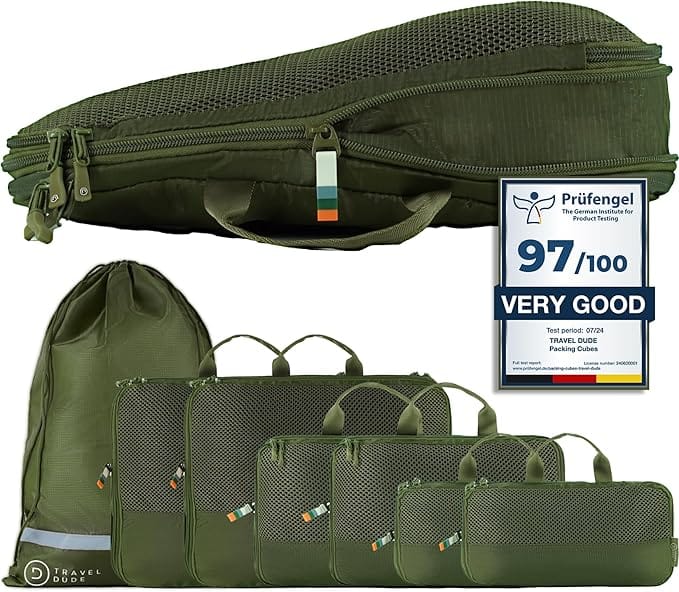
Packing Cubes
Stay organised without turning your backpack into a fabric tornado. Packing cubes make it much easier to separate clothes, laundry, electronics, or cold-weather gear, especially when constantly moving between destinations.

I’ve bought 2 of these in the last 8 years and they are without doubt the best compression packing cubes on the market. Strong zips and the actually compress rather than just organise. They come in a set of 5 or 7. I like the 7 pack as you get a shoe bag too.
Packing / Compression cubes
Osprey Wheeled Transporter 60L
A durable wheeled duffel that survives rough roads, airport chaos, and far too many baggage handlers. The 60L size works well for longer trips while still being manageable to move around.

If you’re thinking of travelling full-time, but still need check-in luggage like we do I highly reccommend Osprey bags. This one is no fluff with huge storage capacity. At a push I can squeeze in 18 kilos. It’s tough, light and easy to roll around. PLUS a lifetime guarantee!
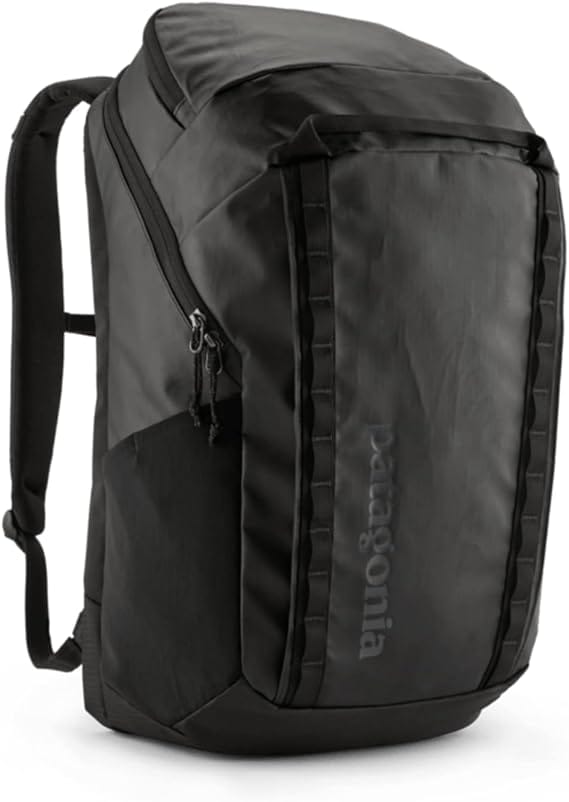
Patagonia Black Hole Pack 32L
A reliable daypack for flights, city exploring, hiking, or working from cafés. Tough, weather-resistant, and surprisingly roomy without feeling oversized.

I used to have the 20L version, which was awesome, but I carry around a DSLR Camera, lenses, laptop, extra monitor along with a book or two. So I’ve now upgraded to this 32L version of the same. The best thing about them is their lifetime guarantee, I’ve tested this and they just straight up replaced it without questions, even without an original receipt.
Patagonia Black Hole Pack 32L
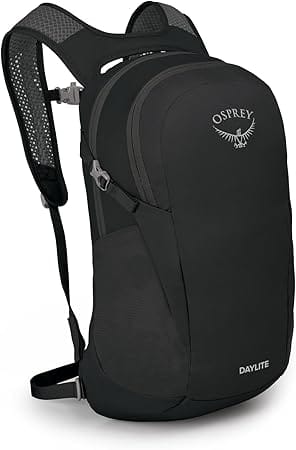
Osprey Daylite Backpack
A lightweight everyday backpack that works well for city exploring, flights, short hikes, and daily errands. Compact, comfortable, and easy to pack inside larger luggage when not in use.

It’s a great day bag. I got sick of unpacking my main carry-on backpack everytime we went on a walk, which meant I’d forget where I put things and always have to repack it. Now I have this backpack stowed away in my check-in luggage so we can use that or our explore days.
Osprey Daylite Backpack
SwissGear Getaway Washbag
A compact washbag with enough compartments to stop toothpaste explosions from taking over your luggage. Simple, practical, and easy to hang in small bathrooms.

Great washbag, waterproof inside, great amount of storage, zips and compartments and it has a hook built in to hang off the door. Solid build will last forever.
SwissGear Getaway Washbag
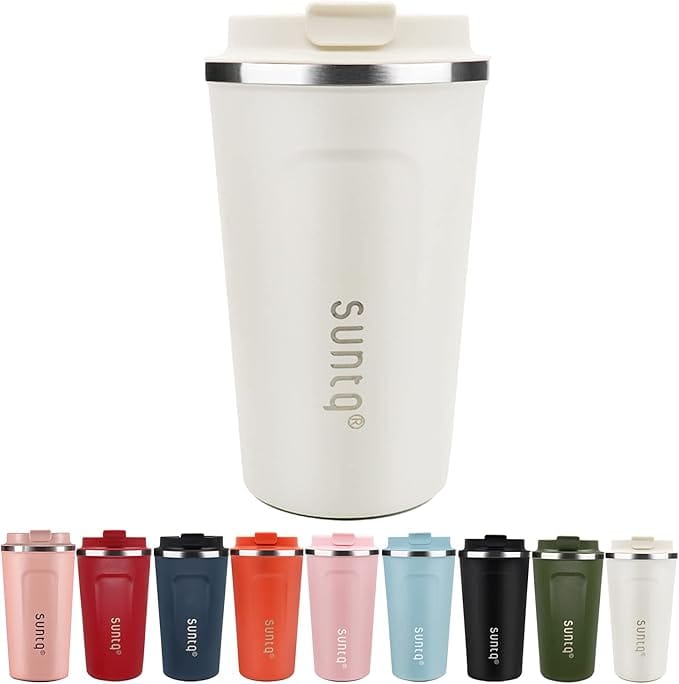
SUNTQ Coffee Mug
A solid insulated travel mug for coffee on early travel days, long train rides, or working mornings. Small comfort, big morale boost ☕

We drink a hella lot of coffee, these cups have lasted us sooo long it’s crazy. They are basically bomb proof, keep your coffee piping hot, get you discount at coffee places when you use your own cup. Great for mornings walking the dogs. Just amazing!
SUNTQ Coffee Mug
DANISH ENDURANCE Hiking Socks
Comfortable hiking socks with good cushioning and durability. A surprisingly important upgrade when you spend long days walking, hiking, or living out of a backpack.

Never underestimate a pair of comfy socks, especially when your hiking or have a long day exploring. These are great, thick, strong socks. They don’t tend to get smelly either and I replace them every few years only because, you know, feet.
DANISH ENDURANCE Hiking Socks
Columbia Redmond III Mid Waterproof Hiking Shoes
Lightweight hiking shoes that work well both on trails and for everyday travel. Waterproof enough for unpredictable weather without feeling too bulky.

Damn comfy walking boots that are not heavy, they’re like a cross between sneakers and boot. They won’t break the bank and come in lots of nice colors too.
Columbia Redmond III Mid Waterproof Hiking Shoes
Microfibre Towel Set
Quick-drying towels are one of those travel items you don’t appreciate until you really need them. Great for beaches, gyms, hostels, hiking, or unexpected situations.

Absolute life saver. Wether on the beach, at the gym or just you booked a crappy hotel that didn’t provide towels. These microfibre towels are lightweight and quick drying.
Microfibre Towel Set
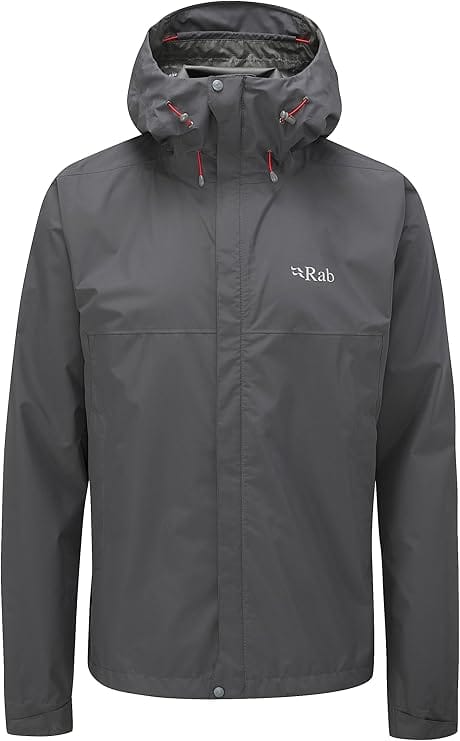
Rab Downpour Plus 2.0 Jacket
A lightweight waterproof shell that packs down easily but still handles serious rain. Ideal for hiking, city travel, and destinations where the weather changes every 15 minutes.

It’s important to stay dry wether it’s walking dogs or jungle trekking it can mean facing the elements head on. Make sure you have a waterproof packed and this one is lightweight and conveniently packs into itself too.
Rab Downpour Plus 2.0 Jacket
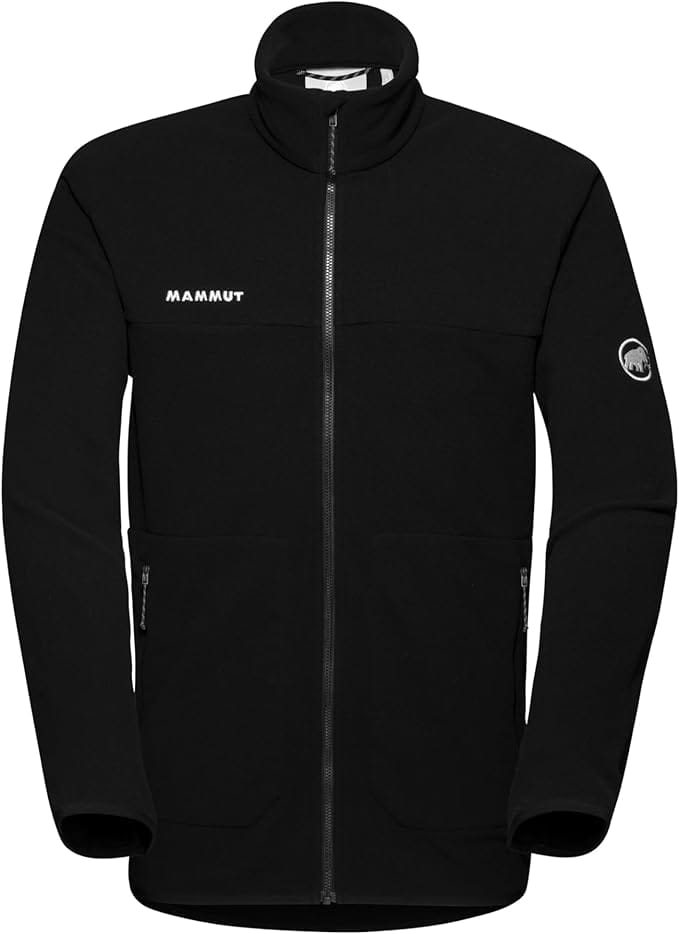
MAMMUT Mid Layer Fleece
Warm without taking up too much space. Perfect for layering on cold flights, mountain mornings, or chilly evenings abroad.

Too cold for a t-shirt, but too warm for a jacket? I got you! This mid-layer is awesome, thin enough to wick any sweat away and thick enough to keep you warm enough.
MAMMUT Mid Layer Fleece
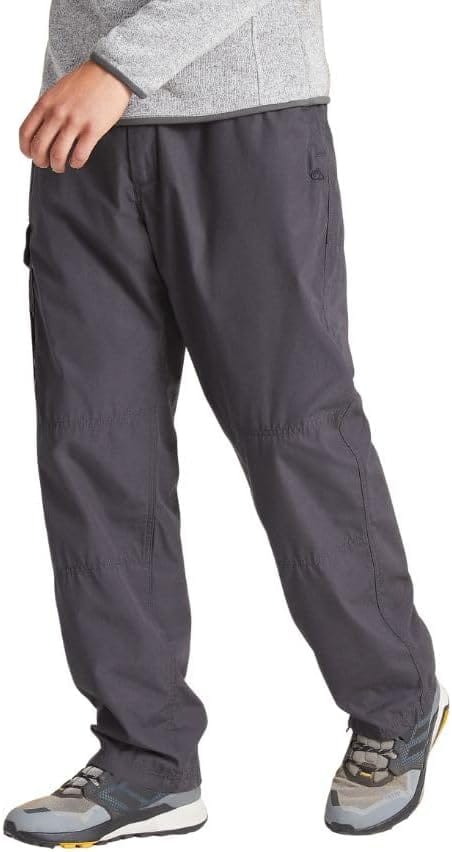
Craghoppers Kiwi Classic Trousers
Comfortable travel and hiking trousers that dry quickly and work surprisingly well for everyday wear too. Good for mixed trips where you’re moving between cities and nature.

Pant for walking, pockets with zips and lightweight too.
Craghoppers Kiwi Classic Trousers
Molain Silicone Cable Ties
Tiny travel heroes. These silicone cable ties keep chargers, cables, headphones, and camera gear from turning into a spaghetti disaster at the bottom of your bag.

I got very unhappy with velcro cable ties, they’re great at the beginning, but after a few weeks of being used they start to fluff up and soon become unusable. These silicone ties are awesome. They’re strong and will just keep doing their job and last for ages.
Molain Silicone Cable Ties
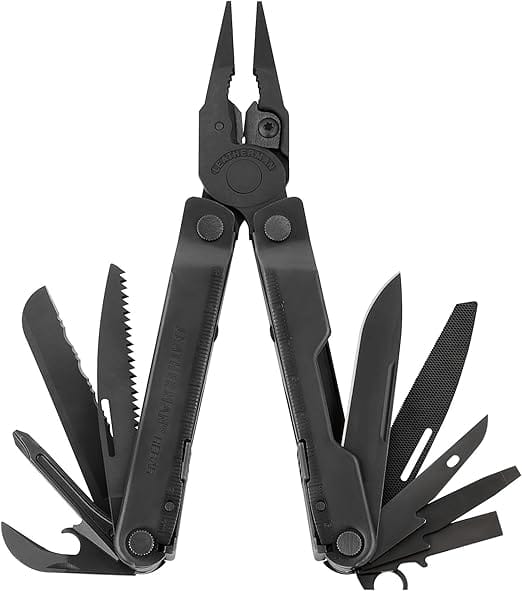
Leatherman Multi-Tool
One of those items you barely use… until suddenly it saves the day. Useful for travel fixes, outdoor trips, and random situations you never planned for.

NOTE: if you do not have check-in luggage please ignore this as airport security will for sure take it from you if you try pass it though with check-in hand luggage. (I did this by accident once andit was very embarrassing and very annoying just to have to hand it over)

That said, it’s been a very useful piece of kit. You can fix your sh*t in a pinch, even cut your toenails (eeew) and fix your sunglasses. You don’t know you need one, until you need one.
Leatherman Multi-Tool
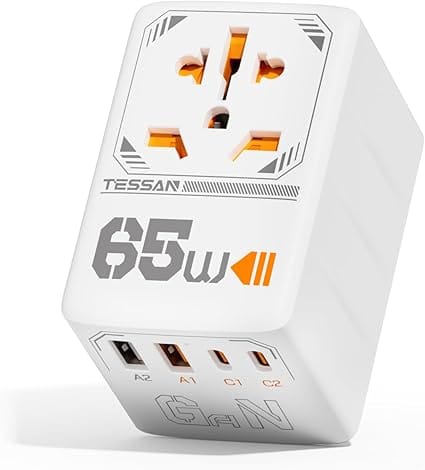
TESSAN Universal Travel Adapter
One of the most useful things in our tech pouch. Works in multiple countries and includes USB and USB-C charging, which means fewer chargers cluttering your bag.

I got tired of lugging around my laptop charger (which is USB3 charged) So I got one of these and it powers my laptop, my extra monitor and also charges my phone, powerbank and works in just about every country we’ve been to – except that weird plug in Namibia.
Just make sure to pack some proper USB C cables that can charge your gear.
TESSAN Universal Travel Adapter
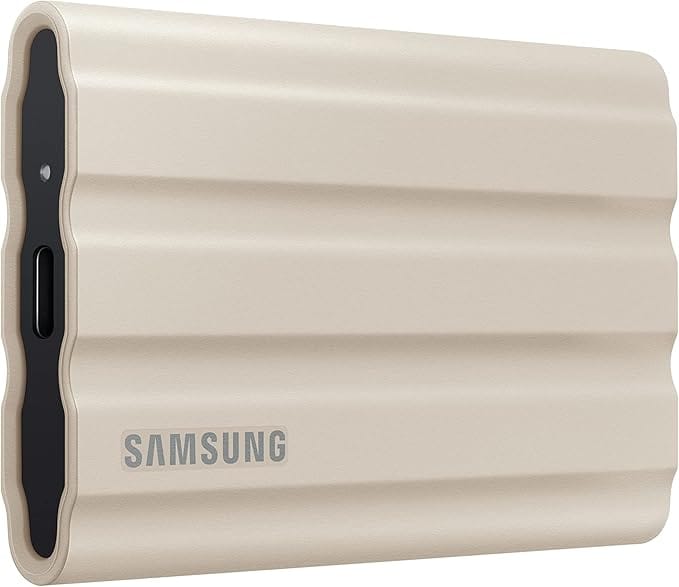
Samsung T7 Shield Portable SSD 2TB
We back up photos, videos, and work files constantly while travelling, and this SSD has been incredibly reliable. Fast, compact, and durable enough for life on the road.

One copy does not make a backup! Thats the rule. I have this for my local backup and also I backup to my Google Business and BackBlaze (which makes 3 copies if you’re counting)
Samsung T7 Shield Portable SSD 2TB

What else do I carry?

Outside of the gear listed above, I try to keep our clothing relatively minimal. Our everyday setup is usually built around one pair of jeans, a week’s worth of underwear, a linen shirt, linen trousers, a few t-shirts, a puffer jacket and one pair of lightweight slip-on shoes. Enough for different climates and situations, without feeling like I’m dragging my entire wardrobe across continents.

Tech-wise, I travel with a fairly compact remote work setup, including a laptop, portable monitor, DSLR camera, power bank, USB-C cables, chargers, and storage drives. Keeping everything lightweight, durable, and organised becomes surprisingly important once you start moving every few weeks.

The Silent Mental Burden of “Stuff”

One thing I’ve learned after years of moving around the world is that every item you carry comes with a small mental cost attached to it.

More things to organise. More things to charge. More things to wash, repack, keep track of, worry about losing, or drag up endless flights of stairs in buildings with no elevators. Somewhere between the fourth bus ride, airport transfer, or rainy walk to a guesthouse, even “just in case” items start feeling surprisingly heavy.

That doesn’t mean you need to become an ultra-minimalist who owns three t-shirts and a spoon.

But packing with intention changes the way you travel.

When everything in your bag has a purpose, travel starts feeling lighter, calmer, and more flexible. You spend less time managing your belongings and more time actually experiencing where you are. Less luggage, less stress, fewer decisions. More freedom.

Pack with Intention and Be Free

The perfect packing list doesn’t exist. What matters is building one that works for your lifestyle, your comfort, and the kind of travel you actually do, not the fantasy version of yourself you imagined while packing at home.

After years on the road, we’ve realised that the best travel gear is usually the gear you barely have to think about at all. Quietly reliable, endlessly practical, and worth the space it takes up in your bag.

May 17, 2026 0 comments
FacebookTwitterPinterestLinkedinRedditStumbleuponWhatsappTelegramThreadsOpenAIChatGPTEmail
Plan Your Trip

How to Deal with Travel Burnout (And Start Enjoying Travel Again)

by Livia December 1, 2018
written by Livia

How it started

About 1,5 months into our travels I started to get super tired and lost all interest in exploring. All I wanted to do was to be inside and hide from all stimuli. I was constantly exhaust and everything felt really difficult, trying to communicate with people not speaking English, eating food I’m not used to, trying to cross busy roads.. it was all just too much. All places we’ve visited started to float together and I couldn’t remember which place was which anymore.

I realized quite quickly that this was some sort of burnout. I did go through a burnout and depression recently, so I recognised the signs. After a quick google I saw that this is very common. And not only for travellers just starting out, also for travellers that’s been out for a while. It can happen on short and long travels.

I am very sensitive to stimuli and can get extremely tired when I constantly are in new situations and do too much in a short amount of time. Like sensory overload. I really need my time to relax and have some quiet around me. We did travel quite fast for a couple of weeks and saw a lot of different places and that really hit me. I was ready to go home to Sweden at this point.

How to Deal with Travel Burnout

The best thing to do if you find yourself in this situation is to just stop for a while. Somewhere where you get energy, so you can recharge and get back to feeling like yourself again. I would strongly suggest stopping somewhere in a smaller place, close to nature. We, however, stopped in Tirana, the capital of Albania. It might not have been the best place, as I felt stressed about not exploring. If you’re in a small place you can explore everything quickly and then just take it easy.

But even though we stayed in Tirana, I managed to slowly restore some energy. I slept in, stayed in a couple of days, or just taking a long walk or go out for lunch. Nothing that would take too much energy from me. When I started to feel better we did ”normal” things, such as going to the cinema etc. Things that we would normally do at home. This really helped me and I started to get more energy and also wanting to go out and explore again.

How to Prevent Travel Burnout

After this experience we have changed our way of travelling. Or rather gone back to how we did in the beginning. We had a three night minimum rule when we started travelling. So we didn’t have to move too much and pack and repack all the time. We don’t set a minimum now, but we make sure to take our time. Right now we’re in Ohrid Macedonia, there’s not much to see and do but the vibe is really nice and relaxing. So instead of hitting Bitola for 2 nights we stayed here 2 nights longer and skipping Bitola to go directly to Skopje. It’s easier for us to stop for a while as we don’t really have a time limit. But if you are on a time limit it’s even more important to realize that you won’t be able to go to all places and do everything you want. You need to prioritize and choose. Even we need to prioritise and choose where we go.

I am aware that some people might be able to handle stimuli better than I am. Sam for example doesn’t have the same issue as me. However, I do think anyone could hit this point regardless of how high your limit might be. So to prevent travel burnout it is important to take your time and try to not squeeze in too much in a short amount of time. And also be ok with not hitting all the places you had on your list before starting to travel. Be happy with what you do experience instead of focusing on what you missed.

If you do experience any of these symptoms, please take a moment and make sure you do what you need to do. If it is going home for a bit, just stopping for a while, or whatever, just do it without feeling bad about it. It is nothing wrong to take a break for a bit to take care of yourself. Do what makes you happy, your health is the most important thing you have.

December 1, 2018 0 comments
FacebookTwitterPinterestLinkedinRedditStumbleuponWhatsappTelegramThreadsOpenAIChatGPTEmail

Recent Posts

  • Namibia Self Drive Safari vs Guided Tour: Which Is Better?

  • Namibia Self Drive: Everything We Learned Driving a 4×4 Across Namibia

  • Bosnia and Herzegovina Itinerary: Our 1 Month Route by Bus

We use Safetywing

We use THS

Trusted House Sitters

Here’s 25% off your annual membership to TrustedHousesitters - thanks to your pet loving pals at LBSBWorld.

Join now with 25% Off!

We use NordVPN

NordVPN

Get 3 months of NordVPN right now!


The best VPN service for a free, open internet

Get NordVPN!

We use Wise

Wise

Get Zero Fees on a transfer up to €500


Spend in 150+ countries like a local with Wise card

Get Wise!

©2026 LBSBWorld - All Right Reserved - Designed and Developed by Livia & Sam

Powered by
►
Necessary cookies enable essential site features like secure log-ins and consent preference adjustments. They do not store personal data.
None
►
Functional cookies support features like content sharing on social media, collecting feedback, and enabling third-party tools.
None
►
Analytical cookies track visitor interactions, providing insights on metrics like visitor count, bounce rate, and traffic sources.
None
►
Advertisement cookies deliver personalized ads based on your previous visits and analyze the effectiveness of ad campaigns.
None
►
Unclassified cookies are cookies that we are in the process of classifying, together with the providers of individual cookies.
None
Powered by
LBSB World
  • Home
  • Destinations
    • Africa
      • Namibia
    • Asia
      • Indonesia
    • Europe
      • Albania
      • Bosnia-Herzegovina
      • Croatia
      • Montenegro
      • North Macedonia
      • Serbia
  • Travel Itineraries
    • Our 9-Day Namibia Tour with Chameleon Safaris: An Honest Review
    • Our 2 Week Albania Itinerary
    • Bosnia and Herzegovina Itinerary: Our 1 Month Route by Bus
    • Namibia Self Drive: Everything We Learned Driving a 4×4 Across Namibia
  • Plan Your Trip
    • How to Deal with Travel Burnout (And Start Enjoying Travel Again)
    • Sam’s Fulltime Travel Packing List
    • Using Trusted House Sitters to Support Your Travels
    • Namibia Self Drive Safari vs Guided Tour: Which Is Better?
  • About Us
    • About Sam & Livia
    • The Story Behind Our Full-Time Travel Life
    • abearcalledpaddington