Top Posts
23 Day Japan Slow Travel Itinerary by Train
Chengdu Travel Guide: The Perfect Introduction to China
Trusted House Sitters Promo Code: Save on Your Membership
Chameleon Safaris Promo Code: Get 10% Off Your Namibia Safari
How to Visit the Chengdu Panda Base: Tickets, Tips & Our Experience
Our 3-Month Balkans Itinerary: 93 Days by Bus Through Southeast Europe
Subotica: Serbia’s Most Beautiful Surprise
A Short Guide to Novi Sad
Belgrade: Our Favourite City in Serbia
Best Apps for Visiting China (2026 Guide)
LBSB World
  • Home
  • Destinations
    • Africa
      • Namibia
    • Asia
      • China
      • Indonesia
      • Japan
    • Europe
      • Albania
      • Bosnia-Herzegovina
      • Croatia
      • Montenegro
      • Netherlands
      • North Macedonia
      • Serbia
    • North America
      • Dominican Republic
  • Travel Itineraries
    • Our 9-Day Namibia Tour with Chameleon Safaris: An Honest Review
    • Our 2 Week Albania Itinerary
    • Bosnia and Herzegovina Itinerary: Our 1 Month Route by Bus
    • Namibia Self Drive: Everything We Learned Driving a 4×4 Across Namibia
    • Our 3-Month Balkans Itinerary: 93 Days by Bus Through Southeast Europe
    • 23 Day Japan Slow Travel Itinerary by Train
  • Plan Your Trip
    • How to Deal with Travel Burnout (And Start Enjoying Travel Again)
    • Sam’s Fulltime Travel Packing List
    • Using Trusted House Sitters to Support Your Travels
    • Trusted House Sitters Promo Code: Save on Your Membership
  • About Us
    • About Sam & Livia
    • The Story Behind Our Full-Time Travel Life
    • abearcalledpaddington
Tag:

Guide

Indonesia

Where to Eat in Yogyakarta: Our Favourite Restaurants & Cafés

by Sam July 14, 2018
written by Sam

Latest update: June 2026

Yogyakarta has some of our favourite food in Indonesia. Over several visits we have eaten our way through both the busy streets of central Yogyakarta and the quieter villages north of the city towards Mount Merapi.

From traditional Javanese restaurants and roadside satay stalls to modern coffee shops overlooking rice fields, there is no shortage of great places to eat. Some of our favourite discoveries were found completely by accident, while others became regular stops that we returned to again and again.

In this guide you’ll find our favourite restaurants, cafés and local food spots in Yogyakarta, organised by area to help you decide where to eat whether you’re staying in the city centre or exploring the countryside around Merapi.

One local speciality you should definitely try is Gudeg. This traditional Yogyakarta dish is made from young jackfruit slowly cooked in coconut milk and palm sugar. The result is a unique sweet and savoury stew that is unlike anything else in Indonesia. You’ll find Gudeg restaurants throughout the city, and whether you love it or not, it’s an essential part of the Yogyakarta food experience.

Travel Tip: Never walk past a long queue at a street food stall without stopping to investigate. If it smells good, looks good and dozens of locals are waiting for a plate, there’s a good chance you’ve just found one of the best meals in town.

Central Yogyakarta

Most visitors spend the majority of their time in central Yogyakarta, and for good reason. The area around Malioboro, Prawirotaman and the city’s main attractions is packed with restaurants, cafés and street food stalls.

Waroeng SS

Waroeng SS became one of our first food discoveries in Yogyakarta and remains one of our favourites. There are a couple of locations around Yogyakarta.

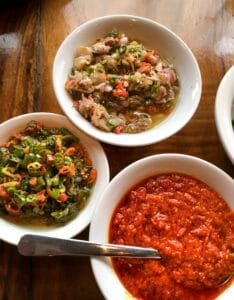
The restaurant specialises in sambal, Indonesia’s famous chilli condiment, and offers an incredible variety of different versions. The menu follows the traditional Indonesian style of ordering multiple dishes to share, allowing you to sample a wide range of flavours.

If you enjoy spicy food, this is a must-visit.

Bakso Pak Teguh

Bakso is one of Indonesia’s most popular comfort foods, and Bakso Pak Teguh is a great place to try it. I don’t know how many times we went here during our stay at Adhisthana Hotel, it was just next door and such good food.

The menu focuses on meatball soups and other Indonesian favourites. It may not look fancy, but the food is delicious and the restaurant is usually filled with locals.

Sate Taichan Senayan Yogya

We discovered this place completely by accident after noticing a large crowd of locals gathered around a row of grills.

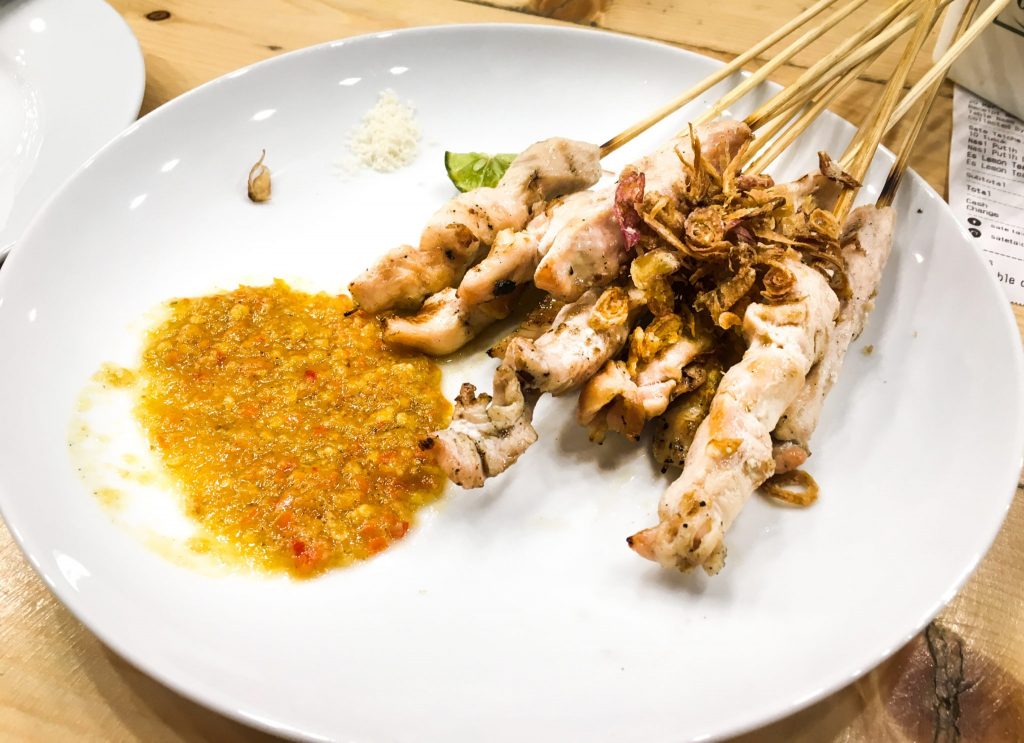
The menu is simple, focusing mainly on chicken satay served with a spicy sambal. The satay was excellent and easily some of the best chicken satay we have eaten in Indonesia.

For more satay tips read our guide on the best satay in Yogyakarta.

Warung Heru

Warung Heru, near Via Via is also a traveler’s favorite. Good Indonesian food but made for foreigners and not locals. Still a great choice in the area.

Via Via Jogja

Via Via is one of Yogyakarta’s best-known restaurants and has been popular with travellers for years. The menu combines Indonesian dishes with international favourites, making it a good option if you’re travelling with a group that can’t agree on what to eat.

The relaxed atmosphere and friendly staff make it a great place to spend an evening after a day of exploring the city.

Tuang Jaka Coffee

Near Taman Sari you find Tuang Jaka Coffee, a great spot for escaping the heat and enjoying a good cup of coffee while watching daily life pass by outside.

Indonesia produces some of the world’s best coffee and Yogyakarta has a thriving café scene. This was one of our favourite spots in the city centre.

Northern Yogyakarta & Mount Merapi Area

If we could only recommend one restaurant in Yogyakarta, this would probably be it.

Located north of the city, Warung Sop & Sate Sapi Pak Bayu serves some of the best satay we have eaten anywhere in Indonesia. The speciality here is beef satay, cooked over charcoal and served with a rich, flavourful sauce. They are also known for their giant beef ribs, sometimes nicknamed “Dinosaur Ribs” by visitors.

Despite being a little outside the city centre, the restaurant is popular with both locals and visitors. The service is quick, the prices are reasonable and everything we have tried here has been excellent.

If you’re planning a trip to Yogyakarta, this is one place we would happily go out of our way to visit.

For more information, read our full guide to the best satay in Yogyakarta.While central Yogyakarta has plenty of excellent restaurants, many of our favourite food experiences happened north of the city towards Mount Merapi.

We stayed in this area for almost a month and absolutely fell in love with it. The atmosphere here is completely different. Rice fields replace busy streets, temperatures are slightly cooler and meals often come with views of the surrounding countryside.

Warung Sop & Sate Sapi Pak Bayu

If we could only recommend one restaurant in Yogyakarta, this would probably be it.

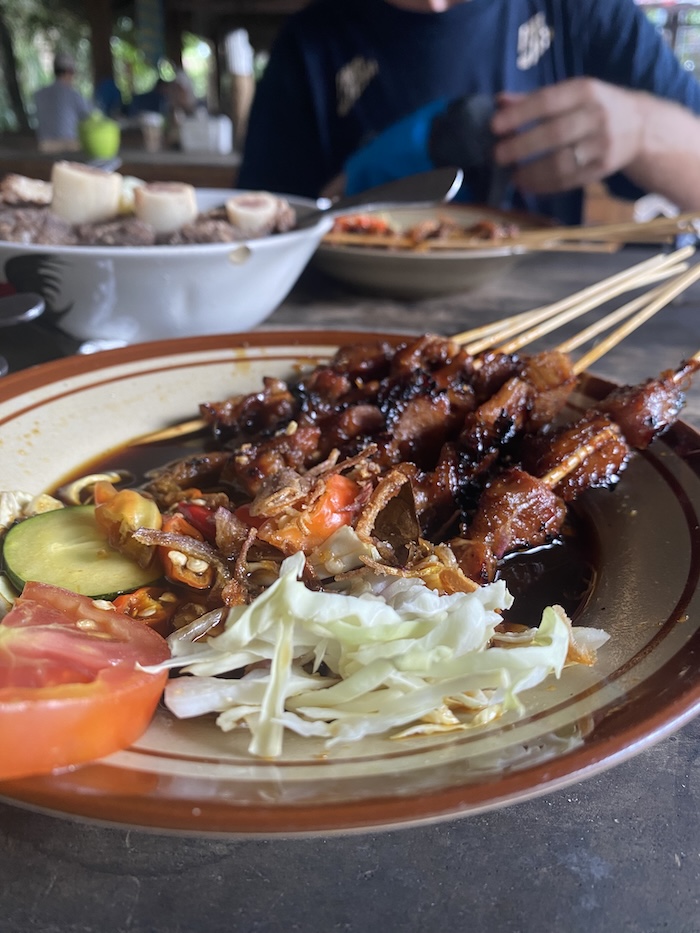
Located north of the city, Warung Sop & Sate Sapi Pak Bayu serves some of the best food we have eaten anywhere in Indonesia. The speciality here is beef satay, cooked over charcoal and served with a rich, flavourful sauce. They are also known for their giant beef ribs, also called “Dinosaur Ribs”.

Despite being a little outside the city centre, the restaurant is popular with both locals and visitors. The service is quick, the prices are reasonable and everything we have tried here has been excellent. We stayed near this restaurant for almost a month and went countless times.

If you’re planning a trip to Yogyakarta, this is one place we would happily go out of our way to visit.

For more information, read our full guide to the best satay in Yogyakarta.

Oppio

Oppio combines good coffee, food and beautiful views in the middle of a rice field, making it one of our favourite cafés in the area. The architecture reminded us of Greece, such a surprise in this part of Yogyakarta.

Kopi Brug Londo

This café sits in a beautiful location and is well worth visiting for both the scenery and the coffee. We visited this place multiple times. The rooftop has beautiful views over the rice fields as well as Merapi. The owners made us feel super welcome.

Kopi Gajah Tengklek

Another excellent local coffee stop that perfectly captures the slower pace of life north of Yogyakarta. It’s situated in garden with a lake in the middle with multiple seating areas.

Mato Kopi Jakal

Beautiful restaurant and cafe with excellent coffee and a relaxed atmosphere. It’s a great place to spend a few hours working, reading or simply enjoying the surroundings.

Oppio
Kopi Brug Londo

Further North Towards Merapi

Some of our favourite cafés were found even further north, where rice fields, villages and views of Mount Merapi dominate the landscape.

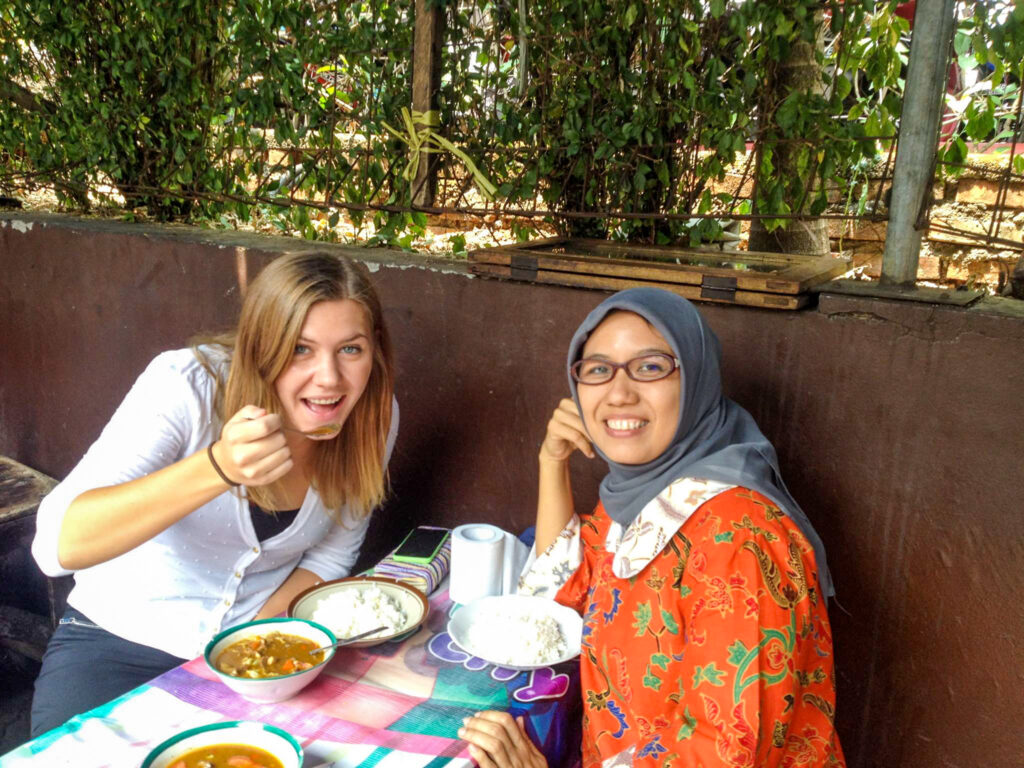
Soto & Sop Mas Poer Pasar Pakem

This became one of our favourite local restaurants north of Yogyakarta.

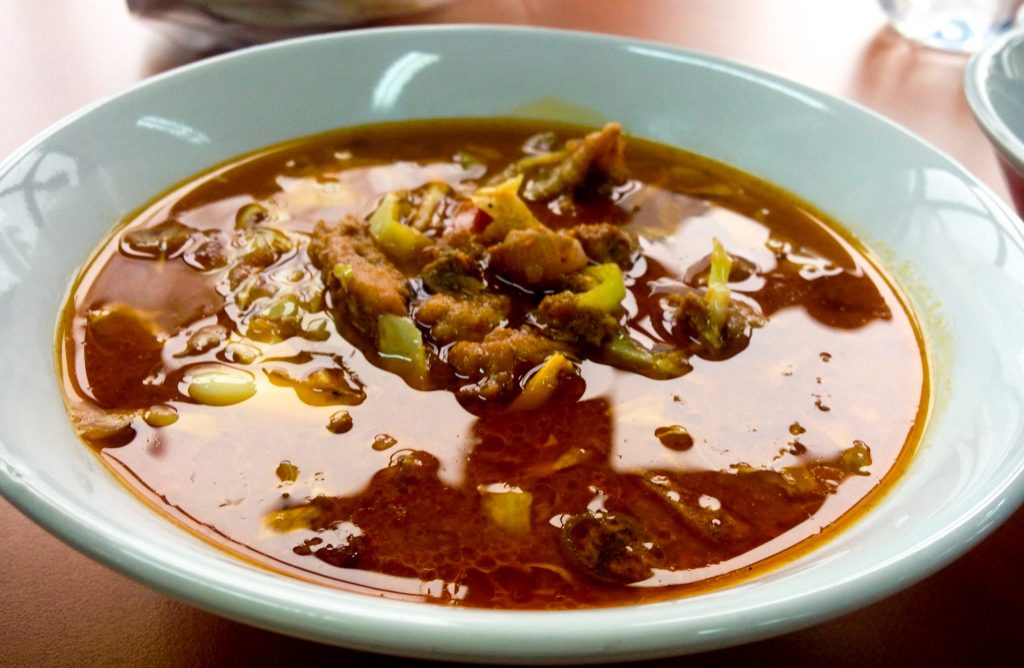
The restaurant specialises in traditional Indonesian soups and stews and offers an authentic local experience away from the city’s main tourist areas. The food is simple, comforting and full of flavour.

WARUNG MAKAN PAK JAN

Warung Makan Pak Jan is another fantastic local place, located towards Mount Merapi, they served amazing tongseng and satay. It’s just a small house where they cook and have a few tables. Our favorite kind of places in Indonesia.

We stopped here several times and always enjoyed the food. The relaxed atmosphere and consistently good cooking made it one of our regular lunch spots whenever we stayed in the area.

Warung Kopi Klotok

Lovely place surrounded by countryside serving traditional Indonesian dishes and great coffee. The restaurant is often busy with local families and visitors, which is usually a very good sign.

Amurwa Garden & Resto

Great relaxed place by the road towards Merapi. Friendly service and a mix of Indonesian and western cuisine.

Our Favourite Area for Food

While central Yogyakarta has plenty of excellent restaurants, we found ourselves returning again and again to the northern areas around Mount Merapi.

The combination of local restaurants, coffee shops, rice fields and mountain views created a completely different atmosphere from the city centre. Some of our most memorable meals in Yogyakarta were enjoyed here, often with a view of the surrounding countryside rather than busy city streets.

If you’re staying in Yogyakarta for more than a couple of days, we highly recommend spending some time exploring this part of the region. You may end up loving it as much as we did.

July 14, 2018 0 comments
FacebookTwitterPinterestLinkedinRedditStumbleuponWhatsappTelegramThreadsOpenAIChatGPTEmail
Indonesia

Yogyakarta Travel Guide: What to Do, Where to Stay & Why We Love It

by Livia July 13, 2018
written by Livia

Latest update: June 2026

Yogyakarta, Yogya or Jogja (a beloved city has many names) is one of our favourite places in Indonesia. Over several visits we have stayed in the city centre, the northern suburbs and the countryside near Mount Merapi. While many travellers only spend a night or two here on their way to Borobudur or Merapi, we think Yogyakarta deserves much longer.

Beyond the famous temples and attractions, Yogyakarta has excellent food, great coffee shops, friendly locals and a relaxed atmosphere that keeps drawing us back. This guide combines our favourite experiences, places to stay and practical tips for visiting the city.

How Many Days Should You Spend in Yogyakarta?

Many visitors only stay for two or three nights before heading to Borobudur or continuing their trip through Java.

We think Yogyakarta deserves at least three to five days. This gives you enough time to explore the city, visit Borobudur and Prambanan, enjoy the local food scene and spend some time exploring the quieter areas north of the city near Mount Merapi.

If you enjoy cafés, local culture and slower travel, you could easily stay even longer.

Where to Stay in Yogyakarta

One of the reasons we love Yogyakarta is that every area feels different.

Central Yogyakarta

For first-time visitors, staying in the city centre makes the most sense. Most attractions, restaurants and cafés are within easy reach.

We stayed at Adhisthana Hotel, a colourful boutique hotel with a great atmosphere and a convenient location for exploring the city. We have also stayed at Ibis Styles Yogyakarta, which is on Malioboro street, so if you want to be in the middle of all the action, that’s a perfect spot.

Northern Yogyakarta & Mount Merapi Area

Over several visits we found ourselves staying north of the city towards Mount Merapi. While it takes a little longer to reach attractions such as Malioboro and Taman Sari, we quickly fell in love with this part of Yogyakarta.

The area is greener, quieter and noticeably cooler than the city centre. Rice fields, villages, coffee shops and local restaurants replace the busy traffic found in central Yogyakarta, making it an excellent choice for longer stays.

We stayed at both Villa Wirahita and a private Airbnb ca 30 min north of Yogyakarta center in the area and would happily return to either. Some of our favourite restaurants and cafés in Yogyakarta were also located here.

If you’re looking for a more relaxed side of Yogyakarta while still being within easy reach of the city’s attractions, this would be our top recommendation.

Villa Wirahita
Villa Wirahita
Adhisthana Hotel
Adhisthana Hotel
Airbnb
Airbnb

Which Area Did We Prefer?

If it is your first visit, we would recommend staying in central Yogyakarta for a few nights.

However, for longer stays we preferred the northern areas towards Mount Merapi. The rice fields, cafés, local restaurants and slower pace of life suited us much more than the busy city centre.

Best Things to Do in Yogyakarta

Explore Malioboro street

Malioboro is the heart of Yogyakarta and one of the first places most visitors end up. The street is lined with shops, food stalls, street performers and souvenir stores, making it a lively place to spend an afternoon or evening.

This is also where you’re most likely to be approached by locals. Some people simply want to practise their English or ask where you’re from, while others may invite you to visit a batik gallery or souvenir shop. Unlike in many tourist destinations, these conversations are usually friendly and good-natured.

If you’re looking for souvenirs, Hamzah Batik is one of the easiest places to browse. The lower floors are filled with batik clothing while the upper floors stock traditional Indonesian souvenirs, handicrafts and gifts. Even if you don’t plan on buying anything, it’s worth having a look around.

Malioboro can be busy, especially in the evenings, but it remains one of the best places to experience the energy of the city.

Malioboro
Malioboro

Visit Taman Sari (the Watercastle)

Also known as the Water Castle, Taman Sari was once a royal garden and bathing complex used by the Sultan of Yogyakarta. Today it is one of the city’s most interesting historical sites, with hidden courtyards, underground passages and beautiful architecture.

The area around Taman Sari is also worth exploring. Small alleyways, local homes, workshops and street art can be found throughout the surrounding neighbourhoods, making it a great place to wander for a few hours.

Taman Sari
Taman Sari
Taman Sari

Batik Shopping

Yogyakarta is one of the best places in Indonesia to learn about and buy batik.

You will quickly notice people on the streets, especially around Malioboro, offering to guide you to batik galleries and workshops. Many receive a commission for doing so, which can sometimes affect the prices.

The gallery contains thousands of batik paintings created by artists of different skill levels. Visitors can watch the artists at work and learn more about the traditional batik-making process.

One place we particularly enjoyed visiting was Purnomo Batik Art Group.

The staff have always been welcoming and happy to explain the artwork without putting pressure on visitors to buy anything.

Batik Art
Batik Art

Explore the Street Art Scene

Street art can be found throughout Yogyakarta, but some neighbourhoods have far more than others.

One of our favourite areas is around the Cemeti Institute for Art and Society. The surrounding streets and residential alleys are filled with murals, graffiti and creative artwork by both local and visiting artists.

The best way to explore is simply to wander. Pick a direction and follow whichever alleyway catches your eye. Some of our favourite discoveries happened when we accidentally got lost.

Street Art
Street Art
Street Art

Visit Borobudur

No visit to Yogyakarta would be complete without a trip to Borobudur. Located about an hour from the city, this UNESCO World Heritage Site is the largest Buddhist temple in the world and one of Indonesia’s most famous attractions.

Many visitors make the journey as a quick day trip, but we think the surrounding area deserves more attention. Beyond the temple itself you’ll find small villages, beautiful countryside, local restaurants and some excellent places to stay.

We’ve visited Borobudur several times over the years and even got engaged there. If you’re planning a visit, make sure to read our full guide to What to Do in Borobudur: Hidden Gems Beyond the Temple.

Borobudur
Borobudur

Explore Northern Yogyakarta

While most visitors spend their time in the city centre, some of our favourite experiences have been north of Yogyakarta towards Mount Merapi.

The atmosphere here feels completely different. Busy streets give way to rice fields, small villages and winding country roads. The temperatures are slightly cooler and the pace of life feels much slower than in the city.

This area is home to some fantastic cafés and restaurants, including Warung Kopi Klotok, Soto & Sop Mas Poer Pasar Pakem, Warung Makan Pak Jan, Amurwa Garden & Resto, Oppio, Mato Kopi Jakal and Kopi Brug Londo.

Whether you’re looking for a scenic lunch, a quiet coffee shop or simply a chance to see a different side of Java, northern Yogyakarta is well worth exploring. In fact, if we return to Yogyakarta again, this is where we would choose to stay.

Mount Merapi
Mount Merapi
Mount Merapi

Where to Eat in Yogyakarta

Yogyakarta has some of our favourite food in Indonesia. Whether you’re looking for traditional Javanese dishes, local street food or modern cafés, there is no shortage of great places to eat.

In the city centre we enjoyed places such as Via Via Jogja, Warung Heru, Bakso Pak Teguh and Venos Burgers. North of the city, towards Mount Merapi, we found some of our favourite restaurants and coffee shops in all of Java.

For more recommendations, read our full guide to where to eat in Yogyakarta.

restaurants in Yogyakarta

Getting to Yogyakarta

Yogyakarta is one of the easiest cities to reach in Java. The city has its own airport and is well connected by train and bus to destinations across Indonesia.

Our favourite way to arrive is by train from Jakarta. The journey is comfortable, affordable and offers some fantastic views across the Javanese countryside.

Read our guide to travelling from Jakarta to Yogyakarta by train.

Why We Love Yogyakarta

Yogyakarta is one of those places we keep returning to. While many travellers visit for Borobudur or Mount Merapi, we found ourselves staying longer each time.

Between the friendly locals, excellent food, creative atmosphere and the beautiful countryside north of the city, Yogyakarta offers far more than just a collection of famous attractions.

If it’s your first visit to Indonesia, Yogyakarta should be high on your list. And if you find yourself extending your stay, don’t be surprised. We did too.

July 13, 2018 0 comments
FacebookTwitterPinterestLinkedinRedditStumbleuponWhatsappTelegramThreadsOpenAIChatGPTEmail
Jakarta skyline
Indonesia

Is Jakarta Worth Visiting? Here’s Why You Should Go

by Livia July 11, 2018
written by Livia

Latest update: June 2026

If you search for Jakarta travel advice online, you’ll quickly find plenty of people telling you to skip it.

Many travellers only pass through Jakarta on their way to Bali or other destinations in Indonesia. Some never leave the airport at all.

We completely disagree.

After living in Jakarta and returning many times over the years, it remains one of our favourite cities in Indonesia. It’s not a city that immediately reveals its charm. In fact, my first impression wasn’t particularly positive. But once I started exploring beyond the main roads and shopping malls, I discovered a side of Jakarta that most visitors never see.

Jakarta certainly has its challenges. The traffic can be frustrating, the heat can be intense and it isn’t a city designed around tourism. But that’s also part of what makes it interesting. Jakarta feels real. It’s a city where people live, work, eat and socialise, and spending time there offers a fascinating glimpse into modern Indonesia.

These are some of the reasons we think Jakarta is worth visiting.

The People

One of the things we love most about Jakarta is the people.

Indonesians are incredibly friendly in general, but Jakarta has its own atmosphere. Unlike some tourist destinations, you’re rarely hassled by sellers or tour operators. Instead, people are often simply curious. Don’t be surprised if someone starts a conversation, asks where you’re from or wants to take a selfie with you.

Most interactions feel genuine rather than transactional, and that makes a huge difference.

The Atmosphere

Jakarta isn’t traditionally beautiful.

You won’t find endless historic streets, famous viewpoints or postcard-perfect scenery. The beauty of Jakarta lies elsewhere.

For us, it’s the atmosphere. Despite being one of the largest cities in the world, Jakarta often feels surprisingly relaxed. People still stop to chat, food vendors gather on street corners and neighbourhood life unfolds everywhere around you.

It’s difficult to explain until you’ve experienced it yourself, but Jakarta has an energy that keeps drawing us back.

Walking Around

This may sound strange, but one of our favourite things to do in Jakarta is simply walk.

Most visitors spend their time moving between malls, hotels and attractions by taxi or ride-sharing apps. While that’s understandable, it also means they miss a lot of what makes the city interesting.

Choose a neighbourhood and explore on foot. Wander down side streets, stop at local food stalls, browse small shops and watch daily life unfold around you.

Some of our best memories of Jakarta come from completely unplanned walks through neighbourhoods we knew nothing about.

The Food

ndonesia has some of the best food in the world, and Jakarta is one of the best places in the country to experience it.

Because people from all over Indonesia live in the capital, you’ll find dishes from almost every region. Whether you’re looking for street food, traditional warungs, modern cafés or fine dining restaurants, Jakarta has something for every budget.

Don’t be afraid to eat where the locals eat. Some of our favourite meals in Jakarta have come from tiny roadside stalls and family-run restaurants.

For more inspiration, check out our guide to Indonesian food and our favourite places to eat in Jakarta.

The Diversity

Jakarta really does have something for everyone.

You can spend the morning in a luxury hotel, have lunch at a street-side warung and finish the evening at a rooftop bar overlooking the skyline.

Modern skyscrapers stand next to traditional neighbourhoods. Expensive shopping malls sit beside bustling local markets. The city constantly changes depending on where you are, and exploring those contrasts is part of the experience.

Few cities in Southeast Asia offer such a wide range of experiences in one place.

For more specific tips on what to do in Jakarta, check out this blog post.

The Jakarta skyline – overlooking Thamrin

Jakarta Isn’t for Everyone

Let’s be honest: Jakarta won’t appeal to every traveller.

If you’re looking for beaches, rice terraces or quiet tropical scenery, you’ll probably enjoy other parts of Indonesia more.

But if you enjoy cities, food, people-watching and experiencing everyday life, Jakarta can be incredibly rewarding. It’s a destination that requires a little patience, but those who give it a chance are often surprised by how much they enjoy it.

Final Thoughts

I’ve visited many places across Indonesia since first moving away from Jakarta, yet I still find myself returning whenever I can.

Partly it’s to see friends, but it’s also because Jakarta continues to surprise me. Every visit reveals a different side of the city, and after all these years I still feel like there is more to discover.

If you’re considering whether Jakarta is worth visiting, our answer is simple: yes.

Give it a chance, explore beyond the obvious and don’t judge it too quickly. You might find yourself falling in love with the city just as we did.

July 11, 2018 0 comments
FacebookTwitterPinterestLinkedinRedditStumbleuponWhatsappTelegramThreadsOpenAIChatGPTEmail
Indonesia

Where to Eat in Jakarta: Best Restaurants & Local Food Spots

by Sam July 10, 2018
written by Sam

Latest update: June 2026

Jakarta doesn’t always get much love from food-focused travellers.

Many visitors use Indonesia’s capital as a transit point before heading to Bali, Yogyakarta or the islands further east. That’s a mistake. Jakarta has some of the best food in Indonesia, from tiny street-side warungs to historic restaurants and modern rooftop bars.

Livia lived in Jakarta for six months in 2014 while working in the city and we have returned several times since. During that time, we spent a lot of our free time doing what we do best: eating.

These are some of our favourite restaurants, coffee shops and local food experiences in Jakarta.

Looking for more Jakarta travel tips? Check out our guides to Things to Do in Jakarta and Why You Should Visit Jakarta.

Indonesian Classics

Restoran Garuda Sabang

If you’ve never tried Padang food before, a cuisine originating from West Sumatra, Restoran Garuda is one of the best introductions.

As soon as you sit down, dozens of small dishes are placed on your table. You only pay for what you eat, allowing you to sample a wide variety of flavours. Expect rich rendang, spicy curries, fried chicken and vegetable dishes packed with flavour.

Located close to Jalan Sabang, it’s also an easy stop while exploring one of Jakarta’s most famous food streets.

Padang food at Restoran Garuda Sabang
Padang food at Restoran Garuda Sabang, Jakarta

Sate Kambing Jaya Agung

For a more local experience, head to Sate Kambing Jaya Agung.

Their speciality is lamb satay served with sweet soy sauce, chilli and onions. It’s simple, affordable and usually filled with local diners rather than tourists.

Sate Khas Senayan

One of Indonesia’s most recognisable restaurant chains, Sate Khas Senayan is a reliable option for first-time visitors.

The menu covers dishes from across the archipelago and is a good place to sample several Indonesian favourites in one meal. While it may not be the most adventurous choice in Jakarta, the food is consistently good and easy to recommend.

Warung MJS

Warung MJS is a popular Indonesian restaurant in Kuningan known for its wide selection of traditional dishes. It’s a great place to sample a variety of local flavours in a casual setting.

Guests choose their food before sitting down, making it easy to mix and match different dishes. If you’re visiting with others, we recommend ordering several plates to share.

The restaurant can get busy during peak meal times, particularly with local diners, so you may need to wait for a table.

The garden at Warung MJS, Jakarta
Sate Kambing Jaya Agung

Street Food & Local Favourites

While Jakarta has plenty of excellent restaurants, some of our favourite meals are always from simple street food stalls and local eateries.

Many of Indonesia’s most beloved dishes are sold from small carts, roadside warungs and family-run restaurants. Don’t be put off by the plastic stools and basic surroundings. Some of the best food in Jakarta comes from places that barely look like restaurants at all.

A few of our personal favourites include bakso, mie ayam and tongseng. You’ll find them all over the city, often at places packed with local customers.

Bakso Populer

This small local spot in Thamrin serves excellent bakso and is a great introduction to one of Indonesia’s favourite dishes.

Bakso Rusuk Samanhudi Sabang

Located near Jalan Sabang, this is another good spot to try bakso, one of Indonesia’s most popular comfort foods. It’s a simple local place serving a dish you’ll find all over Jakarta.

Bakmi Cong Sim

Located in Mangga Besar, Bakmi Cong Sim serves simple but delicious bakmi noodles. It’s not a fancy restaurant, but the flavours speak for themselves. We still find ourselves thinking about these noodles years later.

Bakso Rusuk Samanhudi Sabang
Bakmi Cong Sim
Street food BBQ chicken

Historic & Special Occasion Restaurants

Cafe Batavia

Located on Fatahillah Square in Jakarta’s Old Town, Cafe Batavia is one of the city’s most iconic restaurants. Yes, it’s touristy. But it’s also beautiful.

Housed inside a restored colonial-era building, the restaurant is filled with old photographs, antiques and historic charm. Grab a table upstairs for views across the square and enjoy one of the most atmospheric dining experiences in the city. We tend to come here for a drink rather than a meal, but the atmosphere alone makes it worth visiting.

Plataran Dharmawangsa

If you’re looking for a special meal, Plataran Dharmawangsa is hard to beat.

Traditional Indonesian architecture, lush gardens and excellent food combine to create an oasis in the middle of Jakarta. The setting alone is worth a visit, but the food more than lives up to the surroundings.

It’s one of our favourite places for introducing visitors to Indonesian cuisine.

Cafe Batavia
Cafe Batavia
Plataran Dharmawangsa

Coffee Shops

Saudagar Kopi Sabang

Indonesia produces some of the world’s best coffee and Saudagar Kopi is one of our favourite places to enjoy it.

Located near Jalan Sabang, this cosy café is a great place to escape Jakarta’s traffic and heat for a while. The coffee is excellent and it’s an easy addition to an afternoon spent exploring central Jakarta.

Tanamera Coffee

Tanamera helped introduce many visitors to Indonesian speciality coffee and remains one of the city’s most popular coffee chains.

Their beans come from different regions across Indonesia, making it a great place to explore the country’s incredible coffee culture.

Anomali Coffee

Another long-time favourite, Anomali focuses on Indonesian-grown beans and offers coffees from regions including Sumatra, Java, Bali and Sulawesi.

If you’re curious about the differences between Indonesian coffee-producing regions, this is a great place to start.

Rooftops & Views

Kosenda Hotel Rooftop

The rooftop at Kosenda Hotel offers fantastic city views in a more relaxed setting. It’s a great place for sunset drinks while watching the skyline light up for the evening.

ARTOTEL roof top

ARTOTEL’s rooftop bar is another good option for views over central Jakarta. The atmosphere is laid-back and attracts a mix of locals, expats and visitors looking for a drink above the busy streets below.

Skye

Located high above the city centre, SKYE is one of Jakarta’s most famous rooftop venues. The views across the skyline are impressive, particularly after dark when the city’s skyscrapers begin to light up. It’s more upscale than Kosenda or ARTOTEL, making it a popular choice for sunset drinks or a special night out.

Kosenda
ARTOTEL

Food Neighbourhoods Worth Exploring

Jalan Sabang (Jl. H. Agus Salim)

One of Jakarta’s most famous food streets, Jalan Sabang (Jl. H. Agus Salim) comes alive after dark with street food stalls, local restaurants and coffee shops. It’s a great place to try a wide range of Indonesian dishes in a single evening and remains one of our favourite places to wander whenever we’re back in the city. It’s also right next door to Artotel Tharmin where we’ve stayed many times while in Jakarta.

Pantjoran PIK

Pantjoran PIK in Pantai Indah Kapuk has become one of Jakarta’s most popular food destinations. Inspired by old Chinese-Indonesian architecture, the area is packed with restaurants, cafés and street food stalls. It’s particularly good for Chinese and Chinese-Indonesian food and makes for a fun evening of eating and exploring.

Baywalk Area

The waterfront around Baywalk Mall is one of Jakarta’s best areas for seafood. Along the coast you’ll find a number of restaurants serving fresh fish, prawns, crab and other seafood dishes, often with views across Jakarta Bay.

If you’re a seafood lover, this is a great alternative to the Indonesian and Chinese restaurants found elsewhere in the city.

PIK area
Jalan Sabang (Jl. H. Agus Salim)

Final Thoughts

Jakarta is one of Southeast Asia’s most underrated food cities.

The city brings together cuisines from across Indonesia, allowing you to try dishes from Sumatra, Java, Sulawesi and beyond without ever leaving the capital. Whether you’re eating Padang food on Jalan Sabang, tucking into a bowl of bakso from a local stall or watching the skyline from a rooftop bar, Jakarta rewards travellers who arrive hungry.

If you’re planning a trip, don’t miss our guides to Things to Do in Jakarta and Why you should visit Jakarta for more ideas on exploring Indonesia’s fascinating capital.

July 10, 2018 0 comments
FacebookTwitterPinterestLinkedinRedditStumbleuponWhatsappTelegramThreadsOpenAIChatGPTEmail
Indonesia

Best Cafés in Jakarta: Our Favourite Coffee Shops in the City

by Sam July 9, 2018
written by Sam

Who makes the best coffee in Jakarta? When you’re travelling coffee becomes a basic human necessity. You need a kick to get you up and off on the good foot.

On our recent visits to Jakarta my mission as Captain Coffee was to locate some of the best roasteries, brewers and purveyors of the dark brown elixir. Not as easy as you think considering that the island is called Java, Coffee is called Kopi and most people want to serve you a milky iced beverage.

#1 Tanamera Coffee

Modern, chilled coffee bar in the center of Jakarta, Thamrin. Guys in leather aprons have been proudly brewing coffee since 2013. They work with local Indonesian farmers to produce and roast a piquant coffee that is exquisite and distinctive. They serve all your favorite coffee combinations as well as cold brews, pastries and sandwiches.

The interior of red and black matching their branding is comfy and welcoming. Of course there is free wi-fi
Tanamera Coffee now have eight outlets throughout Indonesia. Quite possibly the best coffee in Jakarta.

Tanamera Coffee Jakarta, Indonesia
At Tanamera Coffee relax in the knowledge your coffee will be good.

#2 Kopi Es Tak Kie

Before you get yourself too involved with Jakarta’s famous Chinatown or nearby “Ghost City”, get yourself down to Kopi Es Tak Kie.

Being Jakarta’s oldest coffee house they’ve perfected their brewing skills over the last 90 years (yes since 1929) and offer a no frills brew at a really good price. There are tables and chairs and there is coffee… but that’s about it. As their name suggests they make Ice Coffee, but you can ask for hot brews, with or without milk, just don’t start asking for a de-caff soy latte OK?!

#3 Coffeebeerian

Coffee AND Craft Beer?.. yes it’s possible at Coffeebeerian. It’s a simple place with a few back rooms and a few comfy sofas. All kinds of hot/cold filter brews, specialty beans and a guy who just loves to make coffee. Not fancy, nor Instagrammable but great. It’s also a nice area (Senopati) to walk around with large houses and gardens.

#4 Toko Kopi TUKU – Pasar Santa

Ok, you don’t even get a table at this place, find a place to sit down on a nearby wall. At Toko Kopi TUKU you order your coffee through a sliding glass window, you can jump the queue of Go-Jek drivers. Mostly serving Ice Coffee with a plastic sealed lid and a straw it’s hard to beat on a hot day in Jakarta. Go check out the local market, upstairs are loads of cool independent shops selling toys, records, graffiti supplies and more.

Toko Kopi Kuku, Jakarta
Toko Kopi Kuku is not romantic by far.. but it’s damn fine coffee!

#5 Cafe Batavia

Yes it’s expensive, yes you have to get past the crowds of students wanting interviews and selfies.. but as soon as you cross the threshold of Cafe Batavia you are transported back to the Colonial Jakarta of days gone by. Sip on your coffee and look out over the square with people riding colorful rent-a-bikes and enjoy the history.

What do you think of my best coffee in Jakarta hot spots? Let me know in the comment section below.

Many people dismiss Jakarta as a tourist destination which is such a shame as it has so much to offer the traveler, even if you’re just passing through, read our post “Why you should visit Jakarta” and our other Jakarta posts for more on this great city.

Grand interior of cafe Batavia
July 9, 2018 0 comments
FacebookTwitterPinterestLinkedinRedditStumbleuponWhatsappTelegramThreadsOpenAIChatGPTEmail
Indonesia

Jakarta Travel Guide: What to Do, Where to Stay & Why Visit

by Livia June 20, 2018
written by Livia

Latest update: June 2026

Jakarta rarely appears on lists of must-visit destinations in Indonesia. Most travellers arrive, spend a night near the airport and continue on to Bali, Yogyakarta or one of Indonesia’s many islands.

We think that’s a mistake.

We first visited Jakarta in 2014 when Livia spent six months living and working in the city. Since then we’ve returned several times and continue to discover new sides of Indonesia’s capital. While Jakarta can feel chaotic, crowded and overwhelming at first, it is also one of the most fascinating cities in Southeast Asia.

Behind the traffic and skyscrapers you’ll find incredible food, excellent coffee, fascinating history and some of the friendliest people in Indonesia.

Is Jakarta Worth Visiting?

Absolutely.

Jakarta is not a city that immediately reveals its charm. Unlike Bangkok, Singapore or Kuala Lumpur, there are relatively few obvious tourist attractions. What makes Jakarta interesting is the atmosphere, the food, the neighbourhoods and the endless contrasts between old and new.

One moment you’re exploring a centuries-old Chinese temple, the next you’re standing on a rooftop overlooking one of the largest skylines in Asia.

For a deeper look at why we think Jakarta deserves more attention, read our guide to Why You Should Visit Jakarta.

Where to stay in Jakarta

Jakarta is enormous, so choosing the right area can make a big difference.

Thamrin & Central Jakarta

For first-time visitors, this is our favourite area and where we usually stay when visiting Jakarta.

Staying around Thamrin puts you close to shopping malls, restaurants, cafés and many of the city’s main attractions. One of our favorite hotels in the area is Artotel Thamrin and for a cheaper hotel Cool Living is a solid option, simple but clean. Both being excellent bases for exploring the city.

If you’re looking for an apartment in Thamrin I would suggest Thamrin Residences and Thamrin Executive residence, where we have stayed multiple times.

Menteng & Cikini

Menteng is one of Jakarta’s most pleasant neighbourhoods, filled with trees, cafés and historic buildings.

We stayed in an apartment in Cikini and found it to be a great area for longer stays. It feels slightly calmer than central Jakarta while still offering easy access to the rest of the city.

Luxury Hotels

Jakarta has some of the best-value luxury hotels in Asia. Compared to Europe, five-star hotels are often surprisingly affordable. We loved our stay at the Four Seasons Jakarta, but there are many excellent luxury options throughout the city.

Apartment in Cikini
Four seasons
Thamrin residences

Getting Around Jakarta

Jakarta is famous for its traffic, and the reputation is well deserved. Fortunately, ride-hailing apps such as Grab and Gojek make getting around surprisingly easy. We never rented vehicles ourselves and instead relied on taxis and ride-hailing apps throughout our visits.

We tend to use Grab or Blue Bird most. There is also a metro in Jakarta now, which has made it much easier to go north – south.

Best Things to Do in Jakarta

Explore Chinatown (Glodok)

Located north of the city centre, Glodok is Jakarta’s historic Chinatown and one of our favourite parts of the city.

The area is packed with markets, temples, food stalls and small shops. Wandering through the narrow streets is one of the best ways to experience a different side of Jakarta.

Two of the most interesting attractions are the Chinese temples hidden among the busy streets. Visitors are welcome to enter and learn more about local traditions and culture.

Don’t miss Kopi Es Tak Kie, one of Jakarta’s oldest coffee shops.

Visit Kota Tua (Old Town)

Kota Tua is Jakarta’s historic colonial centre and home to some of the city’s most recognisable buildings.

The area around Fatahillah Square contains museums, cafés and restored Dutch colonial architecture. One of the best places to take a break is Café Batavia, which overlooks the square and feels like stepping back in time.

While the main square is well maintained, simply wandering through the surrounding streets reveals a fascinating mix of restored buildings, abandoned colonial structures and modern Jakarta life.

Visit the National Museum

The National Museum is one of the best places to learn about Indonesia’s history and cultural diversity.

Its collection covers everything from ancient kingdoms and archaeological discoveries to traditional art and regional cultures. Visiting before travelling elsewhere in Indonesia provides useful context for understanding the country.

Explore Taman Mini Indonesia Indah

If you only have time for one cultural attraction in Jakarta, make it Taman Mini.

This enormous park showcases traditional houses, architecture and cultural traditions from all over Indonesia. Each province has its own area, making it feel like a miniature version of the entire country.

The park is huge, so allow a full day if you want to explore it properly.

Discover Jakarta’s Street Food

One of our favourite things to do in Jakarta is simply eat.

Street food stalls can be found on almost every corner, serving everything from satay and noodles to soups and grilled meats.

Some of our favourite local spots include Bakso Populer, Bakso Rusuk Samanhudi Sabang, Mie Ayam Gajah Mungkur and Sate Kambing Jaya Agung.

Don’t be afraid to follow the crowds. If a stall is packed with locals, there’s usually a good reason.

Discover Jakarta’s Modern Skyline

Many first-time visitors are surprised by how modern parts of Jakarta feel. The area around SCBD (Sudirman Central Business District) is filled with skyscrapers, luxury hotels, rooftop bars and some of Indonesia’s most important business headquarters.

One of our favourite places to explore is ASHTA District 8. The development combines restaurants, cafés, shops and public spaces, all surrounded by some of Jakarta’s most impressive architecture. Walking through the area feels completely different from wandering through Glodok or Kota Tua and offers a glimpse into Jakarta’s rapidly changing future.

If you’ve seen photos of Jakarta that look more like New York or Singapore than Indonesia, there’s a good chance they were taken around SCBD.

ASHTA District 8

Enjoy Jakarta’s rooftop bars

Rooftop bars, restaurants and hotels offer spectacular views across the city. Watching the lights come on as the sun sets over the skyscrapers is one of our favourite ways to spend an evening in Jakarta.

The rooftop at Kosenda Hotel or Artotel is a great budget-friendly option, while luxury hotels such as the Four Seasons offer a more upscale experience. Skye is also a good option for both food and the bar.

Jakarta skyline
Jakarta skyline

Explore Jakarta’s Malls

Love them or hate them, Jakarta’s malls are part of the city experience.

Jakarta has long been claimed to have one of the highest numbers of shopping malls per capita in the world. They aren’t simply places to shop. They function as community spaces where people meet friends, eat, watch films, work, exercise and escape the heat and traffic outside.

At the luxury end you’ll find enormous complexes such as Grand Indonesia and Plaza Indonesia, while places like ITC Mangga Dua feel more like giant indoor markets. Many malls contain hundreds of shops, food courts, cinemas and entertainment venues, making them destinations in their own right.

Another favourite of ours is Sarinah, Jakarta’s oldest department store. Recently renovated, it combines shopping, restaurants, cafés and Indonesian brands under one roof. It’s a great place to browse local products and get a feel for modern Jakarta.

We often found ourselves retreating to a mall after a long day exploring the city. Air conditioning, good coffee and excellent food are hard to argue with when Jakarta temperatures start climbing.

Visit Pantjoran PIK and Pantai Maju

One of the newer areas we enjoyed exploring was Pantjoran PIK in Pantai Indah Kapuk.

This modern development combines Chinese-Indonesian influences, restaurants, cafés and attractive architecture. Nearby Pantai Maju showcases yet another side of Jakarta’s constant transformation.

Experience Jakarta’s Coffee Culture

Indonesia produces some of the best coffee in the world and Jakarta has fully embraced café culture.

Some of our favourite coffee spots include Kopi Es Tak Kie in Glodok and Saudagar Kopi Sabang in central Jakarta.

Whether you prefer traditional Indonesian coffee or modern specialty cafés, Jakarta has plenty to offer.

Where to Eat in Jakarta

One of the biggest reasons we keep returning to Jakarta is the food.

From tiny street food stalls and local warungs to upscale restaurants, the city offers an incredible variety of dining options. Some of our favourite places include Restoran Garuda, Tesate Sam Ratulangi and the many food stalls scattered throughout the city.

For more recommendations, read our full guide to Where to Eat in Jakarta.

Why We Keep Returning to Jakarta

Jakarta is not the easiest city to love.

The traffic can be frustrating, the heat can be intense and it lacks the obvious tourist attractions found elsewhere in Indonesia.

Yet somehow we keep coming back.

Perhaps it’s the food, the coffee, the fascinating mix of cultures or simply the energy of the city itself. Whatever the reason, Jakarta has become one of our favourite places in Indonesia and a city we believe deserves far more attention from travellers.

June 20, 2018 0 comments
FacebookTwitterPinterestLinkedinRedditStumbleuponWhatsappTelegramThreadsOpenAIChatGPTEmail
Indonesia

Hidden Jakarta: A Tour of Off-the-Beaten-Path Places

by Sam June 19, 2018
written by Sam

We discussed “slum tourism” as a couple quite a few times when we found out about the Hidden Jakarta Tour. Whether it would be ethical or not to go on this tour. Their TripAdvisor reviews seemed positive. Not only would we get to see the another completely different side of Jakarta, we would actually be contributing to a community in a sustainable and responsible way. It’s a touchy subject as most people would consider it a day looking at poor people in a very depressing human zoo. Ultimately it depends on the tour itself, which way you look at it and how it affects you as another human being.

In the end we decided to go on the tour as it wasn’t a look-at-these-poor-people-tour as many tours like these turn into. The people who run this tour are mainly doing it to raise money for these communities (all money goes directly to their different projects) and to show this part of Jakarta to Indonesian people. To make a change. This is where the importance is for us, why they run the tour. They want to make a change, this is something the government doesn’t want you to see, thereof the name Hidden Jakarta tour. But by having this tour, they raise awareness of the issue which is the first step for change. Also, many of the people working for the tour are living in these areas themselves, which we really liked. It’s also a way to give back to these communities.

The Hidden Jakarta Tour not only gives you an insight into the disparity of the city, we had a real opportunity to connect with people who were as interested in us as we were in them. “Why do you come to Jakarta?“, is a very popular question whenever we are in Jakarta. Our answer is mostly “The food and the people”. This tour made this even more true for us.

Fatahillah Square

We started our day by heading off in a BlueBird taxi to Fatahillah Square. It’s a on most tourists’ to do list in Jakarta, and a main sightseeing spot. It’s also a popular place for students to grab an interview with the tourists. They ask you your name, where you’re from and why you came to Indonesia, that’s usually in front of a camera. Then they want a selfie with you, then the next person ask the same thing. You could do this all day.

Fatahillah Square Jakarta

We grabbed a coffee at the famous Cafe Batavia. The food was OK, but as always in Indonesia you can get better for cheaper, essentially you’re paying for the location and the interior of the cafe. It’s well worth the visit for the location. Coffee was excellent, they have different coffee from all around Indonesia and hits a spot in my Top 5 Best Coffee in Jakarta blog post.

Drinking Coffee at Cafe Batavia Jakarta

Our guide meets us at a local cafe, Kantin Mega Rasa, just around the corner. We grabbed lunch and an ice tea, while discussing what’s in store for the day. It’s also a great time to ask anything you’d like to know and about taking photos, as that was something we viewed as a potential awkward/embarrassing, or not at all normal social behaviour. The best thing was to take it by ear, our guide would check, or as it turned out people would ask us to take their photo. Well it is Indonesia, and they do love their selfies.

The three of us jumped in a microlet (small buss for local transportation) and headed off. We jumped out at Jembatan Kota Intan, an original Bascule bridge, and after dodging the traffic we ducked into a side alley and headed off into the dark and towards the train lines.

Dark Places

Dark alleyway leading down underneath the railway tracks

This was our first meeting. She explained to our guide how she lives in this space, her husband earns about $2 a day as a parking attendant nearby. This place is ‘rented’ from a Chinese criminal gang who collect about $30 a month from them. As you can see in the pic they have electricity and a fridge, their possessions are hung around or neatly packed against the wall. The fan blasts 40°c hot air around the room, it’s hot as hell, but we all smile for an awkward turtle moment. Yes the first meeting was a bit awkward for us, as we wasn’t sure how to act. But it got better throughout the tour and we relaxed a bit more.

Back in the dark corridor, we climb one of the ladders and walked along the thin plywood floor/ceiling and past a few doors to sunlight and a gasp of ‘fresh’ air. Before we head back down and onwards to the bridge, greeting mostly women who were chatting or cleaning/cooking and children who are running around playing and being shy when we say hello.

Stinky River Water - Slum tourism in Jakarta
Stinky River – Hidden Jakarta Tour

Boat Trip

When we arrived back our guide led us out into the wasteland next to the docks. The ground was rubble, bricks, concrete, bits of cable. Dotted across the debris were makeshift tents, built from whatever could be found, tarpaulin, wood, sheet metal, whatever worked. Floors were on stilts, beds were either on the floor or raised where the whole family would sleep together. By family, I mean in this case a woman with six children, her husband works on a cargo boat sailing between Indonesia and the UAE. She see him once every three or so months when he brings her a few hundred dollars after his expenses.

Livia in a bicycle tuk-tuk

This time we jumped into an bicycle tuk-tuk (illegal in Jakarta, but no one cared in this area) and disappear off towards the docks. This is a very working class, low income area. Our guide had us pulled across the water way by a family working this “ferry”/boat/raft. It was covered from the sun by some tarp with a piece of rope to pull it left or right. One of the family members guided us into a thin wooden boat. His son took us out to the old lighthouse and back with his grandson sitting up front all proud of his new passengers whilst he played on a broken mobile phone. We passed dozens of ships in different states of repair and after about 30 minutes we were out in open water, the old green lighthouse in view and massive container ships dotting the horizon. We headed back feeling slightly smaller in our 4 meter long wooden boat.

When we arrived back our guide led us out into the wasteland next to the docks. The ground was rubble, bricks, concrete, bits of cable. Dotted across the debris were makeshift tents, built from whatever could be found, tarpaulin, wood, sheet metal, whatever worked. Floors were on stilts, beds were either on the floor or raised where the whole family would sleep together. By family, I mean in this case a woman with six children, her husband works on a cargo boat sailing between Indonesia and the UAE. She see him once every three or so months when he brings her a few hundred dollars after his expenses.

Dockland/Wasteland at the port of Jakarta

These houses are illegal, in the sense that they’re not allowed to build anything on these grounds. Ever so often the government sends bulldozers to take it all down. And these families have to rescue what they can and start over, once the bulldozers left.

We sat down with a family and had a really nice chat with them. We were asked a ton of questions, If we were married, where we live, where we come from, How much we earn? How much we pay for rent?. You quickly realize these are huge almost inconceivable sums of money for these people.

Reflections

Walking through the back streets near the docks in Jakarta

The Indonesian government doesn’t want to admit to this problem. Many Indonesians have never seen these areas. That’s also a reason why we found it important to go. To go here and show that these people matters. That’s an issue in this area, the guide told us that many of the people living here doesn’t think they matter as not even their own countrymen comes here. He continued to explain how happy it made the people here to have foreigners come, just for a small chat. We got so many smiles from people we were passing saying hello, Livia in Indonesian, which made them smile even more.

It hit me hard, it was difficult to hold back the tears once we left the dockland. Us with so much, so “wealthy”, even though we have to work to live and are about one or two paychecks away from being on the street ourselves. But you can’t imagine having to survive like that and still be able to smile. It’s a rough hand to be dealt in life, it makes you tough. You look at the first photo in this post, now look at the last. Its was a sobering experience for everyone.

Family of 8 living on the dock
June 19, 2018 0 comments
FacebookTwitterPinterestLinkedinRedditStumbleuponWhatsappTelegramThreadsOpenAIChatGPTEmail
Indonesia

A Quieter Side of Bali: Jatiluwih, Sidemen & Other Places We Loved

by Livia June 10, 2018
written by Livia

There are countless guides to Bali online, most of them focusing on the same beaches, temples and tourist hotspots. This guide is a little different. Instead of covering Bali’s most famous attractions, we want to share a few places that helped us see a different side of the island.

The first time I visited Bali, I didn’t really understand why everyone loved it so much. After spending several months living in Jakarta, Bali felt expensive and far more tourist-focused than other parts of Indonesia I had visited. It wasn’t until I started exploring beyond the busy southern beaches and central Ubud that I began to appreciate what makes Bali special.

If you’re looking for beach clubs, nightlife and backpacker hangouts, you’ll probably love the southern parts of Bali and central Ubud. But if you prefer quieter places, beautiful landscapes and a slower pace of life, there are still plenty of areas where you can escape the crowds.

I haven’t explored every corner of Bali, but these are a few places that have stood out to us over the years.

Jatiluwih Rice Terraces

Yes, Jatiluwih is a tourist attraction. However, it feels very different from the much busier rice terraces around Ubud.

The terraces stretch across a huge area, meaning it’s easy to find quiet corners even when other visitors are around. During our visit, we spent much of our time simply walking through the landscape and enjoying the views.

The scenery here is spectacular and, in our opinion, well worth the journey from the more popular parts of Bali.

Man working in his field at Jatiluwih rice paddies
Beautiful Jatiluwih

Ubud Beyond the Centre

We wouldn’t skip Ubud completely. The area is beautiful and there’s plenty to see. The trick is not staying right in the middle of town.

Instead, look for accommodation in the villages and rice fields surrounding Ubud. You’ll still be close enough to visit the attractions, restaurants and markets, but without the traffic and crowds.

During one of our visits we stayed at Hati Padi Cottages, a small property surrounded by rice fields. At the time we were the only guests, and it remains one of the most peaceful places we’ve stayed anywhere in Indonesia.

The property is run by two French owners and a local Balinese woman, all of whom were incredibly welcoming. We spent our mornings drinking coffee while looking out across the rice fields and our evenings watching the sunset over the surrounding countryside.

It was the kind of place that makes you slow down and appreciate where you are.

📌 Looking for even more things to do in Ubud? Our friend Juan from Planet of Adventures has put together a fantastic guide featuring 13 great things to do in and around Ubud.

Not a super traditional Ayam Taliwang, but still really good!
Our cottage at Hati Padi cottages
Beautiful sunsets over the rice fields

The Beautiful Landscapes of Sidemen

Our visit to Sidemen was completely unplanned.

While exploring the island, our driver suggested taking the scenic road through the area and promised it was worth the detour. He was right.

The road winds through rice fields, villages and beautiful mountain scenery. During our visit we watched locals harvesting crops, children walking home from school and farmers working in the fields.

Sidemen has become more popular with travellers over the years, but it still feels far quieter and more relaxed than many of Bali’s better-known destinations.

We only stopped for lunch and a short walk, but it immediately went onto our list of places to stay during a future visit.

Harvest time in Sideman
Children making their way home from school through the rice fields in Sideman

The Sleepy Town of Klungkung

Klungkung was probably the biggest surprise of our trip.

When I told our driver I wanted to visit, he looked at me rather strangely and asked why. He said very few foreign visitors ever requested a stop there.

The reason was simple: one of my friends grew up in Klungkung, and I wanted to see her hometown.

What we found was a charming Balinese town with very few tourists, a beautiful Hindu temple and a busy local market. Life seemed to move at a slower pace here than in the tourist centres further south.

If you’re curious about everyday life in Bali and want to spend some time somewhere that isn’t built around tourism, Klungkung is well worth a visit.

Its location also makes it easy to combine with a trip to Sidemen.

The hindu temple in Klungkung
The Hindu temple in Klungkung

Final Thoughts

Bali may be famous for its beaches, beach clubs and busy tourist towns, but some of our favourite memories come from the quieter parts of the island.

Places like Jatiluwih, Sidemen and Klungkung offer a slower pace of life and a chance to experience a different side of Bali. Even around Ubud, simply staying a little further from the centre can completely change your experience.

If you’re willing to venture beyond the most popular tourist areas, you’ll discover that Bali is much more than Kuta, Seminyak and central Ubud.

📌 How about making your own chocolate in beautiful Bali? Our friends at twopassportspacked did just that!

June 10, 2018 0 comments
FacebookTwitterPinterestLinkedinRedditStumbleuponWhatsappTelegramThreadsOpenAIChatGPTEmail
Bosnia-Herzegovina

Is Banja Luka Worth Visiting?

by Livia February 22, 2018
written by Livia

Banja Luka was our first stop in Bosnia and Herzegovina after arriving by bus from Croatia. On the way, we passed through a police checkpoint and when the officer asked where we were headed, he looked slightly puzzled when we replied, “Banja Luka.” He even asked us why we were going there.

Looking back, we can understand why. Banja Luka rarely appears on tourist itineraries. There aren’t many famous landmarks, the city isn’t particularly touristy, and most visitors head straight for places like Sarajevo or Mostar.

Yet we ended up really enjoying it.

Banja Luka felt very liveable, with leafy streets, a strong café culture and some of the best and cheapest food we had during our month in Bosnia and Herzegovina. It’s greener, more relaxed and offers a very different side of the country from the destinations most travellers visit. Definitely worth a stop here on a bigger Balkan trip.
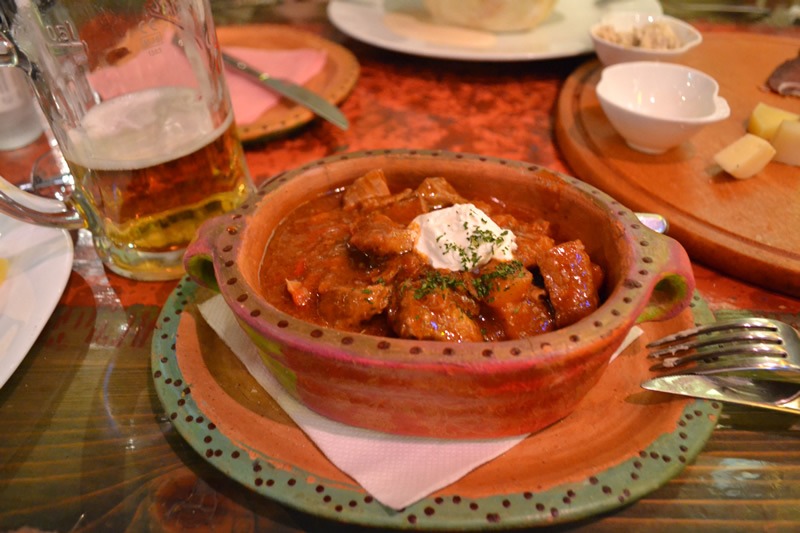
If you’re wondering whether Banja Luka is worth visiting, here’s what we enjoyed most and where we recommend eating.

What to do in Banja Luka

There aren’t dozens of must-see attractions in Banja Luka, but there are a few places worth visiting. Combined with the city’s café culture, parks and excellent food scene, there’s more than enough to fill a couple of enjoyable days.

Banja Luka Fort

To be honest, there isn’t much of the fortress itself to see. What remains today is mostly the old walls rather than a grand castle or fort.

We still enjoyed visiting though. We climbed up onto the walls and spent some time watching the river flow past and local life unfold below. It was peaceful, quiet and felt far removed from the city centre.

We visited twice during our stay and had the place entirely to ourselves both times. Best of all, it’s free to visit, making it a great stop if you’re travelling on a budget.

Drink Coffee

You’ll probably find this recommendation in most of our Bosnia guides, but that’s because Bosnia and Herzegovina has a fantastic coffee culture. No matter where you go, you’ll find cafés packed with locals sitting over coffee for hours.

Our favourite coffee stop in Banja Luka was Kafe Bar Kancelarija. It’s a modern coffee bar with friendly staff and excellent coffee (Update May 2026: unfortunately it seems this coffee shop is permanently closed). Finding it can be a little confusing at first, as it’s tucked away behind an office building, but once you know where to look it’s easy enough to find.
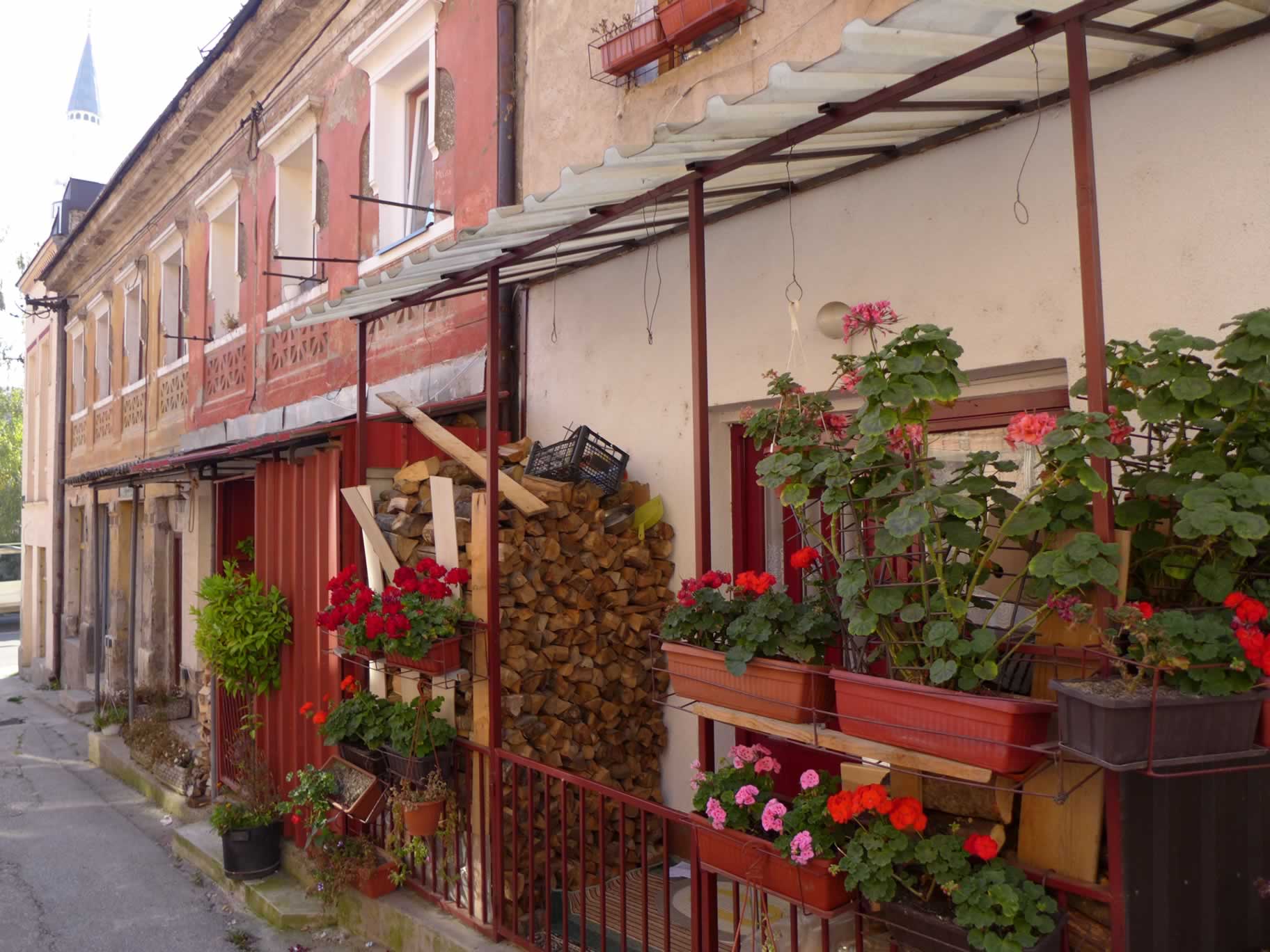
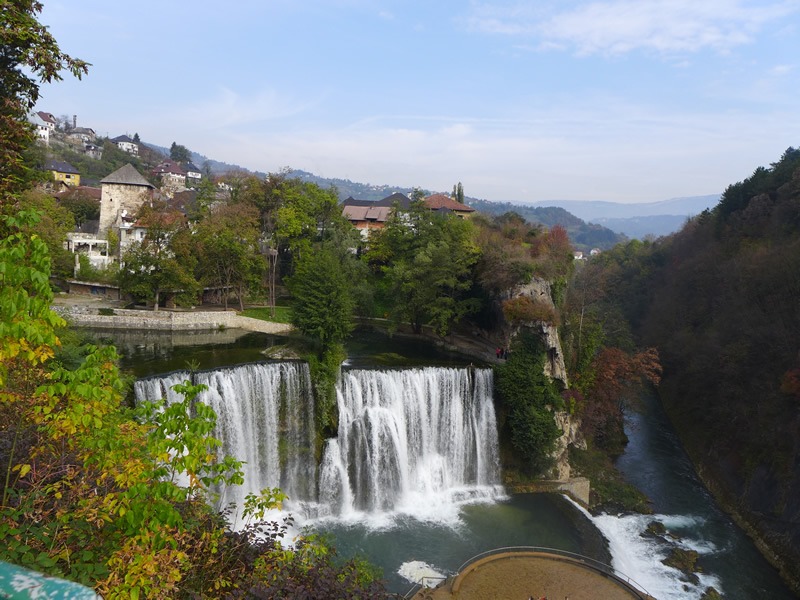
Another place we enjoyed was the restaurant inside the fortress grounds, which is also listed in our recommendations below. The outdoor terrace overlooks the river and is a lovely spot to sit with a coffee and watch the world go by. Prices were slightly higher than elsewhere in the city, but still very affordable compared to Western Europe.

Go to Bars

One thing that quickly stood out to us in Banja Luka was how much of daily life seemed to revolve around cafés and bars. From morning coffees to evening beers, the terraces were always full of people meeting friends, chatting and watching the world go by.

One of the best things to do in Banja Luka is simply pick a bar, order a drink and soak up the atmosphere. If you’re feeling ambitious, you could even spend an afternoon or evening hopping between a few of them.

Walking Around Banja Luka

One of our favourite things to do in Banja Luka was simply wander around the city centre and see where we ended up. The city has a pleasant, relaxed atmosphere.

The main pedestrian street is lined with cafés, shops and bars, making it a great place to start exploring. As you walk around, you’ll notice a mix of architectural styles, from Austro-Hungarian buildings and religious landmarks to more modern and Soviet-era architecture.

Two buildings that stood out to us were the Orthodox Cathedral and the nearby mosque, both of which are worth stopping by while exploring the city centre. Neither takes long to visit, but together they help tell part of the story of Banja Luka’s diverse history.

Like much of the city, this isn’t about ticking off major sights. It’s about slowing down, wandering around and enjoying the atmosphere.

Where to eat in Banja Luka

Obelix Grill

Obelix grill restaurant, north of the center is a great Balkan Grill place with affordable prices. This was the cheapest mix grill we had in Balkans, and still very good and made on order. Definitely worth a visit whether your on a budget or not.

Restaurant Kazamat

We really enjoyed this restaurant, and were lucky enough to get a table on a weekend. We had a three course dinner with lots of wine for 60 euros in total (October 2018). It’s not the best food you will have in Bosnia, but the experience was worth it. The restaurant is set inside the fort with stone walls and big wooden tables. There was also a live band that played traditional music. We had a great evening here and would recommend for a visit. Just know that the portions are huge and make sure to book in advance as it most likely will be booked, at least during the weekend.

Kod Muje

There are two Kod Muje in Banja Luka, one next to the mosque and one just over the bridge by the river. It’s the same food and owners so visit either of them. We went to the one next to the Mosque and had some amazing Cevapi.

February 22, 2018 0 comments
FacebookTwitterPinterestLinkedinRedditStumbleuponWhatsappTelegramThreadsOpenAIChatGPTEmail
Newer Posts
Older Posts

Recent Posts

  • Chengdu Travel Guide: The Perfect Introduction to China

  • Trusted House Sitters Promo Code: Save on Your Membership

  • Chameleon Safaris Promo Code: Get 10% Off Your Namibia Safari

We use Safetywing

We use THS

Trusted House Sitters

Here’s 25% off your annual membership to TrustedHousesitters - thanks to your pet loving pals at LBSBWorld.

Join now with 25% Off!

We use NordVPN

NordVPN

Get 3 months of NordVPN right now!


The best VPN service for a free, open internet

Get NordVPN!

We use Wise

Wise

Get Zero Fees on a transfer up to €500


Spend in 150+ countries like a local with Wise card

Get Wise!

©2026 LBSBWorld - All Right Reserved - Designed and Developed by Livia & Sam

LBSB World
  • Home
  • Destinations
    • Africa
      • Namibia
    • Asia
      • China
      • Indonesia
      • Japan
    • Europe
      • Albania
      • Bosnia-Herzegovina
      • Croatia
      • Montenegro
      • Netherlands
      • North Macedonia
      • Serbia
    • North America
      • Dominican Republic
  • Travel Itineraries
    • Our 9-Day Namibia Tour with Chameleon Safaris: An Honest Review
    • Our 2 Week Albania Itinerary
    • Bosnia and Herzegovina Itinerary: Our 1 Month Route by Bus
    • Namibia Self Drive: Everything We Learned Driving a 4×4 Across Namibia
    • Our 3-Month Balkans Itinerary: 93 Days by Bus Through Southeast Europe
    • 23 Day Japan Slow Travel Itinerary by Train
  • Plan Your Trip
    • How to Deal with Travel Burnout (And Start Enjoying Travel Again)
    • Sam’s Fulltime Travel Packing List
    • Using Trusted House Sitters to Support Your Travels
    • Trusted House Sitters Promo Code: Save on Your Membership
  • About Us
    • About Sam & Livia
    • The Story Behind Our Full-Time Travel Life
    • abearcalledpaddington