Top Posts
How to Visit the Chengdu Panda Base: Tickets, Tips & Our Experience
Our 3-Month Balkans Itinerary: 93 Days by Bus Through Southeast Europe
Subotica: Serbia’s Most Beautiful Surprise
A Short Guide to Novi Sad
Belgrade: Our Favourite City in Serbia
Best Apps for Visiting China (2026 Guide)
Visiting the Jordaan: Amsterdam’s Most Beautiful Neighbourhood
Namibia Self Drive Safari vs Guided Tour: Which Is Better?
Namibia Self Drive: Everything We Learned Driving a 4×4 Across Namibia
Bosnia and Herzegovina Itinerary: Our 1 Month Route by Bus
LBSB World
  • Home
  • Destinations
    • Africa
      • Namibia
    • Asia
      • China
      • Indonesia
    • Europe
      • Albania
      • Bosnia-Herzegovina
      • Croatia
      • Montenegro
      • Netherlands
      • North Macedonia
      • Serbia
    • North America
      • Dominican Republic
  • Travel Itineraries
    • Our 9-Day Namibia Tour with Chameleon Safaris: An Honest Review
    • Our 2 Week Albania Itinerary
    • Bosnia and Herzegovina Itinerary: Our 1 Month Route by Bus
    • Namibia Self Drive: Everything We Learned Driving a 4×4 Across Namibia
    • Our 3-Month Balkans Itinerary: 93 Days by Bus Through Southeast Europe
  • Plan Your Trip
    • How to Deal with Travel Burnout (And Start Enjoying Travel Again)
    • Sam’s Fulltime Travel Packing List
    • Using Trusted House Sitters to Support Your Travels
    • Namibia Self Drive Safari vs Guided Tour: Which Is Better?
  • About Us
    • About Sam & Livia
    • The Story Behind Our Full-Time Travel Life
    • abearcalledpaddington
Category:

Indonesia

Indonesia

Hidden Jakarta: A Tour of Off-the-Beaten-Path Places

by Sam June 19, 2018
written by Sam

We discussed “slum tourism” as a couple quite a few times when we found out about the Hidden Jakarta Tour. Whether it would be ethical or not to go on this tour. Their TripAdvisor reviews seemed positive. Not only would we get to see the another completely different side of Jakarta, we would actually be contributing to a community in a sustainable and responsible way. It’s a touchy subject as most people would consider it a day looking at poor people in a very depressing human zoo. Ultimately it depends on the tour itself, which way you look at it and how it affects you as another human being.

In the end we decided to go on the tour as it wasn’t a look-at-these-poor-people-tour as many tours like these turn into. The people who run this tour are mainly doing it to raise money for these communities (all money goes directly to their different projects) and to show this part of Jakarta to Indonesian people. To make a change. This is where the importance is for us, why they run the tour. They want to make a change, this is something the government doesn’t want you to see, thereof the name Hidden Jakarta tour. But by having this tour, they raise awareness of the issue which is the first step for change. Also, many of the people working for the tour are living in these areas themselves, which we really liked. It’s also a way to give back to these communities.

The Hidden Jakarta Tour not only gives you an insight into the disparity of the city, we had a real opportunity to connect with people who were as interested in us as we were in them. “Why do you come to Jakarta?“, is a very popular question whenever we are in Jakarta. Our answer is mostly “The food and the people”. This tour made this even more true for us.

Fatahillah Square

We started our day by heading off in a BlueBird taxi to Fatahillah Square. It’s a on most tourists’ to do list in Jakarta, and a main sightseeing spot. It’s also a popular place for students to grab an interview with the tourists. They ask you your name, where you’re from and why you came to Indonesia, that’s usually in front of a camera. Then they want a selfie with you, then the next person ask the same thing. You could do this all day.
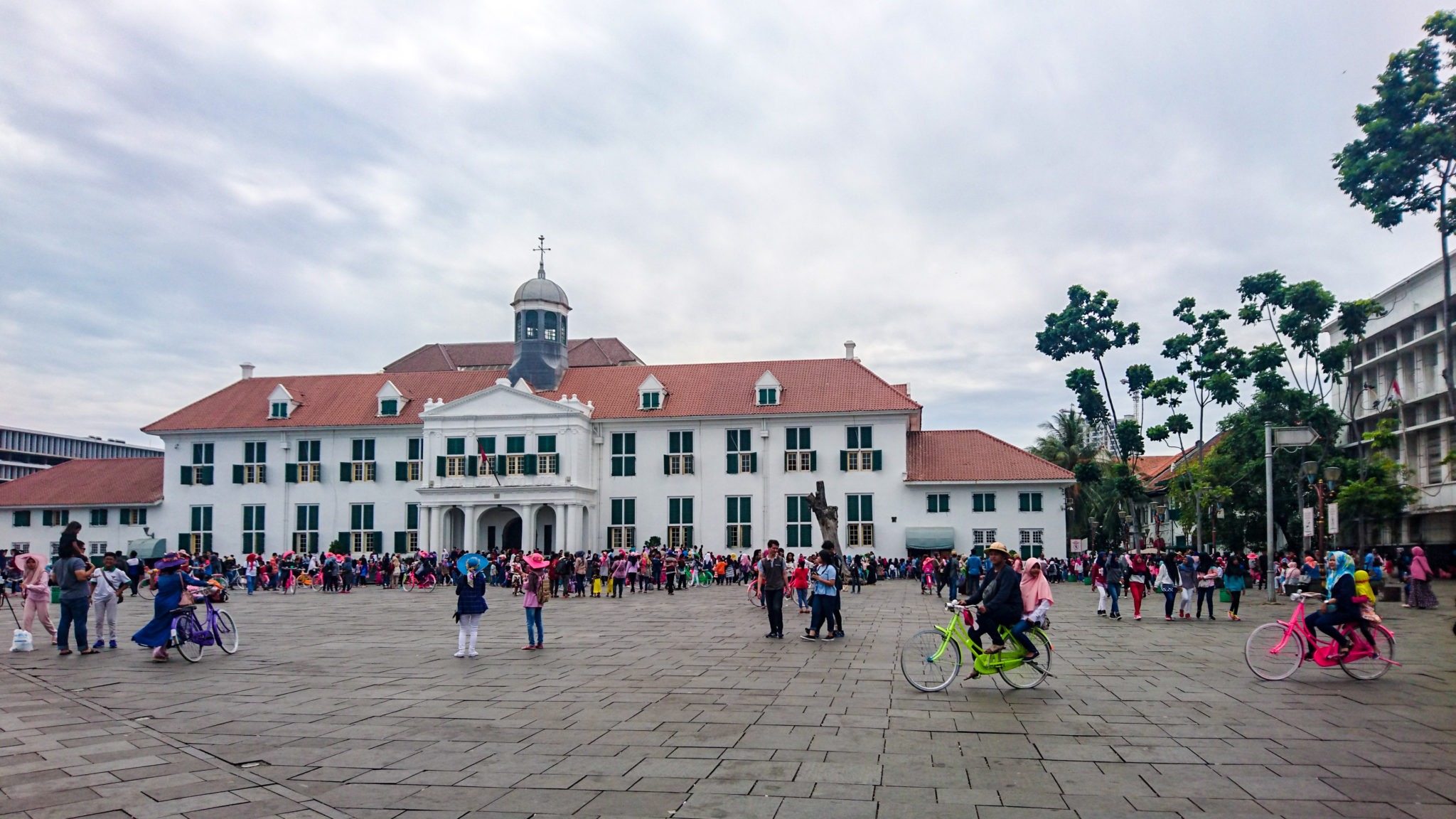
Fatahillah Square Jakarta

Fatahillah Square Jakarta

We grabbed a coffee at the famous Cafe Batavia. The food was OK, but as always in Indonesia you can get better for cheaper, essentially you’re paying for the location and the interior of the cafe. It’s well worth the visit for the location. Coffee was excellent, they have different coffee from all around Indonesia and hits a spot in my Top 5 Best Coffee in Jakarta blog post.
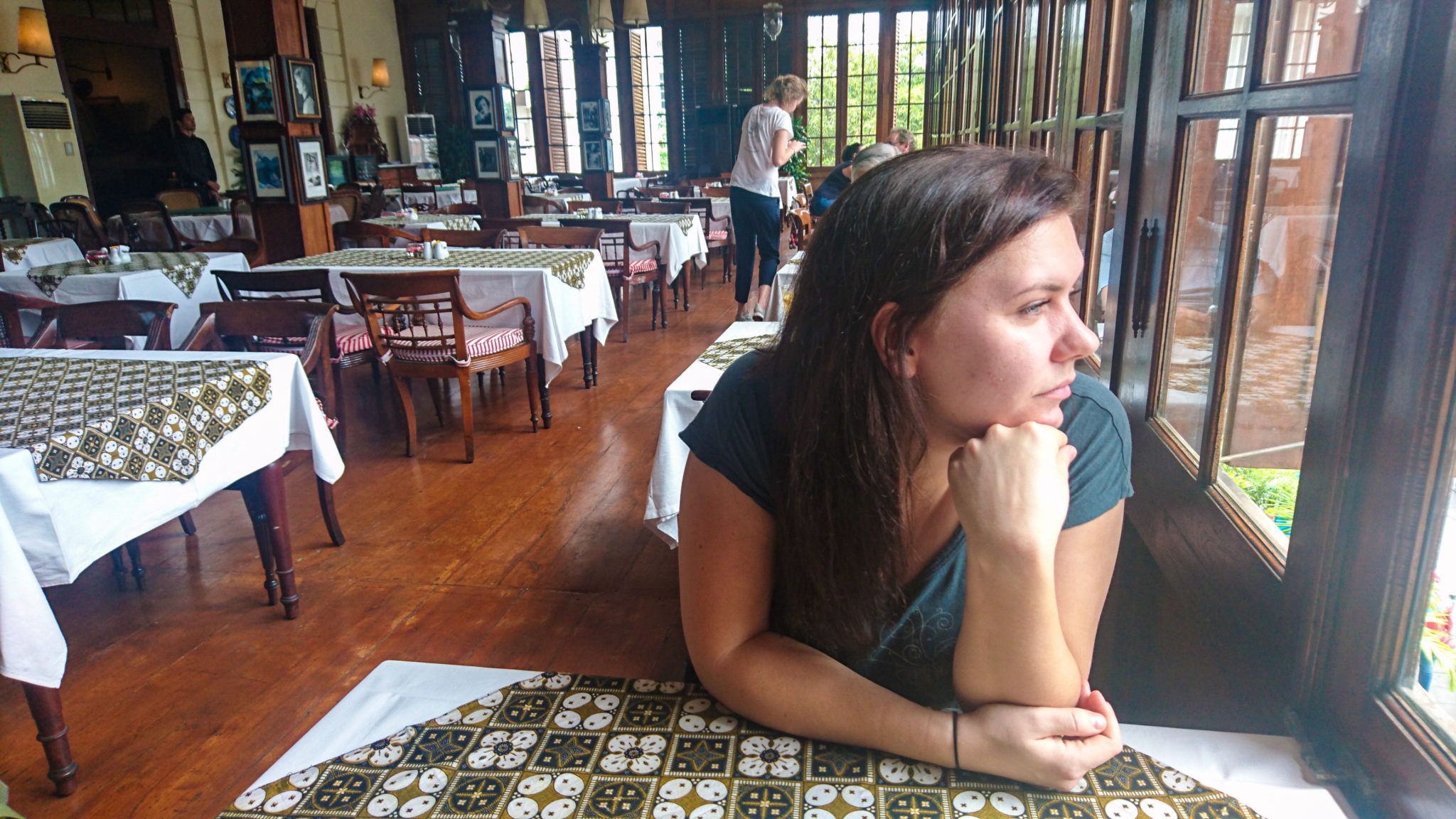
Drinking Coffee at Cafe Batavia Jakarta

Drinking Coffee at Cafe Batavia Jakarta

Our guide meets us at a local cafe, Kantin Mega Rasa, just around the corner. We grabbed lunch and an ice tea, while discussing what’s in store for the day. It’s also a great time to ask anything you’d like to know and about taking photos, as that was something we viewed as a potential awkward/embarrassing, or not at all normal social behaviour. The best thing was to take it by ear, our guide would check, or as it turned out people would ask us to take their photo. Well it is Indonesia, and they do love their selfies.

The three of us jumped in a microlet (small buss for local transportation) and headed off. We jumped out at Jembatan Kota Intan, an original Bascule bridge, and after dodging the traffic we ducked into a side alley and headed off into the dark and towards the train lines.

Dark Places
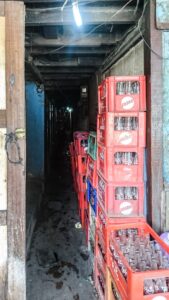
Dark alleyway leading down underneath the railway tracks

Dark alleyway leading down underneath the railway tracks

Ducking into a side alley is not something you’d normally choose to do on your own, or in our case, wouldn’t even know it led somewhere. Our guide smiled and greeted a few people as we walked through the long corridor peeking into peoples homes on each side. You see people cooking food on stoves next to a central gutter, another person washing their clothes or feeding a baby, going about their normal lives in the damp, fetid air. We stopped at a door and our guide bids us welcome into a persons home. It’s about 4m x 4m square, no windows, the railway is only a meter above you.

This was our first meeting. She explained to our guide how she lives in this space, her husband earns about $2 a day as a parking attendant nearby. This place is ‘rented’ from a Chinese criminal gang who collect about $30 a month from them. As you can see in the pic they have electricity and a fridge, their possessions are hung around or neatly packed against the wall. The fan blasts 40°c hot air around the room, it’s hot as hell, but we all smile for an awkward turtle moment. Yes the first meeting was a bit awkward for us, as we wasn’t sure how to act. But it got better throughout the tour and we relaxed a bit more.

Back in the dark corridor, we climb one of the ladders and walked along the thin plywood floor/ceiling and past a few doors to sunlight and a gasp of ‘fresh’ air. Before we head back down and onwards to the bridge, greeting mostly women who were chatting or cleaning/cooking and children who are running around playing and being shy when we say hello.
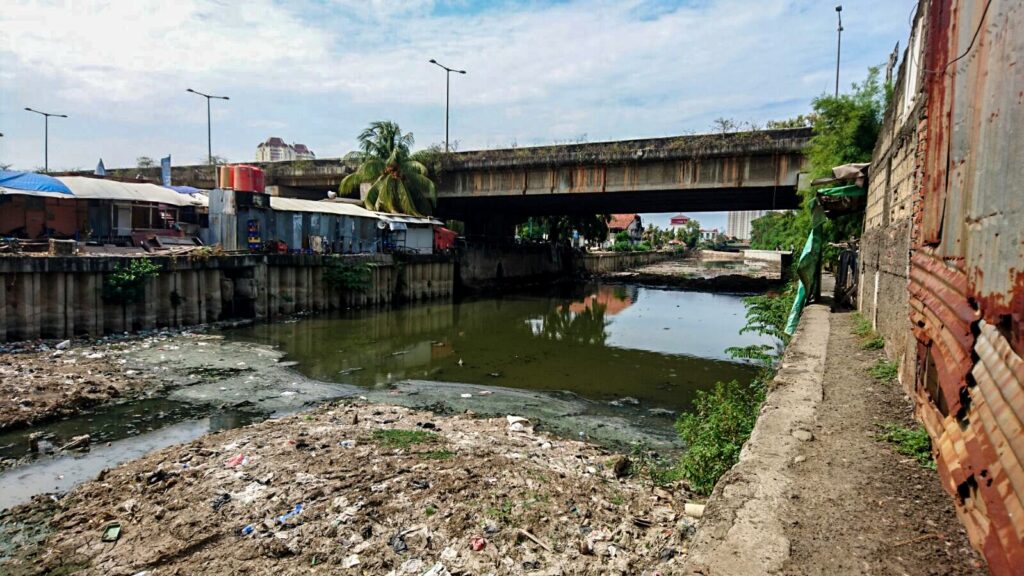
Stinky River Water - Slum tourism in Jakarta

Stinky River – Hidden Jakarta Tour

Boat Trip

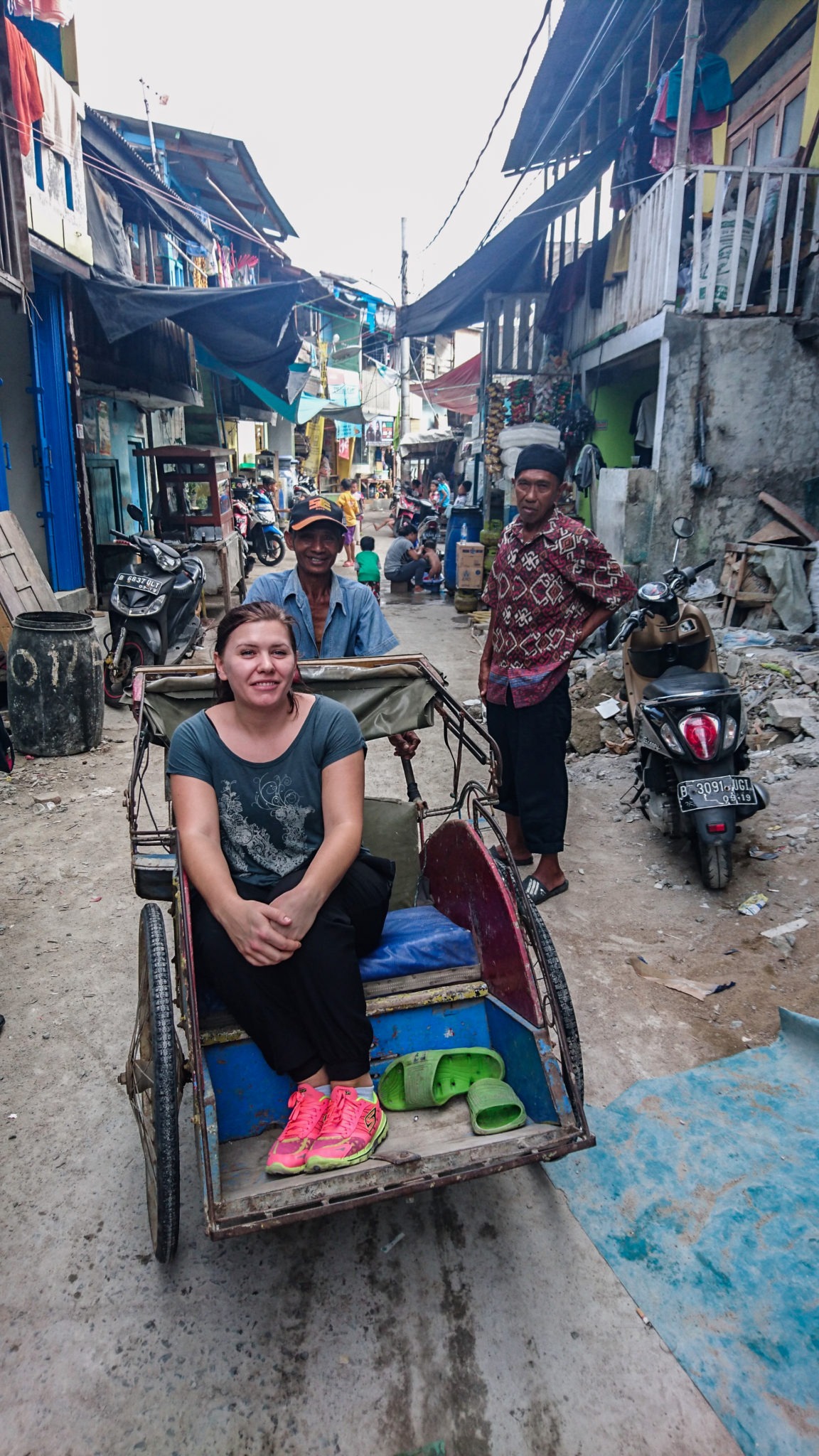
Livia in a bicycle tuk-tuk

Livia in a bicycle tuk-tuk

This time we jumped into an bicycle tuk-tuk (illegal in Jakarta, but no one cared in this area) and disappear off towards the docks. This is a very working class, low income area. Our guide had us pulled across the water way by a family working this “ferry”/boat/raft. It was covered from the sun by some tarp with a piece of rope to pull it left or right. One of the family members guided us into a thin wooden boat. His son took us out to the old lighthouse and back with his grandson sitting up front all proud of his new passengers whilst he played on a broken mobile phone. We passed dozens of ships in different states of repair and after about 30 minutes we were out in open water, the old green lighthouse in view and massive container ships dotting the horizon. We headed back feeling slightly smaller in our 4 meter long wooden boat.

When we arrived back our guide led us out into the wasteland next to the docks. The ground was rubble, bricks, concrete, bits of cable. Dotted across the debris were makeshift tents, built from whatever could be found, tarpaulin, wood, sheet metal, whatever worked. Floors were on stilts, beds were either on the floor or raised where the whole family would sleep together. By family, I mean in this case a woman with six children, her husband works on a cargo boat sailing between Indonesia and the UAE. She see him once every three or so months when he brings her a few hundred dollars after his expenses.
Dockland/Wasteland at the port of Jakarta

Dockland/Wasteland at the port of Jakarta

These houses are illegal, in the sense that they’re not allowed to build anything on these grounds. Ever so often the government sends bulldozers to take it all down. And these families have to rescue what they can and start over, once the bulldozers left.

We sat down with a family and had a really nice chat with them. We were asked a ton of questions, If we were married, where we live, where we come from, How much we earn? How much we pay for rent?. You quickly realize these are huge almost inconceivable sums of money for these people.

Reflections
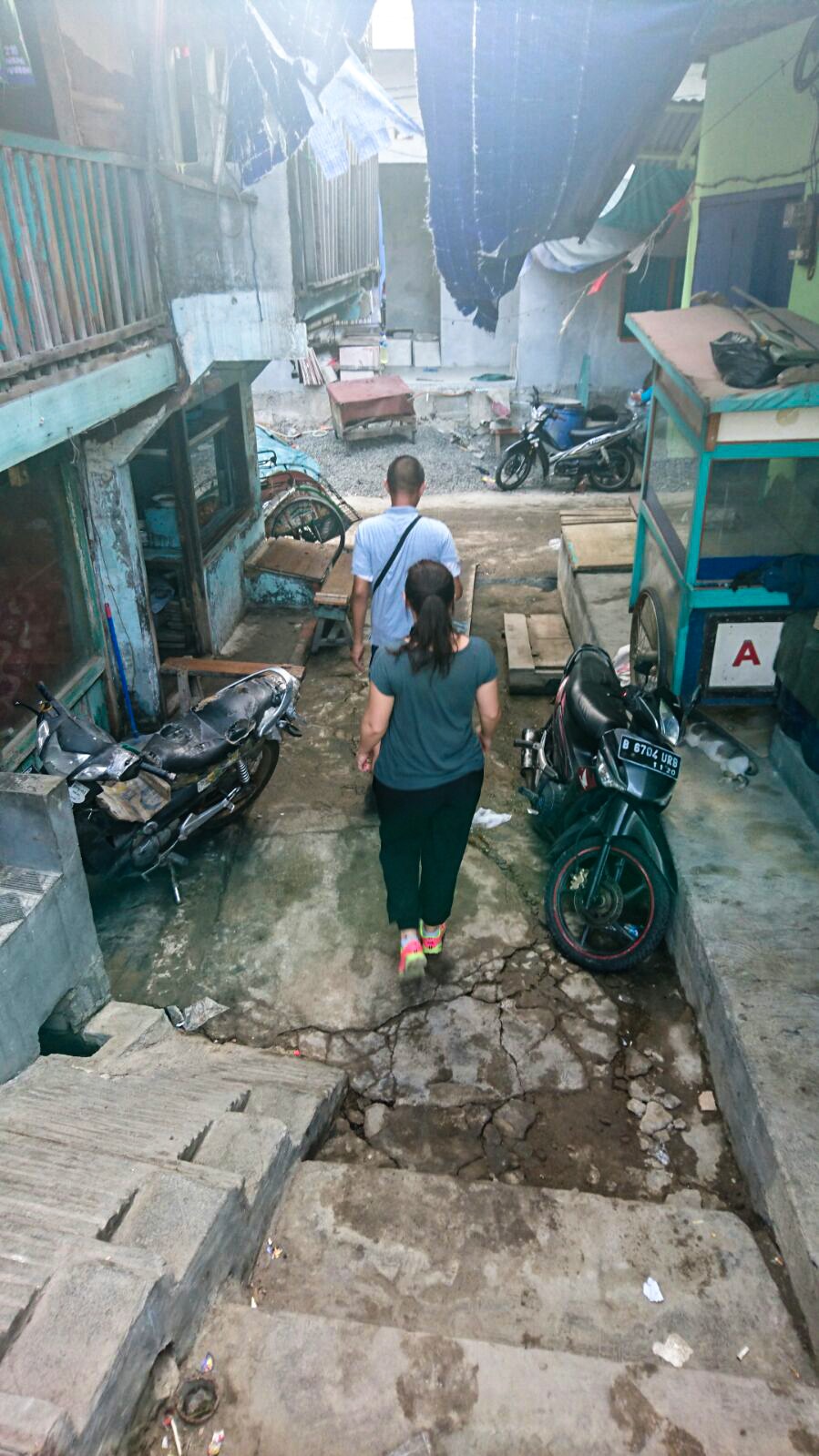
Walking through the back streets near the docks in Jakarta

Walking through the back streets near the docks in Jakarta

The Indonesian government doesn’t want to admit to this problem. Many Indonesians have never seen these areas. That’s also a reason why we found it important to go. To go here and show that these people matters. That’s an issue in this area, the guide told us that many of the people living here doesn’t think they matter as not even their own countrymen comes here. He continued to explain how happy it made the people here to have foreigners come, just for a small chat. We got so many smiles from people we were passing saying hello, Livia in Indonesian, which made them smile even more.

It hit me hard, it was difficult to hold back the tears once we left the dockland. Us with so much, so “wealthy”, even though we have to work to live and are about one or two paychecks away from being on the street ourselves. But you can’t imagine having to survive like that and still be able to smile. It’s a rough hand to be dealt in life, it makes you tough. You look at the first photo in this post, now look at the last. Its was a sobering experience for everyone.
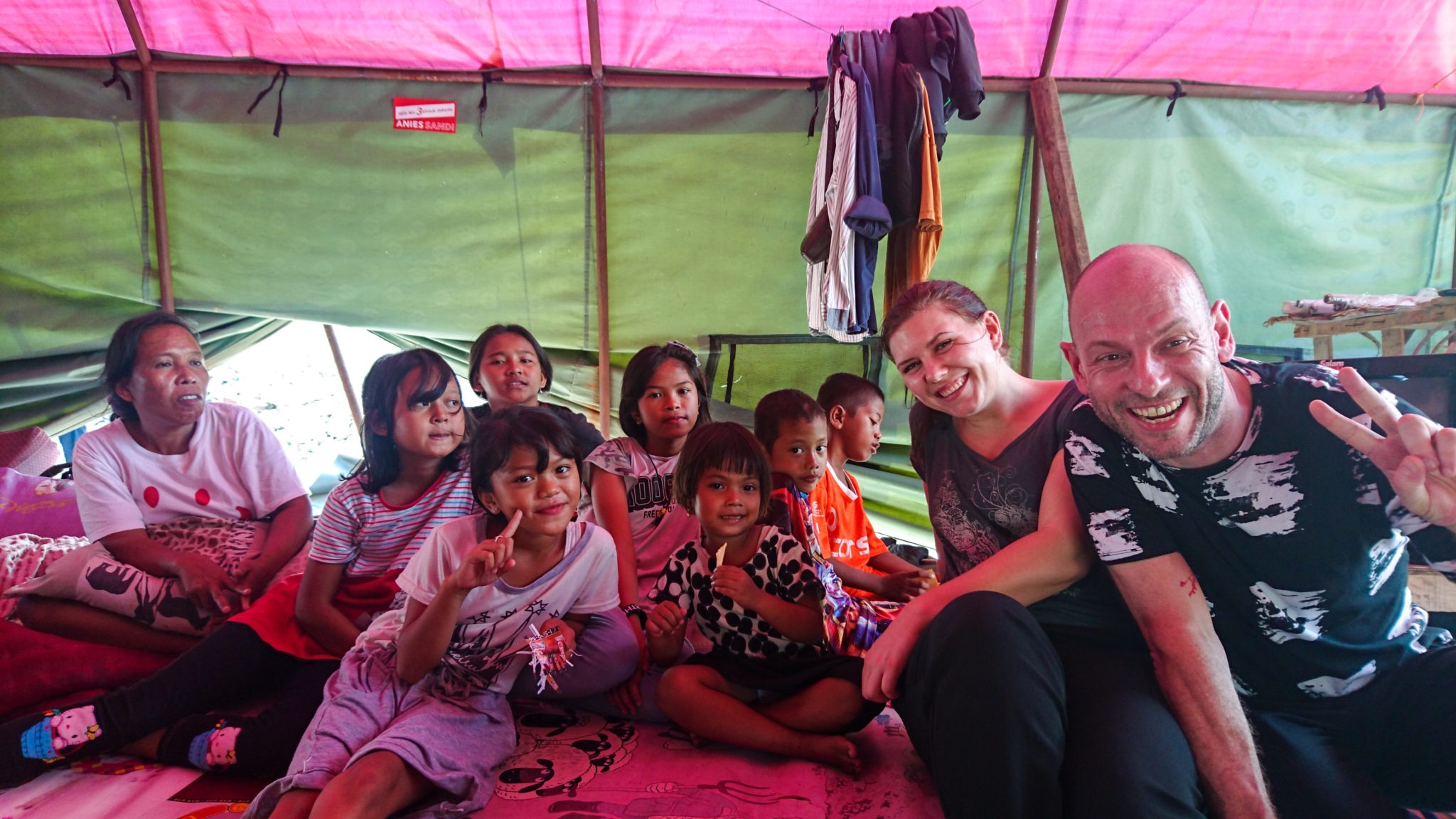
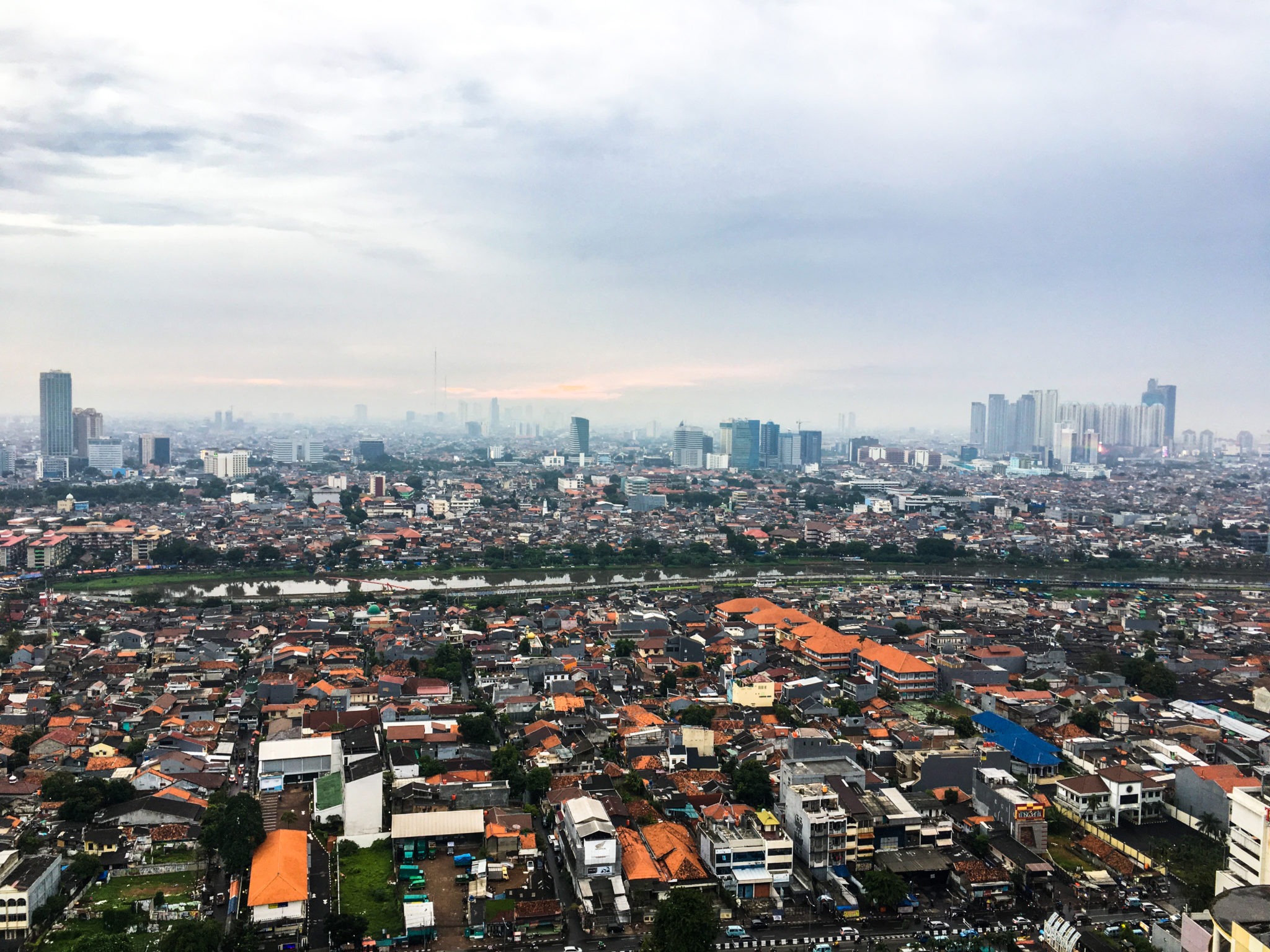
Family of 8 living on the dock

Family of 8 living on the dock

June 19, 2018 0 comments
FacebookTwitterPinterestLinkedinRedditStumbleuponWhatsappTelegramThreadsOpenAIChatGPTEmail
Indonesia

What Living in Jakarta Taught Me: Lessons from Indonesia’s Capital

by Livia June 14, 2018
written by Livia

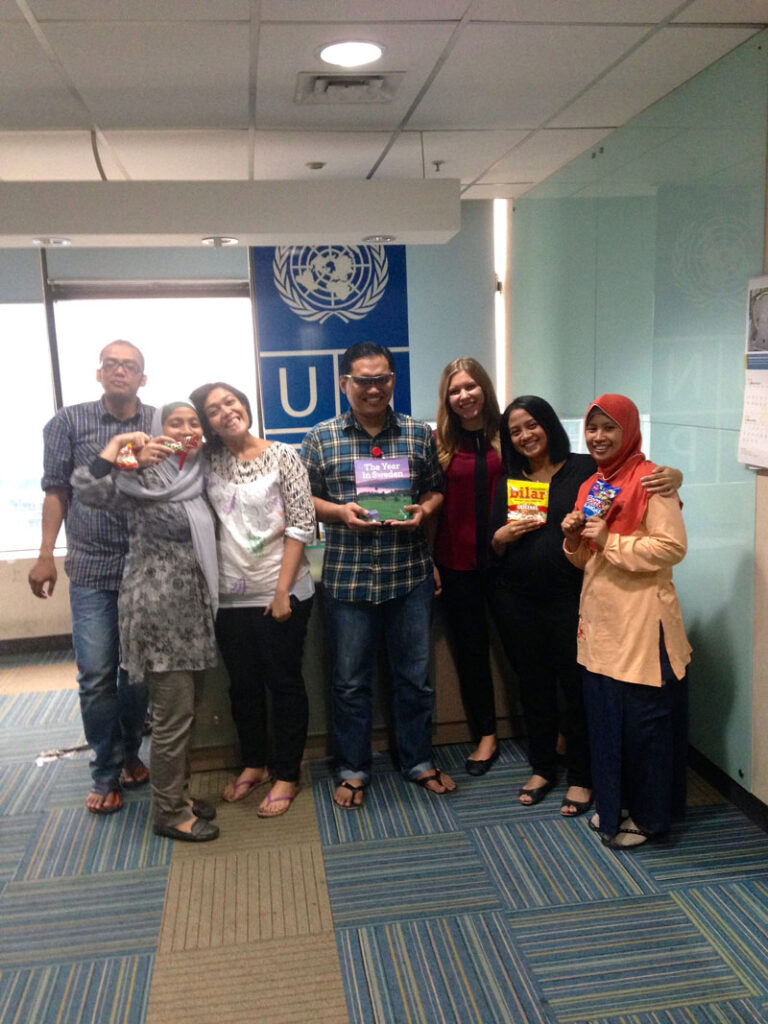
I lived in Jakarta for six months while completing an internship with UNDP. It was my first time in Indonesia and only my second time in Asia. Until then, my experience of the continent had mainly been limited to tourist areas in Thailand, so moving to Jakarta was a huge culture shock.

Living in Indonesia’s capital taught me a lot, not just about the country and its people, but also about myself.

Since moving back to Europe, I’ve continued returning to Jakarta whenever I can. Every visit teaches me something new, but these are some of the lessons that have stayed with me over the years.

None of this is based on hard facts or research. These are simply observations and experiences from everyday life while living in Jakarta.

Shopping at Grand Indonesia
Work life in Jakarta

Things Don’t Always Run on a Strict Schedule

As a Swede, I am used to being on time. Usually early.

One of the first things I had to adjust to in Jakarta was that social plans often ran on a more flexible schedule than I was used to. Friends might arrive later than planned, meetings could start a little behind schedule and traffic often had a say in everyone’s plans.

At first I found it frustrating. Eventually, I learned to relax and go with the flow.

Always Allow Extra Time for Traffic

Jakarta’s traffic is legendary.

Fortunately, I could walk to work most days, but whenever I needed to travel across the city I learned to leave earlier than I thought necessary.

Sometimes you’ll arrive far too early. Other times you’ll be grateful you left when you did.

Bring a Sweater

This sounds ridiculous considering Jakarta’s tropical climate, but trust me.

Shopping malls, conference centres, hotels and office buildings often have extremely powerful air conditioning. I once spent an entire day in a conference room wishing I’d brought a jacket.

Even in one of the hottest cities I’ve ever lived in, I regularly carried a light sweater.

Choose Your Air Carefully

One thing I quickly noticed was how different the air quality could feel from one street to the next.

Busy main roads filled with traffic often felt noticeably more polluted than quieter residential streets. Whenever possible, I preferred walking through neighbourhoods and side streets rather than sticking to the main roads.

Not only was the air usually better, but it was also a far more interesting way to experience the city.

People Will Be Curious About You

If you’re a foreign visitor, especially outside the main tourist areas, don’t be surprised if people look at you, say hello or ask to take a photo with you.

In my experience, this was almost always done with genuine friendliness and curiosity. Some of my favourite interactions in Jakarta started with a simple smile or greeting from a stranger.

Dress Conservatively

Jakarta is a huge and diverse city, and you’ll see all kinds of fashion styles.

That said, dressing modestly is generally appreciated, particularly outside shopping malls, expat areas and nightlife districts. It also helps you blend in a little more and avoid unwanted attention.

Check the Ingredients in Beauty Products

This was one of the more unexpected things I discovered.

Many beauty and skincare products in Indonesia contain whitening ingredients, including products that wouldn’t necessarily advertise it prominently to Western consumers. Even some deodorants contain whitening agents.

If that’s not something you’re looking for, it’s worth checking the labels before buying.

Gojek Drivers Are Everywhere

If you’ve spent any time in Indonesia, you’ll know Gojek.

At one point I was convinced the same drivers followed me around the neighbourhood every day. No matter how many times I walked past, someone would ask if I needed a ride.

Nowadays, apps like Gojek and Grab make getting around Jakarta much easier than when I first arrived.

It Is Hot. Very Hot.

And humid. You will sweat. No matter how much you try to prepare yourself, you’ll probably still underestimate just how humid Jakarta can feel.

Jakarta Rewards Patience

This is probably the biggest lesson Jakarta taught me. My first impression of the city wasn’t particularly positive. It felt overwhelming, chaotic and difficult to understand.

But the longer I stayed, the more I appreciated it. I learned to enjoy the food, the neighbourhoods, the atmosphere and the people. Jakarta isn’t a city that immediately reveals its best side, but if you give it time, it has a way of growing on you.

Final Thoughts

Living in Jakarta changed the way I travel. It taught me to slow down, be more patient and look beyond first impressions. It’s a city that many travellers skip, but one that has left a lasting impression on me.

Even after moving away, I continue to return whenever I can. Partly to see friends, but also because Jakarta remains one of my favourite cities in Indonesia.

Further Reading

If you’re planning a trip to Indonesia, you might also enjoy our guide on why Jakarta is worth visiting and our favourite places to eat in the city.

📌 Our friends Aimee and Paul at snaphappytravel.com have a great post about The Best Apps and Websites We Used When Traveling Through Bali which we think will help any traveller visiting Indonesia (not just Bali).

June 14, 2018 0 comments
FacebookTwitterPinterestLinkedinRedditStumbleuponWhatsappTelegramThreadsOpenAIChatGPTEmail
Indonesia

A Quieter Side of Bali: Jatiluwih, Sidemen & Other Places We Loved

by Livia June 10, 2018
written by Livia

There are countless guides to Bali online, most of them focusing on the same beaches, temples and tourist hotspots. This guide is a little different. Instead of covering Bali’s most famous attractions, we want to share a few places that helped us see a different side of the island.

The first time I visited Bali, I didn’t really understand why everyone loved it so much. After spending several months living in Jakarta, Bali felt expensive and far more tourist-focused than other parts of Indonesia I had visited. It wasn’t until I started exploring beyond the busy southern beaches and central Ubud that I began to appreciate what makes Bali special.

If you’re looking for beach clubs, nightlife and backpacker hangouts, you’ll probably love the southern parts of Bali and central Ubud. But if you prefer quieter places, beautiful landscapes and a slower pace of life, there are still plenty of areas where you can escape the crowds.

I haven’t explored every corner of Bali, but these are a few places that have stood out to us over the years.

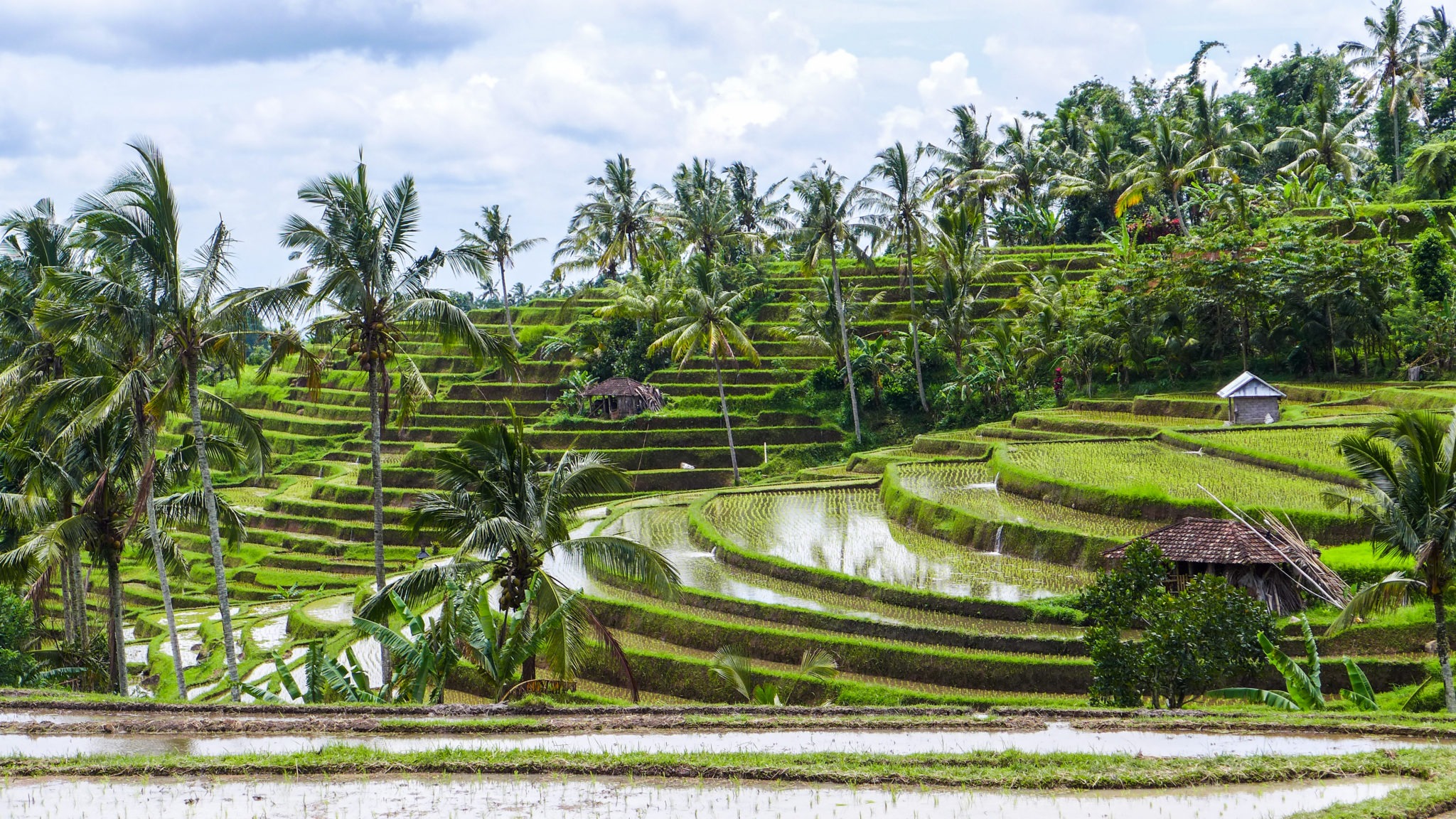
Jatiluwih Rice Terraces

Yes, Jatiluwih is a tourist attraction. However, it feels very different from the much busier rice terraces around Ubud.

The terraces stretch across a huge area, meaning it’s easy to find quiet corners even when other visitors are around. During our visit, we spent much of our time simply walking through the landscape and enjoying the views.

The scenery here is spectacular and, in our opinion, well worth the journey from the more popular parts of Bali.

Man working in his field at Jatiluwih rice paddies
Beautiful Jatiluwih

Ubud Beyond the Centre

We wouldn’t skip Ubud completely. The area is beautiful and there’s plenty to see. The trick is not staying right in the middle of town.

Instead, look for accommodation in the villages and rice fields surrounding Ubud. You’ll still be close enough to visit the attractions, restaurants and markets, but without the traffic and crowds.

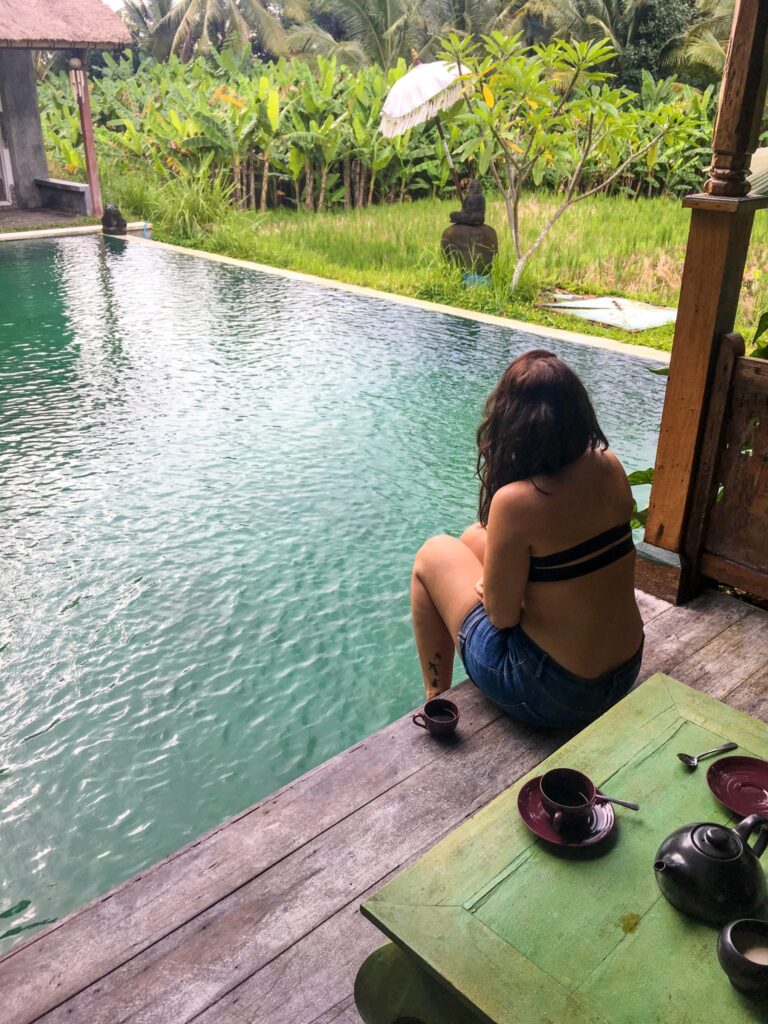
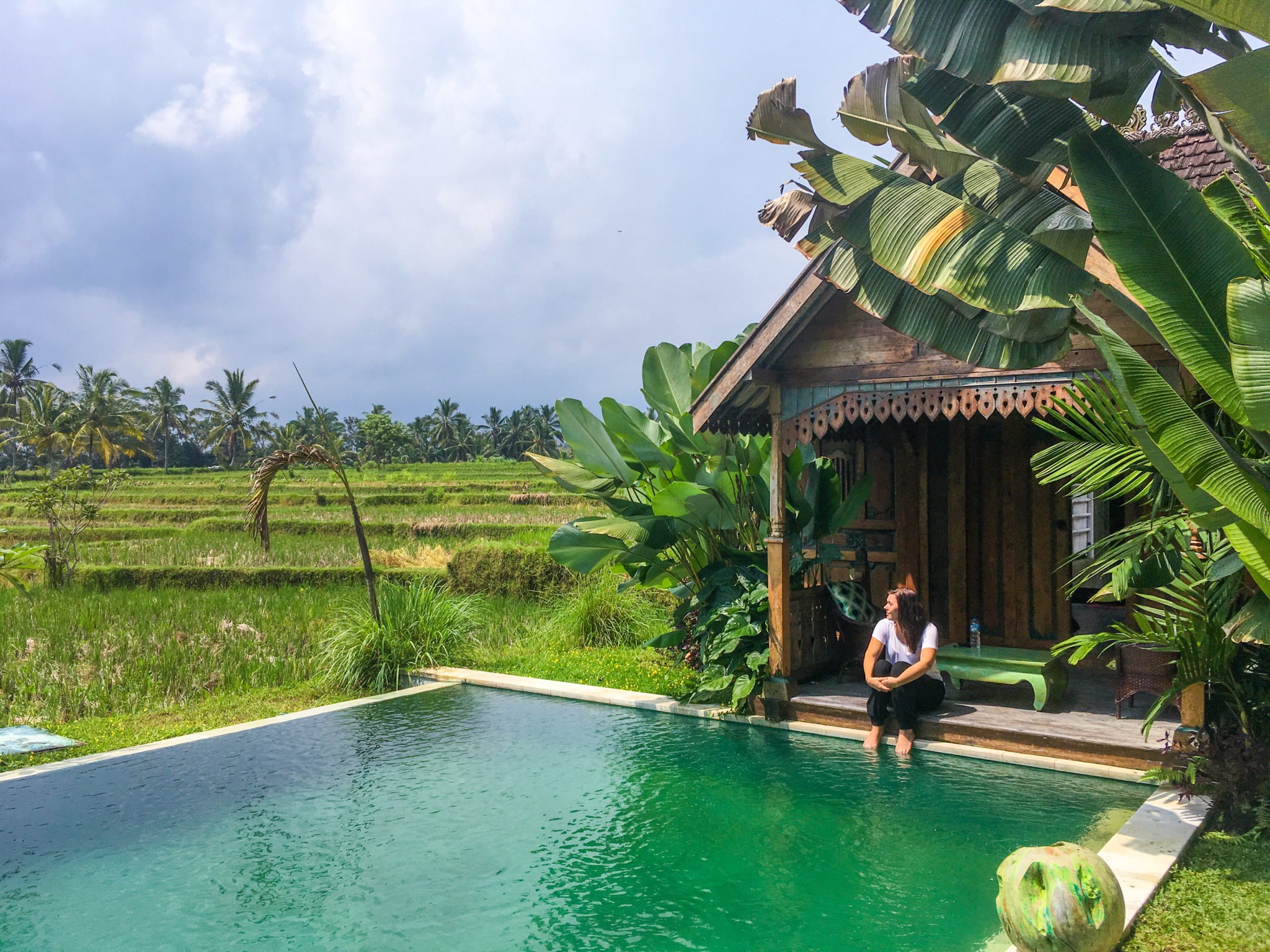
During one of our visits we stayed at Hati Padi Cottages, a small property surrounded by rice fields. At the time we were the only guests, and it remains one of the most peaceful places we’ve stayed anywhere in Indonesia.

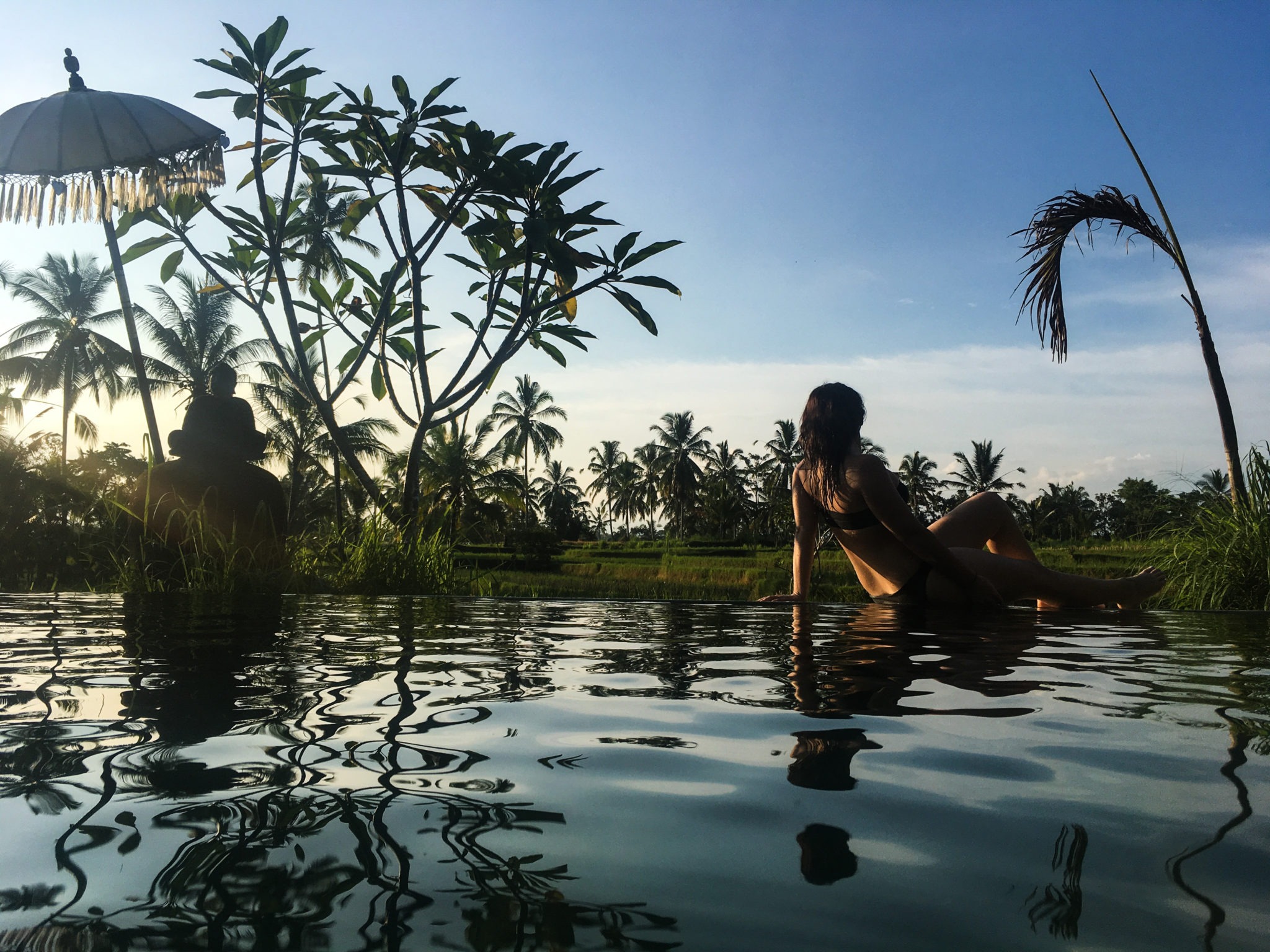
The property is run by two French owners and a local Balinese woman, all of whom were incredibly welcoming. We spent our mornings drinking coffee while looking out across the rice fields and our evenings watching the sunset over the surrounding countryside.

It was the kind of place that makes you slow down and appreciate where you are.

📌 Looking for even more things to do in Ubud? Our friend Juan from Planet of Adventures has put together a fantastic guide featuring 13 great things to do in and around Ubud.

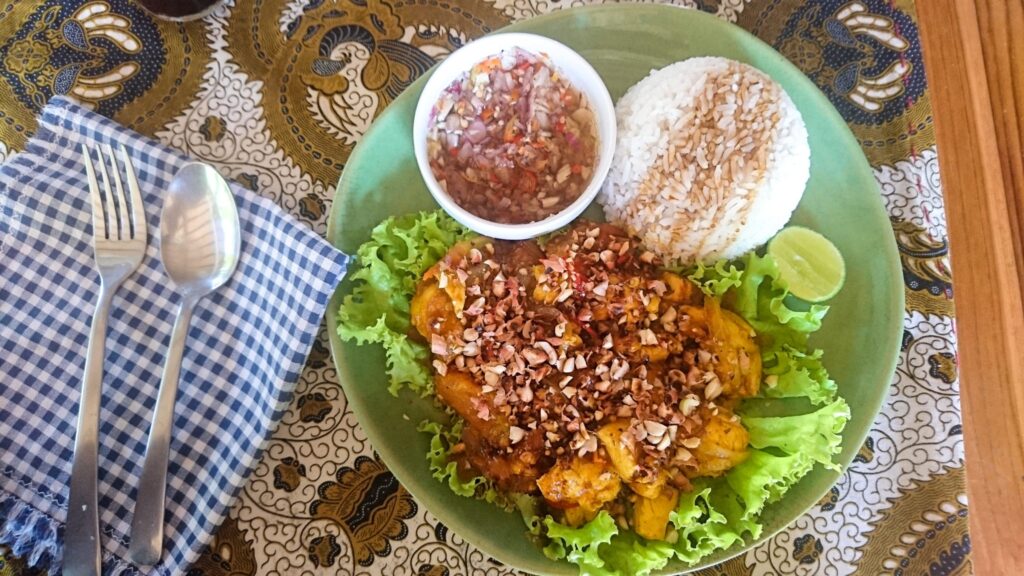
Not a super traditional Ayam Taliwang, but still really good!
Our cottage at Hati Padi cottages
Beautiful sunsets over the rice fields

The Beautiful Landscapes of Sidemen

Our visit to Sidemen was completely unplanned.

While exploring the island, our driver suggested taking the scenic road through the area and promised it was worth the detour. He was right.

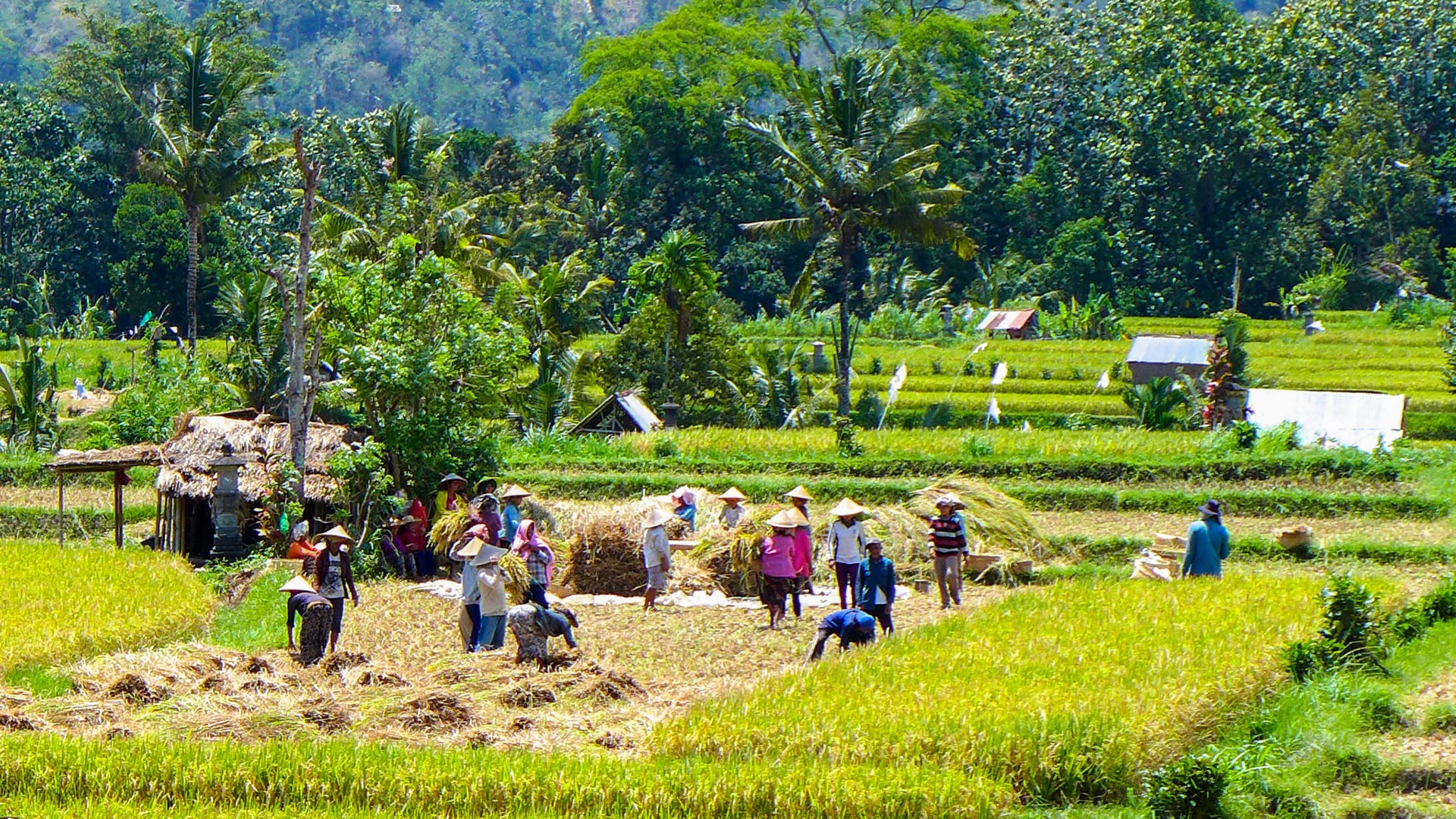
The road winds through rice fields, villages and beautiful mountain scenery. During our visit we watched locals harvesting crops, children walking home from school and farmers working in the fields.

Sidemen has become more popular with travellers over the years, but it still feels far quieter and more relaxed than many of Bali’s better-known destinations.

We only stopped for lunch and a short walk, but it immediately went onto our list of places to stay during a future visit.

Harvest time in Sideman
Children making their way home from school through the rice fields in Sideman

The Sleepy Town of Klungkung

Klungkung was probably the biggest surprise of our trip.

When I told our driver I wanted to visit, he looked at me rather strangely and asked why. He said very few foreign visitors ever requested a stop there.

The reason was simple: one of my friends grew up in Klungkung, and I wanted to see her hometown.

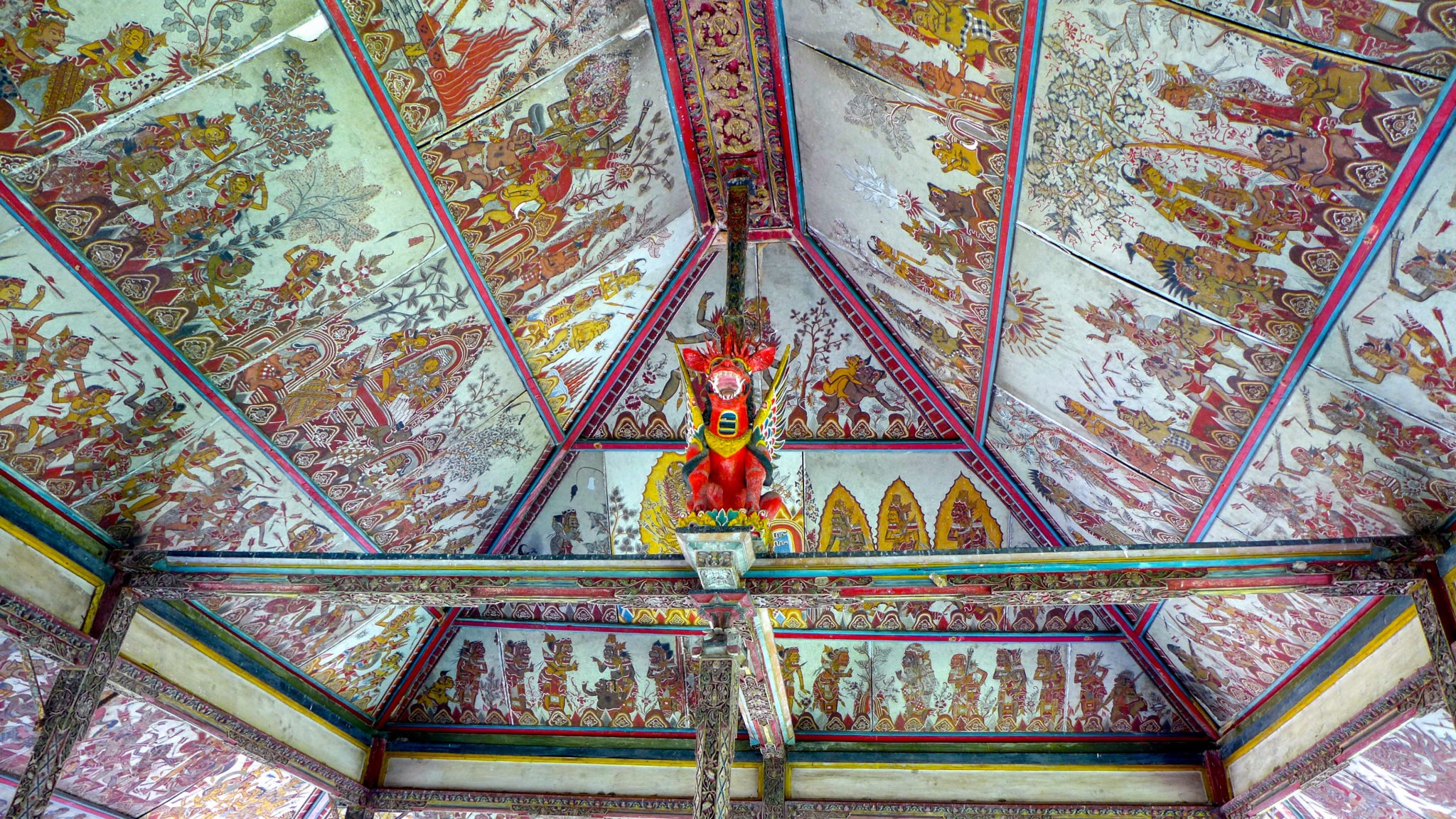
What we found was a charming Balinese town with very few tourists, a beautiful Hindu temple and a busy local market. Life seemed to move at a slower pace here than in the tourist centres further south.

If you’re curious about everyday life in Bali and want to spend some time somewhere that isn’t built around tourism, Klungkung is well worth a visit.

Its location also makes it easy to combine with a trip to Sidemen.

The hindu temple in Klungkung
The Hindu temple in Klungkung

Final Thoughts

Bali may be famous for its beaches, beach clubs and busy tourist towns, but some of our favourite memories come from the quieter parts of the island.

Places like Jatiluwih, Sidemen and Klungkung offer a slower pace of life and a chance to experience a different side of Bali. Even around Ubud, simply staying a little further from the centre can completely change your experience.

If you’re willing to venture beyond the most popular tourist areas, you’ll discover that Bali is much more than Kuta, Seminyak and central Ubud.

📌 How about making your own chocolate in beautiful Bali? Our friends at twopassportspacked did just that!

June 10, 2018 0 comments
FacebookTwitterPinterestLinkedinRedditStumbleuponWhatsappTelegramThreadsOpenAIChatGPTEmail
Newer Posts
Older Posts

Recent Posts

  • How to Visit the Chengdu Panda Base: Tickets, Tips & Our Experience

  • Our 3-Month Balkans Itinerary: 93 Days by Bus Through Southeast Europe

  • Subotica: Serbia’s Most Beautiful Surprise

We use Safetywing

We use THS

Trusted House Sitters

Here’s 25% off your annual membership to TrustedHousesitters - thanks to your pet loving pals at LBSBWorld.

Join now with 25% Off!

We use NordVPN

NordVPN

Get 3 months of NordVPN right now!


The best VPN service for a free, open internet

Get NordVPN!

We use Wise

Wise

Get Zero Fees on a transfer up to €500


Spend in 150+ countries like a local with Wise card

Get Wise!

©2026 LBSBWorld - All Right Reserved - Designed and Developed by Livia & Sam

LBSB World
  • Home
  • Destinations
    • Africa
      • Namibia
    • Asia
      • China
      • Indonesia
    • Europe
      • Albania
      • Bosnia-Herzegovina
      • Croatia
      • Montenegro
      • Netherlands
      • North Macedonia
      • Serbia
    • North America
      • Dominican Republic
  • Travel Itineraries
    • Our 9-Day Namibia Tour with Chameleon Safaris: An Honest Review
    • Our 2 Week Albania Itinerary
    • Bosnia and Herzegovina Itinerary: Our 1 Month Route by Bus
    • Namibia Self Drive: Everything We Learned Driving a 4×4 Across Namibia
    • Our 3-Month Balkans Itinerary: 93 Days by Bus Through Southeast Europe
  • Plan Your Trip
    • How to Deal with Travel Burnout (And Start Enjoying Travel Again)
    • Sam’s Fulltime Travel Packing List
    • Using Trusted House Sitters to Support Your Travels
    • Namibia Self Drive Safari vs Guided Tour: Which Is Better?
  • About Us
    • About Sam & Livia
    • The Story Behind Our Full-Time Travel Life
    • abearcalledpaddington