Top Posts
Okayama Travel Guide: A Practical Base for Kurashiki and the Kibi Plain
Is Tottori Worth Visiting on a Japan Trip?
North Sumatra Itinerary: Bukit Lawang, Berastagi & Lake Toba
Lake Toba & Samosir Island: Is It Worth Visiting?
Mount Sibayak Sunrise Hike: Our Experience in Berastagi, Sumatra
Orangutan Trekking and Bukit Lawang Travel Guide
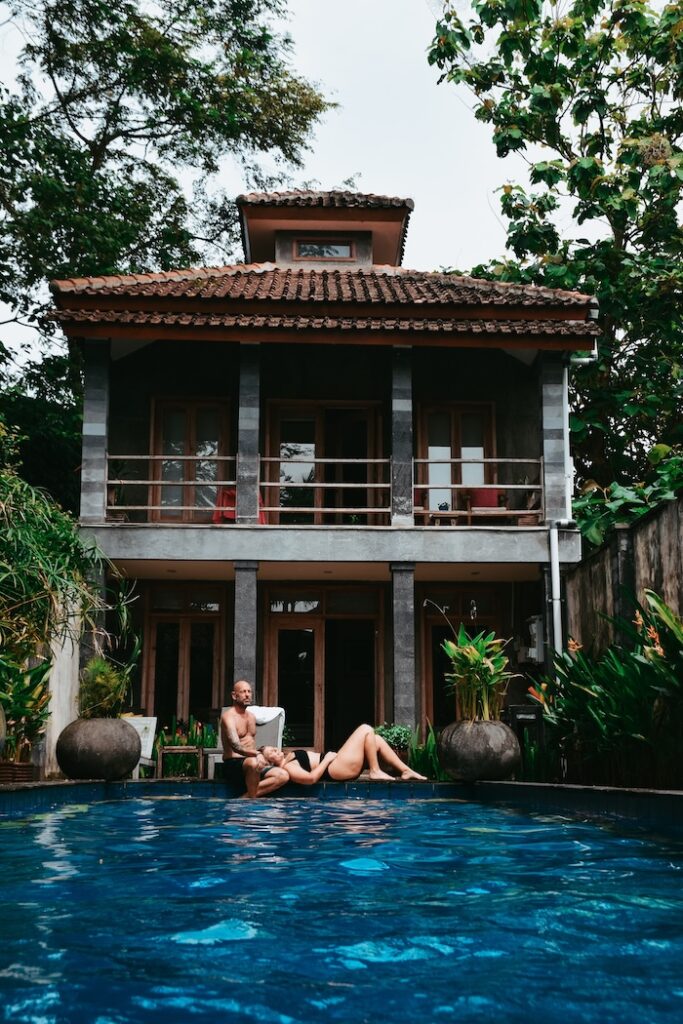
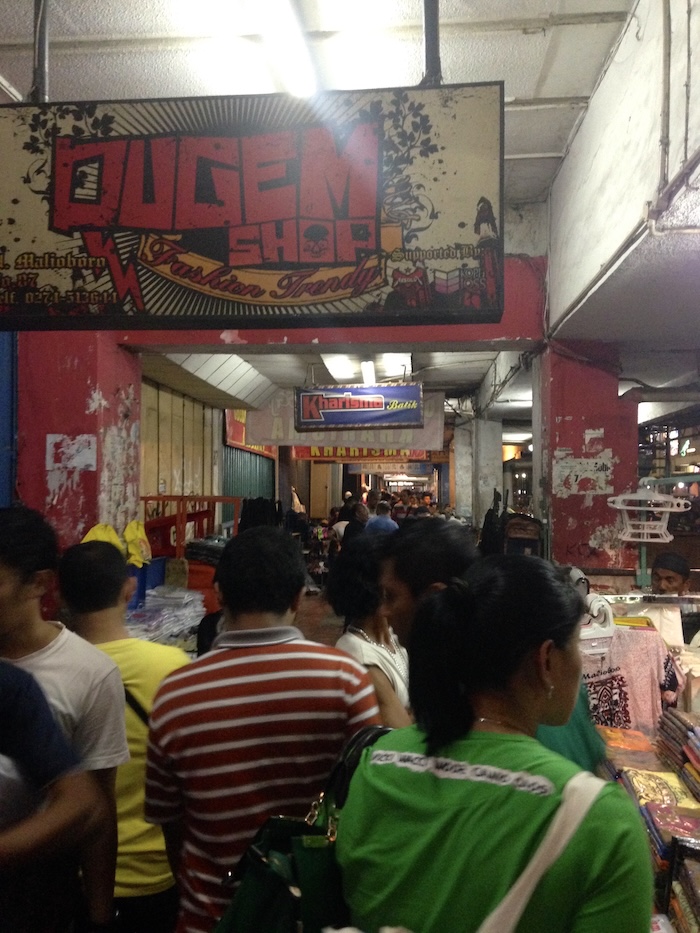
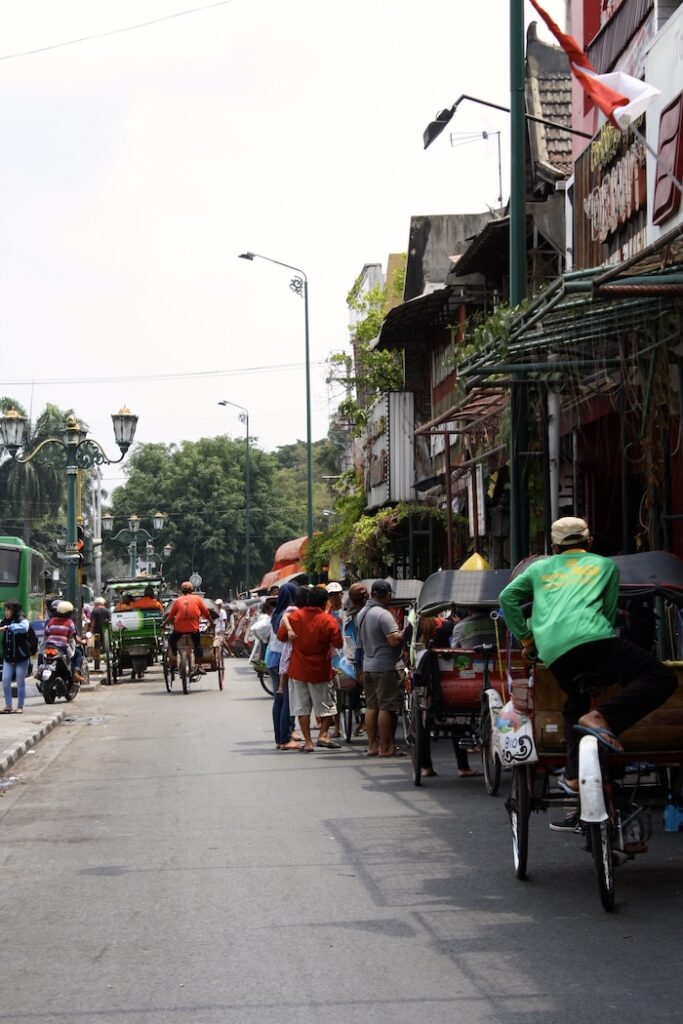
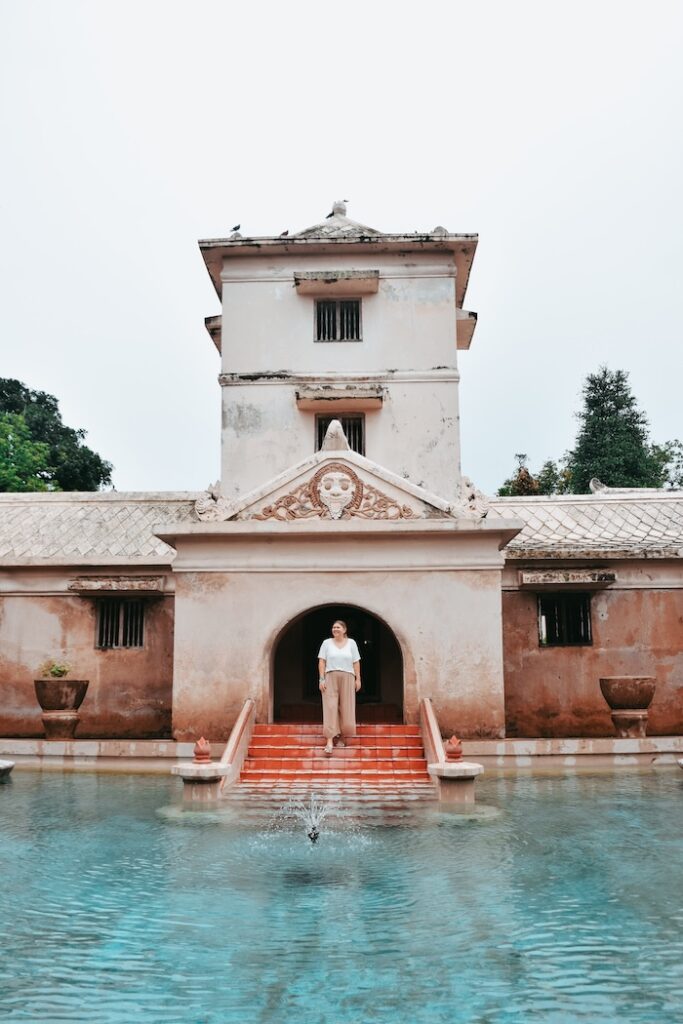
A Short Guide to Solo, Indonesia: Palaces, Street Food & Where We Stayed
How to Find the Abandoned Kurayoshi Railway Line
Kurayoshi Travel Guide: Old Town, Pears and Railway Ruins
Is China Difficult to Travel Independently? Our Honest Experience
LBSB World
  • Home
  • Destinations
    • Africa
      • Namibia
    • Asia
      • China
      • Indonesia
      • Japan
    • Europe
      • Albania
      • Bosnia-Herzegovina
      • Croatia
      • Montenegro
      • Netherlands
      • North Macedonia
      • Serbia
    • North America
      • Dominican Republic
  • Travel Itineraries
    • Our 9-Day Namibia Tour with Chameleon Safaris: An Honest Review
    • Our 2 Week Albania Itinerary
    • Bosnia and Herzegovina Itinerary: Our 1 Month Route by Bus
    • Namibia Self Drive: Everything We Learned Driving a 4×4 Across Namibia
    • Our 3-Month Balkans Itinerary: 93 Days by Bus Through Southeast Europe
    • 23 Day Japan Slow Travel Itinerary by Train
    • North Sumatra Itinerary: Bukit Lawang, Berastagi & Lake Toba
  • Plan Your Trip
    • How to Deal with Travel Burnout (And Start Enjoying Travel Again)
    • Sam’s Fulltime Travel Packing List
    • Using Trusted House Sitters to Support Your Travels
    • Trusted House Sitters Promo Code: Save on Your Membership
  • About Us
    • About Sam & Livia
    • The Story Behind Our Full-Time Travel Life
    • abearcalledpaddington
Category:

Asia

China

How to Visit the Chengdu Panda Base: Tickets, Tips & Our Experience

by Sam June 24, 2026
written by Sam

Visiting the giant pandas at Chengdu Research Base of Giant Panda Breeding was one of the main reasons we wanted to visit China, so we wanted to plan it properly. If you’re wondering how to visit Chengdu Panda Base independently, it helps to know how tickets work, when to go, how to get there and what to expect once you arrive. We visited during our time in Chengdu, and while it was busy, seeing giant pandas in China was absolutely worth it.

When China introduced visa-free entry for our passports, we finally had the chance to make the trip happen. We only had 10 days in the country, so every stop had to count. After flying into Chengdu from Bangkok, there was one attraction at the very top of our China bucket list: the giant pandas.

And honestly, they didn’t disappoint.

There’s something about pandas that is impossible not to love. They’re goofy, clumsy, surprisingly expressive and seem permanently confused by their own existence. Seeing them up close for the first time was one of the highlights of our entire China trip.

One thing we quickly learned: pandas spend a lot of time eating

One thing we quickly learned: pandas spend a lot of time eating

What surprised us most wasn’t the pandas themselves. It was the sheer number of people visiting the Chengdu Research Base of Giant Panda Breeding. The queues to enter were long, the weather was hot and some of the most famous pandas attracted crowds far bigger than we expected.

Fortunately, there are ways to avoid the worst of the crowds and still have a fantastic experience.
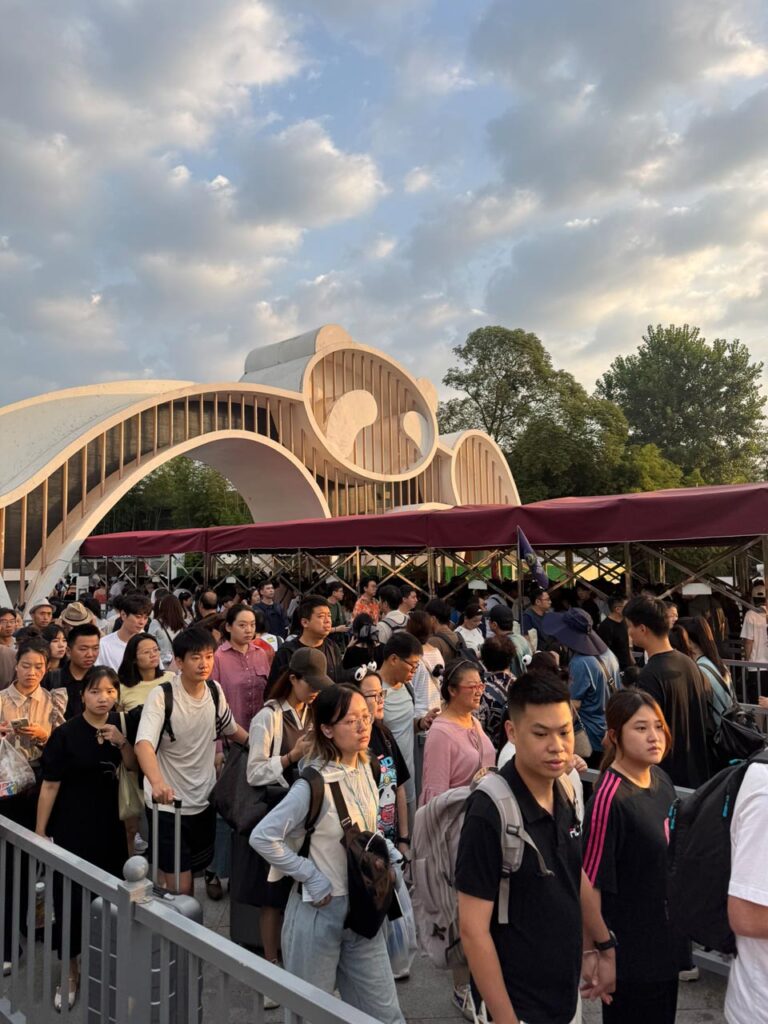
The crowds outside the Chengdu Research Base of Giant Panda Breeding surprised us. Arriving before opening time is one of the best ways to beat the queues

The crowds outside the Chengdu Research Base of Giant Panda Breeding surprised us. Arriving before opening time is one of the best ways to beat the queues

Quick Verdict: Is the Chengdu Panda Base Worth Visiting?

Yes. Absolutely.

Chengdu is panda crazy. During our stay it felt like every second shop, billboard, souvenir stand and tourist brochure featured a panda somewhere. The giant panda is the symbol of Chengdu and visiting the Chengdu Research Base of Giant Panda Breeding is one of the most popular things to do in the city.

Unlike many famous attractions around the world, we didn’t leave feeling disappointed.

The enclosures were larger and more natural than we expected, we saw plenty of active pandas and watching the red pandas turned out to be one of the highlights of our visit.

Our biggest piece of advice is simple: arrive early.

By late morning the temperatures had increased significantly, many of the pandas had retreated indoors and the crowds were noticeably larger. Getting there before opening time made a huge difference to our experience.

How to Buy Tickets for the Chengdu Panda Base

We bought our tickets through Trip.com the day before our visit and had no problems at all.

For most international visitors, we think Trip.com is the easiest way to book tickets for the Chengdu Research Base of Giant Panda Breeding. The website and app are available in English, accept international payment methods and make the whole process very straightforward.

When booking your ticket, you’ll need to enter your passport details. Don’t worry about printing anything afterwards. Your passport effectively becomes your ticket.
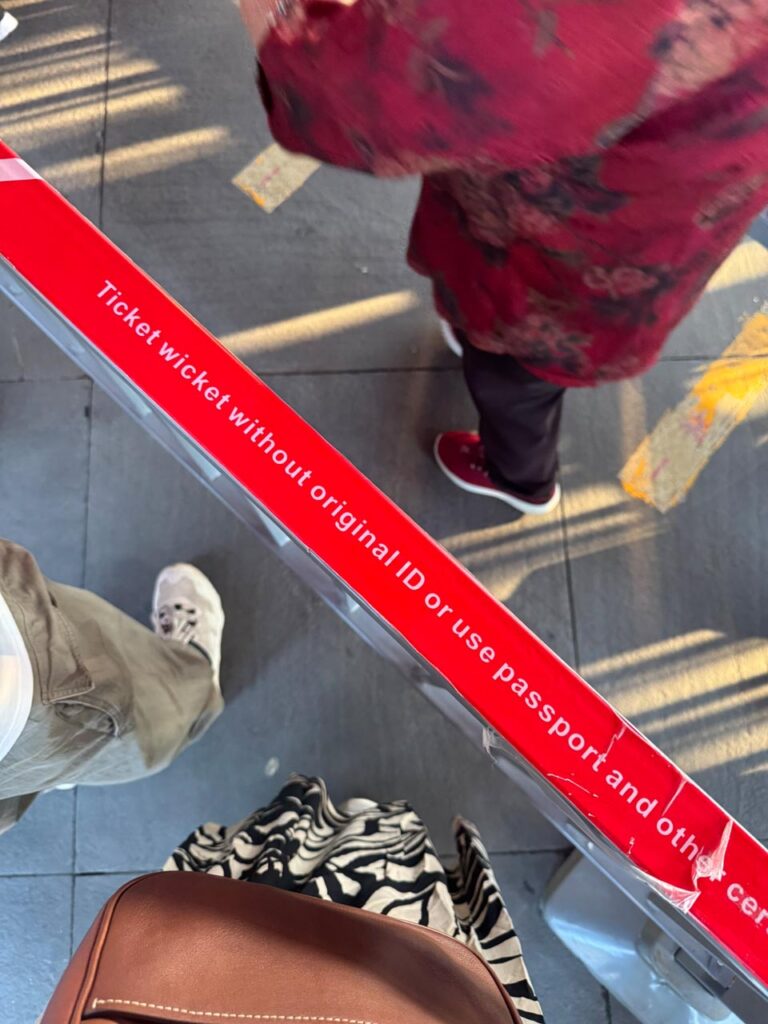
Your passport is your ticket. Once you've booked online, simply scan the passport used for the reservation at the entrance.

Your passport is your ticket. Once you’ve booked online, simply scan the passport used for the reservation at the entrance.

When we arrived at the panda base, we simply scanned our passports at the entrance and walked straight in.

👉 Book Chengdu Panda Base tickets on Trip.com here

If you’re travelling independently in China, we would strongly recommend downloading Trip.com before you arrive. We used it for attraction tickets, train bookings and general travel planning throughout our trip.

💡TOP TIP:

Bring the same passport you used when booking your ticket. You’ll need it to enter the Chengdu Research Base of Giant Panda Breeding.

Opening Hours

Opening hours vary depending on the season:

  • March to October: 7:30am to 6:00pm
  • November to February: 8:00am to 5:30pm

While those are the official opening times, our advice is to arrive at least 30 to 60 minutes before the gates open.

It might seem excessive, but you’ll quickly understand why once you see the queues.

Essential Apps for Visiting the Chengdu Panda Base

If this is your first time visiting China, we strongly recommend setting up a few key apps before you arrive.

We booked our panda tickets through Trip.com, ordered taxis using WeChat and used Alipay for payments throughout our trip. Having these apps installed before landing in China made travelling around Chengdu much easier.

If you’re planning a trip to China, make sure to read our guide:

Best Apps for Visiting China in 2026
https://lbsbworld.com/best-apps-for-visiting-china-2026-guide/

It covers everything you need to know about payments, transport, bookings and navigating China as a foreign visitor.

Our Top Tips for Visiting the Chengdu Panda Base

Arrive Before Opening Time

This is by far the most important tip.

The pandas are most active during the cooler morning hours, particularly around feeding time. Arriving early means you’ll see more active pandas and avoid some of the worst crowds.

Enter Through the South Gate

We entered through the South Gate and headed straight towards the Panda Villa area.

This seemed to work well and allowed us to get ahead of many visitors heading towards the most famous enclosures.

Don’t Feel Like You Have to Queue for Hua Hua

Hua Hua is currently one of the most famous giant pandas in China.

When we visited, the queue was already enormous shortly after opening. We decided not to join it and instead spent our time exploring the quieter enclosures.

Honestly, we don’t regret that decision at all.

There are plenty of pandas throughout the park and we were able to enjoy our visit without spending a huge chunk of the morning standing in line.
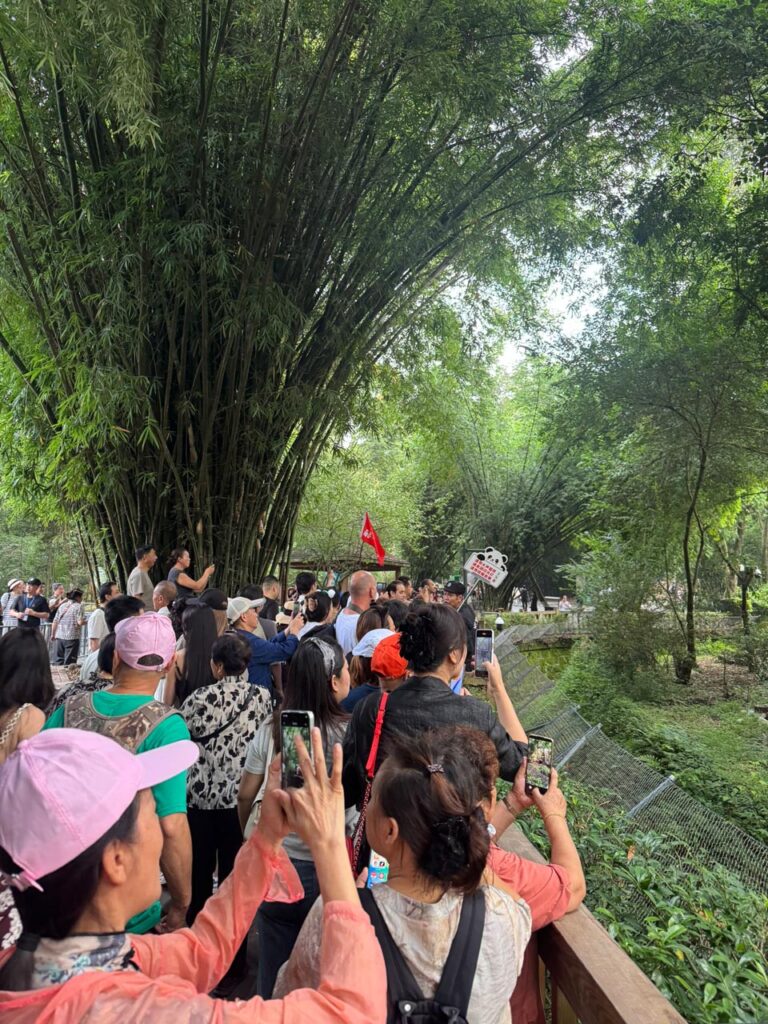
Crowds gathered around most of the  panda enclosures, Hua Hua has her own building. We found it much more enjoyable to explore the quieter enclosures instead.

Crowds gathered around most of the panda enclosures, Hua Hua has her own building. We found it much more enjoyable to explore the quieter enclosures instead.

Bring Water and Wear Comfortable Shoes

The panda base is much larger than it looks on a map.

There is a surprising amount of walking involved and by 11am we were definitely feeling it. Comfortable shoes and plenty of water will make the experience much more enjoyable.

Our Experience Visiting the Chengdu Panda Base

We visited the Chengdu Research Base of Giant Panda Breeding on our second day in China.

The evening before, we booked our tickets and planned an early start. At around 6:30am we hailed a taxi using WeChat and headed towards the panda base.

Despite Chengdu being a huge city, the roads were surprisingly quiet at that time of day and the journey took around 30 minutes.

When we arrived, we were immediately surprised by the crowds.

Even before opening time, there were already long queues forming outside the entrance. Vendors lined the streets selling panda hats, panda ears and every other panda-themed souvenir you could imagine.

Once inside, we headed straight for the Panda Villa area.

The queue for Hua Hua was already huge, so we decided to skip it and focus on the less crowded enclosures instead.

For us, this turned out to be the right decision.

We watched pandas eating bamboo, climbing trees, rolling around and generally behaving exactly how you’d expect a panda to behave. Slightly clumsy, completely unbothered and endlessly entertaining.

One of the highlights was seeing the red pandas being fed.

The enclosures themselves were much larger and more natural than we expected. In many places only a low wall separated visitors from the pandas, making it easy to get a good view.

By around 11am, the heat was beginning to build and many of the pandas had retreated indoors. Combined with the amount of walking involved, it felt like the perfect time to leave.

Looking back, arriving early was easily the best decision we made.
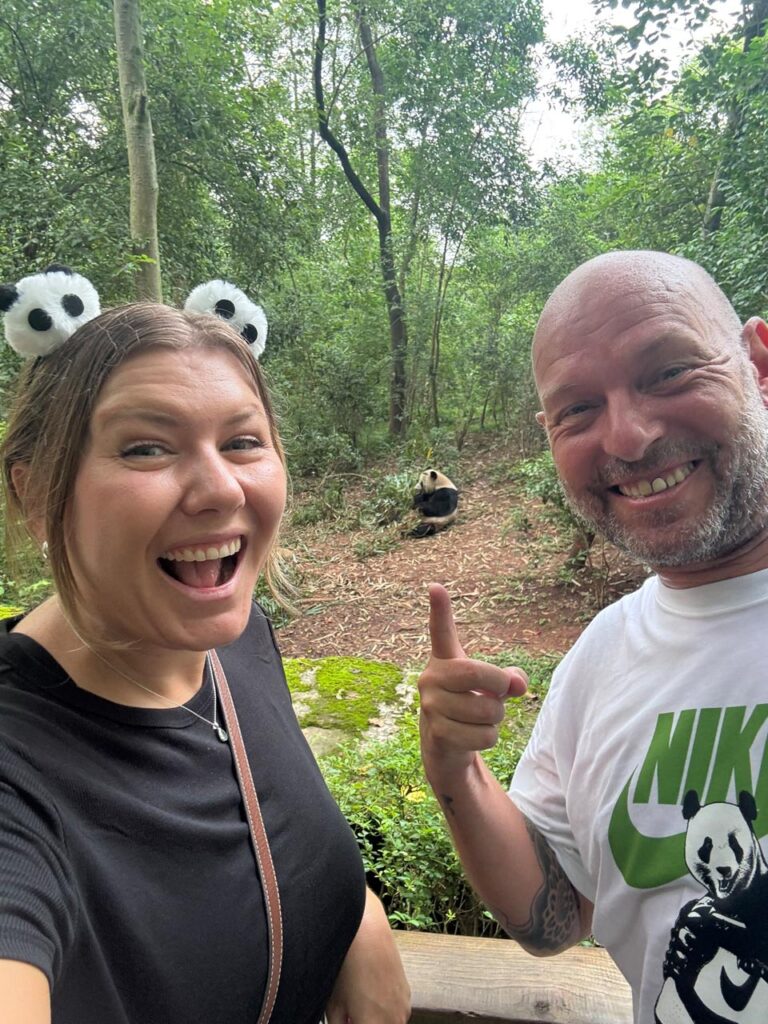
A China bucket-list moment. Visiting the pandas was one of the main reasons we wanted to come to Chengdu

A China bucket-list moment. Visiting the pandas was one of the main reasons we wanted to come to Chengdu

Why Are the Pandas in Chengdu?

The giant panda is native to Sichuan Province, making Chengdu one of the most important places in the world for panda conservation.

The Chengdu Research Base of Giant Panda Breeding was established to help protect and breed giant pandas and has become one of the leading panda conservation centres in the world.

Today, visitors can see giant pandas and red pandas while also supporting important conservation and research programmes.

Can You See Red Pandas in Chengdu?

Yes.

In fact, the red pandas were one of the highlights of our visit.

While most visitors focus on the giant pandas, the red pandas are often more active and playful. We spent far longer watching them than we expected and would strongly recommend making time to visit their enclosure.


The red pandas ended up being one of the highlights of our visit. They were far more active than many of the giant pandas and seemed to have endless energy.

The red pandas ended up being one of the highlights of our visit. They were far more active than many of the giant pandas and seemed to have endless energy.

Is the Chengdu Panda Base Ethical?

From our observations, yes.

The Chengdu Research Base of Giant Panda Breeding is first and foremost a conservation and breeding facility rather than a traditional zoo.

The enclosures were spacious, heavily vegetated and designed to resemble the pandas’ natural environment. The pandas appeared relaxed and had plenty of space to retreat from visitors when they wanted to.

While everyone will have their own views on wildlife attractions, we felt comfortable visiting and were encouraged by the centre’s focus on conservation.

Final Thoughts

Visiting the Chengdu Research Base of Giant Panda Breeding was one of the highlights of our time in China.

If you’re visiting Chengdu, we think it’s an essential stop.

Arrive early, don’t stress about seeing every famous panda, make time for the red pandas and wear comfortable shoes.

Most importantly, enjoy it.

After all, there aren’t many places in the world where you can spend a morning watching giant pandas casually munch bamboo while looking completely unconcerned about the thousands of people who have travelled across the world to see them.
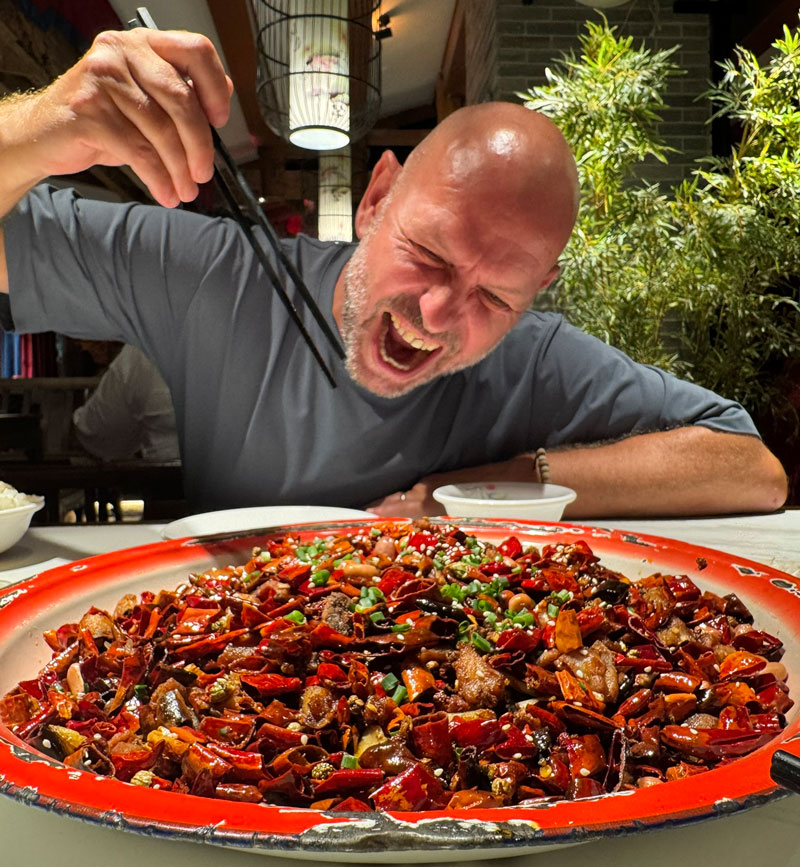
Save the pins

June 24, 2026 0 comments
FacebookTwitterPinterestLinkedinRedditStumbleuponWhatsappTelegramThreadsOpenAIChatGPTEmail
China

Best Apps for Visiting China (2026 Guide)

by Sam June 12, 2026
written by Sam

Traveling in China as a tourist

Before our first trip to China, we spent far too much time reading articles about apps.

Some made it sound like traveling around China would be impossible without downloading twenty different apps, setting up a VPN, opening a Chinese bank account and obtaining a degree in computer science.

The reality was much simpler.

China turned out to be one of the easiest countries we’ve travelled around, but it does work differently from most places. Google services aren’t widely supported, cash is becoming increasingly rare (we never used or even saw cash at all during our stay) and nearly all everyday tasks are handled through local apps.

The good news is that if you install a handful of apps before you arrive, you’ll be absolutely fine.

These are the apps we found most useful during our travels through China.

Get an eSIM Before You Arrive

Before we even talk about apps, let’s talk about internet access.

Our biggest piece of advice is to sort out your mobile data plan before you land in China.

Livia used an eSIM purchased from Trip.com and had very few issues throughout our trip. Alternatively, if you’re coming from a country with affordable roaming charges, that can work just as well. Sam used his AIS physical SIMcard from Thailand (with roaming) and found it very reliable.

One major advantage of using a foreign SIM or eSIM is that many international services continue to work normally. Throughout our trip we could still access Gmail, Google Search, WhatsApp, Instagram and Facebook using mobile data.

The only real problem came when connecting to hotel WiFi, where access to some services became much less reliable, even impossible.

If you rely heavily on Google services, having your own mobile data can make life much easier, ut backing up photos on wifi probably won’t be possible

Android vs iPhone in China

One thing that genuinely surprised us was how different the experience was between Android and iPhone.

Livia used an iPhone and had very few problems. Apple Maps worked well, her photo library continued syncing normally and most of her everyday apps behaved exactly as expected.

Sam’s Android phone was a different story.

Because Android relies heavily on Google’s ecosystem, many built-in services struggled. Google Maps wasn’t particularly reliable, Google Photos didn’t sync at all, Google Docs and Google Calendar were inconsistent and uploading photos became frustrating if not impossible.

Oddly enough, Gmail continued to work perfectly well using my physical Thailand AIS SIMcard.

This isn’t really a China problem. It’s more of a Google problem. Once we started using local apps such as WeChat, Alipay, DiDi and Amap, everything became much easier.
That said, if you’re deeply invested in Google’s ecosystem, expect a few more headaches on Android than you would on an iPhone.

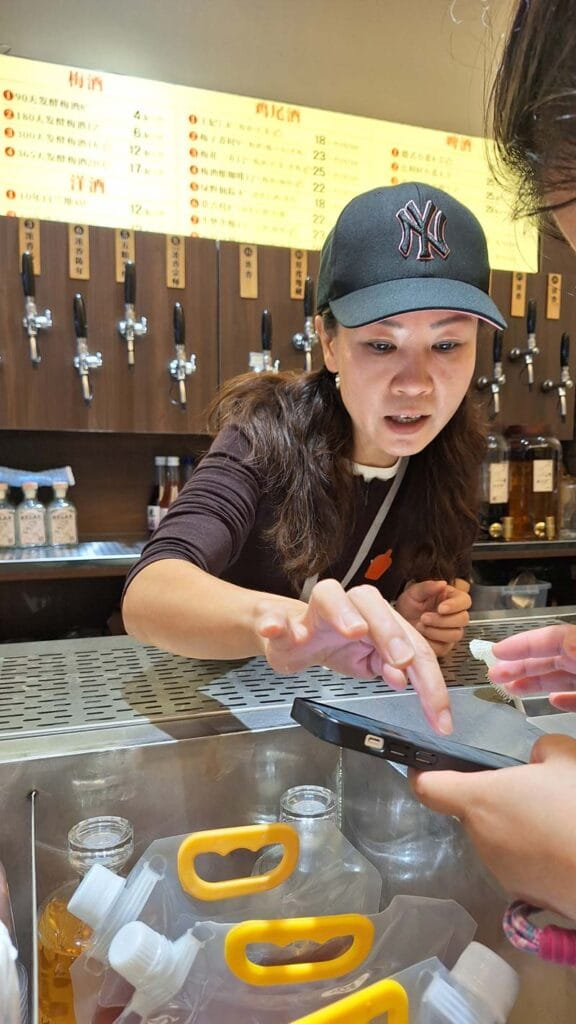
Most stores are happy to help you order and pay through your app if you need help.

Most stores are happy to help you order and pay through your app if you need help.

WeChat and Alipay: The Two Apps You Need

If there’s one thing you should do before arriving in China, it’s setting up WeChat and Alipay.

China is almost entirely cashless.

We arrived in China without any cash, only the apps listed here with our temporary virtual creditcards loaded (more about that later) almost everyone preferred QR code payments.

  • Street food vendors.
  • Coffee shops.
  • Train stations.
  • Restaurants.
  • Convenience stores.
  • Even tiny market stalls.

Everyone seemed to accept WeChat Pay or Alipay.

Alipay

Of the two apps, we found Alipay significantly easier to set up.

Within a few minutes we had linked our card and were ready to start making payments.

Most shops display an Alipay QR code at the checkout. Simply scan the code, confirm the amount and pay.

Easy.

🤖 ALIPAY ANDROID🍏 ALIPAY IOS
Alipay Apps

WeChat

WeChat took a bit more effort.

The setup process felt less intuitive and we encountered a few more verification steps before everything was working properly.

However, once it was set up, it quickly became one of our most-used apps in China.

The biggest advantage wasn’t actually the payments.

It was everything else.

WeChat includes mini-apps, transportation services, messaging features and, most importantly for travellers, built-in translation tools.

We regularly used the translation functions for menus, signs and conversations. It became one of those apps we found ourselves opening multiple times every day.

🤖 WECHAT ANDROID🍏 WECHAT IOS
WeChat Apps
Meeting up with friends is a breeze with WeChat

Which One Should You Use?

Our recommendation is simple.

Set up both.

Alipay was easier to get started with, while WeChat offered more useful features once we were traveling around the country.

Together they handled virtually every payment we made during our trip.

Amap: (Forget about Google Maps)

Before arriving in China, Sam assumed we’d simply use Google Maps, that lasted about five minutes.

While Google Maps occasionally worked, we found locations inaccurate and directions unreliable.

Instead, download Amap (Gaode Maps).

This is what most locals use, and it provides excellent navigation, public transport information, walking directions and business listings.

Once we switched to Amap, getting around became dramatically easier.

🤖 Amap ANDROID🍏 Amap IOS
Amap Apps

Apple Maps

If you’re traveling with an iPhone, Apple Maps was also surprisingly good.

Livia used it regularly throughout the trip and often preferred it over Amap for everyday navigation.

Either option is significantly better than relying on Google Maps.

DiDi: China’s Version of Uber

One of our biggest concerns before visiting China was transport.

How were we supposed to explain where we wanted to go if we didn’t speak Mandarin?

As it turns out, we didn’t need to, DiDi completely solved the problem.

Think of it as China’s version of Uber.

The easiest way to use it is through WeChat Mini App, which means there’s no need to download another app.

Simply enter your destination, choose your vehicle and confirm the booking.

That’s it.

Instead of trying to communicate addresses or directions, everything is handled through the app.

In many ways, we actually found DiDi easier to use than Uber.

Can You Use Uber in China?

No, Uber does not operate in mainland China in the same way it does in many other countries. The app you want instead is DiDi, which is China’s main ride-hailing service and works very much like Uber. We used DiDi through WeChat and Alipay, which meant we could book rides without needing to speak Mandarin or explain addresses to drivers.

And I’d slightly improve the opening line of the post so it hits the search intent faster:

Before our first trip to China, we spent far too much time trying to work out which apps we actually needed. Could we use Uber in China? Would Google Maps work? Did we need WeChat, Alipay, a VPN, Amap, Trip.com, or all of them?

Taxis in China are so luxurious

Taxis in China are so luxurious

🤖 DiDi ANDROID🍏 DiDi IOS
DiDi Apps

Trip.com for Trains, Hotels and Experiences

China’s high-speed rail network is incredible. It’s also enormous.

For booking train tickets, we found Trip.com to be by far the easiest platform available in English. We used it throughout our trip to book trains between cities and found it reliable, straightforward and much easier to navigate than trying to use local booking systems.

We also booked most of our accommodation through Trip.com. Because the platform originated in China, it often has a much wider selection of hotels than international booking websites. We consistently found more options, better prices and occasionally a few extra perks that weren’t available elsewhere.

What surprised us most was how useful Trip.com became for booking attractions and experiences as well. We used it to book our visit to the Chengdu Research Base of Giant Panda Breeding, which saved us the hassle of navigating Chinese-language booking systems. Throughout China, many attractions, day tours and activities can be booked directly through the app, often with English descriptions and straightforward payment options.

If you’re travelling independently through China, Trip.com is one of the most useful apps you can install. By the end of our trip, we were using it for trains, hotels and experiences almost daily.

🤖 Trip ANDROID🍏 Trip IOS
Trip (CHINA) Apps
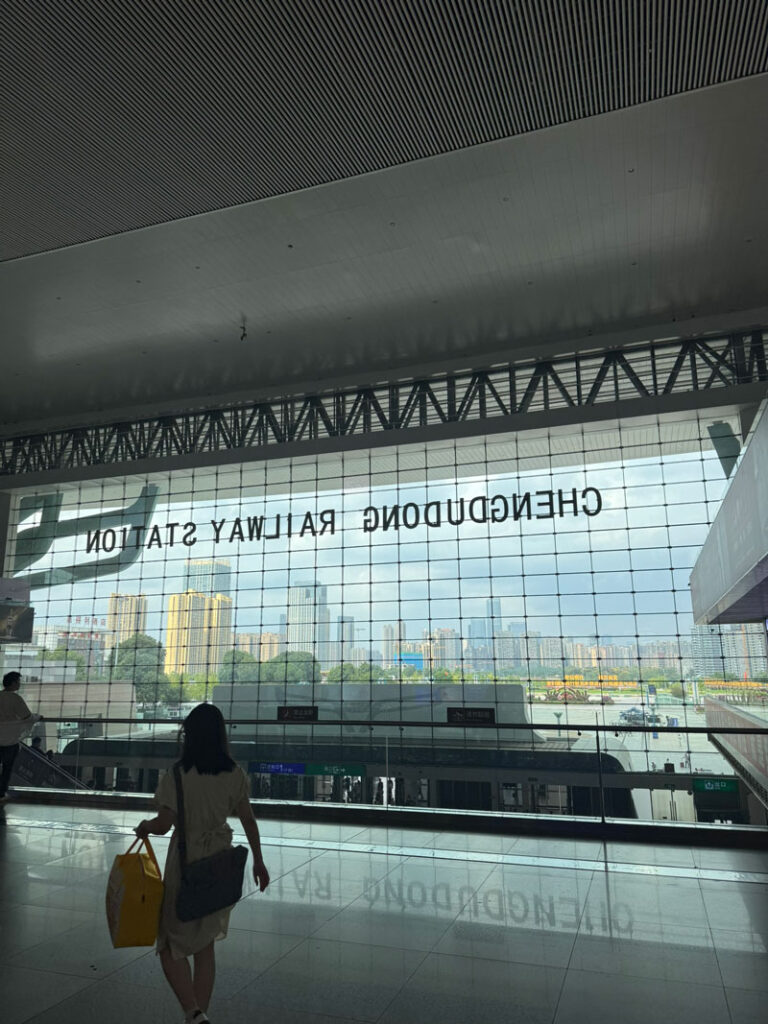
Chengdu Railway Station
Chongqing Sky Hotel

Booking trains and hotels become so easy

Do You Need a VPN in China?

Maybe, but most likely not.

Using our Livia’s eSIM, and Sam’s foreign Physical Thailand SIMcard we were able to access our email, all apple apps, some google apps and most international services without needing a VPN.

If you’re planning to rely heavily on hotel WiFi, just forget about it, VPN or not , you won’t be able to connect.

If you followed this guide, you will be using mobile data through a foreign SIM or eSIM, so you will find you rarely need one.

The Biggest Surprise About Visiting China

The biggest surprise wasn’t WeChat. It wasn’t Alipay. And it certainly wasn’t the high-speed trains.

It was how quickly everything became normal.

Before arriving, QR code payments, local apps and digital wallets all sounded slightly intimidating.

Within two or three days, however, they had become second nature.

By the end of the trip we were paying for meals, booking taxis, buying train tickets and navigating cities almost entirely through our phones.

In fact, returning home and pulling out a physical bank card again felt strangely old-fashioned.

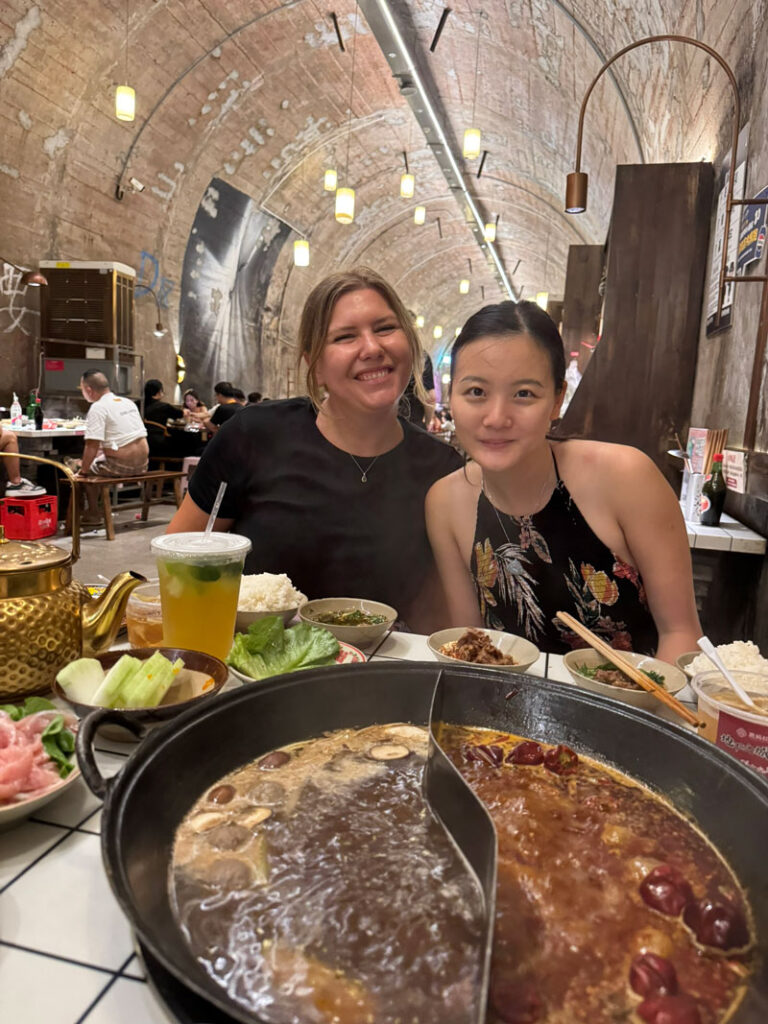
Bomb shelter hotpot in Chongqing

Bomb shelter hotpot in Chongqing (spot the Beijing bikini in the backgound)

Final Tips Before You Fly

Get a virtual CreditCard

We strongly suggest using a virtual Creditcard that you can delete after you visit to China. We use Wise and the app allows creation of unlimited virtual cards you can assign to different services. There’s no need to carry your wallet, and less risk of your card being compromised. Your virtual card has different details to your physical card, and can be frozen after each purchase. That means it’s a safe, smart and simple way to spend no matter where in the world you are.

Do it before you arrive

Before boarding your flight to China, make sure you’ve:

  • Installed WeChat
  • Installed Alipay
  • Linked your virtual payment cards
  • Downloaded Amap
  • Installed Trip.com
  • Purchased and activated your eSIM
  • Tested everything before departure

Trust us, doing this at home is much easier than trying to figure it out after a long-haul flight.

Once you’ve got these apps sorted, traveling around China becomes incredibly straightforward. We arrived expecting a steep learning curve and left wondering what all the fuss was about.

Livia is always happy shopping!

Livia is always happy shopping!

More China guides

If you’re planning a wider China trip, you may also find our other China guides useful. We’ve written a full Chengdu travel guide covering where we stayed, what we ate and why Chengdu felt like such an easy introduction to China, along with a separate guide on how to visit the Chengdu Panda Base if seeing giant pandas is high on your list. We’ve also shared a detailed Chongqing travel guide with our favourite viewpoints, hot pot experiences, transport tips and honest thoughts on visiting China’s extraordinary mountain city. Finally, if you’re heading east, our Shanghai Travel Guide covers the best things to do, where to stay, where to eat and why we think Shanghai makes an excellent starting point for a first trip to China.

June 12, 2026 0 comments
FacebookTwitterPinterestLinkedinRedditStumbleuponWhatsappTelegramThreadsOpenAIChatGPTEmail
Indonesia

Best Satay in Yogyakarta: Where to Eat Sate in Jogja

by Sam February 28, 2023
written by Sam

Latest update: June 2026

Yogyakarta, also know as Jogja, was one of our favourite food destinations in Indonesia. From street food stalls to family-run restaurants, we ate incredibly well during our time in the city.

One dish we kept coming back to was satay (or sate), grilled skewers of meat cooked over charcoal and served with a variety of sauces and seasonings. If you’re looking for the best satay in Yogyakarta, these are the places we would recommend.

Ingredients used in Yogyakarta’s Satay

In Yogyakarta you’ll find satay made from chicken, beef, goat and lamb. Many restaurants brush the meat with kecap manis, Indonesia’s sweet soy sauce, while it cooks over charcoal, giving it a slightly smoky and caramelised flavour.

Best Places to Enjoy Satay in Yogyakarta

There are many places to enjoy satay in Yogyakarta, but some of the best places include:

1. Warung Sop & Sate Sapi Pak Bayu

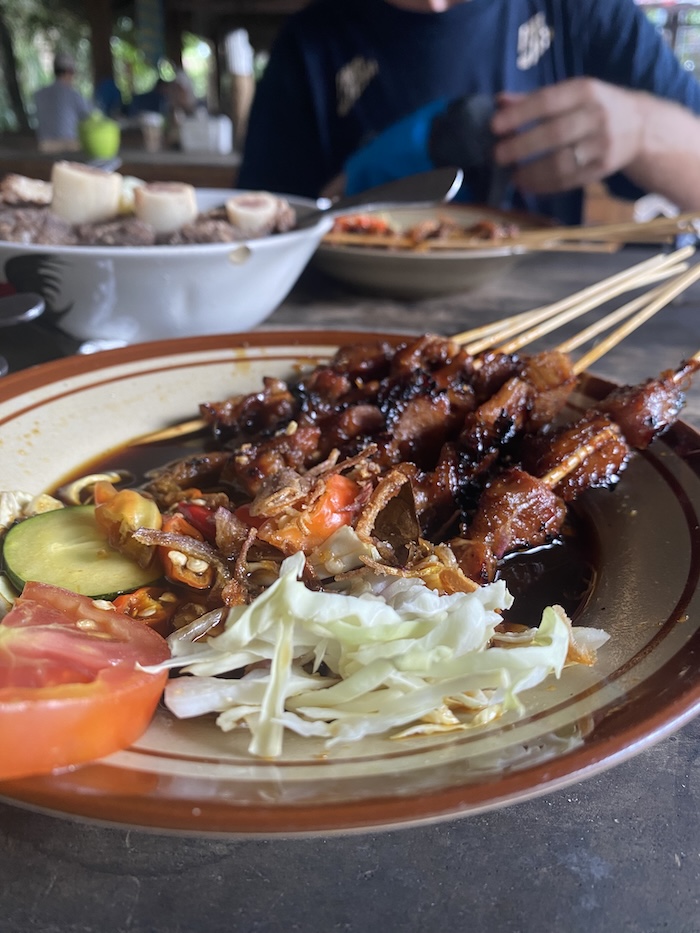
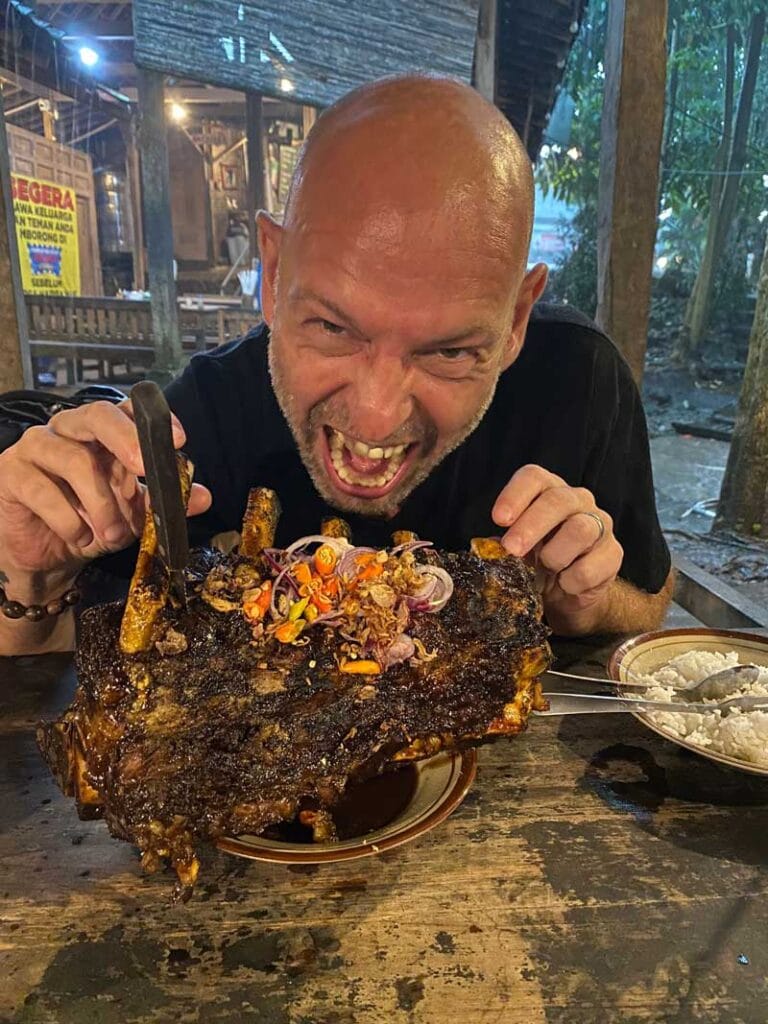
Warung Sop & Sate Sapi Pak Bayu was our favourite satay restaurant in Yogyakarta and the one we’d return to without hesitation. Located around 30 minutes north of the city in the Sinduharjo area, it is best known for its excellent beef satay and a huge dish they call the “Dinosaur Ribs”.

Everything is cooked over charcoal and served with a rich sauce made from the meat juices and kecap manis. The food is fantastic, the service is quick and friendly, and the atmosphere feels genuinely local. It’s well worth the short taxi ride from the city centre.

2. Satay Klathak Pak Pong

Satay Klathak Pak Pong serves various types of satay, including chicken, beef, goat, and lamb. The meat is grilled over charcoal and served with a special sauce made from coconut milk, lemongrass, and other herbs and spices. The restaurant is located in the Klathak area, about 30 minutes south from the city center.

3. Ayam Goreng Jawa Mbah Cemplung

Ayam Goreng Jawa Mbah Cemplung is located in the Prawirotaman area, this restaurant is known for its delicious chicken and goat satay. The meat is marinated in a special blend of spices and grilled over charcoal. The peanut sauce served with the satay is made from roasted peanuts, chili, and other spices, giving it a rich and savory flavor.

4. Sate Kambing Sari Cempe Neng Lia

Sate Kambing Sari Cempe Neng Lia is famous for its lamb satay, which is grilled to perfection and served with a spicy sauce made from peanuts and chili. The restaurant is located in the Tegalrejo area, not far from the city center.

Tips for Eating Satay in Yogyakarta

One thing we quickly learned in Yogyakarta is that no two satay restaurants are exactly the same. Some specialise in beef, others in goat or chicken, and the sauces can vary just as much as the meat. If you’re a fan of grilled food, don’t stop at just one restaurant.

Many of the best satay places are local restaurants rather than tourist attractions, so carrying some cash is a good idea. We also found that satay is often best enjoyed in the evening, when the charcoal grills are firing and the restaurants are full of local families and groups of friends.

Final thoughts

In our opinion, the best satay in Yogyakarta has to be Pak Bayu, not just because of the quality of the food, but also the traditional atmosphere and friendly staff.

That said, Yogyakarta has no shortage of excellent places to eat satay, whether you prefer chicken, beef, goat or lamb. If you’re visiting the city, trying satay should be high on your food list, and hopefully this guide helps you find a new favourite.

If you want to read more about food in Yogyakarta see our previous post ‘Where to eat in Yogyakarta‘

February 28, 2023 0 comments
FacebookTwitterPinterestLinkedinRedditStumbleuponWhatsappTelegramThreadsOpenAIChatGPTEmail
Indonesia

6 Traditional Indonesian Dishes You Must Try

by Livia July 20, 2018
written by Livia

Trying to narrow Indonesia’s incredible food scene down to just a few dishes is almost impossible. Most of our favourites happen to be Javanese dishes, which makes sense as we’ve spent most of our time exploring Yogyakarta and Jakarta specifically. Many of our friends live there, and despite several visits, we still feel like we’ve only scratched the surface of what the island has to offer.

Indonesia is one of our favourite countries for food. Every region has its own specialities and local flavours. Whenever we visit a new part of the country, our Indonesian friends always have a list of dishes we need to try. Food is an important part of Indonesian culture, and you’ll never have to go hungry.

Between the two of us, these are the six Indonesian foods we keep coming back to.

1. Bakso

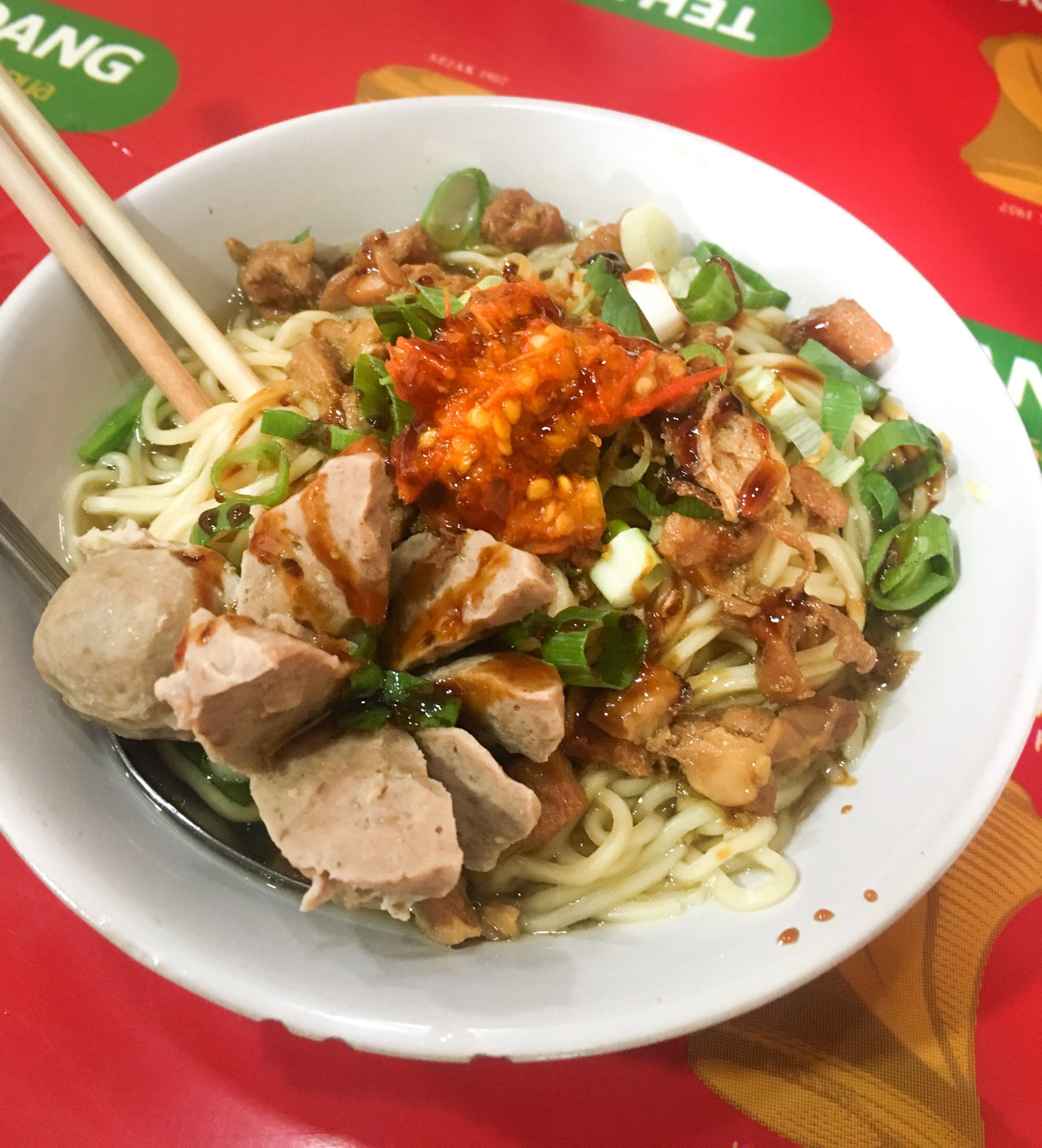
We both absolutely love this simple noodle soup with meatballs. It’s probably our favourite Indonesian dish.

The best bakso is usually found at small street stalls rather than restaurants. We’ve only had it in a restaurant once, and it wasn’t nearly as good. Bakso is especially popular in Central Java, and some of the best bowls we’ve had were around Yogyakarta.

My personal favourite bakso stall is in Mendut, a small town close to Borobudur that we visited while exploring Central Java.. The soup itself isn’t particularly spicy, but every stall will have sambal and kecap manis on the table so you can customise it to your taste. It’s cheap, filling and incredibly comforting.

Bakso-soup
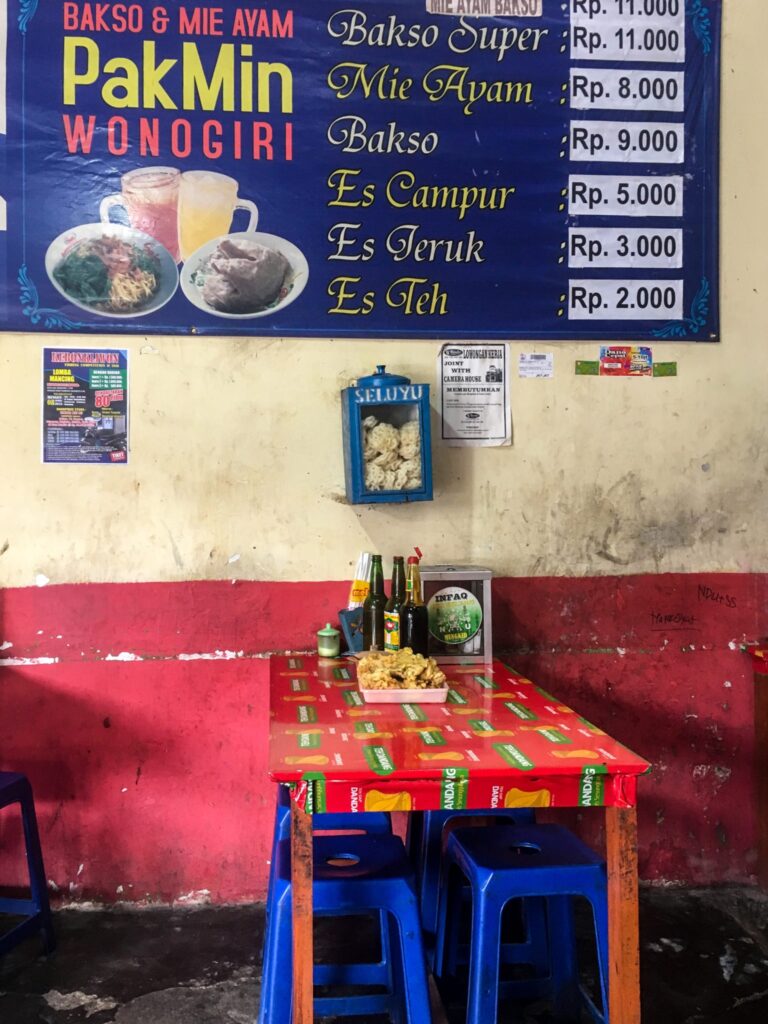
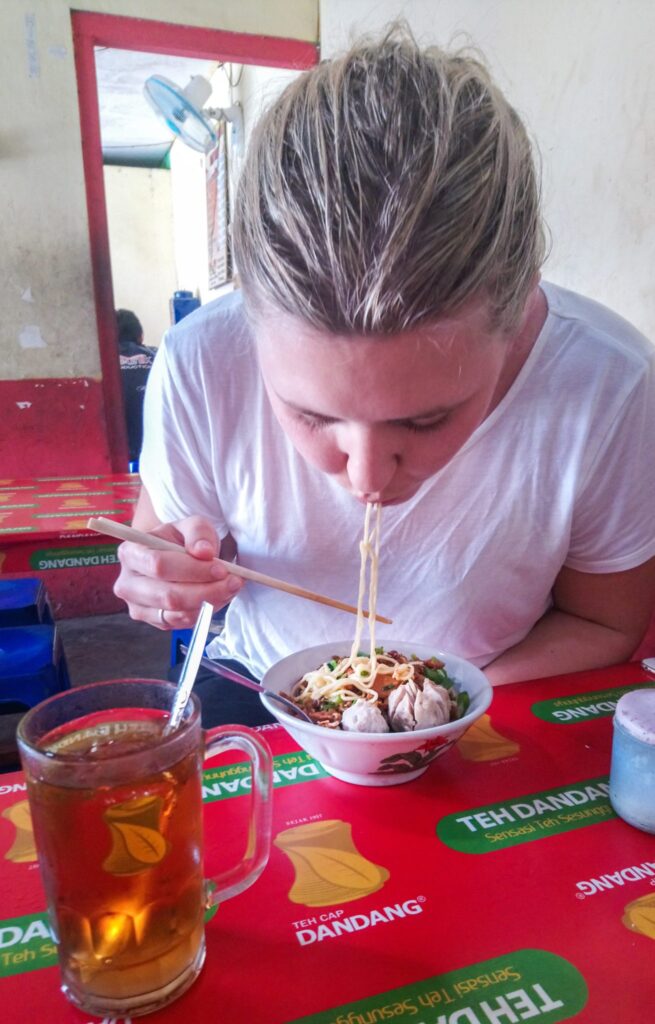
Bakso at it’s best at street stall Pak Min Wonogiri in Mendut.

2. Tongseng

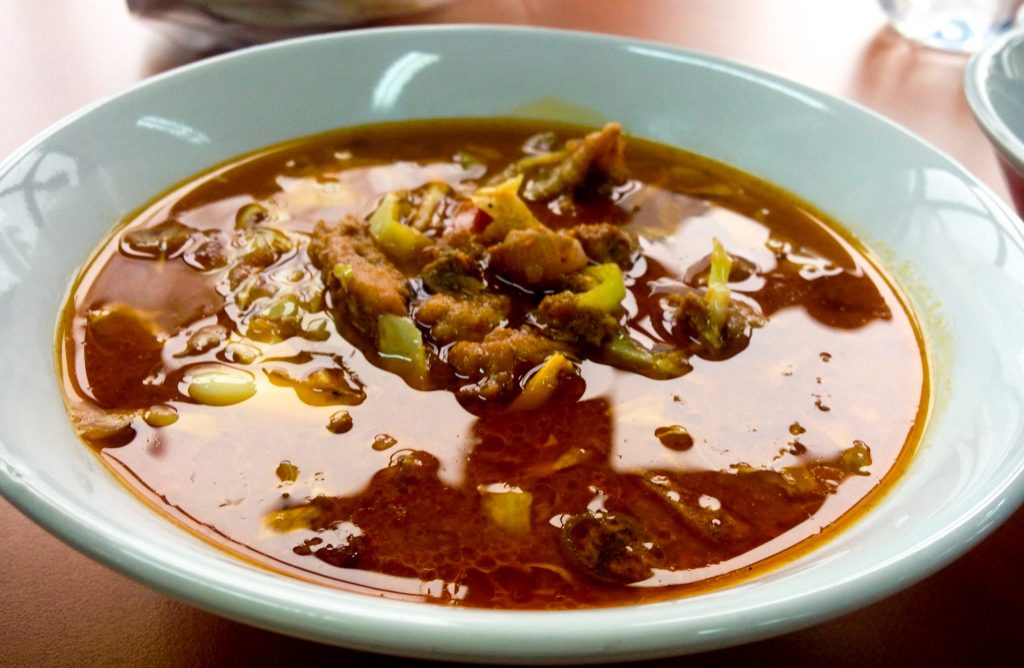
Tongseng has been a favourite of mine ever since my first trip to Indonesia. It was the first street food I tried from a small stall outside my office in Jakarta, and from that moment I was completely sold on Indonesian street food.

This rich and flavourful dish originates from Central Java, particularly around Solo. The broth is made with coconut milk and is traditionally cooked with goat or lamb, although many places also offer chicken. I always choose lamb, while Sam usually goes for chicken.

It’s often quite spicy and packed with flavour. Like bakso, the best tongseng is usually found at street stalls rather than restaurants.

My first even Tongseng

3. Ayam taliwang

Indonesia does chicken dishes exceptionally well, and Ayam Taliwang is one of Sam’s favourites.

Originally from Lombok, this grilled chicken dish is coated in a spicy chilli-based sauce that packs a serious kick. Unlike bakso and tongseng, Ayam Taliwang is more commonly found in restaurants and warungs rather than street stalls.

If you enjoy spicy food, this is one dish you shouldn’t miss.

Not a traditional Ayam Taliwang, but still really good!

4. Sate

You can’t travel around Indonesia without encountering sate stalls.

Depending on where you are in the country, the meat on offer will vary. In Bali and parts of eastern Indonesia you’ll often find pork, chicken or fish sate, while on Java you’ll commonly see chicken, beef and goat.

Sate is one of Indonesia’s ultimate street foods. It’s inexpensive, widely available and almost always delicious. Whether served with peanut sauce or sweet kecap manis, it’s a dish we never get tired of eating.

If you’re visiting Yogyakarta, we’ve also put together a guide to our favourite places to eat sate in the city.

5. Nasi uduk

Nasi Uduk isn’t really a dish on its own. Instead, it’s fragrant rice cooked with coconut milk and spices.

You’ll often see Nasi Uduk Komplit on menus, where the rice is served alongside chicken, tempeh, eggs and various side dishes. The dish originates from Jakarta but can now be found throughout Indonesia.

I’m a huge fan of rice in general, but Nasi Uduk is in a league of its own. The coconut flavour and aromatic spices make it one of my favourite Indonesian comfort foods.

6. Sambal

Sambal is the reason Indonesian food is never boring.

At its simplest, sambal is a chilli-based sauce, but there are countless regional variations throughout the country. Every city, island and family seems to have their own version.

One of my favourites is Sambal Colo-Colo from Maluku. It’s traditionally served with fish, but works just as well with chicken. We love trying different sambals whenever we travel around Indonesia, and honestly, we could probably write an entire article just about sambal.

Three different types of sambal at restaurant Bebek Bengil, in Jakarta.

Conclusion

Indonesia is one of our favourite countries in the world for food. Every region offers something different, and even after multiple trips we still discover new dishes and flavours.

If it’s your first visit, start with bakso, tongseng, sate and nasi uduk. Then follow the locals’ recommendations and be adventurous. Some of our best meals in Indonesia have come from random roadside stalls that never appeared in any guidebook.

July 20, 2018 0 comments
FacebookTwitterPinterestLinkedinRedditStumbleuponWhatsappTelegramThreadsOpenAIChatGPTEmail
Indonesia

What to Do in Borobudur: Hidden Gems Beyond the Temple

by Livia July 14, 2018
written by Livia

Latest update: June 2026

When most people think of Borobudur, they think of the famous temple. And for good reason. It’s one of Indonesia’s most impressive landmarks and well worth visiting, especially at sunrise. It’s also a place that holds special memories for us, as it’s where Sam proposed to me.

We’ve visited Borobudur three times now and, while the monument is undoubtedly the main attraction, it’s the surrounding villages, friendly locals and fantastic food that keep drawing us back.

Most visitors only stay long enough to watch the sunrise and explore the site before moving on. We did the same on our first visits, but after spending more time in the area, we’ve come to appreciate everything beyond Borobudur just as much.

Borobudur Temple at Sunrise

If you’re visiting Borobudur for the first time, we highly recommend doing a sunrise tour. Watching the sun rise over the mist-covered landscape of Central Java is a memorable experience and one of the reasons the temple has become so famous.

Yes, it can be busy, but we still think it’s worth it. The temple itself is magnificent, and the views across the surrounding countryside are beautiful.

One thing worth checking before your visit is whether visitors are currently allowed to climb the temple. During our three visits, we were able to go up onto the monument twice, as the rules have changed several times over the years.

If reaching the top is important to you, make sure to check the latest regulations before travelling. That said, we still think Borobudur is worth visiting even if access to the upper levels is restricted.

Explore the Villages Around Borobudur

One of our favourite things to do around Borobudur is simply wander through the villages surrounding the temple. The area is incredibly green, peaceful and full of friendly people.

Don’t be afraid to leave the main tourist areas behind and explore the small back roads. During our walks we stumbled across local festivals, small coffee shops and plenty of everyday village life. Even if you don’t share a language, a smile and a few words of Bahasa Indonesia go a long way.

For us, this is where the real charm of Borobudur lies.

Explore by Bicycle

Another great way to see the area is by bicycle. Many hotels and guesthouses offer rentals, making it easy to explore the countryside at your own pace.

Our only advice? Don’t do what we did and head out in the middle of the day. The Central Java sun is no joke, and I somehow managed to sunburn my hands for the first time in my life.

Visit Mendut Temple

While Borobudur gets most of the attention, don’t miss nearby Mendut Temple. Many visitors stop here on their way to or from Borobudur, but it’s worth taking the time to explore properly.

The temple itself is small, consisting of a single chamber, but inside you’ll find an impressive seated Buddha statue. The atmosphere is peaceful and it offers an interesting contrast to its much larger neighbour.

Inside Mendut temple

Where to Eat Like a Local

We had some of the best food we’ve ever eaten in Indonesia around Mendut, particularly Bakso and Tongseng. If you’re interested in Indonesian food, this area is worth visiting for the restaurants alone.

Bakso & Mie Ayam Pak Min Wonogiri

This small street-stall-style restaurant serves the best Bakso I’ve eaten in Indonesia so far. We ended up having lunch here almost every day during one of our stays.

A bowl costs very little, but the flavour is incredible. Don’t be put off by the simple interior. We ate here many times without any issues, and the staff were always friendly and welcoming despite speaking very little English.

Rumah Makan Sate Dan Tongseng Mbak Ning

Possibly the best Tongseng in the area.

This is another very local restaurant where the focus is entirely on the food. The sate is grilled to order, the portions are generous and the prices are extremely affordable.

Making Sate

Nak Djadi

Nak Djadi serves both Tongseng and Sate and is slightly more polished than some of the other local restaurants nearby.

The owner was incredibly friendly and came over to make sure we enjoyed our meal, which we definitely did. It may be slightly more expensive than some of the other options in the area, but by Western standards it is still very affordable.

How Long Should You Stay?

Most visitors stay for a single night, but we think Borobudur deserves at least two or three nights if your itinerary allows.

That gives you enough time to visit the temple, explore the surrounding villages, enjoy the local food and experience a slower side of Java that many travellers miss.

Where to Stay near Borobudur

There are plenty of accommodation options around Borobudur, ranging from simple guesthouses to luxury resorts and we’ve stayed in several different places around Borobudur over the years, ranging from simple resorts to luxury villas.

Manohara BCC

If your main goal is to visit the temple and catch the sunrise, then Manohara BCC is hard to beat. Located within the Borobudur complex itself, it offers unmatched convenience and is perfect for a short one-night stay focused on the temple.

Amata Borobudor Resort

For travellers looking for a comfortable mid-range option, we enjoyed our stay at Amata Borobudur Resort. It offers excellent value for money, friendly staff and a peaceful setting surrounded by nature. We stayed here for almost a week and loved our time at this small resort and it’s also close to all the restaurants we recommend here.

Plataran Heritage Borobudur

We’ve also stayed at Plataran Heritage Borobudur, a luxury hotel located a short distance from the temple. The property offers spacious rooms, beautiful views and excellent service. If you’re looking for a more upscale hotel experience, this is a fantastic choice.

Plataran Borobudur Villas

For something truly special, we stayed at Plataran Borobudur’s private villas. This was easily one of the most luxurious places we’ve stayed in Indonesia. The villas offer privacy, beautiful surroundings and exceptional service, making them perfect for a special occasion or a relaxing getaway. This is one of our favorite hotels we’ve ever stayed at.

The pool at Amata Resort Borobudur
Plataran Heritage Borobudor
Plataran private villa

Is Borobudur Worth More Than a Day Trip?

Borobudur may be famous for its temple, but for us the real magic lies in the surrounding countryside. The villages, local restaurants and warm hospitality are what keep bringing us back.

If you have the time, stay a little longer, wander beyond the main tourist areas and see a different side of Borobudur. You might find, like we did, that the area becomes one of your favourite places in Indonesia.

July 14, 2018 0 comments
FacebookTwitterPinterestLinkedinRedditStumbleuponWhatsappTelegramThreadsOpenAIChatGPTEmail
Indonesia

Where to Eat in Yogyakarta: Our Favourite Restaurants & Cafés

by Sam July 14, 2018
written by Sam

Latest update: June 2026

Yogyakarta has some of our favourite food in Indonesia. Over several visits we have eaten our way through both the busy streets of central Yogyakarta and the quieter villages north of the city towards Mount Merapi.

From traditional Javanese restaurants and roadside satay stalls to modern coffee shops overlooking rice fields, there is no shortage of great places to eat. Some of our favourite discoveries were found completely by accident, while others became regular stops that we returned to again and again.

In this guide you’ll find our favourite restaurants, cafés and local food spots in Yogyakarta, organised by area to help you decide where to eat whether you’re staying in the city centre or exploring the countryside around Merapi.

One local speciality you should definitely try is Gudeg. This traditional Yogyakarta dish is made from young jackfruit slowly cooked in coconut milk and palm sugar. The result is a unique sweet and savoury stew that is unlike anything else in Indonesia. You’ll find Gudeg restaurants throughout the city, and whether you love it or not, it’s an essential part of the Yogyakarta food experience.

Travel Tip: Never walk past a long queue at a street food stall without stopping to investigate. If it smells good, looks good and dozens of locals are waiting for a plate, there’s a good chance you’ve just found one of the best meals in town.

Central Yogyakarta

Most visitors spend the majority of their time in central Yogyakarta, and for good reason. The area around Malioboro, Prawirotaman and the city’s main attractions is packed with restaurants, cafés and street food stalls.

Waroeng SS

Waroeng SS became one of our first food discoveries in Yogyakarta and remains one of our favourites. There are a couple of locations around Yogyakarta.

The restaurant specialises in sambal, Indonesia’s famous chilli condiment, and offers an incredible variety of different versions. The menu follows the traditional Indonesian style of ordering multiple dishes to share, allowing you to sample a wide range of flavours.

If you enjoy spicy food, this is a must-visit.

Bakso Pak Teguh

Bakso is one of Indonesia’s most popular comfort foods, and Bakso Pak Teguh is a great place to try it. I don’t know how many times we went here during our stay at Adhisthana Hotel, it was just next door and such good food.

The menu focuses on meatball soups and other Indonesian favourites. It may not look fancy, but the food is delicious and the restaurant is usually filled with locals.

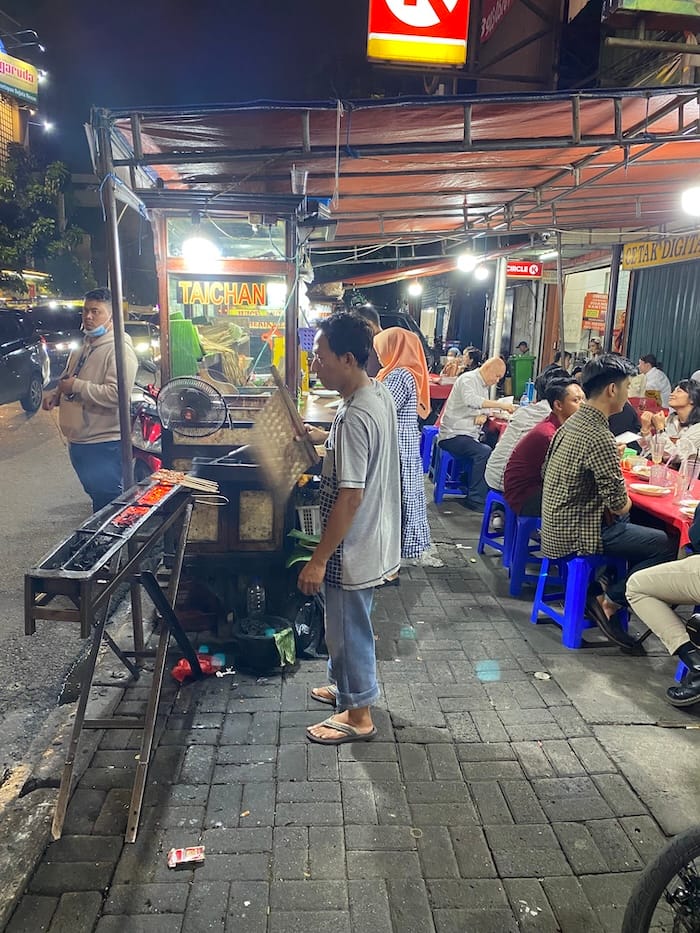
Sate Taichan Senayan Yogya

We discovered this place completely by accident after noticing a large crowd of locals gathered around a row of grills.

The menu is simple, focusing mainly on chicken satay served with a spicy sambal. The satay was excellent and easily some of the best chicken satay we have eaten in Indonesia.

For more satay tips read our guide on the best satay in Yogyakarta.

Warung Heru

Warung Heru, near Via Via is also a traveler’s favorite. Good Indonesian food but made for foreigners and not locals. Still a great choice in the area.

Via Via Jogja

Via Via is one of Yogyakarta’s best-known restaurants and has been popular with travellers for years. The menu combines Indonesian dishes with international favourites, making it a good option if you’re travelling with a group that can’t agree on what to eat.

The relaxed atmosphere and friendly staff make it a great place to spend an evening after a day of exploring the city.

Tuang Jaka Coffee

Near Taman Sari you find Tuang Jaka Coffee, a great spot for escaping the heat and enjoying a good cup of coffee while watching daily life pass by outside.

Indonesia produces some of the world’s best coffee and Yogyakarta has a thriving café scene. This was one of our favourite spots in the city centre.

Northern Yogyakarta & Mount Merapi Area

If we could only recommend one restaurant in Yogyakarta, this would probably be it.

Located north of the city, Warung Sop & Sate Sapi Pak Bayu serves some of the best satay we have eaten anywhere in Indonesia. The speciality here is beef satay, cooked over charcoal and served with a rich, flavourful sauce. They are also known for their giant beef ribs, sometimes nicknamed “Dinosaur Ribs” by visitors.

Despite being a little outside the city centre, the restaurant is popular with both locals and visitors. The service is quick, the prices are reasonable and everything we have tried here has been excellent.

If you’re planning a trip to Yogyakarta, this is one place we would happily go out of our way to visit.

For more information, read our full guide to the best satay in Yogyakarta.While central Yogyakarta has plenty of excellent restaurants, many of our favourite food experiences happened north of the city towards Mount Merapi.

We stayed in this area for almost a month and absolutely fell in love with it. The atmosphere here is completely different. Rice fields replace busy streets, temperatures are slightly cooler and meals often come with views of the surrounding countryside.

Warung Sop & Sate Sapi Pak Bayu

If we could only recommend one restaurant in Yogyakarta, this would probably be it.

Located north of the city, Warung Sop & Sate Sapi Pak Bayu serves some of the best food we have eaten anywhere in Indonesia. The speciality here is beef satay, cooked over charcoal and served with a rich, flavourful sauce. They are also known for their giant beef ribs, also called “Dinosaur Ribs”.

Despite being a little outside the city centre, the restaurant is popular with both locals and visitors. The service is quick, the prices are reasonable and everything we have tried here has been excellent. We stayed near this restaurant for almost a month and went countless times.

If you’re planning a trip to Yogyakarta, this is one place we would happily go out of our way to visit.

For more information, read our full guide to the best satay in Yogyakarta.

Oppio

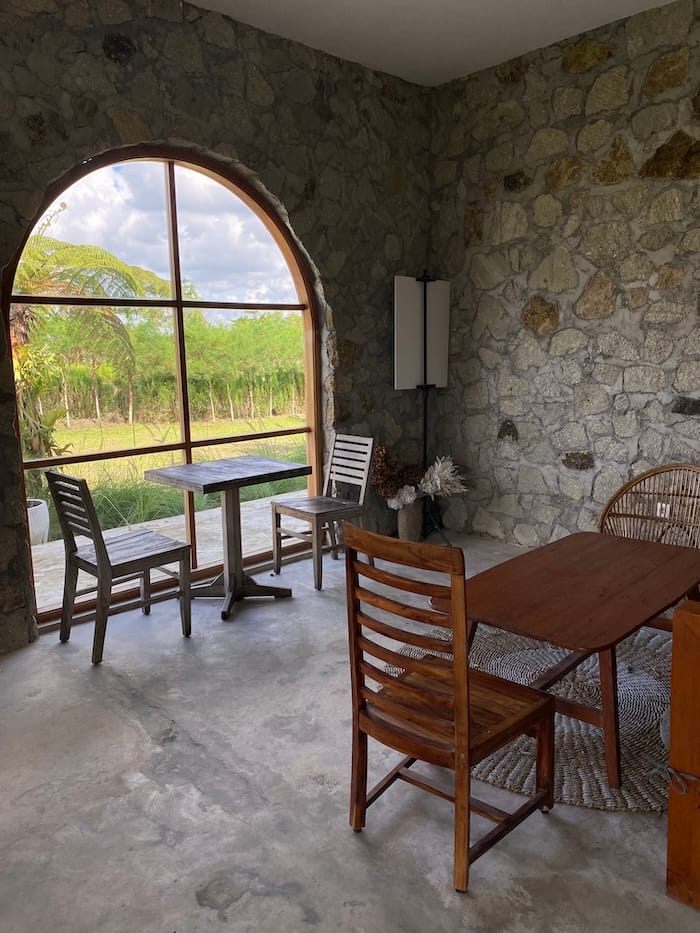
Oppio combines good coffee, food and beautiful views in the middle of a rice field, making it one of our favourite cafés in the area. The architecture reminded us of Greece, such a surprise in this part of Yogyakarta.

Kopi Brug Londo

This café sits in a beautiful location and is well worth visiting for both the scenery and the coffee. We visited this place multiple times. The rooftop has beautiful views over the rice fields as well as Merapi. The owners made us feel super welcome.

Kopi Gajah Tengklek

Another excellent local coffee stop that perfectly captures the slower pace of life north of Yogyakarta. It’s situated in garden with a lake in the middle with multiple seating areas.

Mato Kopi Jakal

Beautiful restaurant and cafe with excellent coffee and a relaxed atmosphere. It’s a great place to spend a few hours working, reading or simply enjoying the surroundings.

Oppio
Kopi Brug Londo

Further North Towards Merapi

Some of our favourite cafés were found even further north, where rice fields, villages and views of Mount Merapi dominate the landscape.

Soto & Sop Mas Poer Pasar Pakem

This became one of our favourite local restaurants north of Yogyakarta.

The restaurant specialises in traditional Indonesian soups and stews and offers an authentic local experience away from the city’s main tourist areas. The food is simple, comforting and full of flavour.

WARUNG MAKAN PAK JAN

Warung Makan Pak Jan is another fantastic local place, located towards Mount Merapi, they served amazing tongseng and satay. It’s just a small house where they cook and have a few tables. Our favorite kind of places in Indonesia.

We stopped here several times and always enjoyed the food. The relaxed atmosphere and consistently good cooking made it one of our regular lunch spots whenever we stayed in the area.

Warung Kopi Klotok

Lovely place surrounded by countryside serving traditional Indonesian dishes and great coffee. The restaurant is often busy with local families and visitors, which is usually a very good sign.

Amurwa Garden & Resto

Great relaxed place by the road towards Merapi. Friendly service and a mix of Indonesian and western cuisine.

Our Favourite Area for Food

While central Yogyakarta has plenty of excellent restaurants, we found ourselves returning again and again to the northern areas around Mount Merapi.

The combination of local restaurants, coffee shops, rice fields and mountain views created a completely different atmosphere from the city centre. Some of our most memorable meals in Yogyakarta were enjoyed here, often with a view of the surrounding countryside rather than busy city streets.

If you’re staying in Yogyakarta for more than a couple of days, we highly recommend spending some time exploring this part of the region. You may end up loving it as much as we did.

July 14, 2018 0 comments
FacebookTwitterPinterestLinkedinRedditStumbleuponWhatsappTelegramThreadsOpenAIChatGPTEmail
Indonesia

Yogyakarta Travel Guide: What to Do, Where to Stay & Why We Love It

by Livia July 13, 2018
written by Livia

Latest update: June 2026

Yogyakarta, Yogya or Jogja (a beloved city has many names) is one of our favourite places in Indonesia. Over several visits we have stayed in the city centre, the northern suburbs and the countryside near Mount Merapi. While many travellers only spend a night or two here on their way to Borobudur or Merapi, we think Yogyakarta deserves much longer.

Beyond the famous temples and attractions, Yogyakarta has excellent food, great coffee shops, friendly locals and a relaxed atmosphere that keeps drawing us back. This guide combines our favourite experiences, places to stay and practical tips for visiting the city.

How Many Days Should You Spend in Yogyakarta?

Many visitors only stay for two or three nights before heading to Borobudur or continuing their trip through Java.

We think Yogyakarta deserves at least three to five days. This gives you enough time to explore the city, visit Borobudur and Prambanan, enjoy the local food scene and spend some time exploring the quieter areas north of the city near Mount Merapi.

If you enjoy cafés, local culture and slower travel, you could easily stay even longer.

Where to Stay in Yogyakarta

One of the reasons we love Yogyakarta is that every area feels different.

Central Yogyakarta

For first-time visitors, staying in the city centre makes the most sense. Most attractions, restaurants and cafés are within easy reach.

We stayed at Adhisthana Hotel, a colourful boutique hotel with a great atmosphere and a convenient location for exploring the city. We have also stayed at Ibis Styles Yogyakarta, which is on Malioboro street, so if you want to be in the middle of all the action, that’s a perfect spot.

Northern Yogyakarta & Mount Merapi Area

Over several visits we found ourselves staying north of the city towards Mount Merapi. While it takes a little longer to reach attractions such as Malioboro and Taman Sari, we quickly fell in love with this part of Yogyakarta.

The area is greener, quieter and noticeably cooler than the city centre. Rice fields, villages, coffee shops and local restaurants replace the busy traffic found in central Yogyakarta, making it an excellent choice for longer stays.

We stayed at both Villa Wirahita and a private Airbnb ca 30 min north of Yogyakarta center in the area and would happily return to either. Some of our favourite restaurants and cafés in Yogyakarta were also located here.

If you’re looking for a more relaxed side of Yogyakarta while still being within easy reach of the city’s attractions, this would be our top recommendation.

Villa Wirahita
Villa Wirahita
Adhisthana Hotel
Adhisthana Hotel
Airbnb
Airbnb

Which Area Did We Prefer?

If it is your first visit, we would recommend staying in central Yogyakarta for a few nights.

However, for longer stays we preferred the northern areas towards Mount Merapi. The rice fields, cafés, local restaurants and slower pace of life suited us much more than the busy city centre.

Best Things to Do in Yogyakarta

Explore Malioboro street

Malioboro is the heart of Yogyakarta and one of the first places most visitors end up. The street is lined with shops, food stalls, street performers and souvenir stores, making it a lively place to spend an afternoon or evening.

This is also where you’re most likely to be approached by locals. Some people simply want to practise their English or ask where you’re from, while others may invite you to visit a batik gallery or souvenir shop. Unlike in many tourist destinations, these conversations are usually friendly and good-natured.

If you’re looking for souvenirs, Hamzah Batik is one of the easiest places to browse. The lower floors are filled with batik clothing while the upper floors stock traditional Indonesian souvenirs, handicrafts and gifts. Even if you don’t plan on buying anything, it’s worth having a look around.

Malioboro can be busy, especially in the evenings, but it remains one of the best places to experience the energy of the city.

Malioboro
Malioboro

Visit Taman Sari (the Watercastle)

Also known as the Water Castle, Taman Sari was once a royal garden and bathing complex used by the Sultan of Yogyakarta. Today it is one of the city’s most interesting historical sites, with hidden courtyards, underground passages and beautiful architecture.

The area around Taman Sari is also worth exploring. Small alleyways, local homes, workshops and street art can be found throughout the surrounding neighbourhoods, making it a great place to wander for a few hours.

Taman Sari
Taman Sari
Taman Sari

Batik Shopping

Yogyakarta is one of the best places in Indonesia to learn about and buy batik.

You will quickly notice people on the streets, especially around Malioboro, offering to guide you to batik galleries and workshops. Many receive a commission for doing so, which can sometimes affect the prices.

The gallery contains thousands of batik paintings created by artists of different skill levels. Visitors can watch the artists at work and learn more about the traditional batik-making process.

One place we particularly enjoyed visiting was Purnomo Batik Art Group.

The staff have always been welcoming and happy to explain the artwork without putting pressure on visitors to buy anything.

Batik Art
Batik Art

Explore the Street Art Scene

Street art can be found throughout Yogyakarta, but some neighbourhoods have far more than others.

One of our favourite areas is around the Cemeti Institute for Art and Society. The surrounding streets and residential alleys are filled with murals, graffiti and creative artwork by both local and visiting artists.

The best way to explore is simply to wander. Pick a direction and follow whichever alleyway catches your eye. Some of our favourite discoveries happened when we accidentally got lost.

Street Art
Street Art
Street Art

Visit Borobudur

No visit to Yogyakarta would be complete without a trip to Borobudur. Located about an hour from the city, this UNESCO World Heritage Site is the largest Buddhist temple in the world and one of Indonesia’s most famous attractions.

Many visitors make the journey as a quick day trip, but we think the surrounding area deserves more attention. Beyond the temple itself you’ll find small villages, beautiful countryside, local restaurants and some excellent places to stay.

We’ve visited Borobudur several times over the years and even got engaged there. If you’re planning a visit, make sure to read our full guide to What to Do in Borobudur: Hidden Gems Beyond the Temple.

Borobudur
Borobudur

Explore Northern Yogyakarta

While most visitors spend their time in the city centre, some of our favourite experiences have been north of Yogyakarta towards Mount Merapi.

The atmosphere here feels completely different. Busy streets give way to rice fields, small villages and winding country roads. The temperatures are slightly cooler and the pace of life feels much slower than in the city.

This area is home to some fantastic cafés and restaurants, including Warung Kopi Klotok, Soto & Sop Mas Poer Pasar Pakem, Warung Makan Pak Jan, Amurwa Garden & Resto, Oppio, Mato Kopi Jakal and Kopi Brug Londo.

Whether you’re looking for a scenic lunch, a quiet coffee shop or simply a chance to see a different side of Java, northern Yogyakarta is well worth exploring. In fact, if we return to Yogyakarta again, this is where we would choose to stay.

Mount Merapi
Mount Merapi
Mount Merapi

Where to Eat in Yogyakarta

Yogyakarta has some of our favourite food in Indonesia. Whether you’re looking for traditional Javanese dishes, local street food or modern cafés, there is no shortage of great places to eat.

In the city centre we enjoyed places such as Via Via Jogja, Warung Heru, Bakso Pak Teguh and Venos Burgers. North of the city, towards Mount Merapi, we found some of our favourite restaurants and coffee shops in all of Java.

For more recommendations, read our full guide to where to eat in Yogyakarta.

restaurants in Yogyakarta

Getting to Yogyakarta

Yogyakarta is one of the easiest cities to reach in Java. The city has its own airport and is well connected by train and bus to destinations across Indonesia.

Our favourite way to arrive is by train from Jakarta. The journey is comfortable, affordable and offers some fantastic views across the Javanese countryside.

Read our guide to travelling from Jakarta to Yogyakarta by train.

Why We Love Yogyakarta

Yogyakarta is one of those places we keep returning to. While many travellers visit for Borobudur or Mount Merapi, we found ourselves staying longer each time.

Between the friendly locals, excellent food, creative atmosphere and the beautiful countryside north of the city, Yogyakarta offers far more than just a collection of famous attractions.

If it’s your first visit to Indonesia, Yogyakarta should be high on your list. And if you find yourself extending your stay, don’t be surprised. We did too.

July 13, 2018 0 comments
FacebookTwitterPinterestLinkedinRedditStumbleuponWhatsappTelegramThreadsOpenAIChatGPTEmail
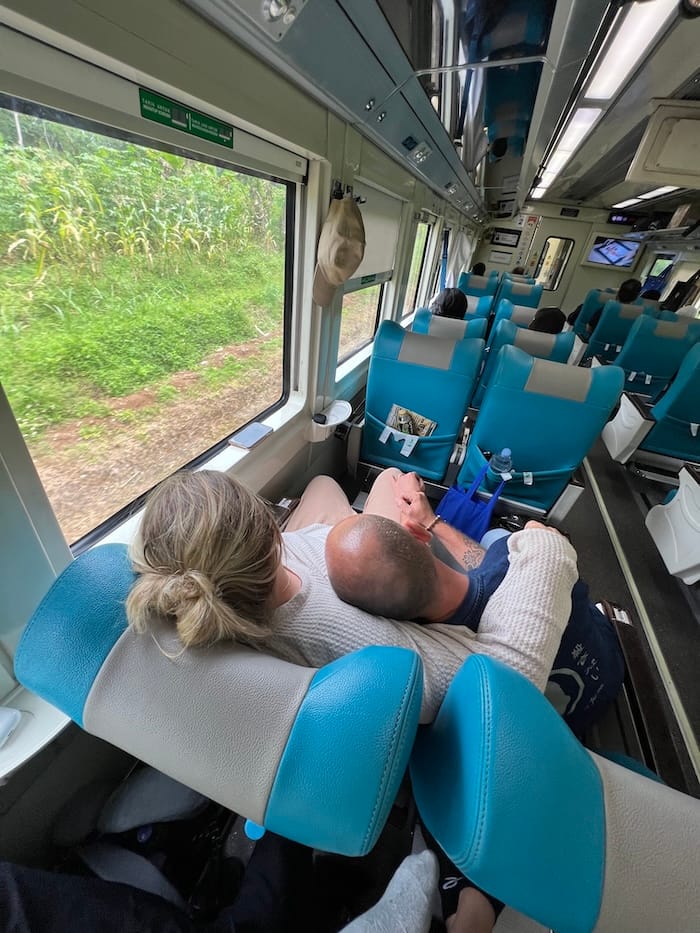
Livia enjoys the peaceful journey through the Java countryside
Indonesia

Jakarta to Yogyakarta by Train: Our Experience & Travel Tips

by Sam July 12, 2018
written by Sam

Latest update: June 2026

One of our favourite travel experiences in Indonesia was taking the train from Jakarta to Yogyakarta. While flying is faster, the train offers something you simply can’t experience from the air: a chance to watch the landscapes of Java slowly unfold outside your window.

We first travelled this route in 2018 and enjoyed it so much that we took the train again a few years later. While some of the booking processes have become more digital over the years, the overall experience remained largely the same. Comfortable seats, friendly staff and some beautiful scenery make this one of the best train journeys in Indonesia.

If you’re travelling between Jakarta and Yogyakarta, we highly recommend taking the train at least once.

Jakarta to Yogyakarta Train Overview

Distance: Approximately 530 km
Journey Time: Around 6 to 9 hours depending on the train service
Cost: Usually between €15 and €35 depending on class and how far in advance you book (for executive class with air-con).

Departure Stations: Various stations in Jakarta, including Gambir and Pasar Senen

Arrival Station: Yogyakarta Tugu Station

We travelled in Executive Class, which we found well worth the extra cost.

Enjoy the stunning countryside of Java from the train

How to Book Train Tickets

On both of our journeys we bought our tickets directly at the station.

When travelling from Jakarta, we used Gambir Station. While there may be queues at some ticket windows, there are usually dedicated service counters where staff can help foreign visitors purchase tickets.

You will need your passport when buying tickets, so make sure to bring it with you.

After purchasing our tickets, we were able to check in using the station’s self-service machines before departure.

These days there are also various online booking options available, but we have always found buying tickets at the station to be straightforward and easy. Make sure to book at least a day in advance since they might run out.

If possible, try to reserve a window seat. The scenery is one of the highlights of the journey.

Food and Drinks on the Train

Staff regularly pass through the carriages selling drinks, snacks and simple meals.

There is also a dining car where passengers can buy hot food, coffee and instant noodles.

The food is fairly basic, so we usually bring some extra snacks for the journey. That said, grabbing a bowl of noodles while watching the Javanese countryside roll past the window is part of the experience.

The Journey Through Java

This is where travelling by train really stands out.

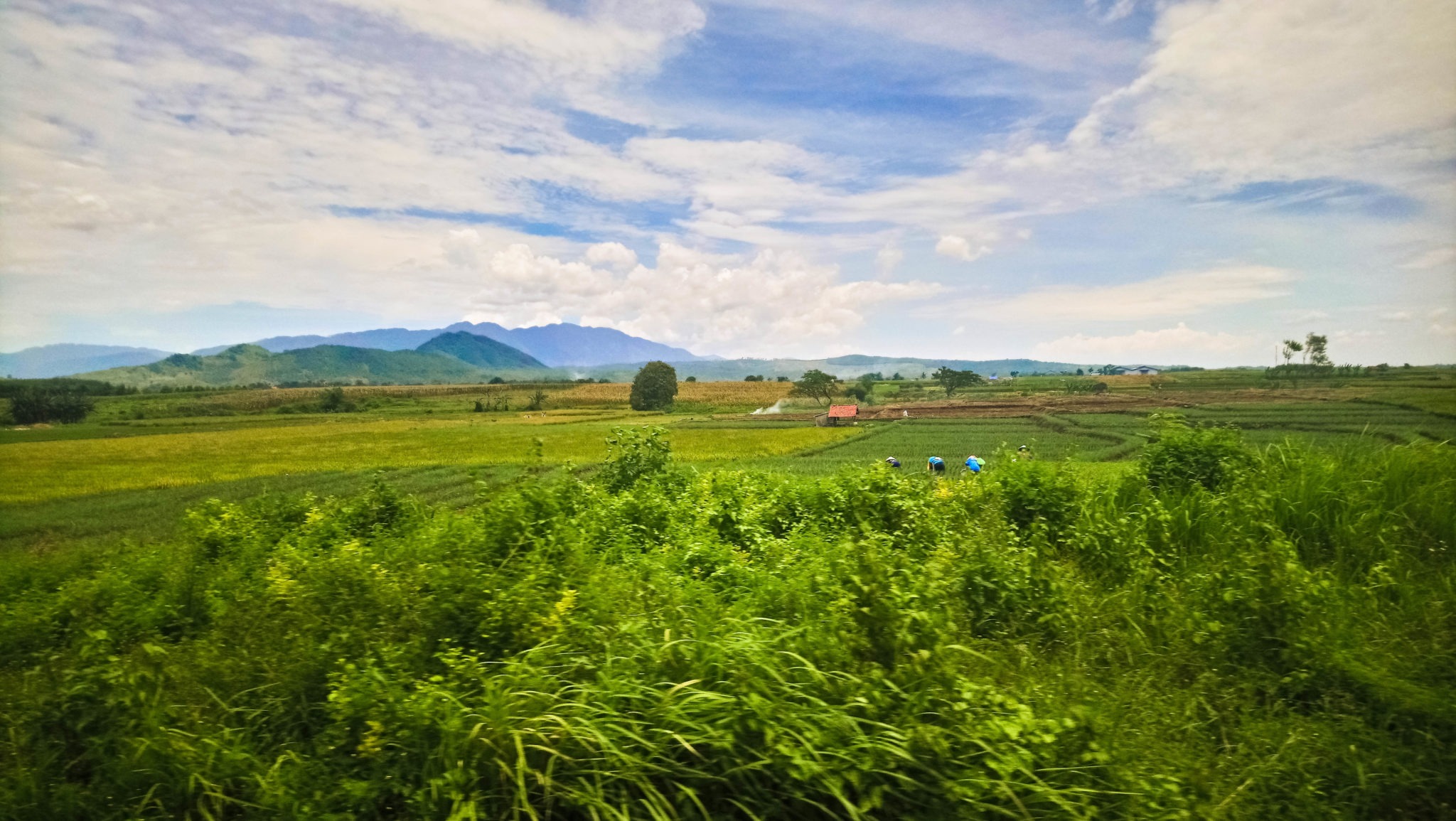
Shortly after leaving Jakarta, the urban landscape begins to fade and is replaced by rice fields, villages and endless stretches of green countryside. As the journey continues, volcanic peaks begin appearing in the distance and the scenery becomes increasingly dramatic.

The route offers a fascinating glimpse into everyday life in Java. Small towns, local markets, farms and railway stations pass by throughout the day, giving you a perspective you would completely miss if you flew.

The journey is long enough to feel like an adventure but comfortable enough that the hours pass surprisingly quickly.

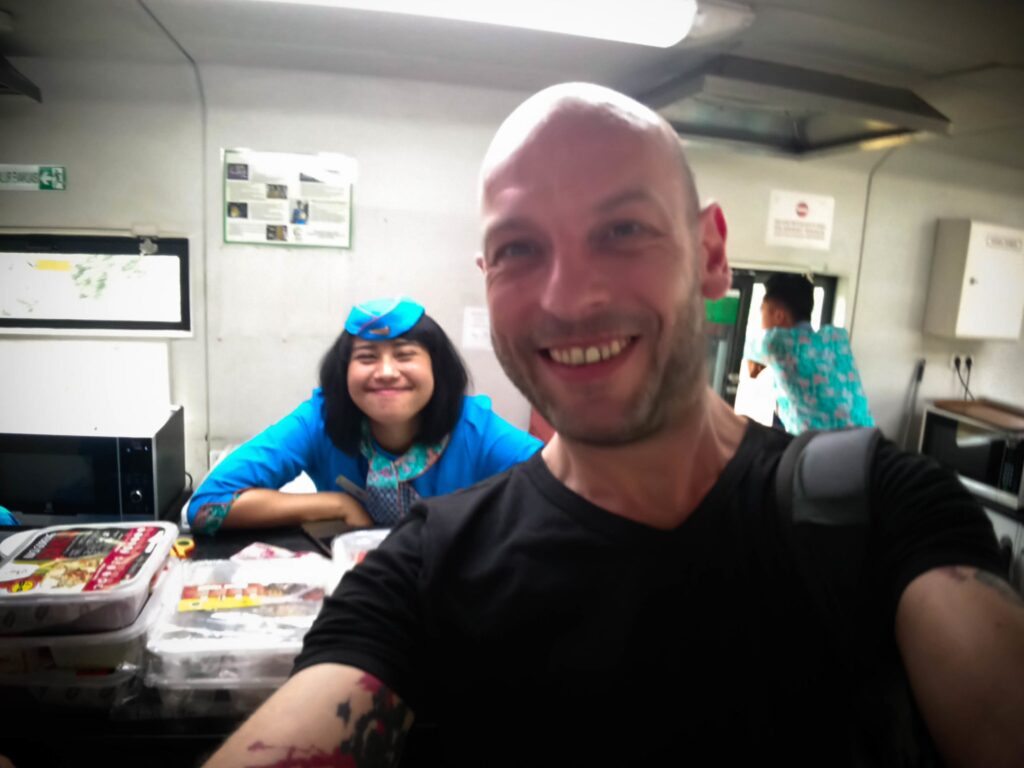
Restaurant Car on the train from Jakarta to Yogyakarta

Is the Train Better Than Flying?

Flying is undoubtedly faster, especially if you are short on time.

However, if you have a flexible schedule, we think the train is by far the more enjoyable way to travel between Jakarta and Yogyakarta. Also getting to the airport in Jakarta can be a pain depending on time of day and traffic.

The cost is comparable, the seats are comfortable and the scenery alone makes the journey worthwhile. Rather than spending half a day navigating airports, you can simply sit back and watch Java unfold outside your window.

Livia enjoys the peaceful journey through the Java countryside

Would We Take the Train Again?

Absolutely.

In fact, we already have.

After taking the train for the first time in 2018, we chose to travel the same route again a few years later. That alone probably says more than any review could.

For us, the Jakarta to Yogyakarta train is more than just transportation. It is one of the best ways to experience the landscapes, culture and atmosphere of Java, and we would happily choose it again on a future trip.

July 12, 2018 0 comments
FacebookTwitterPinterestLinkedinRedditStumbleuponWhatsappTelegramThreadsOpenAIChatGPTEmail
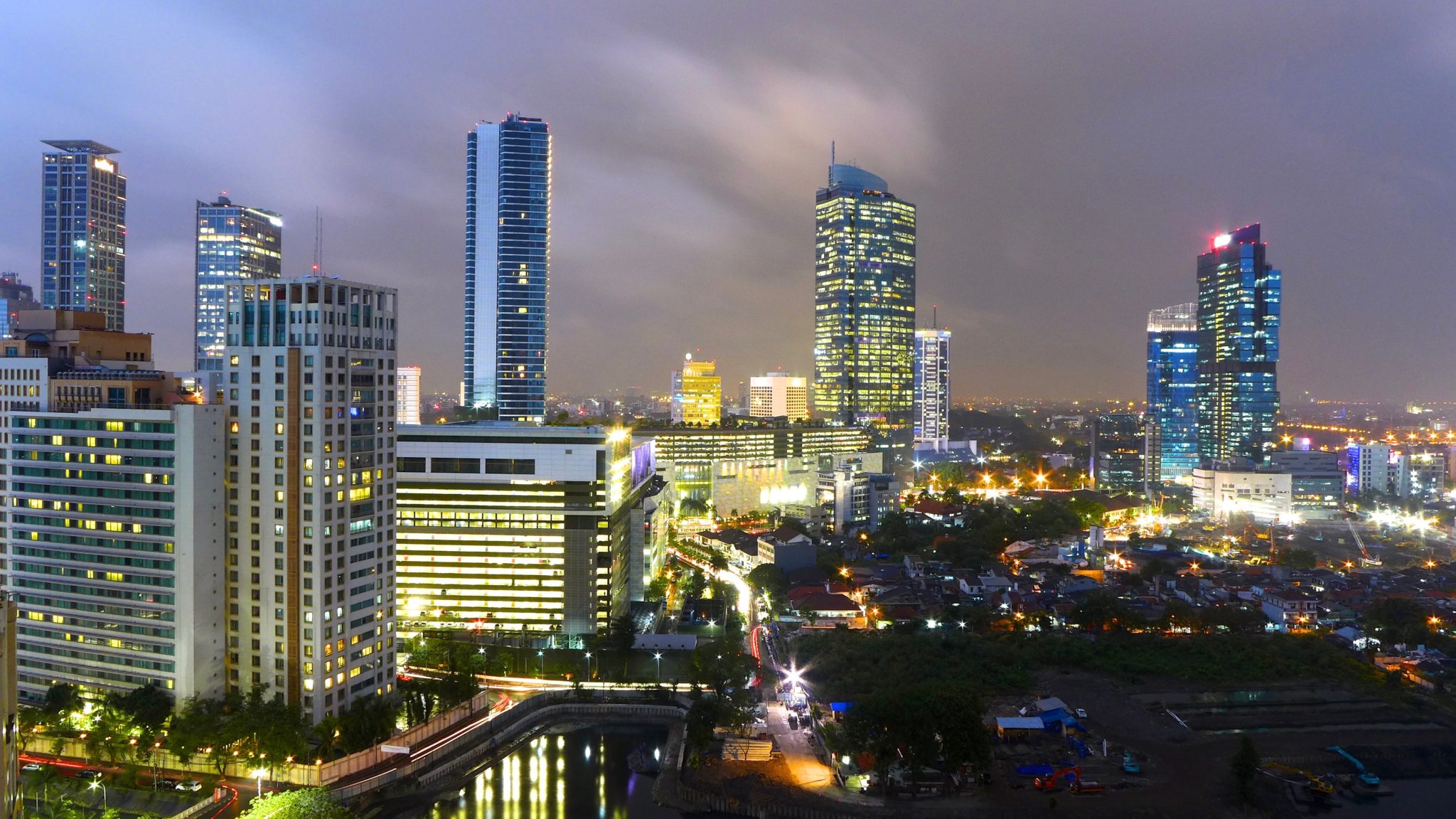
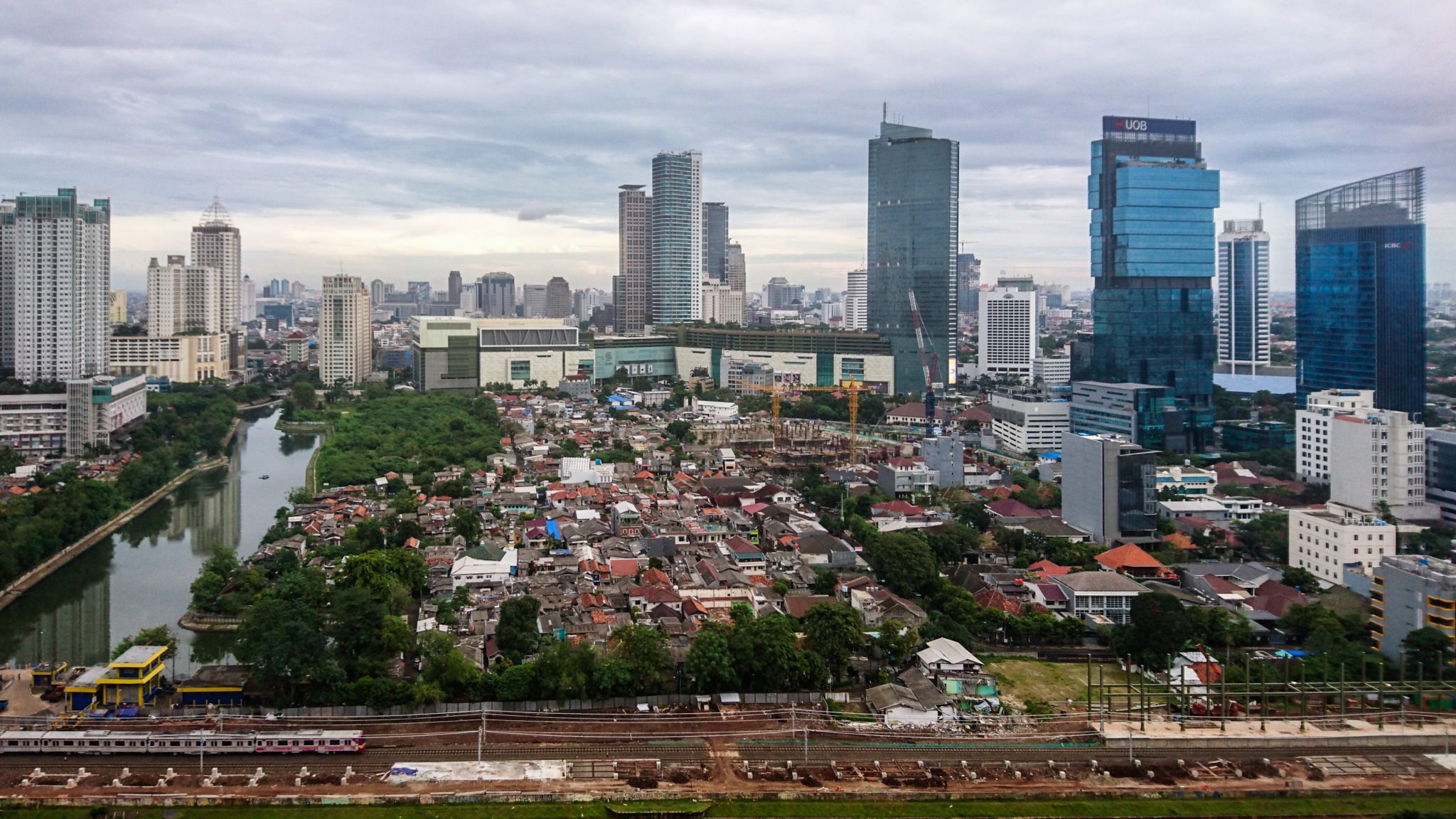
Jakarta skyline
Indonesia

Is Jakarta Worth Visiting? Here’s Why You Should Go

by Livia July 11, 2018
written by Livia

Latest update: June 2026

If you search for Jakarta travel advice online, you’ll quickly find plenty of people telling you to skip it.

Many travellers only pass through Jakarta on their way to Bali or other destinations in Indonesia. Some never leave the airport at all.

We completely disagree.

After living in Jakarta and returning many times over the years, it remains one of our favourite cities in Indonesia. It’s not a city that immediately reveals its charm. In fact, my first impression wasn’t particularly positive. But once I started exploring beyond the main roads and shopping malls, I discovered a side of Jakarta that most visitors never see.

Jakarta certainly has its challenges. The traffic can be frustrating, the heat can be intense and it isn’t a city designed around tourism. But that’s also part of what makes it interesting. Jakarta feels real. It’s a city where people live, work, eat and socialise, and spending time there offers a fascinating glimpse into modern Indonesia.

These are some of the reasons we think Jakarta is worth visiting.

The People

One of the things we love most about Jakarta is the people.

Indonesians are incredibly friendly in general, but Jakarta has its own atmosphere. Unlike some tourist destinations, you’re rarely hassled by sellers or tour operators. Instead, people are often simply curious. Don’t be surprised if someone starts a conversation, asks where you’re from or wants to take a selfie with you.

Most interactions feel genuine rather than transactional, and that makes a huge difference.

The Atmosphere

Jakarta isn’t traditionally beautiful.

You won’t find endless historic streets, famous viewpoints or postcard-perfect scenery. The beauty of Jakarta lies elsewhere.

For us, it’s the atmosphere. Despite being one of the largest cities in the world, Jakarta often feels surprisingly relaxed. People still stop to chat, food vendors gather on street corners and neighbourhood life unfolds everywhere around you.

It’s difficult to explain until you’ve experienced it yourself, but Jakarta has an energy that keeps drawing us back.

Walking Around

This may sound strange, but one of our favourite things to do in Jakarta is simply walk.

Most visitors spend their time moving between malls, hotels and attractions by taxi or ride-sharing apps. While that’s understandable, it also means they miss a lot of what makes the city interesting.

Choose a neighbourhood and explore on foot. Wander down side streets, stop at local food stalls, browse small shops and watch daily life unfold around you.

Some of our best memories of Jakarta come from completely unplanned walks through neighbourhoods we knew nothing about.

The Food

ndonesia has some of the best food in the world, and Jakarta is one of the best places in the country to experience it.

Because people from all over Indonesia live in the capital, you’ll find dishes from almost every region. Whether you’re looking for street food, traditional warungs, modern cafés or fine dining restaurants, Jakarta has something for every budget.

Don’t be afraid to eat where the locals eat. Some of our favourite meals in Jakarta have come from tiny roadside stalls and family-run restaurants.

For more inspiration, check out our guide to Indonesian food and our favourite places to eat in Jakarta.

The Diversity

Jakarta really does have something for everyone.

You can spend the morning in a luxury hotel, have lunch at a street-side warung and finish the evening at a rooftop bar overlooking the skyline.

Modern skyscrapers stand next to traditional neighbourhoods. Expensive shopping malls sit beside bustling local markets. The city constantly changes depending on where you are, and exploring those contrasts is part of the experience.

Few cities in Southeast Asia offer such a wide range of experiences in one place.

For more specific tips on what to do in Jakarta, check out this blog post.

The Jakarta skyline - overlooking Thamrin
The Jakarta skyline – overlooking Thamrin

Jakarta Isn’t for Everyone

Let’s be honest: Jakarta won’t appeal to every traveller.

If you’re looking for beaches, rice terraces or quiet tropical scenery, you’ll probably enjoy other parts of Indonesia more.

But if you enjoy cities, food, people-watching and experiencing everyday life, Jakarta can be incredibly rewarding. It’s a destination that requires a little patience, but those who give it a chance are often surprised by how much they enjoy it.

If you’re planning a wider Indonesia trip beyond the capital, this guide to Kalimantan, Indonesia is a useful read for exploring a very different side of the country.

Final Thoughts

I’ve visited many places across Indonesia since first moving away from Jakarta, yet I still find myself returning whenever I can.

Partly it’s to see friends, but it’s also because Jakarta continues to surprise me. Every visit reveals a different side of the city, and after all these years I still feel like there is more to discover.

If you’re considering whether Jakarta is worth visiting, our answer is simple: yes.

Give it a chance, explore beyond the obvious and don’t judge it too quickly. You might find yourself falling in love with the city just as we did.

July 11, 2018 0 comments
FacebookTwitterPinterestLinkedinRedditStumbleuponWhatsappTelegramThreadsOpenAIChatGPTEmail
Indonesia

Where to Eat in Jakarta: Best Restaurants & Local Food Spots

by Sam July 10, 2018
written by Sam

Latest update: June 2026

Jakarta doesn’t always get much love from food-focused travellers.

Many visitors use Indonesia’s capital as a transit point before heading to Bali, Yogyakarta or the islands further east. That’s a mistake. Jakarta has some of the best food in Indonesia, from tiny street-side warungs to historic restaurants and modern rooftop bars.

Livia lived in Jakarta for six months in 2014 while working in the city and we have returned several times since. During that time, we spent a lot of our free time doing what we do best: eating.

These are some of our favourite restaurants, coffee shops and local food experiences in Jakarta.

Looking for more Jakarta travel tips? Check out our guides to Things to Do in Jakarta and Why You Should Visit Jakarta.

Indonesian Classics

Restoran Garuda Sabang

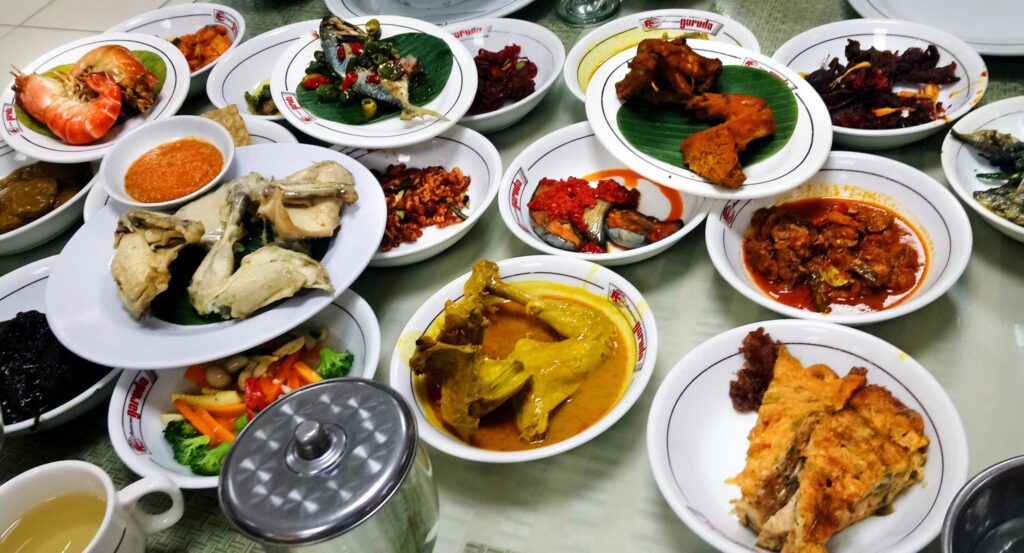
If you’ve never tried Padang food before, a cuisine originating from West Sumatra, Restoran Garuda is one of the best introductions.

As soon as you sit down, dozens of small dishes are placed on your table. You only pay for what you eat, allowing you to sample a wide variety of flavours. Expect rich rendang, spicy curries, fried chicken and vegetable dishes packed with flavour.

Located close to Jalan Sabang, it’s also an easy stop while exploring one of Jakarta’s most famous food streets.

Padang food at Restoran Garuda Sabang
Padang food at Restoran Garuda Sabang, Jakarta

Sate Kambing Jaya Agung

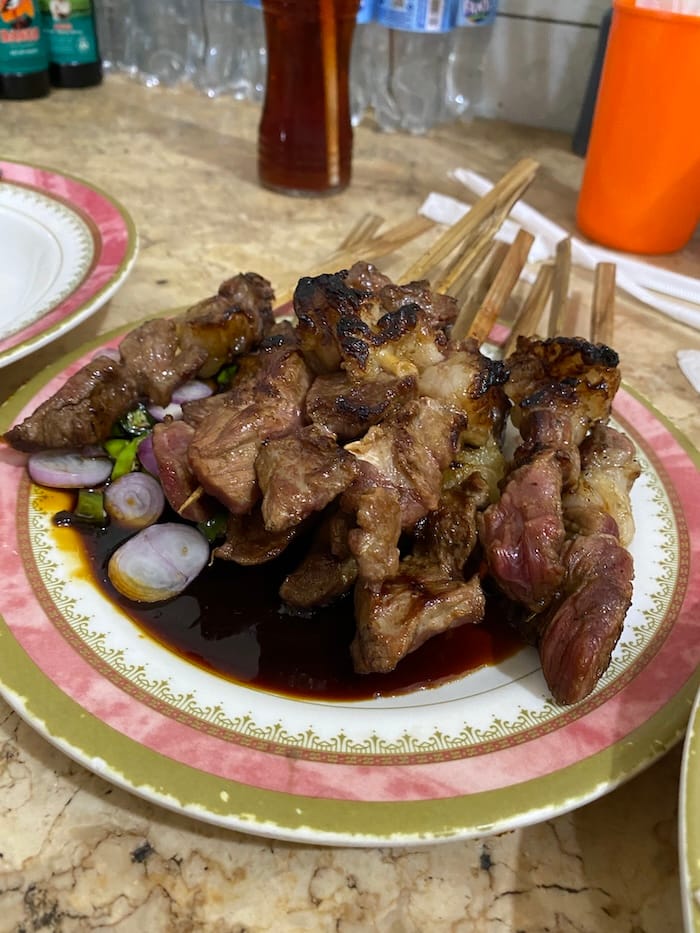
For a more local experience, head to Sate Kambing Jaya Agung.

Their speciality is lamb satay served with sweet soy sauce, chilli and onions. It’s simple, affordable and usually filled with local diners rather than tourists.

Sate Khas Senayan

One of Indonesia’s most recognisable restaurant chains, Sate Khas Senayan is a reliable option for first-time visitors.

The menu covers dishes from across the archipelago and is a good place to sample several Indonesian favourites in one meal. While it may not be the most adventurous choice in Jakarta, the food is consistently good and easy to recommend.

Warung MJS

Warung MJS is a popular Indonesian restaurant in Kuningan known for its wide selection of traditional dishes. It’s a great place to sample a variety of local flavours in a casual setting.

Guests choose their food before sitting down, making it easy to mix and match different dishes. If you’re visiting with others, we recommend ordering several plates to share.

The restaurant can get busy during peak meal times, particularly with local diners, so you may need to wait for a table.

The garden at Warung MJS, Jakarta
Sate Kambing Jaya Agung

Street Food & Local Favourites

While Jakarta has plenty of excellent restaurants, some of our favourite meals are always from simple street food stalls and local eateries.

Many of Indonesia’s most beloved dishes are sold from small carts, roadside warungs and family-run restaurants. Don’t be put off by the plastic stools and basic surroundings. Some of the best food in Jakarta comes from places that barely look like restaurants at all.

A few of our personal favourites include bakso, mie ayam and tongseng. You’ll find them all over the city, often at places packed with local customers.

Bakso Populer

This small local spot in Thamrin serves excellent bakso and is a great introduction to one of Indonesia’s favourite dishes.

Bakso Rusuk Samanhudi Sabang

Located near Jalan Sabang, this is another good spot to try bakso, one of Indonesia’s most popular comfort foods. It’s a simple local place serving a dish you’ll find all over Jakarta.

Bakmi Cong Sim

Located in Mangga Besar, Bakmi Cong Sim serves simple but delicious bakmi noodles. It’s not a fancy restaurant, but the flavours speak for themselves. We still find ourselves thinking about these noodles years later.

Bakso Rusuk Samanhudi Sabang
Bakmi Cong Sim
Street food BBQ chicken

Historic & Special Occasion Restaurants

Cafe Batavia

Located on Fatahillah Square in Jakarta’s Old Town, Cafe Batavia is one of the city’s most iconic restaurants. Yes, it’s touristy. But it’s also beautiful.

Housed inside a restored colonial-era building, the restaurant is filled with old photographs, antiques and historic charm. Grab a table upstairs for views across the square and enjoy one of the most atmospheric dining experiences in the city. We tend to come here for a drink rather than a meal, but the atmosphere alone makes it worth visiting.

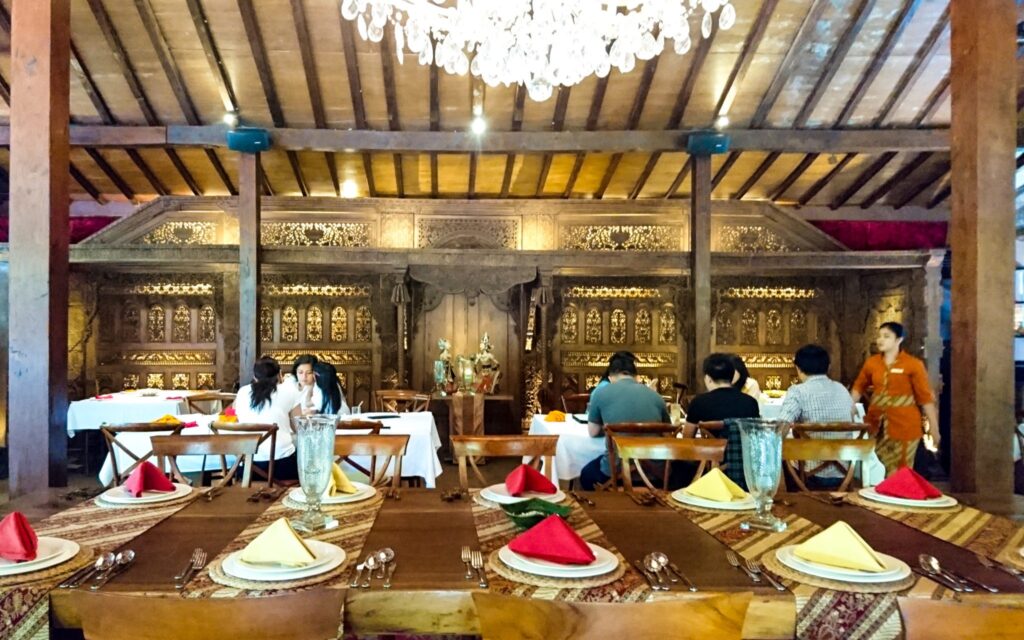
Plataran Dharmawangsa

If you’re looking for a special meal, Plataran Dharmawangsa is hard to beat.

Traditional Indonesian architecture, lush gardens and excellent food combine to create an oasis in the middle of Jakarta. The setting alone is worth a visit, but the food more than lives up to the surroundings.

It’s one of our favourite places for introducing visitors to Indonesian cuisine.

Cafe Batavia
Cafe Batavia
Plataran Dharmawangsa

Coffee Shops

Saudagar Kopi Sabang

Indonesia produces some of the world’s best coffee and Saudagar Kopi is one of our favourite places to enjoy it.

Located near Jalan Sabang, this cosy café is a great place to escape Jakarta’s traffic and heat for a while. The coffee is excellent and it’s an easy addition to an afternoon spent exploring central Jakarta.

Tanamera Coffee

Tanamera helped introduce many visitors to Indonesian speciality coffee and remains one of the city’s most popular coffee chains.

Their beans come from different regions across Indonesia, making it a great place to explore the country’s incredible coffee culture.

Anomali Coffee

Another long-time favourite, Anomali focuses on Indonesian-grown beans and offers coffees from regions including Sumatra, Java, Bali and Sulawesi.

If you’re curious about the differences between Indonesian coffee-producing regions, this is a great place to start.

Rooftops & Views

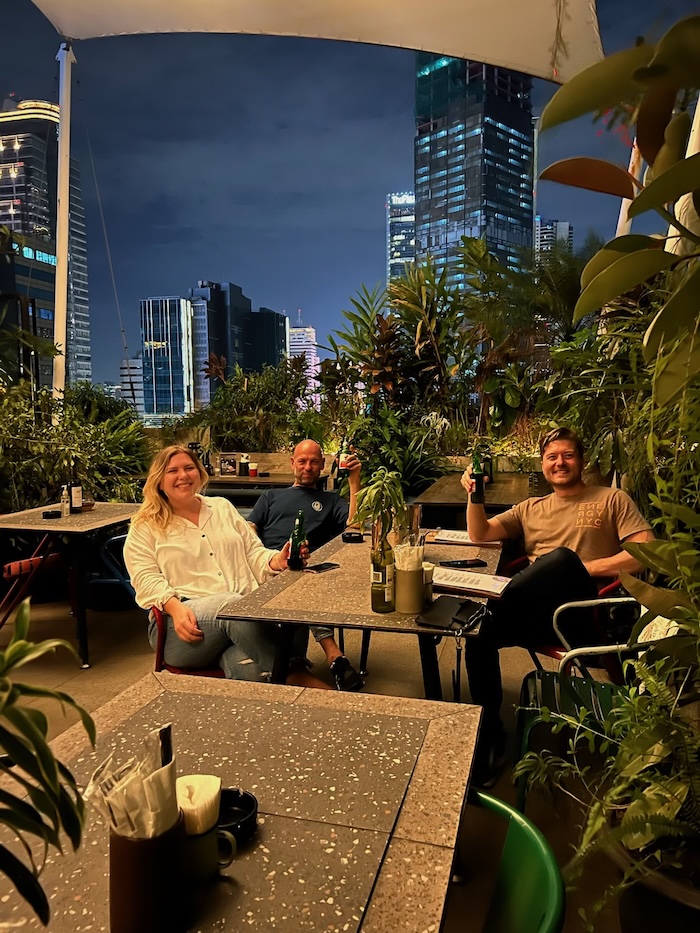
Kosenda Hotel Rooftop

The rooftop at Kosenda Hotel offers fantastic city views in a more relaxed setting. It’s a great place for sunset drinks while watching the skyline light up for the evening.

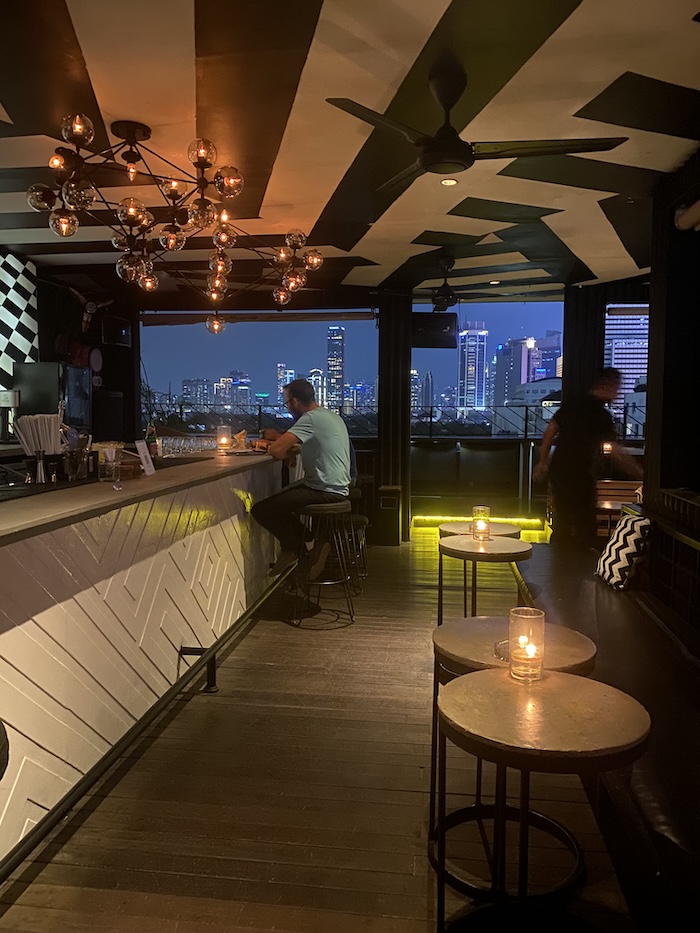
ARTOTEL roof top

ARTOTEL’s rooftop bar is another good option for views over central Jakarta. The atmosphere is laid-back and attracts a mix of locals, expats and visitors looking for a drink above the busy streets below.

Skye

Located high above the city centre, SKYE is one of Jakarta’s most famous rooftop venues. The views across the skyline are impressive, particularly after dark when the city’s skyscrapers begin to light up. It’s more upscale than Kosenda or ARTOTEL, making it a popular choice for sunset drinks or a special night out.

Kosenda
ARTOTEL

Food Neighbourhoods Worth Exploring

Jalan Sabang (Jl. H. Agus Salim)

One of Jakarta’s most famous food streets, Jalan Sabang (Jl. H. Agus Salim) comes alive after dark with street food stalls, local restaurants and coffee shops. It’s a great place to try a wide range of Indonesian dishes in a single evening and remains one of our favourite places to wander whenever we’re back in the city. It’s also right next door to Artotel Tharmin where we’ve stayed many times while in Jakarta.

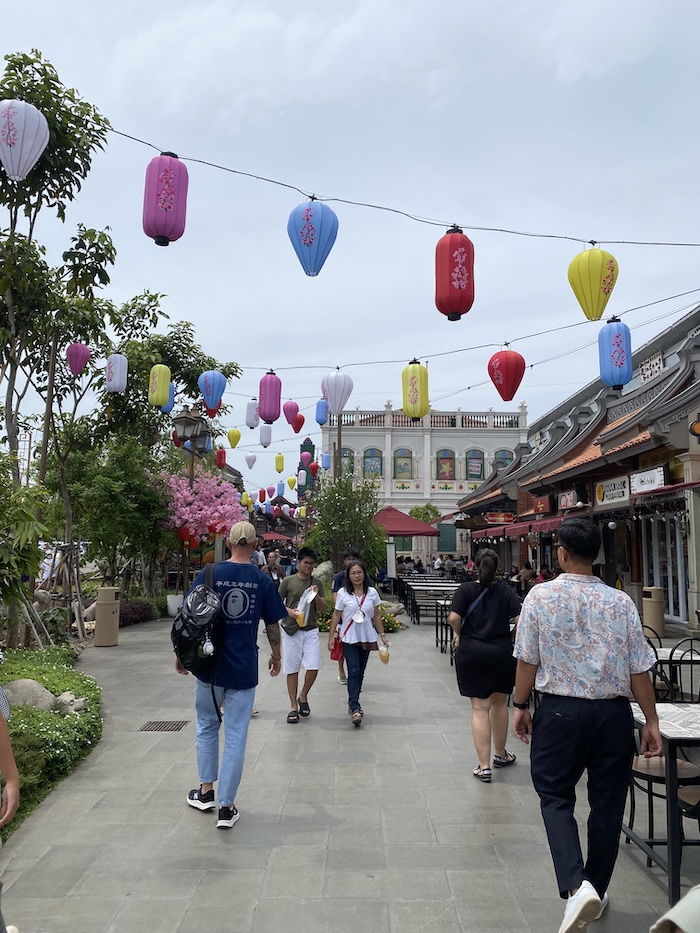
Pantjoran PIK

Pantjoran PIK in Pantai Indah Kapuk has become one of Jakarta’s most popular food destinations. Inspired by old Chinese-Indonesian architecture, the area is packed with restaurants, cafés and street food stalls. It’s particularly good for Chinese and Chinese-Indonesian food and makes for a fun evening of eating and exploring.

Baywalk Area

The waterfront around Baywalk Mall is one of Jakarta’s best areas for seafood. Along the coast you’ll find a number of restaurants serving fresh fish, prawns, crab and other seafood dishes, often with views across Jakarta Bay.

If you’re a seafood lover, this is a great alternative to the Indonesian and Chinese restaurants found elsewhere in the city.

PIK area
Jalan Sabang (Jl. H. Agus Salim)

Final Thoughts

Jakarta is one of Southeast Asia’s most underrated food cities.

The city brings together cuisines from across Indonesia, allowing you to try dishes from Sumatra, Java, Sulawesi and beyond without ever leaving the capital. Whether you’re eating Padang food on Jalan Sabang, tucking into a bowl of bakso from a local stall or watching the skyline from a rooftop bar, Jakarta rewards travellers who arrive hungry.

If you’re planning a trip, don’t miss our guides to Things to Do in Jakarta and Why you should visit Jakarta for more ideas on exploring Indonesia’s fascinating capital.

July 10, 2018 0 comments
FacebookTwitterPinterestLinkedinRedditStumbleuponWhatsappTelegramThreadsOpenAIChatGPTEmail
Newer Posts
Older Posts

Recent Posts

  • Is Tottori Worth Visiting on a Japan Trip?

  • North Sumatra Itinerary: Bukit Lawang, Berastagi & Lake Toba

  • Lake Toba & Samosir Island: Is It Worth Visiting?

We use Safetywing

We use THS

Trusted House Sitters

Here’s 25% off your annual membership to TrustedHousesitters - thanks to your pet loving pals at LBSBWorld.

Join now with 25% Off!

We use NordVPN

NordVPN

Get 3 months of NordVPN right now!


The best VPN service for a free, open internet

Get NordVPN!

We use Wise

Wise

Get Zero Fees on a transfer up to €500


Spend in 150+ countries like a local with Wise card

Get Wise!

Follow us on Instagram

A Bear Called Paddington abearcalledpaddington 🌍 7 years full-time travel
Follow on Instagram
©2026 LBSBWorld - All Right Reserved - Designed and Developed by Livia & Sam
LBSB World
  • Home
  • Destinations
    • Africa
      • Namibia
    • Asia
      • China
      • Indonesia
      • Japan
    • Europe
      • Albania
      • Bosnia-Herzegovina
      • Croatia
      • Montenegro
      • Netherlands
      • North Macedonia
      • Serbia
    • North America
      • Dominican Republic
  • Travel Itineraries
    • Our 9-Day Namibia Tour with Chameleon Safaris: An Honest Review
    • Our 2 Week Albania Itinerary
    • Bosnia and Herzegovina Itinerary: Our 1 Month Route by Bus
    • Namibia Self Drive: Everything We Learned Driving a 4×4 Across Namibia
    • Our 3-Month Balkans Itinerary: 93 Days by Bus Through Southeast Europe
    • 23 Day Japan Slow Travel Itinerary by Train
    • North Sumatra Itinerary: Bukit Lawang, Berastagi & Lake Toba
  • Plan Your Trip
    • How to Deal with Travel Burnout (And Start Enjoying Travel Again)
    • Sam’s Fulltime Travel Packing List
    • Using Trusted House Sitters to Support Your Travels
    • Trusted House Sitters Promo Code: Save on Your Membership
  • About Us
    • About Sam & Livia
    • The Story Behind Our Full-Time Travel Life
    • abearcalledpaddington