Top Posts
Kenya Coast Itinerary: From Diani to Lamu
Exploring Lamu Island: Kenya’s Most Unique Coastal Escape
Watamu, Kenya: Our Guide to Beaches, Food & Things to Do
Kilifi, Kenya: A Laid-Back Coastal Gem Worth Visiting
How to Spend 7 Days in Kathmandu. Temples, Momos and Tattoos
Diani Beach: 4 Days on Kenya’s South Coast
2 Days in Mombasa, Kenya: Our Experience & Self-Guided Old Town Walk
How to Use M-PESA in Kenya: A Guide for Tourists
How to Visit Risshaku-ji Temple, Yamadera from Sendai
How to Visit Nikka Whisky Miyagikyo Distillery from Sendai
LBSB World
  • Home
  • Destinations
    • Africa
      • Kenya
      • Namibia
      • Rwanda
    • Asia
      • China
      • Indonesia
      • Japan
      • Nepal
      • Qatar
    • Europe
      • Albania
      • Bosnia-Herzegovina
      • Croatia
      • Montenegro
      • Netherlands
      • North Macedonia
      • Serbia
    • North America
      • Dominican Republic
  • Travel itineraries
  • Plan your trip
  • About Us
    • About Sam & Livia
    • The Story Behind Our Full-Time Travel Life
    • abearcalledpaddington
Category:

Asia

Indonesia

Jakarta Travel Guide: What to Do, Where to Stay & Why Visit

by Livia June 20, 2018
written by Livia

Latest update: June 2026

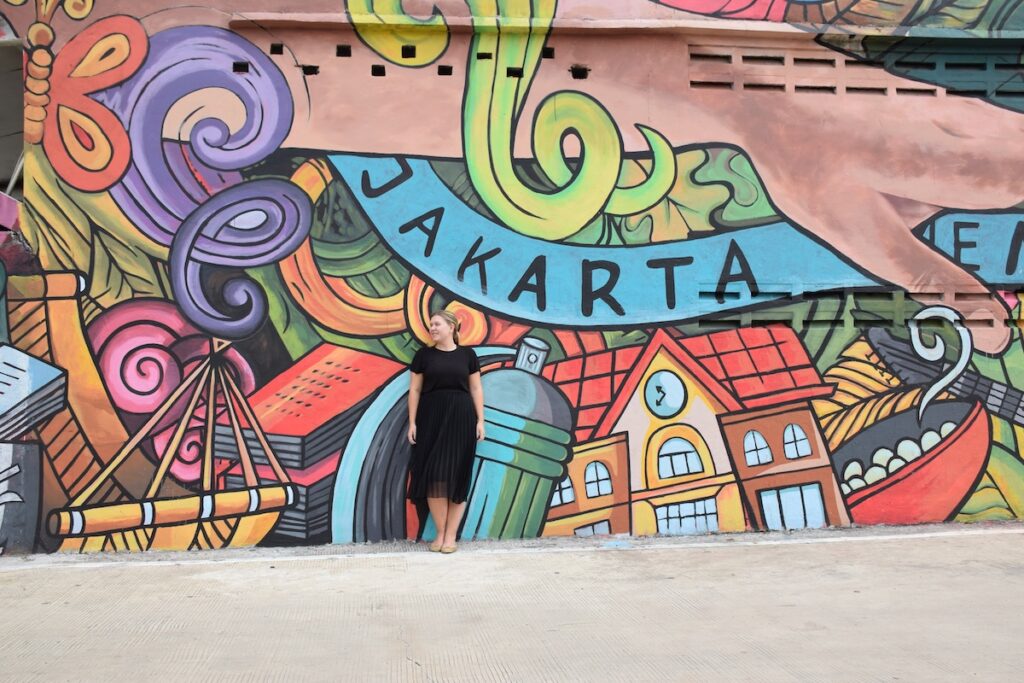
Jakarta rarely appears on lists of must-visit destinations in Indonesia. Most travellers arrive, spend a night near the airport and continue on to Bali, Yogyakarta or one of Indonesia’s many islands.

We think that’s a mistake.

We first visited Jakarta in 2014 when Livia spent six months living and working in the city. Since then we’ve returned several times and continue to discover new sides of Indonesia’s capital. While Jakarta can feel chaotic, crowded and overwhelming at first, it is also one of the most fascinating cities in Southeast Asia.

Behind the traffic and skyscrapers you’ll find incredible food, excellent coffee, fascinating history and some of the friendliest people in Indonesia.

Is Jakarta Worth Visiting?

Absolutely.

Jakarta is not a city that immediately reveals its charm. Unlike Bangkok, Singapore or Kuala Lumpur, there are relatively few obvious tourist attractions. What makes Jakarta interesting is the atmosphere, the food, the neighbourhoods and the endless contrasts between old and new.

One moment you’re exploring a centuries-old Chinese temple, the next you’re standing on a rooftop overlooking one of the largest skylines in Asia.

For a deeper look at why we think Jakarta deserves more attention, read our guide to Why You Should Visit Jakarta.
Where to stay in Jakarta

Jakarta is enormous, so choosing the right area can make a big difference.

Thamrin & Central Jakarta

For first-time visitors, this is our favourite area and where we usually stay when visiting Jakarta.

Staying around Thamrin puts you close to shopping malls, restaurants, cafés and many of the city’s main attractions. One of our favorite hotels in the area is Artotel Thamrin and for a cheaper hotel Cool Living is a solid option, simple but clean. Both being excellent bases for exploring the city.

If you’re looking for an apartment in Thamrin I would suggest Thamrin Residences and Thamrin Executive residence, where we have stayed multiple times.

Menteng & Cikini

Menteng is one of Jakarta’s most pleasant neighbourhoods, filled with trees, cafés and historic buildings.

We stayed in an apartment in Cikini and found it to be a great area for longer stays. It feels slightly calmer than central Jakarta while still offering easy access to the rest of the city.

Luxury Hotels

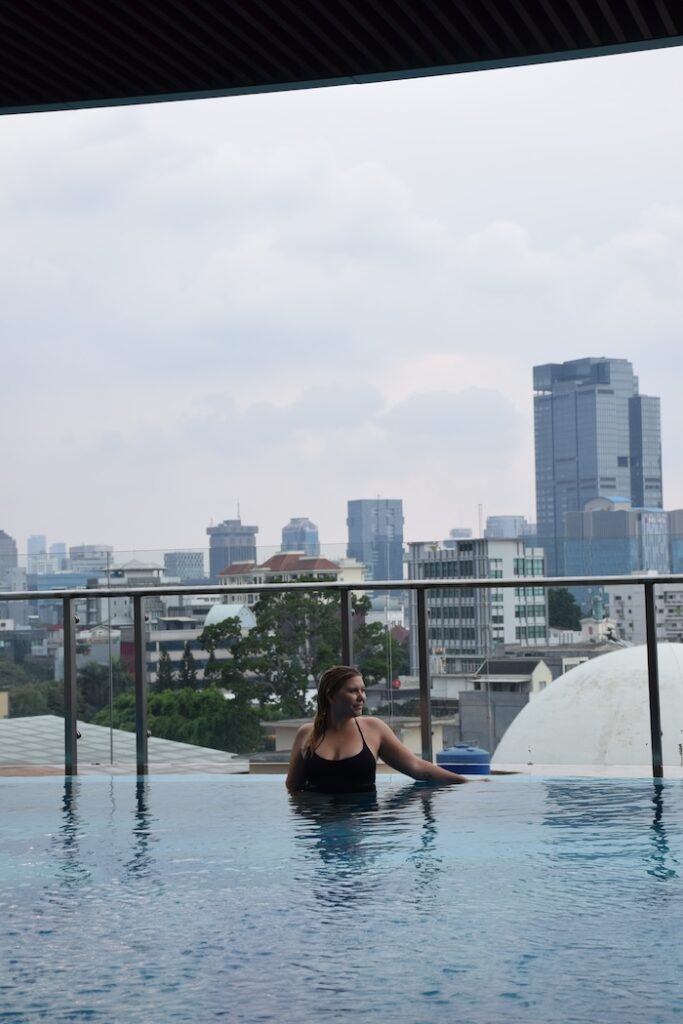
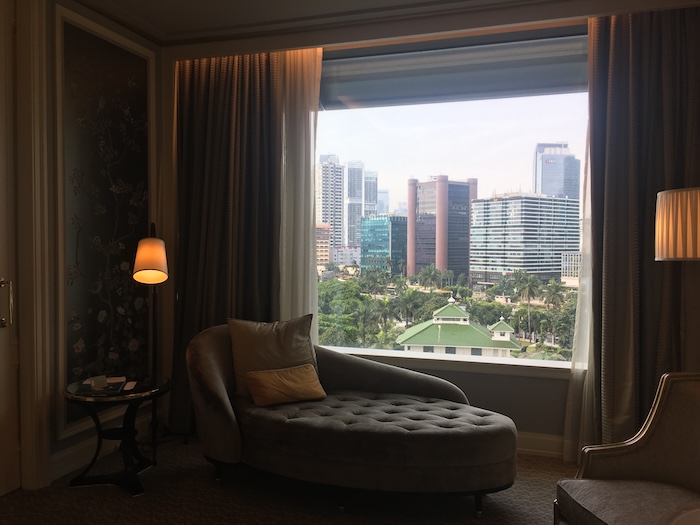
Jakarta has some of the best-value luxury hotels in Asia. Compared to Europe, five-star hotels are often surprisingly affordable. We loved our stay at the Four Seasons Jakarta, but there are many excellent luxury options throughout the city.
Apartment in Cikini
Four seasons
Thamrin residences

Getting Around Jakarta

Jakarta is famous for its traffic, and the reputation is well deserved. Fortunately, ride-hailing apps such as Grab, Uber and Gojek make getting around surprisingly easy. We never rented vehicles ourselves and instead relied on taxis and ride-hailing apps throughout our visits.

We tend to use Grab or just hailing a Blue Bird taxi on the street. There is also a metro in Jakarta now, which has made it much easier to go north – south.

Best Things to Do in Jakarta

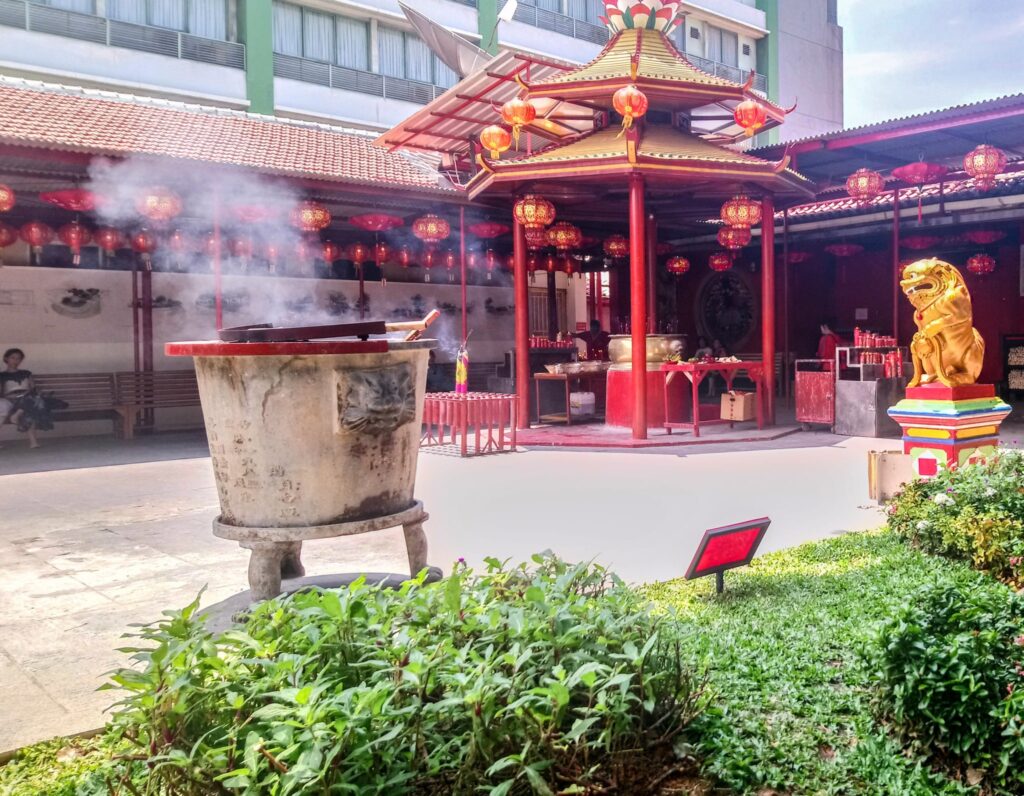
Explore Chinatown (Glodok)

Located north of the city centre, Glodok is Jakarta’s historic Chinatown and one of our favourite parts of the city.

The area is packed with markets, temples, food stalls and small shops. Wandering through the narrow streets is one of the best ways to experience a different side of Jakarta.

Two of the most interesting attractions are the Chinese temples hidden among the busy streets. Visitors are welcome to enter and learn more about local traditions and culture.

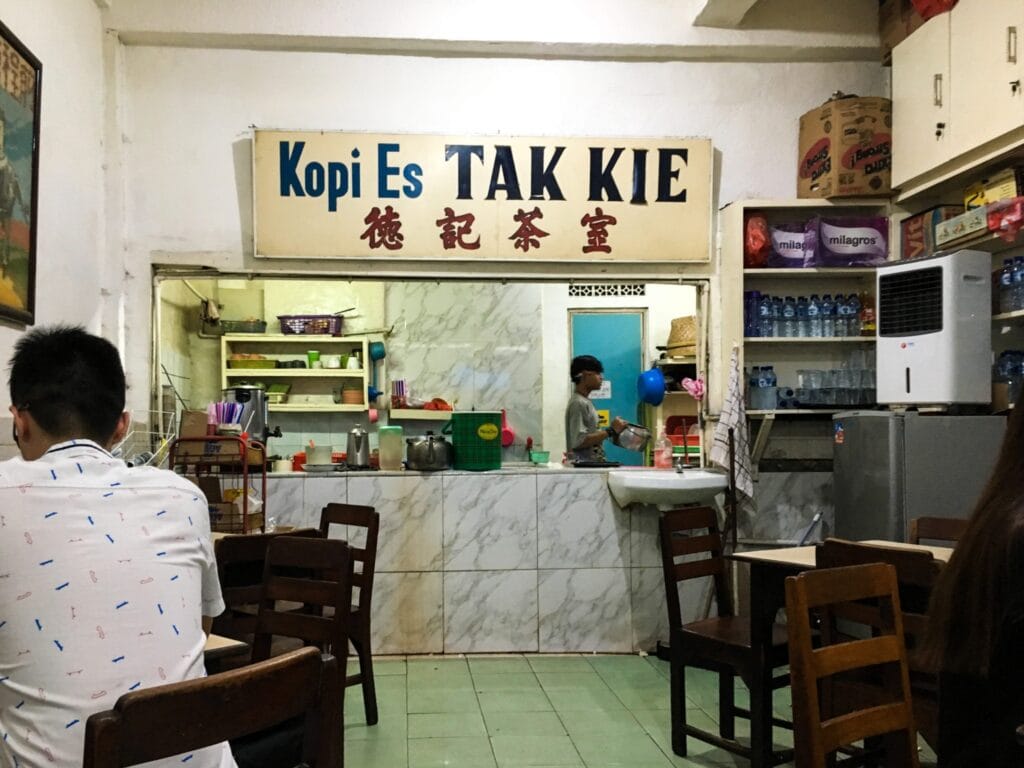
Don’t miss Kopi Es Tak Kie, one of Jakarta’s oldest coffee shops.
Visit Kota Tua (Old Town)

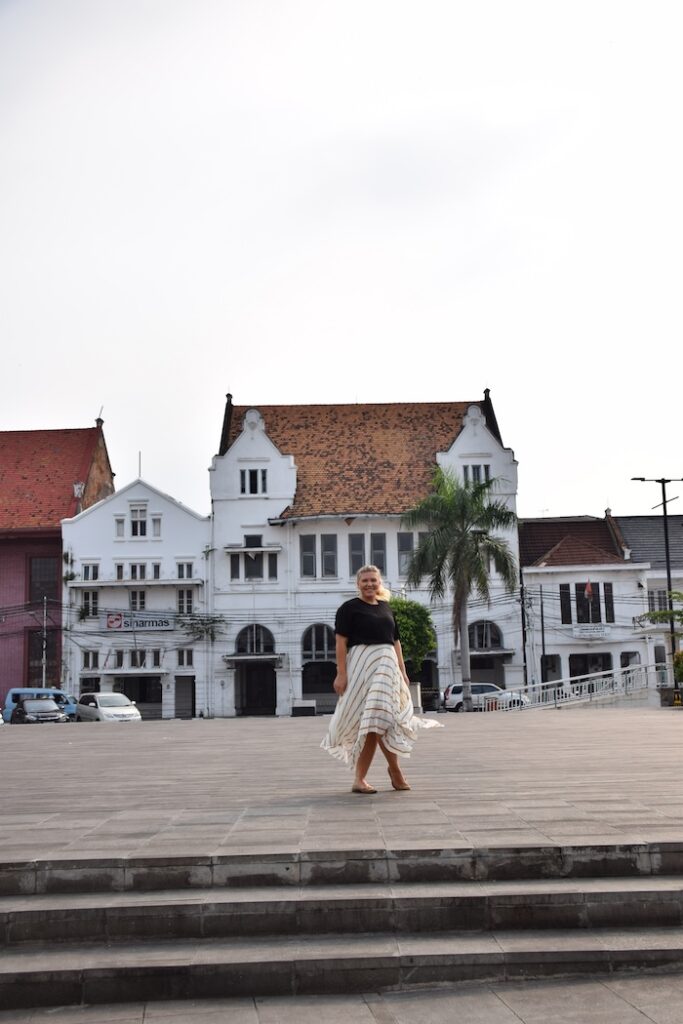
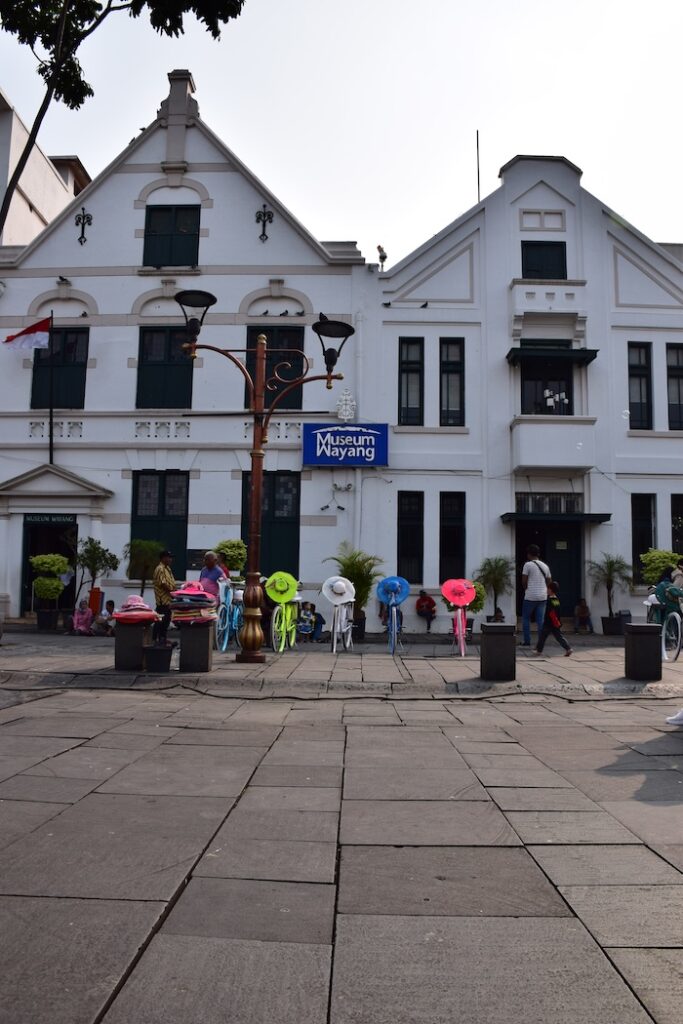
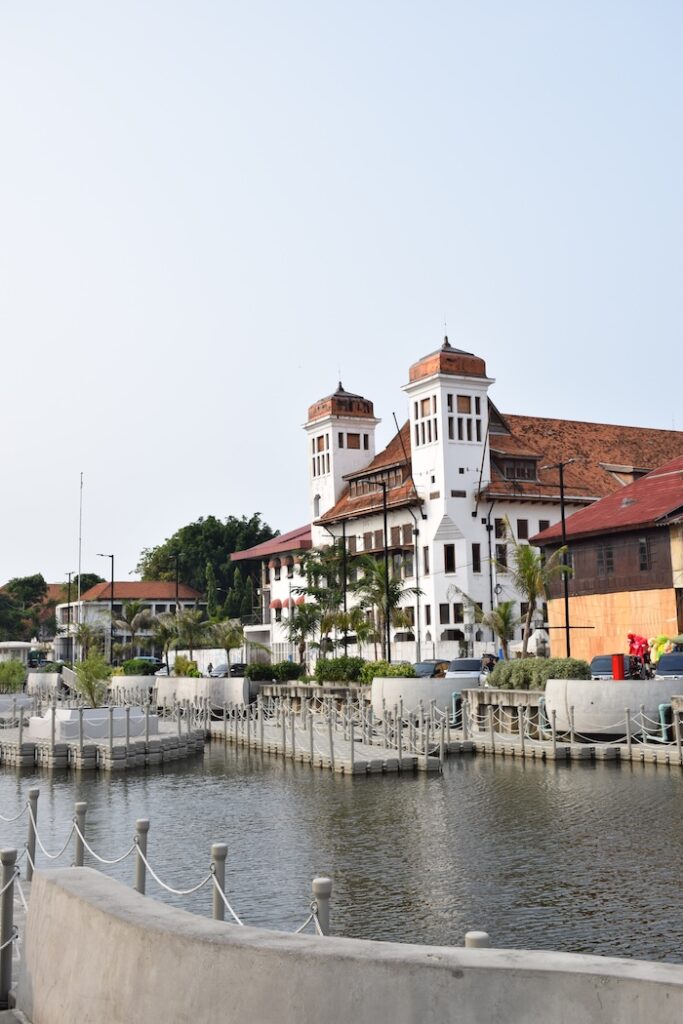
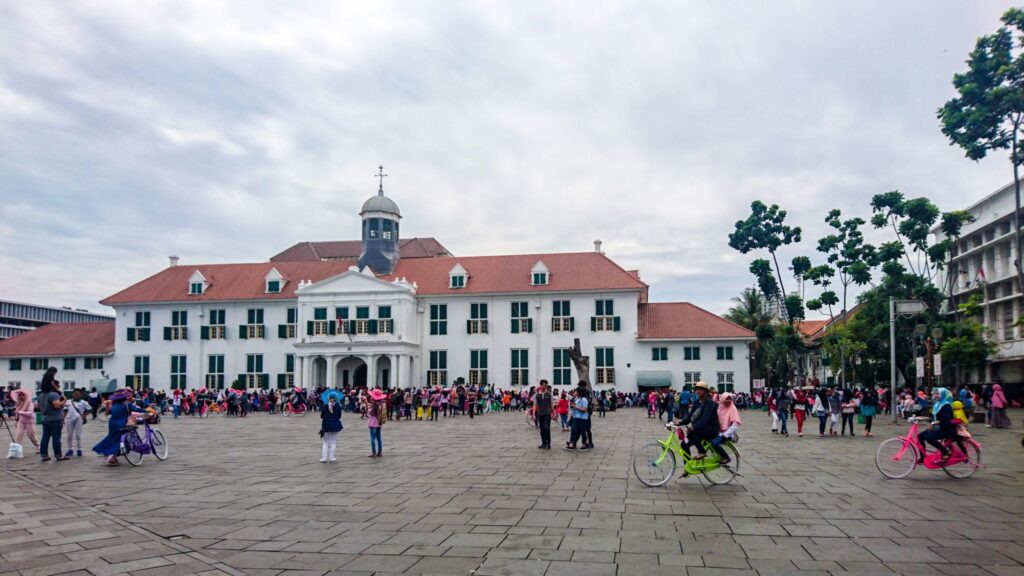
Kota Tua is Jakarta’s historic colonial centre and home to some of the city’s most recognisable buildings.

The area around Fatahillah Square contains museums, cafés and restored Dutch colonial architecture. One of the best places to take a break is Café Batavia, which overlooks the square and feels like stepping back in time.

While the main square is well maintained, simply wandering through the surrounding streets reveals a fascinating mix of restored buildings, abandoned colonial structures and modern Jakarta life.
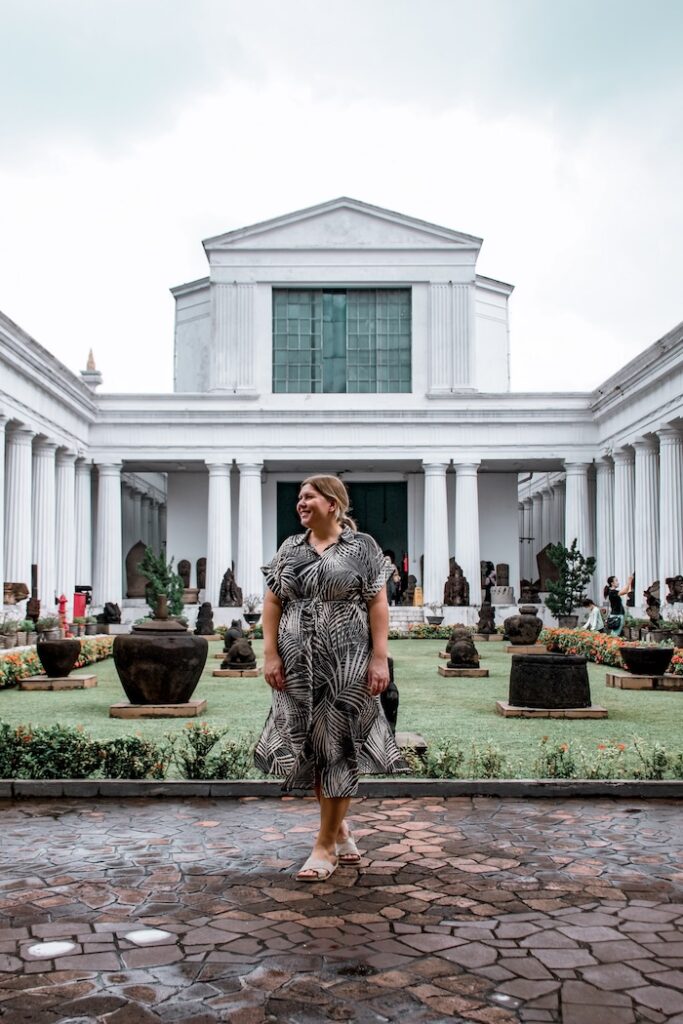
Visit the National Museum

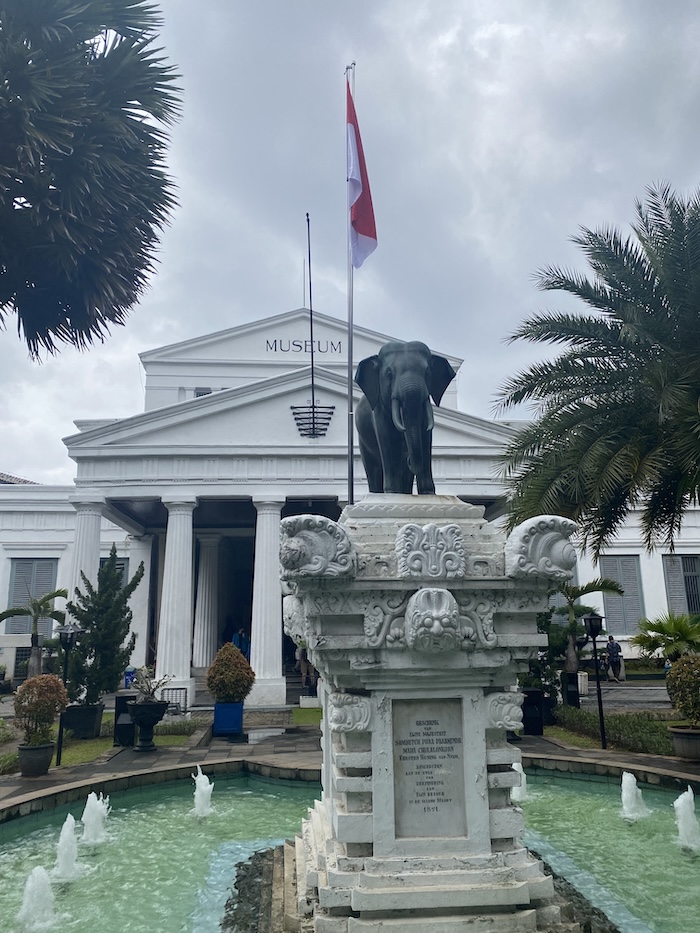
The National Museum is one of the best places to learn about Indonesia’s history and cultural diversity.

Its collection covers everything from ancient kingdoms and archaeological discoveries to traditional art and regional cultures. Visiting before travelling elsewhere in Indonesia provides useful context for understanding the country.
Explore Taman Mini Indonesia Indah

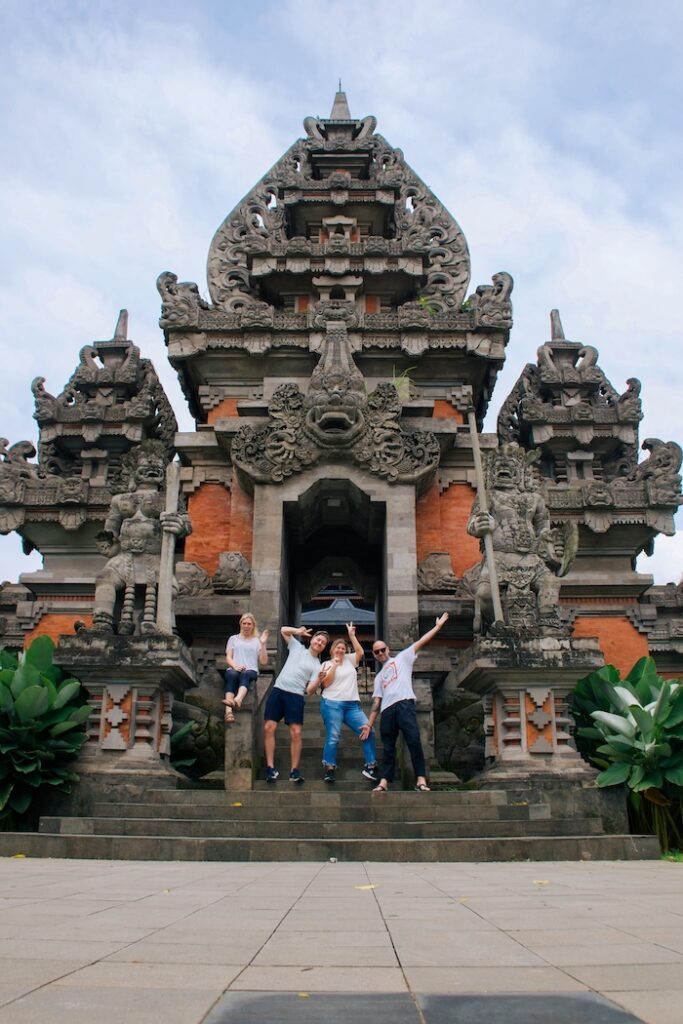
If you only have time for one cultural attraction in Jakarta, make it Taman Mini.

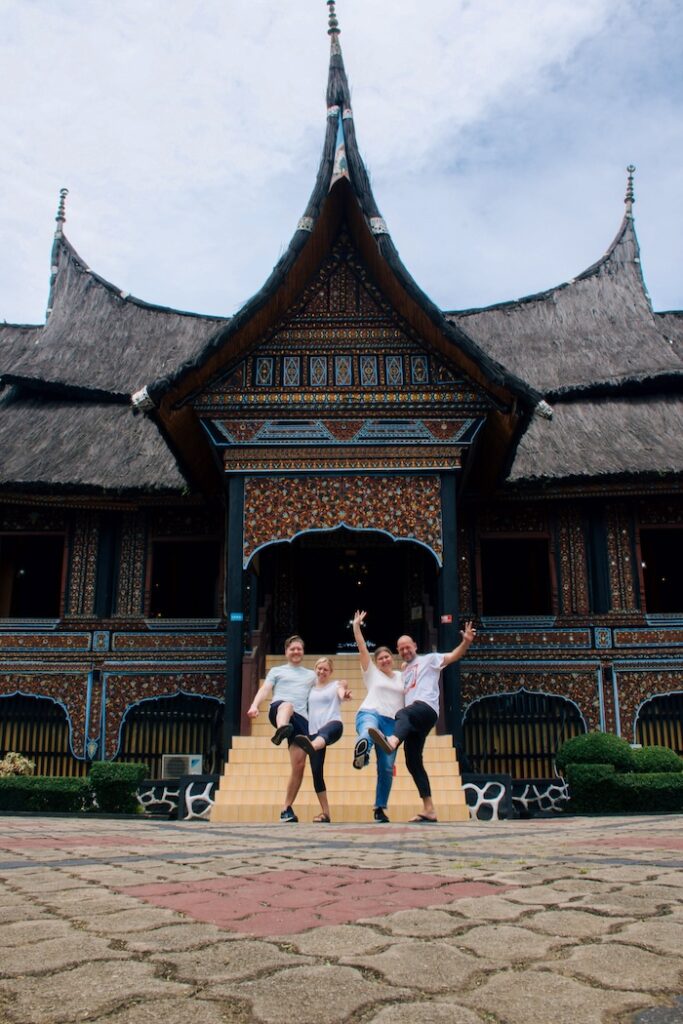
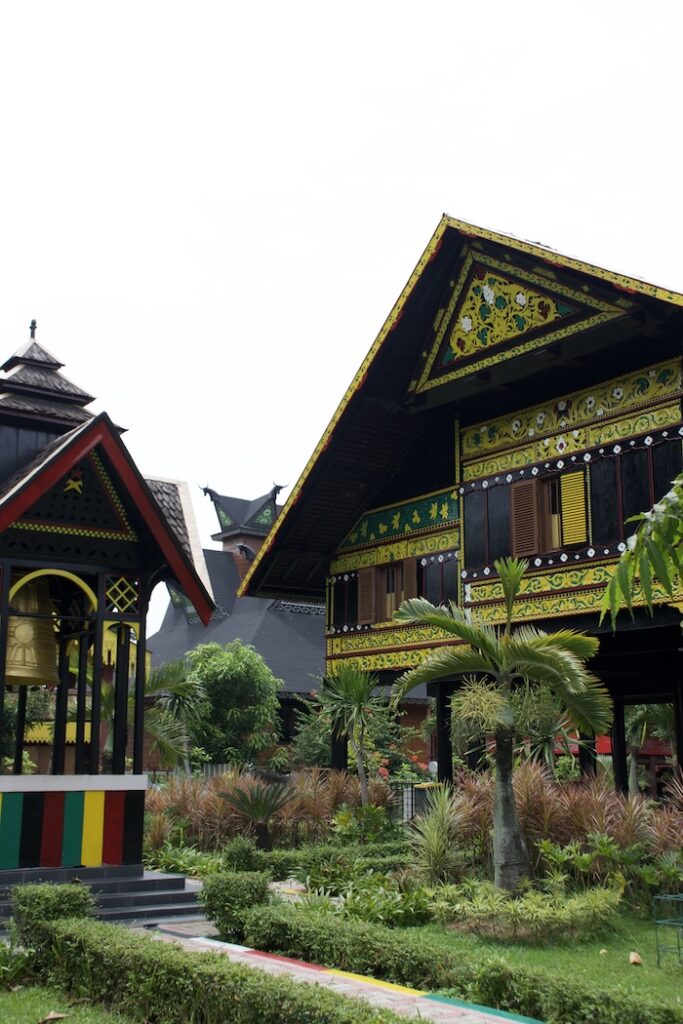
This enormous park showcases traditional houses, architecture and cultural traditions from all over Indonesia. Each province has its own area, making it feel like a miniature version of the entire country.

The park is huge, so allow a full day if you want to explore it properly.
Discover Jakarta’s Street Food

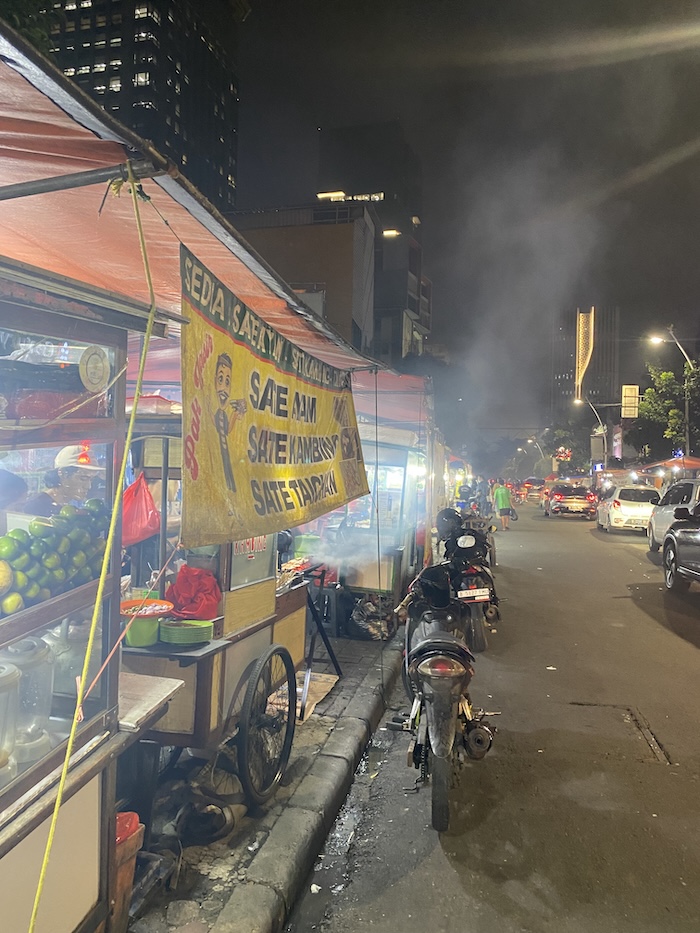
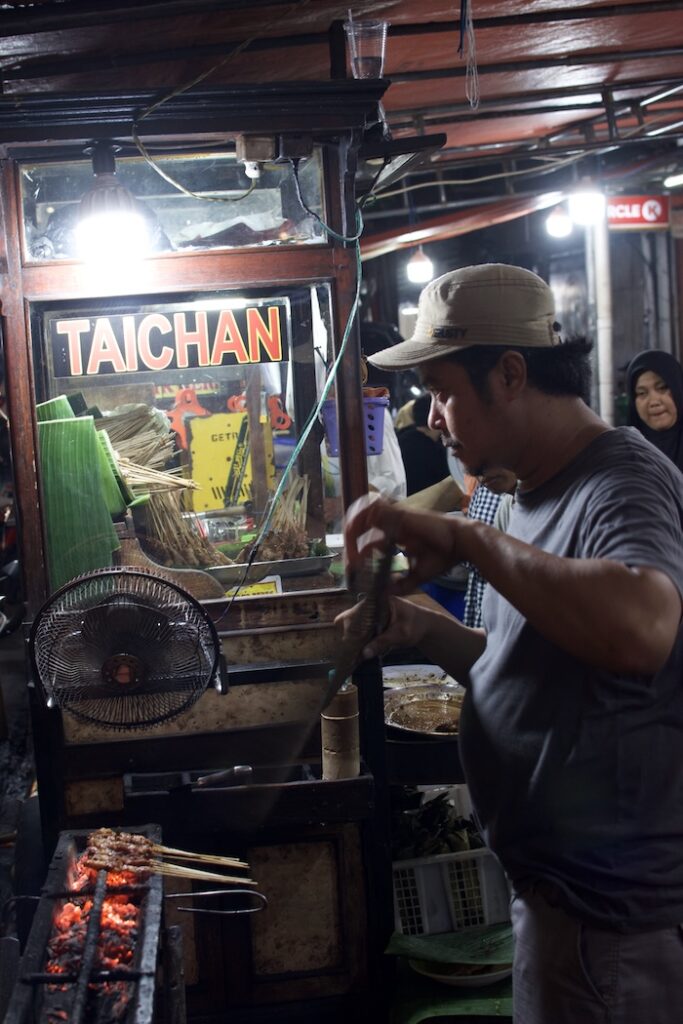
One of our favourite things to do in Jakarta is simply eat.

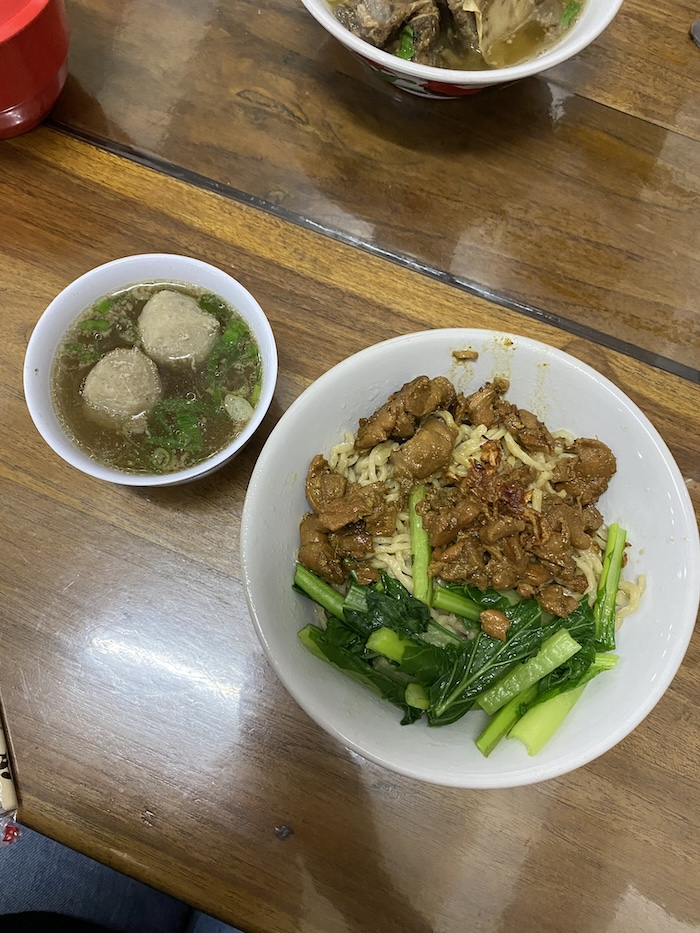
Street food stalls can be found on almost every corner, serving everything from satay and noodles to soups and grilled meats.

Some of our favourite local spots include Bakso Populer, Bakso Rusuk Samanhudi Sabang, Mie Ayam Gajah Mungkur and Sate Kambing Jaya Agung.

Don’t be afraid to follow the crowds. If a stall is packed with locals, there’s usually a good reason.
Discover Jakarta’s Modern Skyline

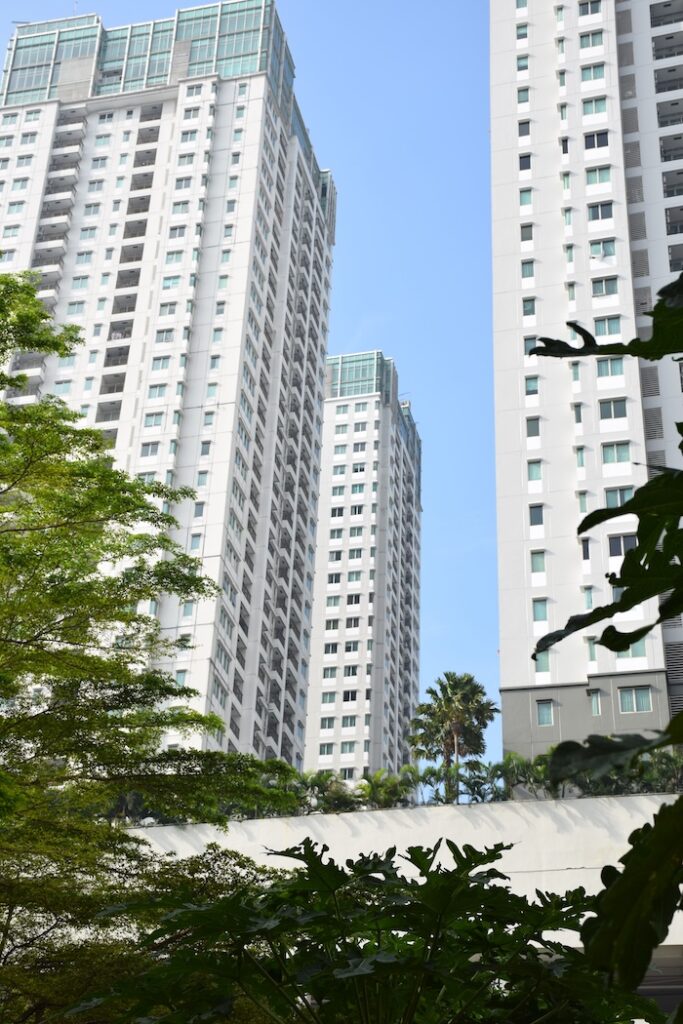
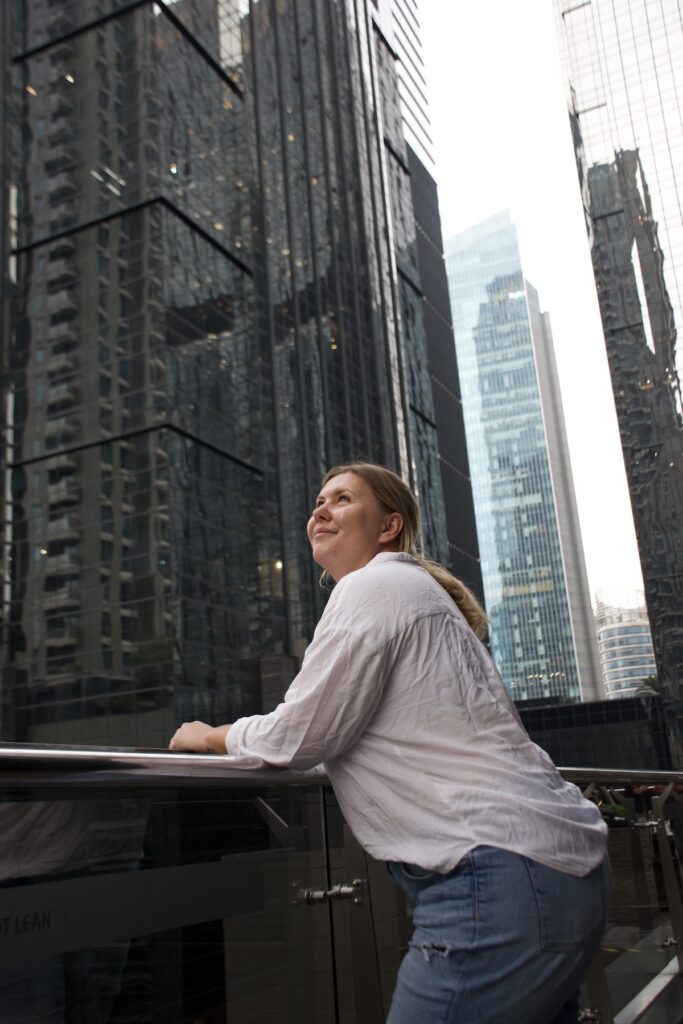
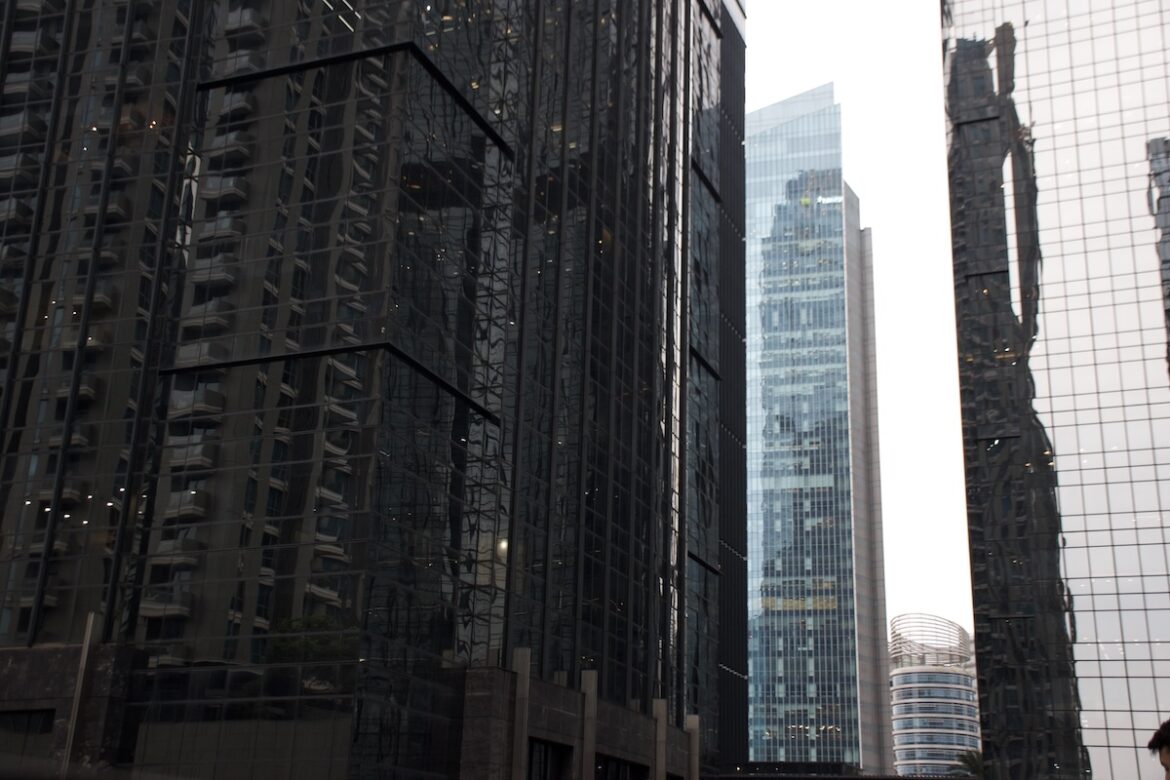
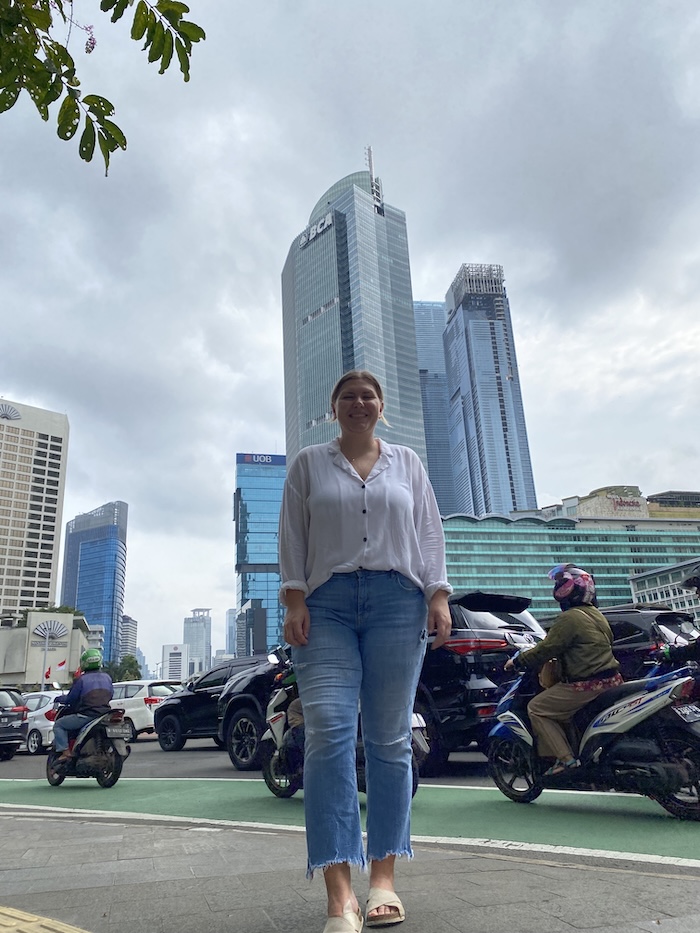
Many first-time visitors are surprised by how modern parts of Jakarta feel. The area around SCBD (Sudirman Central Business District) is filled with skyscrapers, luxury hotels, rooftop bars and some of Indonesia’s most important business headquarters.

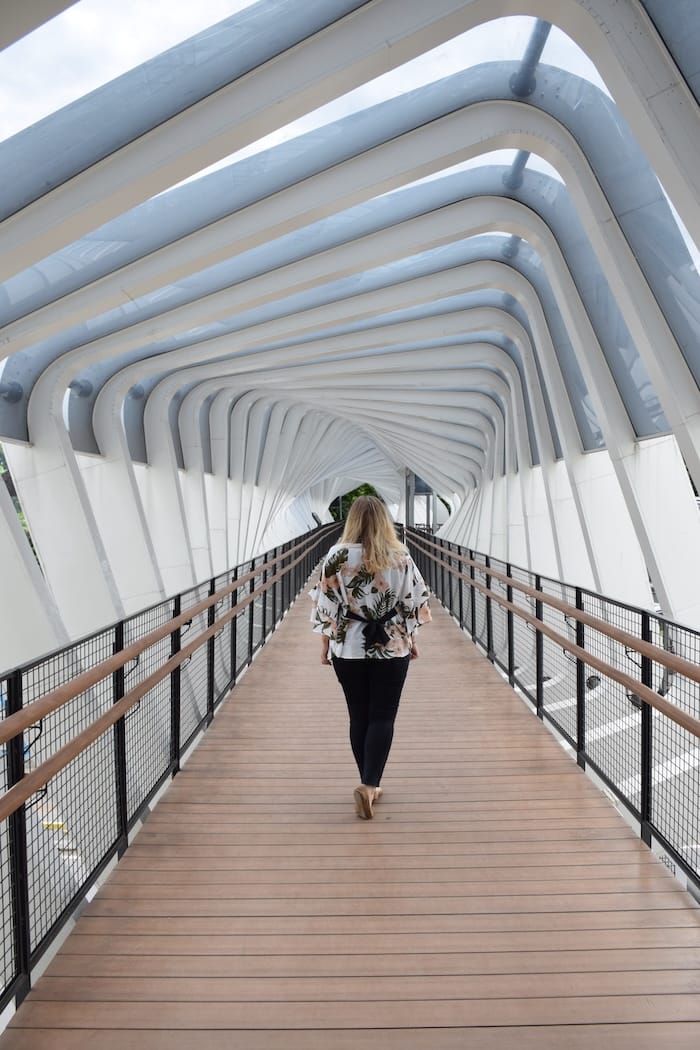
One of our favourite places to explore is ASHTA District 8. The development combines restaurants, cafés, shops and public spaces, all surrounded by some of Jakarta’s most impressive architecture. Walking through the area feels completely different from wandering through Glodok or Kota Tua and offers a glimpse into Jakarta’s rapidly changing future.

If you’ve seen photos of Jakarta that look more like New York or Singapore than Indonesia, there’s a good chance they were taken around SCBD.
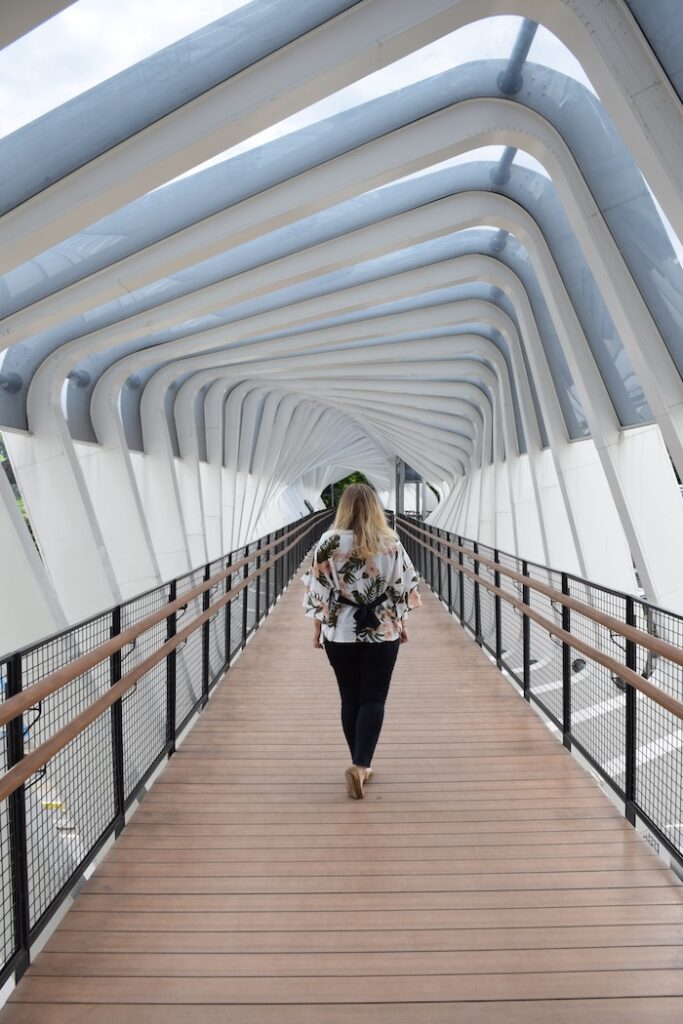
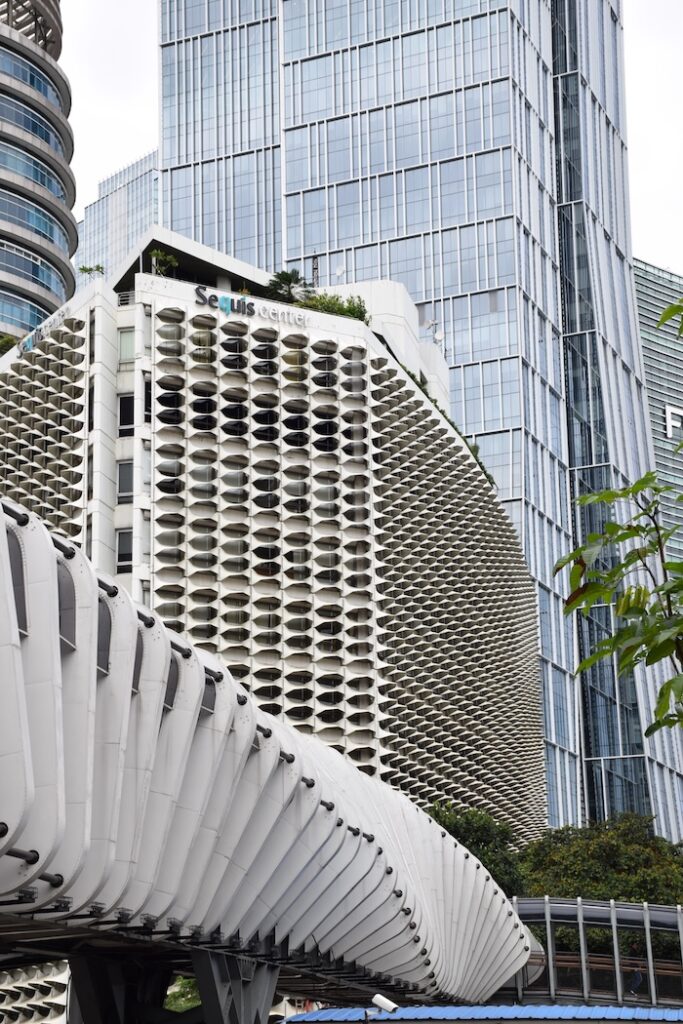
ASHTA District 8

Enjoy Jakarta’s rooftop bars

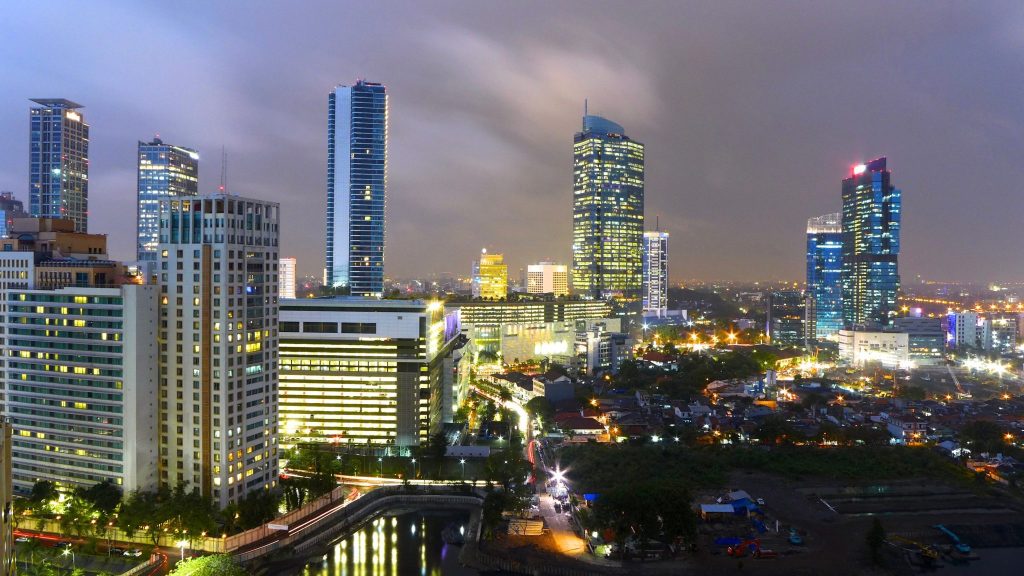
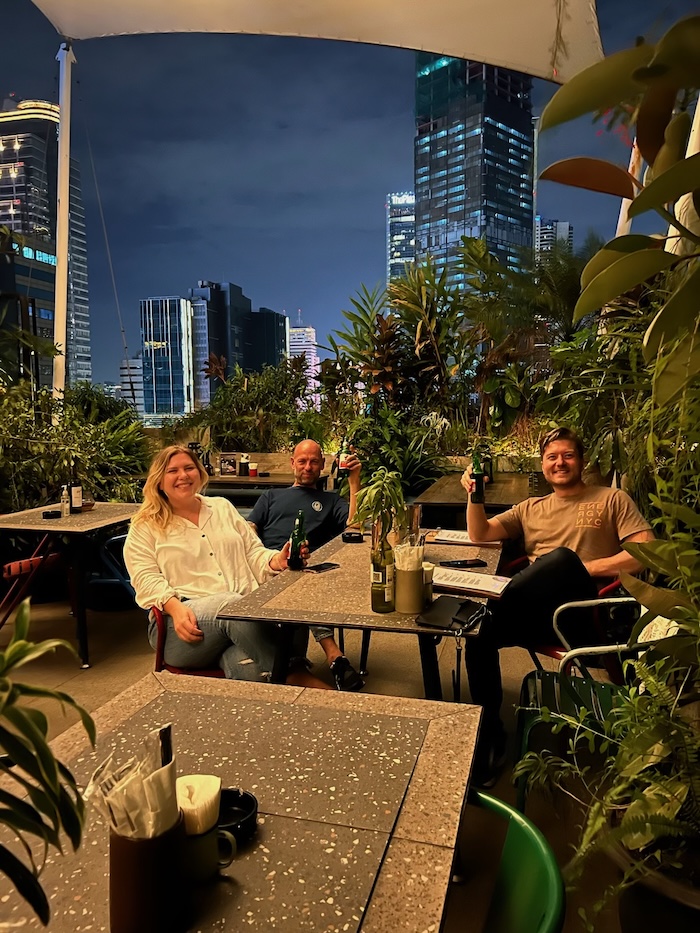
Rooftop bars, restaurants and hotels offer spectacular views across the city. Watching the lights come on as the sun sets over the skyscrapers is one of our favourite ways to spend an evening in Jakarta.

The rooftop at Kosenda Hotel or Artotel is a great budget-friendly option, while luxury hotels such as the Four Seasons offer a more upscale experience. Skye is also a good option for both food and the bar.
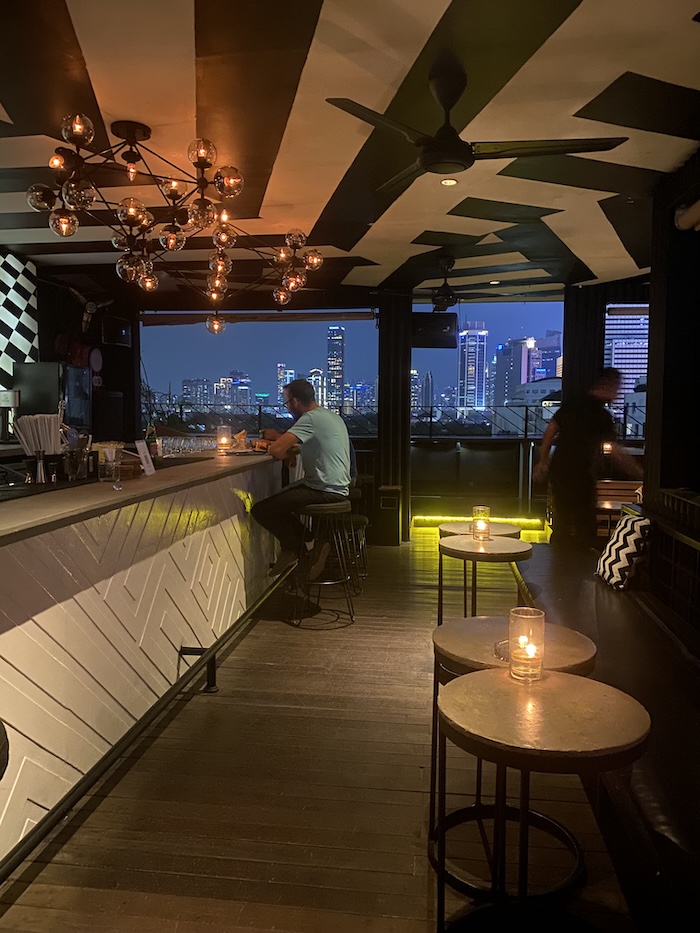
Jakarta skyline
Jakarta skyline

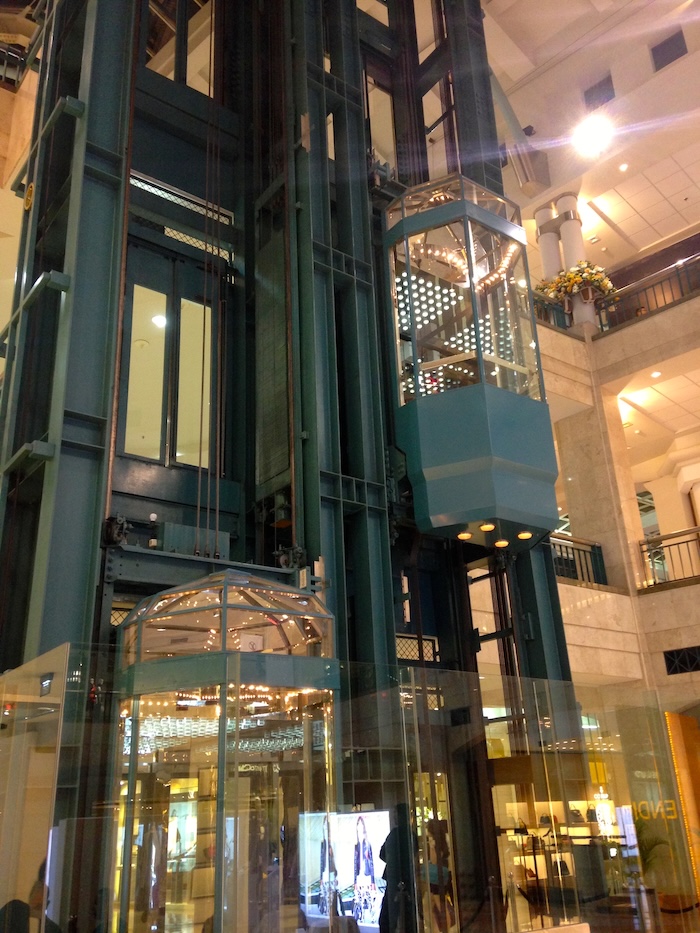
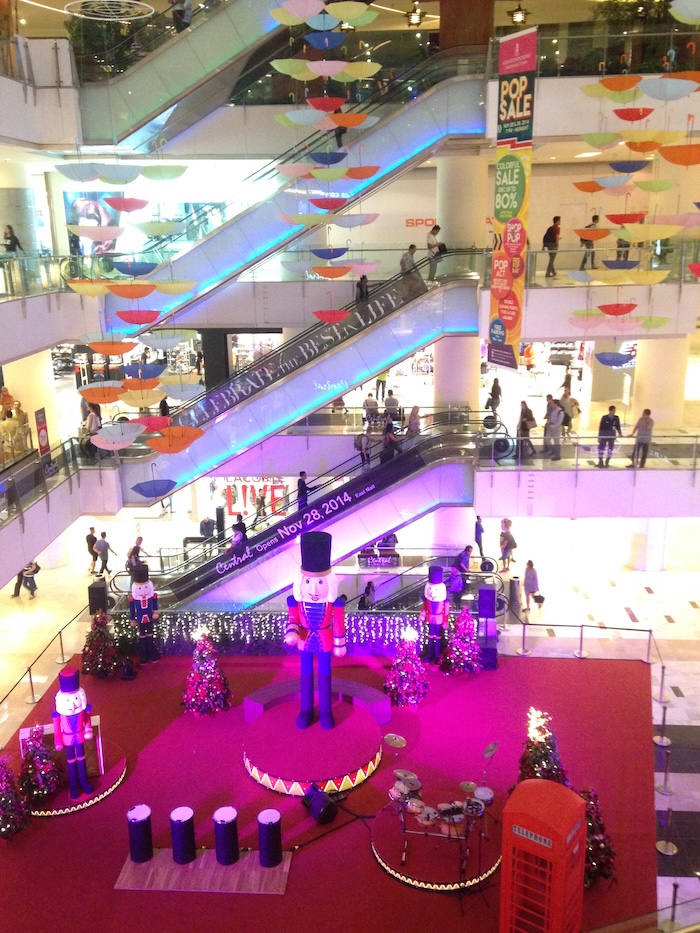
Explore Jakarta’s Malls

Love them or hate them, Jakarta’s malls are part of the city experience.

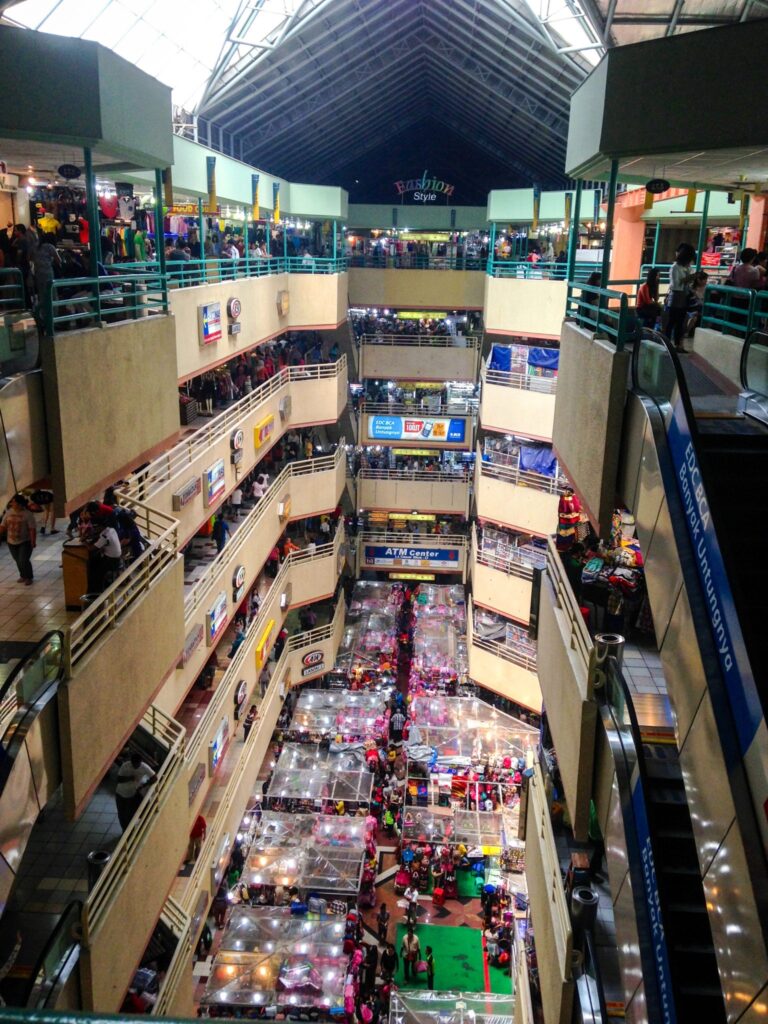
Jakarta has long been claimed to have one of the highest numbers of shopping malls per capita in the world. They aren’t simply places to shop. They function as community spaces where people meet friends, eat, watch films, work, exercise and escape the heat and traffic outside.

At the luxury end you’ll find enormous complexes such as Grand Indonesia and Plaza Indonesia, while places like ITC Mangga Dua feel more like giant indoor markets. Many malls contain hundreds of shops, food courts, cinemas and entertainment venues, making them destinations in their own right.

Another favourite of ours is Sarinah, Jakarta’s oldest department store. Recently renovated, it combines shopping, restaurants, cafés and Indonesian brands under one roof. It’s a great place to browse local products and get a feel for modern Jakarta.

We often found ourselves retreating to a mall after a long day exploring the city. Air conditioning, good coffee and excellent food are hard to argue with when Jakarta temperatures start climbing.
Visit Pantjoran PIK and Pantai Maju

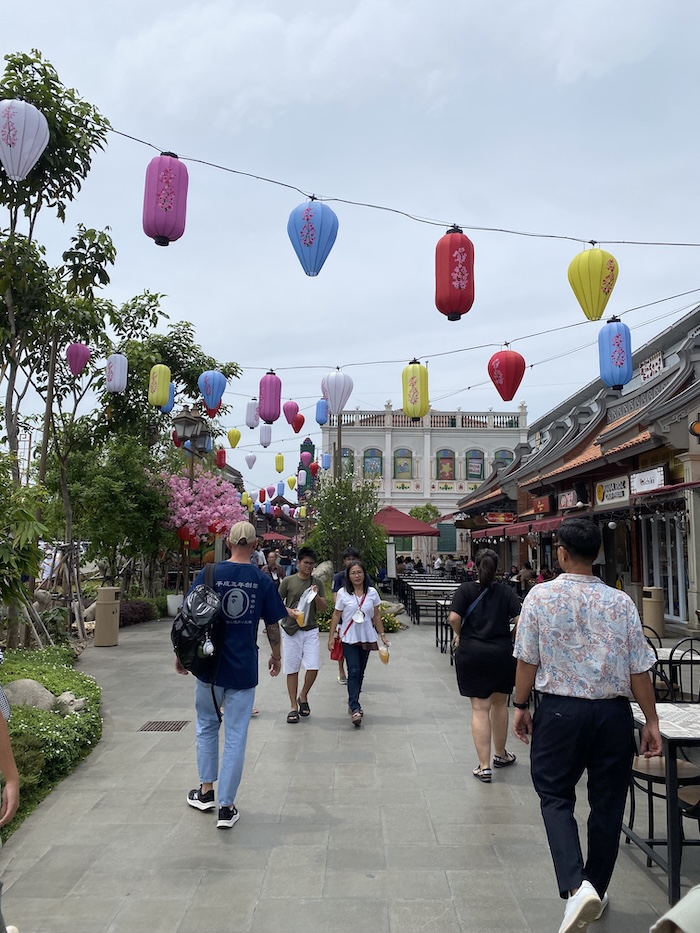
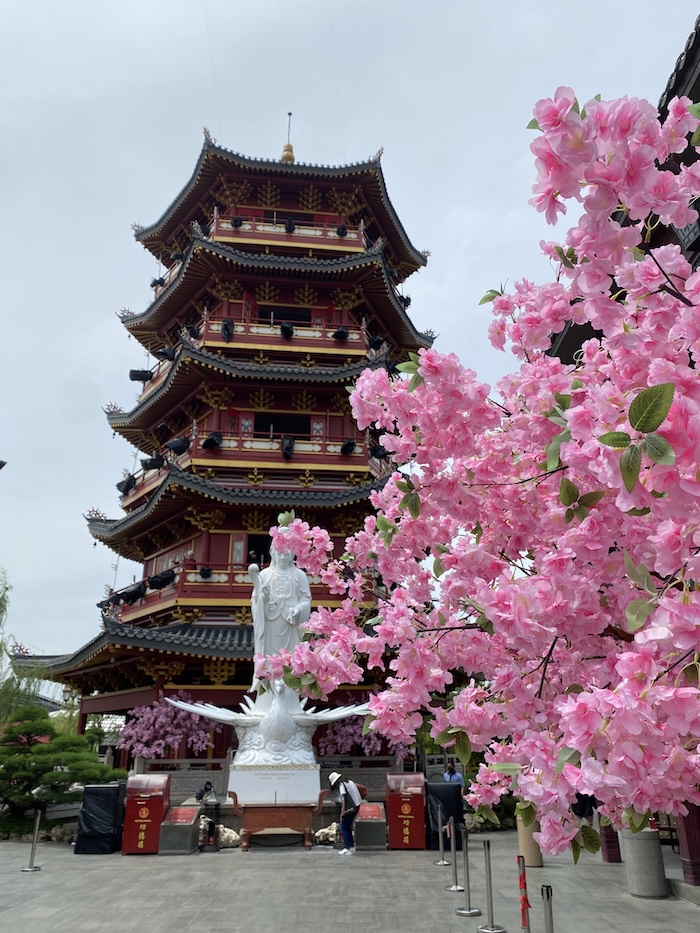
One of the newer areas we enjoyed exploring was Pantjoran PIK in Pantai Indah Kapuk.

This modern development combines Chinese-Indonesian influences, restaurants, cafés and attractive architecture. Nearby Pantai Maju showcases yet another side of Jakarta’s constant transformation.
Experience Jakarta’s Coffee Culture

Indonesia produces some of the best coffee in the world and Jakarta has fully embraced café culture.

Some of our favourite coffee spots include Kopi Es Tak Kie in Glodok and Saudagar Kopi Sabang in central Jakarta.

Whether you prefer traditional Indonesian coffee or modern specialty cafés, Jakarta has plenty to offer.

Where to Eat in Jakarta

One of the biggest reasons we keep returning to Jakarta is the food.

From tiny street food stalls and local warungs to upscale restaurants, the city offers an incredible variety of dining options. Some of our favourite places include Restoran Garuda, Tesate Sam Ratulangi and the many food stalls scattered throughout the city.

For more recommendations, read our full guide to Where to Eat in Jakarta.

Why We Keep Returning to Jakarta

Jakarta is not the easiest city to love.

The traffic can be frustrating, the heat can be intense and it lacks the obvious tourist attractions found elsewhere in Indonesia.

Yet somehow we keep coming back.

Perhaps it’s the food, the coffee, the fascinating mix of cultures or simply the energy of the city itself. Whatever the reason, Jakarta has become one of our favourite places in Indonesia and a city we believe deserves far more attention from travellers.

June 20, 2018 0 comments
FacebookTwitterPinterestLinkedinRedditStumbleuponWhatsappTelegramThreadsOpenAIChatGPTEmail
Indonesia

Hidden Jakarta Tour: Our Experience & Is It Ethical?

by Sam June 19, 2018
written by Sam

Before booking the Hidden Jakarta Tour, we spent quite a bit of time discussing whether we actually felt comfortable doing it.

Tours that take visitors into low-income communities are controversial, and understandably so. At their worst, they can turn people’s everyday lives and difficult circumstances into a tourist attraction. We didn’t want to spend an afternoon simply walking around looking at how other people lived.

But the more we read about Hidden Jakarta, the more interested we became in how this particular tour worked. It was presented as a community-based initiative, with money from the tours supporting projects within the communities and local people involved in the organisation.

Eventually, we decided to go.

There were moments when we felt uncomfortable and initially weren’t quite sure how to behave. But the experience turned out to be very different from what we’d feared, and gave us an insight into a side of Jakarta we’d never experienced before.

What Is the Hidden Jakarta Tour?

Hidden Jakarta is a community-based initiative that takes visitors into some of Jakarta’s kampungs to meet residents and learn more about everyday life in these communities.

Today, Hidden Jakarta describes its approach around three principles: Emergency, Education and Empowerment, or the 3Es. Tour fees and donations help fund emergency assistance, school supplies, meals and education, as well as support for small businesses and other community initiatives.

The organisation also emphasises local guides, small groups and community consent as part of its approach to responsible tourism.

We took the Hidden Jakarta Tour in 2018, so some of the practical details may have changed since our visit. Everything below is based on our own experience at the time.

Starting at Fatahillah Square

Our day started somewhere much more familiar to visitors: Fatahillah Square in Jakarta’s Old Town.

The square is one of Jakarta’s main sightseeing spots and was busy with visitors, street vendors and groups of students.

As foreigners, we were regularly approached by students wanting to practise their English. The routine was usually similar: your name, where you’re from and why you’ve come to Indonesia, often recorded on camera, followed by a selfie.

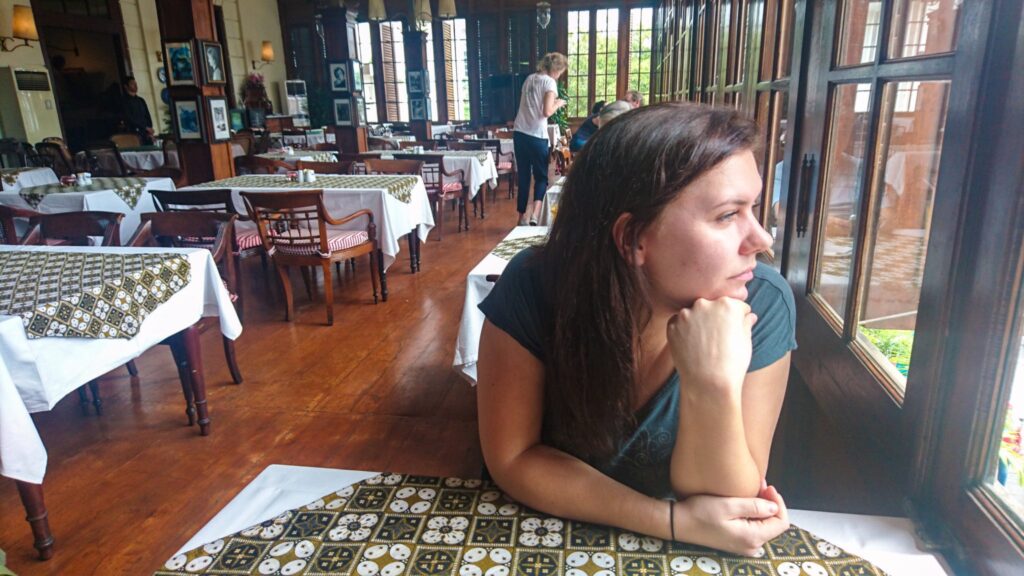
We stopped for coffee at the famous Café Batavia overlooking the square. The food was fine, but you’re definitely paying partly for the historic setting and location. The coffee, however, was excellent, with different coffees from across Indonesia to choose from.

From there, we met our guide at a local café just around the corner.

Over lunch and iced tea, we talked about what we were going to see and, importantly, about taking photos. This was something we’d been concerned about beforehand. Walking into someone’s neighbourhood and immediately pulling out a camera didn’t feel right. Our guide explained that we should judge each situation individually and that he could check with people when necessary. As it turned out, some of the people we met actively asked us to take their photos.

Drinking Coffee at Cafe Batavia Jakarta

Leaving Tourist Jakarta Behind

After lunch, the three of us climbed into a microlet, one of Jakarta’s small local buses, and headed off.

We got out near Jembatan Kota Intan, Jakarta’s historic Dutch drawbridge. After dodging the traffic, we ducked into a narrow alley and continued towards the railway tracks.

This was where the experience became very different from the Jakarta we’d seen until then.

Visiting the Communities

One of our first meetings was with a woman living in a small, dark space beneath the railway. She explained to our guide that she lived there with her husband, who worked nearby as a parking attendant and earned around $2 a day at the time. Their belongings were carefully arranged around the small room. They had electricity, a fridge and a fan moving the hot Jakarta air around the space.

This first meeting felt awkward. Not because of anything she did, but because we weren’t entirely sure how we were supposed to act. We were standing inside someone’s home, seeing living conditions completely different from our own and very aware that we were there as visitors.

But as the day continued, we relaxed.

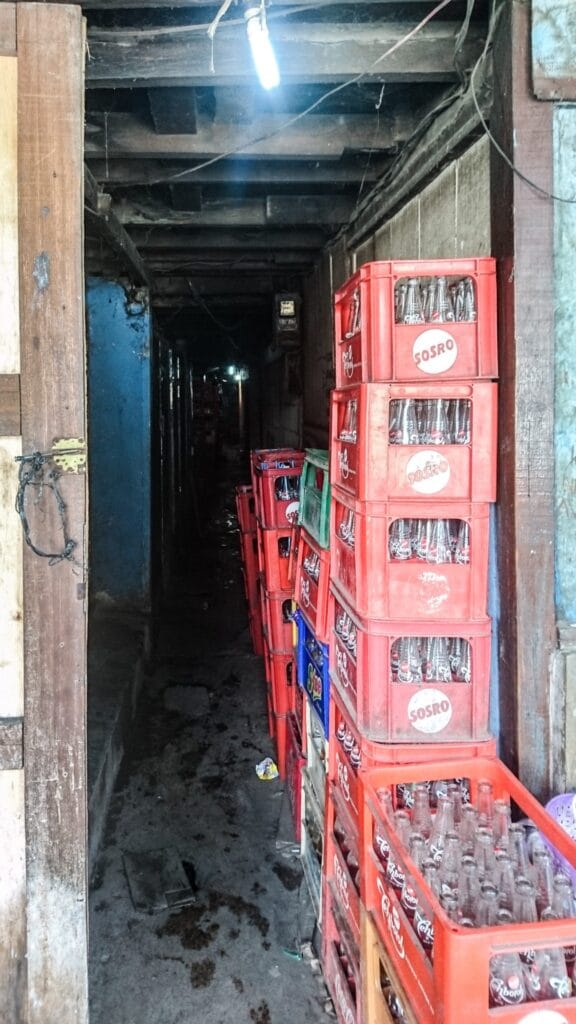
Back in the narrow corridor, we climbed a ladder and walked along a thin plywood floor between different homes before eventually emerging back into the daylight.

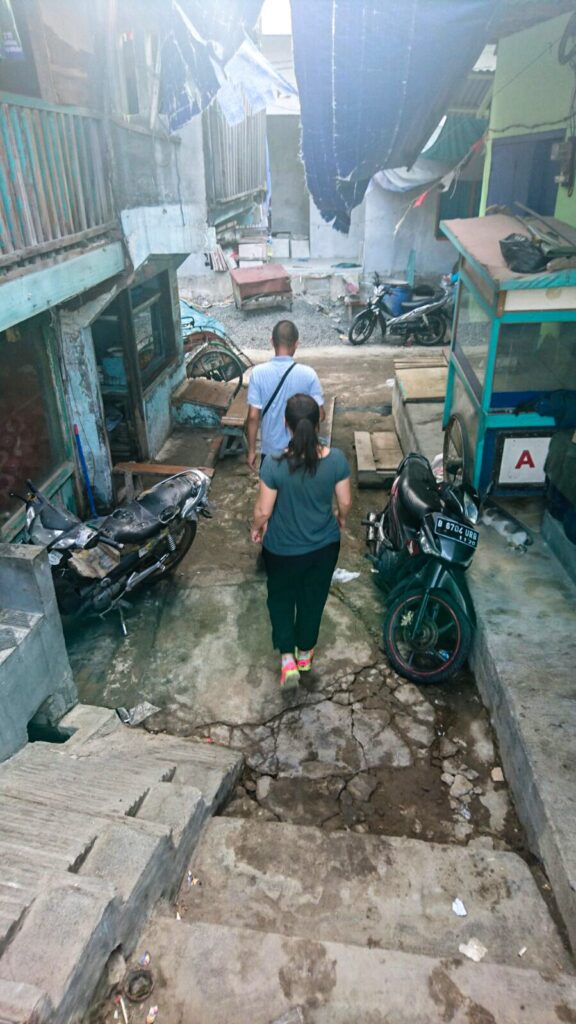
We passed people chatting, cooking and cleaning, while children ran around playing. We said hello as we passed and gradually the whole experience began to feel less awkward and more about simply meeting people.

Dark alleyway leading down underneath the railway tracks

Heading Towards the Docks

From there, we continued towards the docks.

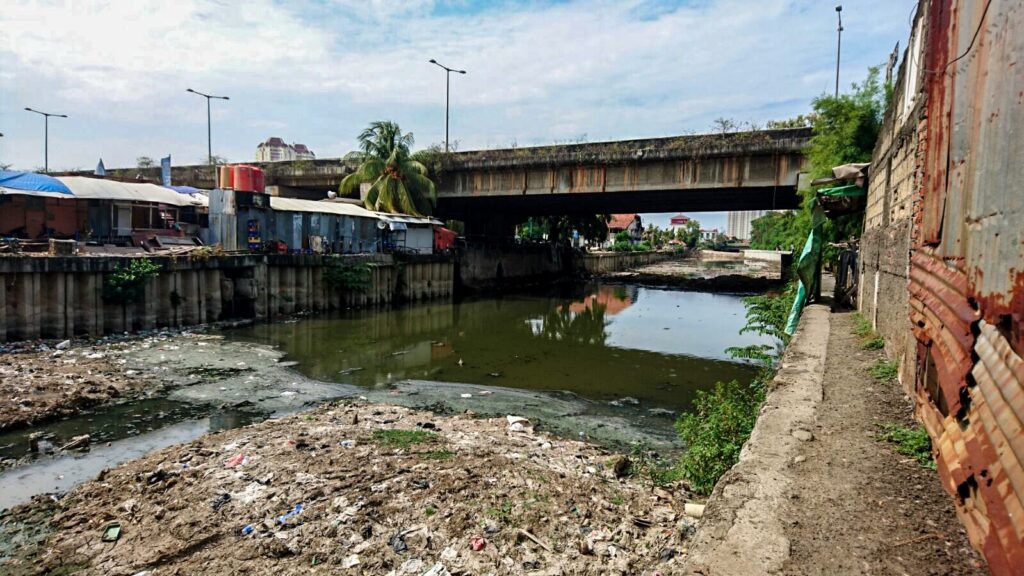
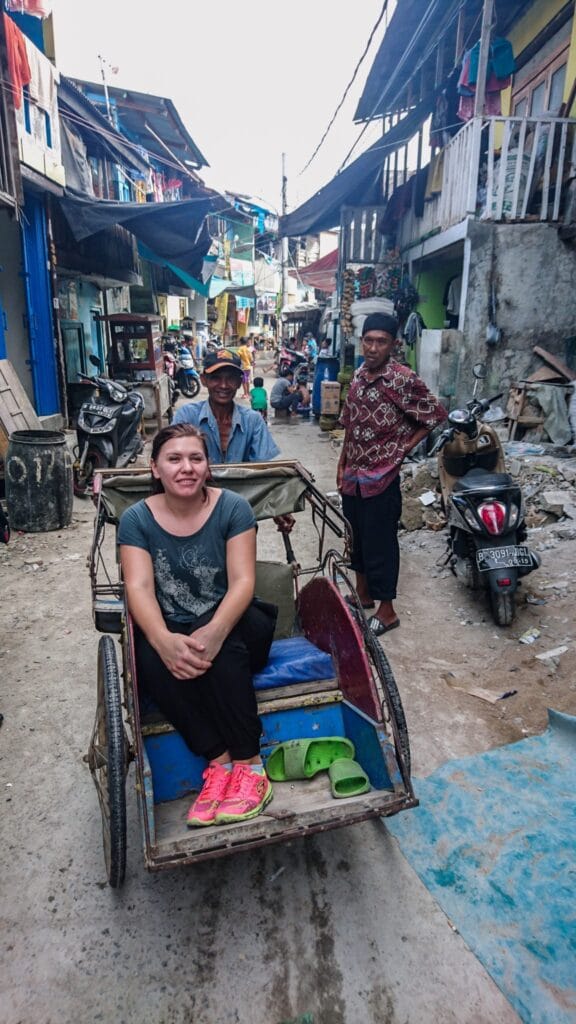
This time we climbed into a bicycle tuk-tuk and travelled through a low-income, working-class part of northern Jakarta. Eventually, we reached a small local ferry crossing a waterway. It was essentially a covered wooden platform pulled from one side to the other using a rope. On the other side, we climbed into an even smaller wooden boat.

A local man took us out through the harbour towards an old green lighthouse, with his young grandson sitting proudly at the front.

We passed dozens of boats and ships in different states of repair. After around half an hour, we reached more open water, with the lighthouse ahead and enormous container ships scattered across the horizon.

Sitting in our little wooden boat surrounded by them certainly put their size into perspective.

Walking through the back streets near the docks in Jakarta
Livia in a bicycle tuk-tuk

Life Around the Docks

Back on land, our guide took us through an area beside the docks where families were living in makeshift homes constructed from whatever materials were available.

The ground was covered with rubble, bricks, concrete and pieces of cable. Homes had been built using timber, metal sheets, tarpaulins and other materials, with some floors and beds raised above the ground.

One of the women we met lived there with her six children. At the time, she told us that her husband worked on a cargo boat travelling between Indonesia and the UAE and returned every few months.

Our guide also explained that the homes in this area weren’t officially permitted and that residents faced the possibility of them being demolished. This was what we were told during our visit in 2018, and we can’t comment on the situation there today.

We sat down with one family and spent some time talking. And the questions certainly weren’t all coming from us. Were we married? Where did we live? Where were we from? How much did we earn? How much did we pay in rent? Some of those questions would probably feel very personal back home, but here they were asked with genuine curiosity.

It was one of the things that stayed with us from the day. These weren’t completely one-sided encounters where we arrived, asked questions and left. The people we met were often just as interested in our lives as we were in theirs.

Seeing a Different Side of Jakarta

We’d already spent quite a bit of time in Jakarta before taking the tour, but this was completely different from the city we’d experienced until then.

Jakarta is a city of enormous contrasts. Modern shopping malls, skyscrapers and luxury hotels exist alongside communities where people live with very little security. The tour made those contrasts much harder to ignore. Our guide also talked to us about how little visibility some of these communities had within Jakarta itself and why he believed bringing visitors into the area could help raise awareness.

We can only describe what we personally saw and what we were told during our visit in 2018, but it certainly gave us a different perspective on the city.

Is the Hidden Jakarta Tour Ethical?

After actually taking the tour, did we feel differently about the ethical concerns we’d had beforehand? Yes, although we still don’t think there’s a simple answer when it comes to this type of tourism.

What made the difference for us was how much of the day involved interaction rather than observation. We sat and talked with people, answered their questions as well as asking our own, travelled around with a local guide and discussed photography and consent before entering the communities. Some people even asked us to take their photos or took photos of us.

It didn’t feel as though we were simply being led around to look at poverty, which had been our biggest concern before booking.

The community-based model was also an important part of why we chose Hidden Jakarta. Today, the organisation continues to state that its tours are run with community consent and that tour fees contribute directly to its Emergency, Education and Empowerment programmes.

That doesn’t mean every tour involving low-income communities is automatically ethical, or that there aren’t uncomfortable aspects to being a relatively wealthy visitor in someone else’s neighbourhood.

If you’re considering this type of tour, we think it’s worth looking at where the money goes, whether the community is involved in running the experience, how photography is handled and, importantly, whether residents actually want visitors there.

Based on the tour we experienced in 2018, we’re glad we went.

Our Reflections on the Hidden Jakarta Tour

Parts of the day were difficult. Seeing such different living conditions up close inevitably made us think about the circumstances we were born into and how dramatically those circumstances can shape someone’s opportunities. But some of our assumptions were also challenged.

Before the tour, we’d worried about how people would react to us being there. In reality, many of our interactions were warm, curious and surprisingly ordinary. People chatted. Children played. Someone wanted a photo. Someone else wanted to know if we were married. Those everyday interactions were ultimately what stayed with us most.

It was also another reminder of why we’d grown to enjoy Jakarta so much. “Why did you come to Jakarta?” was a question we were asked constantly during our time in the city. Our answer was usually simple: the food and the people. After taking the Hidden Jakarta Tour, that felt even more true.

Would We Recommend the Hidden Jakarta Tour?

Based on our experience in 2018, yes. The Hidden Jakarta Tour showed us a part of the city we would never have experienced travelling independently and led to conversations and encounters we wouldn’t otherwise have had. However, we’d still recommend doing your own research before booking. Organisations, communities and tours can change, and our experience was several years ago.

Hidden Jakarta currently describes itself as a community-based tourism initiative operating with local guides, small groups and community consent, with tour fees helping fund its 3E programmes.

If that’s the kind of experience you’re looking for, we’d recommend reading more about how Hidden Jakarta operates today before deciding whether it’s right for you.

For us, the tour wasn’t about seeing the “real Jakarta”, because there isn’t one single version of a city this enormous. It was about understanding another part of it.

June 19, 2018 0 comments
FacebookTwitterPinterestLinkedinRedditStumbleuponWhatsappTelegramThreadsOpenAIChatGPTEmail
Indonesia

What Living in Jakarta Taught Me: Lessons from Indonesia’s Capital

by Livia June 14, 2018
written by Livia

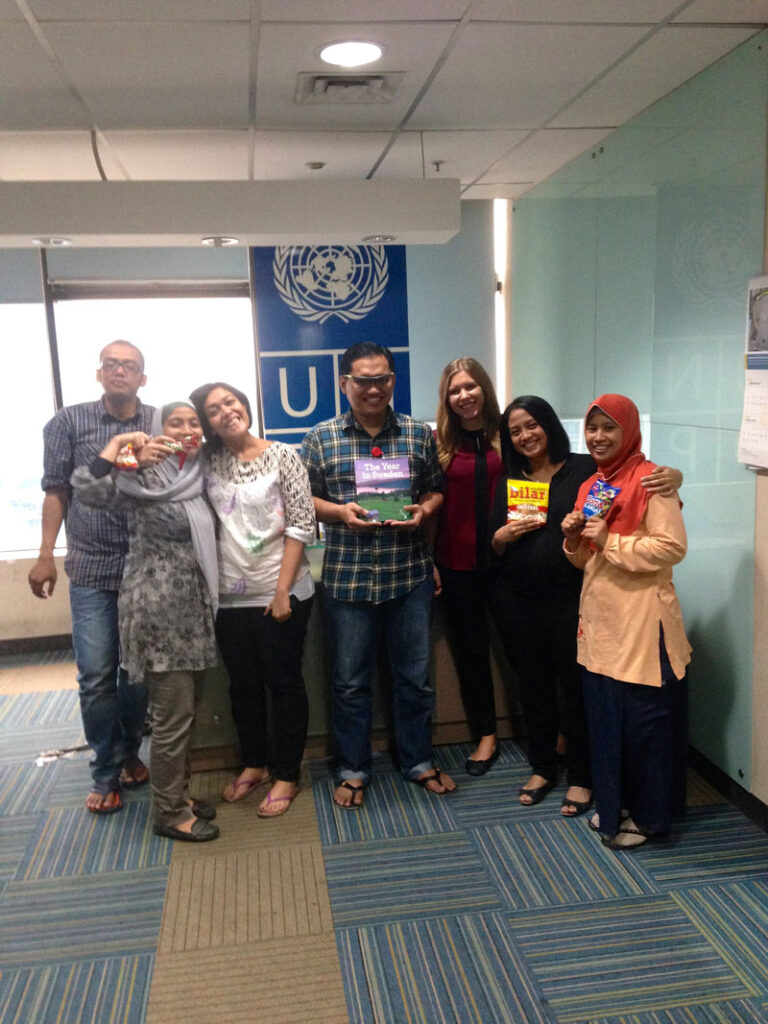
I lived in Jakarta for six months while completing an internship with UNDP. It was my first time in Indonesia and only my second time in Asia. Until then, my experience of the continent had mainly been limited to tourist areas in Thailand, so moving to Jakarta was a huge culture shock.

Living in Indonesia’s capital taught me a lot, not just about the country and its people, but also about myself.

Since moving back to Europe, I’ve continued returning to Jakarta whenever I can. Every visit teaches me something new, but these are some of the lessons that have stayed with me over the years.

None of this is based on hard facts or research. These are simply observations and experiences from everyday life while living in Jakarta.

Shopping at Grand Indonesia
Work life in Jakarta

Things Don’t Always Run on a Strict Schedule

As a Swede, I am used to being on time. Usually early.

One of the first things I had to adjust to in Jakarta was that social plans often ran on a more flexible schedule than I was used to. Friends might arrive later than planned, meetings could start a little behind schedule and traffic often had a say in everyone’s plans.

At first I found it frustrating. Eventually, I learned to relax and go with the flow.

Always Allow Extra Time for Traffic

Jakarta’s traffic is legendary.

Fortunately, I could walk to work most days, but whenever I needed to travel across the city I learned to leave earlier than I thought necessary.

Sometimes you’ll arrive far too early. Other times you’ll be grateful you left when you did.

Bring a Sweater

This sounds ridiculous considering Jakarta’s tropical climate, but trust me.

Shopping malls, conference centres, hotels and office buildings often have extremely powerful air conditioning. I once spent an entire day in a conference room wishing I’d brought a jacket.

Even in one of the hottest cities I’ve ever lived in, I regularly carried a light sweater.

Choose Your Air Carefully

One thing I quickly noticed was how different the air quality could feel from one street to the next.

Busy main roads filled with traffic often felt noticeably more polluted than quieter residential streets. Whenever possible, I preferred walking through neighbourhoods and side streets rather than sticking to the main roads.

Not only was the air usually better, but it was also a far more interesting way to experience the city.

People Will Be Curious About You

If you’re a foreign visitor, especially outside the main tourist areas, don’t be surprised if people look at you, say hello or ask to take a photo with you.

In my experience, this was almost always done with genuine friendliness and curiosity. Some of my favourite interactions in Jakarta started with a simple smile or greeting from a stranger.

Dress Conservatively

Jakarta is a huge and diverse city, and you’ll see all kinds of fashion styles.

That said, dressing modestly is generally appreciated, particularly outside shopping malls, expat areas and nightlife districts. It also helps you blend in a little more and avoid unwanted attention.

Check the Ingredients in Beauty Products

This was one of the more unexpected things I discovered.

Many beauty and skincare products in Indonesia contain whitening ingredients, including products that wouldn’t necessarily advertise it prominently to Western consumers. Even some deodorants contain whitening agents.

If that’s not something you’re looking for, it’s worth checking the labels before buying.

Gojek Drivers Are Everywhere

If you’ve spent any time in Indonesia, you’ll know Gojek.

At one point I was convinced the same drivers followed me around the neighbourhood every day. No matter how many times I walked past, someone would ask if I needed a ride.

Nowadays, apps like Gojek and Grab make getting around Jakarta much easier than when I first arrived.

It Is Hot. Very Hot.

And humid. You will sweat. No matter how much you try to prepare yourself, you’ll probably still underestimate just how humid Jakarta can feel.

Jakarta Rewards Patience

This is probably the biggest lesson Jakarta taught me. My first impression of the city wasn’t particularly positive. It felt overwhelming, chaotic and difficult to understand.

But the longer I stayed, the more I appreciated it. I learned to enjoy the food, the neighbourhoods, the atmosphere and the people. Jakarta isn’t a city that immediately reveals its best side, but if you give it time, it has a way of growing on you.

Final Thoughts

Living in Jakarta changed the way I travel. It taught me to slow down, be more patient and look beyond first impressions. It’s a city that many travellers skip, but one that has left a lasting impression on me.

Even after moving away, I continue to return whenever I can. Partly to see friends, but also because Jakarta remains one of my favourite cities in Indonesia.

Further Reading

If you’re planning a trip to Indonesia, you might also enjoy our guide on why Jakarta is worth visiting and our favourite places to eat in the city.

📌 Our friends Aimee and Paul at snaphappytravel.com have a great post about The Best Apps and Websites We Used When Traveling Through Bali which we think will help any traveller visiting Indonesia (not just Bali).

June 14, 2018 0 comments
FacebookTwitterPinterestLinkedinRedditStumbleuponWhatsappTelegramThreadsOpenAIChatGPTEmail
Indonesia

A Quieter Side of Bali: Jatiluwih, Sidemen & Other Places We Loved

by Livia June 10, 2018
written by Livia

There are countless guides to Bali online, most of them focusing on the same beaches, temples and tourist hotspots. This guide is a little different. Instead of covering Bali’s most famous attractions, we want to share a few places that helped us see a different side of the island.

The first time I visited Bali, I didn’t really understand why everyone loved it so much. After spending several months living in Jakarta, Bali felt expensive and far more tourist-focused than other parts of Indonesia I had visited. It wasn’t until I started exploring beyond the busy southern beaches and central Ubud that I began to appreciate what makes Bali special.

If you’re looking for beach clubs, nightlife and backpacker hangouts, you’ll probably love the southern parts of Bali and central Ubud. But if you prefer quieter places, beautiful landscapes and a slower pace of life, there are still plenty of areas where you can escape the crowds.

I haven’t explored every corner of Bali, but these are a few places that have stood out to us over the years.

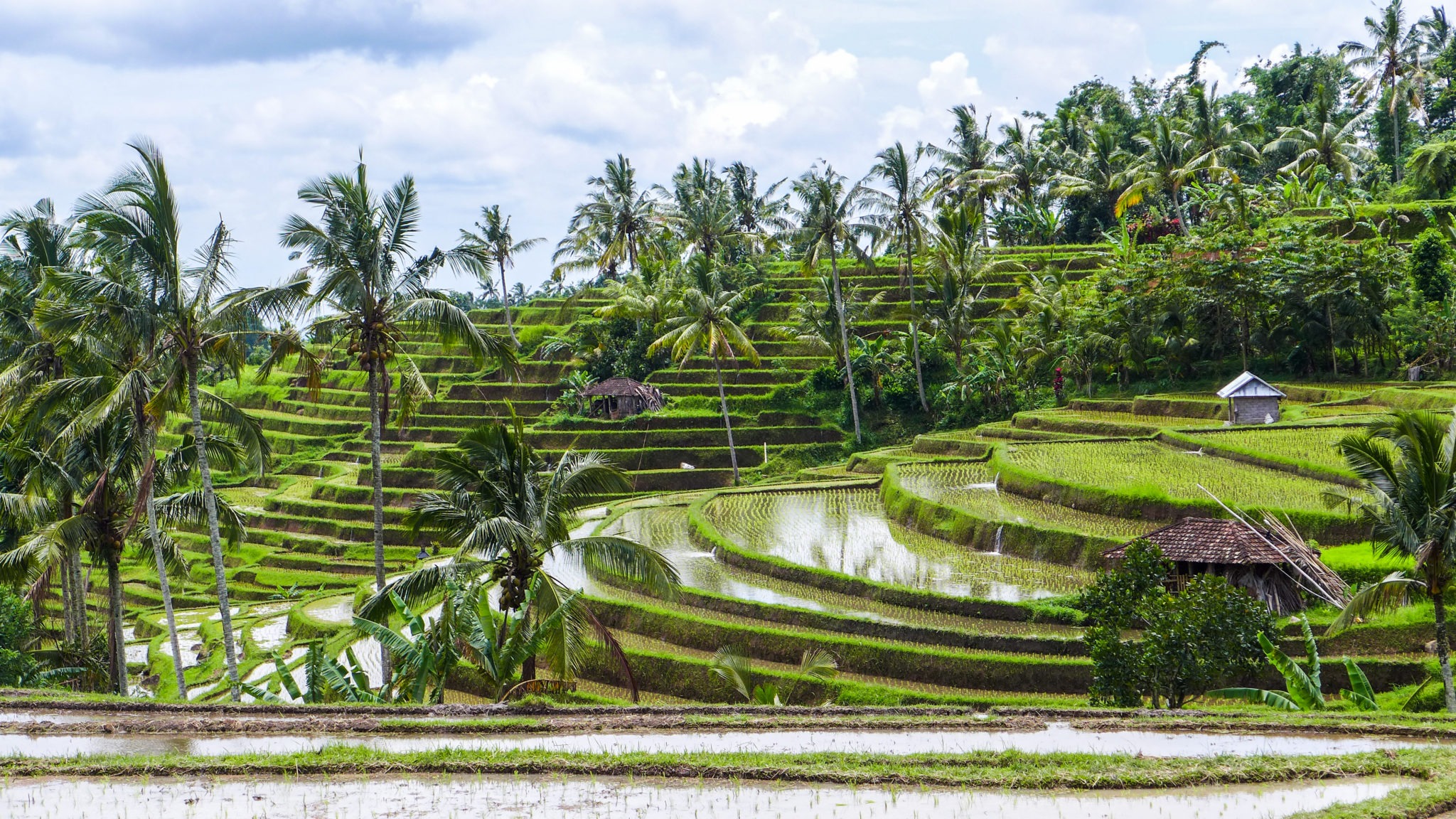
Jatiluwih Rice Terraces

Yes, Jatiluwih is a tourist attraction. However, it feels very different from the much busier rice terraces around Ubud.

The terraces stretch across a huge area, meaning it’s easy to find quiet corners even when other visitors are around. During our visit, we spent much of our time simply walking through the landscape and enjoying the views.

The scenery here is spectacular and, in our opinion, well worth the journey from the more popular parts of Bali.

Man working in his field at Jatiluwih rice paddies
Beautiful Jatiluwih

Ubud Beyond the Centre

We wouldn’t skip Ubud completely. The area is beautiful and there’s plenty to see. The trick is not staying right in the middle of town.

Instead, look for accommodation in the villages and rice fields surrounding Ubud. You’ll still be close enough to visit the attractions, restaurants and markets, but without the traffic and crowds.

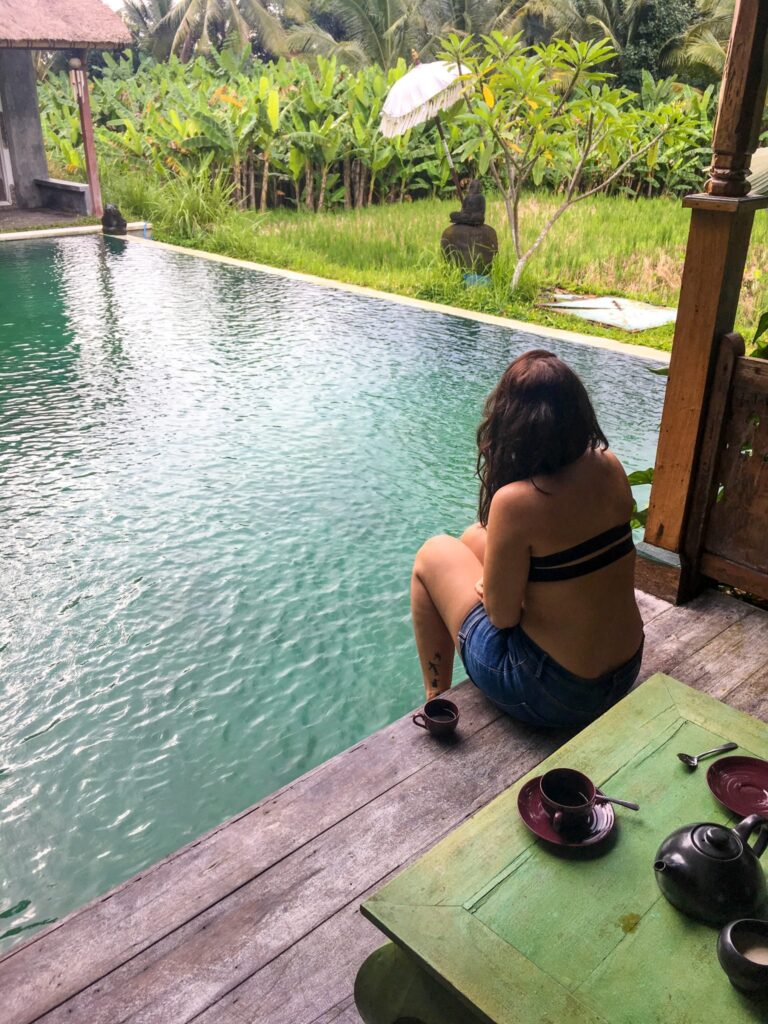
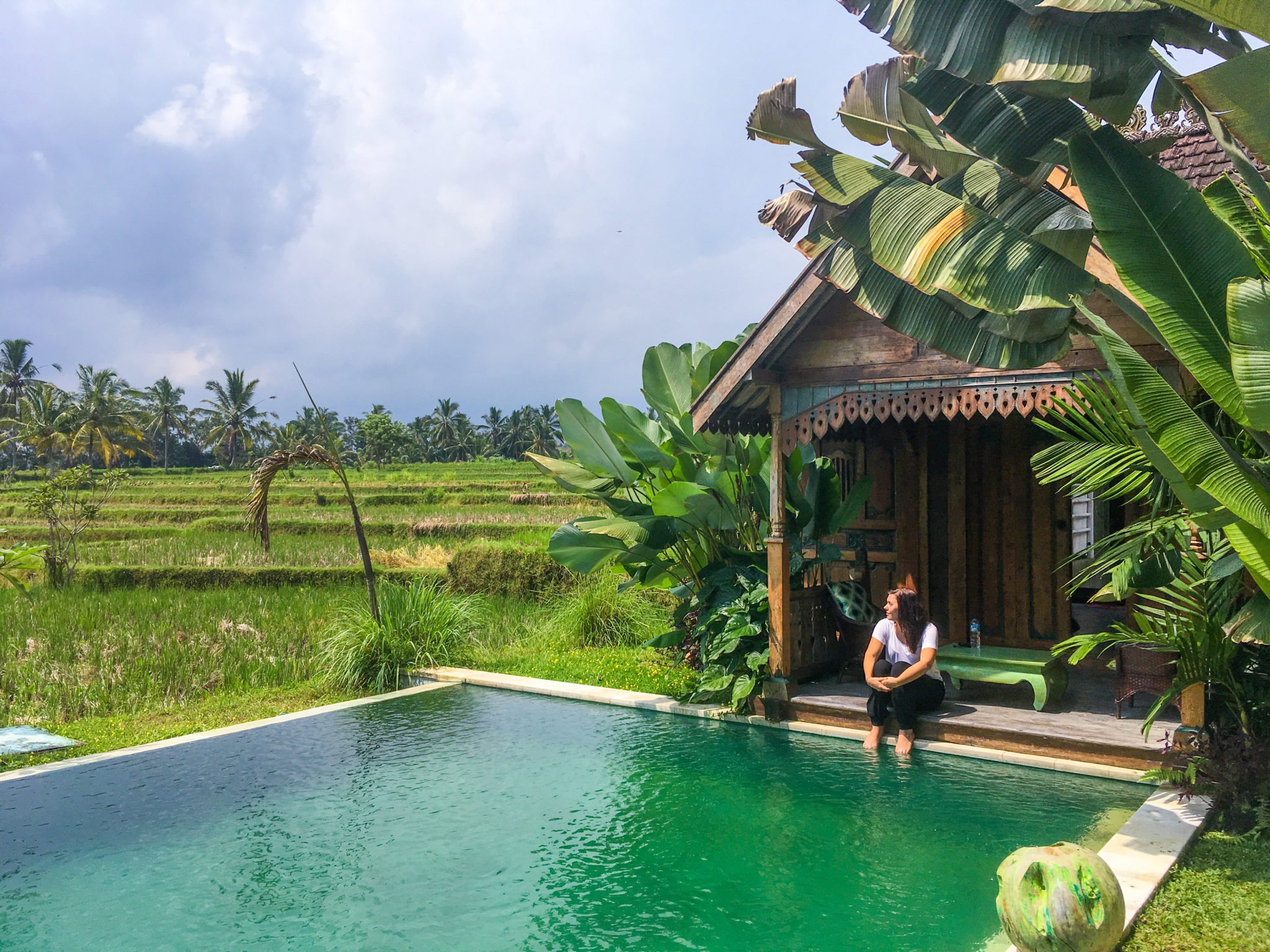
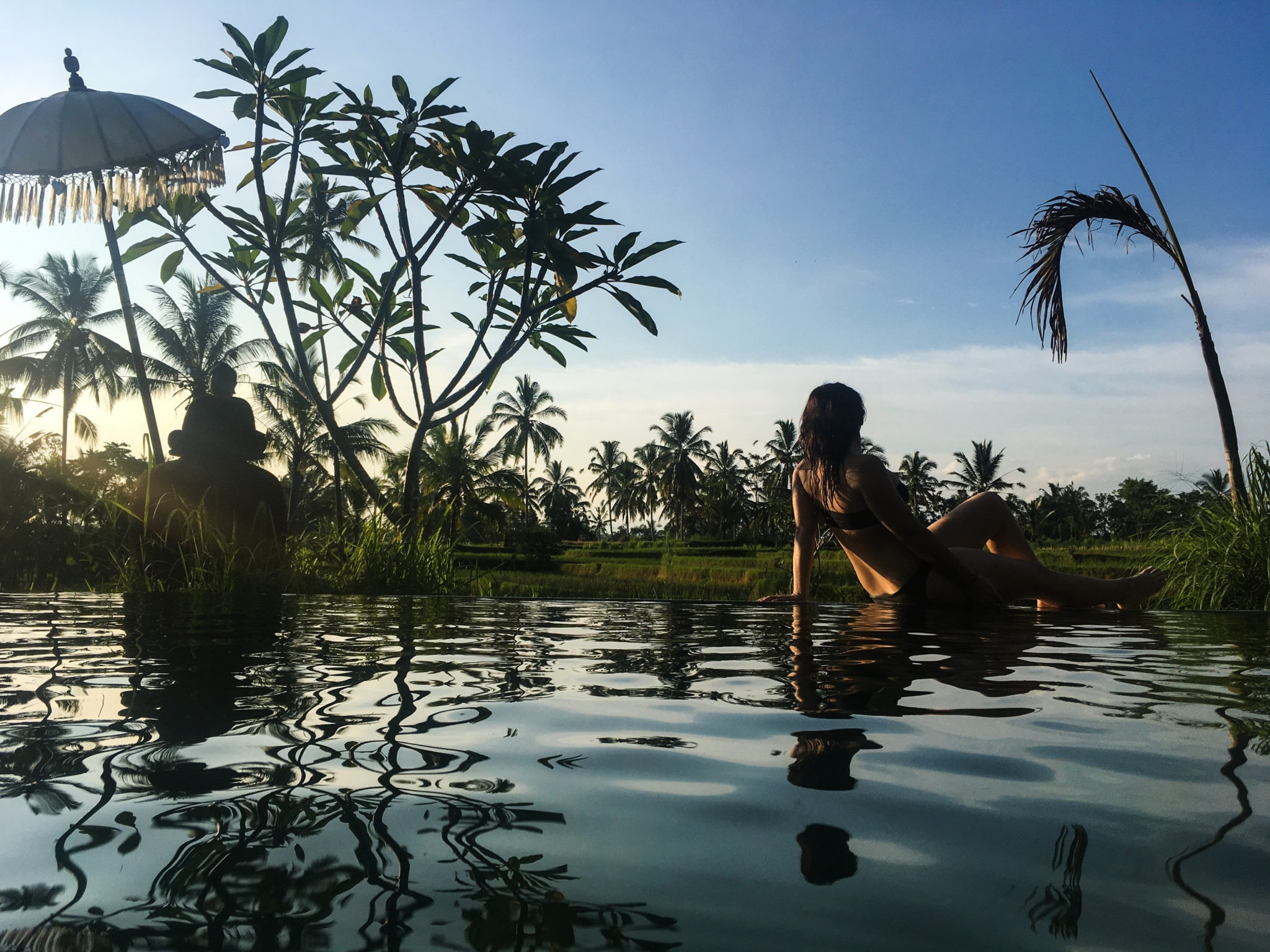
During one of our visits we stayed at Hati Padi Cottages, a small property surrounded by rice fields. At the time we were the only guests, and it remains one of the most peaceful places we’ve stayed anywhere in Indonesia.

The property is run by two French owners and a local Balinese woman, all of whom were incredibly welcoming. We spent our mornings drinking coffee while looking out across the rice fields and our evenings watching the sunset over the surrounding countryside.

It was the kind of place that makes you slow down and appreciate where you are.

📌 Looking for even more things to do in Ubud? Our friend Juan from Planet of Adventures has put together a fantastic guide featuring 13 great things to do in and around Ubud.

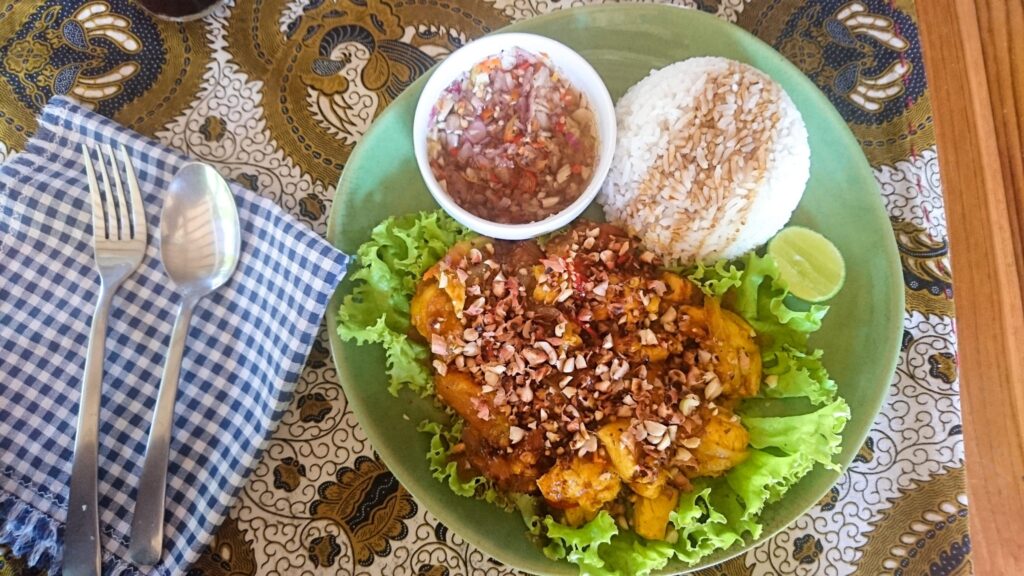
Not a super traditional Ayam Taliwang, but still really good!
Our cottage at Hati Padi cottages
Beautiful sunsets over the rice fields

The Beautiful Landscapes of Sidemen

Our visit to Sidemen was completely unplanned.

While exploring the island, our driver suggested taking the scenic road through the area and promised it was worth the detour. He was right.

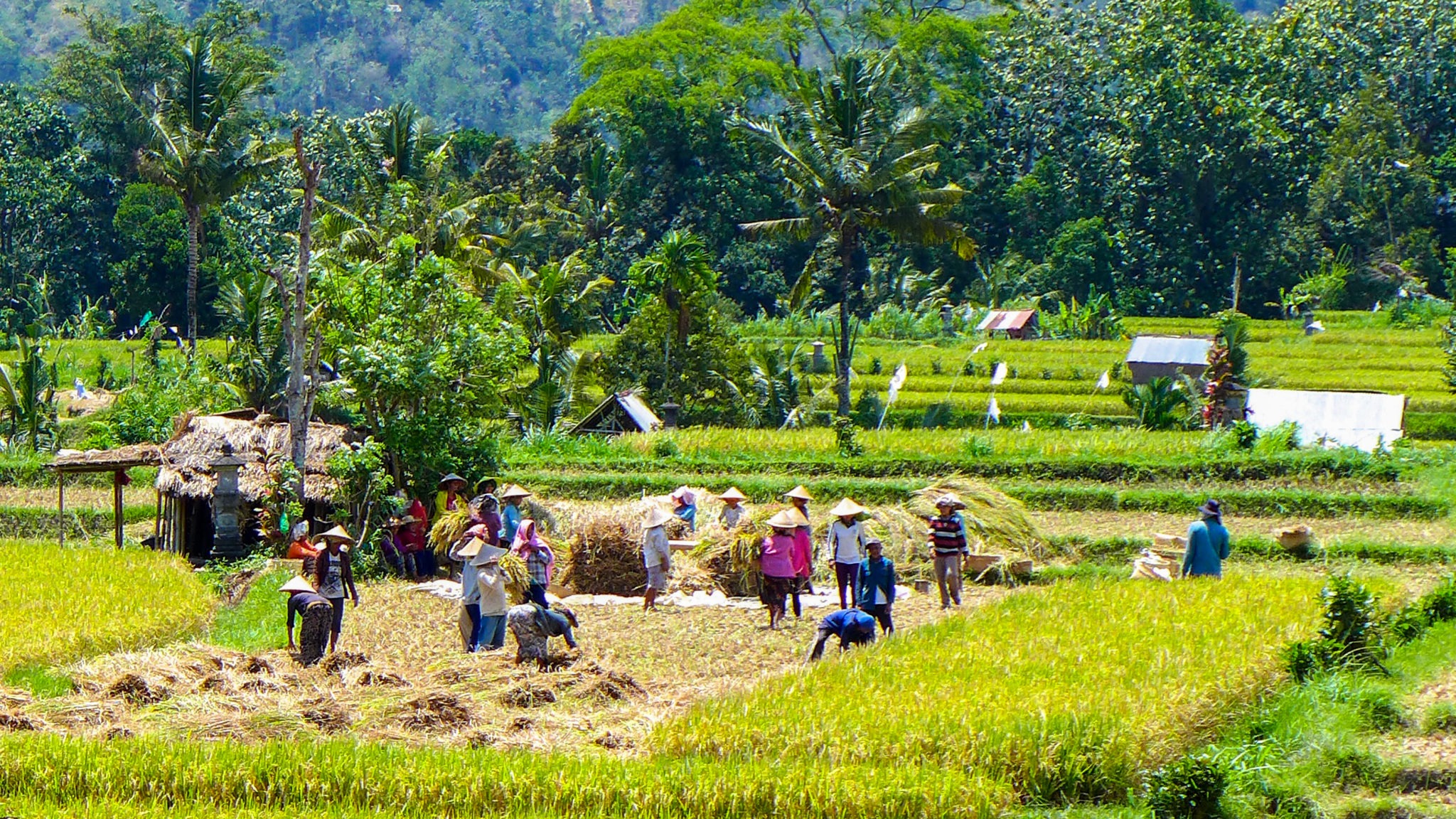
The road winds through rice fields, villages and beautiful mountain scenery. During our visit we watched locals harvesting crops, children walking home from school and farmers working in the fields.

Sidemen has become more popular with travellers over the years, but it still feels far quieter and more relaxed than many of Bali’s better-known destinations.

We only stopped for lunch and a short walk, but it immediately went onto our list of places to stay during a future visit.

Harvest time in Sideman
Children making their way home from school through the rice fields in Sideman

The Sleepy Town of Klungkung

Klungkung was probably the biggest surprise of our trip.

When I told our driver I wanted to visit, he looked at me rather strangely and asked why. He said very few foreign visitors ever requested a stop there.

The reason was simple: one of my friends grew up in Klungkung, and I wanted to see her hometown.

What we found was a charming Balinese town with very few tourists, a beautiful Hindu temple and a busy local market. Life seemed to move at a slower pace here than in the tourist centres further south.

If you’re curious about everyday life in Bali and want to spend some time somewhere that isn’t built around tourism, Klungkung is well worth a visit.

Its location also makes it easy to combine with a trip to Sidemen.

The hindu temple in Klungkung
The Hindu temple in Klungkung

Final Thoughts

Bali may be famous for its beaches, beach clubs and busy tourist towns, but some of our favourite memories come from the quieter parts of the island.

Places like Jatiluwih, Sidemen and Klungkung offer a slower pace of life and a chance to experience a different side of Bali. Even around Ubud, simply staying a little further from the centre can completely change your experience.

If you’re willing to venture beyond the most popular tourist areas, you’ll discover that Bali is much more than Kuta, Seminyak and central Ubud.

📌 How about making your own chocolate in beautiful Bali? Our friends at twopassportspacked did just that!

June 10, 2018 0 comments
FacebookTwitterPinterestLinkedinRedditStumbleuponWhatsappTelegramThreadsOpenAIChatGPTEmail
Newer Posts
Older Posts

Recent Posts

  • Exploring Lamu Island: Kenya’s Most Unique Coastal Escape

  • Watamu, Kenya: Our Guide to Beaches, Food & Things to Do

  • Kilifi, Kenya: A Laid-Back Coastal Gem Worth Visiting

We use Safetywing

We use THS

Trusted House Sitters

Here’s 25% off your annual membership to TrustedHousesitters - thanks to your pet loving pals at LBSBWorld.

Join now with 25% Off!

We use NordVPN

NordVPN

Get 3 months of NordVPN right now!


The best VPN service for a free, open internet

Get NordVPN!

We use Wise

Wise

Get Zero Fees on a transfer up to €500


Spend in 150+ countries like a local with Wise card

Get Wise!

Follow us on Instagram

A Bear Called Paddington abearcalledpaddington 🌍 7 years full-time travel
Follow on Instagram
©2026 LBSBWorld - All Right Reserved - Designed and Developed by Livia & Sam
LBSB World
  • Home
  • Destinations
    • Africa
      • Kenya
      • Namibia
      • Rwanda
    • Asia
      • China
      • Indonesia
      • Japan
      • Nepal
      • Qatar
    • Europe
      • Albania
      • Bosnia-Herzegovina
      • Croatia
      • Montenegro
      • Netherlands
      • North Macedonia
      • Serbia
    • North America
      • Dominican Republic
  • Travel itineraries
  • Plan your trip
  • About Us
    • About Sam & Livia
    • The Story Behind Our Full-Time Travel Life
    • abearcalledpaddington