Top Posts
Namibia Self Drive Safari vs Guided Tour: Which Is Better?
Namibia Self Drive: Everything We Learned Driving a 4×4 Across Namibia
Bosnia and Herzegovina Itinerary: Our 1 Month Route by Bus
Our 2 Week Albania Itinerary
Using Trusted House Sitters to Support Your Travels
Sam’s Fulltime Travel Packing List
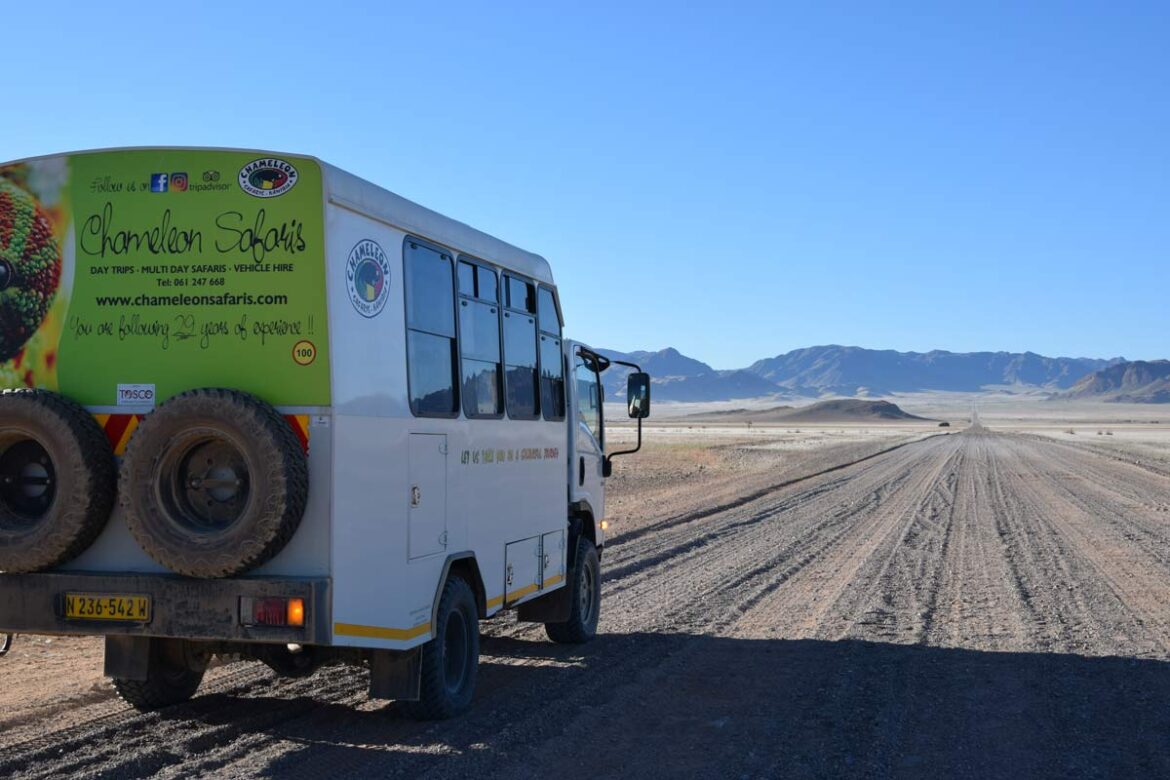
Our 9-Day Namibia Tour with Chameleon Safaris: An Honest Review
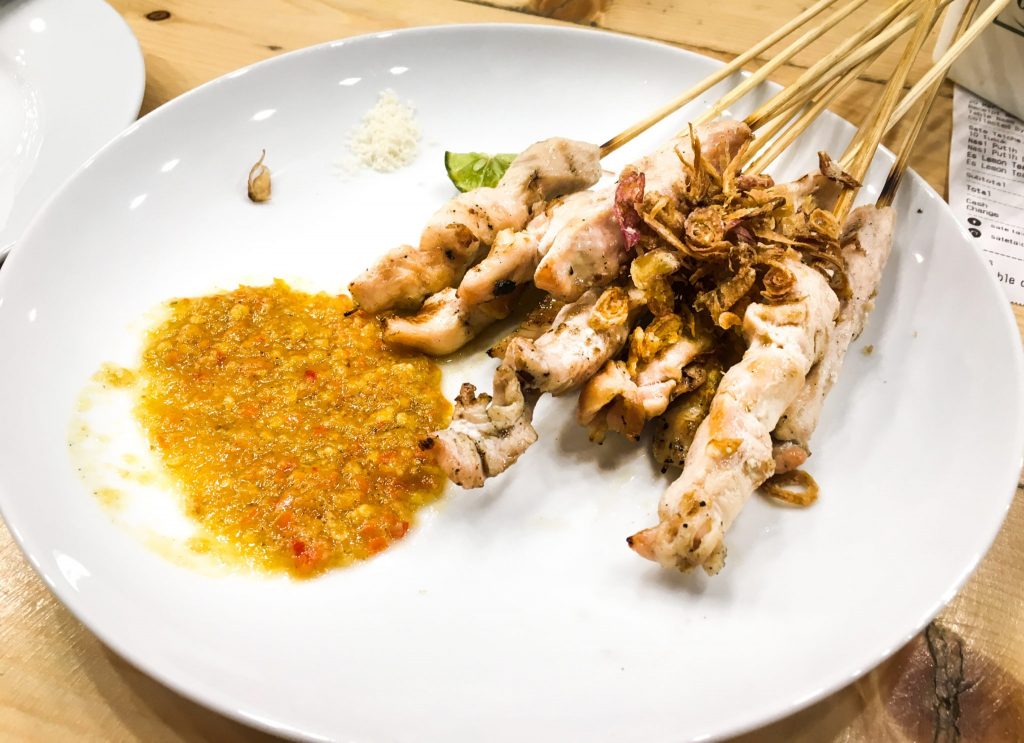
Best Satay in Yogyakarta: Where to Eat Sate in Jogja
How to Hike to Salto El Limon, Las Terrenas
Where to Eat in Belgrade: Best Restaurants & Local Spots
LBSB World
  • Home
  • Destinations
    • Africa
      • Namibia
    • Asia
      • Indonesia
    • Europe
      • Albania
      • Bosnia-Herzegovina
      • Croatia
      • Montenegro
      • North Macedonia
      • Serbia
  • Travel Itineraries
    • Our 9-Day Namibia Tour with Chameleon Safaris: An Honest Review
    • Our 2 Week Albania Itinerary
    • Bosnia and Herzegovina Itinerary: Our 1 Month Route by Bus
    • Namibia Self Drive: Everything We Learned Driving a 4×4 Across Namibia
  • Plan Your Trip
    • How to Deal with Travel Burnout (And Start Enjoying Travel Again)
    • Sam’s Fulltime Travel Packing List
    • Using Trusted House Sitters to Support Your Travels
    • Namibia Self Drive Safari vs Guided Tour: Which Is Better?
  • About Us
    • About Sam & Livia
    • The Story Behind Our Full-Time Travel Life
    • abearcalledpaddington
Tag:

Tips

pack with intention
Plan Your Trip

Sam’s Fulltime Travel Packing List

by Sam May 17, 2026
written by Sam

Packing Essentials We Actually Travel With

After years of full-time travel, these are the items that have genuinely earned a permanent spot in our bags. From long-haul flights and house sits to hiking trails and chaotic bus journeys, these are the bits of gear we keep reaching for again and again.

Yes, my choice of color is mainly black, but many of these items come in different colors too.
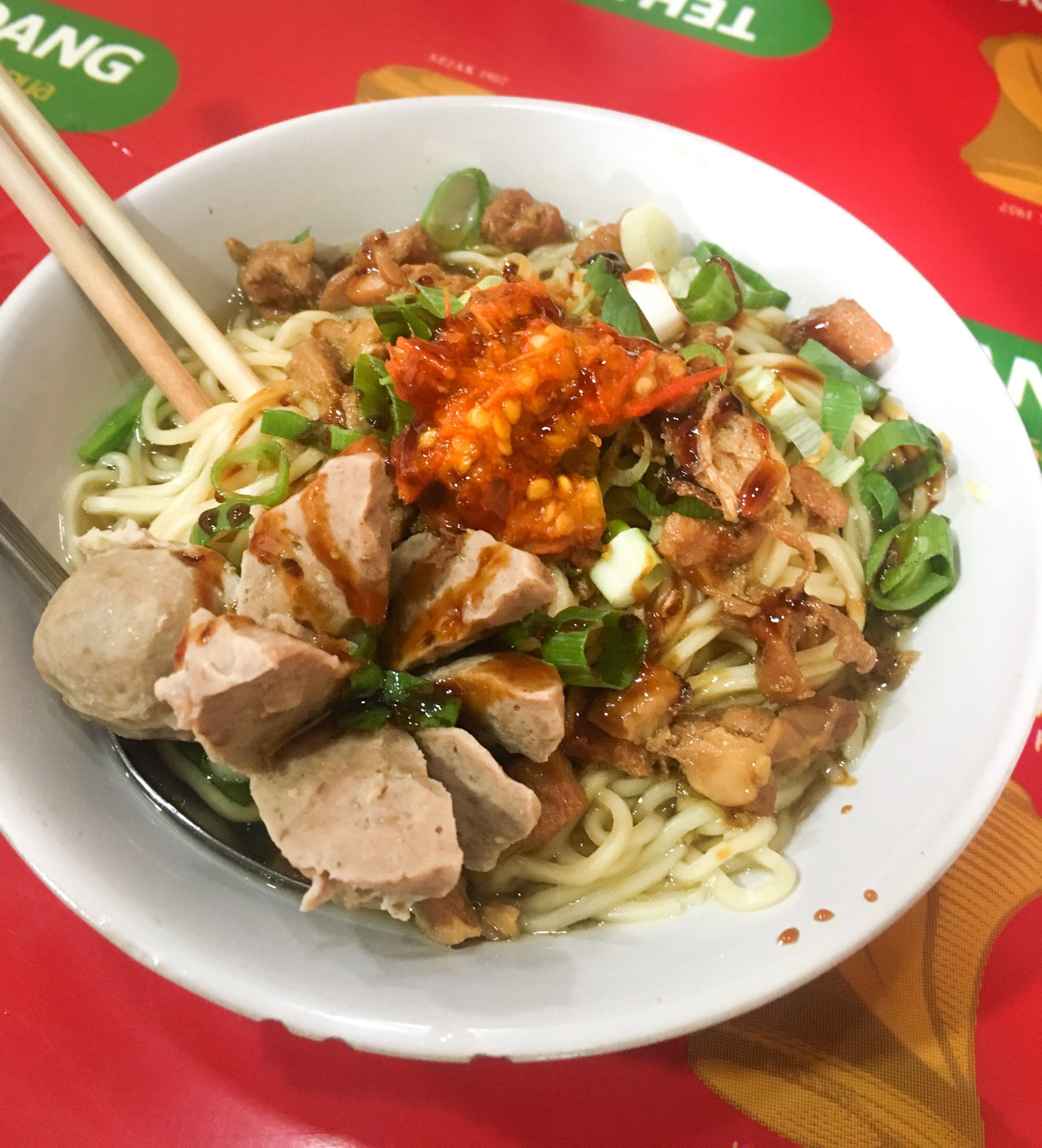
We usually travel with around 17–20 kg (37–44 lbs) of checked luggage each, plus 7 kg (15 lbs) of carry-on hand luggage. On top of that, we also carry our laptops, portable monitor, camera equipment, and extra lenses, so everything we pack needs to earn its place.

The Silent Mental Burden of “Stuff”

– Pack with intention and be free!

Airport Carry-On hand luggage

The Packing List

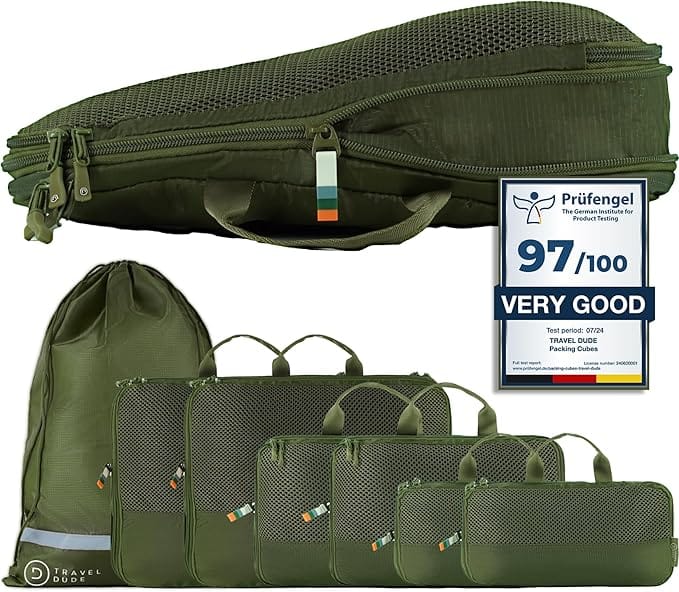
Packing Cubes
Stay organised without turning your backpack into a fabric tornado. Packing cubes make it much easier to separate clothes, laundry, electronics, or cold-weather gear, especially when constantly moving between destinations.

I’ve bought 2 of these in the last 8 years and they are without doubt the best compression packing cubes on the market. Strong zips and the actually compress rather than just organise. They come in a set of 5 or 7. I like the 7 pack as you get a shoe bag too.
Packing / Compression cubes
Osprey Wheeled Transporter 60L
A durable wheeled duffel that survives rough roads, airport chaos, and far too many baggage handlers. The 60L size works well for longer trips while still being manageable to move around.

If you’re thinking of travelling full-time, but still need check-in luggage like we do I highly reccommend Osprey bags. This one is no fluff with huge storage capacity. At a push I can squeeze in 18 kilos. It’s tough, light and easy to roll around. PLUS a lifetime guarantee!
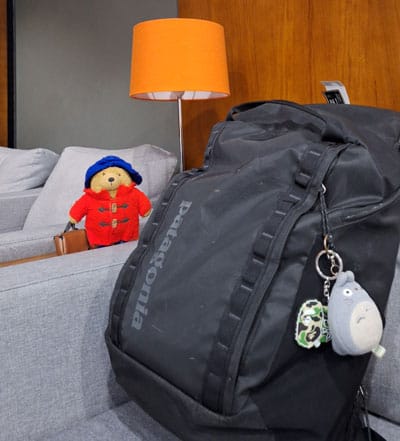
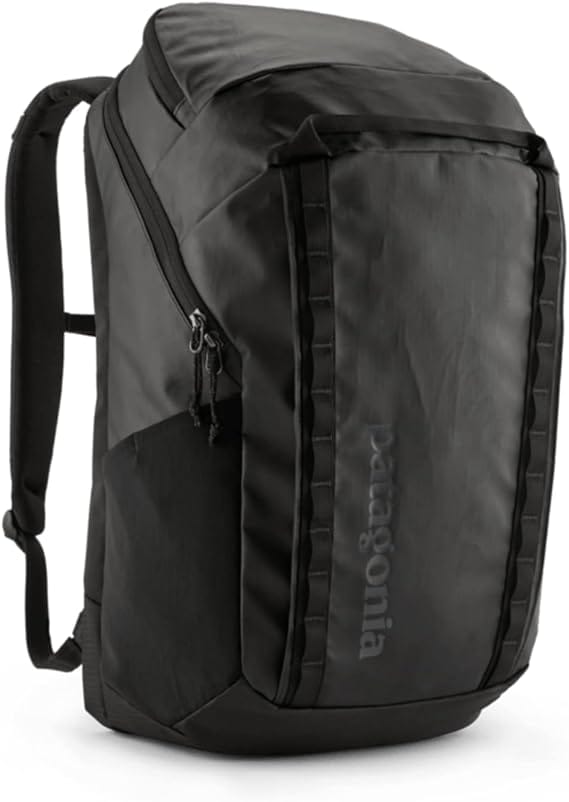
Patagonia Black Hole Pack 32L
A reliable daypack for flights, city exploring, hiking, or working from cafés. Tough, weather-resistant, and surprisingly roomy without feeling oversized.

I used to have the 20L version, which was awesome, but I carry around a DSLR Camera, lenses, laptop, extra monitor along with a book or two. So I’ve now upgraded to this 32L version of the same. The best thing about them is their lifetime guarantee, I’ve tested this and they just straight up replaced it without questions, even without an original receipt.
Patagonia Black Hole Pack 32L
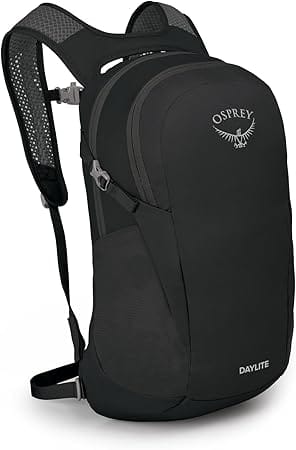
Osprey Daylite Backpack
A lightweight everyday backpack that works well for city exploring, flights, short hikes, and daily errands. Compact, comfortable, and easy to pack inside larger luggage when not in use.

It’s a great day bag. I got sick of unpacking my main carry-on backpack everytime we went on a walk, which meant I’d forget where I put things and always have to repack it. Now I have this backpack stowed away in my check-in luggage so we can use that or our explore days.
Osprey Daylite Backpack
SwissGear Getaway Washbag
A compact washbag with enough compartments to stop toothpaste explosions from taking over your luggage. Simple, practical, and easy to hang in small bathrooms.

Great washbag, waterproof inside, great amount of storage, zips and compartments and it has a hook built in to hang off the door. Solid build will last forever.
SwissGear Getaway Washbag
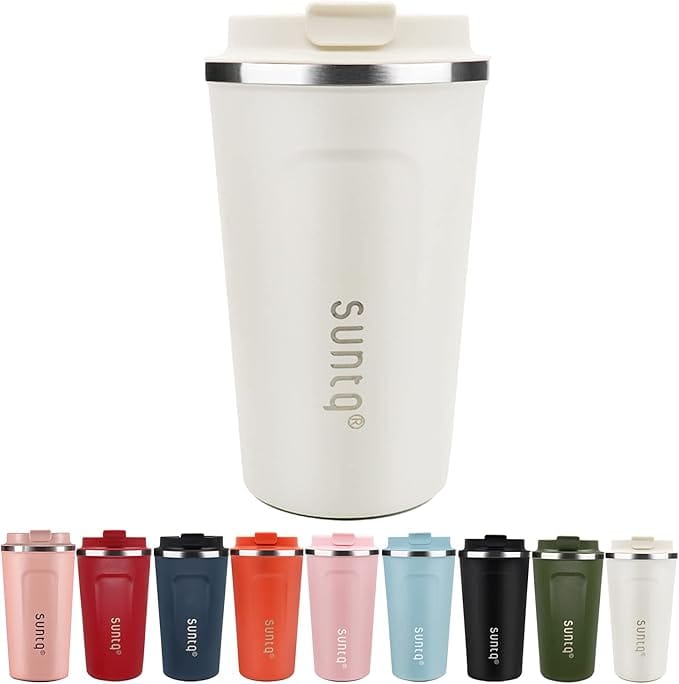
SUNTQ Coffee Mug
A solid insulated travel mug for coffee on early travel days, long train rides, or working mornings. Small comfort, big morale boost ☕

We drink a hella lot of coffee, these cups have lasted us sooo long it’s crazy. They are basically bomb proof, keep your coffee piping hot, get you discount at coffee places when you use your own cup. Great for mornings walking the dogs. Just amazing!
SUNTQ Coffee Mug
DANISH ENDURANCE Hiking Socks
Comfortable hiking socks with good cushioning and durability. A surprisingly important upgrade when you spend long days walking, hiking, or living out of a backpack.

Never underestimate a pair of comfy socks, especially when your hiking or have a long day exploring. These are great, thick, strong socks. They don’t tend to get smelly either and I replace them every few years only because, you know, feet.
DANISH ENDURANCE Hiking Socks
Columbia Redmond III Mid Waterproof Hiking Shoes
Lightweight hiking shoes that work well both on trails and for everyday travel. Waterproof enough for unpredictable weather without feeling too bulky.

Damn comfy walking boots that are not heavy, they’re like a cross between sneakers and boot. They won’t break the bank and come in lots of nice colors too.
Columbia Redmond III Mid Waterproof Hiking Shoes
Microfibre Towel Set
Quick-drying towels are one of those travel items you don’t appreciate until you really need them. Great for beaches, gyms, hostels, hiking, or unexpected situations.

Absolute life saver. Wether on the beach, at the gym or just you booked a crappy hotel that didn’t provide towels. These microfibre towels are lightweight and quick drying.
Microfibre Towel Set
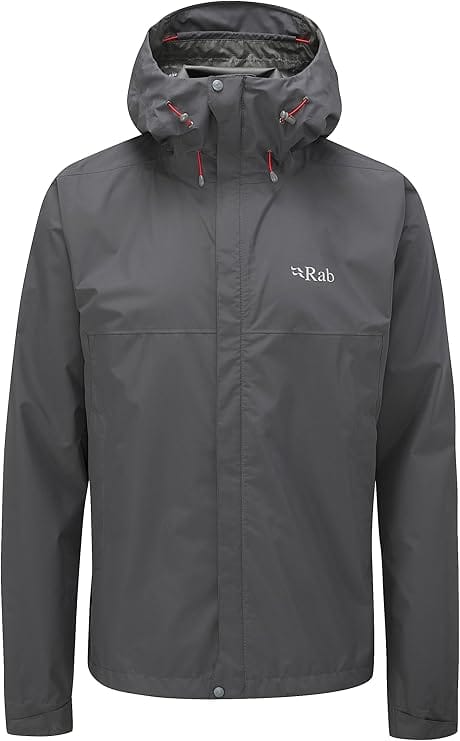
Rab Downpour Plus 2.0 Jacket
A lightweight waterproof shell that packs down easily but still handles serious rain. Ideal for hiking, city travel, and destinations where the weather changes every 15 minutes.

It’s important to stay dry wether it’s walking dogs or jungle trekking it can mean facing the elements head on. Make sure you have a waterproof packed and this one is lightweight and conveniently packs into itself too.
Rab Downpour Plus 2.0 Jacket
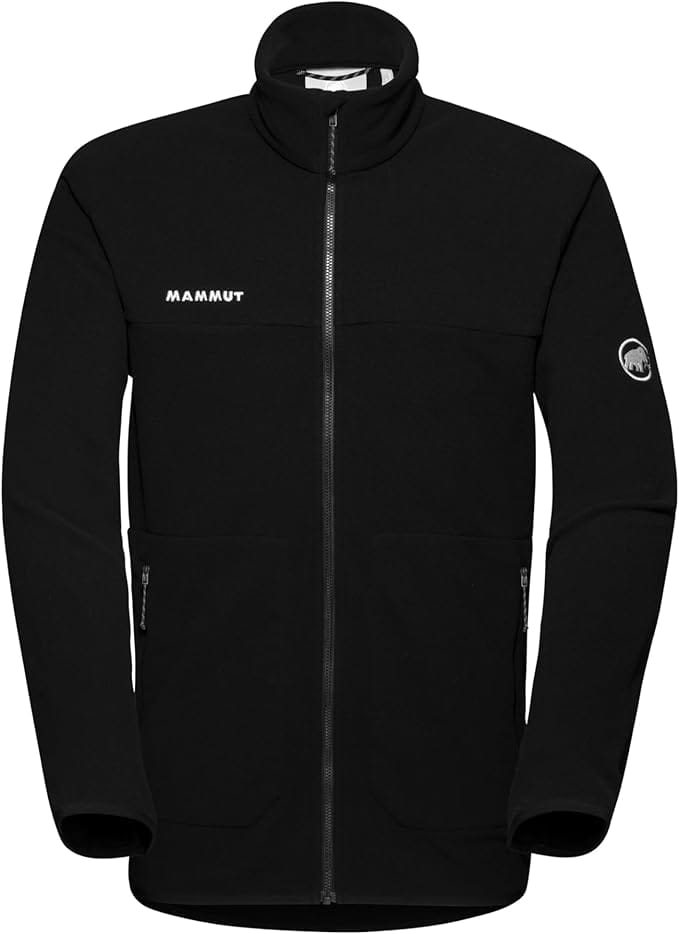
MAMMUT Mid Layer Fleece
Warm without taking up too much space. Perfect for layering on cold flights, mountain mornings, or chilly evenings abroad.

Too cold for a t-shirt, but too warm for a jacket? I got you! This mid-layer is awesome, thin enough to wick any sweat away and thick enough to keep you warm enough.
MAMMUT Mid Layer Fleece
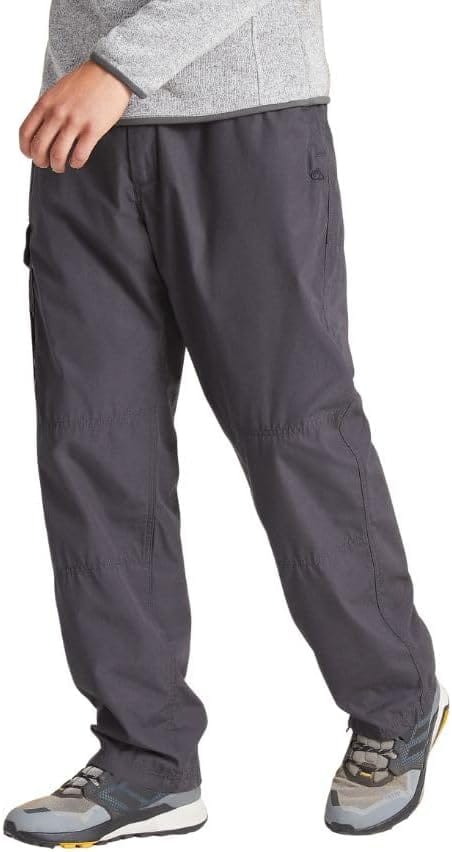
Craghoppers Kiwi Classic Trousers
Comfortable travel and hiking trousers that dry quickly and work surprisingly well for everyday wear too. Good for mixed trips where you’re moving between cities and nature.

Pant for walking, pockets with zips and lightweight too.
Craghoppers Kiwi Classic Trousers
Molain Silicone Cable Ties
Tiny travel heroes. These silicone cable ties keep chargers, cables, headphones, and camera gear from turning into a spaghetti disaster at the bottom of your bag.

I got very unhappy with velcro cable ties, they’re great at the beginning, but after a few weeks of being used they start to fluff up and soon become unusable. These silicone ties are awesome. They’re strong and will just keep doing their job and last for ages.
Molain Silicone Cable Ties
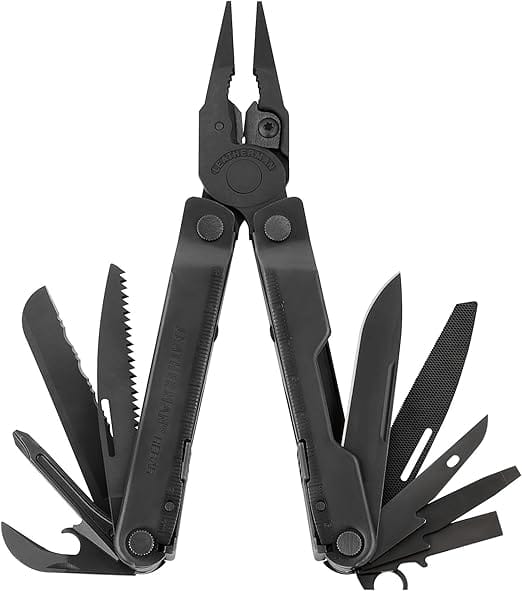
Leatherman Multi-Tool
One of those items you barely use… until suddenly it saves the day. Useful for travel fixes, outdoor trips, and random situations you never planned for.

NOTE: if you do not have check-in luggage please ignore this as airport security will for sure take it from you if you try pass it though with check-in hand luggage. (I did this by accident once andit was very embarrassing and very annoying just to have to hand it over)

That said, it’s been a very useful piece of kit. You can fix your sh*t in a pinch, even cut your toenails (eeew) and fix your sunglasses. You don’t know you need one, until you need one.
Leatherman Multi-Tool
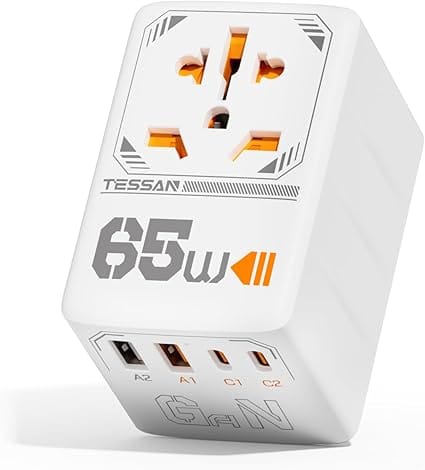
TESSAN Universal Travel Adapter
One of the most useful things in our tech pouch. Works in multiple countries and includes USB and USB-C charging, which means fewer chargers cluttering your bag.

I got tired of lugging around my laptop charger (which is USB3 charged) So I got one of these and it powers my laptop, my extra monitor and also charges my phone, powerbank and works in just about every country we’ve been to – except that weird plug in Namibia.
Just make sure to pack some proper USB C cables that can charge your gear.
TESSAN Universal Travel Adapter
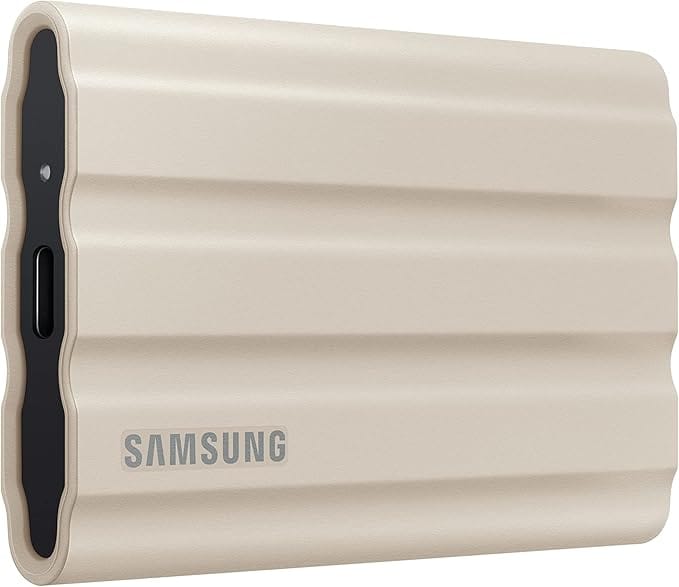
Samsung T7 Shield Portable SSD 2TB
We back up photos, videos, and work files constantly while travelling, and this SSD has been incredibly reliable. Fast, compact, and durable enough for life on the road.

One copy does not make a backup! Thats the rule. I have this for my local backup and also I backup to my Google Business and BackBlaze (which makes 3 copies if you’re counting)
Samsung T7 Shield Portable SSD 2TB

What else do I carry?

Outside of the gear listed above, I try to keep our clothing relatively minimal. Our everyday setup is usually built around one pair of jeans, a week’s worth of underwear, a linen shirt, linen trousers, a few t-shirts, a puffer jacket and one pair of lightweight slip-on shoes. Enough for different climates and situations, without feeling like I’m dragging my entire wardrobe across continents.

Tech-wise, I travel with a fairly compact remote work setup, including a laptop, portable monitor, DSLR camera, power bank, USB-C cables, chargers, and storage drives. Keeping everything lightweight, durable, and organised becomes surprisingly important once you start moving every few weeks.

The Silent Mental Burden of “Stuff”

One thing I’ve learned after years of moving around the world is that every item you carry comes with a small mental cost attached to it.

More things to organise. More things to charge. More things to wash, repack, keep track of, worry about losing, or drag up endless flights of stairs in buildings with no elevators. Somewhere between the fourth bus ride, airport transfer, or rainy walk to a guesthouse, even “just in case” items start feeling surprisingly heavy.

That doesn’t mean you need to become an ultra-minimalist who owns three t-shirts and a spoon.

But packing with intention changes the way you travel.

When everything in your bag has a purpose, travel starts feeling lighter, calmer, and more flexible. You spend less time managing your belongings and more time actually experiencing where you are. Less luggage, less stress, fewer decisions. More freedom.

Pack with Intention and Be Free

The perfect packing list doesn’t exist. What matters is building one that works for your lifestyle, your comfort, and the kind of travel you actually do, not the fantasy version of yourself you imagined while packing at home.

After years on the road, we’ve realised that the best travel gear is usually the gear you barely have to think about at all. Quietly reliable, endlessly practical, and worth the space it takes up in your bag.

May 17, 2026 0 comments
FacebookTwitterPinterestLinkedinRedditStumbleuponWhatsappTelegramThreadsOpenAIChatGPTEmail
Montenegro

Why We Didn’t Love Montenegro (Our Honest Experience)

by Sam March 21, 2019
written by Sam

Montenegro was the country which many of our friends and family said we would love. This small country sees a great deal of tourists, especially during the summer months as it has many beautiful towns along the sea. However, after a few days we had enough and decided to leave much earlier than planned. In the end we only spent 4 days in Montenegro and we never really fell in love with it. So is it worth going to Montenegro?

Is it worth going to Montenegro?

We know that it is not fair to judge the whole country from only two places, but it was enough for us to get on with our travels to another country. However, I think there are nicer destinations in the area than Montenegro, depending on what you are looking for of course. If you want a nice easy holiday, Montenegro is great, but if you want a more adventures, off the beaten path kind of trip, then I would suggest going to Bosnia-Herzegovina or Albania. These two countries sees way fewer tourists and are much cheaper than Montenegro. We also absolutely fell in love with both Bosnia and Albania.

Why we didn’t fall in love with Montenegro

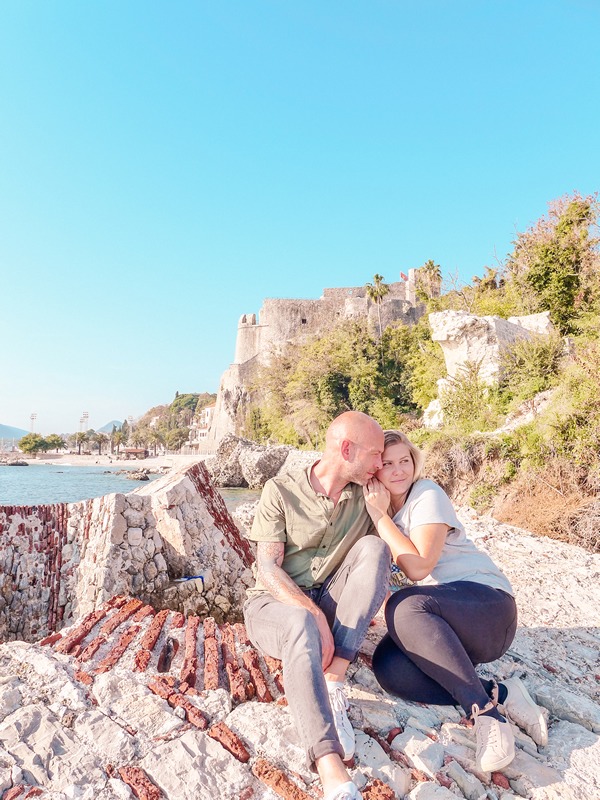
Don’t get us wrong, Montenegro is absolutely stunning! Both places we went were beautiful and the scenery outside the bus window through the country was amazing. However, we did not fall in love with Montenegro.. When we first arrived to Montenegro everyone spoke English, which we weren’t used to, and all of a sudden Euro was the currency. We also found everything very pricey.

If we had come here first, or directly from Croatia, I think we would have really enjoyed Montenegro, and it would also have felt cheap. However, we arrived from Bosnia, which was much cheaper and felt way more authentic. We really enjoy non touristy places when we travel, but unfortunately Montenegro, at least by the coast, is very touristy. So after Bosnia, we just didn’t like the feel of Herceg Novi or Kotor, and decided to skip into Albania directly.

Again, I know we judged Montenegro way too quickly, but for us it made sense, especially from a budget point of view to head to a cheaper place and less touristy. It just felt too organised and too catered for tourism for our taste. But we will give Montenegro another chance one day!

March 21, 2019 0 comments
FacebookTwitterPinterestLinkedinRedditStumbleuponWhatsappTelegramThreadsOpenAIChatGPTEmail
Bosnia-Herzegovina

What to Eat in Bosnia and Herzegovina: Must-Try Dishes

by Sam March 12, 2019
written by Sam

One of the biggest surprises during our month in Bosnia and Herzegovina was just how good the food was. Before arriving, we knew very little about Bosnian cuisine, but it quickly became one of our favourite food destinations in the Balkans.

Traditional Bosnian food is hearty, filling and often centred around meat, slow-cooked stews and freshly baked bread. Meals are typically made from local and seasonal ingredients and generous portions are the norm. You’ll also notice influences from both the Ottoman Empire and neighbouring Balkan countries throughout the cuisine.

We also loved the café culture. Whether it was strong Bosnian coffee served with Turkish delight, a cold local beer or a glass of homemade rakija, food and drink seemed to play a central role in everyday life.

There are countless dishes worth trying, but these were some of our favourites from our month travelling around Bosnia and Herzegovina, along with where we enjoyed them most.

1. Ćevapi

Bosnia and Herzegovina is the land of ćevapi, and trying them is practically mandatory while visiting the country. These small grilled sausages are usually served inside soft flatbread with a generous helping of raw onions, although some places also offer ajvar or a yoghurt-based sauce.

During our month in Bosnia, we ate more ćevapi than we care to admit, and after plenty of research, we finally found our favourite. That honour goes to Haris in Travnik. In fact, several locals in Sarajevo told us that Haris in Travnik was the place to go for the best ćevapi in Bosnia, and after trying them ourselves, we completely agree. They were juicy, full of flavour and easily the best we had during our trip.

Cevapi at Haris in Travnik

2. Mućkalica

Mućkalica is a rich meat stew cooked in a tomato-based sauce and one of our favourite dishes we tried in Bosnia and Herzegovina. While it originates from Serbia, you’ll find plenty of Serbian influences in the cuisine of Bosnia and Herzegovina, particularly in the Republika Srpska region.

The dish consists of tender pieces of meat cooked in a flavourful tomato-based sauce and is the perfect comfort food after a day of exploring.

The best version we had was in Sarajevo at a small restaurant with one very unusual feature for Bosnia: it was completely non-smoking (October 2018). The tiny kitchen at the back was constantly buzzing with activity as the cooks prepared everything from scratch.

The restaurant was popular with both locals and visitors, so we’d recommend booking a table in advance. The staff spoke excellent English and were incredibly welcoming. While the mućkalica was the highlight for us, the homemade bread crown and excellent steaks were also worth mentioning.

3. Bosanski Lonac

Bosanski Lonac quickly became Livia’s favourite dish in Bosnia and Herzegovina. This traditional slow-cooked stew is typically made with meat, cabbage, carrots, onions and other vegetables, all cooked together for hours until the flavours combine into something wonderfully rich and comforting.

The best version we tried was at Kod Asima in Jajce, located above the entrance to the old town (Update May 2026: we can’t find this restaurant on Google Maps anymore). The interior is a little dated and dark, but there is also a pleasant rooftop terrace if the weather is nice.

What made this Lonac so memorable was the texture. It was thick, rich and packed with flavour, unlike some of the thinner versions we encountered elsewhere. We ended up talking about this meal long after leaving Jajce.

One interesting thing we noticed during our travels was that Bosanski Lonac seemed much more common in the Federation of Bosnia and Herzegovina. We don’t remember seeing it on menus during our time in Republika Srpska, although that may simply have been the places we visited.

4. Mix grill

Grilled meat is a huge part of Bosnian cuisine, and you’ll find mixed grill platters on menus all over the country. We ordered them more times than we can remember during our month in Bosnia, and rarely had a bad meal.

One of the best mixed grills we found was at Irma in Mostar‘s Old Town. Everything is cooked over a charcoal grill, and watching the chef work is almost as entertaining as the meal itself. At one point she was pulling meat from the flames with her bare hands before piling it onto enormous platters.

We ordered the mixed grill for two and were genuinely shocked when it arrived. For around 30 KM (October 2018), we received a mountain of grilled meat, vegetables, ajvar, bread, cream cheese and, of course, a generous helping of raw onions. It was a mountain of joy. If you visit Mostar, arrive hungry. We made the mistake of eating earlier in the day and quickly realised that was a rookie error.

Mostar Irma Grill Livia
Mostar Irma Grill

5. Burek

Burek is one of the most popular snacks in Bosnia and Herzegovina, and you’ll find it everywhere. Made from thin layers of pastry and filled with different ingredients, it’s the perfect quick meal whether you’re grabbing breakfast, lunch or a late-night snack.

Our favourite version was the traditional meat-filled burek, although you’ll also find varieties filled with cheese, spinach and potatoes. Most bakeries (pekara) sell fresh burek throughout the day, and many stay open late into the evening, making it one of the easiest foods to find when travelling around the country.

The best burek we had was in Travnik, but honestly, we don’t remember ever having a bad one. If you’re visiting Bosnia and Herzegovina, eating burek at least once is practically a requirement. 

6. Bosnian Coffee

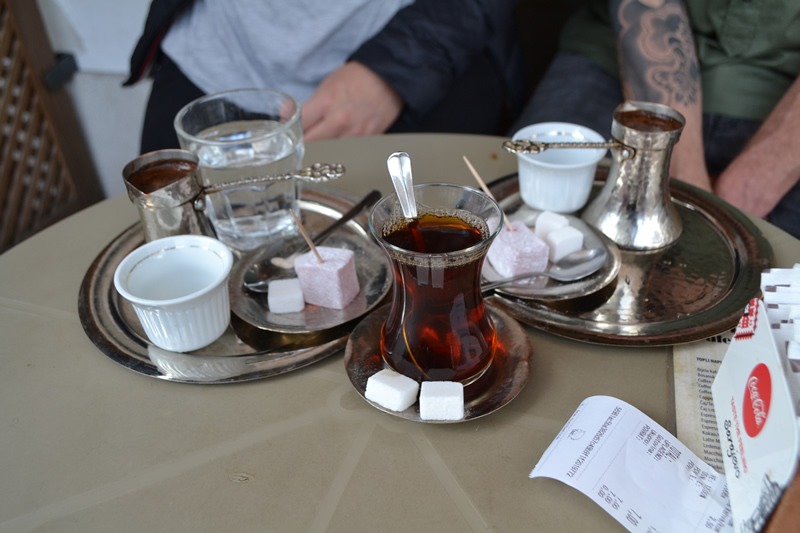
No visit to Bosnia and Herzegovina would be complete without trying Bosnian coffee. Strong, rich and traditionally served in a small copper pot alongside a cup and often a piece of Turkish delight, drinking coffee here is as much about the experience as the coffee itself.

We quickly fell in love with Bosnia’s café culture. No matter where we went, cafés were full of people chatting, reading the newspaper or simply watching the world go by. Unlike many countries where coffee is something you drink quickly before moving on, in Bosnia it is often something to be enjoyed slowly.

Some of our favourite coffee experiences came from the smaller towns. In Jajce, a café owner even brought us cushions to sit on while we enjoyed our coffee in the autumn sunshine. Moments like these became some of our favourite memories from Bosnia and Herzegovina.

Whether you drink it with sugar, Turkish delight or a glass of water on the side, Bosnian coffee is a must-try experience while travelling through the country.

7. Biftek

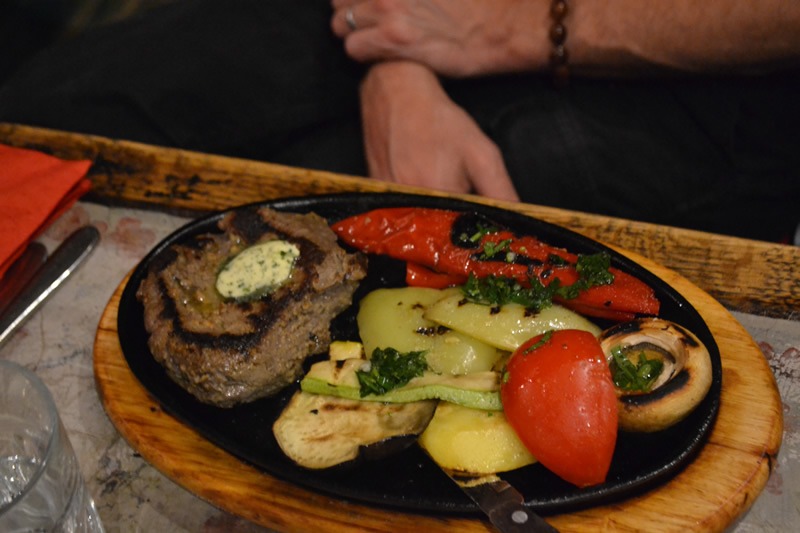
While biftek isn’t a traditional Bosnian dish in the same way as ćevapi or burek, Bosnia and Herzegovina is known for its excellent meat, making a good steak well worth trying.

We didn’t order biftek too often, mainly because it was usually one of the more expensive items on the menu, but whenever we did, we were rarely disappointed. The quality of the meat was consistently excellent and portions were generous.

One of the best steaks we had during our trip was at MGs restaurant in Trebinje, where it arrived perfectly cooked and packed with flavour. If you’ve spent a few days eating ćevapi and stews, a good biftek makes for a nice change.

March 12, 2019 0 comments
FacebookTwitterPinterestLinkedinRedditStumbleuponWhatsappTelegramThreadsOpenAIChatGPTEmail
Jajce Fort Wall
Bosnia-Herzegovina

Bosnia and Herzegovina Travel Tips: A Practical Survival Guide

by Livia March 9, 2019
written by Livia

Bosnia and Hercegovina might be the most difficult place we travelled through in Europe. Just because it is very different from our cultures being Swedish and British. It took us a little bit of time to understand certain things and to not misinterpret situations. BUT both of us absolutely fell in love with this beautiful country. So here is our little with survival guide for Bosnia-Hercegovina so you don’t have to go through the same rough beginning as we did.

Is Bosnia safe to travel in?

We were asked many times whether Bosnia and Herzegovina was safe to visit, often by people who still associated the country with its past. In reality, we felt very safe throughout our trip and never experienced any problems.

The people we met were incredibly friendly, welcoming and helpful, and Bosnia ended up feeling far calmer and more relaxed than many people seem to expect. Like anywhere, it’s always good to use normal common sense while travelling, but overall we found Bosnia and Herzegovina to be a safe and rewarding country to explore.

People might seem hard at first

This was probably the biggest issues for me in the beginning. People looked very hard, and didn’t smile and was very short with us. But we quickly realised that you just need to give them a moment to warm up to you and then you will meet the friendliest people and be welcomed with open arms.

Language

English is not widely spoken (except for Mostar and Sarajevo), but people will be more than happy to speak with you anyway, in Bosnian. They will also help you even if they can’t express themselves in English. Most people do speak German, especially in the north and central parts of Bosnia. We don’t speak German, but if you do it will make your travels easier. Make sure to try to learn a few phrases in Bosnian as this will be very positively received and people will warm up to you quicker, even if it’s just a Dobar dan (Hello) and Hvala (Thank you).

Food

We found the food in Bosnia-Hercegovina amazing. However, we did not eat many vegetables during our month there. We took vitamin supplement in Bosnia as we ate so few vegetables. The food is also very meat heavy so if you’re a vegetarian you might have issues. Especially outside big cities. Mostar was the only place we saw advertising vegetarian food. Food is also seasonal, so if you visit during spring or summer there may be more vegetables, but as we visited in October we didn’t see a lot of fresh vegetables.

Ask the locals for the best food

Ask local people about recommendations for restaurants. There’s not a lot on the internet and the locals always knows best.

Bakeries

For the cheapest lunch, go to any bakery and get a burek. Bakeries are also open late, so you can always get one.

Typical dinner in Bosnia – as well as mixed grill

How to travel around Bosnia

Bus is king in Bosnia-Hercegovina. So if you’re going from A to B take the bus. It’s super easy and cheap. We loved going by bus in Bosnia, it was just an amazing experience. If there is no bus to where you’re going you can get a car, it was affordable compared to western Europe. Prices start at 1.80km + 1km per km (2018). If traveling long distances you can make a deal.

Bus schedules and tickets

Don’t try to check bus schedules online. They will most likely not exist and if they do, they might be old. Just head to the bus station or call them to get the times. We always made sure to take a photo of the timetable when we arrived to a bus station. We never bought a bus ticket in advance, the only time we tried they told us to come back just half an hour before the bus is supposed to depart. But if you really want to make sure you get on that bus, buy them the day before.

How expensive is Bosnia-Hercegovina?

Prices are in general much cheaper to western Europe and neighbouring country Croatia and Montenegro. You can always judge prices of a place by checking the price of cevapi and coffee, the cheapest cevapi we had was 4.50km and about 7km in Sarajevo and Mostar. Coffee (espresso) should be maximum 2km – but we usually paid 1 (October 2018).

We found Mostar and Sarajevo more expensive than the rest of the country, probably because Mostar is a popular tourist destination, and Sarajevo being the capital. The cheapest areas we visited was for north and central Bosnia.

Get a Bosnian simcard

As Bosnia-Hercegovina is not part of EU, we got a Bosnian simcard when we arrived. Just head to one of the small kiosks in the city you’re in and they will most likely help you set it up, try to go to one where they speak English. It was also very affordable so it won’t burst your budget, we paid 3.5KM for 1GB data (in 2018) for a week and free calls and texts within Bosnia. If you’re traveling through the country or to different areas, make sure to get a sim card that will work in the entire country, we used M Tel and never had any issues.

Alcohol

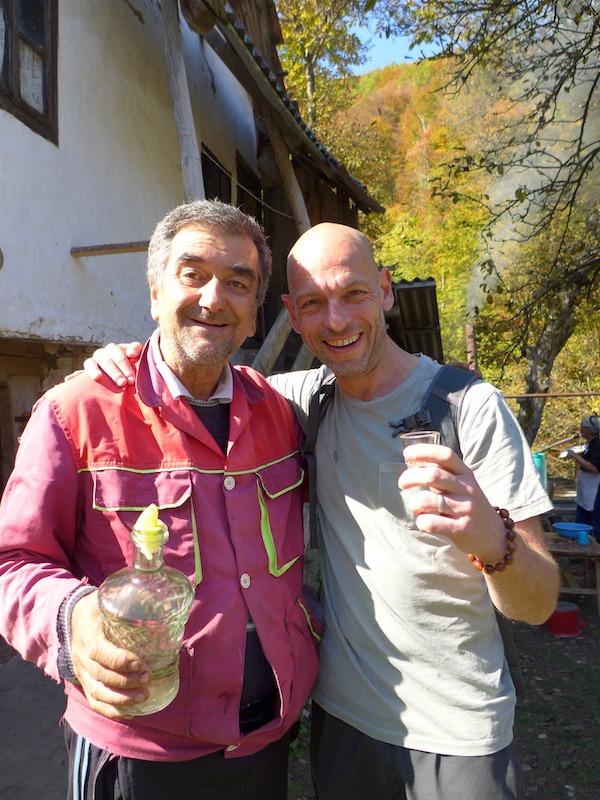
Alcohol is very cheap in Bosnia-Hercegovina (especially compared to Sweden and UK) and the drinking culture is big. Beers and Soft drinks are usually the same price, or sometimes beer is even cheaper. You will find people drinking early mornings and on their lunch breaks, especially in smaller places. There is also a big Rakija (local homemade spirits) culture, and everywhere we stayed there was a bottle of Rakija waiting for us, or we were welcomed with a shot – even if we arrived at 10am.

Walking through a village in Rakija season only means one thing

Ask for tap water

If you don’t ask for tap water they will bring bottled water. However tap water is always free and safe to drink. Better for the planet and your wallet.

Ask people for help

If you have any issues, just ask someone around you. We found people being super helpful and wanting to give us the best experience possible in their country.

Make sure to head out to nature

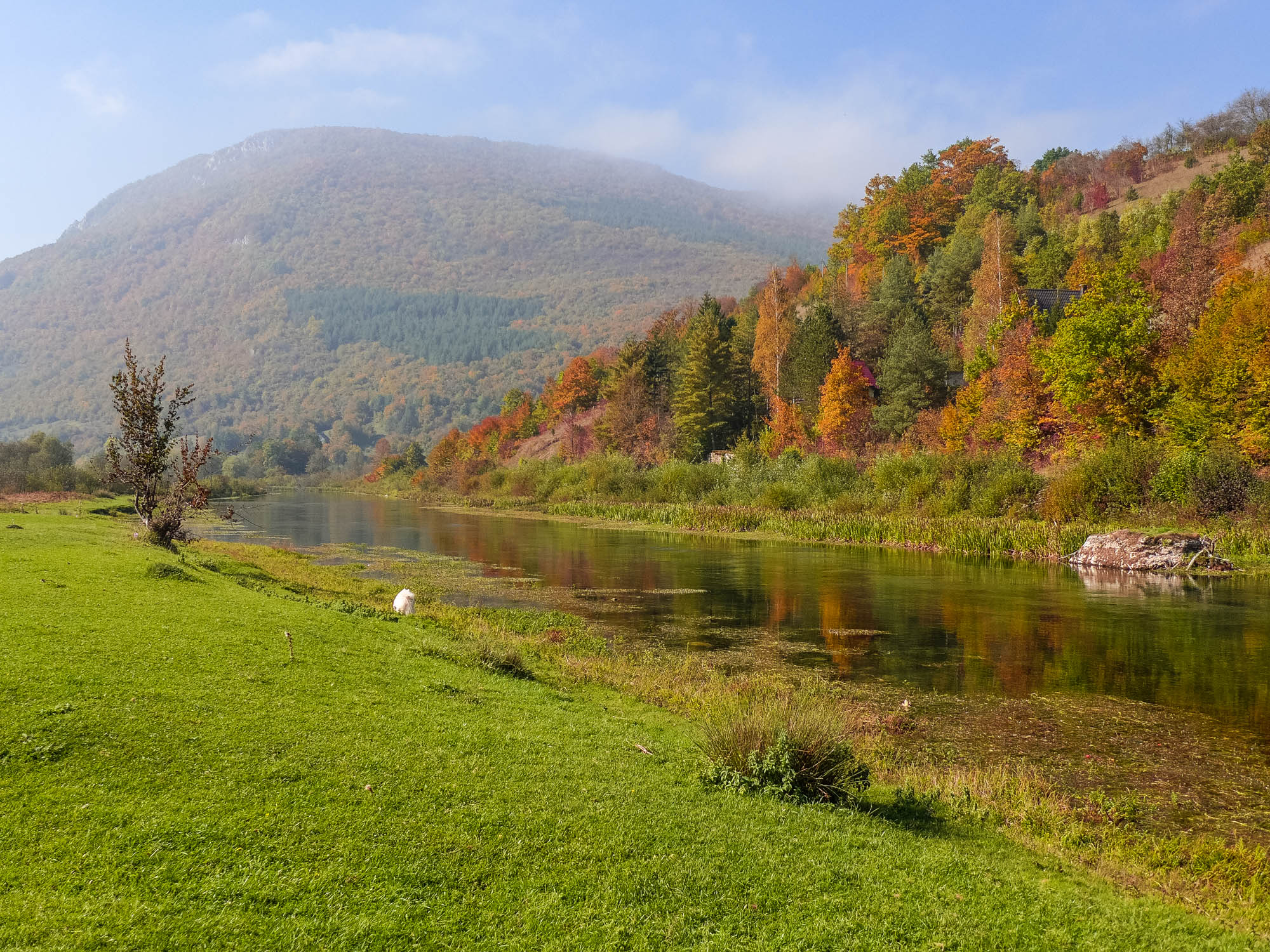
Bosnia-Hercegovina has some of the most beautiful nature. It also feels very untouched and diverse, with mountains, forests, lakes, rivers etc. We headed out to a small village by Pliva river, which was just beautiful.

Walking the Pliva River in BosniaHerzegovina
Walk along Pliva river

Be prepared for staring

Bosnia-Hercegovina doesn’t see many tourists, except for Mostar and maybe Sarajevo. So people will stare a bit at you. Some will also come up to you and ask where you’re from and why you’re here etc. But it’s all in a very nice way. We never felt uncomfortable.

March 9, 2019 0 comments
FacebookTwitterPinterestLinkedinRedditStumbleuponWhatsappTelegramThreadsOpenAIChatGPTEmail
Indonesia

What Living in Jakarta Taught Me: Lessons from Indonesia’s Capital

by Livia June 14, 2018
written by Livia

I used to live in Jakarta a couple of years ago. I lived there for 6 months, doing an internship with UNDP. This was my first time to Indonesia and my second time to Asia. But before I’ve only been to tourist places in Thailand, so it doesn’t really count. This meant that I learned a lot about that country and culture, and about myself.

I’ve also kept on visiting since I moved back to Europe, and kept learning lessons about this amazing city. Make sure to read the blog about why you should visit Jakarta.

These are some of the lessons I learned about Jakarta while living there:

None of this is based on facts, just my experiences in an every day life in Jakarta as an expat. 

  • Don’t be on time if when meeting an Indonesian person (except maybe in very official circumstances, with emphasis on maybe). As a Swede, I am always on time, usually even early, this seems to be in most Swedes’ DNAs. In Indonesia, this meant a lot of waiting. Waiting for people showing up for meetings, and waiting for friends. Don’t get me wrong, I get it. I also came late sometimes due to traffic jams.
  • Plan time for traffic jams. I never really had an issue with traffic jams as I could walk to work. But whenever I had to be somewhere on time, and had to go by car, I always planned in some extra time. Hoever, it usually meant that I sat around waiting. But Jakarta traffic can be awful, and I was just lucky. It’s better to expect traffic jams.
  • Bring a sweater or light jacket to hotels and malls. It is often very cold in the bigger, more expensive hotels and western malls, with the AC on full blow. Cold in comparison to outside will say. I learned this the hard way, sitting in an ice cold conference room in a hotel for 10 hours hardly being able to feel my fingers after a while. Trust me, bring something to wear!
  • “Choose” your air. If you can, choose to walk on smaller, less trafficked roads instead of the bigger roads. There is a difference in air quality. On the busiest roads I had so much issues breathing, but there was a clear difference walking on the smaller not so busy roads! 
  • You will be stared at: people in Jakarta will look at you, say hi. Many will want to take a selfie with you. But this is all done with a smile and the warmth only Indonesians can bring. 
  • The western fashion has not arrived in Indonesia: as good you think you’re looking leaving the apartment in your western fashioned outfit, people will look at you as if you looked like a clown. Yes in malls you will see western fashion, and some Indonesians wearing it, but in general, this is not the case.
  • Talking about clothes, Don’t wear anything to revealing: even if some Indonesian people show a lot of skin, as a westerner you will attract even more attention than you already are. And also, more negative attention. Plus in most areas it is highly inappropriate.
  • Read the labels on any skin products before you buy them: as many skin products include whitening ingredients. This is also true for deodorants. Unless you want whiter armpits, make sure to read the labels.
  • Even if you walked passed the same Ojek guy 5 times a day, he will still ask you if you want a ride. 
  • It is hot! And very humid, you will sweat!
  • Tell the taxi driver where you’re going before getting in! Some drivers doesn’t want to drive to certain areas, or if they know it’s a lot of traffic they might not wanna go there. But if you’re already in the taxi they can’t say no (this is only applicable in Bluebird taxies as far as I know, and not all drivers care about this). But to be polite, ask before getting in.
June 14, 2018 0 comments
FacebookTwitterPinterestLinkedinRedditStumbleuponWhatsappTelegramThreadsOpenAIChatGPTEmail

Recent Posts

  • Namibia Self Drive Safari vs Guided Tour: Which Is Better?

  • Namibia Self Drive: Everything We Learned Driving a 4×4 Across Namibia

  • Bosnia and Herzegovina Itinerary: Our 1 Month Route by Bus

We use Safetywing

We use THS

Trusted House Sitters

Here’s 25% off your annual membership to TrustedHousesitters - thanks to your pet loving pals at LBSBWorld.

Join now with 25% Off!

We use NordVPN

NordVPN

Get 3 months of NordVPN right now!


The best VPN service for a free, open internet

Get NordVPN!

We use Wise

Wise

Get Zero Fees on a transfer up to €500


Spend in 150+ countries like a local with Wise card

Get Wise!

©2026 LBSBWorld - All Right Reserved - Designed and Developed by Livia & Sam

Powered by
►
Necessary cookies enable essential site features like secure log-ins and consent preference adjustments. They do not store personal data.
None
►
Functional cookies support features like content sharing on social media, collecting feedback, and enabling third-party tools.
None
►
Analytical cookies track visitor interactions, providing insights on metrics like visitor count, bounce rate, and traffic sources.
None
►
Advertisement cookies deliver personalized ads based on your previous visits and analyze the effectiveness of ad campaigns.
None
►
Unclassified cookies are cookies that we are in the process of classifying, together with the providers of individual cookies.
None
Powered by
LBSB World
  • Home
  • Destinations
    • Africa
      • Namibia
    • Asia
      • Indonesia
    • Europe
      • Albania
      • Bosnia-Herzegovina
      • Croatia
      • Montenegro
      • North Macedonia
      • Serbia
  • Travel Itineraries
    • Our 9-Day Namibia Tour with Chameleon Safaris: An Honest Review
    • Our 2 Week Albania Itinerary
    • Bosnia and Herzegovina Itinerary: Our 1 Month Route by Bus
    • Namibia Self Drive: Everything We Learned Driving a 4×4 Across Namibia
  • Plan Your Trip
    • How to Deal with Travel Burnout (And Start Enjoying Travel Again)
    • Sam’s Fulltime Travel Packing List
    • Using Trusted House Sitters to Support Your Travels
    • Namibia Self Drive Safari vs Guided Tour: Which Is Better?
  • About Us
    • About Sam & Livia
    • The Story Behind Our Full-Time Travel Life
    • abearcalledpaddington