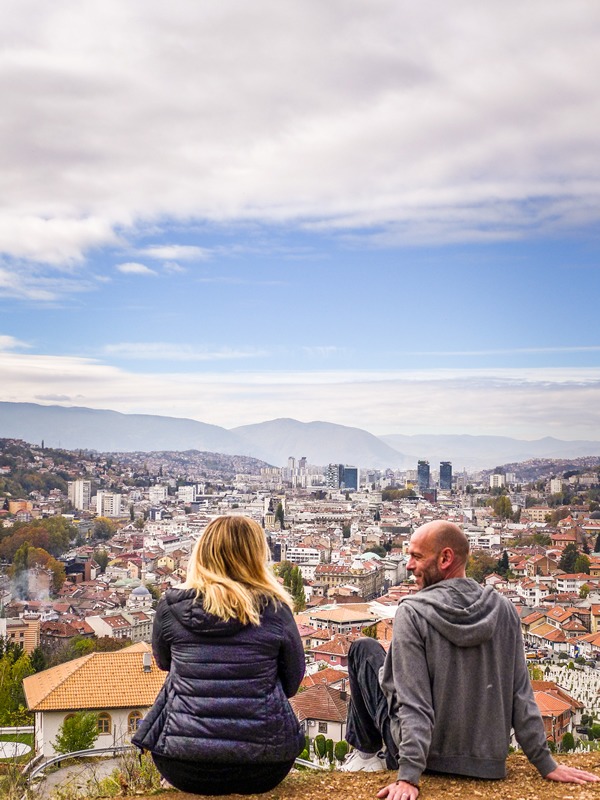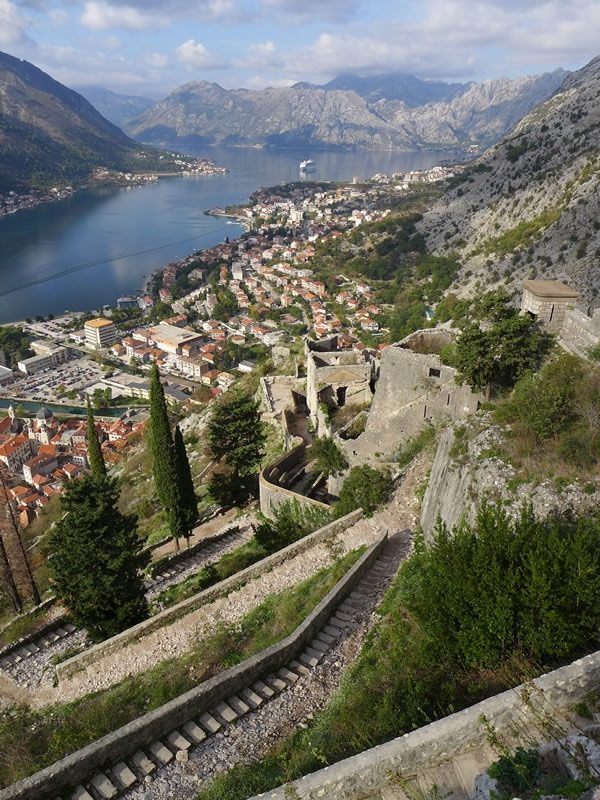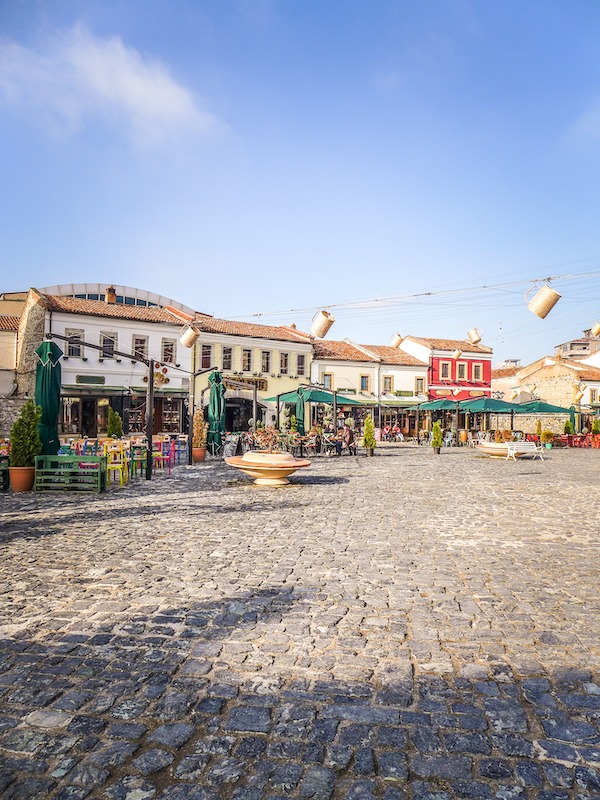
Top Posts
How to Visit the Chengdu Panda Base: Tickets, Tips & Our Experience
Our 3-Month Balkans Itinerary: 93 Days by Bus Through Southeast Europe
Subotica: Serbia’s Most Beautiful Surprise
A Short Guide to Novi Sad
Belgrade: Our Favourite City in Serbia
Best Apps for Visiting China (2026 Guide)
Visiting the Jordaan: Amsterdam’s Most Beautiful Neighbourhood
Namibia Self Drive Safari vs Guided Tour: Which Is Better?
Namibia Self Drive: Everything We Learned Driving a 4×4 Across Namibia
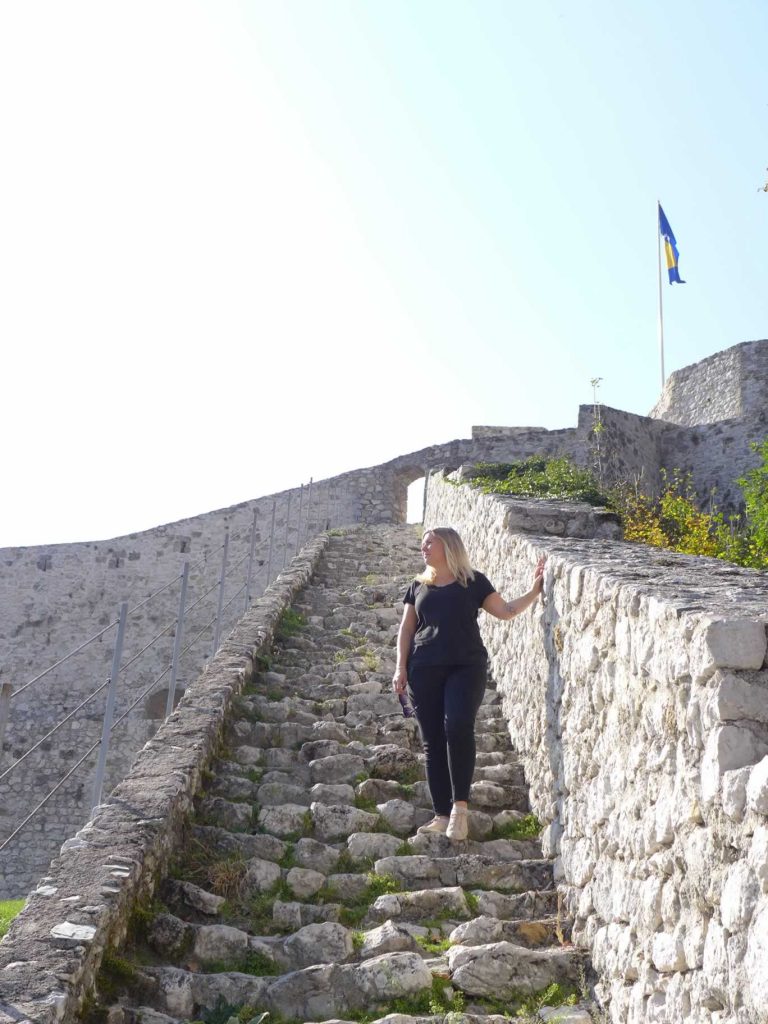
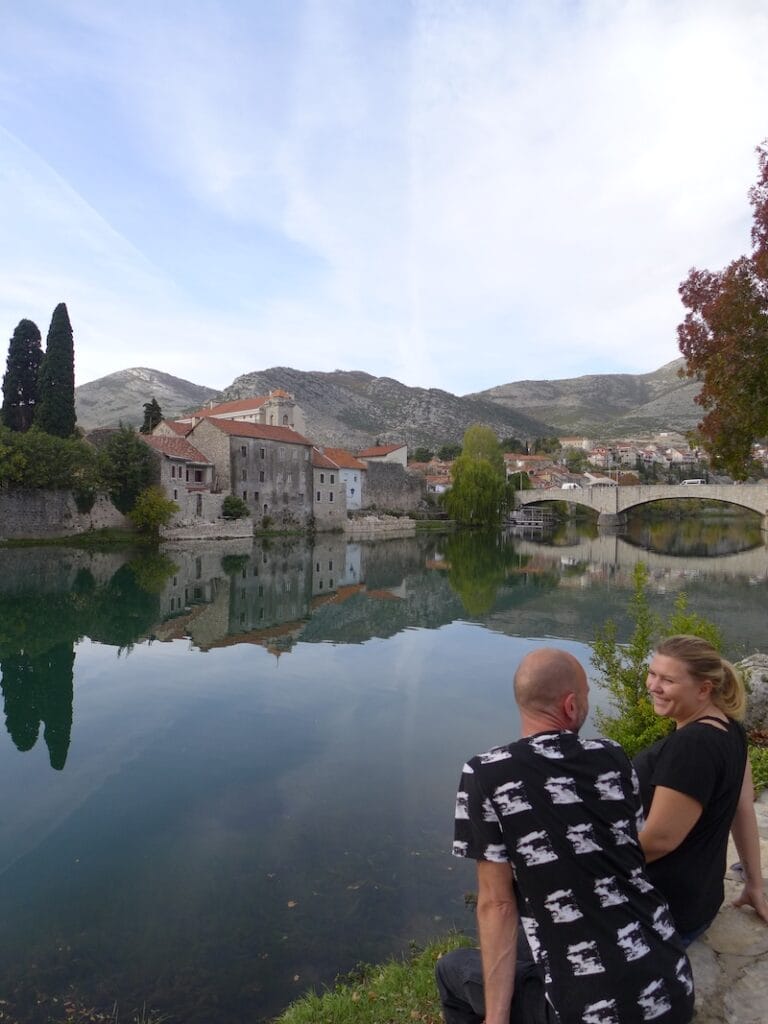
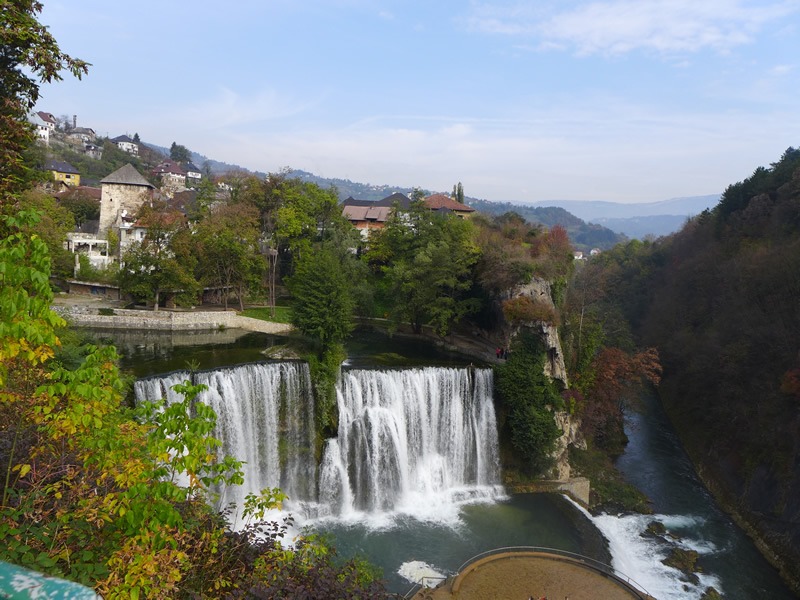
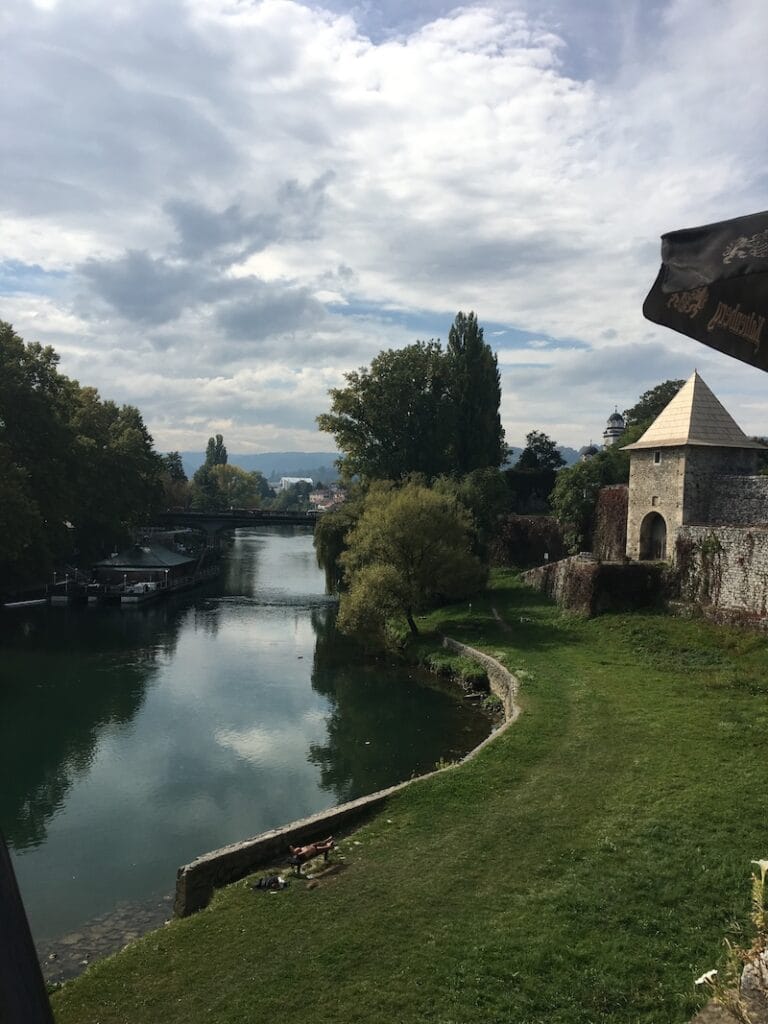
Bosnia and Herzegovina Itinerary: Our 1 Month Route by Bus
LBSB World
  • Home
  • Destinations
    • Africa
      • Namibia
    • Asia
      • China
      • Indonesia
    • Europe
      • Albania
      • Bosnia-Herzegovina
      • Croatia
      • Montenegro
      • Netherlands
      • North Macedonia
      • Serbia
    • North America
      • Dominican Republic
  • Travel Itineraries
    • Our 9-Day Namibia Tour with Chameleon Safaris: An Honest Review
    • Our 2 Week Albania Itinerary
    • Bosnia and Herzegovina Itinerary: Our 1 Month Route by Bus
    • Namibia Self Drive: Everything We Learned Driving a 4×4 Across Namibia
    • Our 3-Month Balkans Itinerary: 93 Days by Bus Through Southeast Europe
  • Plan Your Trip
    • How to Deal with Travel Burnout (And Start Enjoying Travel Again)
    • Sam’s Fulltime Travel Packing List
    • Using Trusted House Sitters to Support Your Travels
    • Namibia Self Drive Safari vs Guided Tour: Which Is Better?
  • About Us
    • About Sam & Livia
    • The Story Behind Our Full-Time Travel Life
    • abearcalledpaddington
Category:

Serbia

AlbaniaBosnia-HerzegovinaCroatiaMacedoniaMontenegroSerbiaTravel Itineraries

Our 3-Month Balkans Itinerary: 93 Days by Bus Through Southeast Europe

by Livia June 13, 2026
written by Livia

Between 30 September 2018 and 1 January 2019, we spent 93 days travelling through the Balkans.

Starting in Croatia and finishing in Serbia, we crossed six countries using almost entirely buses and public transport. Along the way we explored historic cities, mountain towns, lakeside villages and some of the most interesting places we have visited anywhere in Europe.

Before this trip, the Balkans were still largely unknown to us. We had heard plenty about Croatia, knew a little about the region’s history and expected a few logistical challenges along the way. What we found instead was a region filled with welcoming people, excellent food, fascinating history and destinations that felt refreshingly authentic.

Three months turned out to be the perfect amount of time. It allowed us to travel slowly, stay longer in places we enjoyed and experience much more than the typical highlights.

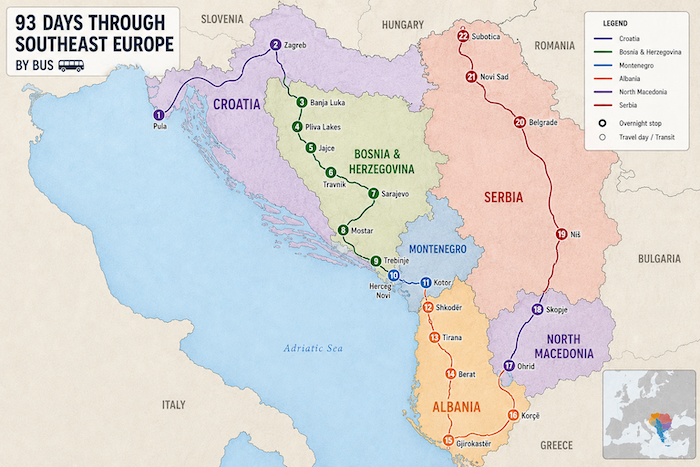
This itinerary follows the exact route we travelled between Croatia, Bosnia and Herzegovina, Montenegro, Albania, North Macedonia and Serbia.

Our Balkan Route at a Glance

CountryDestinationsDays
CroatiaPula, Zagreb5
Bosnia and HerzegovinaBanja Luka, Pliva village, Jajce, Travnik, Sarajevo, Mostar, Trebinje31
MontenegroHerceg Novi, Kotor4
AlbaniaShkodër, Tirana, Berat, Gjirokastër, Korçë17
North MacedoniaOhrid, Skopje12
SerbiaNiš, Belgrade, Novi Sad, Subotica24
93 days through South East Europe map

How Long Do You Need for This Balkan Itinerary?

We completed this route in 93 days, travelling at a fairly relaxed pace.

If you’re short on time, the itinerary could be reduced to 4-6 weeks by shortening stays in Sarajevo, Tirana, Ohrid and Skopje.

However, one of the things we enjoyed most about this trip was travelling slowly and spending longer in destinations that surprised us.

Croatia: Roman Ruins and a Capital City

Our Balkan adventure began in Croatia. We started in Pula, a coastal city on the Istrian Peninsula that is best known for its remarkably well-preserved Roman amphitheatre. Compared to Croatia’s more famous destinations further south, Pula felt relaxed and easy to explore. We spent our time wandering through the old town, exploring Roman history and enjoying a slower pace before beginning our journey through the Balkans.

From Pula, we travelled by bus to Zagreb. The journey took just over five hours and gave us our first taste of long-distance bus travel in the region.

Zagreb proved to be a pleasant surprise. While many visitors head straight for Croatia’s coastline, the capital has plenty to offer, including lively cafés, historic streets and a more local atmosphere than many of the country’s tourist hotspots.

After a few days in Zagreb, we boarded another bus and crossed our first international border into Bosnia and Herzegovina.

Read next:
– What to Do in Pula
– Zagreb Travel Guide
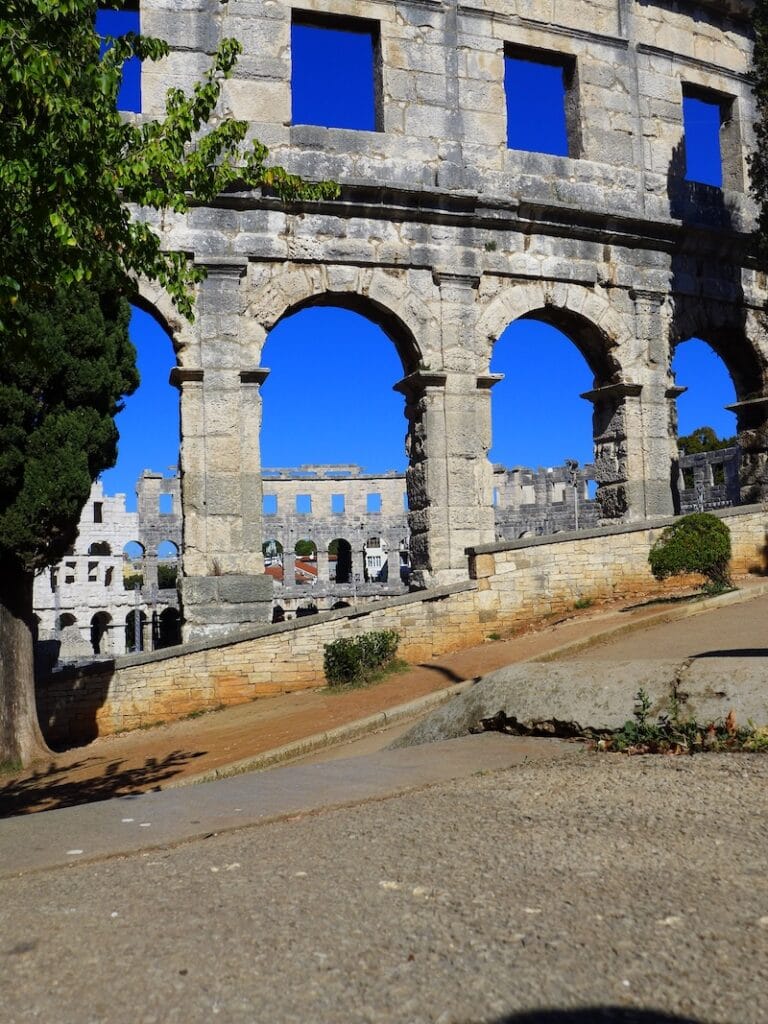
Pula
Pula
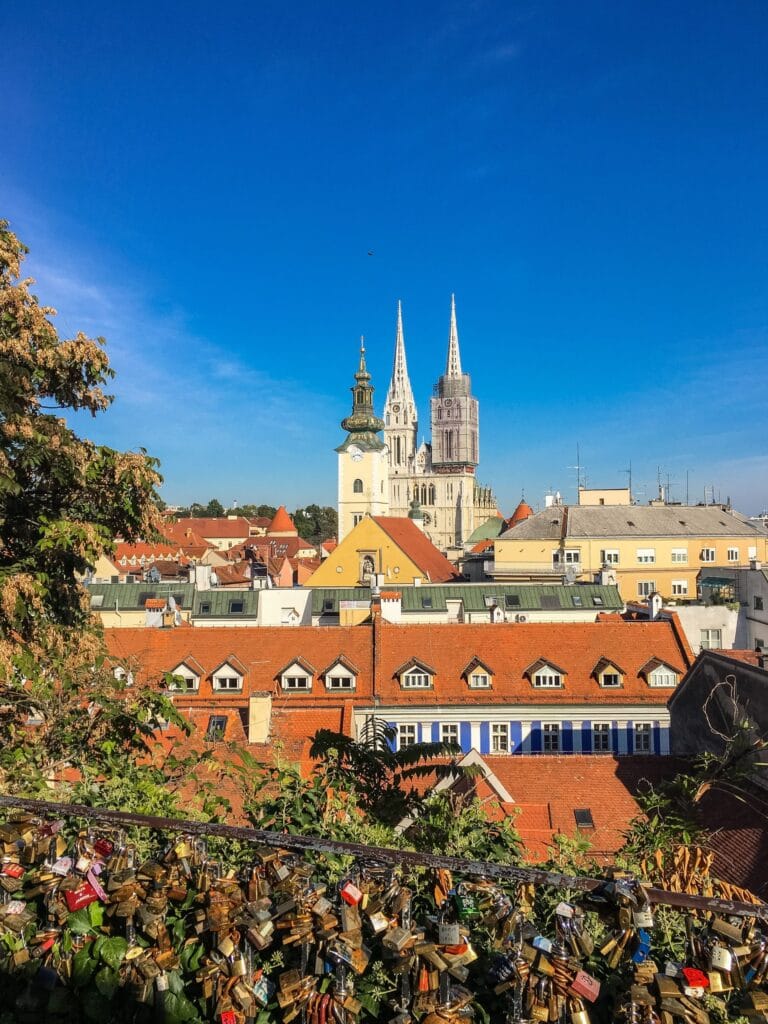
View over Zagreb Croatia
Zagreb
Zagreb

Bosnia and Herzegovina: The Country That Surprised Us Most

If there was one country that completely exceeded our expectations, it was Bosnia and Herzegovina.

Originally we planned to spend a few weeks here. Instead, we spent more than a month exploring different parts of the country and left wishing we had even more time.

Our first stop was Banja Luka. Compared to many European cities, it felt wonderfully local. There were few tourists, plenty of riverside cafés and a relaxed atmosphere that immediately made us slow down.

From there we headed towards the Pliva Lakes, one of the most peaceful places we visited during the entire trip. Spending several nights here allowed us to enjoy the area beyond the quick day trips that most visitors make.

Nearby Jajce quickly became another highlight. While most people know it for the famous waterfall in the centre of town, there is much more to explore. The old town, fortress and surrounding countryside make it worth staying longer than most itineraries suggest.

Travnik was another pleasant surprise. Sitting beneath a hilltop fortress, the town offered beautiful views, Ottoman history and some excellent local food.

After several smaller destinations, we arrived in Sarajevo.

We ended up spending almost two weeks in the Bosnian capital. Sarajevo is one of the most fascinating cities we have visited anywhere in Europe. The mix of cultures, religions and architectural styles creates an atmosphere that feels completely unique. We spent our days wandering through Baščaršija, drinking Bosnian coffee and learning more about the city’s complex history.

From Sarajevo we continued to Mostar. Although famous for its iconic bridge, we found that the city became much more enjoyable in the evenings after many of the day-trippers had left.

Our final stop in Bosnia and Herzegovina was Trebinje. Located close to the Montenegrin border, the town has a distinctly Mediterranean feel and proved to be one of our favourite smaller destinations in the country.

Looking back, Bosnia and Herzegovina remains one of our favourite countries in Europe.

Read next:

  • 30 day Bosnia and Herzegovina Travel Itinerary
  • Banja Luka Travel Guide
  • Story for Pliva village
  • Jajce Travel Guide
  • Travnik Travel Guide
  • Sarajevo Travel Guide
  • Mostar Travel Guide
  • Trebinje Travel Guide
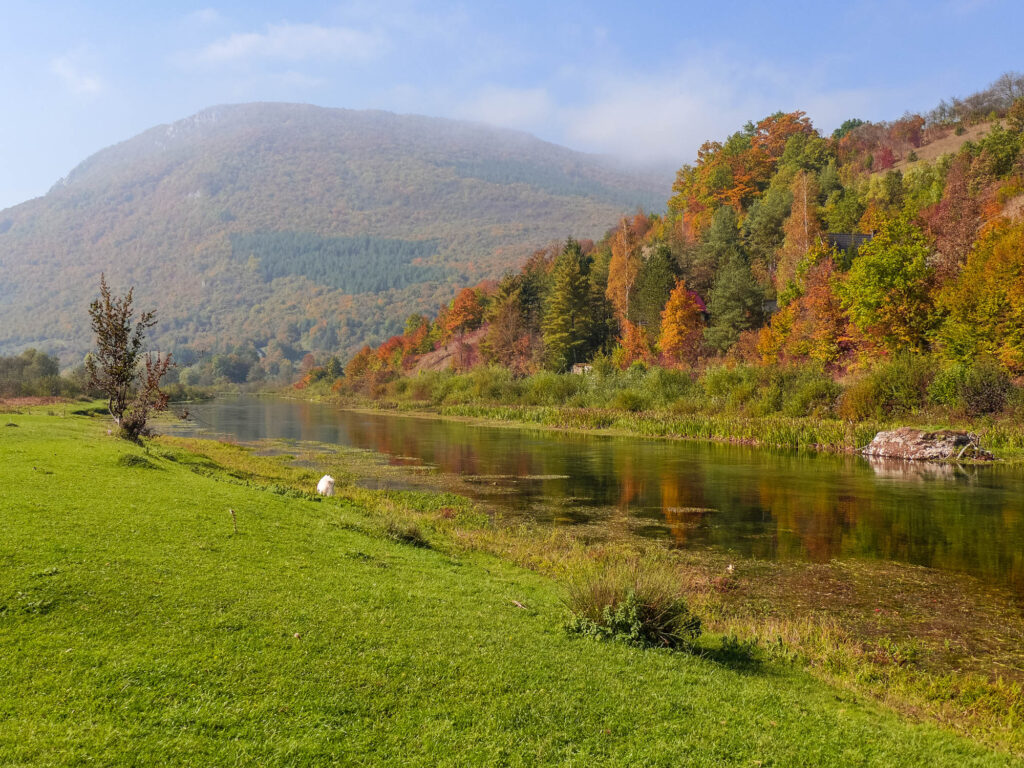
Walking the Pliva River in BosniaHerzegovina
Pliva river
Amazing views from up top of Stari Grad Castle
Travnik
Trebinje
Trebinje
Jajce Falls
Jajce Falls
Banja Luka
Banja Luka
Sarajevo
Sarajevo

Montenegro: Bay Views and Medieval Streets

From Trebinje we crossed into Montenegro.

Our first stop was Herceg Novi, a coastal town sitting at the entrance to the Bay of Kotor. Compared to Kotor, it felt more relaxed and less crowded, making it a pleasant place to spend a few days.

We then continued to Kotor, one of the most famous destinations in the Balkans.

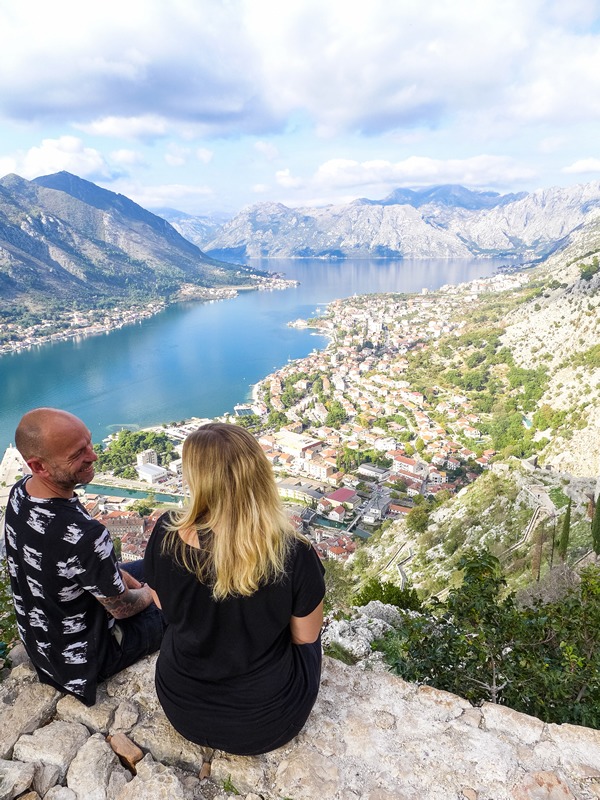
There is no denying that Kotor is beautiful. Surrounded by dramatic mountains and sitting beside the bay, it offers some of the most spectacular scenery in the region. We spent our time wandering through the medieval old town and climbing up to the fortress for the famous views.

While Montenegro wasn’t our favourite country during this trip, Kotor is still a destination we would happily recommend to anyone travelling through the Balkans.

Read next:
  • Kotor Travel Guide
  • Herceg Novi Travel Guide
  • Our honest thoughts on Montenegro
Kotor
Kotor
Kotor
Kotor
Herceg Novi
Herceg Novi

Albania: Easier Than We Expected

Albania was one of the countries we were most curious about before arriving.

At the time, we had heard plenty of stories about difficult transport and challenging travel conditions. In reality, we found Albania surprisingly easy to travel through.

We entered the country via Shkodër, a relaxed city that makes an excellent introduction to Albania.

From there we travelled south to Tirana, where we spent a full week. The capital felt energetic, colourful and constantly evolving. It was also a welcome place to slow down after several weeks of moving around.

Next came Berat, famous for its white Ottoman houses climbing the hillside. It remains one of the most photogenic towns we visited anywhere in the Balkans.

Gjirokastër quickly became another favourite. The steep cobbled streets, traditional stone houses and impressive fortress give the town a completely different character from anywhere else in Albania.

Our final Albanian destination was Korçë. Often overlooked by international visitors, we loved its atmosphere, local food and authentic feel.

By the time we left Albania, it had become one of the countries we recommended most often to other travellers.

Read next:

  • Albania 2 week Travel Itinerary
  • How to Travel Albania by Bus
  • Tirana Travel Guide
  • Berat Travel Guide
  • Gjirokastër Travel Guide
  • Korçë Travel Guide
Korçë
Korçë
Gjirokastër
Gjirokastër
Berat
Berat
Tirana
Tirana
Shkodër
Shkodër
Shkodër
Shkodër

North Macedonia: Home to One of Our Favourite Places

After Albania, we crossed into North Macedonia.

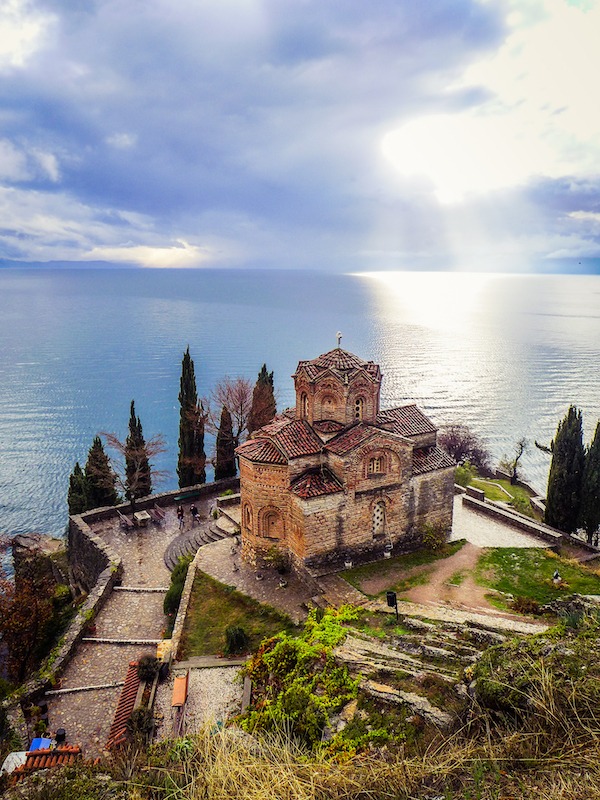
Our first stop was Ohrid, a destination that remains one of our favourites from the entire trip.

Set on the shores of Lake Ohrid, the town combines beautiful scenery, historic churches and a wonderfully relaxed atmosphere. We spent a week here and could easily have stayed longer.

Ohrid was one of those rare places where doing very little felt completely justified.

From Ohrid we travelled to Skopje.

The capital is unlike any city we have visited before or since. Filled with enormous statues, grand monuments and a fascinating mix of architectural styles, it quickly became one of the most memorable capitals in Europe.

Whether you love it or hate it, Skopje is impossible to forget.

Read next:
  • Crossing the border to North Macedonia on foot
  • Ohrid Travel Guide
  • Skopje Travel Guide
Ohrid
Ohrid
Skopje
Skopje
Skopje
Skopje

Serbia: The Final Chapter

The final country on our route was Serbia.

We started in Niš, one of Europe’s oldest cities and a place filled with history. Although often overlooked by international visitors, we found it a rewarding stop.

Next came Belgrade.

As the largest city on this itinerary, Belgrade felt energetic, chaotic and full of life. Between the food, nightlife and historic sights, there was plenty to keep us busy.

After Belgrade we travelled north to Novi Sad. With its attractive old town and impressive Petrovaradin Fortress overlooking the Danube, it quickly became one of our favourite Serbian cities.

Our final destination was Subotica.

We arrived during the festive season and spent an afternoon exploring the colourful architecture and Christmas market before unfortunately becoming quite ill. While we didn’t get to see as much of the city as we had hoped, we still enjoyed the brief time we spent there.

On 1 January 2019, we left Serbia and brought our three-month Balkan journey to an end.

Read next:
  • Niš Travel Guide
  • Belgrade Travel Guide
  • Belgrade Food Guide
  • Novi Sad Travel Guide
  • Subotica Travel Guide
Subotica
Subotica
Belgrade
Belgrade
Belgrade
Belgrade
Novi Sad
Novi Sad
Niš
Niš
Belgrade
Belgrade

Can You Travel the Balkans Without a Car?

Absolutely. One of the biggest surprises of this trip was how easy it was to travel through the Balkans using public transport.

Over the course of 93 days, we crossed six countries almost entirely by bus. Most tickets were purchased locally, many were bought just a day before departure and some were even purchased on the same day.

The buses weren’t always luxurious. Toilets on board were rare, luggage often came with a small additional fee and English wasn’t always widely spoken at bus stations. However, we rarely encountered any serious problems.

Border crossings were generally straightforward and most destinations were connected by regular bus services.

For budget-conscious travellers, travelling by bus remains one of the best ways to explore the region.
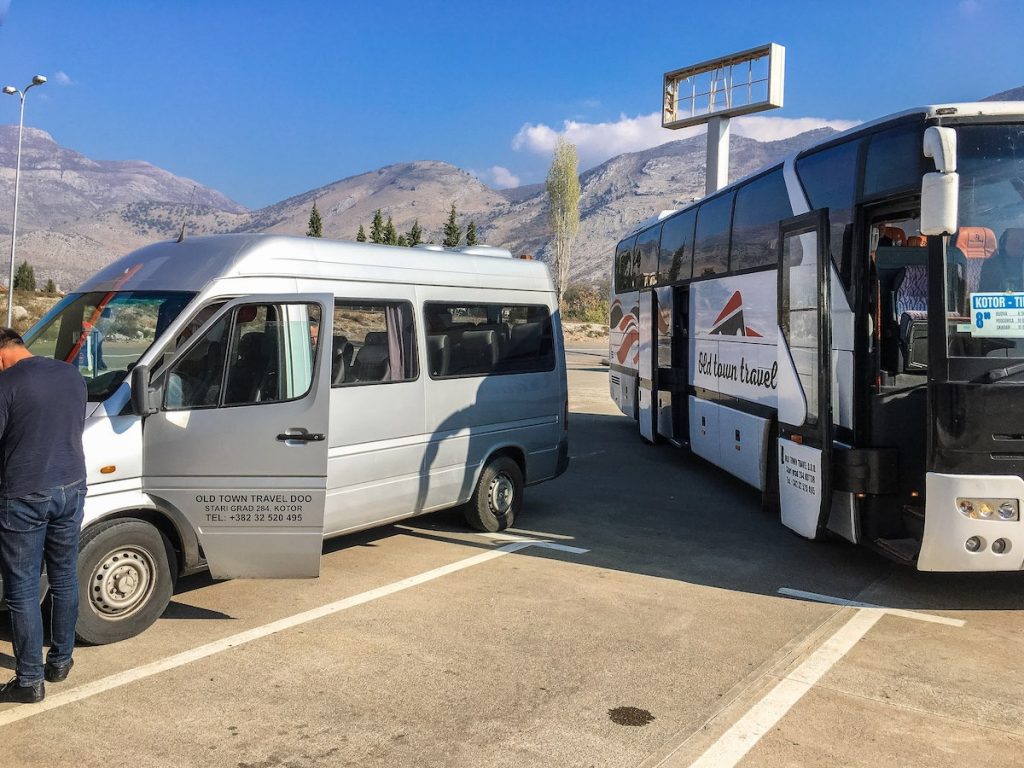
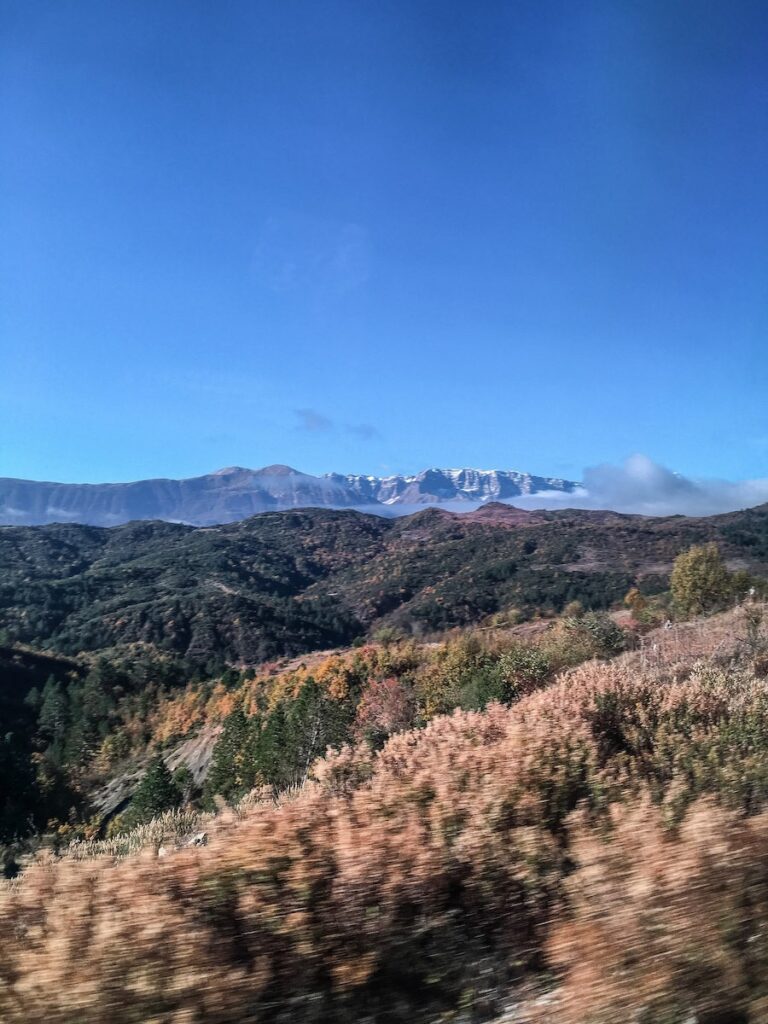
Your average bus stop in the Balkans
Beautiful views over the mountains from the bus window
Bus stop views
Bus stop views

Final Thoughts

The Balkans quickly became one of our favourite regions in Europe.

Over three months, we explored Ottoman old towns, Austro-Hungarian cities, mountain villages, lakeside communities and bustling capitals. We drank countless cups of Bosnian coffee, crossed borders we previously knew very little about and discovered destinations that far exceeded our expectations.

Bosnia and Herzegovina surprised us the most.

Ohrid became one of our favourite places in Europe.

Albania proved far easier to travel than we expected.

And throughout the entire trip, travelling by bus allowed us to experience the region at a slower and more rewarding pace.

Even after 93 days, we left with a long list of places we still wanted to visit. That, perhaps, is the best recommendation we can give.
June 13, 2026 0 comments
FacebookTwitterPinterestLinkedinRedditStumbleuponWhatsappTelegramThreadsOpenAIChatGPTEmail
Serbia

Subotica: Serbia’s Most Beautiful Surprise

by Livia June 13, 2026
written by Livia

Updated June 2026, visited December 2018

Our final stop in Serbia was Subotica, a city close to the Hungarian border that felt completely different from anywhere else we visited during our Balkan trip.

We arrived during the festive season, with the Christmas market still taking place in the city centre. On our first afternoon we wandered around town and were immediately struck by the colourful architecture and elegant buildings. After travelling through much of the Balkans, Subotica felt surprisingly Central European, with strong Hungarian influences visible throughout the city.

Unfortunately, both of us became quite sick shortly after arriving. As a result, we spent far less time exploring than we had planned, including spending New Year’s Eve in bed instead of celebrating.

Even though we only had a short time to properly experience the city, Subotica still left a lasting impression on us and remains one of the most beautiful places we visited in Serbia.

This is our short guide to Subotica.

Admire the Architecture

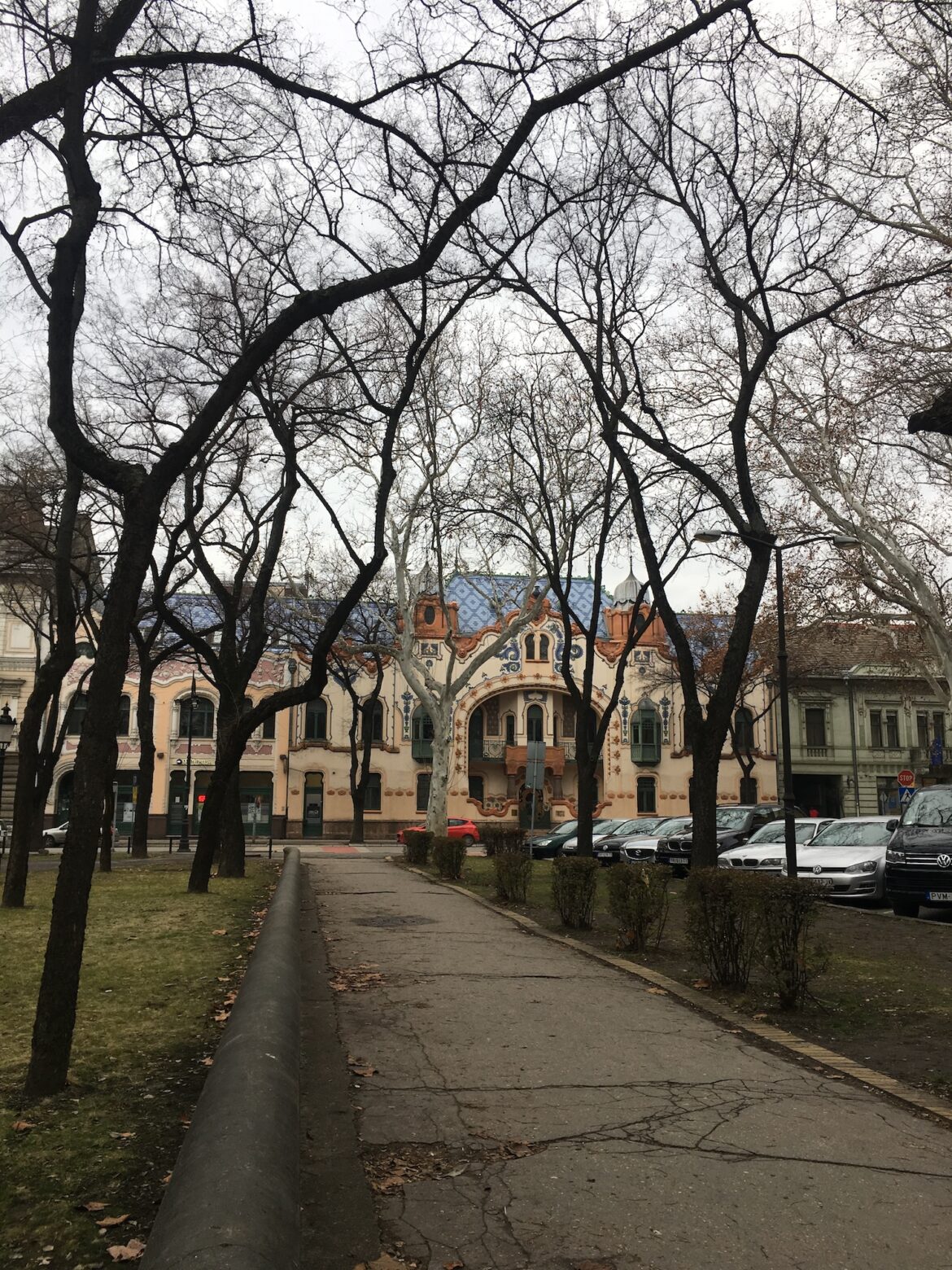
The reason to visit Subotica is the architecture.

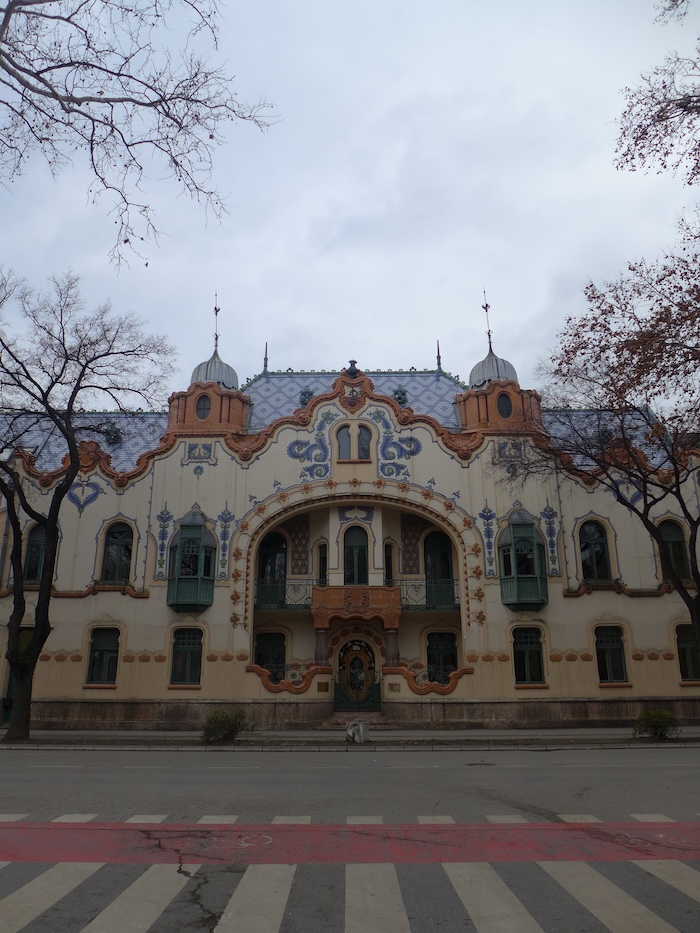
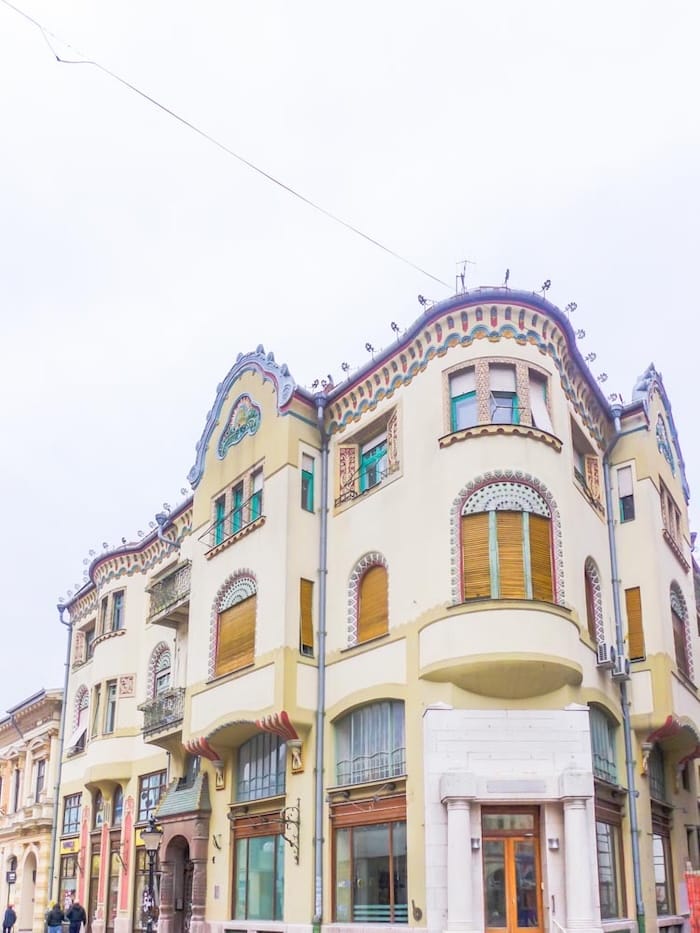
Unlike Belgrade or Novi Sad, Subotica feels much more Central European than Balkan. The city has strong Hungarian influences, and many of the buildings are beautiful examples of Art Nouveau architecture.

Simply walking around the city centre was one of our favourite activities. Colourful façades, decorative details and elegant public buildings can be found throughout the old town, making it a fantastic place for photographers and architecture lovers.

Almost every street seemed to reveal another beautiful building.

 Art Nouveau architecture of Subotica
 Art Nouveau architecture of Subotica
 Art Nouveau architecture of Subotica

Explore the City Centre

Subotica’s centre is compact and easy to explore on foot.

The main square is surrounded by some of the city’s most impressive buildings and serves as the heart of local life. Even during our short time in the city, we enjoyed wandering through the streets, admiring the architecture and taking in the atmosphere.

Compared to the larger cities we had visited earlier in the trip, Subotica felt calm, relaxed and easy to navigate.

Subotica's centre
Subotica's centre
Subotica's centre

A Different Side of Serbia

What surprised us most about Subotica was how different it felt from the rest of Serbia.

The architecture, culture and atmosphere felt noticeably influenced by neighbouring Hungary. In many ways, it felt more like a Central European city than a Balkan one.

That contrast made it one of the most memorable stops on our journey through the region.

Final Thoughts

We only got to experience a small part of Subotica before illness put our plans on hold, but what we did see left us wanting to return one day.

The beautiful architecture, relaxed atmosphere and Central European character made it one of the most distinctive places we visited in Serbia. If you’re travelling between Serbia and Hungary, it’s well worth spending a day or two here.

For us, Subotica was an unexpected surprise and a memorable final stop before crossing into Hungary and continuing our travels.

June 13, 2026 0 comments
FacebookTwitterPinterestLinkedinRedditStumbleuponWhatsappTelegramThreadsOpenAIChatGPTEmail
Serbia

A Short Guide to Novi Sad

by Livia June 13, 2026
written by Livia

After spending over two weeks in Belgrade, we headed north to Novi Sad, Serbia’s second-largest city. Located on the banks of the Danube, Novi Sad offers a more relaxed atmosphere than the capital and makes for an enjoyable stop while travelling through northern Serbia.

We only spent a few days here, but enjoyed exploring the old town, visiting Petrovaradin Fortress and discovering some great cafés and restaurants along the way.

This is our short guide to Novi Sad.

Visit Petrovaradin Fortress

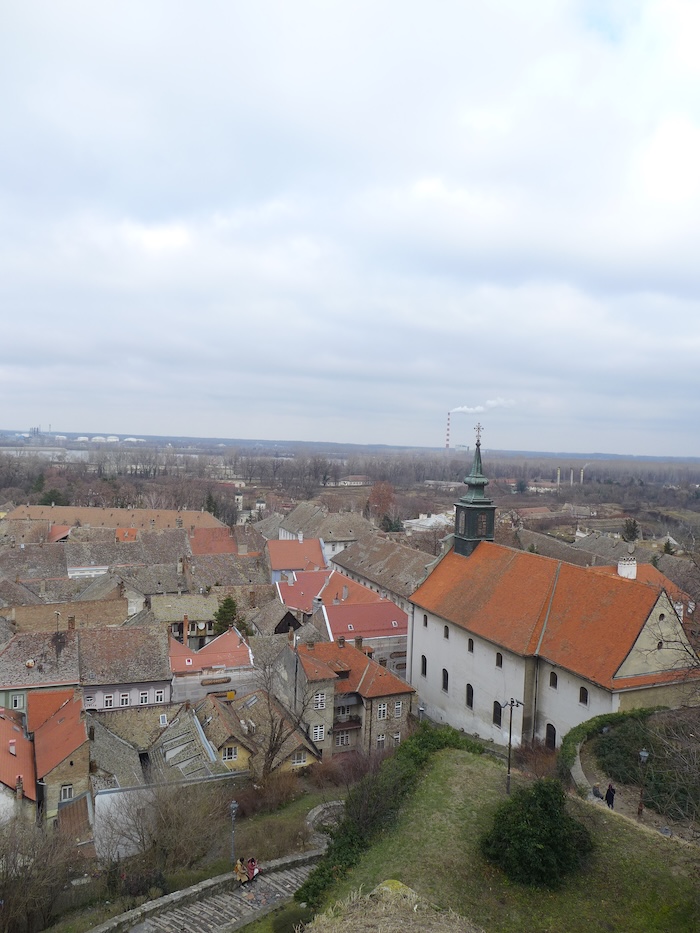
Petrovaradin Fortress is Novi Sad’s most famous landmark and definitely worth a visit. Perched above the Danube, it offers fantastic views across the river and over the city.

We visited during winter, when the fortress was quiet and easy to explore. The grounds are large enough to spend a couple of hours wandering around, and there are plenty of viewpoints where you can stop and take in the scenery.

Today the fortress is best known as the home of the EXIT Festival, but even outside festival season it’s one of the highlights of Novi Sad.

View from Petrovaradin Fortress
Where's the rave?
Novi Sad Streets

Explore the Old Town

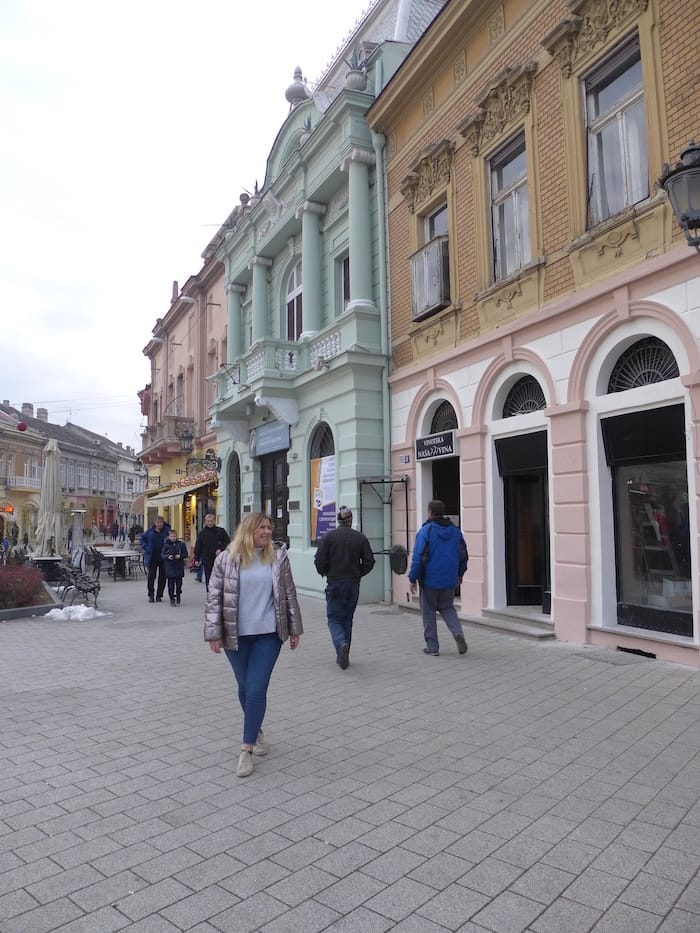
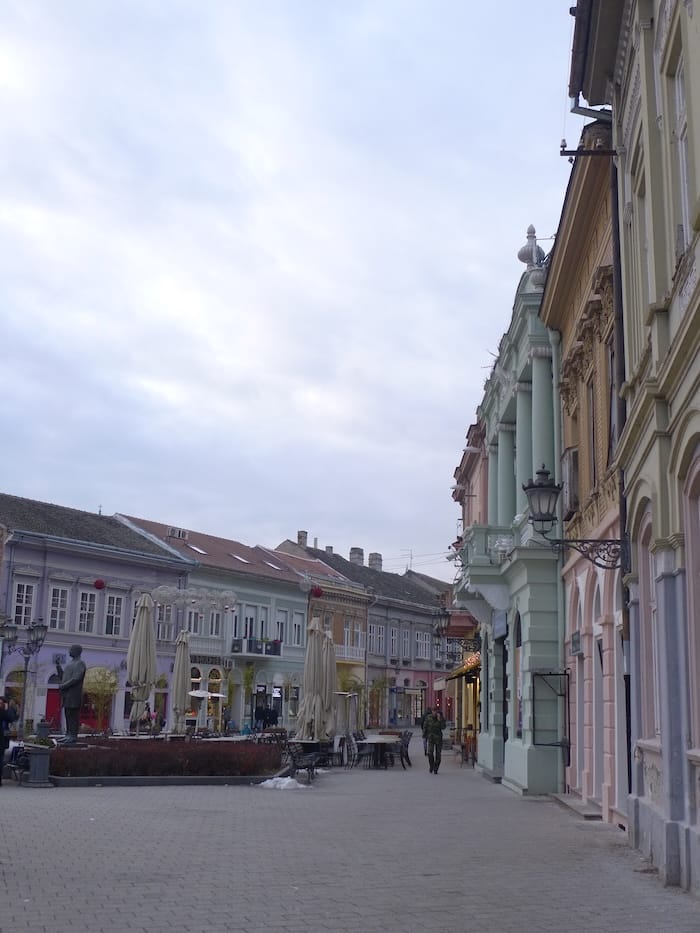
Novi Sad’s old town is compact, walkable and easy to explore in a day.

The city centre is filled with cafés, restaurants, churches and attractive squares, making it a pleasant place to wander around without any particular destination in mind. We spent much of our time simply walking through the centre, stopping for coffee and enjoying the slower pace of life.

Compared to Belgrade, Novi Sad felt quieter and more laid-back, making it a nice change of pace after the Serbian capital.

Novi Sad old town
ice cream colors of Novi Sad old town

Where to Eat in Novi Sad

Loft Downtown, Coffee & Food Bar

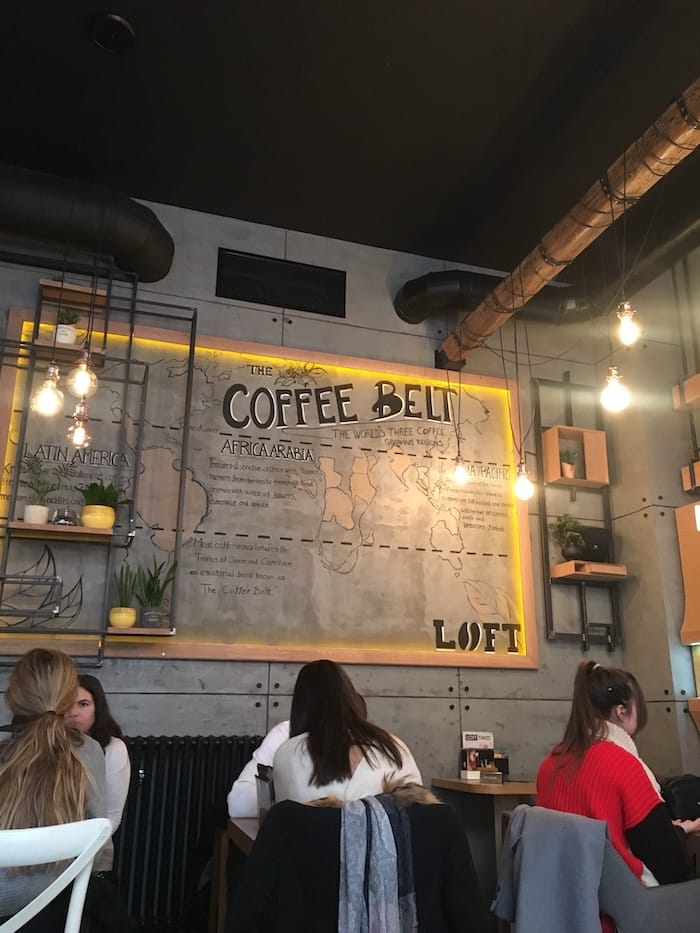
Loft Downtown is a great café in Novi Sad. Located in the heart of the city, it’s a great place to stop for coffee, breakfast or a light lunch while exploring the old town.

The atmosphere is modern and relaxed, making it easy to spend an hour or two watching the world go by.

Restoran Kafanica

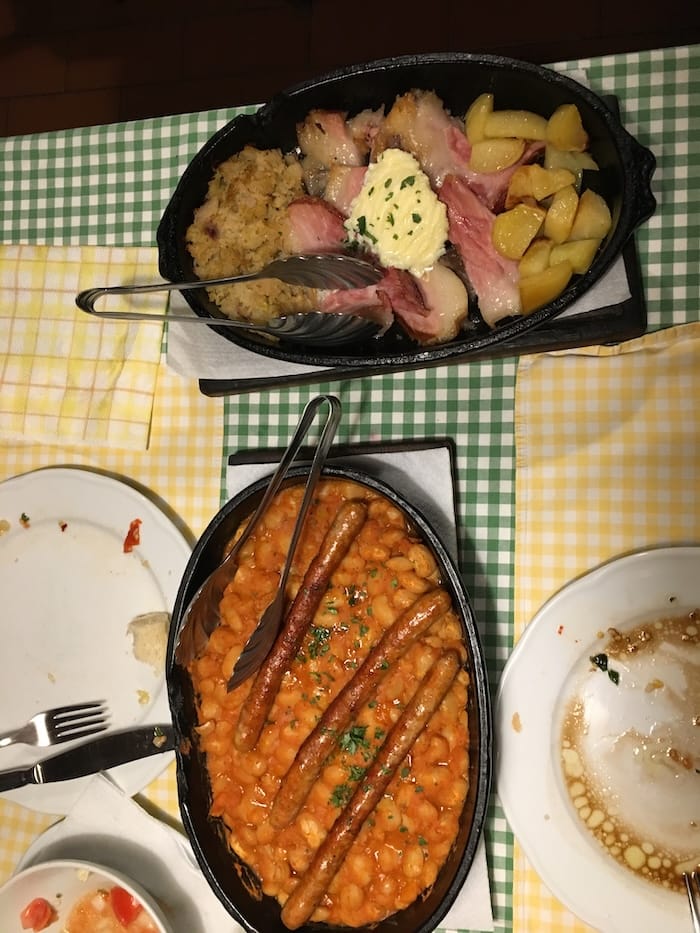
For traditional Serbian food, we can recommend Restoran Kafanica.

The restaurant serves generous portions of local dishes in a welcoming setting and was one of our favourite meals in Novi Sad. If you’re looking to try Serbian cuisine before leaving the country, this is a great place to do it.

Restoran Kafanica
Restoran Kafanica
Loft Downtown
Loft Downtown

Final Thoughts

While Novi Sad may not have the energy or size of Belgrade, we really enjoyed our time here. The combination of a relaxed city centre, good food and impressive fortress makes it a worthwhile stop while travelling through Serbia.

For us, Novi Sad was a pleasant place to slow down for a few days before continuing our journey north.

June 13, 2026 0 comments
FacebookTwitterPinterestLinkedinRedditStumbleuponWhatsappTelegramThreadsOpenAIChatGPTEmail
Serbia

Belgrade: Our Favourite City in Serbia

by Livia June 13, 2026
written by Livia

Updated June 2026. Originally visited in December 2018.

Belgrade ended up being one of our favourite stops during our travels through the Balkans. We originally planned to stay for a couple of weeks and quickly found ourselves settling into a comfortable routine of cafés, walks, good food and exploring different neighbourhoods.

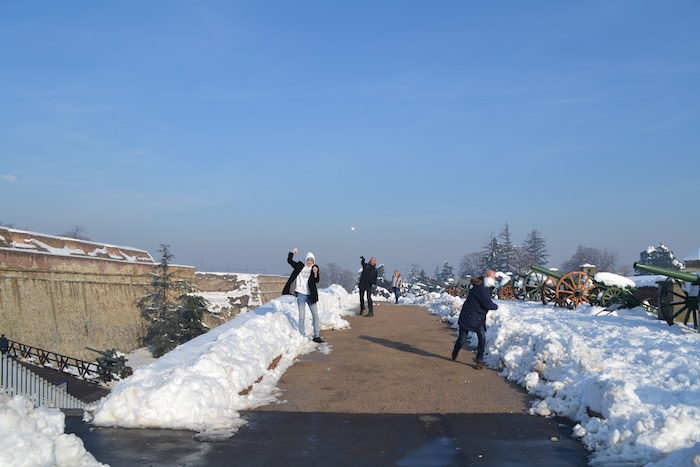
We visited in December and even experienced a snowstorm while we were there, before celebrating Christmas with visiting family in the Serbian capital. The combination of lively streets, historic architecture, excellent food and welcoming atmosphere made it a city we genuinely enjoyed spending time in.

Belgrade’s food scene deserves its own article. If you’re looking for restaurant recommendations, have a look at our guide to where to eat in Belgrade.

Where to stay in Belgrade

Belgrade is a large city, but most visitors will probably want to stay somewhere close to the city centre. We found that being within walking distance of Knez Mihailova, Dorćol and Belgrade Fortress made it easy to explore much of the city without relying on public transport.

If you’re planning to stay for a few days, we’d recommend looking for accommodation in the city centre or nearby neighbourhoods such as Dorćol, Savamala or Vračar. Each area has its own character and gives easy access to restaurants, cafés and many of Belgrade’s main attractions.

We booked our accommodation through Booking.com, where you’ll find plenty of options throughout Belgrade, from budget apartments to boutique hotels.

Explore Belgrade’s Different Neighbourhoods

One of the things we enjoyed most about Belgrade was simply wandering around its different districts.

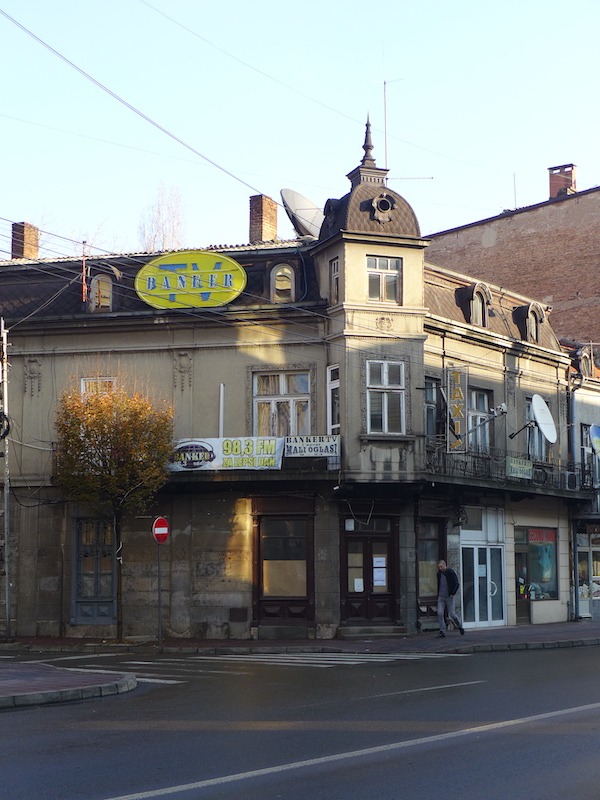
Knez Mihailova, the city’s main pedestrian street, quickly became one of our favourite places for a walk. Lined with shops, cafés and historic buildings, it acts as the heart of the city centre and connects many of Belgrade’s major attractions.

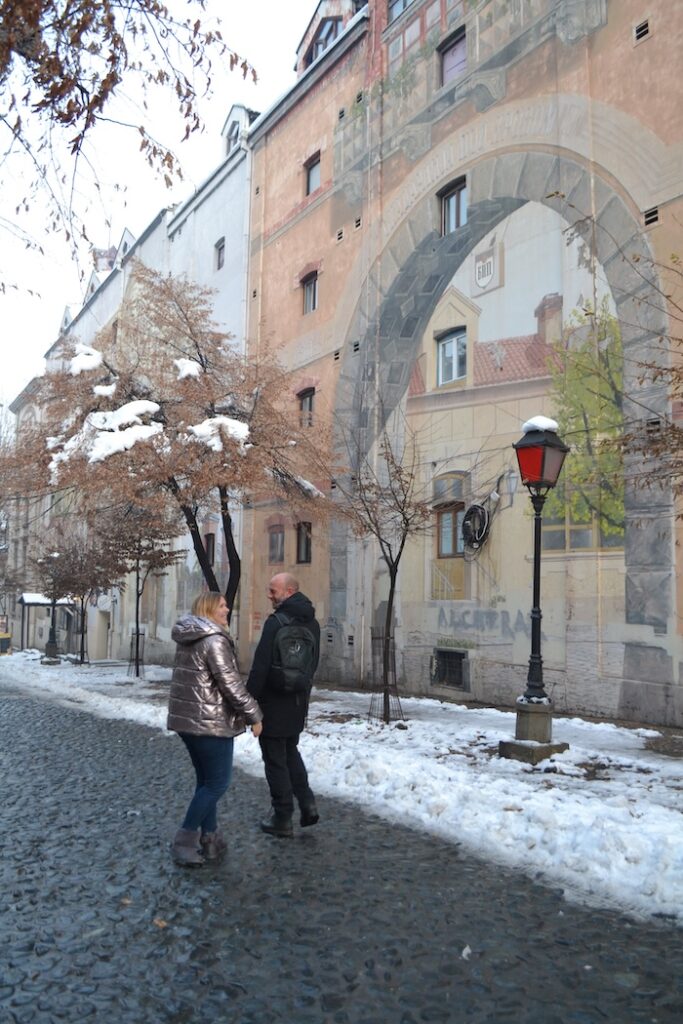
We also spent plenty of time in Skadarlija, Belgrade’s bohemian quarter and Dorćol, a neighbourhood filled with cafés, bars, restaurants and creative spaces. It felt slightly more relaxed than the city centre and quickly became one of our favourite parts of Belgrade.

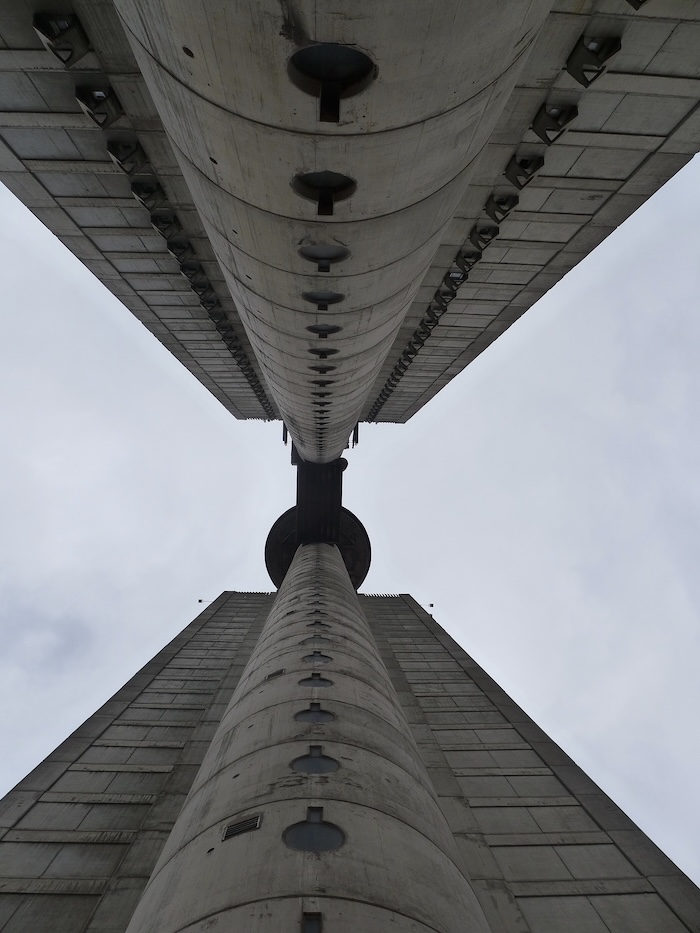
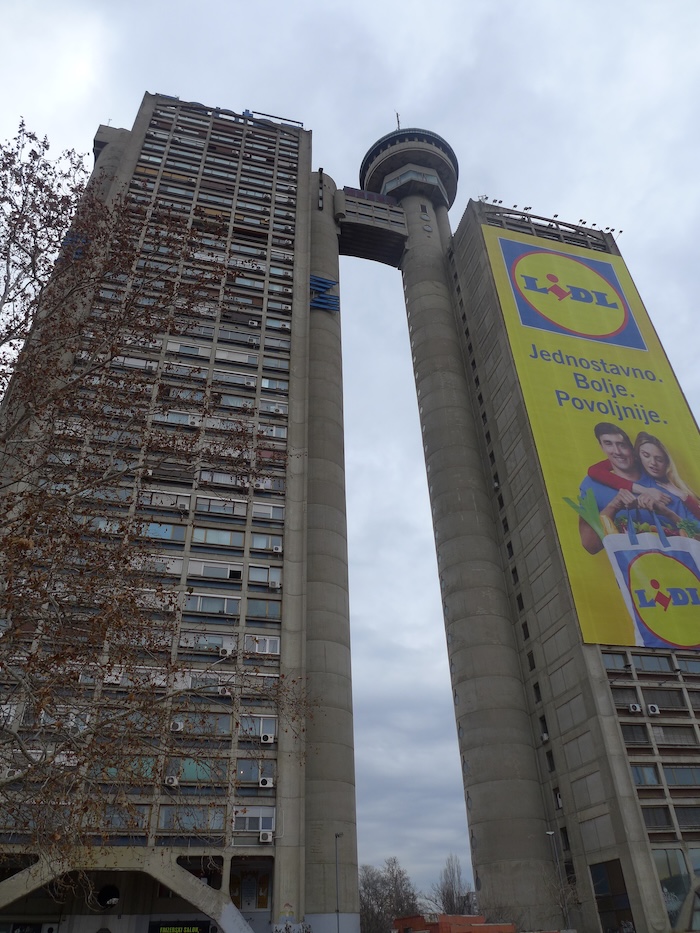
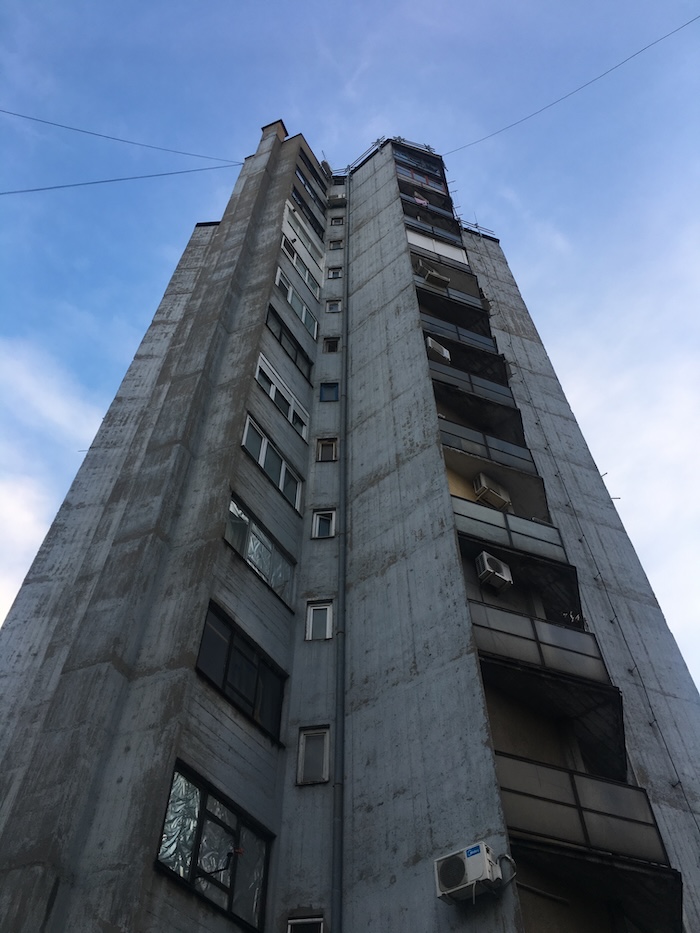
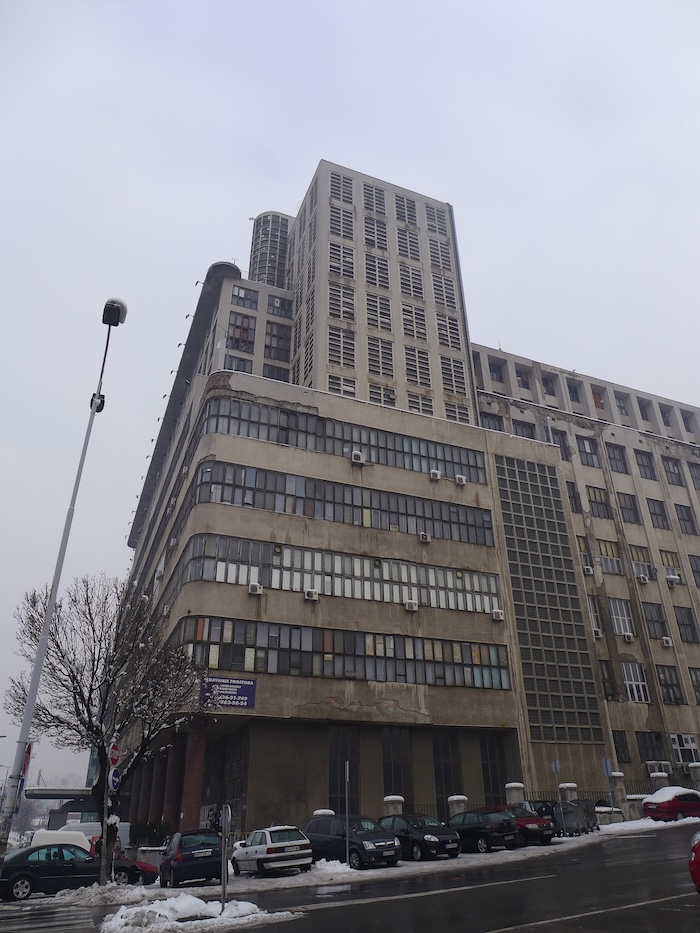
For a completely different side of the city, we crossed the river to Novi Beograd. The wide boulevards, large apartment blocks and socialist-era architecture create a very different atmosphere. While there, we made a point of seeing the famous Genex Tower, one of the most iconic examples of Yugoslav brutalist architecture.

Dorćol
Skadarlija
Genex Tower
Genex Tower

Visit Belgrade Fortress

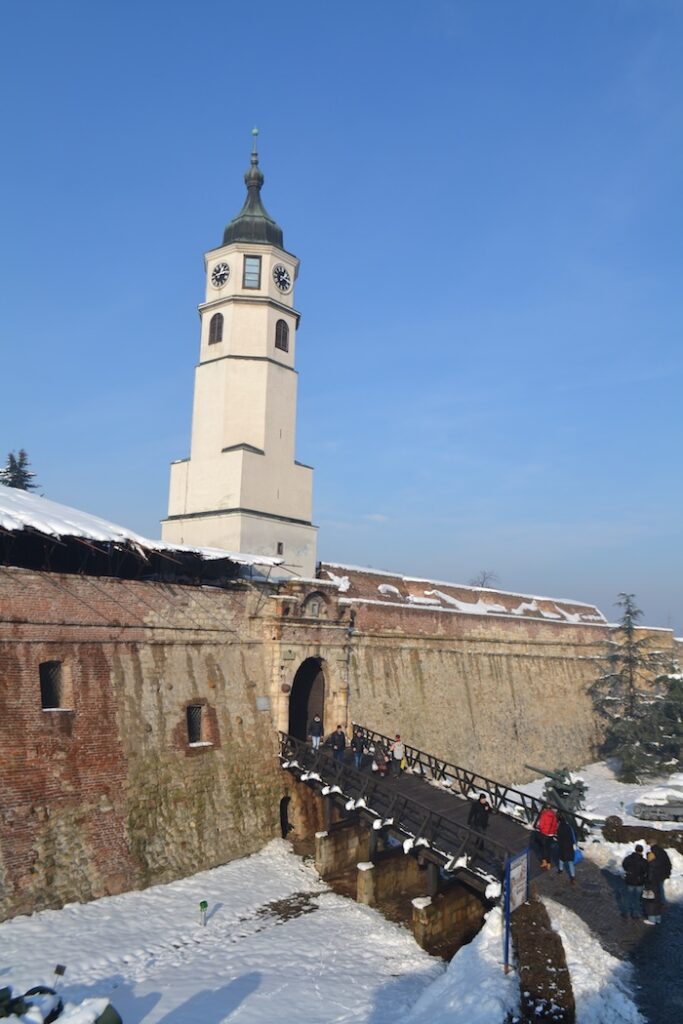
No visit to Belgrade is complete without spending some time at Belgrade Fortress.

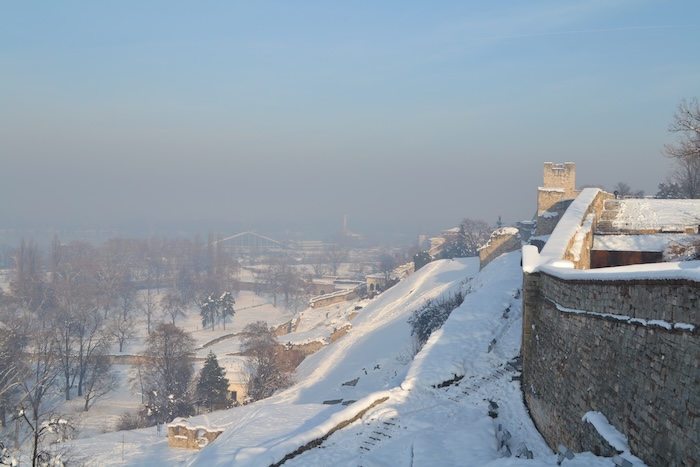
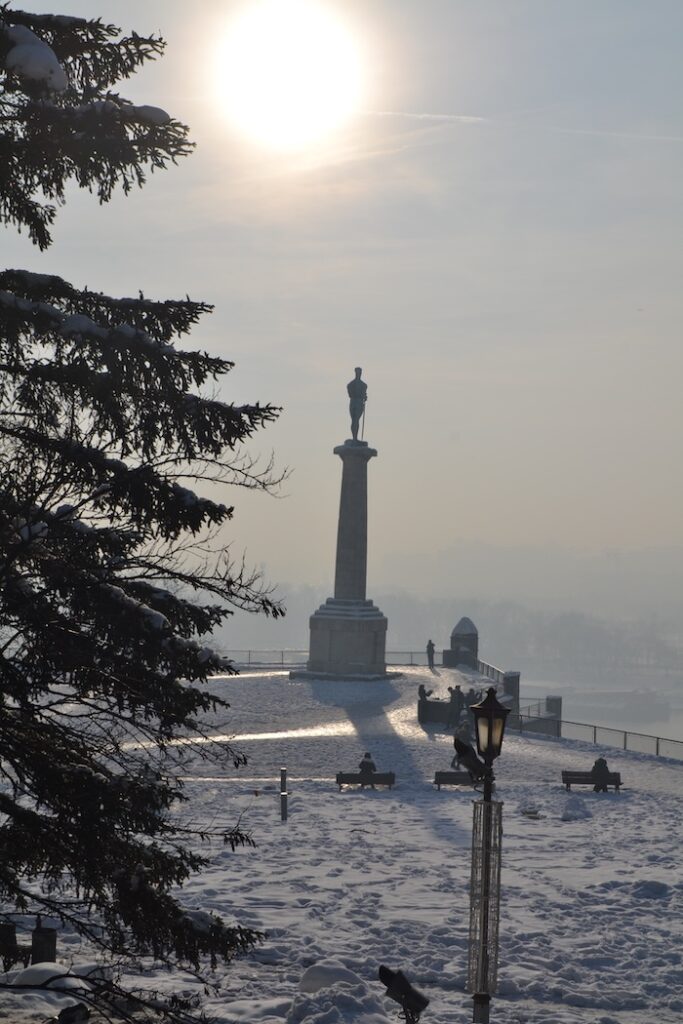
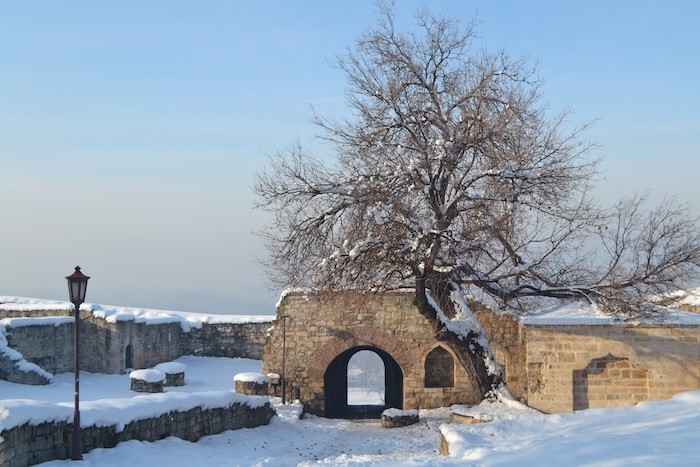
Located where the Sava and Danube rivers meet, the fortress offers fantastic views across the city and is one of the most important historical sites in Serbia. The surrounding park is also a pleasant place for a walk, especially on a clear winter day.

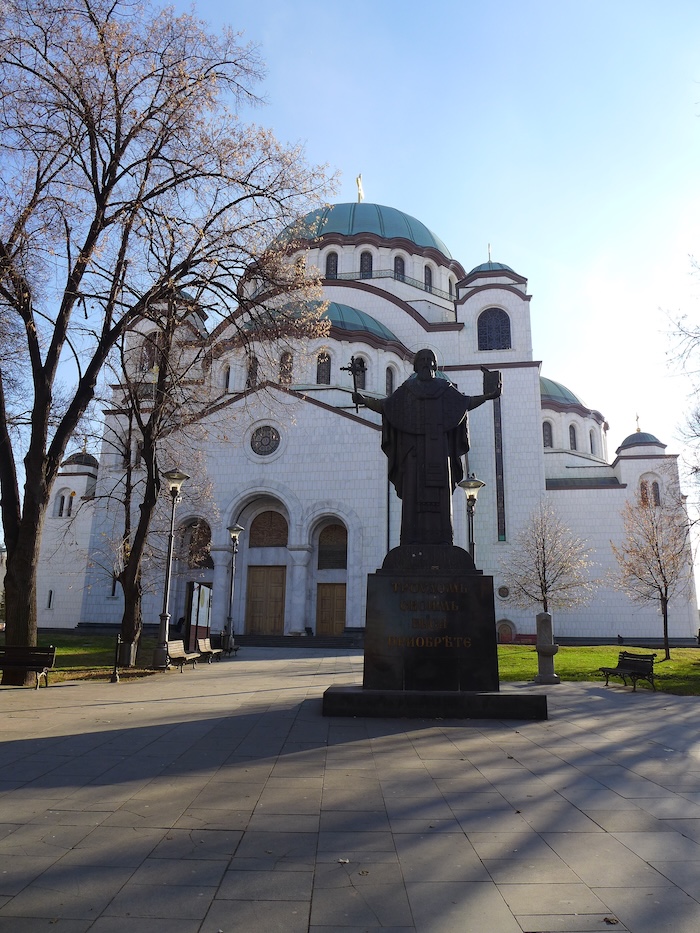
Temple of Saint Sava

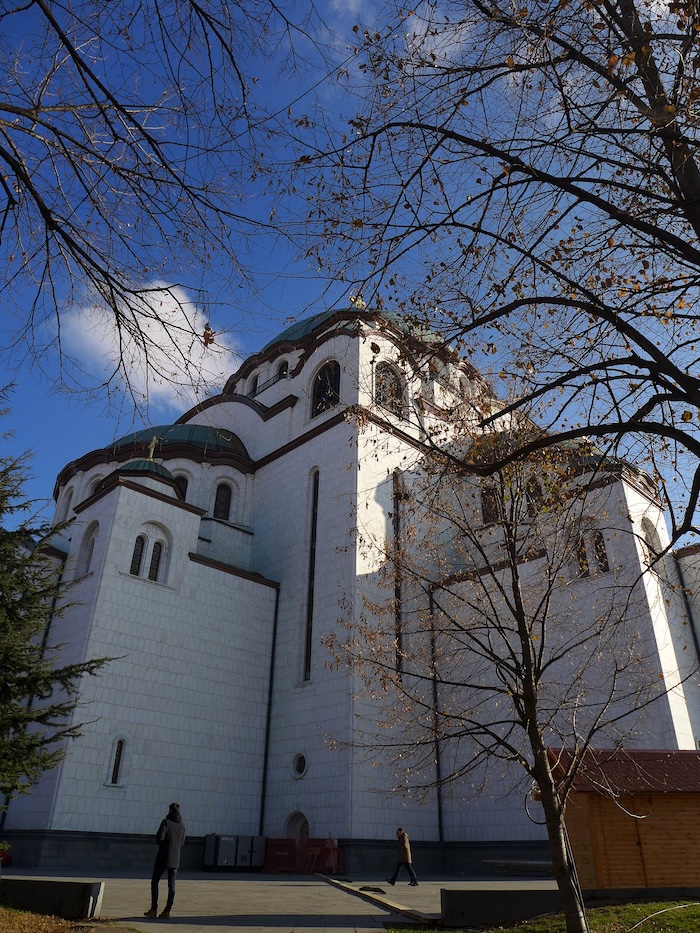
The Temple of Saint Sava is one of the largest Orthodox churches in the world and is impossible to miss when visiting Belgrade.

The building dominates the skyline and is impressive both inside and out. Even if you’re not particularly interested in religious sites, it’s worth visiting simply to appreciate the scale of the architecture.

House of Flowers

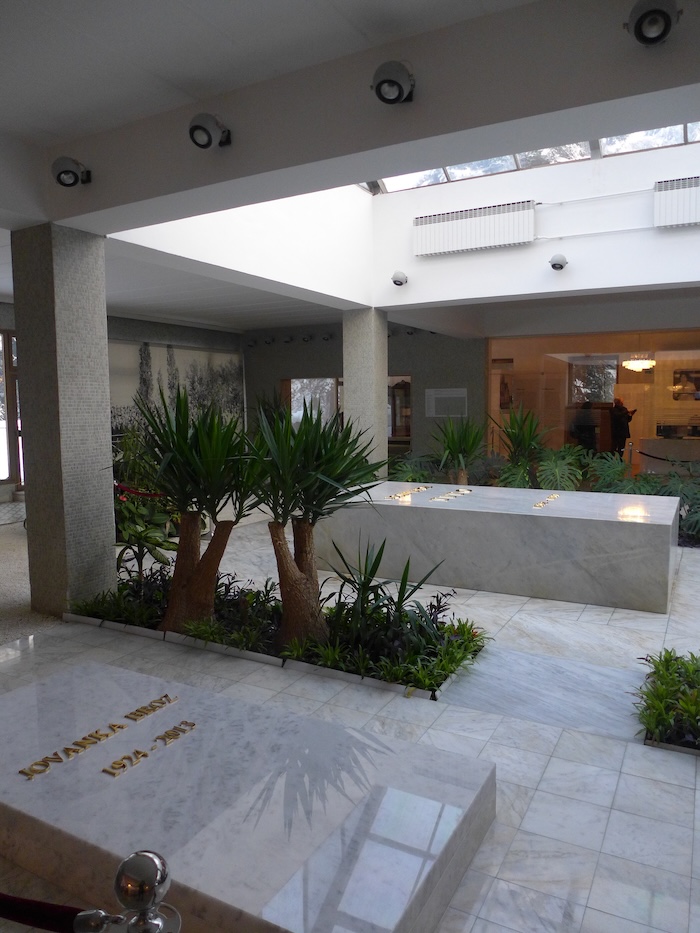
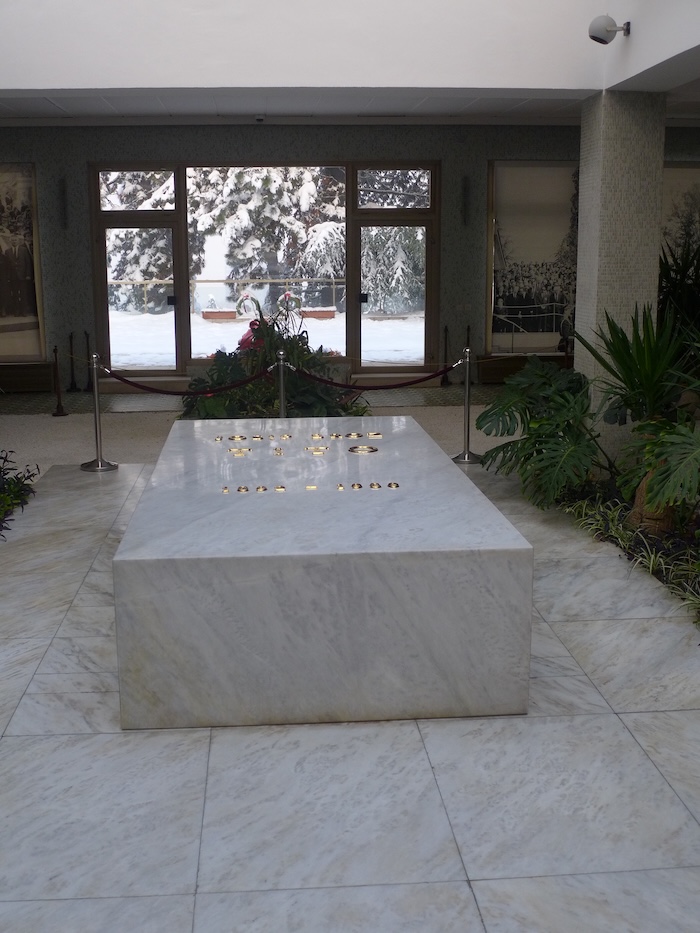
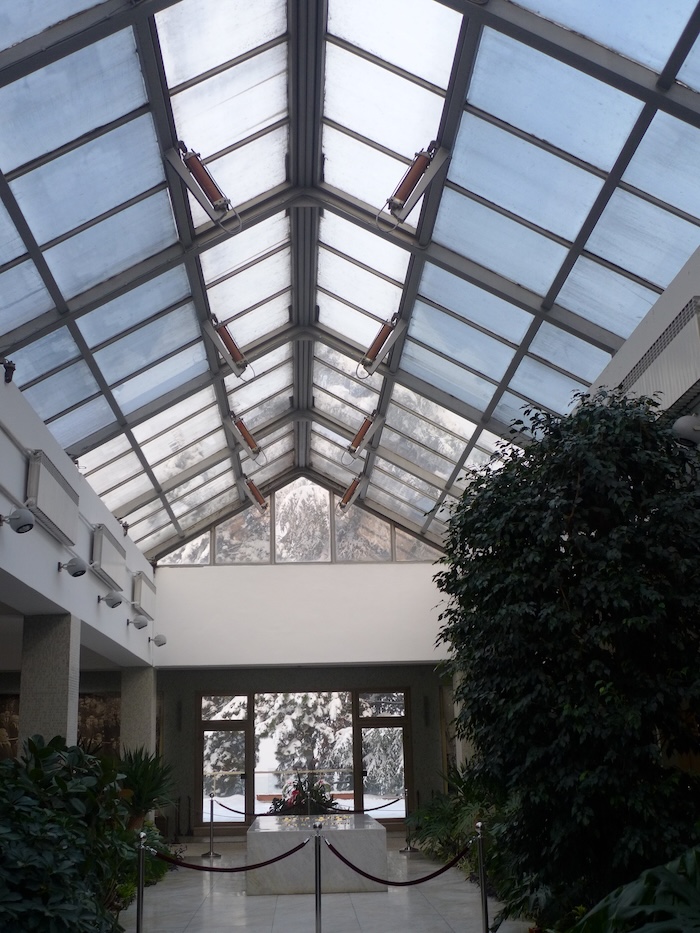
One of the more interesting places we visited was the House of Flowers, the mausoleum of former Yugoslav leader Josip Broz Tito.

Whether you’re interested in Yugoslav history or not, the museum provides a fascinating glimpse into a period that shaped much of the Balkans. It also helps explain some of the history and politics that continue to influence the region today.

Markets, Cafés and Everyday Life

We always enjoy visiting local markets when travelling, and Kalenić Market was one of our favourite places in Belgrade. It’s a lively market where locals shop for fresh fruit, vegetables, cheese and other produce.

Belgrade also has a fantastic café culture. Some of our favourite places included Pržionica D59B, Café Amelie, Hotel Moskva and Zaokret. We often found ourselves stopping for coffee between sightseeing, especially on cold winter days.

For an evening drink, Blaznavac was one of our favourite bars, with a fun atmosphere and plenty of character.

Hotel Moskva
Zaokret

A Strange Visit to BIGZ

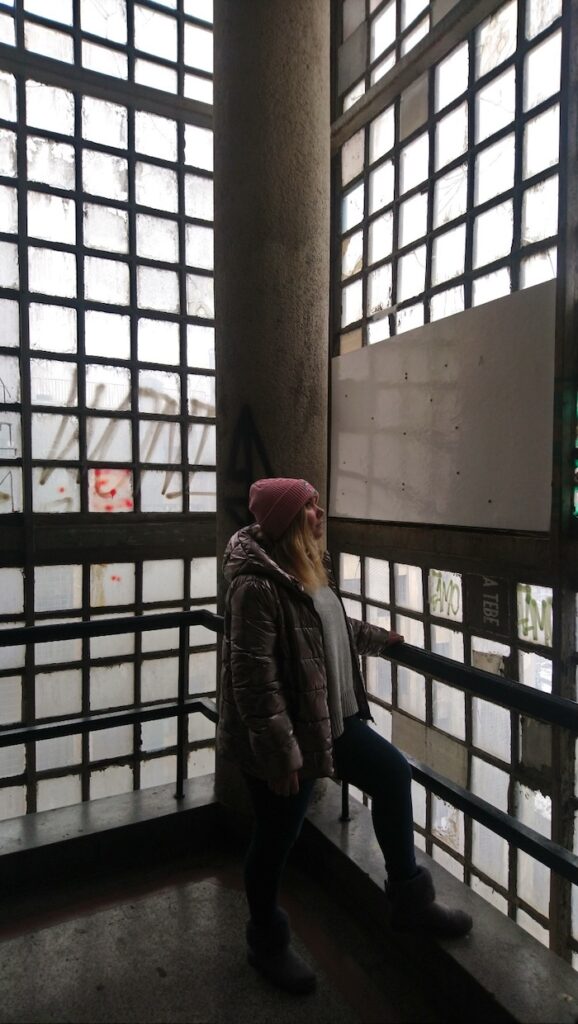
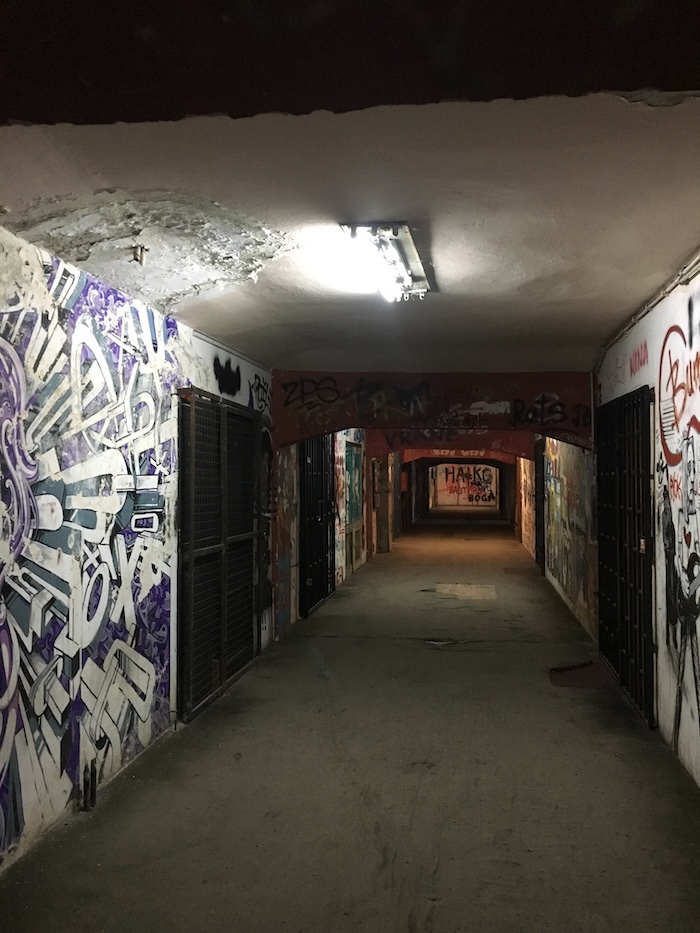
One of the more memorable places we explored was BIGZ, a huge former publishing house that had partially transformed into an artists’ and creative space.

At the time of our visit, much of the building felt semi-abandoned. There was security at the entrance and we were told before arriving that visitors are not supposed to enter, but we walked in confidently and somehow found ourselves exploring the building without any problems.

It was one of those slightly surreal travel experiences that you remember long after the more famous attractions have faded from memory.

Final Thoughts

Belgrade isn’t the prettiest city in Europe, but it has an energy that’s difficult to describe until you’ve spent some time there.

The mix of history, café culture, food, architecture and neighbourhood life makes it a city that’s easy to settle into. What started as a two-week stop became one of the highlights of our Balkan trip, and it’s a city we’d happily return to one day.

June 13, 2026 0 comments
FacebookTwitterPinterestLinkedinRedditStumbleuponWhatsappTelegramThreadsOpenAIChatGPTEmail
Serbia

Where We Ate in Belgrade

by Livia January 15, 2020
written by Livia

Latest updated: June 2026

We spent just over two weeks in Belgrade and absolutely loved the city. One of the main reasons was the food.

Belgrade has a surprisingly diverse food scene. You’ll find everything from traditional Serbian restaurants and street food stalls to excellent Asian cuisine and more upscale European dining. No matter your budget or taste, there’s plenty to choose from.

It’s also a great city to explore on foot, stopping for coffee, pastries or a meal as you go. During our stay, we tried quite a few places, and these were some of our favourites.

Here’s our guide to where to eat in Belgrade.

Where to Eat Traditional Serbian Food in Belgrade

Zavičaj

This was one of our favourite places in Belgrade for traditional Serbian food. Located in the Savamala district, close to the bus station, it’s easy to reach and conveniently situated near many of the city’s attractions.

The atmosphere is lively and welcoming, and the food was consistently delicious. One detail we particularly liked was that the beer was served in traditional clay mugs, which added a nice local touch to the experience.

It may be a little more touristy than some other restaurants in Belgrade, but the quality of the food was excellent and the prices remained very reasonable.

Znak Pitanja (Question Mark)

This is said to be the oldest restaurant in Belgrade and is well worth a visit for the atmosphere alone. While it attracts plenty of tourists, we still had a very enjoyable meal here.

The setting feels historic and full of character, making it a great place to experience a piece of Belgrade’s past while enjoying traditional Serbian cuisine.

Prices were a little higher than at Zavičaj, but still reasonable by Western European standards. It’s also conveniently located just off the main pedestrian street, making it an easy stop while exploring the city centre.

Tri Šešira

This is one of the more famous restaurants in Skadarlija and, as a result, quite touristy. Despite that, we enjoyed the food and thought it was a good place to try some traditional Serbian dishes.

One thing to keep in mind is that several nearby restaurants have very similar names, so double-check that you’re heading to the right one before sitting down. It’s a popular spot for a reason, and while it’s firmly on the tourist trail, we still had a good meal here.

Where to Find Great Asian Food in Belgrade

中华食府 X.WANG’S KITCHEN

This was our favourite restaurant in Belgrade, and we lost count of how many times we ate here during our stay.

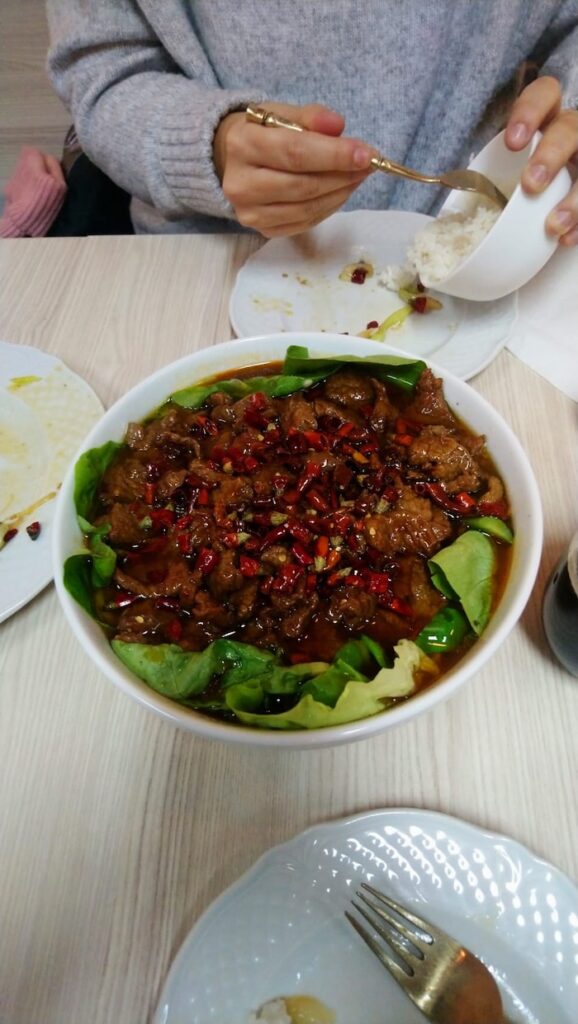
Run by a Chinese family, the restaurant specialises in authentic Sichuan cuisine and serves some of the best Chinese food we’ve had outside of China. Our favourite dish was the Sichuan beef, a generous portion that’s easily large enough to share. Add a bowl of rice and a couple of side dishes, and you have a fantastic meal.

It’s located in the Savamala district, making it easy to reach from most parts of the city. If you enjoy Chinese food, this would be one of our top recommendations in Belgrade.

Wok Republic

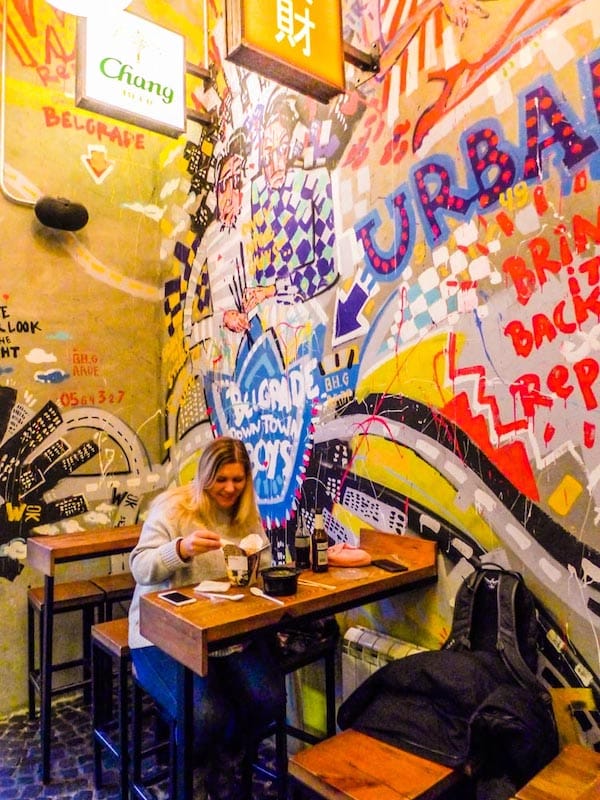
This is technically a fast-food restaurant, but it has a comfortable seating area and a fun atmosphere that makes it a great place to stop for a quick meal.

If you’re looking for affordable and tasty noodles in Belgrade, this is an excellent choice. The portions are generous, the prices are low and the food is packed with flavour.

We enjoyed it so much that we ended up coming back several times during our stay.

The cool Asian street style interior at Wok Republic
Sichuan beef at 中华食府 X.WANG’S KITCHEN

MOON Sushi & Fusion Food

Our server told us that this was the first sushi restaurant in Belgrade, and whether that’s true or not, it’s certainly one of the city’s more established Asian restaurants.

The menu features a mix of sushi and Asian fusion dishes, all served in a stylish setting by friendly and attentive staff.

Prices are on the higher side compared to many restaurants in Belgrade, but if you’re craving good sushi or a break from Balkan cuisine, it’s definitely worth considering.

Great Western Food in Belgrade

Homa Bistrot

Located close to Saint Sava Church, this restaurant serves a mix of Serbian and Western European dishes, making it a good choice if you’re dining with people who have different tastes.

Everything we tried was well prepared and full of flavour, and the quality of the food was consistently high.

It was particularly popular with local families, especially at weekends. If you’re planning to visit on a Saturday, it’s worth making a reservation or arriving outside the busy lunch hours.

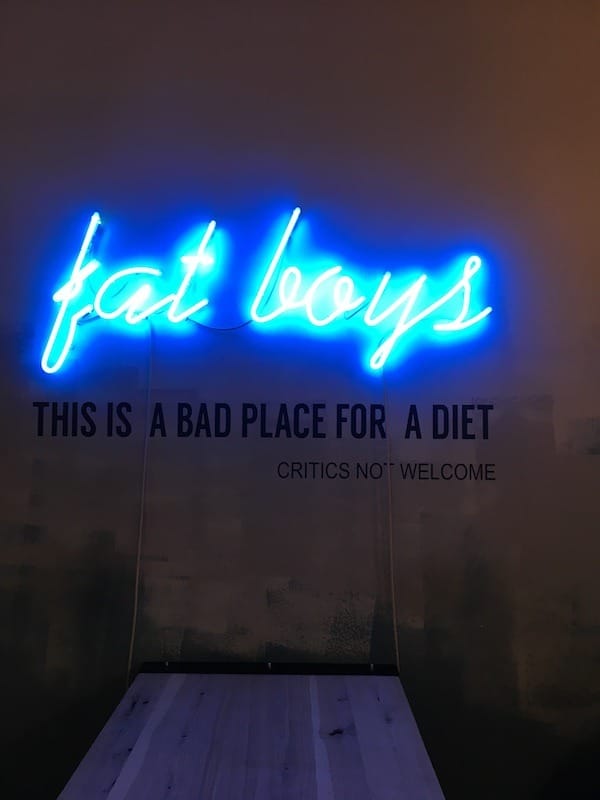
Fat Boys Food co.

If you’re craving a good burger, this is the place to go. The burgers aren’t the cheapest in Belgrade, but they’re definitely worth the price. Portions are huge, and you’ll almost certainly leave feeling full.

The restaurant is located in the Dorćol neighbourhood, one of our favourite parts of Belgrade. The area is full of interesting cafés, bars and independent shops, making it a great place to spend a few hours before or after your meal.

January 15, 2020 0 comments
FacebookTwitterPinterestLinkedinRedditStumbleuponWhatsappTelegramThreadsOpenAIChatGPTEmail
Serbia

Niš: Our Unexpected Introduction to Serbia

by Livia January 13, 2020
written by Livia

Latest updated: June 2026

Our first stop in Serbia was Niš, a city in the south of the country. To be honest, it wasn’t our favourite stop on this trip. Compared to some of the other places we visited in the Balkans, Niš felt quite industrial and a little rough around the edges. The bus journey there took us through a number of grey, post-industrial towns, which probably didn’t help our first impression.

That said, Niš has an interesting history and a handful of sights that make it worth considering if you’re passing through southern Serbia.

We spent three nights in Niš, which felt like enough time to see the main attractions and get a feel for the city. We didn’t do a huge amount while we were there, partly because we visited in December when the weather was cold and grey. Perhaps on a sunny spring day we would have seen the city a little differently.

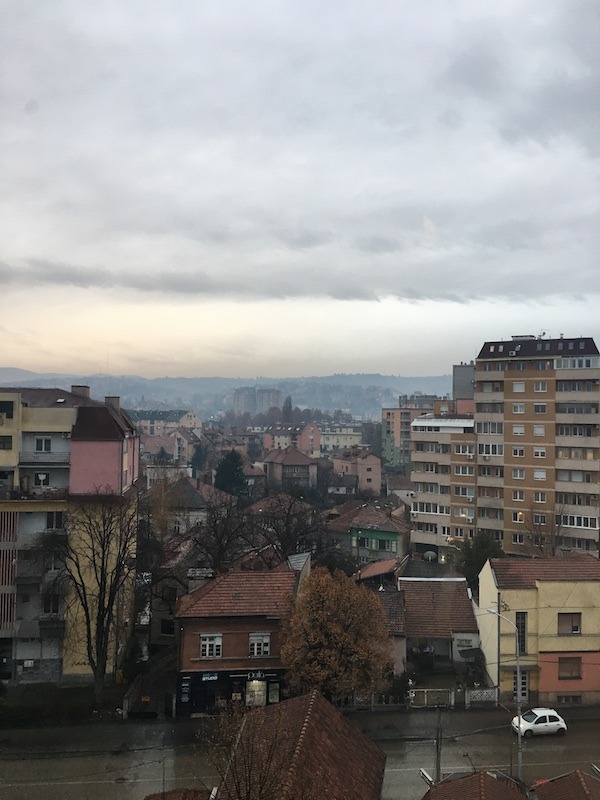
First views of Niš

Where to stay in Niš

We stayed at NAR Royalton Accommodation, a comfortable place within walking distance of the city centre. It worked well as a base for exploring Niš for a few days and was a good option for our 3 nights in Niš.

What to do in Niš

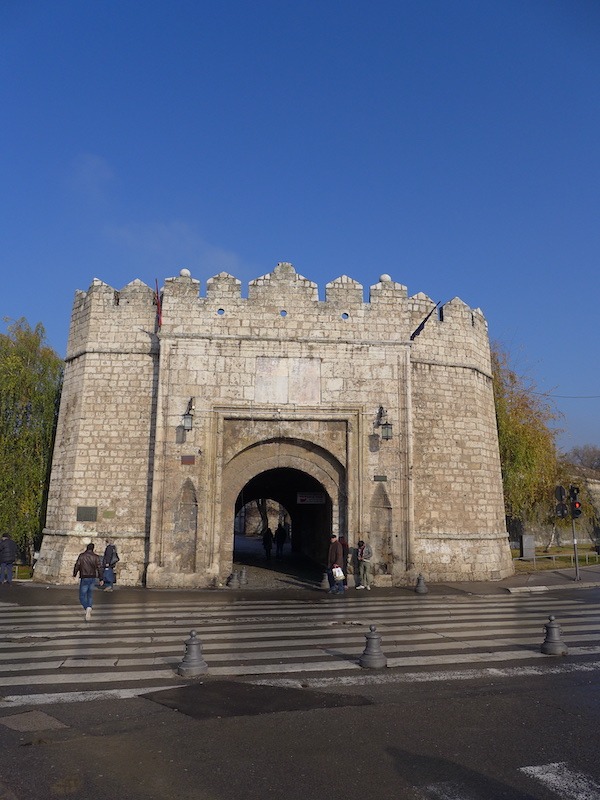
Old Fortress

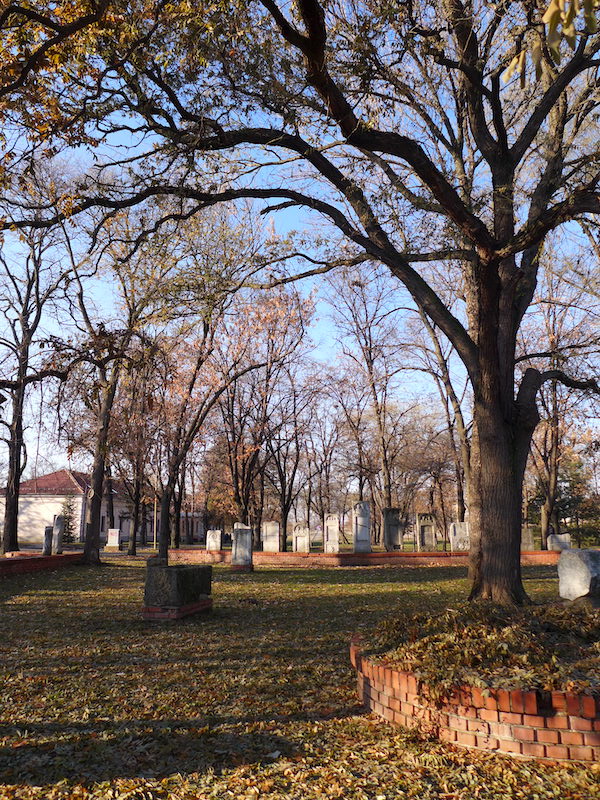
One of the nicest areas in Niš is the old fortress. Today, it’s less of a fortress and more of a large park surrounded by historic walls. Inside you’ll find walking paths, a few historical monuments and plenty of open space to relax.

It’s a pleasant place for a stroll, especially on Sundays when many locals come here to walk, meet friends and enjoy the outdoors. There are also a few cafés within the grounds and even a small petting zoo.

Cost: Free of charge.

Visit the Local Market

Next to the entrance of the fortress you’ll find a local market, mostly selling fresh fruit and vegetables. It’s a lively place to wander around and get a glimpse of everyday life in Niš.

Alongside the produce stalls, there are also a handful of vendors selling souvenirs, local products and handmade crafts, making it a worthwhile stop while exploring this part of the city.

Visit the Crveni Krst/Red Cross Concentration Camp

Niš has a dark and complex history, and one of the most important places to learn about it is the former Red Cross Concentration Camp (Crveni Krst).

Visiting the camp is not an easy experience, but it is an important one. Before arriving in Niš, we had no idea that there had been concentration camps in Serbia during World War II. This camp was used by the occupying Nazi forces to imprison thousands of people, including Serbs, Jews, Roma and members of the resistance movement. Many of those held here never left alive.
Today, the site serves as a memorial and museum, helping visitors understand a difficult chapter of both Serbian and European history. While it was one of the hardest places we visited in Niš, it was also one of the most meaningful.

Cost: Small entrance fee. (Check current prices before visiting.)

A very emotional, but important place to visit

Skull Tower

Another reminder of Niš’s turbulent past is the Skull Tower (Ćele Kula). Unfortunately, it was closed during our visit, so we didn’t get the chance to see it for ourselves.
The tower is one of the city’s most famous landmarks and has a rather grim history. Following a battle against the Ottoman Empire in 1809, the skulls of Serbian rebels were built into a stone tower as a warning to others who might resist Ottoman rule.

Today, the remaining skulls are preserved inside a chapel, and the site serves as an important historical monument. Even though we missed it, it would be high on our list for a future visit to Niš.

Visit Kazandžijsko Sokače/Tinkers Alley

One of the nicest areas in Niš is Kazandžijsko Sokače, also known as Tinkers Alley. This small historic street is one of the few parts of the city that survived the destruction of the Second World War and gives a glimpse of what Niš once looked like.

Today, the street is lined with cafés, bars and restaurants, making it a pleasant place to stop for a drink or a meal. While it’s not a large attraction, it has far more character than many other parts of the city and is worth a short visit while exploring the centre of Niš.

Where to eat in Niš

Dve krigle pivnica (Permanently closed)

This place was highly recommended by our host, so naturally we had to give it a try. It was a lively local bar serving beer and chicken wings sold by weight, a concept we hadn’t come across before. The atmosphere was fun, the prices were low and it was always busy with locals, making it a great spot for a casual night out.

Update 2026: It appears that this bar has permanently closed since our visit. It’s a shame, as it was one of our favourite places in Niš, but hopefully another local favourite has taken its place.

Galija

Galija is a traditional Serbian restaurant serving generous portions of local favourites. It felt a little more tourist-oriented than some of the places we usually seek out, but the food was tasty, the portions were huge and it’s a good option if you’d like to try some classic Serbian dishes during your stay in Niš.

January 13, 2020 0 comments
FacebookTwitterPinterestLinkedinRedditStumbleuponWhatsappTelegramThreadsOpenAIChatGPTEmail

Recent Posts

  • How to Visit the Chengdu Panda Base: Tickets, Tips & Our Experience

  • Our 3-Month Balkans Itinerary: 93 Days by Bus Through Southeast Europe

  • Subotica: Serbia’s Most Beautiful Surprise

We use Safetywing

We use THS

Trusted House Sitters

Here’s 25% off your annual membership to TrustedHousesitters - thanks to your pet loving pals at LBSBWorld.

Join now with 25% Off!

We use NordVPN

NordVPN

Get 3 months of NordVPN right now!


The best VPN service for a free, open internet

Get NordVPN!

We use Wise

Wise

Get Zero Fees on a transfer up to €500


Spend in 150+ countries like a local with Wise card

Get Wise!

©2026 LBSBWorld - All Right Reserved - Designed and Developed by Livia & Sam

LBSB World
  • Home
  • Destinations
    • Africa
      • Namibia
    • Asia
      • China
      • Indonesia
    • Europe
      • Albania
      • Bosnia-Herzegovina
      • Croatia
      • Montenegro
      • Netherlands
      • North Macedonia
      • Serbia
    • North America
      • Dominican Republic
  • Travel Itineraries
    • Our 9-Day Namibia Tour with Chameleon Safaris: An Honest Review
    • Our 2 Week Albania Itinerary
    • Bosnia and Herzegovina Itinerary: Our 1 Month Route by Bus
    • Namibia Self Drive: Everything We Learned Driving a 4×4 Across Namibia
    • Our 3-Month Balkans Itinerary: 93 Days by Bus Through Southeast Europe
  • Plan Your Trip
    • How to Deal with Travel Burnout (And Start Enjoying Travel Again)
    • Sam’s Fulltime Travel Packing List
    • Using Trusted House Sitters to Support Your Travels
    • Namibia Self Drive Safari vs Guided Tour: Which Is Better?
  • About Us
    • About Sam & Livia
    • The Story Behind Our Full-Time Travel Life
    • abearcalledpaddington