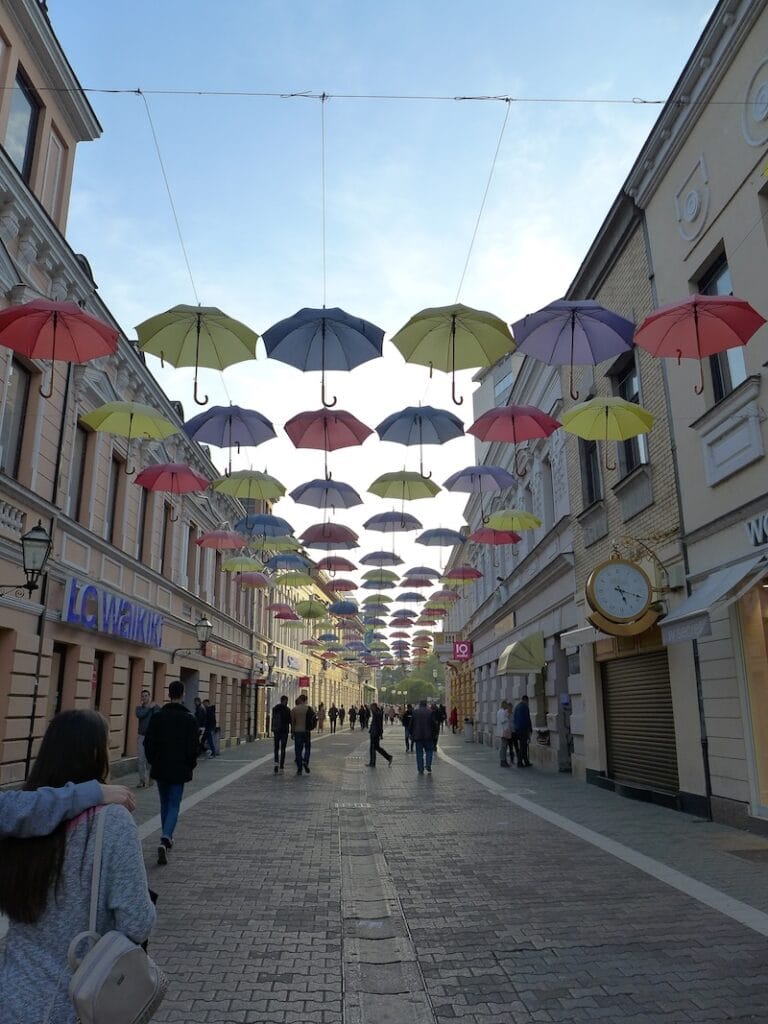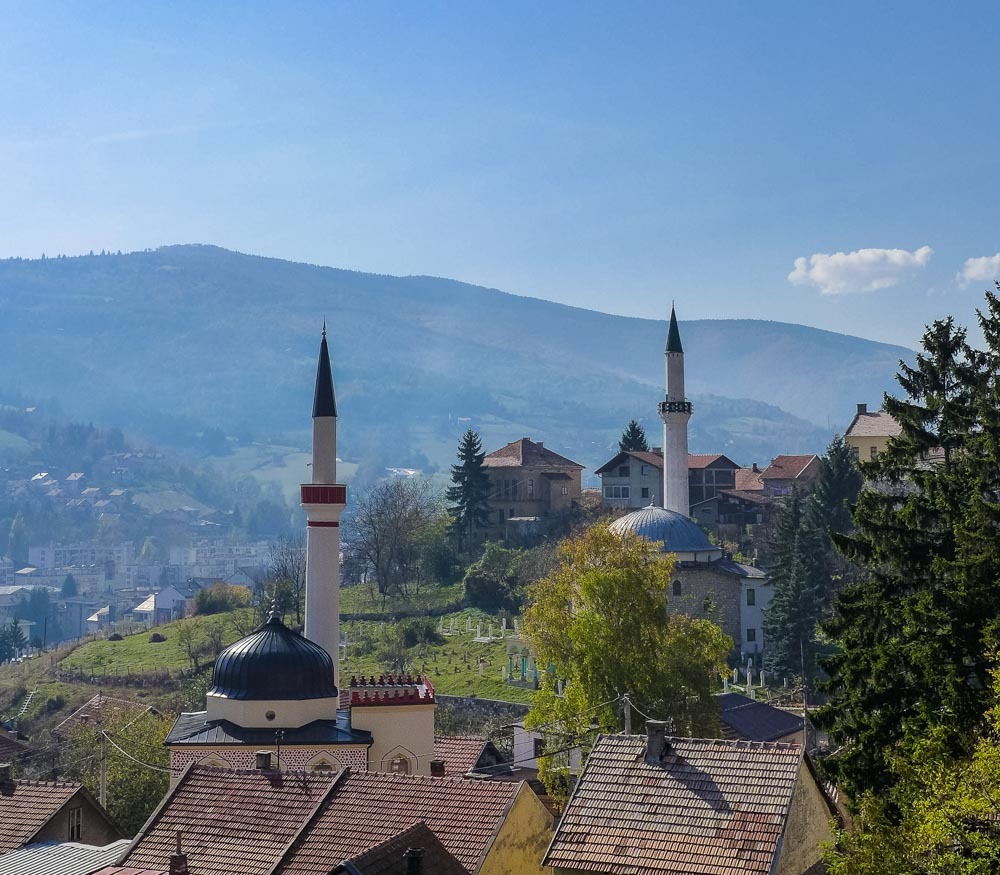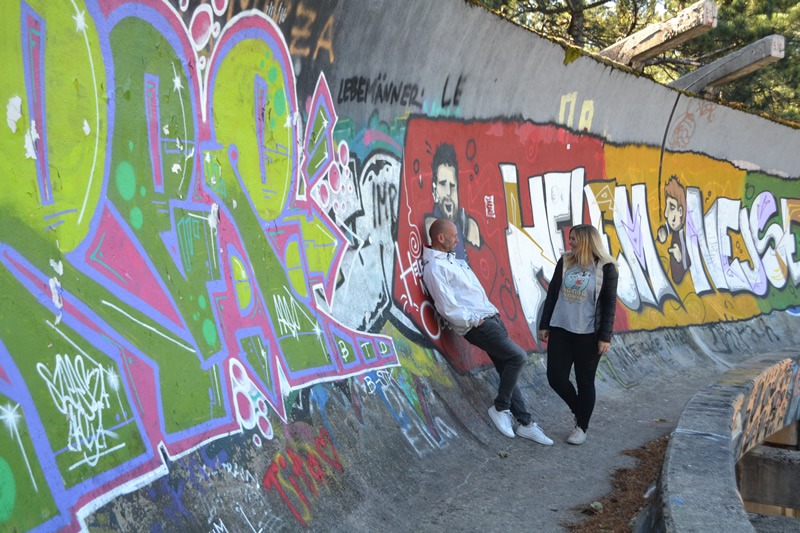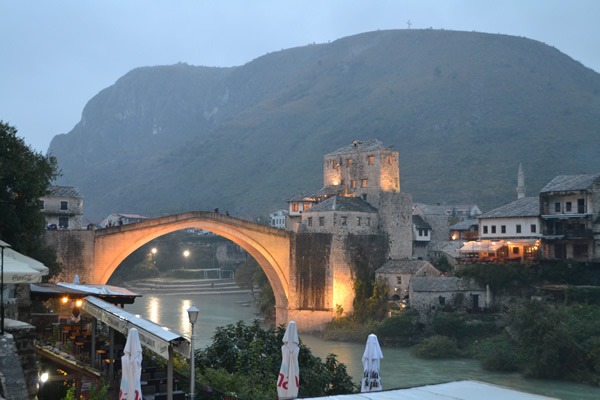
Top Posts
Namibia Self Drive Safari vs Guided Tour: Which Is Better?
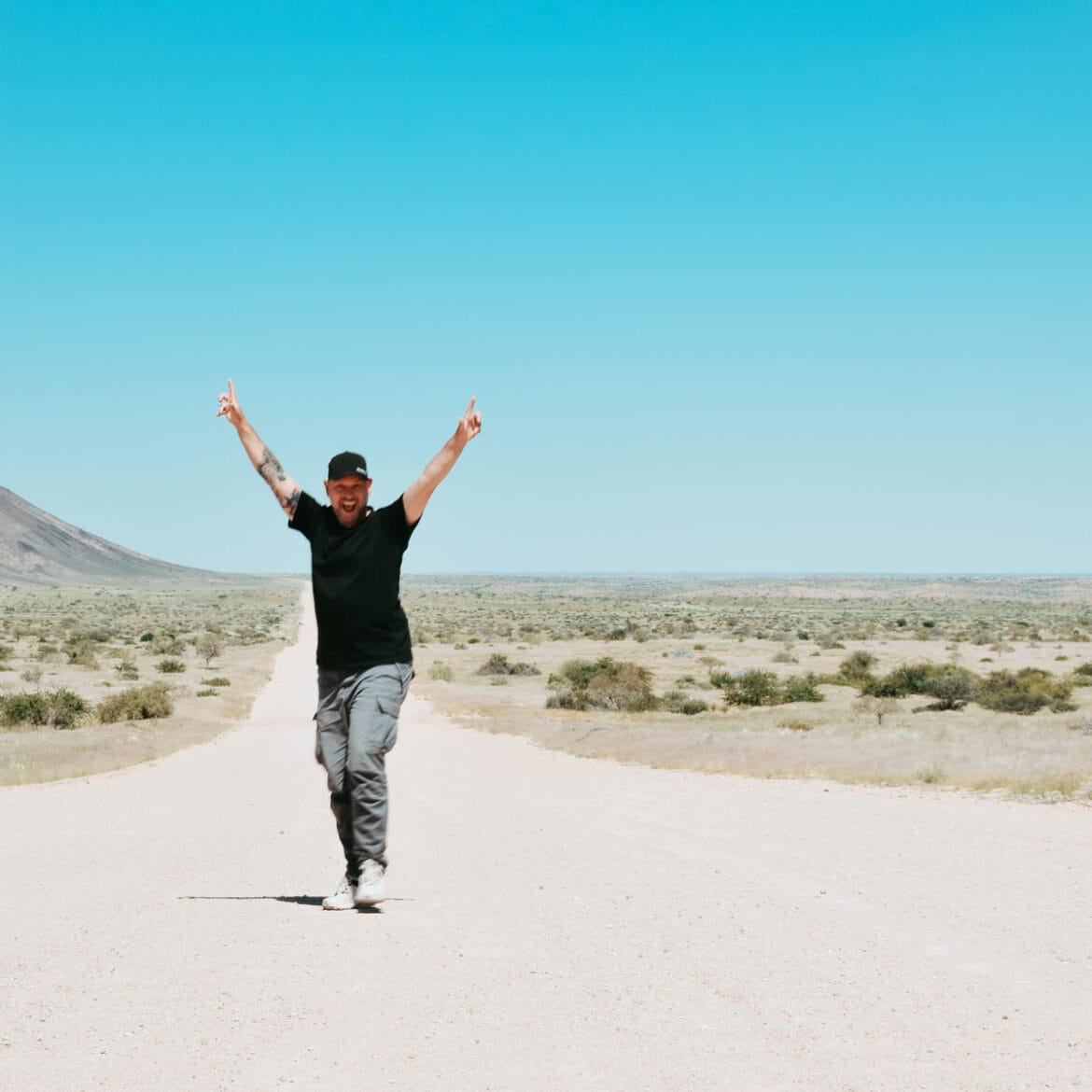
Namibia Self Drive: Everything We Learned Driving a 4×4 Across Namibia
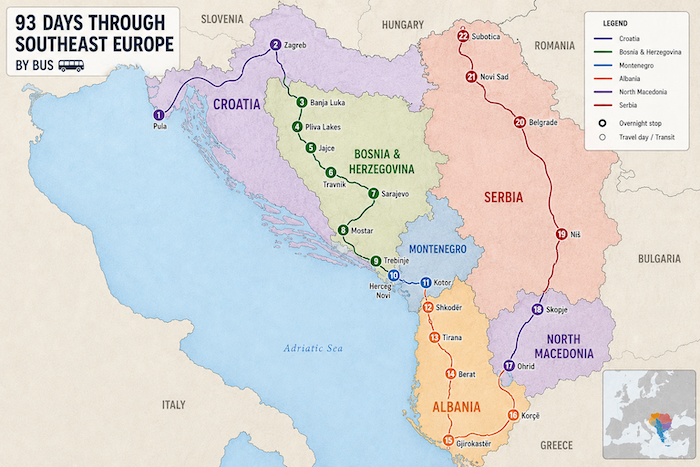
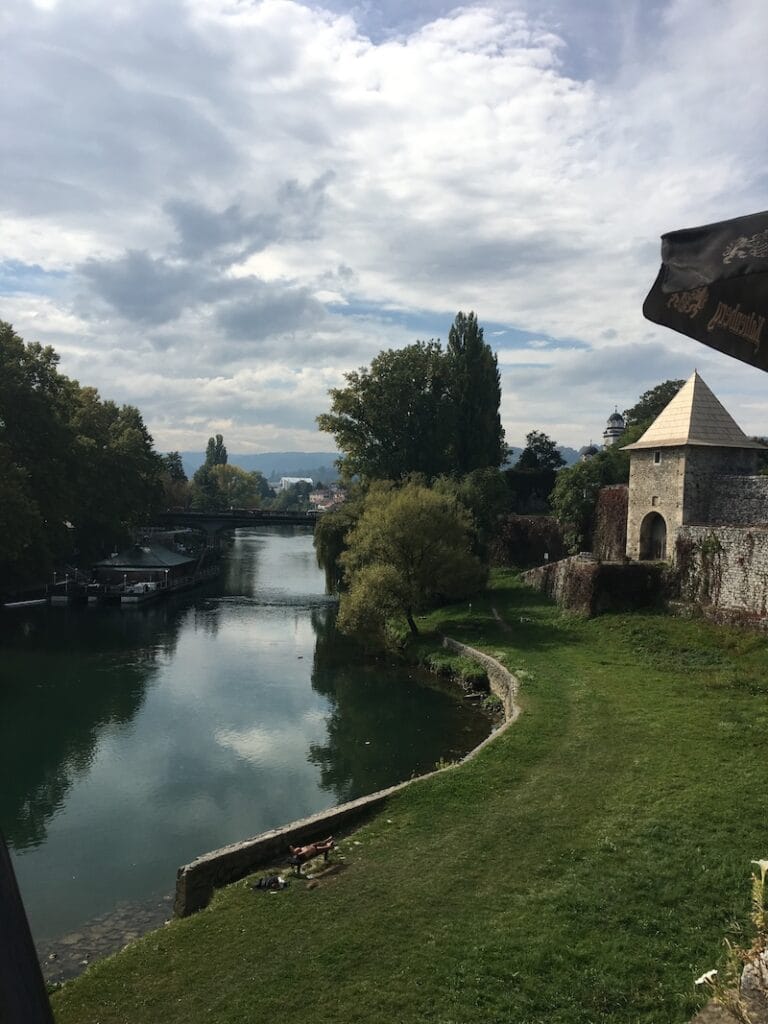
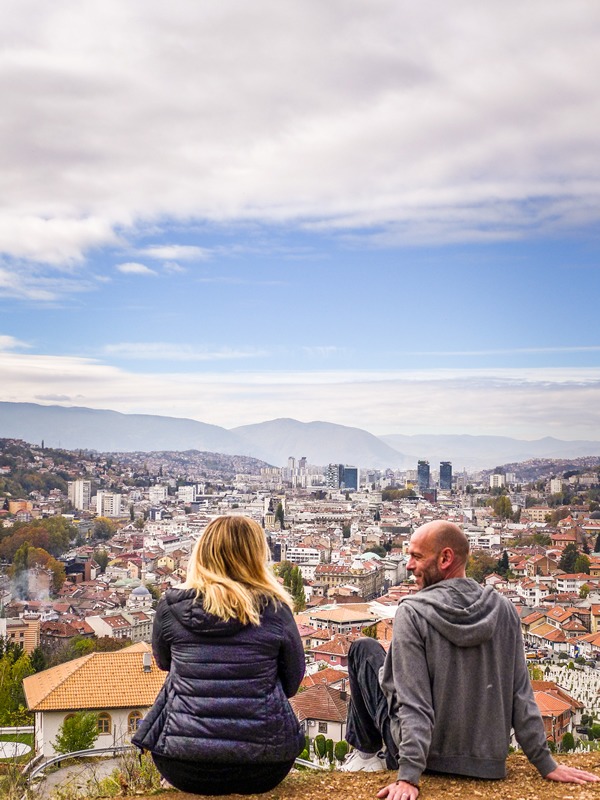
Bosnia and Herzegovina Itinerary: Our 1 Month Route by Bus
Our 2 Week Albania Itinerary
Using Trusted House Sitters to Support Your Travels
Sam’s Fulltime Travel Packing List
Our 9-Day Namibia Tour with Chameleon Safaris: An Honest Review
Best Satay in Yogyakarta: Where to Eat Sate in Jogja
How to Hike to Salto El Limon, Las Terrenas
Where to Eat in Belgrade: Best Restaurants & Local Spots
LBSB World
  • Home
  • Destinations
    • Africa
      • Namibia
    • Asia
      • Indonesia
    • Europe
      • Albania
      • Bosnia-Herzegovina
      • Croatia
      • Montenegro
      • North Macedonia
      • Serbia
  • Travel Itineraries
    • Our 9-Day Namibia Tour with Chameleon Safaris: An Honest Review
    • Our 2 Week Albania Itinerary
    • Bosnia and Herzegovina Itinerary: Our 1 Month Route by Bus
    • Namibia Self Drive: Everything We Learned Driving a 4×4 Across Namibia
  • Plan Your Trip
    • How to Deal with Travel Burnout (And Start Enjoying Travel Again)
    • Sam’s Fulltime Travel Packing List
    • Using Trusted House Sitters to Support Your Travels
    • Namibia Self Drive Safari vs Guided Tour: Which Is Better?
  • About Us
    • About Sam & Livia
    • The Story Behind Our Full-Time Travel Life
    • abearcalledpaddington
Category:

Travel Itineraries

NamibiaTravel Itineraries

Namibia Self Drive: Everything We Learned Driving a 4×4 Across Namibia

by Sam June 1, 2026
written by Sam

Why We Decided to Do a Namibia Self Drive

After completing an incredible guided tour with Chameleon Safaris, we still felt there was more of Namibia we wanted to explore. Rather than joining another organised trip, we decided to rent a fully equipped 4×4 and spend eight days exploring independently.

It was one of the most memorable road trips we’ve ever done.

That said, if we were planning the trip again, there are a few things we would do differently. This guide covers everything we learned about renting a 4×4 in Namibia, where we stayed, how much it cost and whether we think a self drive safari is worth it.

Renting a 4×4 in Namibia

The first lesson we learned is simple. Book early!

We booked far later than we should have and quickly discovered that most of the best rental companies were already sold out. We eventually ended up with our third choice of rental company, which worked out fine, but it wasn’t ideal.

If you’re planning a Namibia self drive safari, try to reserve your vehicle at least three to six months in advance, especially if you’re travelling during peak season.

Picking Up Your Vehicle

Whether you’re collecting your vehicle at Windhoek Airport or in the city itself, take your time before driving away.

We always recommend:

  • Filming a complete walk-around video
  • Photographing any scratches or dents
  • Checking the condition of the tyres
  • Testing the fridge
  • Checking the water container for leaks
  • Confirming all camping equipment is present
  • Learning how to set up the rooftop tent

Our water container leaked and our fridge wasn’t working correctly. Neither issue was discovered until we were already on the road, which caused much unnecessary stress.

Read the Insurance Terms Carefully

Many rental companies track vehicle location and speed electronically. That means they know exactly where you’ve driven and how fast you’ve been travelling. If your rental agreement says no river crossings or no off-road driving, don’t ignore it. Breaking those conditions could invalidate your insurance immediately.

Understanding Namibia’s Roads

Namibia has three main road types:

B Roads (Trunk Roads)
The major tarred highways connecting cities and regions. These are generally in excellent condition and easy to drive.
C Roads (District Roads)
Well-maintained gravel roads connecting towns, campsites and tourist attractions. You’ll likely spend most of your trip on these.

D Roads (Rural Roads)
Smaller, rougher gravel or dirt roads that often require a high-clearance vehicle or 4×4, especially after rain.

The “Namibian Massage”

Sooner or later you’ll experience the famous Namibian Massage. This is what travellers call the constant vibration caused by corrugated gravel roads. Your vehicle rattles, everything shakes, and after a few hours you’ll understand exactly why it got its nickname. Slow down, stay alert and enjoy it. It’s all part of the Namibia self-drive experience.

Stock Up Before Leaving Windhoek

Before heading into the wilderness, make your first stop a supermarket.

You’ll need:

  • Drinking water
  • Breakfast supplies
  • Lunches and dinners
  • Road snacks
  • Fire starters
  • Braai wood
  • Ice
  • Drinks

We found it easiest to buy enough supplies for at least three or four days at a time.

Sam’s top Tip: don’t leave Namibia without trying biltong, it makes a great energy booster when driving.

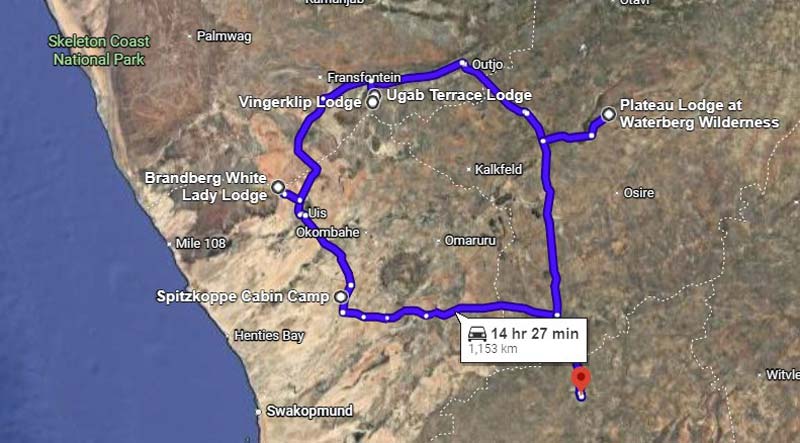
Our Namibia Self Drive Route

Because we had already visited Etosha National Park during our Chameleon Safaris tour, we decided to focus on areas we had previously missed.

Our route included:

  • Spitzkoppe
  • Brandberg
  • Vingerklip
  • Waterberg

Looking back, it was the perfect combination of landscapes, hiking, camping and wildlife.

Our Namibia Self drive route

Spitzkoppe: Namibia’s Most Beautiful Mountain Landscape

If you only add one stop to your Namibia self drive itinerary, make it Spitzkoppe. Rising dramatically from the desert floor, these granite peaks create one of the most photogenic landscapes in the entire country.

We spent our time:

Hiking Around the Granite Formations

There are countless trails winding between the rocks, offering fantastic viewpoints and opportunities for photography.

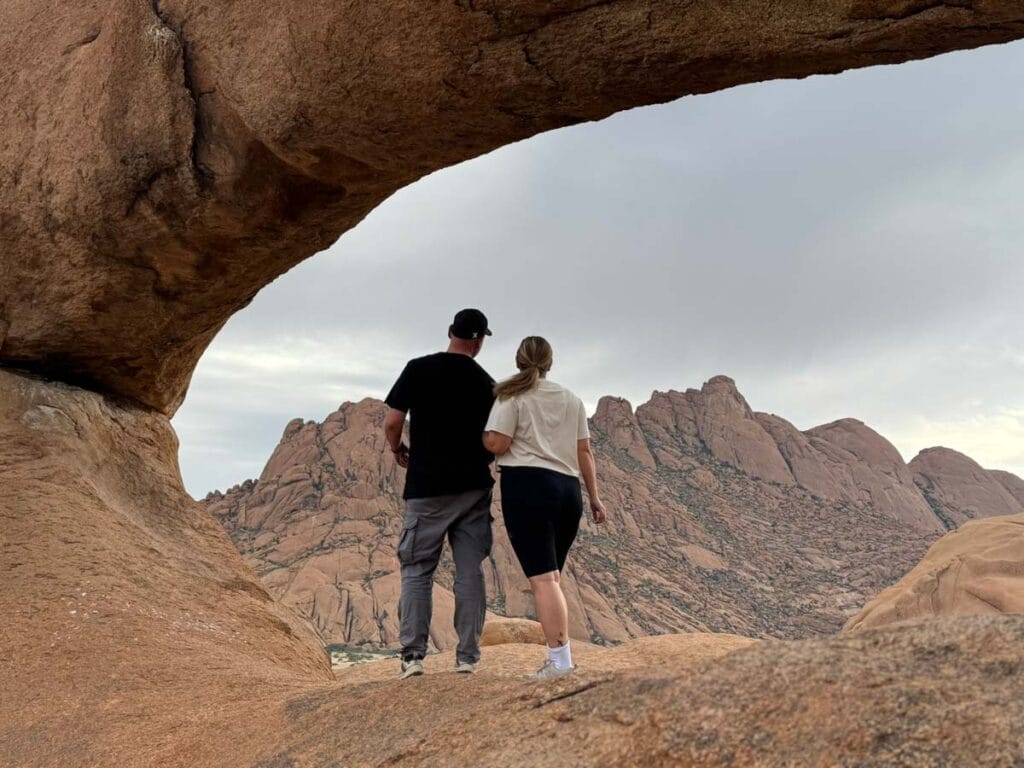
Visiting the Famous Rock Arch

One of Namibia’s most iconic photography locations.

Stargazing

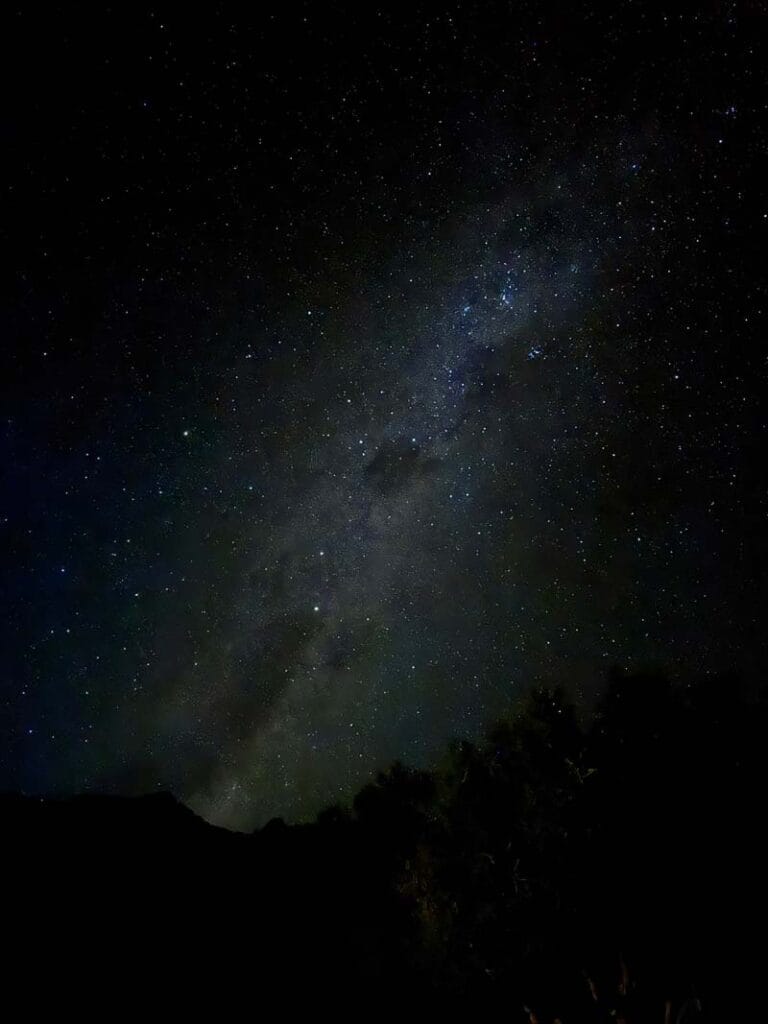
Like many places in Namibia, Spitzkoppe offers exceptionally dark skies. The Milky Way here was absolutely spectacular.

Where We Stayed

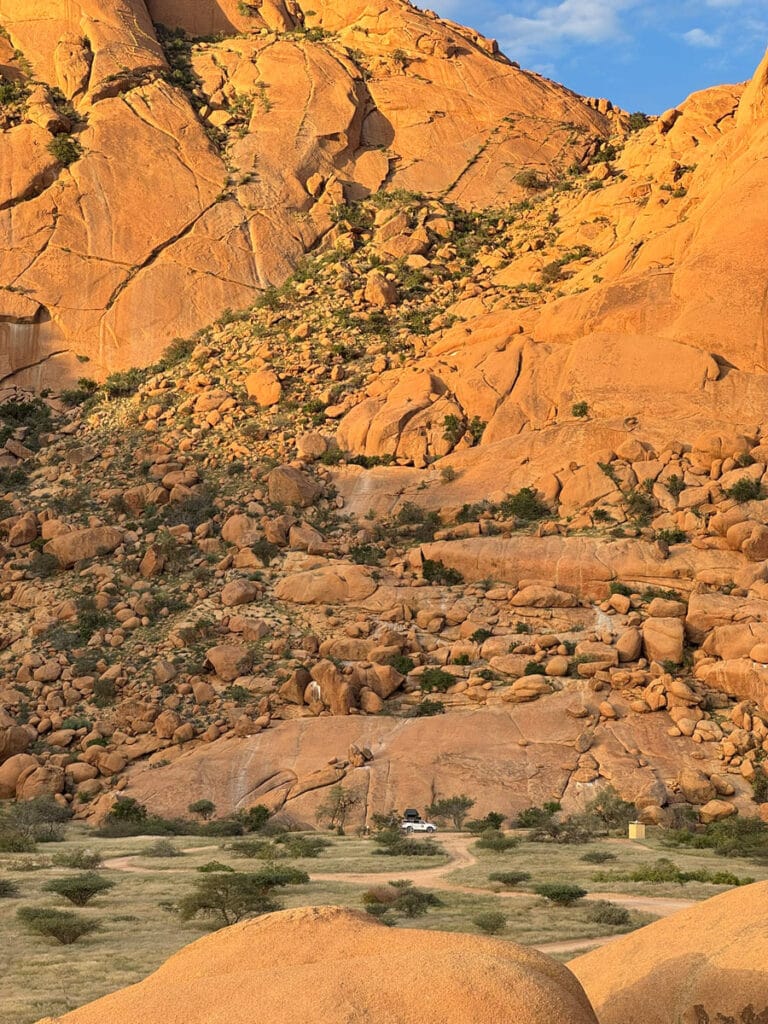
We stayed at Spitzkoppe Rest Camp on the sunset side which provided an incredible location right among the rocks. One important thing to know is that all campsites share access to restrooms and showers located near the reception area (although there are dry toilets at campsites), there are no supermarkets nearby, so bring all your food, drinking water and firewood with you. Internet access is practically non-existent. Something we found alittle stressful was you are not assigned a campsite, you drive around and choose your own from the empty looking ones. The area is huge, and reading the map and finding a spot is a little confusing, so arrive early and definately book in advance.

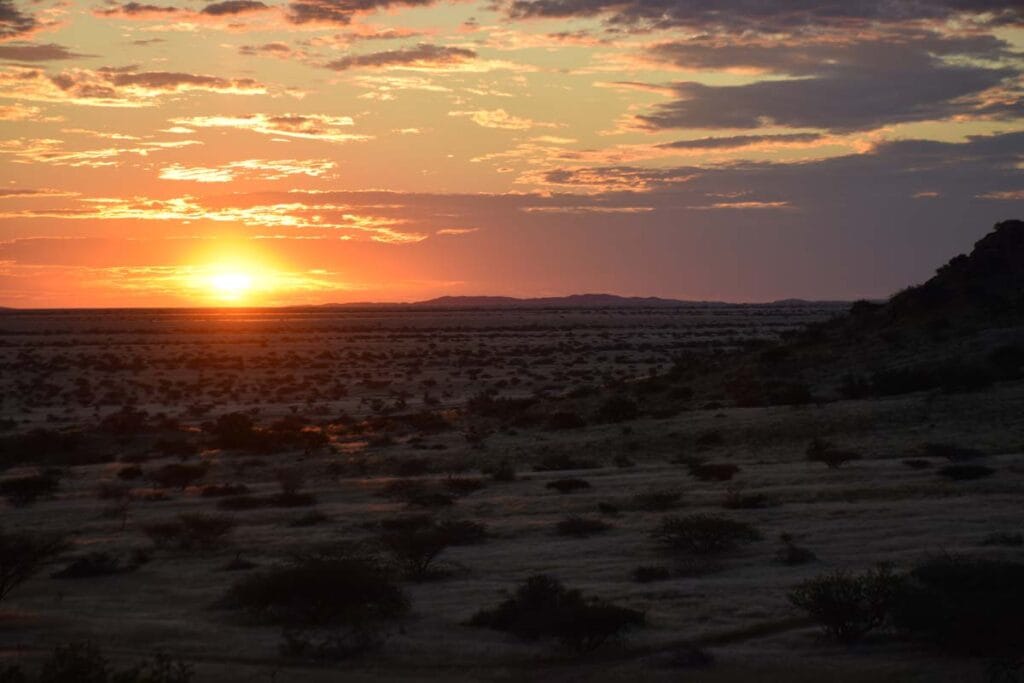
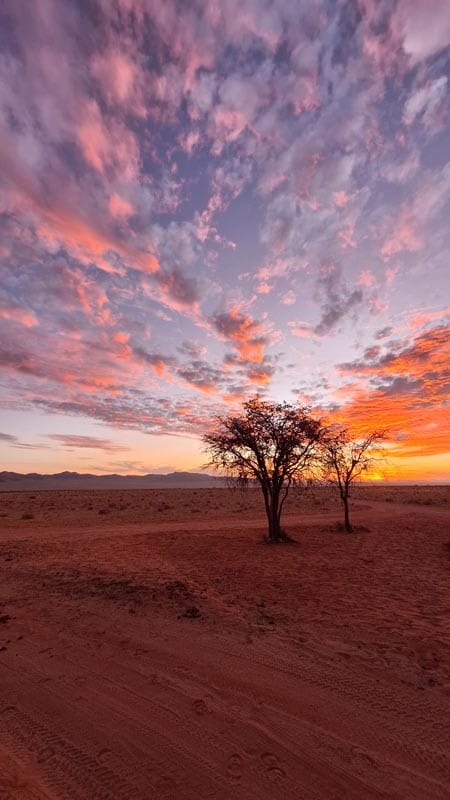
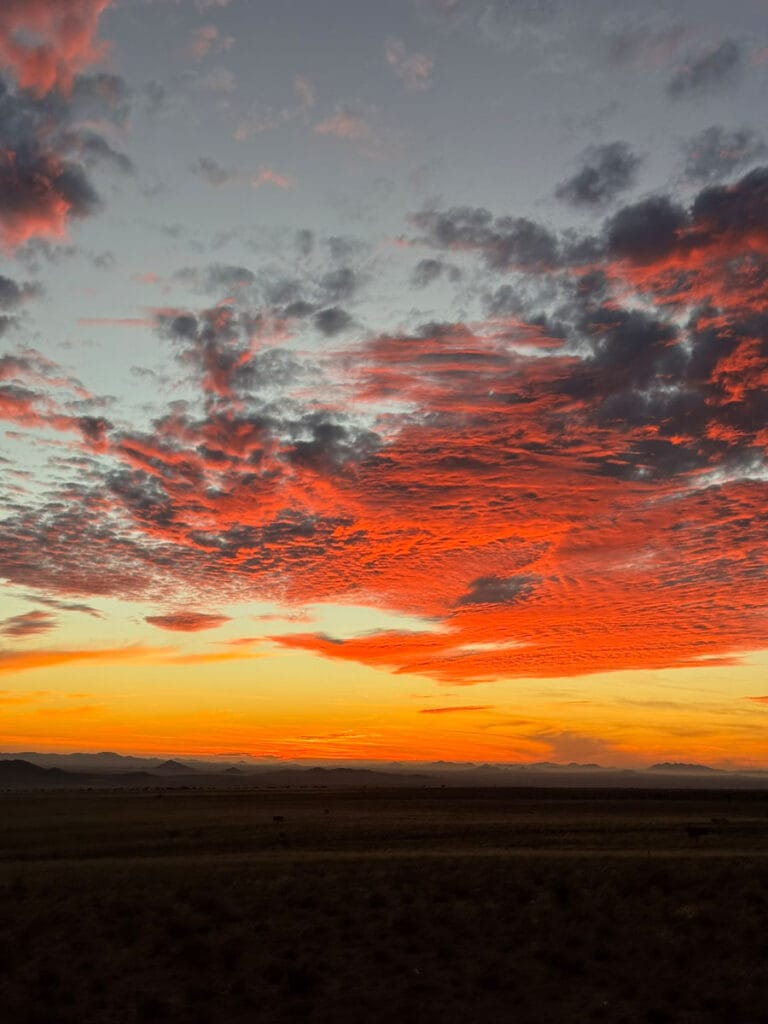
Namibia sunsets are to die for
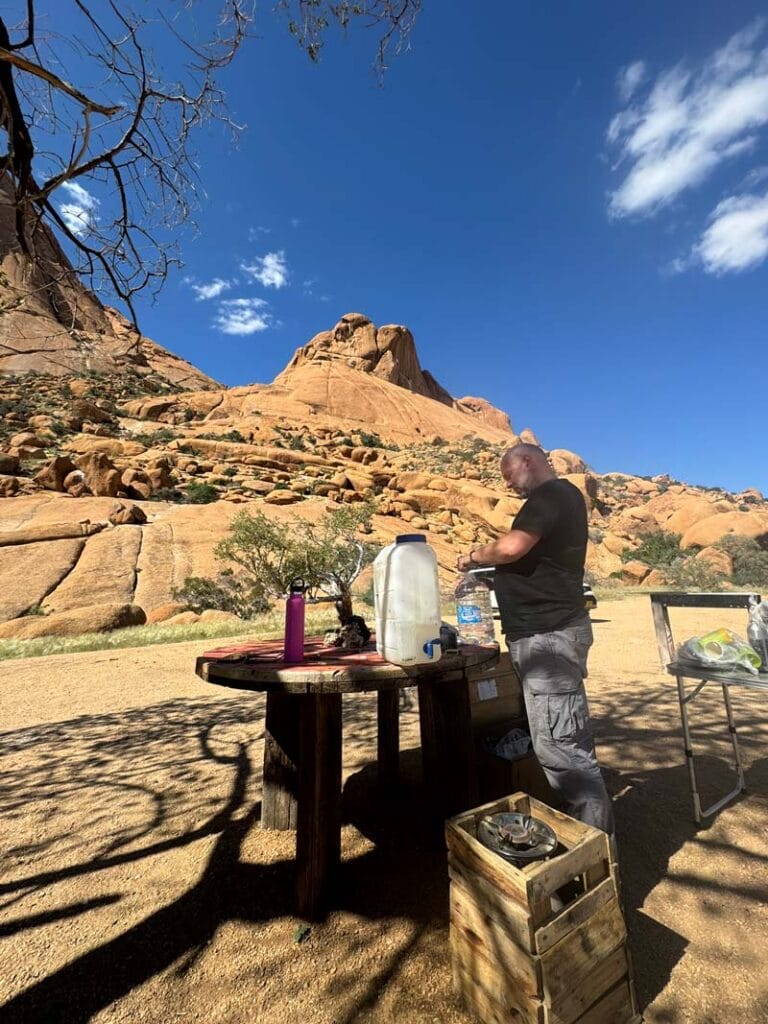
Sam working out what works and what doesn't
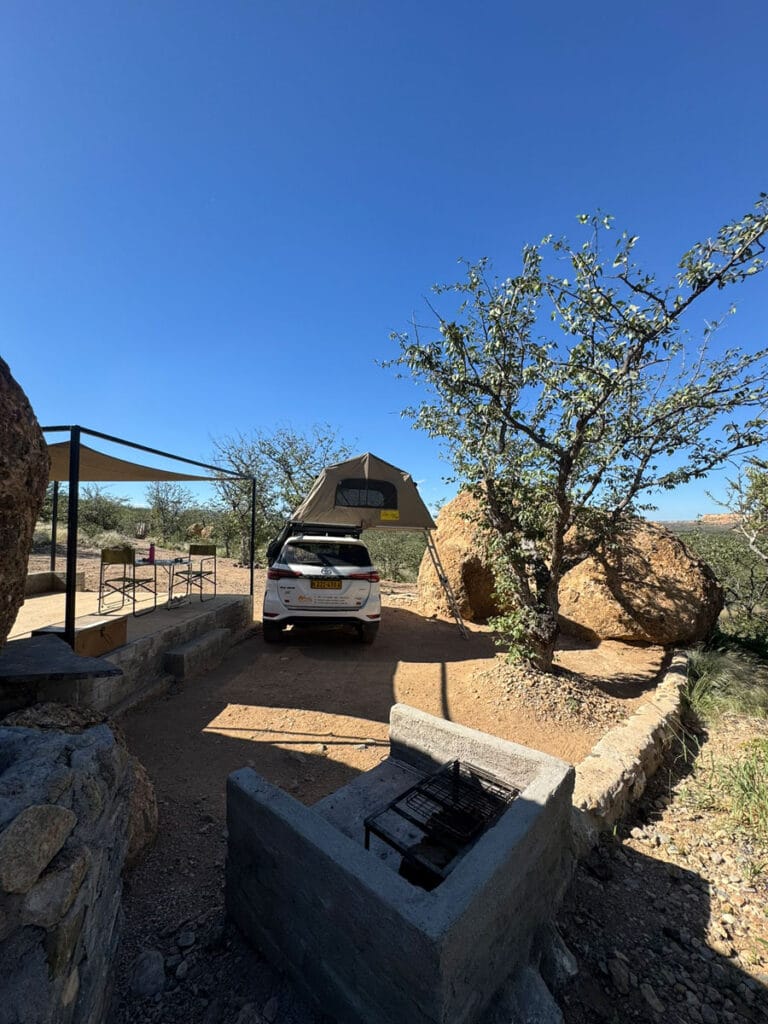
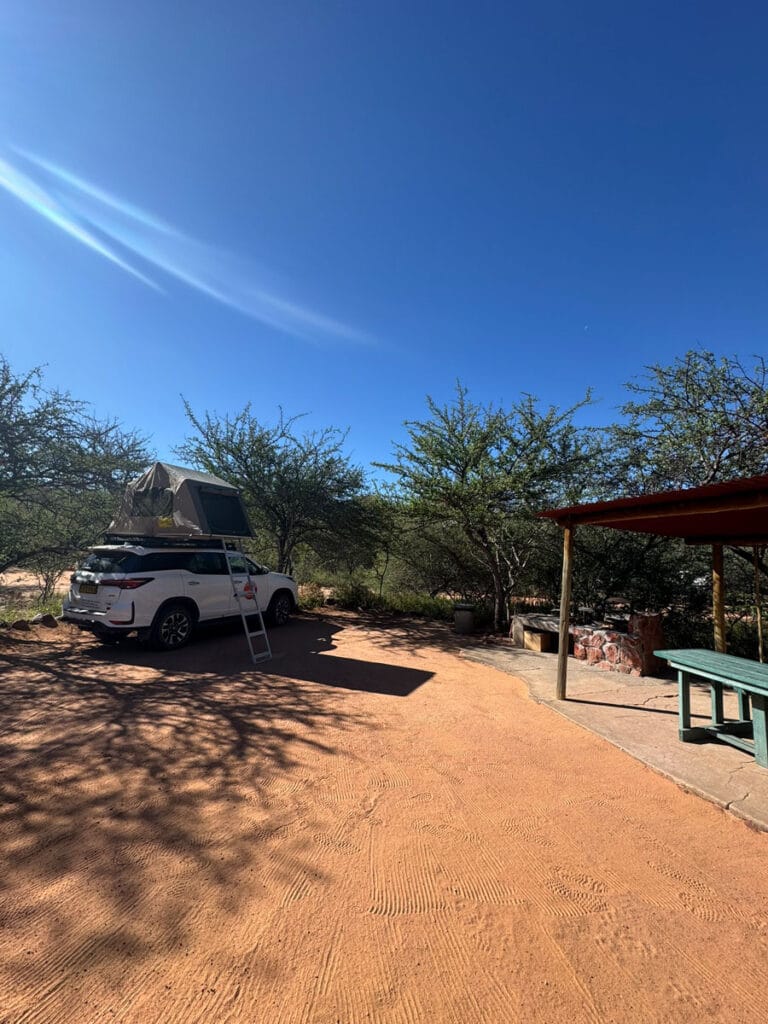
Our Namibia 4x4 with roof tent
Namibia milkyway almost every night
Spitzkoppe stone arch

Brandberg Mountain and the White Lady Hike

Our next stop was Brandberg, Namibia’s highest mountain. The name means “Fire Mountain”, and it quickly becomes obvious why. At sunset, the mountain glows a deep red colour that appears almost unreal.

Hiking to the White Lady

One of the main attractions here is the famous White Lady rock painting.

The hike is approximately 2.5 kilometres each way and can be surprisingly demanding in the heat.

We strongly recommend:

  • Starting early
  • Carrying plenty of water
  • Wearing a hat
  • Bringing sunscreen

The hike is guided and well worth doing. Here is a google map location to the starting point called ‘White Lady Felszeichnungen‘

Where We Stayed

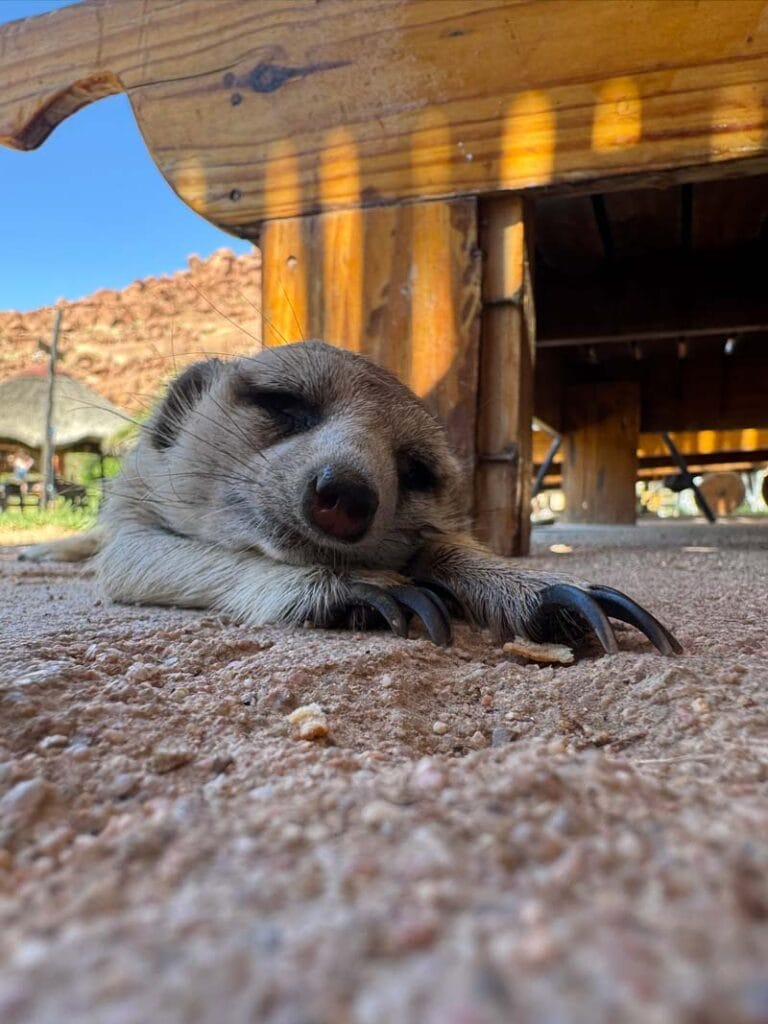
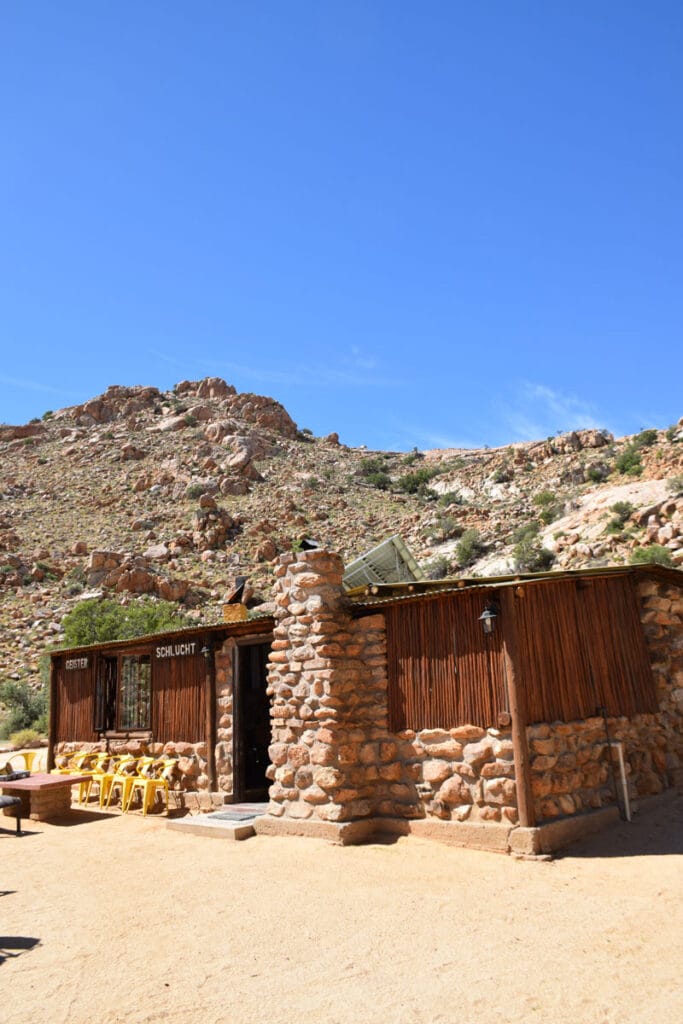
We stayed at White Lady Lodge near Brandberg. The facilities were excellent, the staff were incredibly friendly and the resident meerkats quickly became a highlight. Sadly, we missed the desert elephants, which had moved elsewhere due to the rainy season.

Now this is a 4x4!
When you have wifi in Namibia
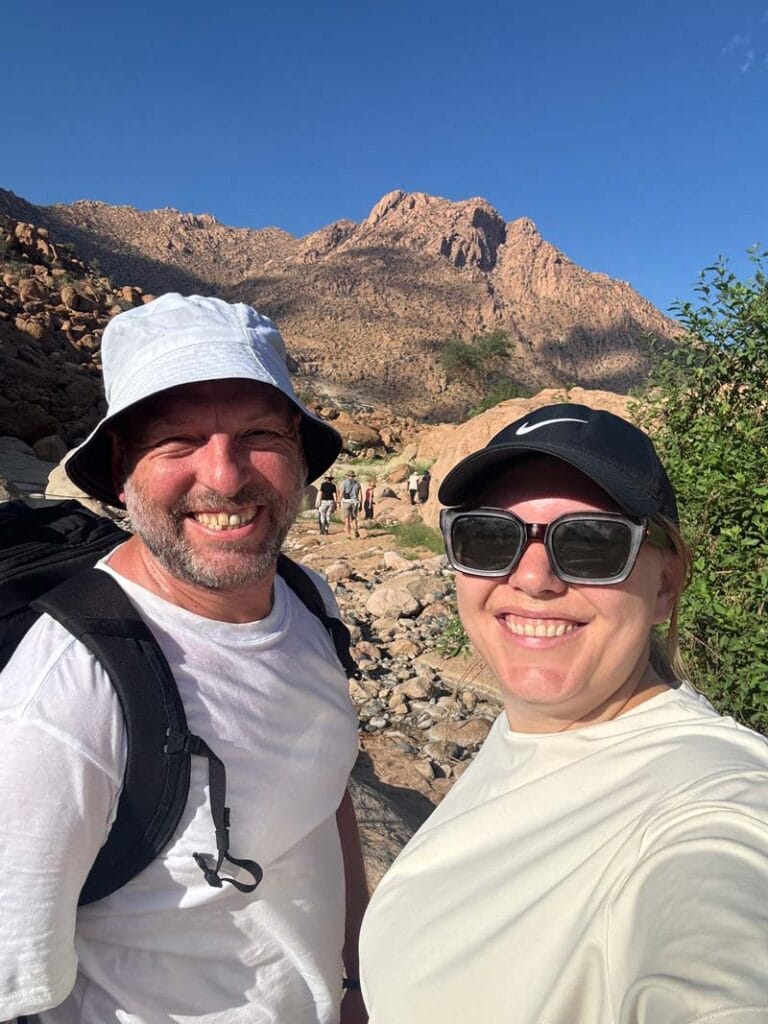
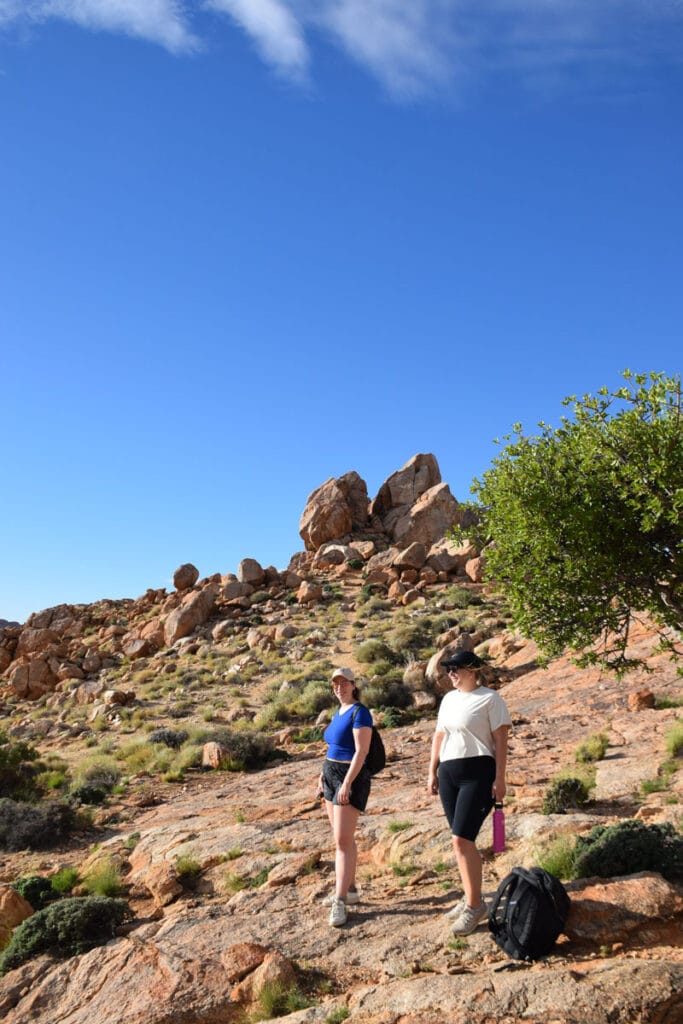
Setting off on our White Lady walk
It's tiring being a local wildlife star

Vingerklip and the Ugab Terraces

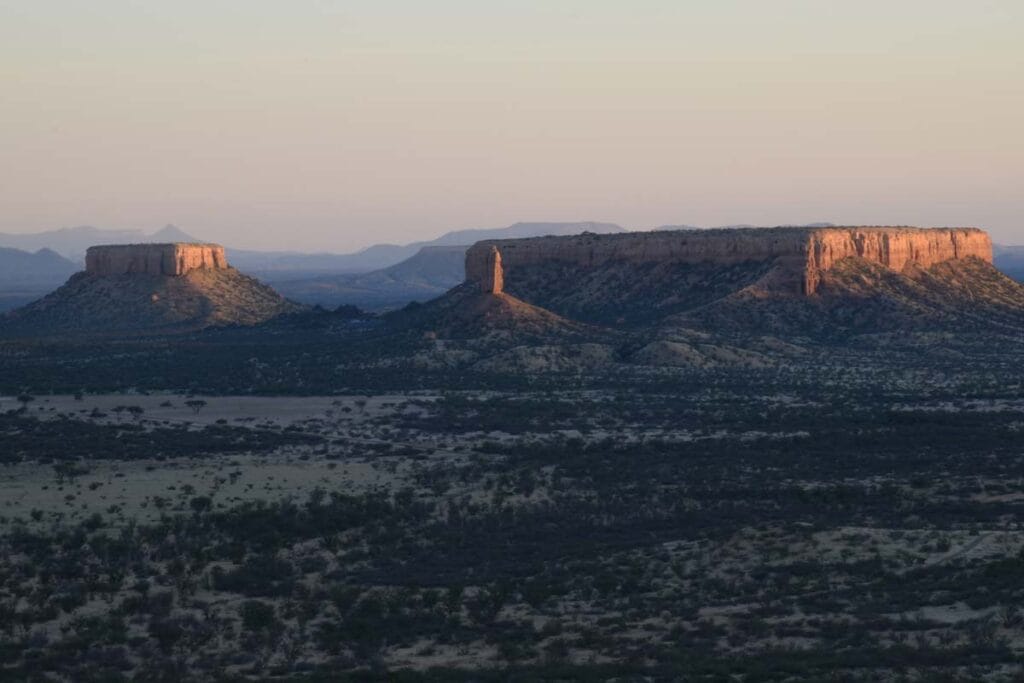
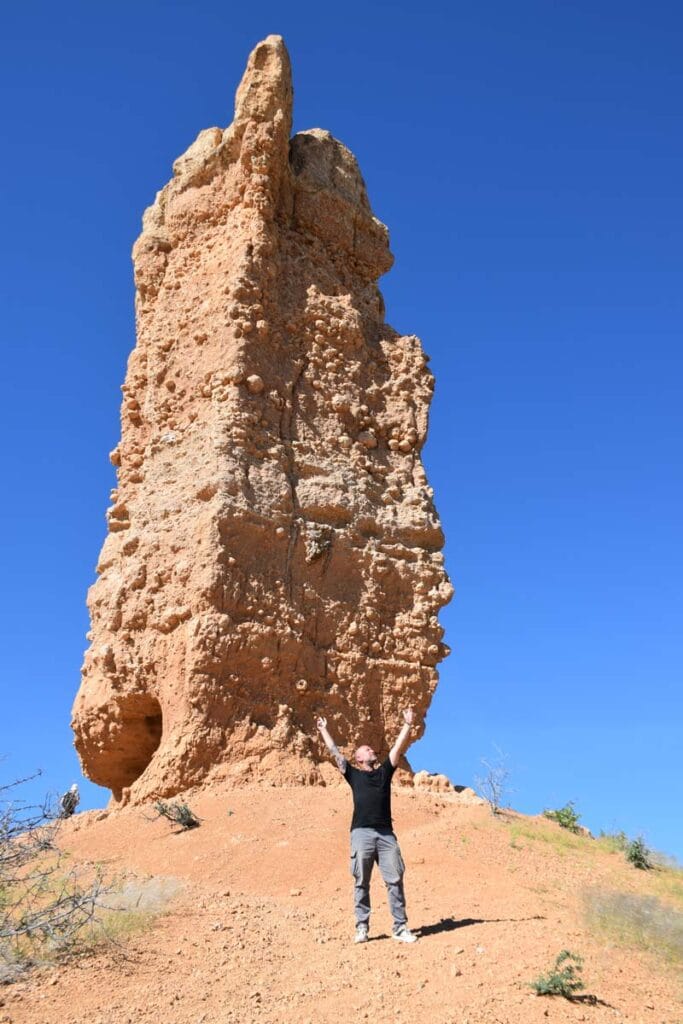
After Brandberg, we continued towards the fascinating landscapes around Vingerklip. The scenery here reminded us of Arizona, with huge plateaus, dramatic rock formations and endless views across the Ugab Valley.

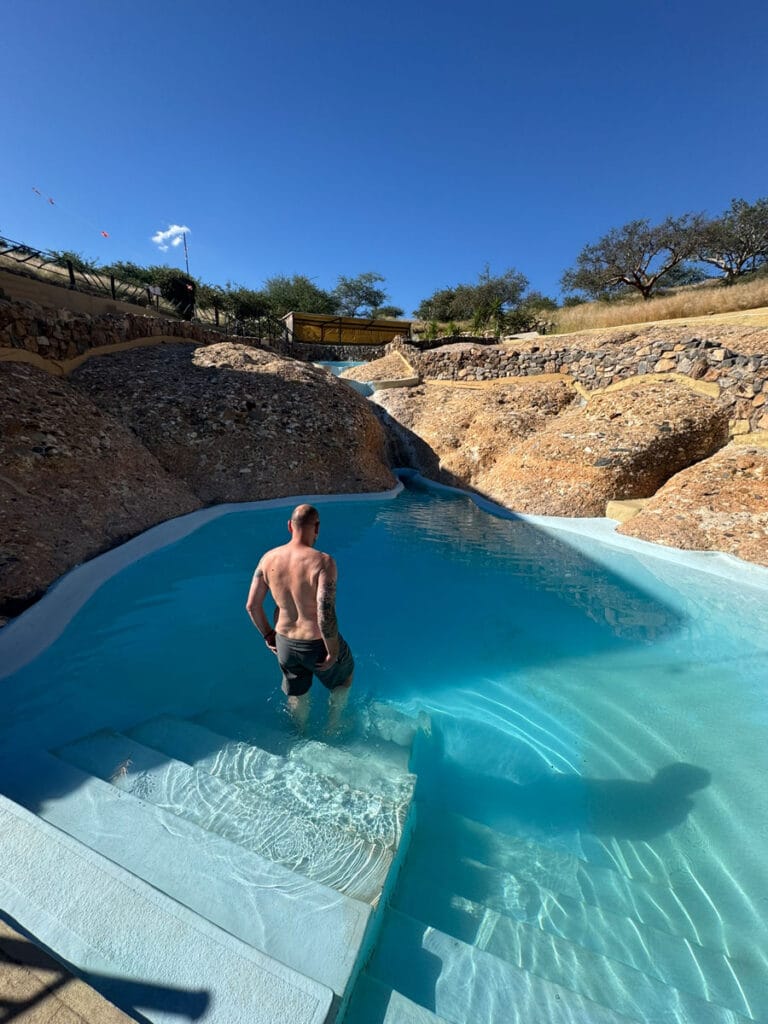
Ugab Terrace Lodge

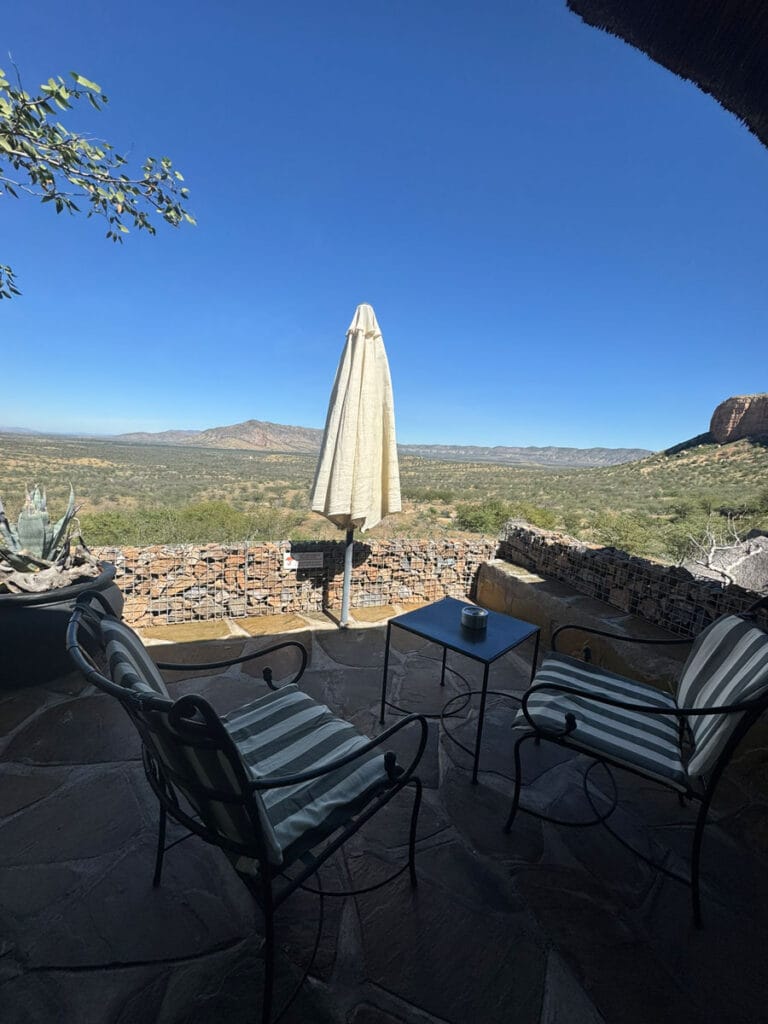
Our first night inthe area was spent at Ugab Terrace Lodge Campsite. The campsite offered private showers, toilets and plenty of camping/vehicle space, there are only 3 campsites here so it’s nice and private. You can also walk up to the lodge for sundowners and the take advantage of the lodge restaurant and pool.

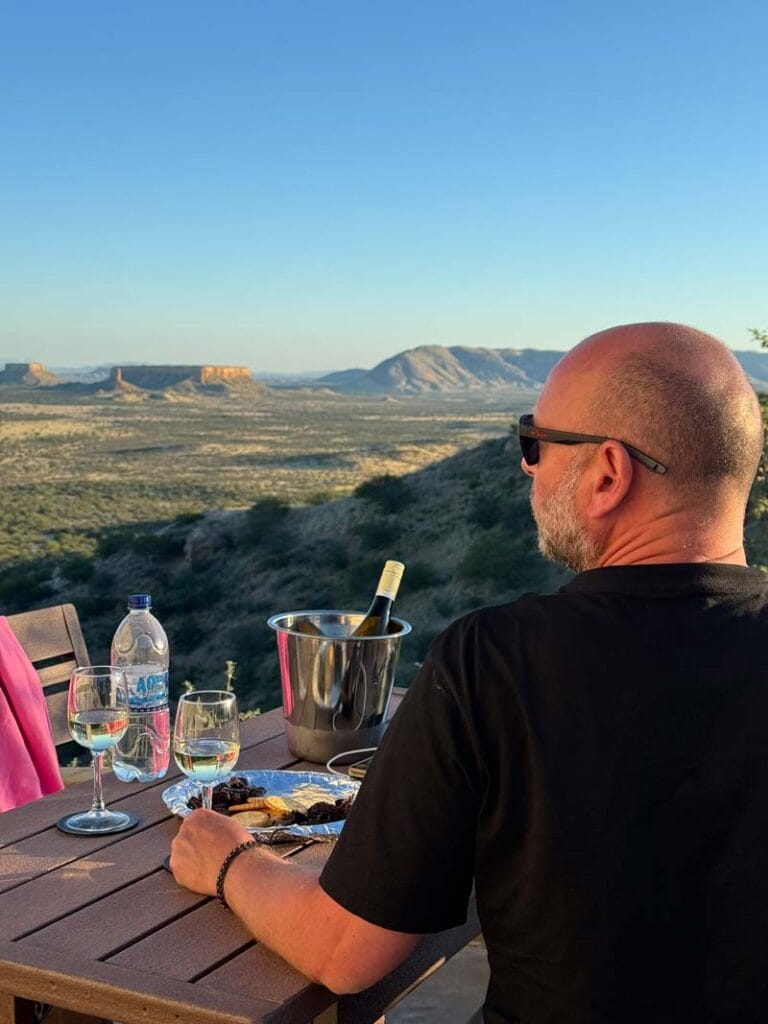
Pickybits and wine with a view

Vingerklip Lodge

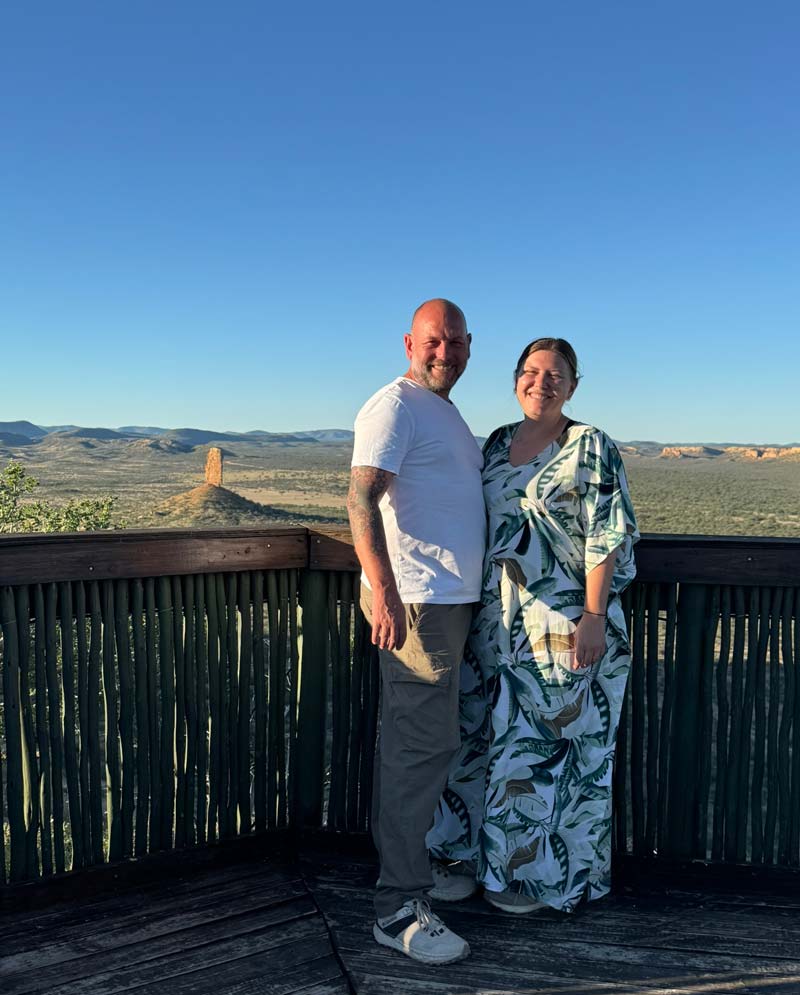
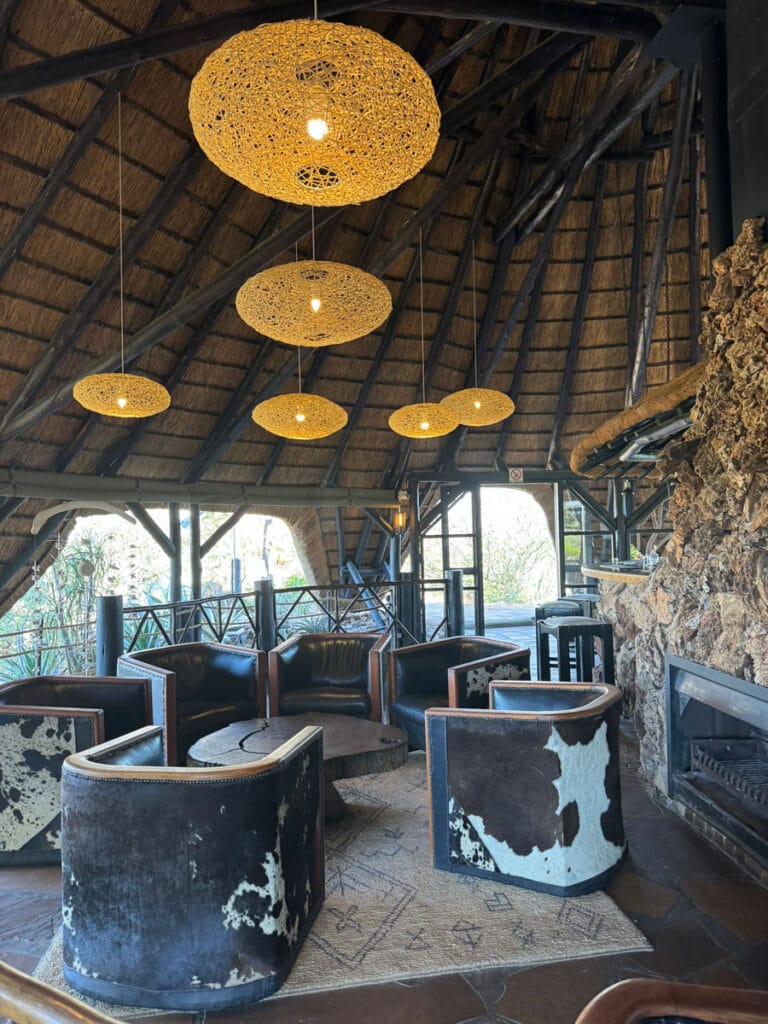
If like us you are also looking to mix and match your camping with lodge stays and you’re looking for something more luxurious, Vingerklip Lodge is exceptional. We stayed here for one night and it was amazing (not to mention they had wifi!) The restaurant sits high above the valley and offers some of the most spectacular sunset views we experienced in Namibia. Make sure you reserve dinner in advance.

Vingerklip from afar
Vingerklip up close
Sunsets in Namibia!
Dinner on the cliff edge
Ugab Terraces of northwestern Namibia

Rhino Tracking at Waterberg

The final stop of our Namibia self drive safari was Waterberg Wilderness. And what a way to finish. The camp site was great, lots of space, private shower and toilet and of course the obligatory concrete BBQ pit. It was super nice and each spot is surrounded by bush. While we there there we booked their rhino tracking experience without really knowing what to expect. It turned out to be one of the most incredible wildlife experiences we’ve ever had.

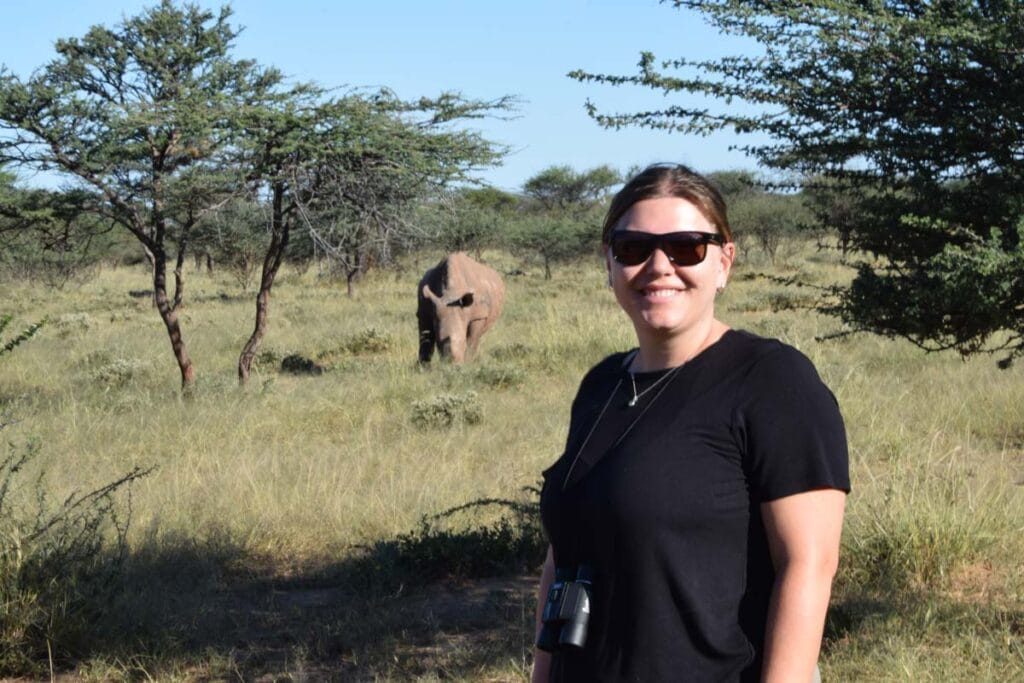
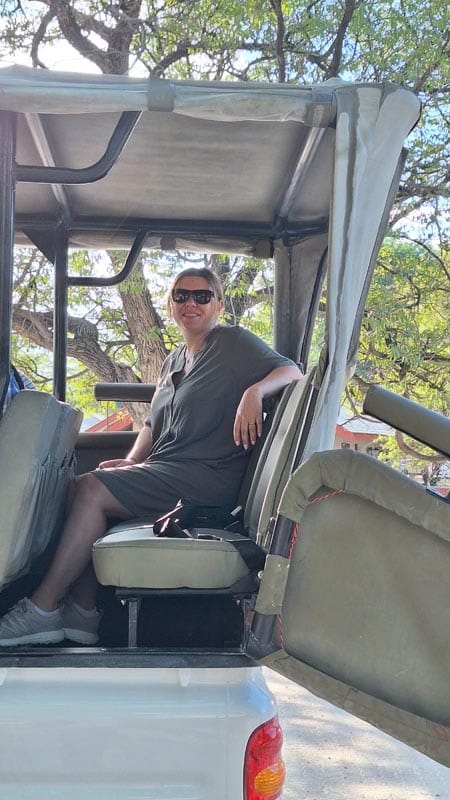
After spotting several rhinos from the vehicle, our guide suddenly stopped and told everyone to get out. A few minutes later, we were walking alongside wild rhinos. Not viewing them from a vehicle. Walking with them.

Each rhino is protected by dedicated anti-poaching guards who monitor them constantly. Later we encountered a mother and calf, which required considerably more caution, but the experience was unforgettable. The evening ended with drinks and snacks in the bush while watching the sun disappear over the Namibian landscape.

It was the perfect ending to our road trip.

walking with rhinos in Waterberg
Mother Rhino and calf, walking with rhinos in Waterberg
Rooftop tents are awesome!

Namibia Self Drive Safari Safety Tips

Namibia is one of the safest countries we’ve travelled in, but there are still some important things to remember.

Do:

  • Carry 10-15 litres of drinking water
  • Fuel up whenever possible
  • Carry a spare tyre
  • Bring a first aid kit
  • Take a head torch
  • Keep shoes inside your tent
  • Drive with headlights on all the time

Don’t:

  • Drive after dark
  • Pick up hitchhikers
  • Ignore fuel levels
  • Wild camp outside designated areas

How Much Does a Namibia Self Drive Safari Cost?

Our costs for two people were approximately:

4×4 Vehicle Rental in Namibia

20,650 NAD (€1,100)

Including:

  • Insurance
  • Taxes
  • Camping equipment
  • Cleaning fees

Fuel

Approximately €120-150

Food

Around €100

Campsites

€15-30 per person per night

Lodges

Starting around €100 per night

Is Namibia Safe for a Self Drive Safari?

In our experience, yes.

The roads can be challenging, distances are huge and you’ll spend long periods far from major towns, but with sensible preparation Namibia is an excellent self drive destination.

We never felt unsafe.

The biggest risks are usually mechanical problems, wildlife on roads after dark and simple lack of preparation.

What We’d Change Next Time

As much as we loved our Namibia self drive safari, there are a few things we’d do differently if we were planning it again.

First, we’d book much earlier. Leaving it until the last minute meant many of the best rental companies and some of our preferred campsites were already fully booked. A little more planning would have given us more options and probably saved some money too.

We’d also allow more time. Eight days was enough to experience some incredible places, but Namibia is much bigger than it looks on a map. We spent a lot of time driving between destinations and often wished we had an extra day or two at Spitzkoppe.

Finally, we’d probably skip Etosha as a self-drive destination. Having experienced both a guided safari and independent travel, we genuinely think a good guide is worth the money in Etosha. The guides know where to find wildlife, can spot animals we’d never see ourselves and make the whole experience far more rewarding.

Other than that, we wouldn’t change much. The route worked well, the campsites were excellent and the mix of mountains, desert landscapes and wildlife gave us a side of Namibia that perfectly complemented our guided tour.

Final Thoughts

We absolutely loved our Namibia self drive safari.

There’s something incredibly satisfying about turning off the tarmac and heading down a gravel road towards somewhere you’ve never been before. Camping under the stars, cooking dinner over a braai, waking up to sunrise over the desert and having complete freedom to explore at your own pace made this one of our favourite road trips anywhere in the world.

Would we do it again?

Without hesitation. Next time, we’d simply book earlier.

📌 If you don’t want to do the self drive we booked a Nambia Tour directly with Chameleon Safaris and we think you should too. We even have a discount code you can use if you want 10% off any of their tours, just use code PADDINGTON10 at checkout.

June 1, 2026 0 comments
FacebookTwitterPinterestLinkedinRedditStumbleuponWhatsappTelegramThreadsOpenAIChatGPTEmail
Bosnia-HerzegovinaTravel Itineraries

Bosnia and Herzegovina Itinerary: Our 1 Month Route by Bus

by Livia May 31, 2026
written by Livia

Bosnia and Herzegovina ended up being one of our favourite countries during our Balkan trip in 2018. We entered from Croatia expecting to spend a week or so exploring the country, but ended up staying for a month.

What we found was a country full of friendly people, incredible food, strong coffee culture, beautiful scenery and fascinating history. From lively cities to quiet riverside villages, Bosnia offered a perfect mix of culture and slow travel.

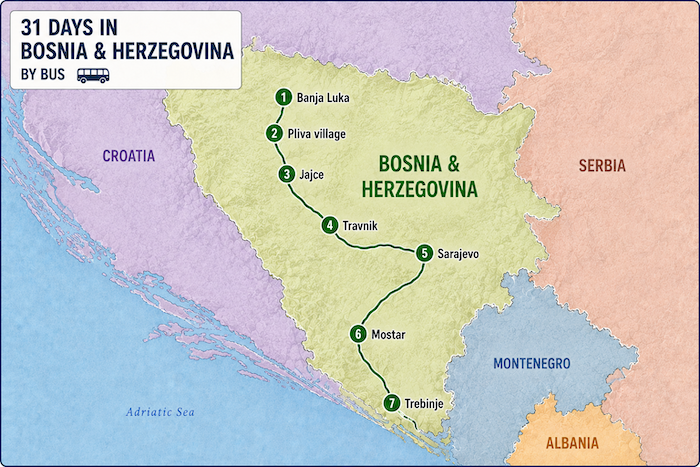
Our Bosnia and Herzegovina route

We travelled almost entirely by bus, with a couple of taxi journeys in more rural areas. This route took us from northern Bosnia all the way south to the border with Montenegro.

Our route looked like this:
Banja Luka → Pliva → Jajce → Travnik → Sarajevo → Mostar → Trebinje

Banja Luka (3 Nights)

Banja Luka was our first stop in Bosnia and Herzegovina after arriving by bus from Croatia.

At first glance, it might not seem like an obvious tourist destination. There are relatively few major attractions compared to Sarajevo or Mostar, but we ended up loving the city. It felt relaxed, affordable and incredibly liveable, with a strong café culture and some of the best food we had anywhere in Bosnia.

If you enjoy people-watching from a café terrace and discovering places that aren’t overrun with tourists, Banja Luka is well worth a stop.

Read our full Banka Luka guide here.

Pliva River (5 Nights)

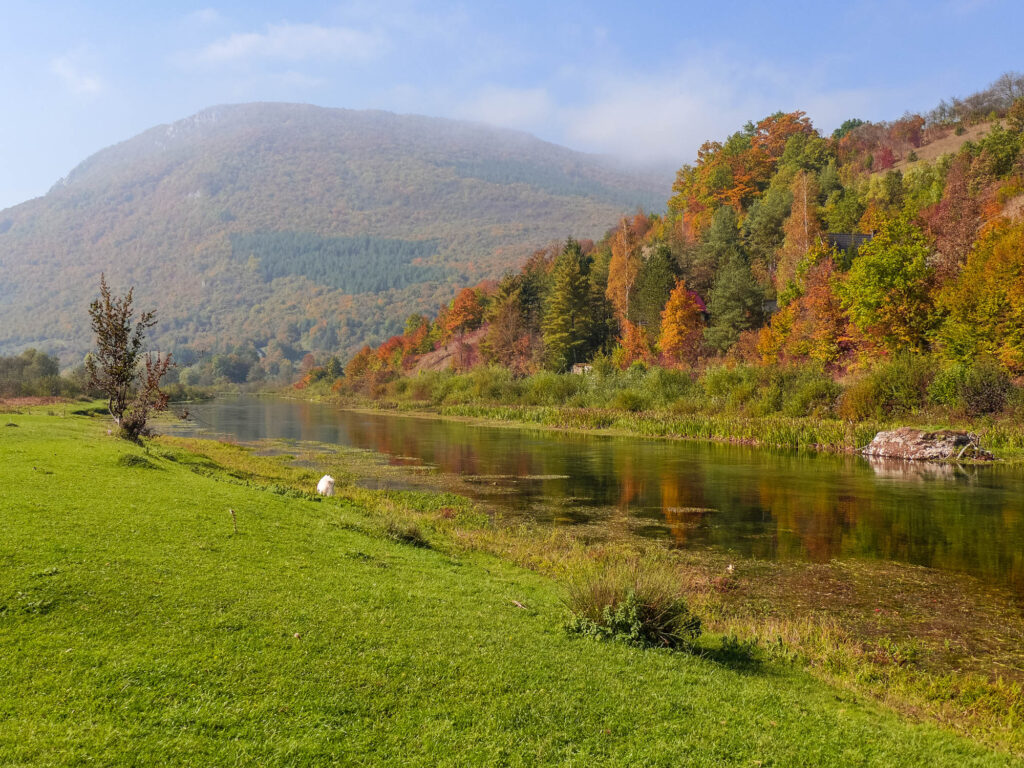
Our stay on the Pliva River was one of the highlights of the entire trip. We spent five nights in a small riverside village, slowing down and enjoying nature. The days were spent walking along the river, visiting the source of the water and chatting with locals.

We stayed at the Vacation Home Pliva, Brđani and had the best experience, the family running this place are lovely, and it’s situated just on the river.

One memorable afternoon we stumbled across a group making homemade rakija. Several shots later, we eventually made it to the river source before having to pass them again on the way back.

If you’re looking for a quieter side of Bosnia and Herzegovina, a few days by the Pliva River is hard to beat, read about our full experience here.

Walking the Pliva River in BosniaHerzegovina

Jajce (3 Nights)

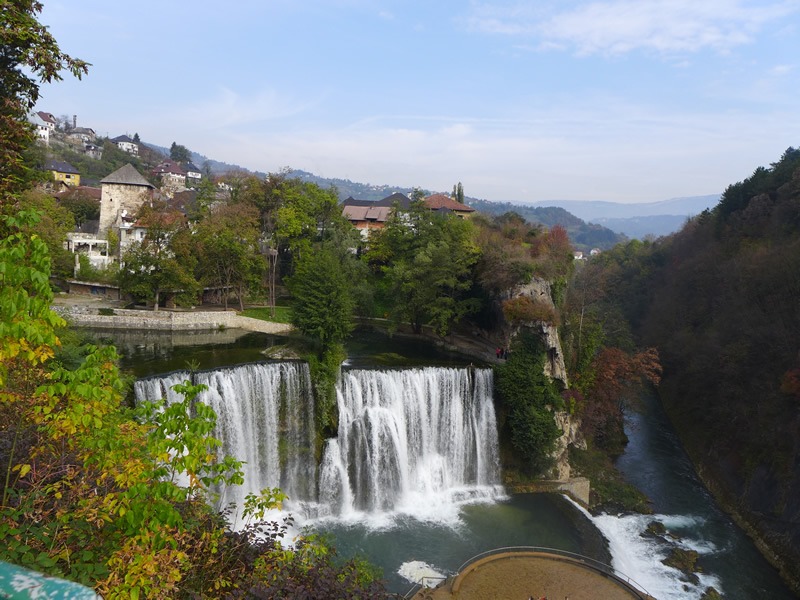
Jajce is best known for its dramatic waterfall located right in the centre of town.

While the waterfall is certainly worth seeing, what we enjoyed most was the relaxed atmosphere and charming old town. We spent our time wandering the streets, drinking coffee and enjoying the slower pace of life.

We stayed at Jajce Youth Hostel, which was a great base for exploring the town on foot.

Jajce is a great place to spend a few days and works well as a stop between northern Bosnia and Sarajevo.

Read our full Jajce travel guide here.

Jajce Falls
Jajce Falls

Travnik (3 Nights)

Travnik quickly became one of our favourite towns in Bosnia and Herzegovina.

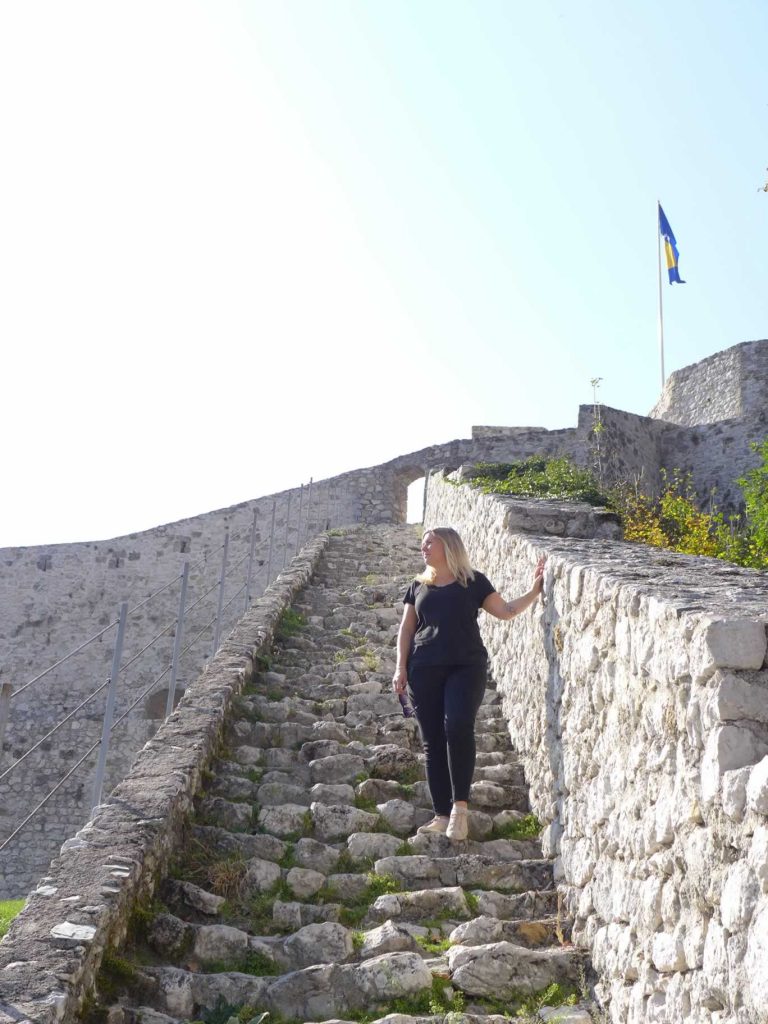
The town is home to an impressive fortress, beautiful Ottoman architecture and what many locals claim are the best ćevapi in the country.

We loved its relaxed atmosphere and found it to be one of the easiest places in Bosnia to simply slow down and enjoy everyday life.

We stayed at Apartment Aid, a 2 bedroom apartment in the center of Travnik. It was the perfect location as well as a very friendly and helpful host.

Read our full Travnik guide here.

Sarajevo (13 Nights)

Sarajevo was by far our longest stop. After moving around quite a bit, we decided to slow down and spend nearly two weeks in the capital. It turned out to be one of the best decisions we made.

Sarajevo has enough history, culture, cafés and restaurants to keep you busy for much longer than a few days. We spent our time exploring different neighbourhoods, learning about the city’s complex history and eating our way through countless local restaurants.

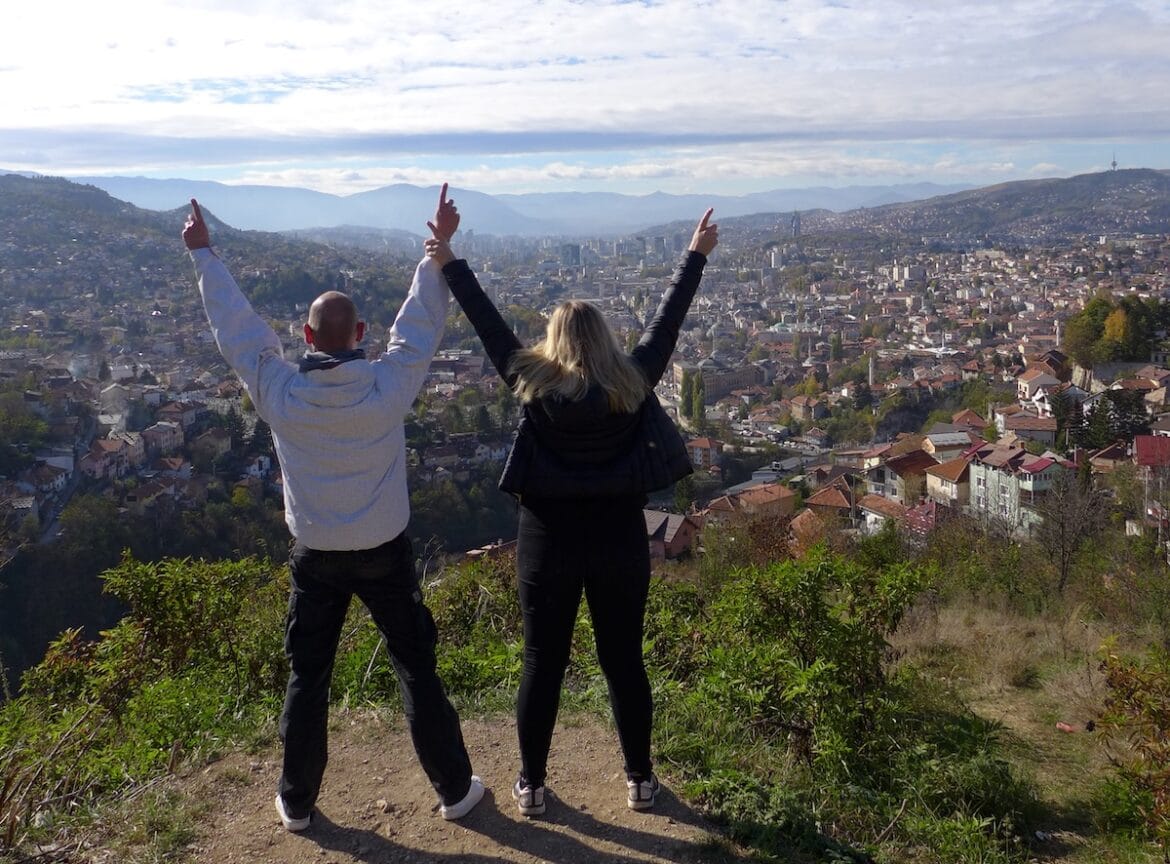
If you’re visiting Bosnia and Herzegovina, Sarajevo deserves several days at a minimum, read our full Sarajevo guide here.

Mostar (2 Nights)

Mostar is one of the country’s most famous destinations and home to the iconic Stari Most bridge.

The old town is beautiful, if a little more touristy than other places we visited. Even so, it is easy to understand why people love it. The historic centre, river views and excellent food make it well worth visiting.

Two nights was enough for us to explore the town and enjoy its atmosphere, although it could easily be done in less time if you’re short on days. That said, we would still recommend spending at least one night in Mostar to experience the old town after the day-trippers have left.

We stayed at Nina hostel, which was a great base for exploring the city and within easy walking distance of the main sights.

Read our full Mostar guide here.

Mostar Bridge

Trebinje (2 Nights)

Trebinje was our final stop before crossing into Montenegro.

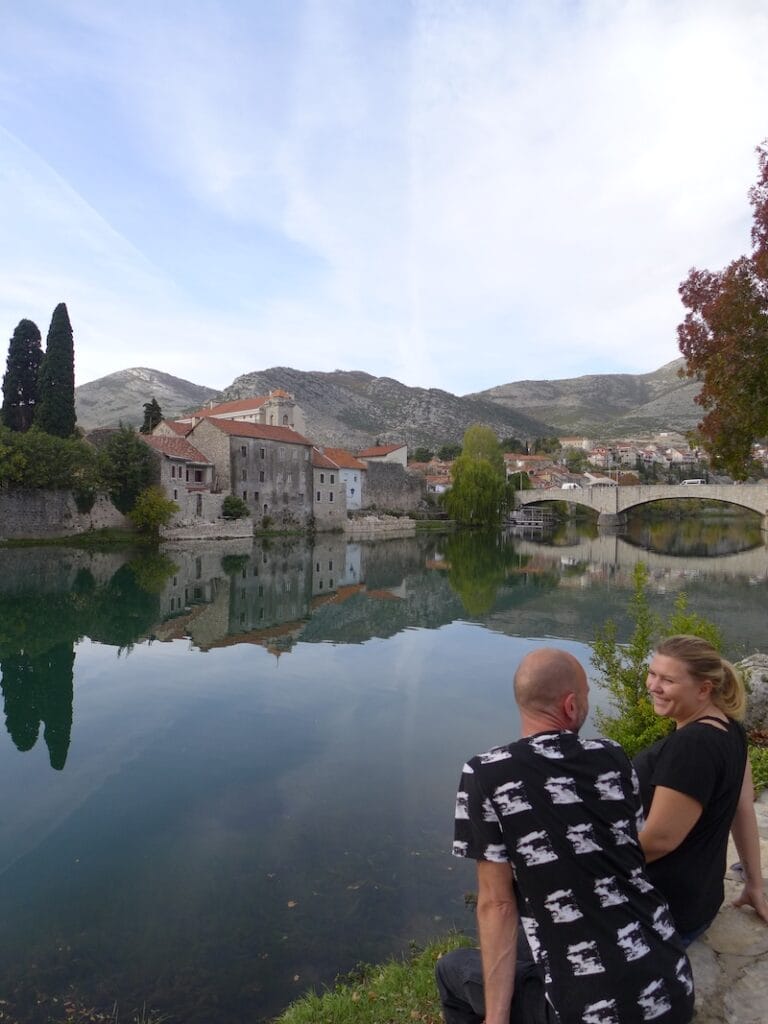
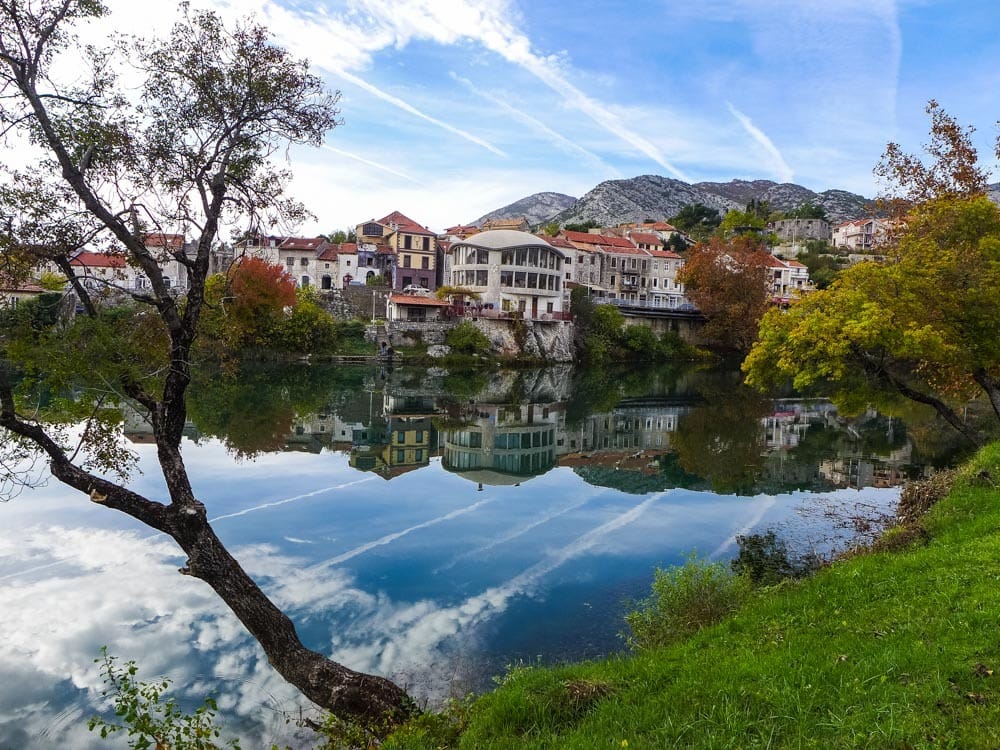
Often overlooked by travellers, we found it to be a charming town with a lovely old centre, excellent restaurants and a relaxed atmosphere. It also felt noticeably different from the rest of Bosnia, partly due to its proximity to both Croatia and Montenegro.

Travelling Bosnia by Bus

We travelled almost entirely by bus and found it to be an easy and affordable way to get around.

The routes between major cities were straightforward, tickets were inexpensive and the scenery along the way was often spectacular. While having a car would provide more flexibility for exploring remote areas, we never felt limited travelling independently by public transport.

For this route, we don’t think a car is necessary.

Is Bosnia and Herzegovina Safe?

We felt extremely safe throughout our month in Bosnia and Herzegovina.

People were friendly, welcoming and often went out of their way to help. Like anywhere, it’s worth using common sense, but we never experienced any problems while travelling around the country by bus or on foot.

In fact, one of the things we remember most about Bosnia is the warmth and hospitality of the people we met.

What We’d Change

Honestly, not very much.

This route worked incredibly well and gave us a great mix of cities, small towns and nature. If we were to do it again, we’d probably explore some of the national parks and more remote parts of the country.

We’d also happily return to the Pliva River for another few days of doing very little.

Final Thoughts

Bosnia and Herzegovina became one of our favourite countries in the Balkans.

We came expecting beautiful scenery and interesting history, but what really stood out were the people, the food and the slower pace of life. It’s a country that still feels authentic, affordable and surprisingly under-visited.

If you’re planning a trip through the Balkans, don’t rush through Bosnia and Herzegovina. Give it time, order another coffee and stay a little longer than you planned.

May 31, 2026 0 comments
FacebookTwitterPinterestLinkedinRedditStumbleuponWhatsappTelegramThreadsOpenAIChatGPTEmail
AlbaniaTravel Itineraries

Our 2 Week Albania Itinerary

by Livia May 24, 2026
written by Livia

We spent two weeks travelling through Albania back in 2018 and absolutely loved it. Albania was part of our two month Balkans trip, and we entered the country by bus from Montenegro, which is also how we travelled around once there. The bus journeys themselves often became part of the adventure, winding through mountains, small villages and some incredibly beautiful scenery.

Albania surprised us quite a bit. It felt noticeably different from the other Balkan countries we visited, with its own unique atmosphere, beautiful mountain scenery and an incredible number of picturesque towns scattered around the country.

We travelled in November during the low season, so instead of visiting the coast we focused more on inland cities and mountain towns. This also meant there were far fewer tourists around, although in some places a number of restaurants, cafés and shops were closed for the season.

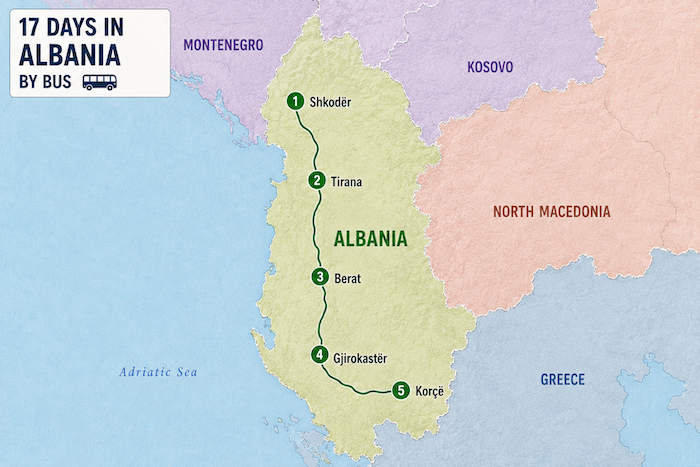
Our Albania Route

During our time in Albania we travelled entirely by bus, entering from Montenegro and continuing east through the country before crossing into North Macedonia.

Our route looked like this:
Shkodër → Tirana → Berat → Gjirokastër → Korçë

Shkodër (2 Nights)

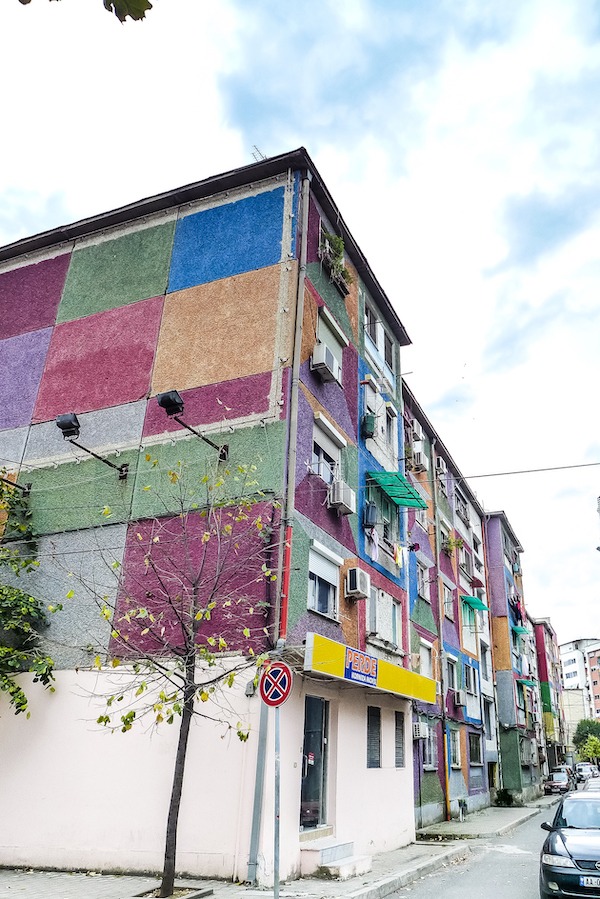
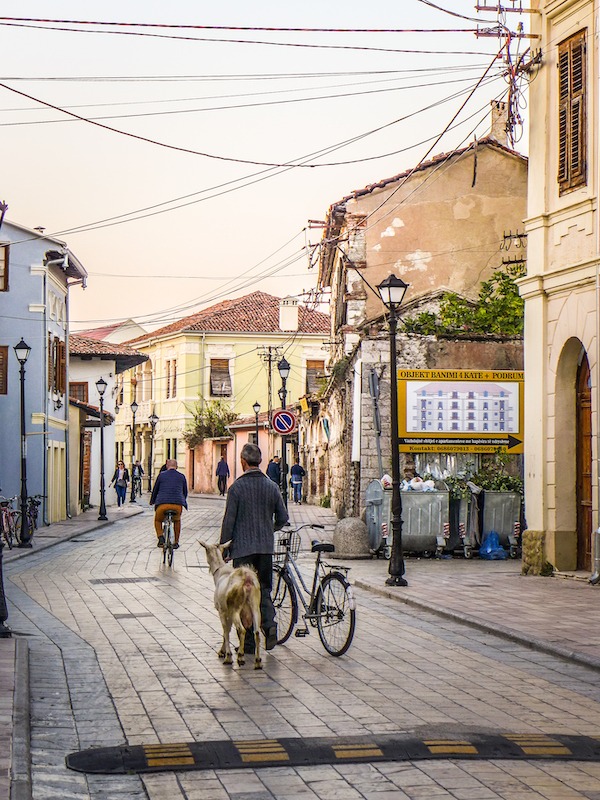
Shkodër was our first stop in Albania after crossing the border from Montenegro, and it immediately felt different. The city had a much more relaxed atmosphere, colourful streets and a strong café culture. We spent our days wandering around the small city centre, drinking coffee, visiting the fort and soaking up the slower pace of life.

We stayed at Rose Garden Hotel, which was within walking distance of the city centre and made a great base for exploring the city on foot.

Read our full Shkodër guide here.

Tirana (7 nights)

We originally only planned to stay a few nights in Tirana, but after travelling quite quickly through the Balkans we decided to slow down and ended up staying for a full week instead. It turned out to be a good decision.

The longer we stayed, the more the city grew on us. We spent most of our time exploring different neighbourhoods, trying cafés and restaurants, and simply wandering around the city. Tirana felt lively, modern and full of energy, while still feeling local and slightly chaotic in parts.

Read our full Tirana guide here.

Berat (2 nights)

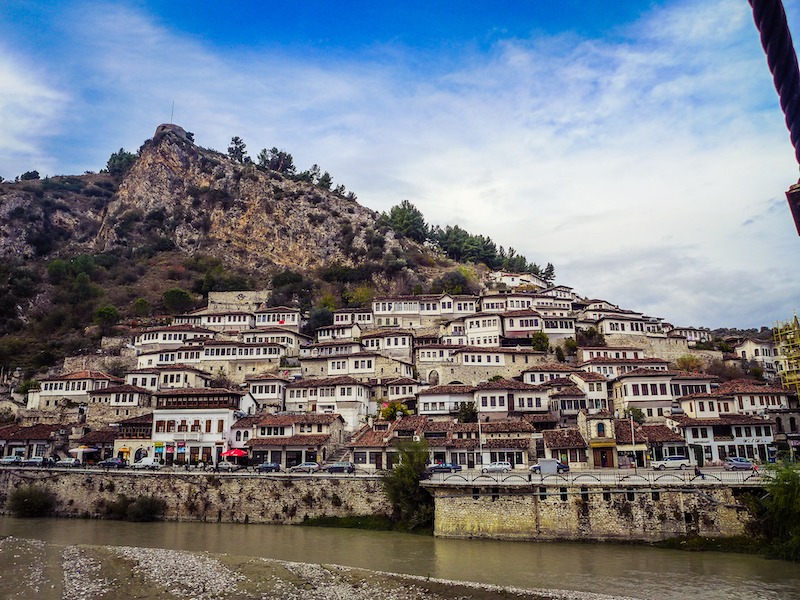
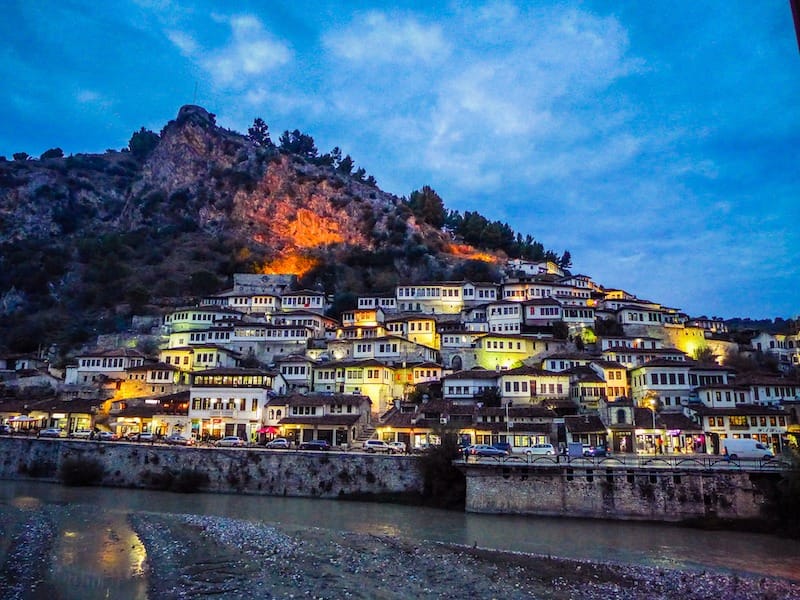
Berat is one of the prettiest towns we visited in Albania. The white Ottoman houses climbing up the hillside almost looked unreal, especially during the quieter mornings and evenings in low season when the streets were nearly empty.

We spent most of our time wandering around the old town, exploring the castle area and enjoying the mountain views surrounding the city. One of the things we loved most about Berat was simply slowing down and taking in the atmosphere.

We stayed at Maya Hostel, which was a great base for exploring the old town on foot.

Read our full Berat guide here.

Gjirokastër (2 Nights)

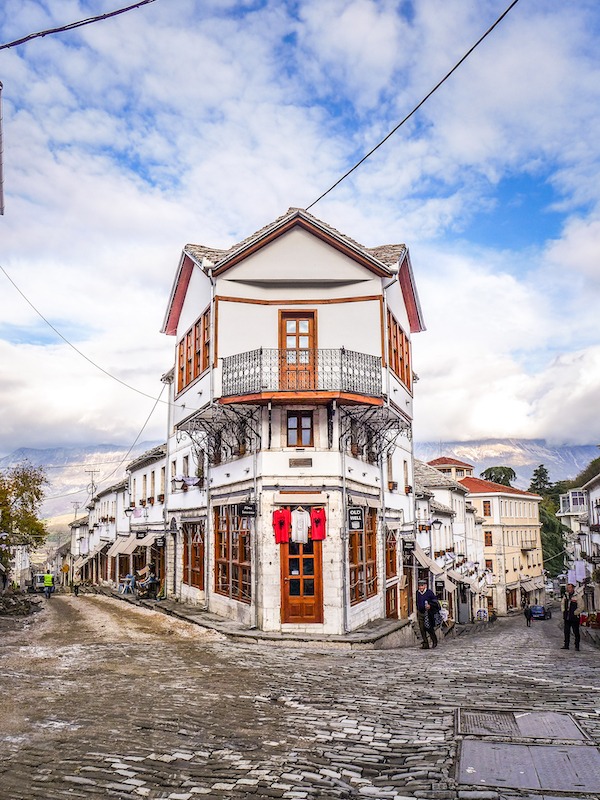
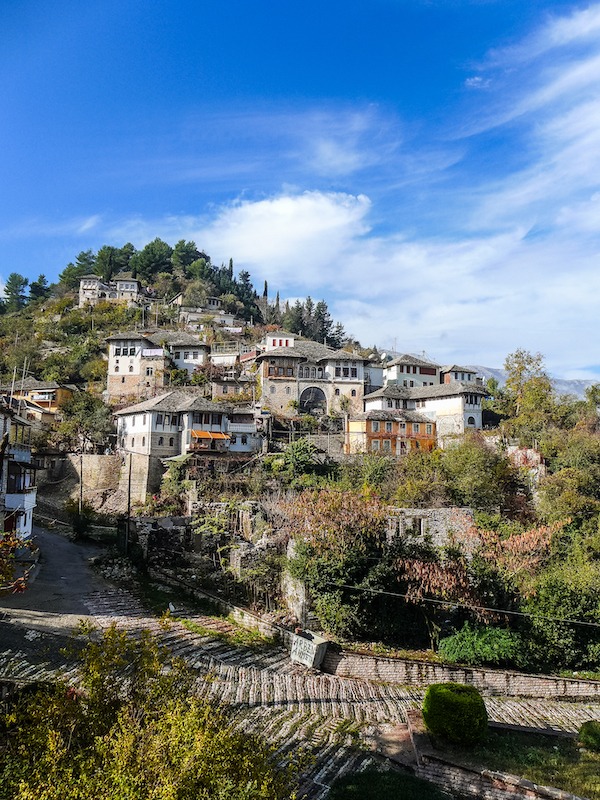
Gjirokastër ended up being our favourite town in Albania. Visiting during the low season meant the old cobbled streets were almost completely empty at times, which made the whole place feel even more atmospheric.

We stayed in the old town itself and loved waking up to the mountain views every morning. With its stone houses, steep streets and huge castle overlooking the valley, Gjirokastër genuinely felt like something out of a fairytale.

Read our full Gjirokastër guide here.

Korçë (2 Nights)

Korçë was our final stop in Albania before continuing on to North Macedonia. Sitting higher up in the mountains, it felt noticeably colder than the rest of the country, especially in November.

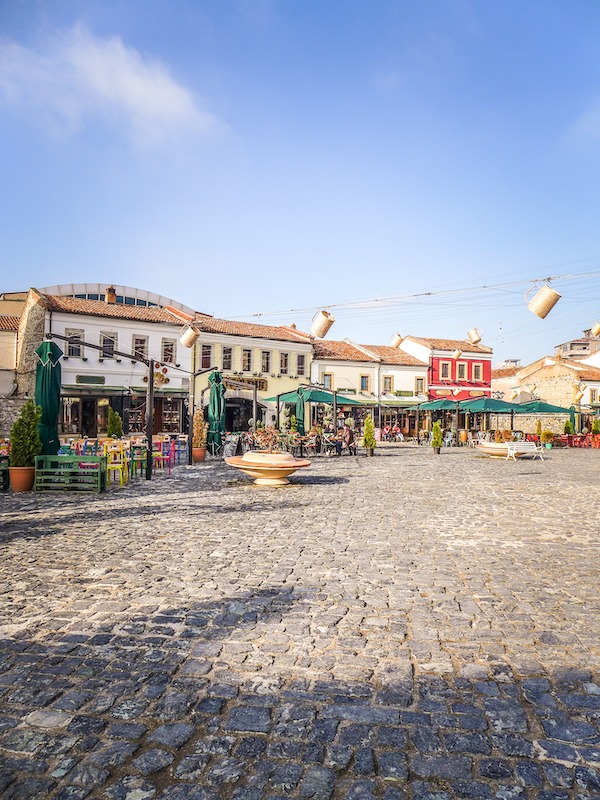
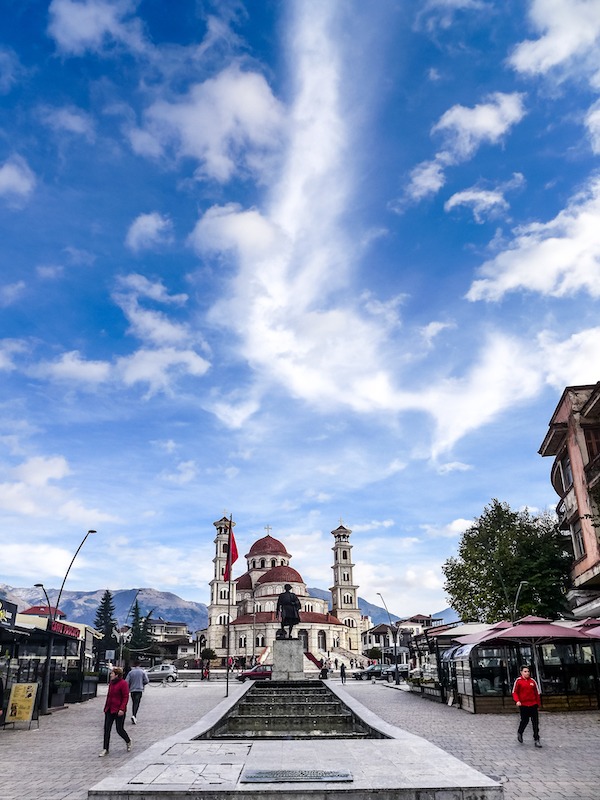
We loved the slower pace here, along with the city’s strong food and café culture. Most of our time was spent wandering around the old bazaar area, eating BBQ and enjoying the cosy atmosphere of the city.

The bus journey from Gjirokastër to Korçë was also one of the most scenic parts of our Albania trip, winding through mountains and small villages along the way.

Read our full Korçë guide here.

Travelling Albania by Bus

We travelled entirely around Albania by bus and overall found it surprisingly easy, even if things sometimes felt slightly chaotic. Albania doesn’t always have the most organised bus system, and schedules can be flexible, but we still managed to get around the country without any problems.

One of the best parts of travelling Albania by bus was the scenery along the way. Many of the routes passed through mountains, valleys and small villages, and the journeys themselves often became part of the experience.

In some places larger buses operated between cities, while on other routes smaller minibuses, known as furgons, were more common. Bus stations could sometimes feel a little confusing at first, but locals were generally very helpful whenever we needed assistance finding the right bus.

Travelling by bus was also incredibly affordable and gave us a lot of flexibility while moving around the country. If you don’t want to rent a car, Albania is definitely still possible to explore independently.

You can read more about traveling by bus in Albania here.

Is Albania Safe to Travel?

We personally felt very safe travelling around Albania, including while using local buses and walking around cities and towns independently. People were generally friendly, helpful and welcoming throughout our trip.

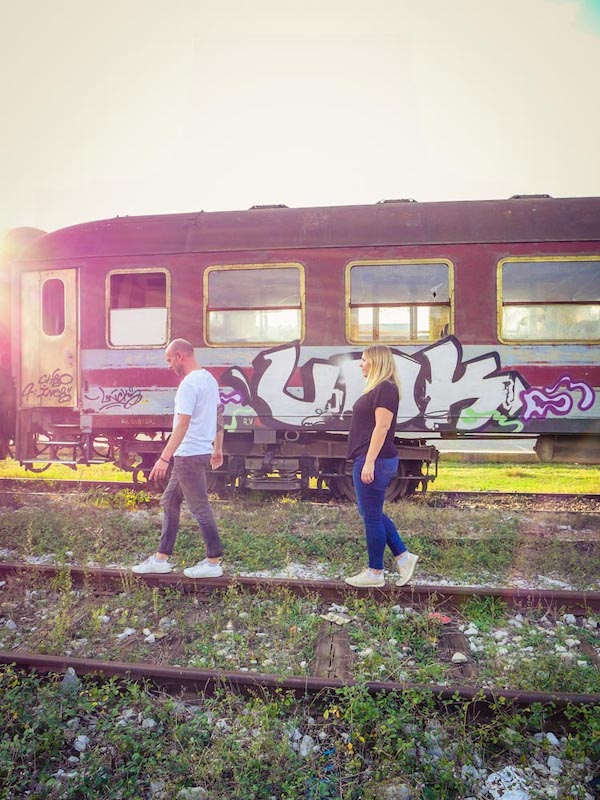
Like anywhere, it’s still important to use common sense, especially in larger cities or around transport hubs. The only place that felt a little uncomfortable to us was the abandoned train station area in Shkodra as there were people living there and didn’t necessarily want outsiders visiting, but aside from that we generally found Albania to feel relaxed and safe to travel through independently.

Travelling during the low season also meant places were quieter and less crowded, which added to the slower atmosphere we experienced around the country.

What we’d change

Honestly, not very much. Albania ended up becoming one of our favourite countries in the Balkans and we loved travelling through it.

If we did the trip again, we would probably add more time in general and even though we loved the low season, we would like to visit during summer as well and go to the Albanian coast. We would have also liked to add more hikes in the itinerary.

Travelling entirely by bus worked well for us, but having a car for at least part of the trip would definitely make it easier to explore some of the smaller villages and more remote areas of the country.

Final Thoughts

Albania ended up being one of the biggest surprises of our Balkans trip. Before visiting, we mainly associated the country with mountains and beaches, but what stood out most to us were the beautiful old towns, café culture and the relaxed atmosphere we found while travelling through the country.

Travelling during the low season gave us a very different experience from the busy summer months. In many places we had quiet cobbled streets almost entirely to ourselves, which made towns like Berat and Gjirokastër feel even more atmospheric.

We would absolutely return to Albania again, especially to explore more of the mountains and coastline. This route is perfect for travellers who enjoy slower travel, beautiful scenery, café culture and travelling independently without needing a car.

May 24, 2026 0 comments
FacebookTwitterPinterestLinkedinRedditStumbleuponWhatsappTelegramThreadsOpenAIChatGPTEmail
NamibiaTravel Itineraries

Our 9-Day Namibia Tour with Chameleon Safaris: An Honest Review

by Sam June 23, 2025
written by Sam

Thinking about joining a Namibia group tour? We spent nine incredible days travelling across the country with Chameleon Safaris on their Canyons, Dunes & Wildlife tour. From the wildlife of Etosha National Park and the towering dunes of Sossusvlei to the abandoned ghost town of Kolmanskop, this tour packed some of Namibia’s most iconic sights into one unforgettable adventure.

We booked the tour because we wanted to experience Namibia without the stress of driving ourselves, and it turned out to be one of the best tours we have ever done.

📌 We booked directly with Chameleon Safaris and we think you should too. We even have a discount code you can use if you want 10% off any of their tours, just use code PADDINGTON10 at checkout.

Where to stay in Windhoek

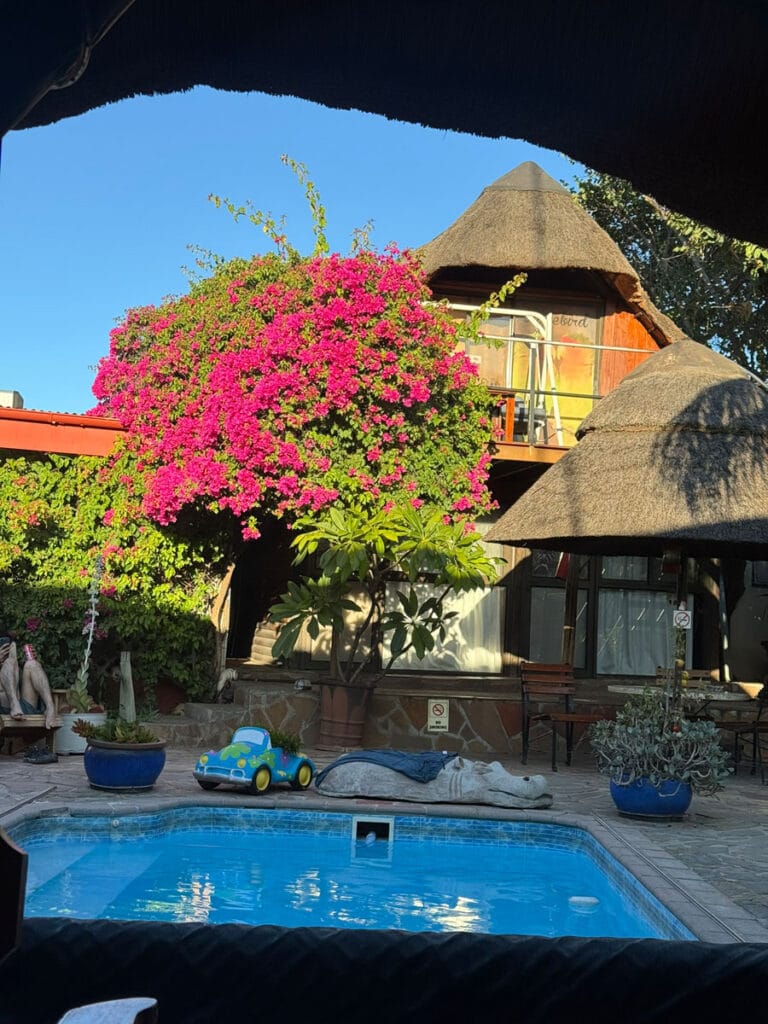
Before the tour started, we flew from Cape Town to Windhoek and stayed at Chameleon Backpackers. This turned out to be a fantastic choice. The hostel has a relaxed atmosphere, great staff, a swimming pool, bar, regular social events and daily walking tours. It was the perfect place to meet fellow travellers before setting off into the Namibian wilderness.

This place was so great! It’s a wonderful place to meet other travelers, share stories and relax before or after your tour. The have incredible staff who are always ready to help, the organize BBQ nights, quiz nights, they have a great bar and pool. They have daily walking tours in the city , they can do your laundry and even store your bags whilst you go exploring.

Day 1: Windhoek to Etosha National Park

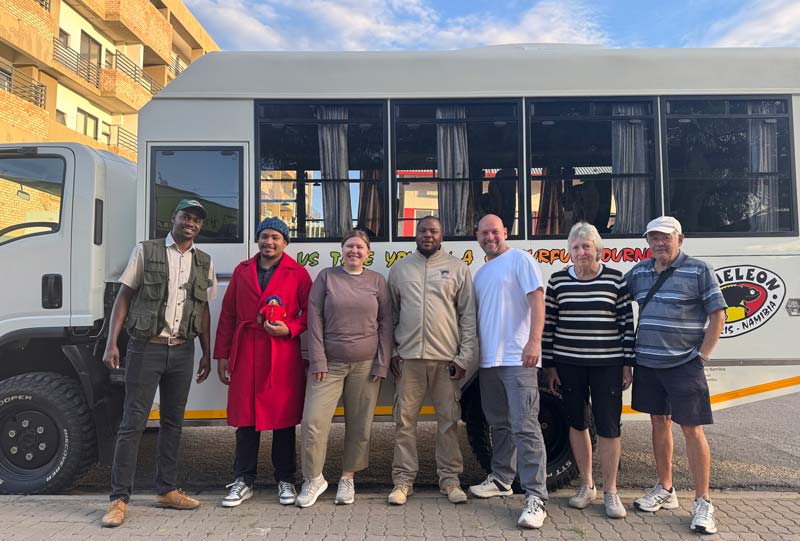
We chose the 9 day Canyons, Dunes & Wildlife Camping & Accommodated Safari An interesting note is that Chameleon Safaris don’t have a minimum number to run each tour, so you might be on your own or within a group. The adventure began with a pickup from Chameleon Backpackers before heading to the Chameleon Safaris offices for a briefing. Over coffee, tea and cake, we met our driver, guide and fellow travellers. For the first section of our tour, we were joined by a lovely retired couple from New Zealand.

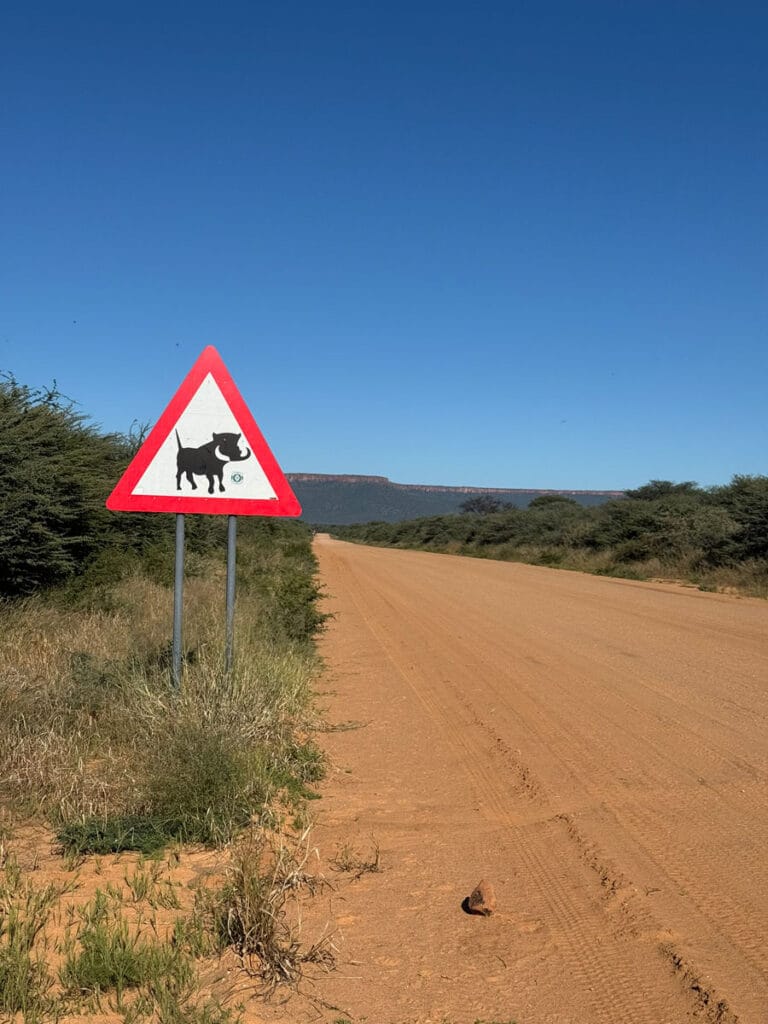
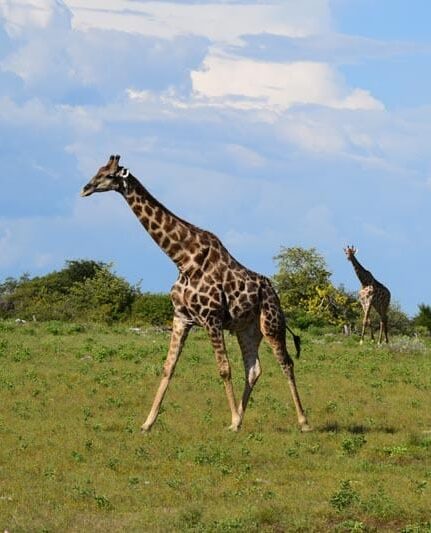
After loading up the truck, we began the long journey north towards Etosha National Park. It is roughly 500 kilometres from Windhoek, so there were several stops along the way to stretch our legs and use the bathroom, grab supplies and stock up on snacks and drinks. The scenery gradually became more remote as we headed deeper into Namibia. Even before reaching the national park we were spotting wildlife alongside the road, including giraffes and warthogs.

By late afternoon we arrived at Etosha National Park through Namutoni Gate and immediately started spotting animals. Within a short time we had already seen elephants, giraffes, zebras and various antelope species.

Our accommodation for the night was Halali Resort, operated by Namibia Wildlife Resorts inside the national park. We were pleasantly surprised by the facilities. The rooms were twin-share with private bathrooms, and after a long day on the road it was nice to settle in before dinner which was served buffet style and included grilled game meat, chicken, pasta, salads and fresh bread. Soft drinks were included, while alcoholic drinks could be purchased separately. After dinner, we headed to on-site watering hole to see if we could glimpse any animals, but it was mostly just birds. After that was bed and we were excited for our first full day of safari.

Day 2: Exploring Etosha National Park

We were up before sunrise for one of the highlights of the trip. After breakfast, we climbed aboard an open-sided safari vehicle and headed into Etosha National Park. There is something special about being in the park at sunrise. The air is cool, the light is beautiful and the animals are at their most active.
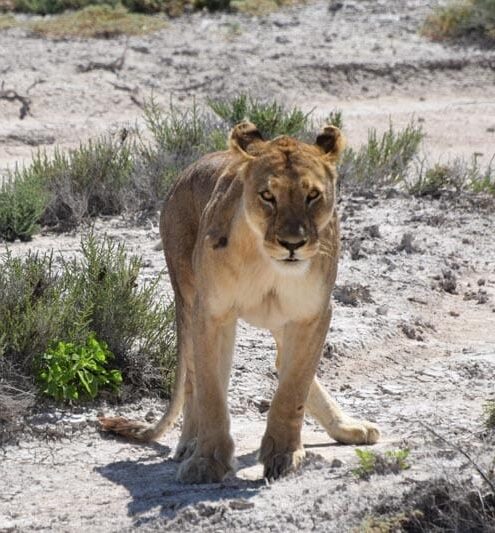
Our guide was incredible. We quickly realised that safari guides possess a completely different level of eyesight than the rest of us. Animals that looked invisible to us suddenly appeared after a quick point into the distance. Throughout the day we saw lions, elephants, giraffes, zebras, wildebeest, springbok, jackals and countless birds. Whenever a large number of vehicles gathered along the road, it usually meant there was something exciting to see. More often than not, it was worth stopping.
One thing worth mentioning is that Etosha is not technically home to the Big Five, as Cape buffalo are absent from the park. Leopards are also notoriously difficult to spot. Even so, the wildlife viewing was exceptional and far exceeded our expectations.

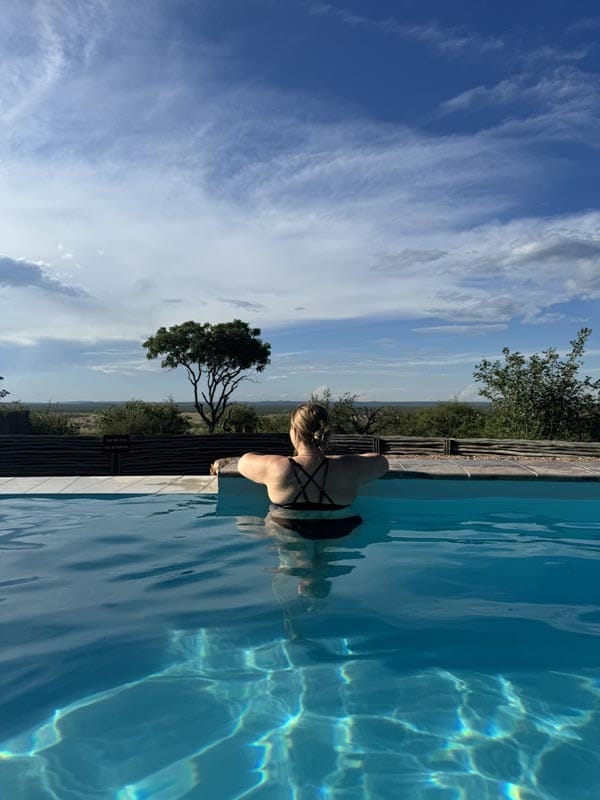
In the afternoon we left through Anderson Gate and travelled to our next accommodation, Okutala Etosha Lodge. This beautiful lodge felt considerably more luxurious than our previous stop. Along with a lovely pool, comfy beds and a amazing views, it features resident giraffe and a pair of rhinos that wander to the watering hole at dusk. After settling into our room, we enjoyed an excellent à la carte dinner before turning in for the night.

Day 3: Etosha to Swakopmund

Day three was another long travel day, covering roughly 500 kilometres as we crossed Namibia from north to west. We left Etosha after breakfast and headed towards the coastal town of Swakopmund. Along the way we stopped in Outjo, which proved to be a great place to pick up supplies, pastries and snacks for the journey ahead.

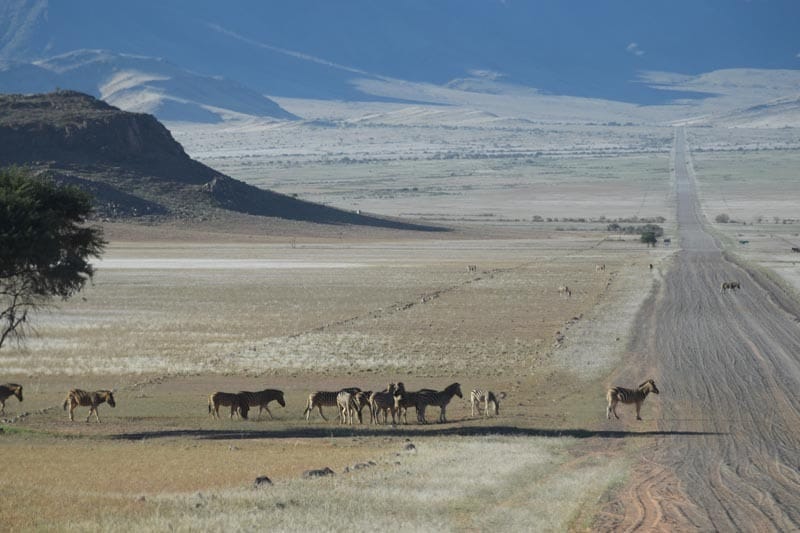
The landscape gradually changed as we entered Damaraland. The roads became rougher, the scenery more dramatic and the sense of isolation much stronger.

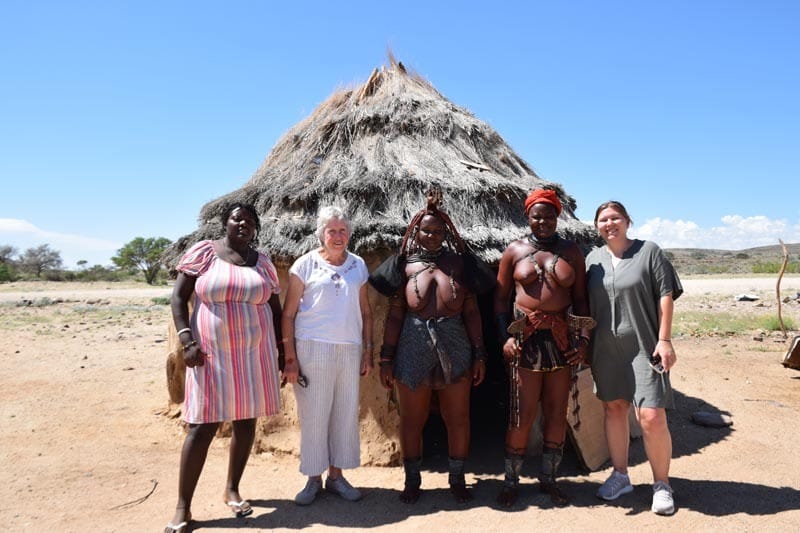
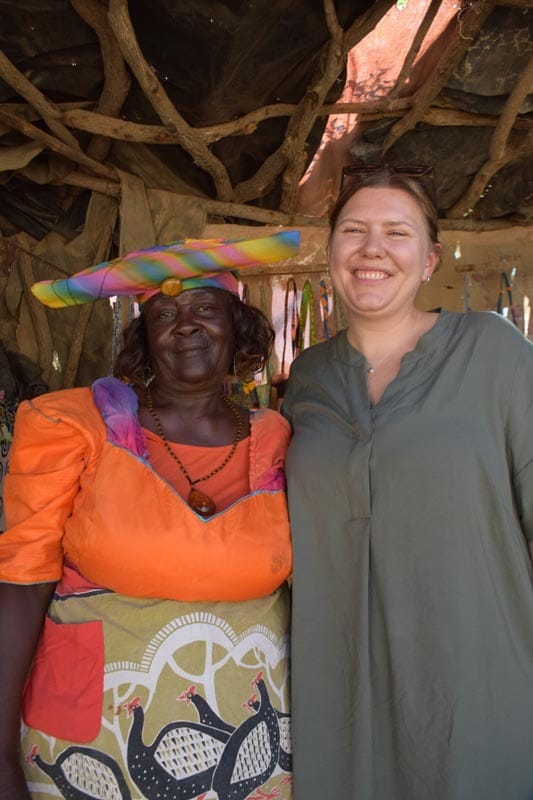
One of the more interesting stops along the route was meeting members of the Himba and Herero communities. The Himba visit was the most in-depth, giving us an opportunity to learn about traditional lifestyles, housing and culture. Another stop was some roadside craft stalls run by the Herero communities which also offered a chance to support local artisans and purchase some souvenirs.

Eventually the Atlantic Ocean appeared on the horizon. The moment we reached the coast, the temperature dropped noticeably. Namibia’s desert heat quickly gave way to cool sea air, and for the first time on the trip we reached for our fleece jackets.

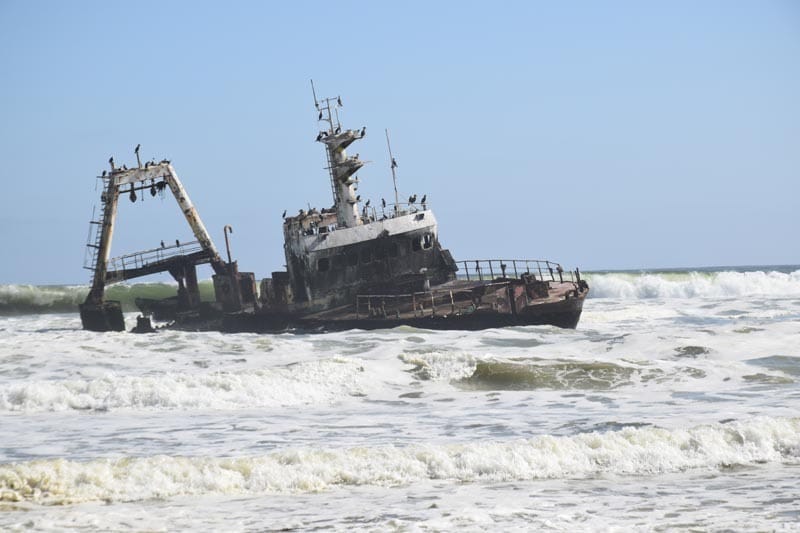
Before arriving in Swakopmund we stopped at the famous Zeila Shipwreck, one of the most photographed landmarks on the Skeleton Coast. Sitting rusting against the shoreline, it provides a dramatic introduction to this rugged stretch of coastline.

That evening we checked into Hotel A La Mer, a comfortable and modern hotel within walking distance of the town centre.

It was nice to spend some time with cafés, restaurants and a bit of civilisation and dinner was left entirely up to the group. We ended up at Kücki’s Pub, where we enjoyed hearty German food, cold beer and plenty of conversation. Swakopmund has a fascinating German influence and nowhere is that more obvious than in its restaurants and bakeries. Another other great place we found was the Altstadt Restaurant, very informal, great German beer selection and great bar food. There’s so many great places to eat and enjoy a good coffee here. You can also get cash from an ATM (we found FNB was the most reliable and had at the time no fees for foreign cards)

Day 4: Swakopmund to Sesriem

Unlike previous mornings, there was no rush to leave. The hotel provided a buffet breakfast and we had plenty of time to make any last-minute purchases so we visited the supermarket and stocked up on snacks, it was also a great opportunity to have a wander around town, have a coffee and take some photos before heading off into the desert.

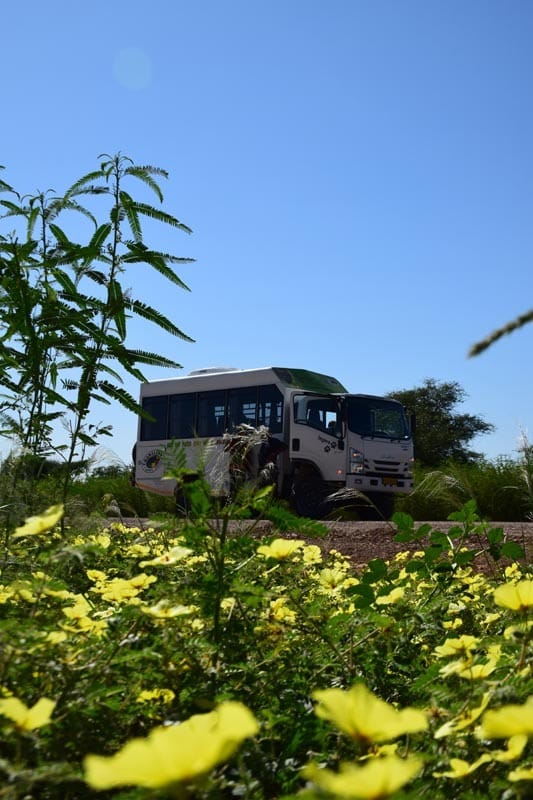
As we entered the camping part of our tour, so our group also changed. We said goodbye to our original guide, driver, truck and New Zealand travel companions and met our new driver and guide and truck for the southern half of the journey., also joining us was a solo traveller.

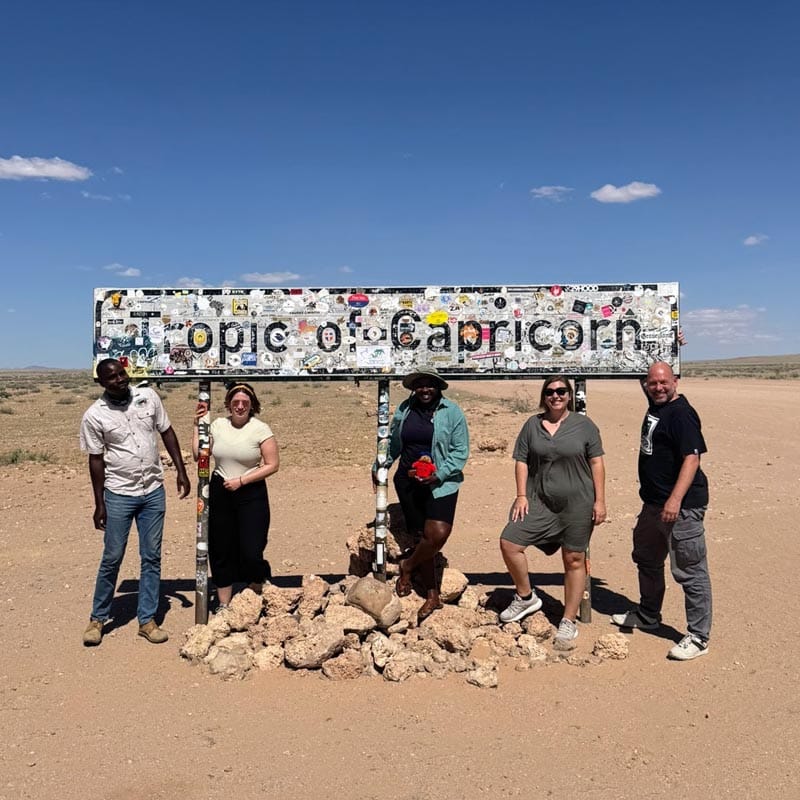
The drive to Sesriem covered approximately 350 kilometres and included several memorable stops. One of the highlights was crossing the Tropic of Capricorn, where we stopped for the obligatory photo at the roadside sign. Further south we reached Solitaire, a tiny settlement famous for McGregor’s Bakery. Their apple pie absolutely lived up to the hype. Fresh, rich and generously sized, it was exactly the kind of treat needed before continuing deeper into the Namib Desert.

By late afternoon we arrived at Sesriem Campsite, located on the edge of the national park. This would be our first proper camping experience of the trip. Everyone helps pitch the tents which is actually a great way to get to know the group and quickly became part of the experience.

Once camp was set up, we headed to Elim Dune for sunset. If you’ve never climbed a sand dune before, prepare yourself. Walking on soft sand is surprisingly exhausting. Every step forward feels like half a step backwards. The effort was totally worth it. Watching the sun set across the red dunes was our first real introduction to the landscapes that make Namibia famous.

After sunset we returned to camp for dinner prepared by our guide before settling into our tents for the night, ready for an extremely early start the next morning.

Day 5: Dune 45, Dead Vlei and Sossusvlei

If there was one day we had been looking forward to more than any other, it was this one.

The alarm went off long before sunrise and there was no time for breakfast. We grabbed a bottle of water, the camera and a museli bar before climbing into the truck in complete darkness. Our destination was Dune 45.

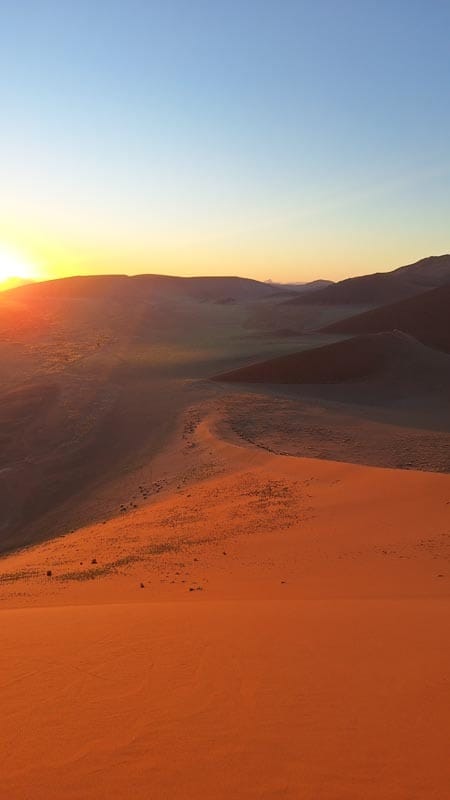
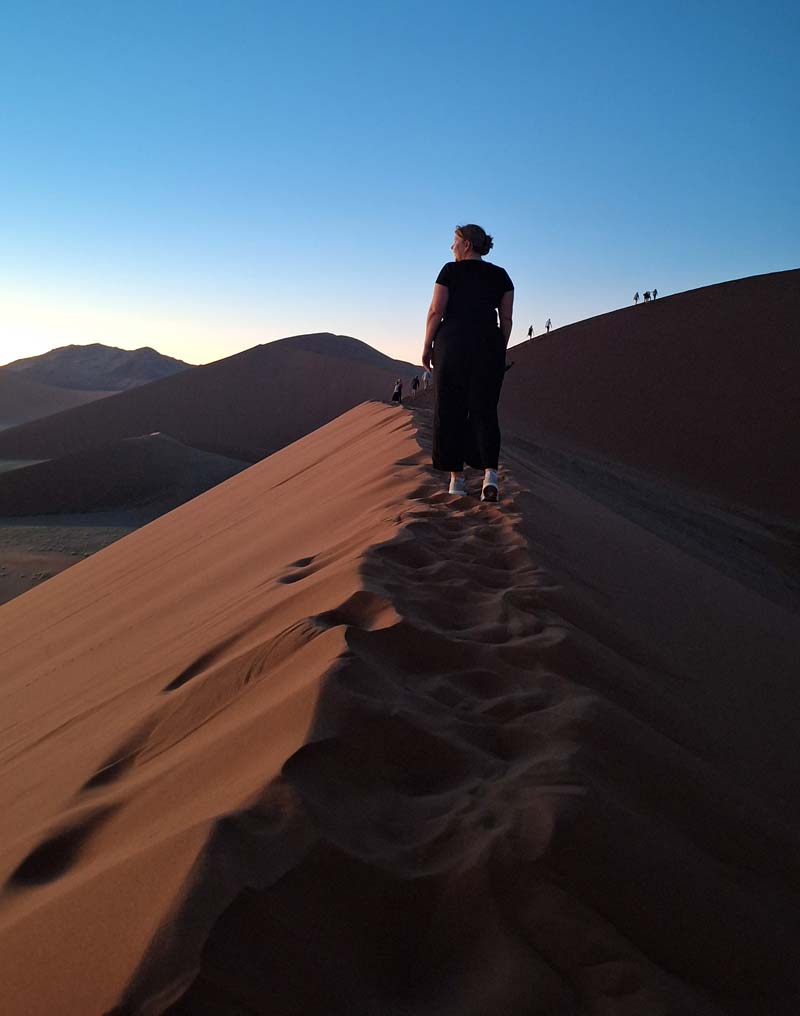
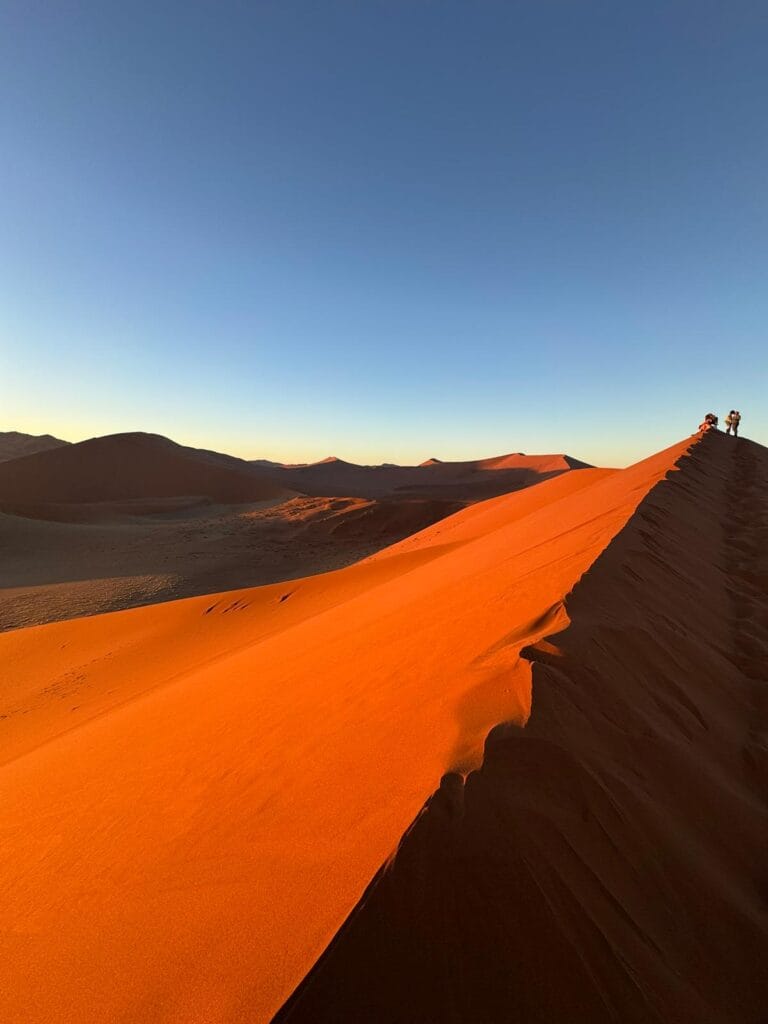
Named simply because it sits 45 kilometres from Sesriem, Dune 45 is one of the most famous sand dunes in Namibia. By the time we arrived, dozens of people were already beginning the climb towards the summit. The climb can take anything from 20 minutes to an hour, but this is depending on your fitness level and how often you stop to admire the view from exhaustion. Walking on soft sand is hard work, but reaching the top just before sunrise is worth every step.

As the sun rose over the Namib Desert, the dunes glowed shades of orange, red and gold. It was one of those moments where photographs simply don’t do it justice.

After climbing back down, we were greeted by our guide, who had somehow magically prepared breakfast while we were up on the dune. Coffee, breakfast and incredible desert scenery. Not a bad way to start the day. Next, we continued deeper into the park towards Sossusvlei. From there, we transferred into a 4×4 shuttle for the final stretch to Dead Vlei.

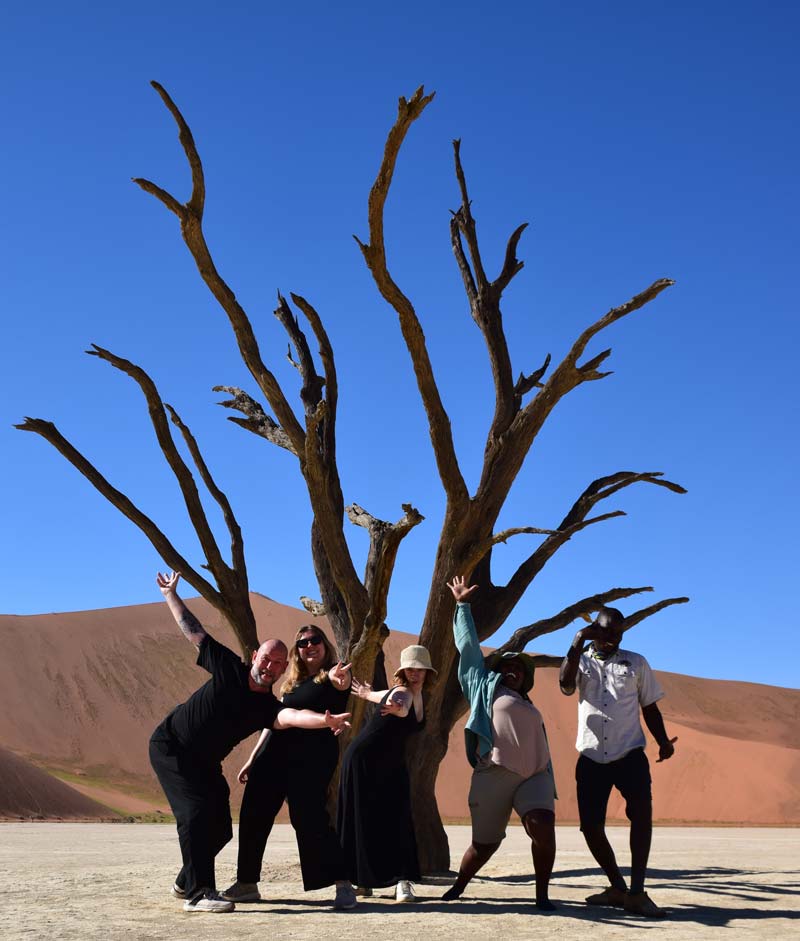
Dead Vlei is one of the most surreal landscapes we have ever visited. Ancient camel thorn trees stand frozen in time on a bright white clay pan, surrounded by towering red dunes and deep blue skies. The contrast of colours is almost unbelievable.

There are a few ways to approach Dead Vlei. You can take the easy flat walk, climb part of Big Daddy dune before descending into the pan, or tackle the entire climb to the summit of Big Daddy. We chose the middle option, climbing part of the dune before dropping into Dead Vlei. It gave us spectacular views without completely destroying our legs.

We spent a few hours wandering around, taking photographs and simply appreciating how unique the landscape was. It is easy to see why so many professional photographers make the journey here.

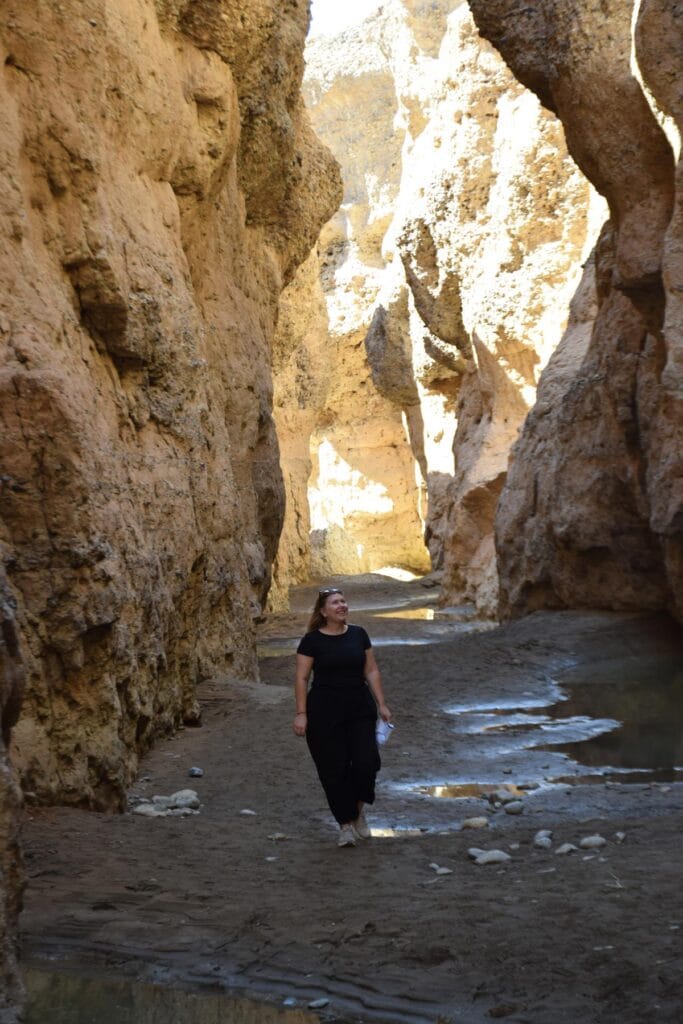
After returning to camp, we cooled off in the pool and relaxed with a cold drink before heading out again to visit Sesriem Canyon.

While interesting, the Sesriem Canyon wasn’t nearly as impressive as the dunes and Dead Vlei. It was a pleasant stop, but the desert landscapes remained the true stars of the day. That evening we enjoyed another excellent campfire dinner before sitting around the fire swapping travel stories under a sky full of stars.

Day 6: Sesriem to Klein-Aus Vista

After packing up camp, we set off south towards Klein-Aus Vista. The drive covered around 350 kilometres through increasingly remote landscapes. Namibia has a remarkable ability to make you feel very small. Hour after hour passes with almost nothing visible except mountains, gravel roads and endless horizons.

We expected another night of camping, instead, we were treated to a great suprise.

Rather than tents, we were staying in a cabin tucked into the mountainside at Klein-Aus Vista Desert Horse Campsite.

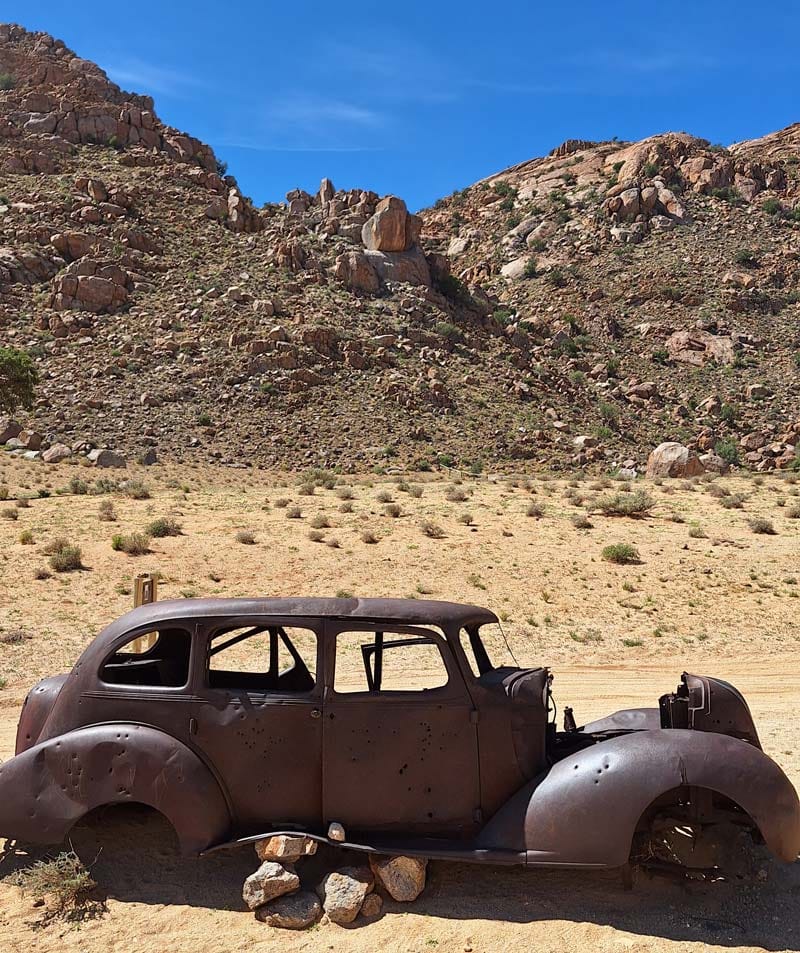
The cabin was comfortable, secluded and surrounded by beautiful scenery. Nearby stood the rusting remains of an old Hudson car from the 1930s, still peppered with bullet holes from an infamous diamond smuggling shootout. According to local stories, the smugglers still haunt the nearby Ghost Canyon. Whether you believe the ghost stories or not, it certainly added atmosphere to the location.

With a free afternoon ahead of us, we headed out on a walk to the Desert Horse Geoglyph viewpoint. The route winds through rocky terrain and offers fantastic views across the surrounding landscape. The sunset that evening was one of our favourites from the entire trip.

As darkness fell, the Milky Way emerged once again overhead. Namibia consistently delivered some of the clearest night skies we have ever seen.

Day 7: Kolmanskop and Lüderitz

Another early start brought us to one of the most fascinating places in Namibia. Kolmanskop.

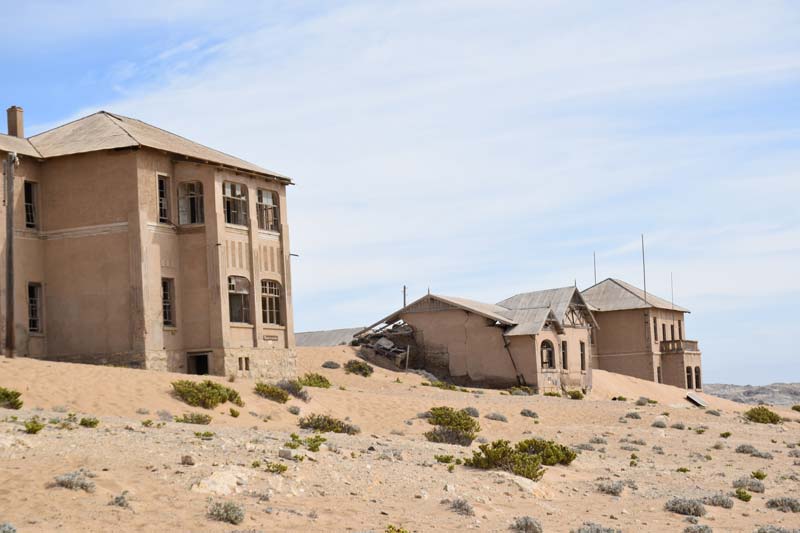
If you’ve ever watched the Fallout television series, you may already recognise it. The abandoned town has appeared in countless films, documentaries and photography books. The story behind it is extraordinary.

In 1908, diamonds were discovered in the area, triggering a rush of German settlers who built a thriving desert town complete with a hospital, ballroom, theatre, school, casino, ice factory and even Africa’s first tram system. For a brief period, Kolmanskop was one of the richest settlements in the world.

Then the diamonds began to run out. By the 1920s, residents started leaving and the desert slowly reclaimed everything they had built.

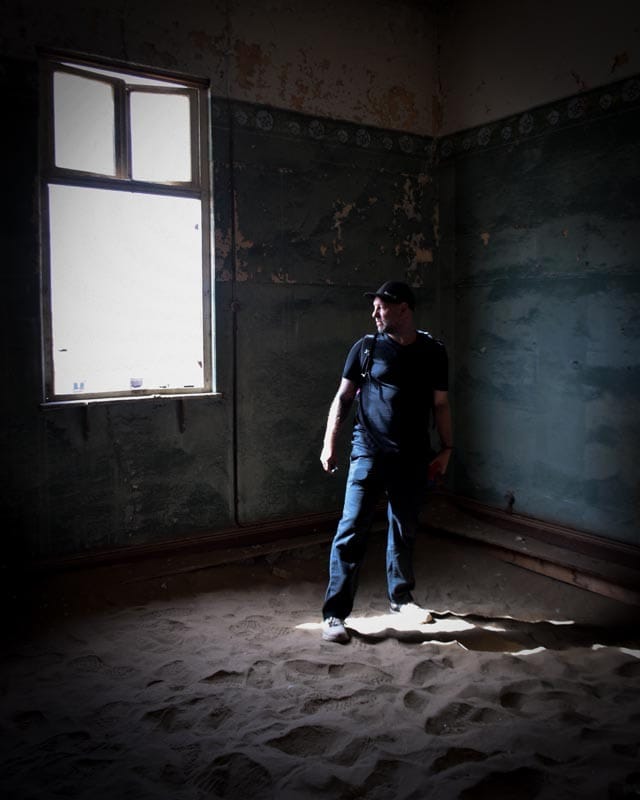
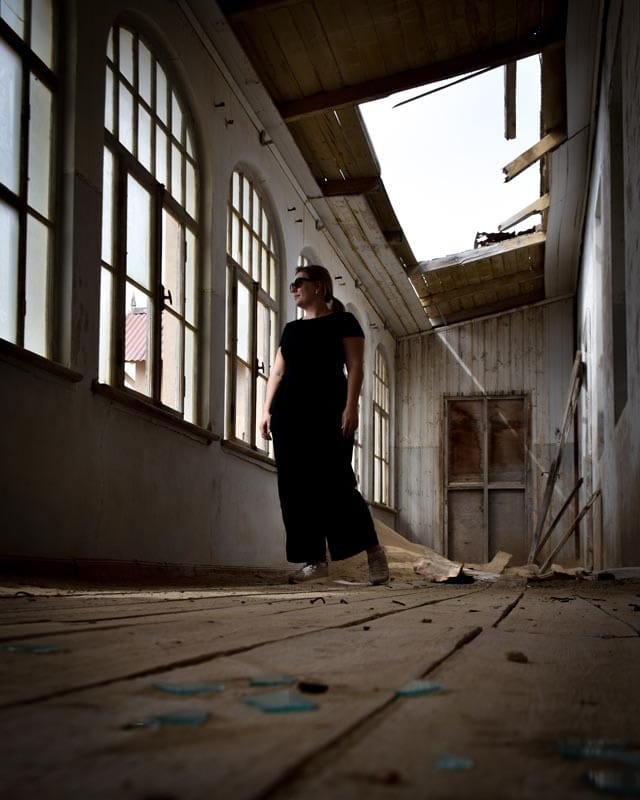
Today, drifting sand fills abandoned homes while peeling wallpaper hangs from crumbling walls. Every room feels like a scene from a post-apocalyptic movie. For photographers, it’s paradise. There is also a guided tour which we enjoyed before spending a few hours exploring the buildings and taking photographs on our own.

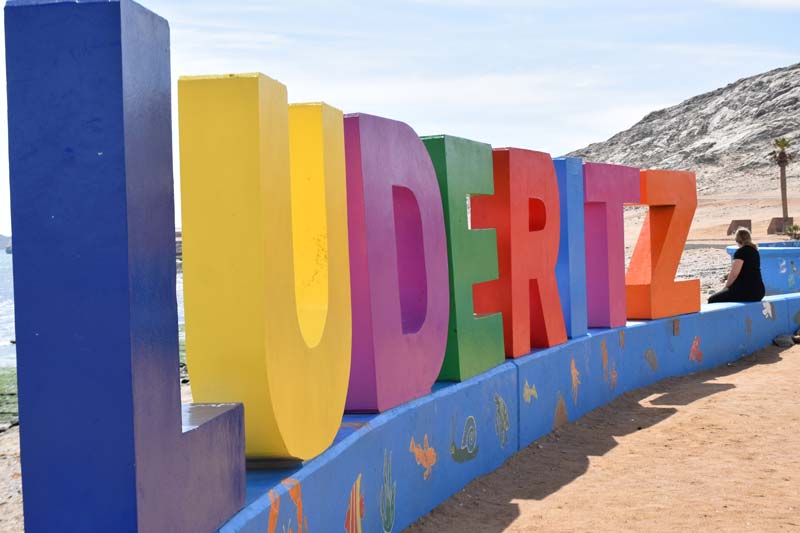
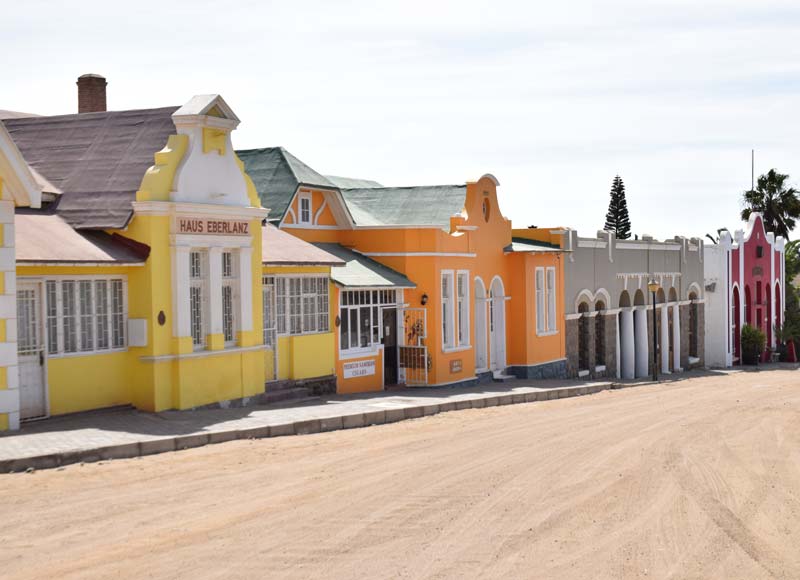
From there we continued to Lüderitz, one of Namibia’s more unusual towns. Its colourful German colonial architecture feels completely out of place against the surrounding desert landscape. After lunch by the coast and a quick supermarket stop, we visited Diaz Point, named after Portuguese explorer Bartolomeu Dias, who landed here in 1487, the site contains a replica of the stone cross erected during his voyage.

Strong Atlantic winds and sea spray quickly convinced us it was time to head back inland. That evening we returned to our cabin at Klein-Aus Vista for another peaceful night in the desert.

Day 8: Fish River Canyon and Quiver Tree Forest

This was our longest travel day of the tour. Our destination was the Quiver Tree Forest, but first we made a significant detour to Fish River Canyon.

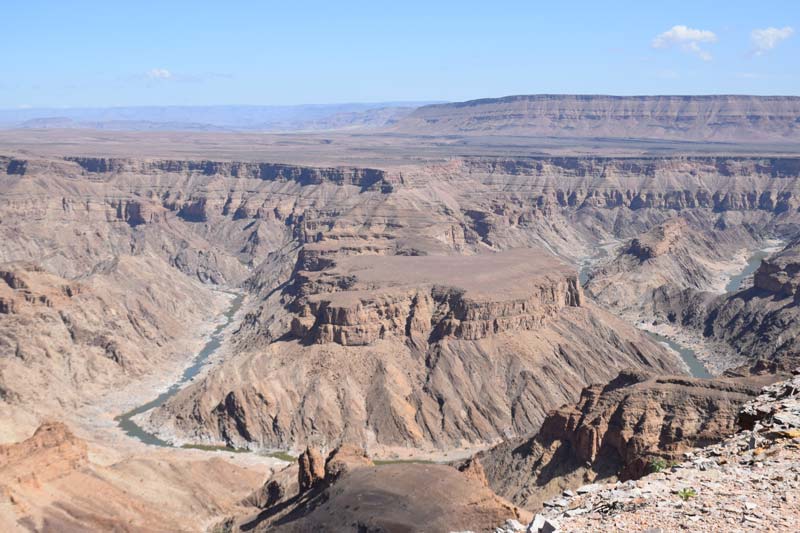
Often described as the second-largest canyon in the world after the Grand Canyon, Fish River Canyon is certainly impressive in terms of scale, the viewpoints offer spectacular panoramas stretching far into the distance. However, if we’re being completely honest, this was probably our least favourite stop of the trip, only because of the long detour.

The canyon is viewed from above and, unless you’re visiting during hiking season you cannot enter. you would also most likely need an extra night here to do that. We had a great lunch on the rim overlooking the canyon afterwards we continued back towards the Quiver Tree Forest.

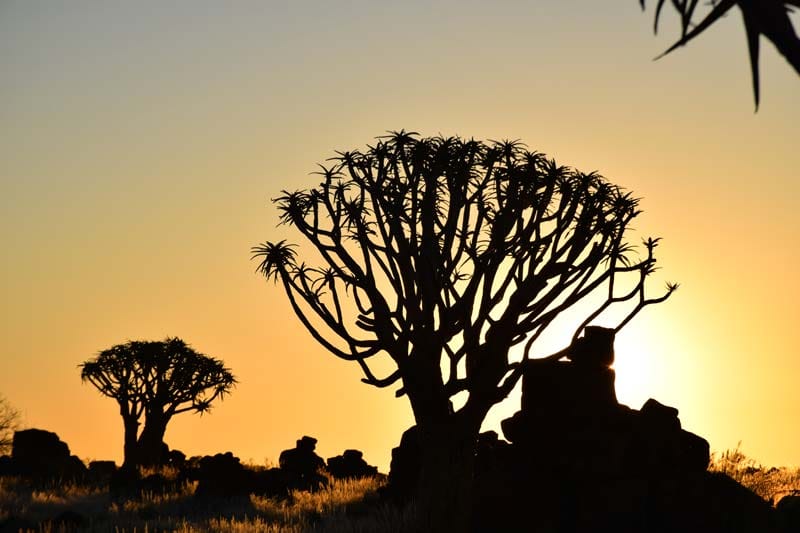
This place felt almost alien. Despite the name, quiver trees are actually giant succulents rather than true trees. Their unusual shapes create one of Namibia’s most distinctive landscapes. Once camp was set up, we spent the evening wandering through the forest taking photographs as the setting sun transformed the landscape into shades of gold and orange, the atmosphere here was wonderfully peaceful.

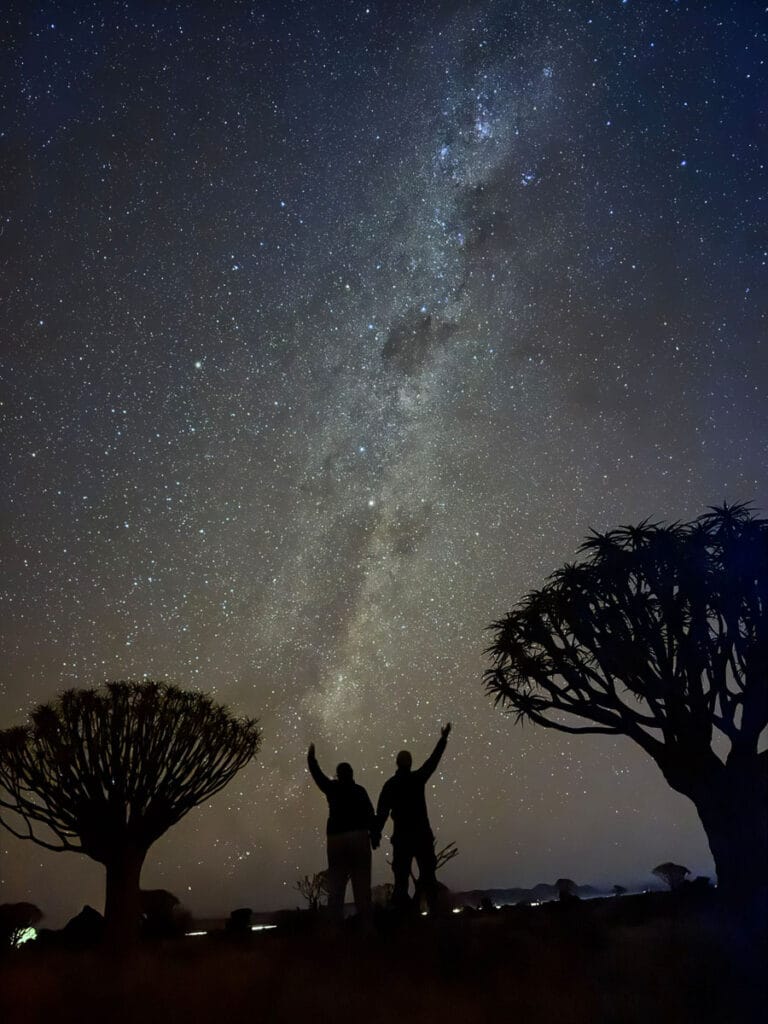
Apart from a handful of other visitors, we largely had the place to ourselves. As darkness fell, the stars returned once again. Looking up at the Milky Way from our final campsite was the perfect way to spend our last evening in Namibia’s wilderness.

Day 9: Quiver Tree Forest to Windhoek

The final day arrived far too quickly. After breakfast, we packed away our tents for the last time and began the journey back to Windhoek. About halfway through the drive, our guide organised a surprise roadside celebration.

It happened to be my (Sam’s) birthday. Unknown to me, our guide, driver and Livia had secretly organised cake, drinks and a few extra treats. It was such a thoughtful gesture and a perfect example of the kind of people Chameleon Safaris employs.

The remainder of the drive passed quickly and before we knew it we were back in Windhoek.

Nine days earlier we had arrived knowing very little about Namibia, Now we were leaving with thousands of photographs, countless memories and a much deeper appreciation for one of Africa’s most spectacular countries.

What to Pack for This Tour

A few items made our trip significantly more comfortable:

  • Camera with a Zoom Lens – If you enjoy photography, bring the longest lens you own. A lens of at least 300mm is ideal for Etosha.
  • Head Torch – Camping is much easier when both hands are free.
  • Inflatable Travel Pillow – Perfect for long drives and surprisingly useful in the tents.
  • Warm Jacket or Puffer – Evenings can become surprisingly cold, especially in the desert.
  • Binoculars – Not essential, but very useful during wildlife viewing in Etosha.

Group Tour Tips

This is a group tour, which means you won’t know exactly who you’ll be travelling with until the tour begins. Your truck might be full or nearly empty. You may be travelling with couples, solo travellers, retirees or backpackers.

Our advice is simple. Be social. Be helpful. Help pitch tents. Help wash up. Share snacks. Offer to take someone’s photo. The people around you will become part of the experience, and a positive attitude goes a long long way.

Also, don’t underestimate Namibia’s ability to absolutely destroy clothes. Dust, sand, sweat and desert wind get absolutely everywhere. You’ve been warned.

Final Thoughts: Is the Chameleon Safaris 9-Day Tour Worth It?

Yes, absolutely. If we were designing our perfect itinerary, we would probably skip Fish River Canyon.The tour was packed with a lot of impressions in a short time, but totally worth it! If we were to do it again, we’d probably do the slightly longer 10 day camped tour instead of the one we did – as it had a bit more relaxed pace and more stops.

Livia was quite concerened about camping, but as it turned out she loved it. Maybe it was the slower pace, maybe it was the camaraderie, maybe sleeping under canvas just suited us better. Camping also opened the door to our 8 day self-drive around Namibia where we did a mix of rooftop camping and lodges

The reality is that this tour delivered one incredible experience after another.

Etosha gave us unforgettable wildlife encounters. Sossusvlei and Dead Vlei completely exceeded expectations. Kolmanskop was one of the most fascinating abandoned places we have ever visited, and the Quiver Tree Forest provided some of the best night skies we’ve ever seen.

What really made the trip special, however, were the people. Every guide and driver we travelled with was knowledgeable, friendly and genuinely passionate about showing visitors their country. The truck was comfortable, the food was excellent and the itinerary struck a great balance between adventure, wildlife and scenery.

Yes, there are some long driving days. Yes, there is camping. And yes, you’ll probably return home with sand in places you didn’t know sand could reach, but if you’re looking for an affordable way to experience Namibia’s highlights without self-driving, we would happily recommend this tour.

It still remains one of the best organised and most memorable tours we have ever done.

📌 We booked directly with Chameleon Safaris and we think you should too. We even have a discount code you can use if you want 10% off any of their tours, just use code PADDINGTON10 at checkout.

June 23, 2025 0 comments
FacebookTwitterPinterestLinkedinRedditStumbleuponWhatsappTelegramThreadsOpenAIChatGPTEmail

Recent Posts

  • Namibia Self Drive Safari vs Guided Tour: Which Is Better?

  • Namibia Self Drive: Everything We Learned Driving a 4×4 Across Namibia

  • Bosnia and Herzegovina Itinerary: Our 1 Month Route by Bus

We use Safetywing

We use THS

Trusted House Sitters

Here’s 25% off your annual membership to TrustedHousesitters - thanks to your pet loving pals at LBSBWorld.

Join now with 25% Off!

We use NordVPN

NordVPN

Get 3 months of NordVPN right now!


The best VPN service for a free, open internet

Get NordVPN!

We use Wise

Wise

Get Zero Fees on a transfer up to €500


Spend in 150+ countries like a local with Wise card

Get Wise!

©2026 LBSBWorld - All Right Reserved - Designed and Developed by Livia & Sam

Powered by
►
Necessary cookies enable essential site features like secure log-ins and consent preference adjustments. They do not store personal data.
None
►
Functional cookies support features like content sharing on social media, collecting feedback, and enabling third-party tools.
None
►
Analytical cookies track visitor interactions, providing insights on metrics like visitor count, bounce rate, and traffic sources.
None
►
Advertisement cookies deliver personalized ads based on your previous visits and analyze the effectiveness of ad campaigns.
None
►
Unclassified cookies are cookies that we are in the process of classifying, together with the providers of individual cookies.
None
Powered by
LBSB World
  • Home
  • Destinations
    • Africa
      • Namibia
    • Asia
      • Indonesia
    • Europe
      • Albania
      • Bosnia-Herzegovina
      • Croatia
      • Montenegro
      • North Macedonia
      • Serbia
  • Travel Itineraries
    • Our 9-Day Namibia Tour with Chameleon Safaris: An Honest Review
    • Our 2 Week Albania Itinerary
    • Bosnia and Herzegovina Itinerary: Our 1 Month Route by Bus
    • Namibia Self Drive: Everything We Learned Driving a 4×4 Across Namibia
  • Plan Your Trip
    • How to Deal with Travel Burnout (And Start Enjoying Travel Again)
    • Sam’s Fulltime Travel Packing List
    • Using Trusted House Sitters to Support Your Travels
    • Namibia Self Drive Safari vs Guided Tour: Which Is Better?
  • About Us
    • About Sam & Livia
    • The Story Behind Our Full-Time Travel Life
    • abearcalledpaddington